









































The U.K.’s new government faces its first big security test
Counterterrorism officials arrested several men in connection with suspected explosives found near a military base on the same day as a report that a former Hamas bodyguard plotted terror attacks after gaining U.K. asylum
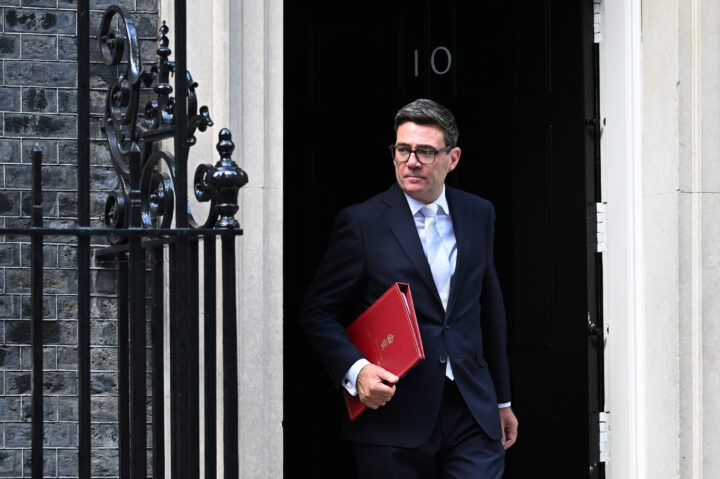
Leon Neal/Getty Images
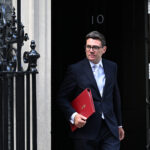
Prime Minister Andy Burnham departs 10 Downing Street to address the House of Commons on Sept. 1, 2026 in London, England.


 Add JewishInsider on Google
Two security incidents that were reported in the U.K. over the weekend are presenting Prime Minister Andy Burnham with some of his new government’s first major tests since taking power over the summer: how to address domestic counterterror threats and mounting issues related to asylum seekers, while also responding to concerns by British Jews over their safety and security amid growing tensions between London and Jerusalem.
On Sunday, U.K. officials arrested several individuals near a military base in Gloucestershire used by the U.S. for operations against Iran. A police statement released about the incident said that an ordnance disposal team had been dispatched to the area and that properties in the vicinity had been evacuated.
The incident occurred hours after a report in the U.K.’s Times that a former bodyguard for Ismail Haniyeh, a Hamas leader who was killed by Israel in 2024, was granted asylum — and later citizenship — in the U.K., from which he plotted attacks across Europe. The man, identified as “Mr. X” due to a British court order protecting his anonymity, was arrested last year in connection with a plot to attack Jewish targets in Germany and Austria on the second anniversary of Hamas’ Oct. 7 attacks.
Ben Judah, who served as an advisor to former U.K. Foreign Secretary David Lammy, said that the Times story “confirms a deep fear of mine. That out of a mixture of carelessness, incompetence, indifference and denial the Home Office is rubber stamping terrorists, that would like to kill people like me and my family, access to the country.”
Judah’s comments underscore the degree to which decisions regarding U.K. government policy on visa vetting and counterterrorism efforts intersect with Jewish communal concerns over safety. In the British Jewish community, concerns about rising antisemitism — deepened by a series of recent arson attacks against Jewish institutions — have intensified in the last year, since two men were killed in a terror attack at a Manchester synagogue during Yom Kippur, marking the first deadly attack on a Jewish community in the country since World War II.
Adding to those concerns, a British national from Somalia pleaded not guilty on Friday to an April attack in which two identifiably Jewish men were injured in a knife attack in North London — one in a spate of antisemitic attacks that roiled the U.K. earlier this year. Read a first-person perspective on antisemitism in the U.K. from JI’s Tamara Zieve.
“If anyone doubted the specific terror threat facing the Jewish community, the last two weeks alone should have put paid to that,” Justin Cohen, the news editor and co-publisher of the London-based Jewish News, told JI on Monday. “A year after the first antisemitic murders of Jews in Britain in memory on Yom Kippur, another plot targeting the country’s Jewish community was disrupted. And now we discover that a bodyguard of the former Hamas leader was plotting to attack Jews in Europe after being given asylum in the U.K. It’s little wonder that the community is feeling increasingly vulnerable and fear it’s a question of when, not if, another attack gets through.”
Earlier this month, U.K. Foreign Secretary Ed Miliband rejected a claim by the U.K.’s chief rabbi, Rabbi Ephraim Mirvis, that London’s policies against West Bank settlements could endanger British Jews. The exchange highlighted the differing views between Jewish leaders and government officials over the effect that London’s decisions vis-a-vis Israel have on the local Jewish community.
Across the Atlantic on Friday, Miliband met with his Iranian counterpart, Foreign Minister Abbas Araghchi, on the sidelines of the U.N. General Assembly in New York, and told him that London would “not tolerate intimidation, threats or hostile activity on U.K. soil” — days after the U.K.’s cyber directorate accused Iran-linked actors of attempting phishing campaigns on Telegram and WhatsApp. The meeting was the first between the two since the U.K. in July designated Iran’s Islamic Revolutionary Guard Corps as a national security threat.
Alongside the designation of the IRGC, the U.K. also designated as a national security threat the Islamic Movement of the Companions of the Right, believed to be an Iran-linked group that has claimed responsibility for more than half a dozen attacks on Jewish and Israeli targets across the U.K.
This is the backdrop against which London will have to make determinations in the coming months regarding counterterrorism efforts, vetting of asylum seekers and the ongoing concerns from the Jewish community over its safety and security — and their overlap.
More Stories
on the hill
Shaheen holding up $2.8 billion arms sale to Israel
VEEP APPEAL
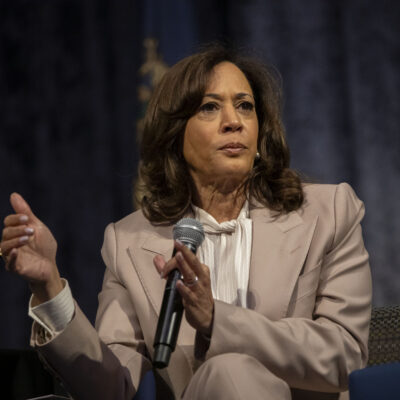
Michigan Jewish leaders urge Kamala Harris to appeal to El-Sayed on antisemitism, Israel
latin links
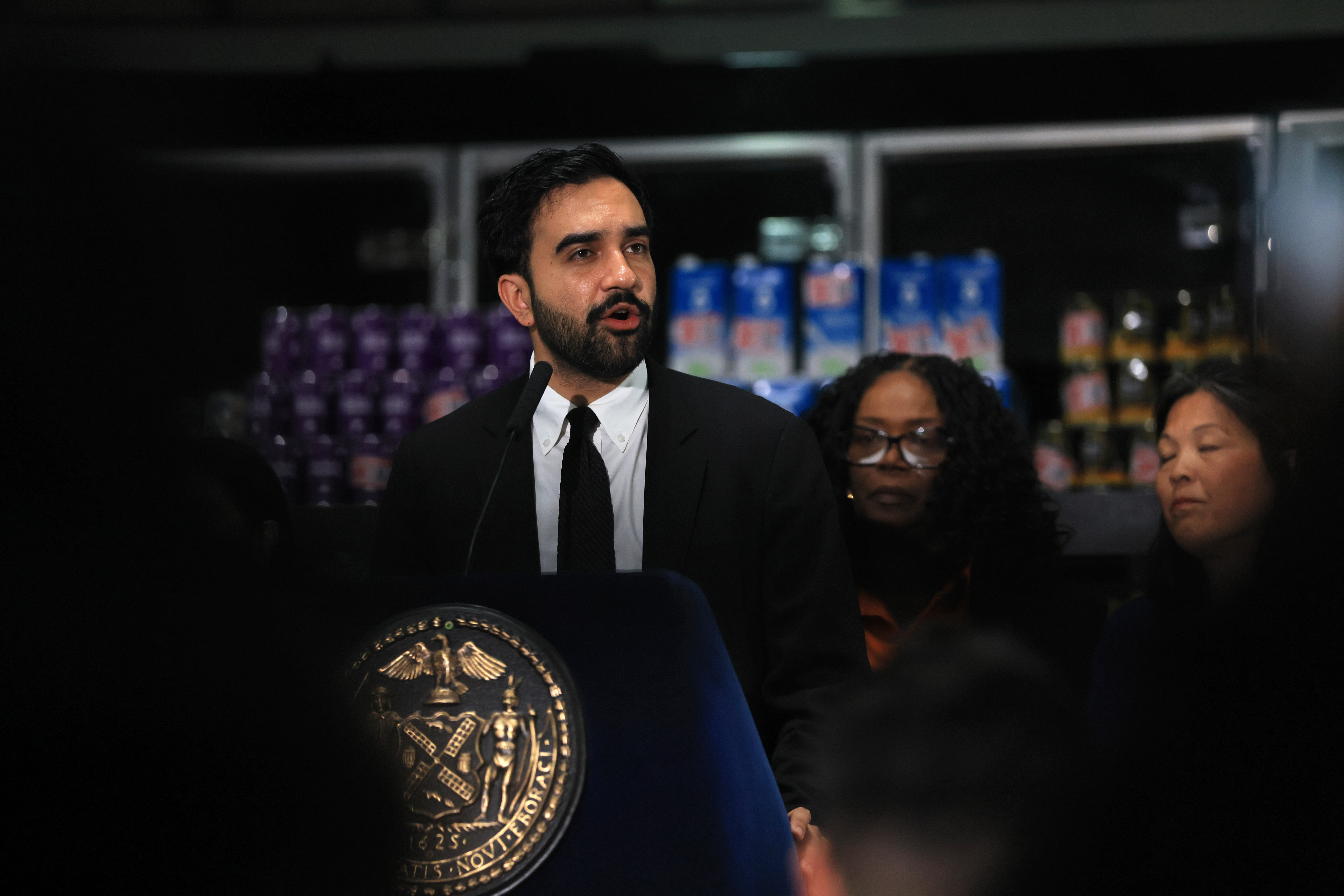
Top Mamdani international affairs staffer linked to global left-wing influence network
PROTEST POLITICS
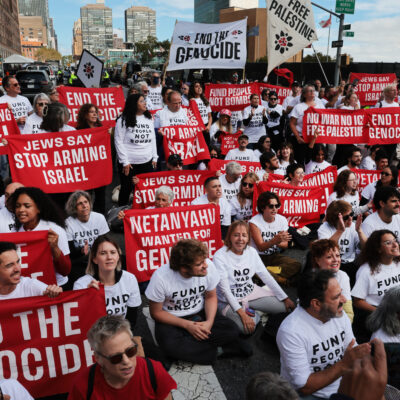
Incoming anti-Israel members of Congress protest against Netanyahu outside U.N.
SECURITY ADVOCACY
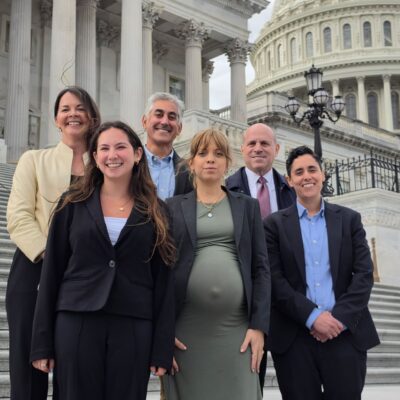
‘Life and death’: Survivors of antisemitic attacks lobby Congress for security aid
SANCTIONS PUSH
Coons, Senate Democrats introduce sanctions bill aiming to block E1 settlement construction
Please log in if you already have a subscription, or subscribe to access the latest updates.
 Continue with Google
 Continue with Apple