































IDF report identifies 170 Palestinian ‘journalists’ killed during Gaza war affiliated with terrorist groups
The database is the army’s latest effort to rebut accusations from international media organizations, human rights groups and politicians that Israel deliberately targeted journalists during its war in Gaza
IDF
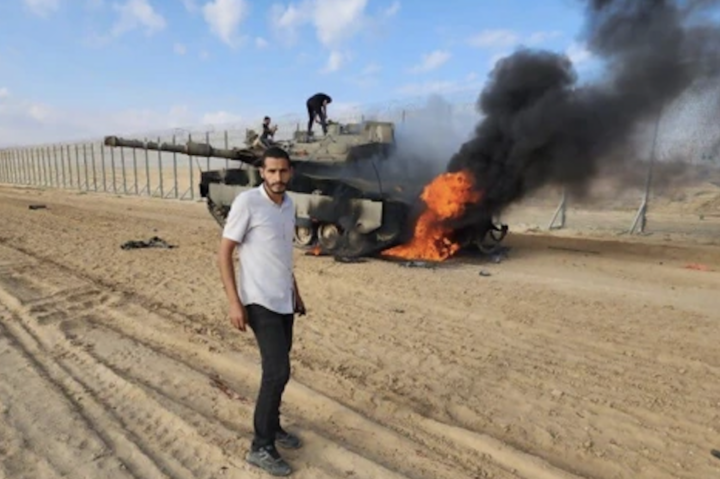
Hassan Abdel Fattah Mohammed Aslih


 Add JewishInsider on Google
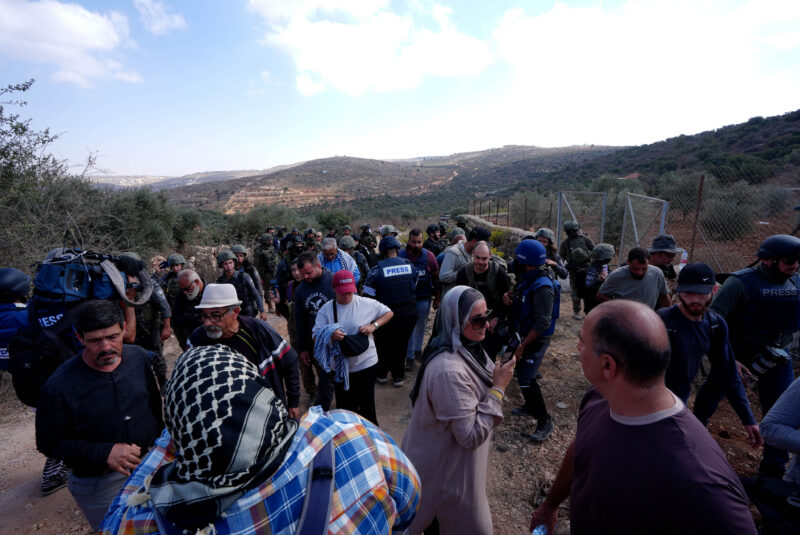
The Israeli military on Thursday released a database identifying 170 Palestinians killed during the Gaza war who it claims were at one point members of Hamas, Palestinian Islamic Jihad and other terrorist organizations — despite being members of the media or journalists. Among the group were 17 individuals whom the IDF said participated directly in the Oct. 7, 2023, Hamas terrorist attacks.
“Over the past three years of the war, numerous articles, opinion pieces and reports have repeated the claim that the IDF deliberately targets journalists in Gaza, in violation of international law,” the database website reads. “But that claim does not tell the full story.”
The military said 118 of those identified were members of Hamas’ military wing, while 49 were members of PIJ. Two were affiliated with the Popular Resistance Committees and one with another terrorist organization, according to the IDF.
The database is the IDF’s latest effort to rebut accusations from international media organizations, human rights groups and politicians that Israel deliberately targeted journalists during its war in Gaza. The website includes names, photographs, alleged organizational affiliations and evidence it says establishes the individuals’ roles, including documents produced by terrorist organizations and material recovered by Israeli forces in Gaza.
The IDF said it conducted an “in-depth investigation based on a wide range of intelligence sources, including open-source information, documents gathered in the field, interrogations of military operatives by Israeli intelligence bodies and more.”
In a video statement released Thursday, IDF spokesman Effie Defrin said the release was intended to show that the individuals identified in the database were targeted because of their alleged militant activity, rather than their work in the media.
“The IDF does not target journalists because of their profession. We target terrorists who threaten our people,” Defrin said. “Today, we are exposing the truth … Today, we are releasing the names, documents, and photographs showing who these so-called journalists really were.”
Defrin also pointed to previous instances in which he said the IDF faced false accusations over its conduct in Gaza, arguing that the military was often criticized before information about alleged militant activity or terrorists’ use of civilian infrastructure had been fully examined.
“We have seen this pattern before: terrorists presented as medical workers, hospitals and ambulances exploited for terrorist activity, terror infrastructure in the heart of civilian areas, again and again, IDF soldiers were criticized before the facts were checked, including by some of the world’s leading news outlets,” Defrin said. “And now that the truth is exposed, where are the corrections? Where are the apologies? If the accusation deserved the headline, the facts deserve one too.”
The database, however, does not consistently establish whether an individual was simultaneously working as a journalist and serving in a military or organizational role. In some cases, the IDF provides specific details about a person’s alleged position alongside their media work, while other entries simply say an individual “reportedly worked” as a journalist or provide no information about the person’s media activities.
Among the individuals named is Amro Nahid Abdel Rahman Abu Odeh, whom the IDF said worked for Reuters while also having served at one point as a “squad commander in Hamas’ military photography unit.” The military published images showing Abu Odeh carrying a camera and, separately, holding a rifle.
The IDF also identified Hassan Abdel Fattah Mohammed Aslih — known in Western media as Hassan Eslaiah — whom the army said worked for the Associated Press and CNN and served as a Hamas military operative who infiltrated Israel on Oct. 7. Both outlets severed ties with Eslaiah in November 2023 after the NGO Honest Reporting surfaced his photos from inside Israel on Oct. 7 and an image of him posing with Hamas leader Yahya Sinwar. Aslih was killed in an Israeli strike on Nasser Hospital in Khan Younis in May 2025.
“Let me be clear: a press vest does not erase terrorist activity. A camera does not give immunity to a terrorist,” Defrin said. “The IDF is a moral army, one that respects freedom of the press and international law, and cares about the truth. For three years, the world has heard false accusations and lies. Today, we are showing you the truth.”
More Stories

Regional Responsibility
Amb. Tom Barrack: It’s ‘not America’s job’ to combat Iran-backed threats in the Middle East
SECURITY SETBACK
Saudi Arabia postpones ‘Davos in the Desert’ until 2027 amid Houthi attacks
PIKER PROBLEM
Hasan Piker event in Minnesota with Ilhan Omar faces growing backlash

PRAIRIE STATE PRIORITIES
Illinois Democrats spend big for anti-Israel candidate running for state Senate
POLL POSITION
U.S. experts split on Netanyahu’s prospects ahead of Israel’s election
MINNESOTA MIC DROP
Jacob Frey, Betty McCollum join Minnesota Dem chorus condemning Piker event
Please log in if you already have a subscription, or subscribe to access the latest updates.
 Continue with Google
 Continue with Apple