













































From Oct. 7 to FlyDubai, ordinary Israelis keep filling the gaps left by the government
On the third anniversary of the attacks, and weeks before the first election since, a foiled midair hijacking has revived the question of whether Israel's institutions can protect its citizens
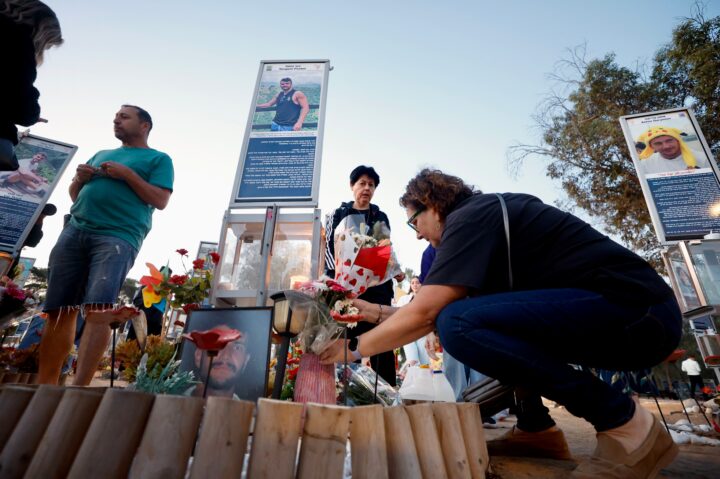
(Jamal Awad/picture-alliance/dpa/AP Images)
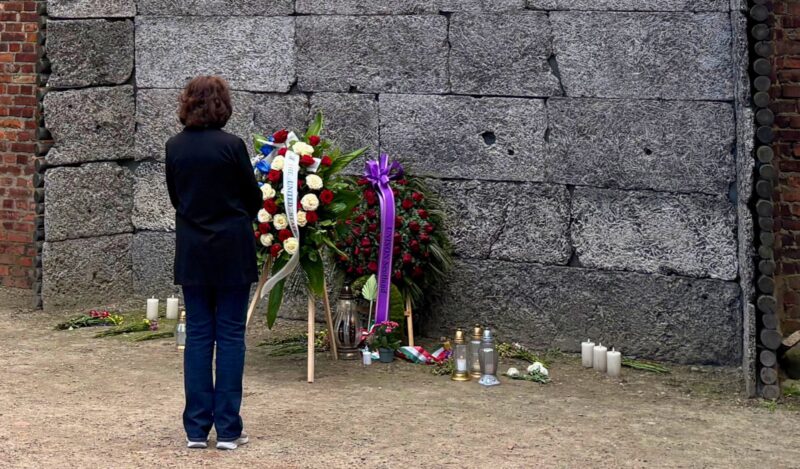
07 October 2026, Israel, Re'im: Mourners place flowers beneath portraits of victims during a memorial at the site of the Nova music festival in Re'im.


 Add JewishInsider on Google
This year, three years since the Oct. 7, 2023, Hamas-led terror attacks, Israelis are marking the first anniversary in which no hostages remain in Gaza. Daily life has shifted to a new phase: one in which fewer reservists are being called up, Tel Aviv’s Hostages Square sits quiet on Saturday nights and Israelis tuning into the evening news normally see something other than war — usually election coverage.
The threats, too, have shifted. Just over a month after the return of the body of the last remaining hostage in Gaza in January, Israelis faced six weeks of war with Iran, which shuttered schools and businesses and sent many Israelis scrambling — again — to find a way out of the country, some for the duration of the war and some more permanently.
In that year since, many of the pre-Oct. 7 debates in Israeli society have reemerged: judicial reform, Haredi enlistment, cost of living, Israeli Prime Minister Benjamin Netanyahu’s corruption case and the ongoing strife between religious and secular that plays out in myriad ways.
On the heels of last week’s FlyDubai attempted hijacking and ahead of the first election since Israel’s south was invaded by thousands of terrorists — Israelis face a reckoning. The questions that loomed in the wake of the Oct. 7 attacks regarding the security of Israelis and the key role the government plays in that security are again front and center.
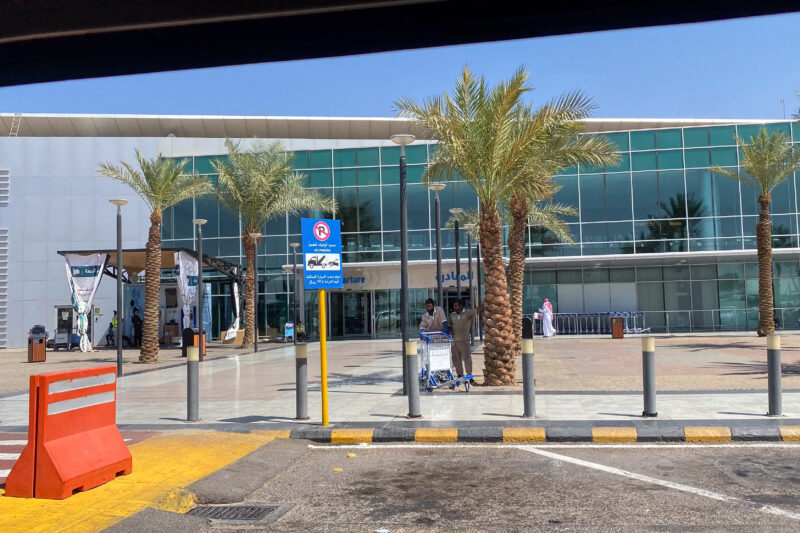
The terror attack on a FlyDubai flight bound for Israel, foiled by a miraculous set of events and the bravery of the Indian captain and Israelis on board, serves as a reminder of the threats that Israelis still face — and of the ways in which the institutions designed to protect them failed their societal covenant to do so.
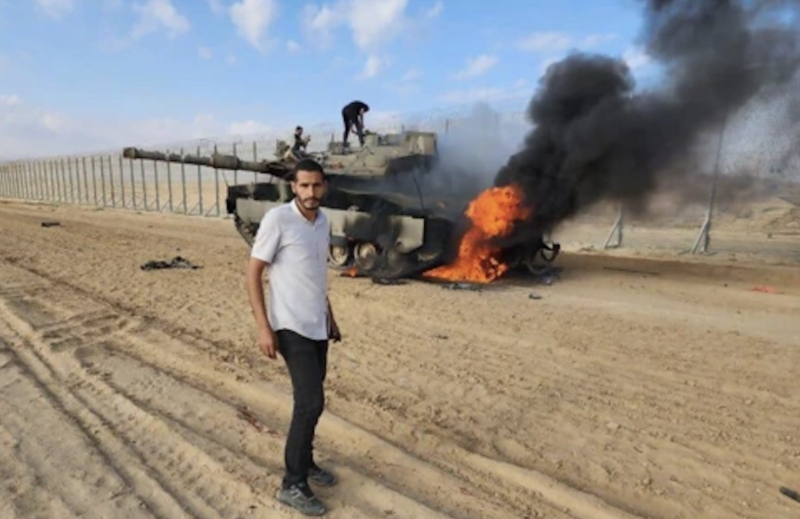
On Oct. 7, 2023, Israelis across the south found themselves vulnerable and defenseless — a particularly jarring feeling for a country that believes itself to be a military superpower in the region. Warnings about potential border threats from both within, and as recently reported, from Arab states in the region, had gone unheeded — in some cases, summarily dismissed by senior military intelligence officers as impossible, only to be proven painfully accurate. Some of the soldiers previously stationed in the Gaza border region had been reassigned to the West Bank to protect settlers during the holiday season.
And in the days and weeks after, it was not the government, but ordinary people, who stepped up. The communications professionals who gathered hostage families into a more coordinated voice. The restaurants that turned into assembly lines, packing meals for displaced Israelis. The therapists who provided grief counseling to survivors. The Jewish federations that provided emergency grants to displaced communities. The Diaspora Jews who paid for plane tickets so Israeli reservists could fly home and join their units. The Zaka volunteers, forensic teams and medical professionals, who took on the grimmest tasks: collecting, identifying, cataloguing and burying the remains of the nearly 1,200 people killed that day.
Not all of these civilian efforts were necessarily effective — amateurs can be expected to make amateurish mistakes — but at a time when survivors and victims were not receiving the governmental help they desperately needed, ordinary people stepped in to fill that void.
Today, a week after the FlyDubai attack, details are emerging about the security lapses — Emirati, Omani and Israeli — that led a co-pilot who had been banned from flying by a previous employer over his extremist, Islamist beliefs to be assigned to a flight to Israel.
As more information is revealed about last week’s midair melee, a similar feeling is emerging: that the government institutions meant to protect citizens fell short, forcing ordinary folks — an Indian captain, a dentist, a plumber with a penchant for watching air-disaster reality TV — to act in extraordinary ways to avert disaster.
Oman Air officials failed to elevate their concerns about Hamam al-Hammami, who was assigned to a desk job and forced to take a reeducation program. FlyDubai appeared not to have contacted Oman, though it did conduct a background check. He was hired by the low-budget airline earlier this year.
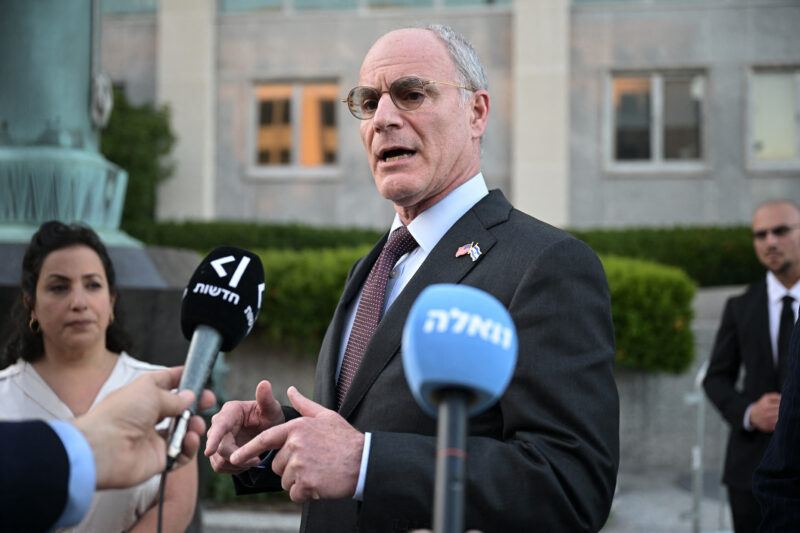
Last week, as is standard practice, Emirati officials gave the flight’s manifest to Israeli authorities, whose job is, ostensibly, to make sure that those flying to the Jewish state do not intend to cause harm to the people there, or on board. But Israel’s Tax Authority, which has since 2023 received the lists and put them in a database, did not share the information with the Ministry of Transportation, under whose purview FlyDubai and other foreign carriers rest. The Ministry of Transportation, for its part, says that it did not think it had the ability or authority to vet foreign flight crews.
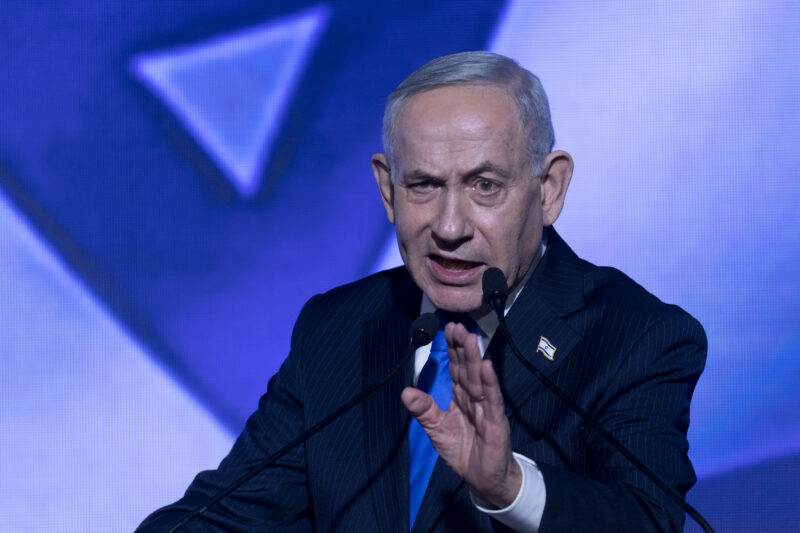
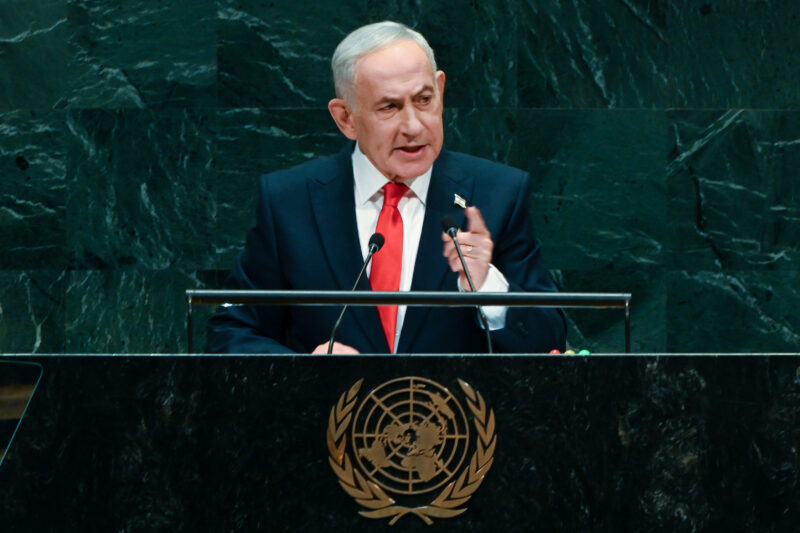
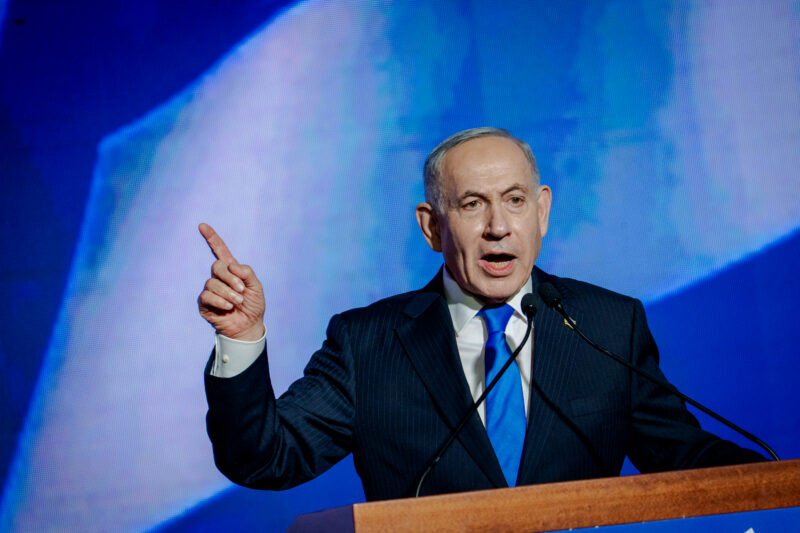
Netanyahu tasked the National Security Council with appointing an investigator to probe the incident, a move that garnered criticism from former National Security Advisor Eyal Hulata, who said blame for the incident lay in part with the NSC itself, which had in 2024 and 2025 issued warnings that the government had not been adequately vetting the manifests of foreign airlines.
Hulata said that Netanyahu has “the same outlook” on the FlyDubai incident as he did on the Oct. 7 attacks, for which no state commission of inquiry has been established. Netanyahu’s refusal to authorize an official inquest into the Oct. 7 attacks has been a frequent criticism made by, among others, survivors of the attacks, relatives of those killed and Netanyahu’s political opponents.
The most recent annual Democracy Index from the Israel Democracy Institute, released in December 2025, found that the Israeli government, the Knesset and the country’s political parties had the lowest levels of trust among Israeli respondents, falling below the Israeli president, Israel Police and even the media.
Can the Israeli institutions entrusted with protecting the Israeli people actually do so? The FlyDubai attack has resurfaced that question as Israelis prepare to choose their first new government since Oct. 7.
When Israelis head to the polls in 20 days, many will ask themselves not just, “Am I better off now than I was four years ago?” but, “Am I safer now than I was four years ago?” It’s a question that is less about Hamas, Hezbollah, Iran, the Houthis and the many other threats facing Israelis and Jews around the world, and more about the government’s ability to act as a protector. Oct. 7 and the FlyDubai attack prompted ordinary Israelis to fill the voids left by government failure. When voters head to the polls later this month, one question they will have to answer is whether they believe they should still have to.
More Stories

museum moment
Elisha Wiesel: U.S. Holocaust Museum has ‘unique responsibility’ to counter genocide claims against Israel

Doha’s Darling
Murphy, Qatar’s ‘reliable ally’ in the Senate, huddles with emir and chief Qatari negotiator in Doha
NEXT CHAPTER
After years of hostage advocacy, Kibbutz Be’eri survivor turns toward the future
Back to the Future
Israeli election déjà vu

BUSY IN BEIRUT
Reps. Gottheimer, LaHood visit Lebanon, meet President Aoun
EARLY ADOPTER
El-Sayed accused Israel of genocide before Gaza ground war began
Please log in if you already have a subscription, or subscribe to access the latest updates.
 Continue with Google
 Continue with Apple