



































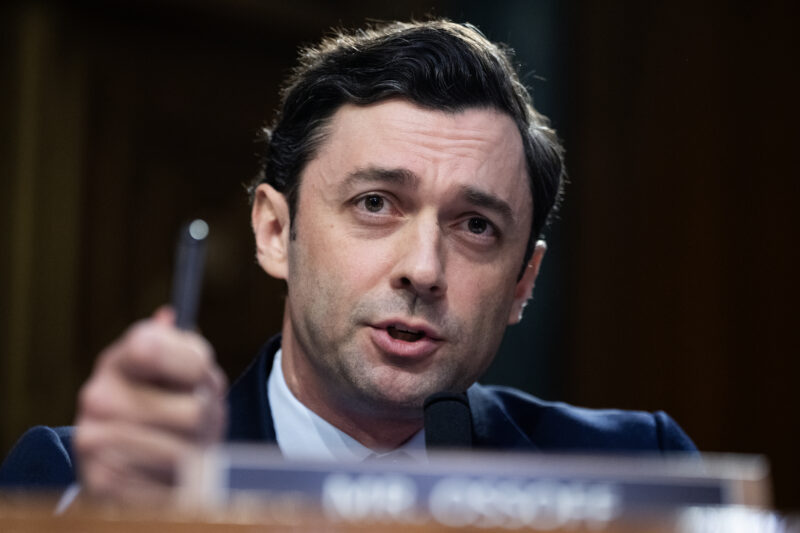









Chris Murphy’s selective outrage in the Middle East
The senator did not publicly address Qatar’s checkered human rights record, even while sharing more direct and extensive criticisms of Saudi Arabia during a stop in Riyadh
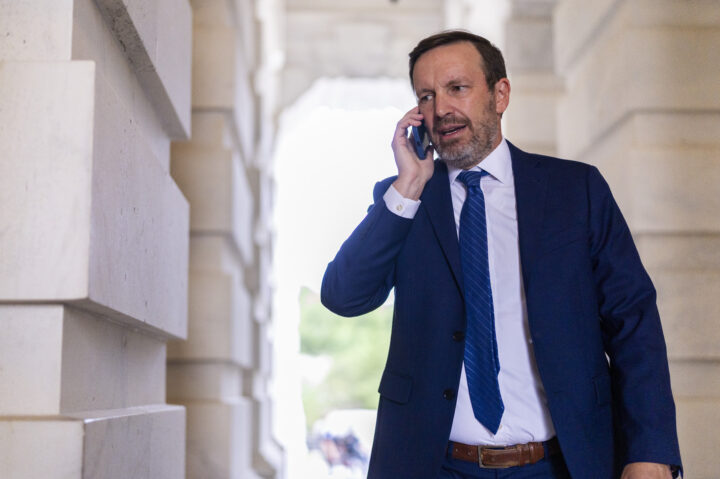
(Finn Gomez/Getty Images)
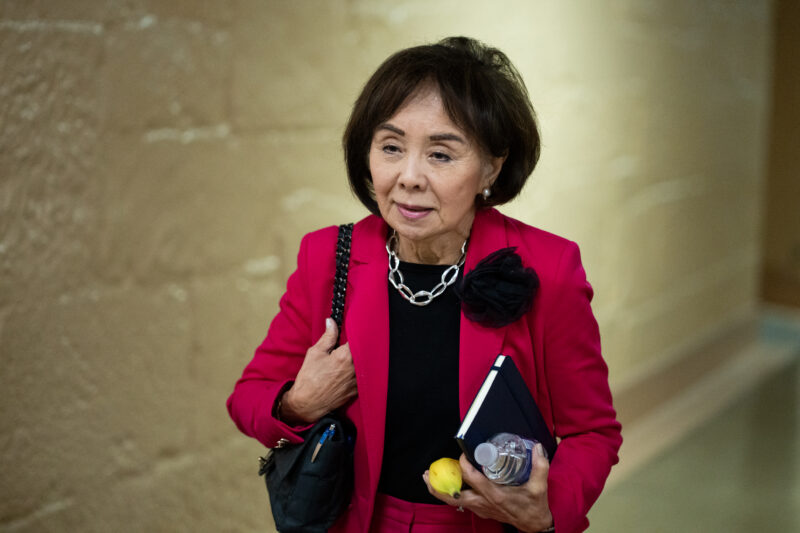
U.S. Sen. Chris Murphy (D-CT) enters the U.S. Capitol Building on August 07, 2026 in Washington, DC.


 Add JewishInsider on Google
Sen. Chris Murphy (D-CT) has made a name for himself as a progressive leader on the national stage who has often spoken out against Middle East allies — including Israel, over its war against Hamas in Gaza, and Saudi Arabia, over its human rights record.
But Murphy, in the middle of a trip across the Middle East that included meetings in Qatar earlier this week, made no mention of Doha’s checkered human rights record — never mind its role, in the eyes of its detractors, as a leading backer of anti-Israel propaganda, funder of antisemitic activity on college campuses and a supporter of terrorism — even as he offered criticisms of Saudi Arabia on a later leg of the same trip.
Murphy instead spent his trip lavishing praise on the oil-rich country, speaking of Qatar as an essential ally of the United States.
“There are so many things Qatar does to protect U.S. interests,” Murphy said, referring to Doha’s role in hosting the largest U.S. base in the Middle East, housing Afghan refugees and mediating the Gaza hostage crisis and Iran negotiations. “I thanked [the Qatari emir] for all of this. Qatar is and will remain an essential ally of the United States.”
Following a meeting with Qatar Foundation Vice Chair Sheikha Hind Al Thani, Murphy specifically praised Qatar’s relationship with U.S. universities arguing the ties — which, along with Qatari funding on U.S. campuses, have faced scrutiny — have been a benefit for the United States.
“The presence of American universities in Qatar is an important way for the United States to promote U.S. values in the Middle East and create more lasting people-to-people connections,” Murphy said.
The Connecticut senator only offered one piece of direct criticism for the Qatari government in his public posts: “Of course, I was also candid with [the emir], in particular regarding my deep concerns about the transfer of the luxury plane. It was a very good, honest discussion,” he said, referring to Qatar’s gift of a $400 million jumbo jet to serve as President Donald Trump’s Air Force One, which ignited Democratic outrage.
He also said, broadly, that the Gulf states are “important partners, but imperfect partners.”
Murphy then went to Riyadh after his stop in Doha, where his public comments were more critical.
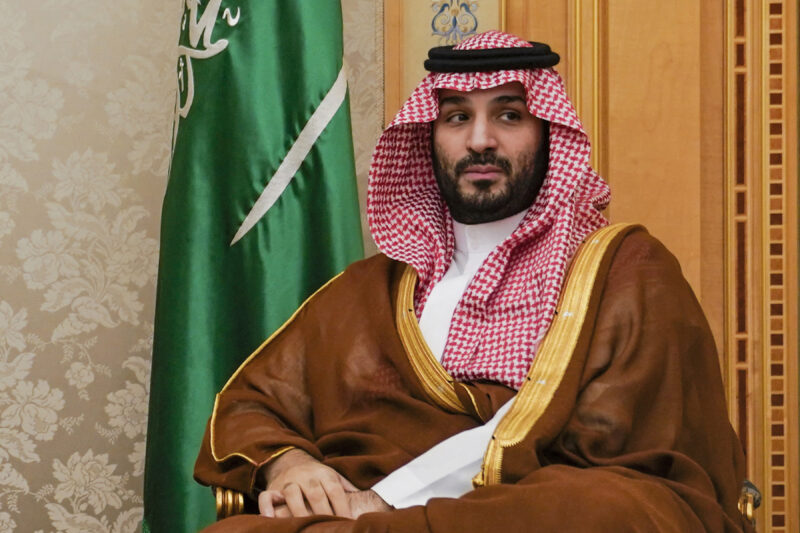
“I’ve been a vocal critic of Saudi Arabia. I’ve been a vocal critic of the crown prince, but I think it’s important for people to be here who disagree with Saudi Arabia’s policies to be honest and candid about those histories,” Murphy said following a meeting with Crown Prince Mohammed bin Salman. “We had an honest, provocative conversation about my disagreement with the Gulf countries’ decisions to invest with the Trump family. I think there’s got to be space for political dialogue and speech here in Saudi Arabia.”
But he also emphasized that the “points of alignment [between the U.S. and Saudi Arabia] are important as well. We are not going to get a permanent end to this war without the Saudis’ help. We are not going to get a Palestinian state without the Saudis’ help.”
Murphy’s praise for Qatar has sparked criticism even from some congressional colleagues. “Qatar spends billions funding the Muslim Brotherhood and spreading anti-American hatred,” Sen. Ted Cruz (R-TX) said. “They are not our friend.”
Jordan Acker, a Jewish Democratic University of Michigan regent, called Murphy’s comments on Qatar “bats***.”
“No country spends more to undermine U.S. interests through soft power (yes, lobbying, spending billions on U.S. higher education, etc.), than Qatar. They are a human rights abuser to the point where the World Cup Stadia were built with literal slave labor,” Acker continued. “Yet, the left would have you believe that Israel is the threat to the world order, not the country that literally directly funds Hamas.”
During the trip, Murphy has also highlighted the economic impacts of the Iran war and the damage done to U.S. facilities in the region, urging a negotiated end to war. He said the goal of his trip was to see firsthand the damage done to U.S. facilities in the Iran war, discuss the impacts of the Iran war on Gulf allies and plan U.S. policy in the Gulf going forward.
More Stories
ROGUE ALLIES
El-Sayed campaign distances himself from antisemitic ad promoting his campaign

Daily Overtime
Cleanup on aisle El-Sayed

DEM DIVIDE
Fetterman: Haley Stevens holding El-Sayed accountable for his ‘fixation with Jewish money’
CHAIN REACTION
Bank of Israel rejects Netanyahu’s suggestion to circumvent sanctions with cryptocurrency
TURTLE BAY TUSSLE
Ideological divide surfaces between two emerging contenders to lead the United Nations
REPORTED RIFT
‘Israel had no plan to attack Iran before election,’ defense minister says
Please log in if you already have a subscription, or subscribe to access the latest updates.
 Continue with Google

 Continue with Apple