


























MBS bet Saudi Arabia’s future on economic transformation. The Houthis are testing that wager
Deadly strikes on Riyadh’s airport show the cost of years spent containing rather than confronting an Iranian proxy — and Washington may not ride to the rescue
NATHAN HOWARD/POOL/AFP via Getty Images
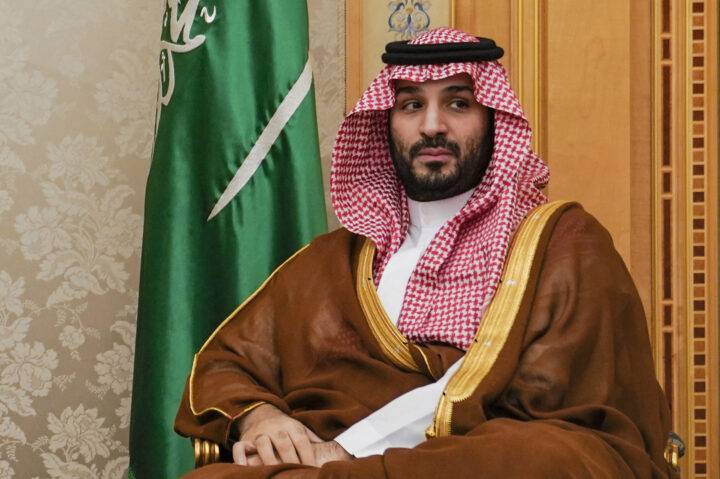
Saudi Arabia's Crown Prince Mohammed bin Salman looks on during his meeting with the US Secretary of State in Riyadh on October 23, 2024.


 Add JewishInsider on Google
Saudi Crown Prince Mohammed bin Salman has spent years — and billions of dollars — seeking to transform his country into a global economic powerhouse. But the recent escalation in tensions with the Iran-backed Houthis in Yemen — including the deadly weekend strikes on Riyadh’s main airport — is putting into question whether such a strategy is compatible with the changing geopolitical reality and continued threats posed by Iran and its terror proxies.
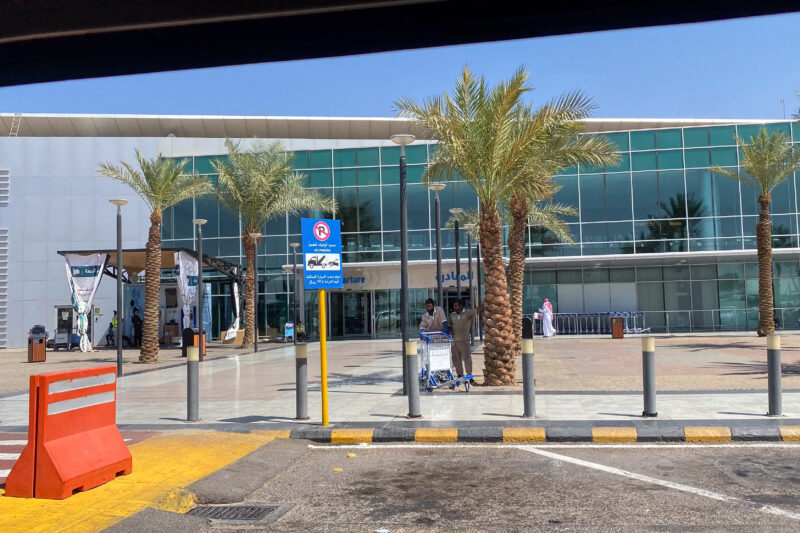
Thirteen people were killed and hundreds injured in a strike on a passenger terminal at the airport on Saturday. Another individual was killed in a separate attack when a projectile struck the airport again on Sunday. One American was among those killed in Saturday’s attack, prompting questions over whether Washington will enter the fight.
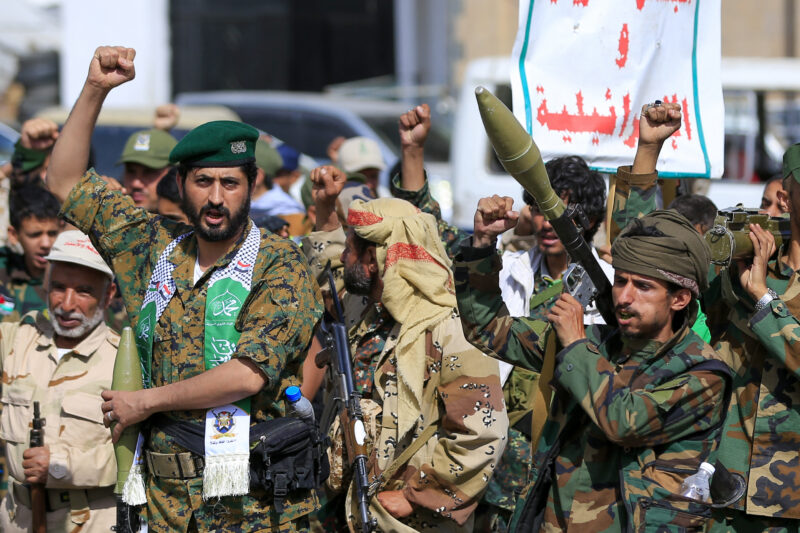
The weekend attacks mark the most severe escalation since the fragile, four-year ceasefire between Riyadh and the Houthis collapsed over the summer following the July bombing of a runway at the Sana’a International Airport in Houthi-held territory in an effort to prevent Houthi officials from landing after attending the funeral of Iranian Supreme Leader Ayatollah Ali Khamenei. Yemen’s officially recognized government claimed responsibility for the attack, but the Houthis attributed the strike to Saudi Arabia and declared the Gulf state’s aviation hubs to be fair game.
Struggling to defend itself from the missile barrages, Riyadh has few options to protect its vulnerable assets. A defense treaty signed with Pakistan and Turkey has borne little fruit. Experts with whom JI spoke last month said that Saudi Arabia’s predicament is partly of its own making, citing Riyadh’s failure to use the years of quiet to prepare for potential future confrontations with the Houthis, as well as the Gulf state’s rift with the United Arab Emirates, which destabilized efforts within Yemen to combat the terror group.
The Saudi playbook for years has been to lean on diplomacy and deescalation in an effort to prioritize its own economic ambitions. It’s a strategy that did little to address the threats posed by the Houthis, leaving Riyadh vulnerable to the kind of situation it had hoped to avoid.
The Saudi policy has long been something akin to Israel’s “mowing the lawn” approach to Hamas, as Israeli journalist Amit Segal points out. For the Israelis, much like the Saudis, containing the challenges posed by a well-funded Iranian terror proxy was easier than addressing the problem head-on. “The lesson of appeasing terror,” Segal suggests, “is the same.”
Compounding Riyadh’s predicament is the uncertainty over the U.S.’ potential involvement. Washington has so far stayed out of the active fighting between Riyadh and the Iran-backed terror group in Yemen, even as it has provided intelligence and targeting support to Saudi Arabia.
But even U.S. support is not endless, owing to its own military constraints as well as domestic political realities. The U.S.’ own interceptor stockpile is low — so low that it is expected to take years to fully replenish, leaving Washington unable to provide the kind of defensive technology that Riyadh lacks. And while President Donald Trump has said the U.S. could join the active fighting, he is facing political headwinds at home, with the midterms just weeks away and Republicans poised to potentially lose a number of House and Senate seats in traditionally red districts and states.
On Saturday, Trump said the U.S. “may” join Riyadh’s military operations, despite its own ceasefire with the Houthis, which has held since May. “We’re going to look at it,” the president told reporters hours after the deadly attack. “We just found out about the recent attack. So we’ll make a decision. We move very quickly.” A statement from Secretary of State Marco Rubio, meanwhile, expressed solidarity with Riyadh, but stopped short of offering military support or vowing retaliation for the death of the American citizen.
Now Saudi Arabia finds itself in an increasingly precarious situation. Its airports are under attack. Its East-West pipeline is intermittently shut down amid drone attacks. The Gulf state’s marquee fall conferences — the World Petroleum Council Energy Congress and the Future Investment Initiative, known as “Davos in the Desert” — are in doubt amid suspended flights and foreign travel advisories.
MBS spent years trying to build a society focused on economic progress, using diplomacy as a key tool in achieving it. The Houthis don’t need an all-out military win against Saudi Arabia — they have already established themselves as a disruptor: armed, ready and willing to engage in sporadic battles that paralyze the region.
Please log in if you already have a subscription, or subscribe to access the latest updates.
 Continue with Google
 Continue with Apple