



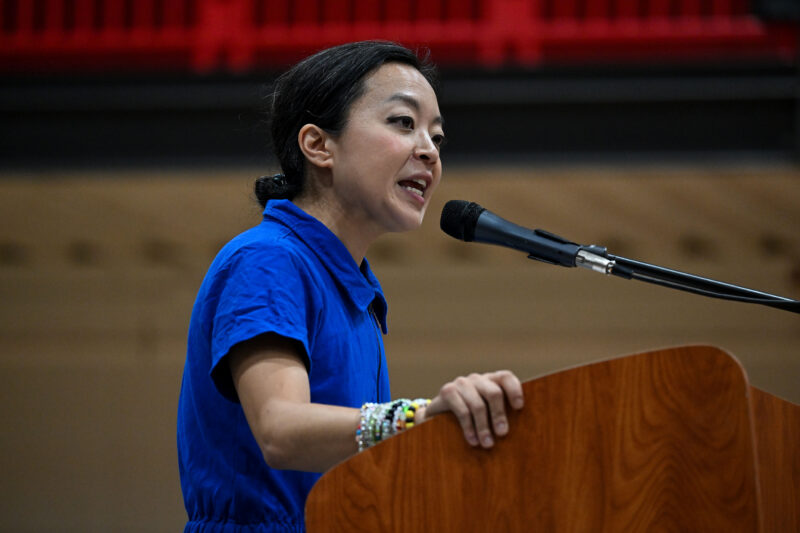






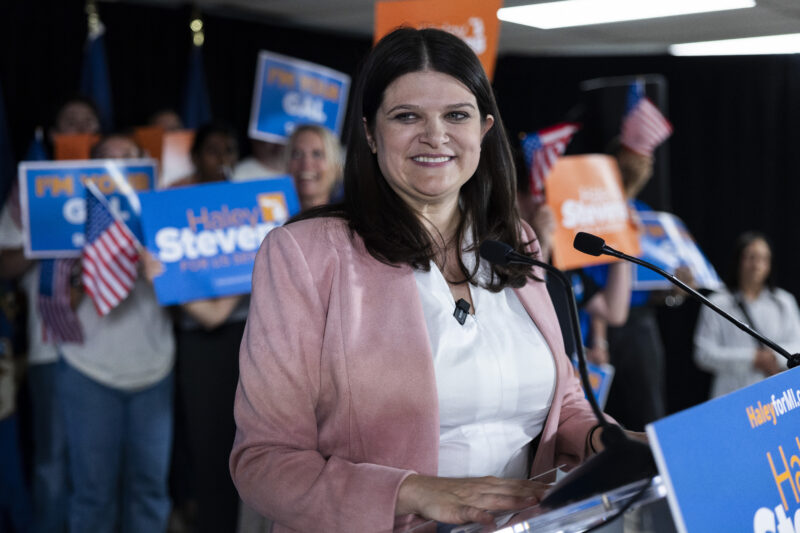
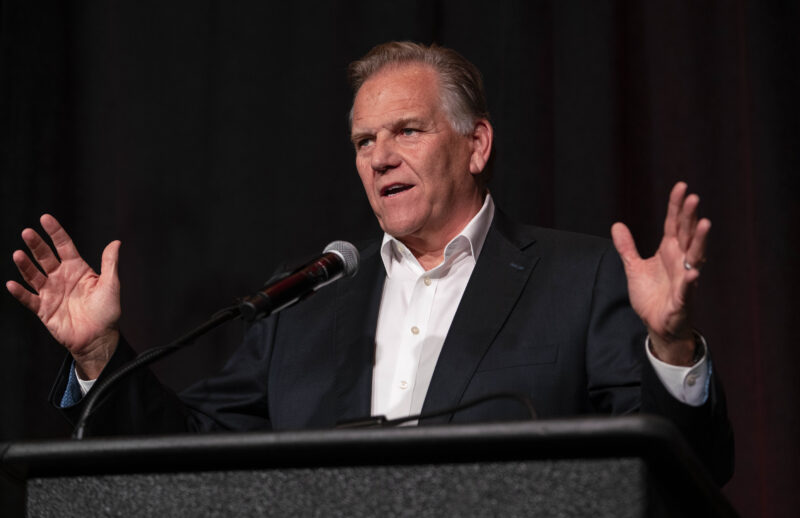
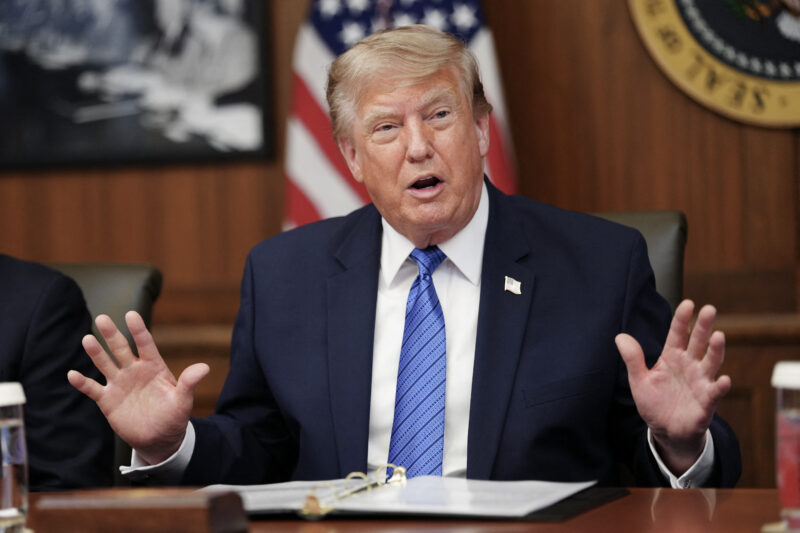
















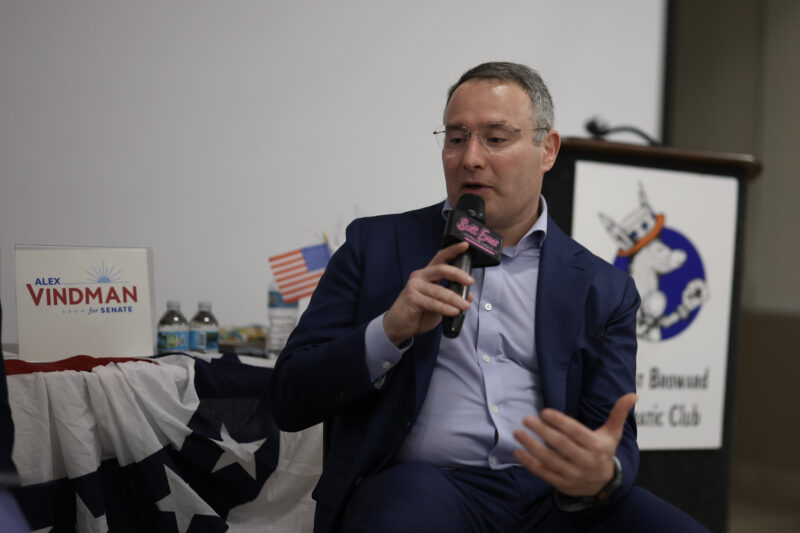


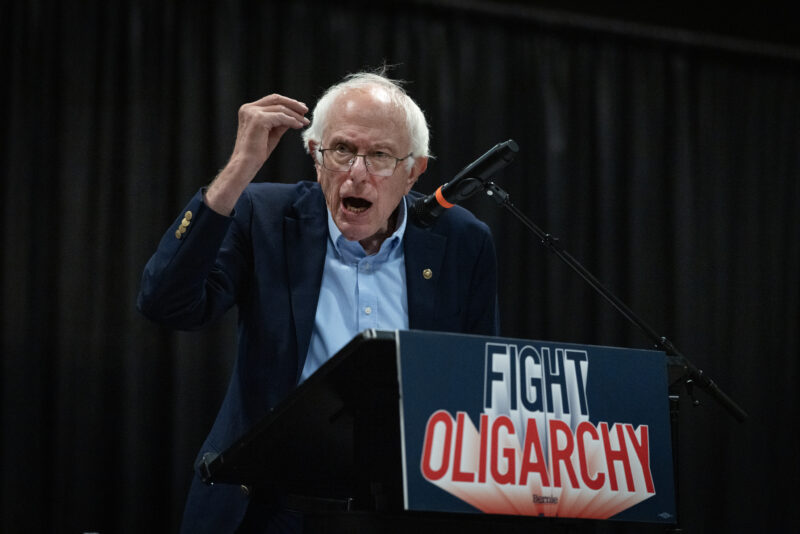

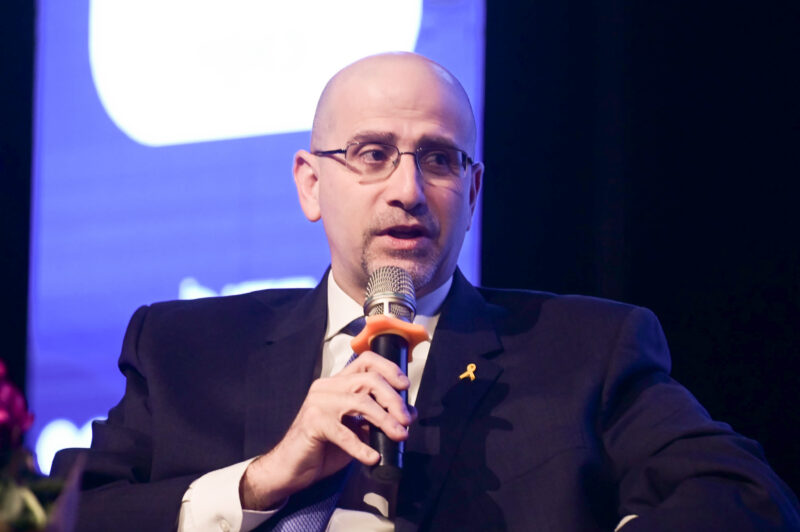




Sen. Marshall argues Iran needs to be able to defend itself
Plus, Vance takes center stage


 Add JewishInsider on Google
Good Thursday morning.
In today’s Daily Kickoff, we report on Sen. Roger Marshall’s insistence that Iran “be able to defend themselves,” and look at former NYC Comptroller Scott Stringer’s effort to team up with teachers’ unions to counter Democratic Socialists of America-backed candidates in the city’s congressional races. We report on an open letter from American Jewish leaders commemorating America 250, and talk to lawmakers frustrated with President Donald Trump’s last-minute decision to pause Jay Clayton’s nomination to be director of national intelligence. Also in today’s Daily Kickoff: Ron Arad, Stephen Schwarzman and Jamie Dimon.
Today’s Daily Kickoff was curated by JI Executive Editor Melissa Weiss and Israel Editor Tamara Zieve, with an assist from Marc Rod. Have a tip? Email us here.
What We’re Watching
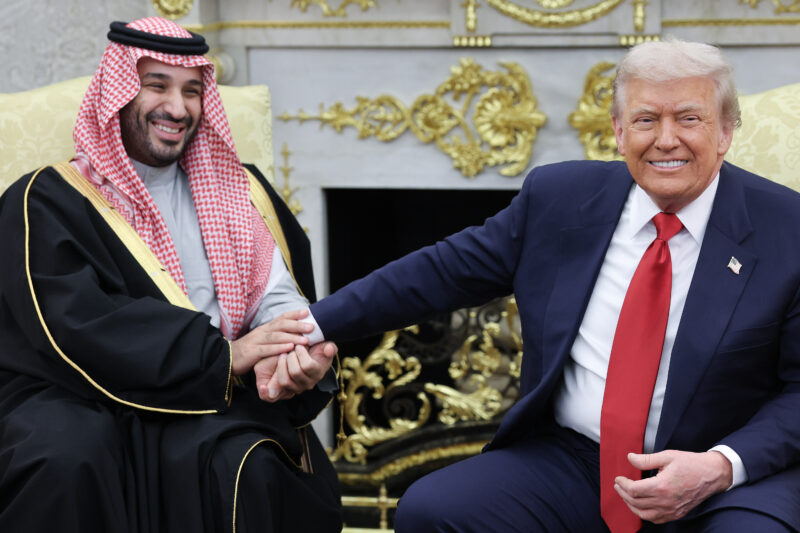
- President Donald Trump is back in Washington today after three days in France for the G7, where the U.S.‘ memorandum of understanding with Iran was a major topic of conversation both on the summit’s sidelines and in the president’s public comments. Last night, Trump, sitting alongside French President Emmanuel Macron, signed the MOU in Versailles, though a formal ceremony in Switzerland, with Vice President JD Vance in attendance, had initially been planned for Friday. More below.
- In Washington, Sen. Joni Ernst (R-IA) is slated to speak this morning at the Hudson Institute about defense spending, debt and diplomacy.
- Elsewhere in Washington, votes are still being counted in the district’s mayoral and City Council races. Mayoral candidate Janeese Lewis George, currently a member of the City Council, continues to maintain a sizable lead over former D.C. Councilmember Kenyan McDuffie.
- In New York, thousands of people are expected to visit the Ohel in Queens today to mark the yahrtzeit of the Lubavitcher Rebbe, Menachem Mendel Schneerson, at his burial site.
What You Should Know
A QUICK WORD WITH JI’S MELISSA WEISS
Vice President JD Vance is increasingly becoming the face of Washington’s negotiations with Iran — setting him up to claim victory if the agreement is successful, or to take the fall if talks with the historically intransigent adversary collapse.
President Donald Trump said as much yesterday in France: “If it works out, I’m going to take the credit. If it doesn’t work out, I’m blaming JD,” Trump quipped on the sidelines of the G7 summit, hours before signing the agreement alongside French President Emmanuel Macron in Versailles.
Trump is far from the only Republican in Washington to tie Vance to the deal. Some GOP legislators swiftly moved to tie Vance to the MOU — hours after it was announced. Sen. Lindsey Graham (R-SC), who has long advocated for military pressure against Iran, was one of the first, saying Sunday that it was “imperative that the architect of the deal, Vice President Vance and his negotiating partners, be part of the process in presenting the final deal to Congress.”
But the pressure on Vance quickly has spread through the party. On Wednesday, Sen. Josh Hawley (R-MO), a longtime backer of the president who is largely aligned with the GOP’s isolationist wing (where Vance has also found his political home), told reporters, “I wish the VP all the best of luck.” Sen. Ted Cruz (R-TX), without mentioning Vance by name, said that in moving forward with the MOU, “the president, unfortunately, is receiving bad advice once again.”
The criticism of Vance over the agreement with Iran extends beyond the capital. Conservative commentator Ben Shapiro said on Fox News on Wednesday that the MOU “appears to be, just from the text, a disaster that does not achieve any of the actual signal goals that were set by the administration at the beginning.” Directly addressing Vance’s role, Shapiro said, “The vice president of the United States, the chief negotiator on this particular project, has not well served the president.” Read more here on Shapiro’s comments.
Vance’s high-profile presence around the Iran negotiations draws attention to other senior members of the Trump administration — including Secretary of State Marco Rubio and Defense Secretary Pete Hegseth — who have been notably absent from the White House’s public efforts to talk up the MOU.
MARSHALL PLAN
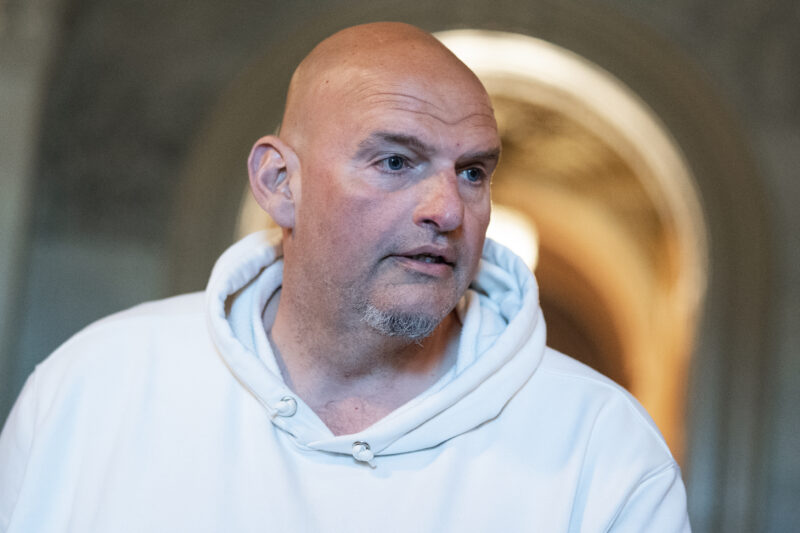
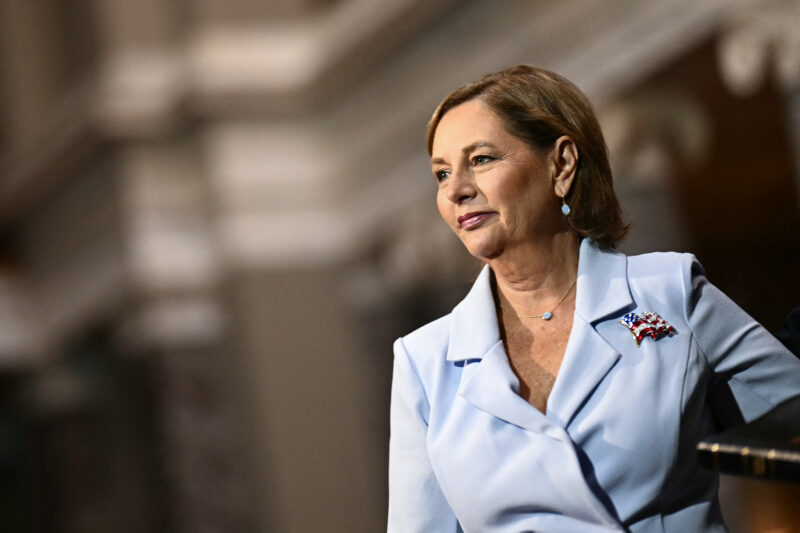
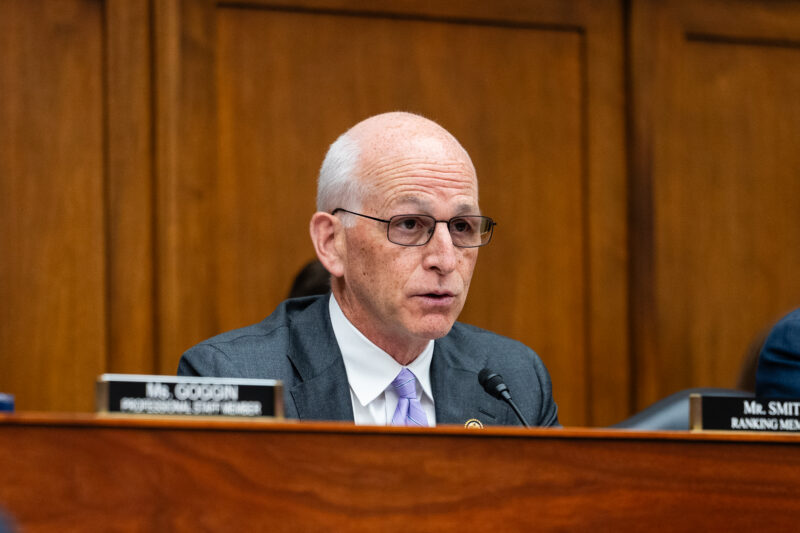
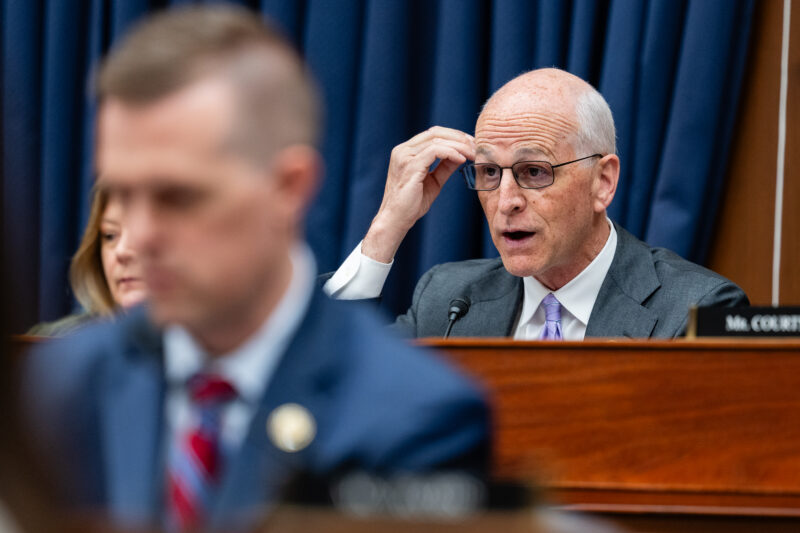
Sen. Roger Marshall: Iran needs to ‘be able to defend themselves’
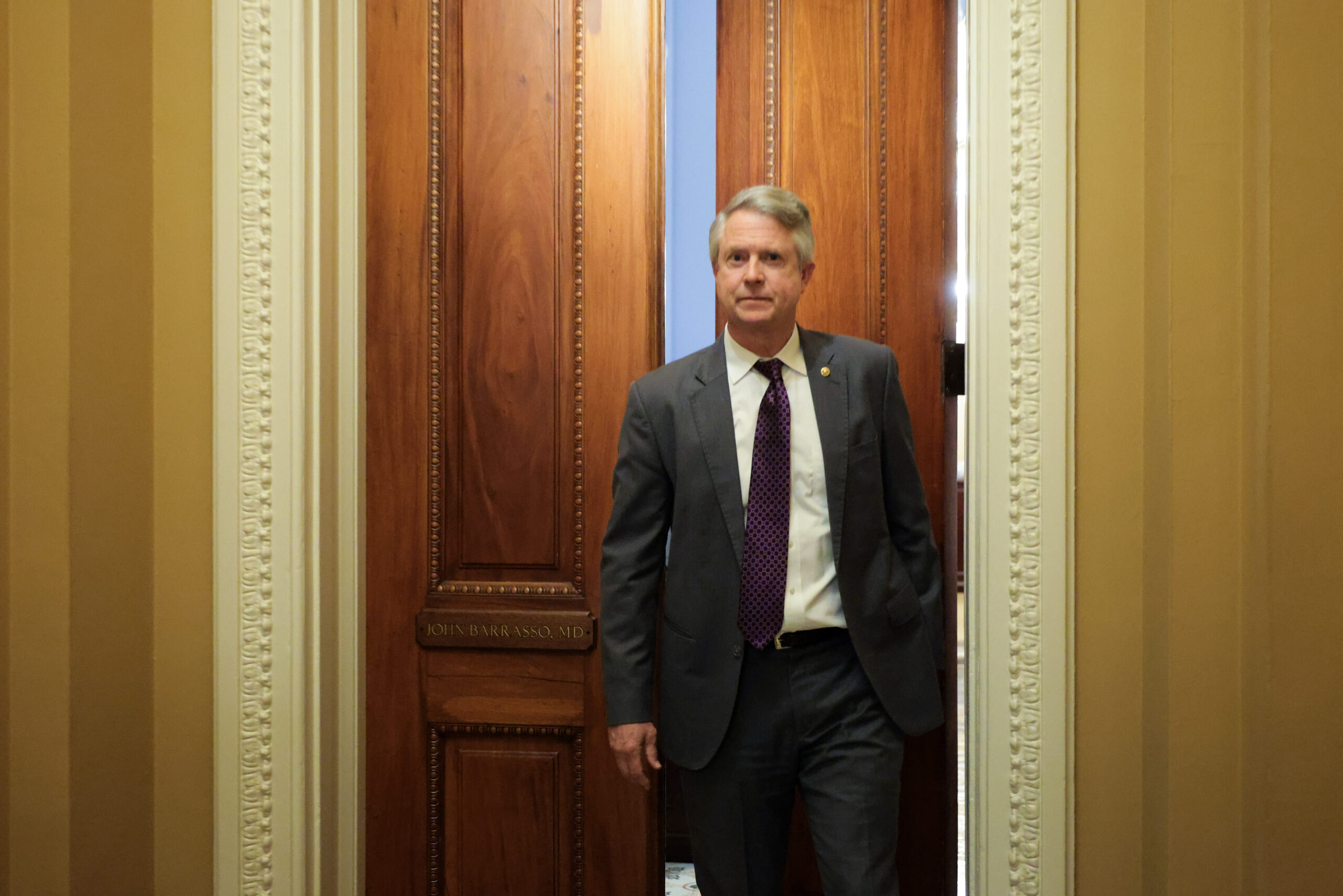
Sen. Roger Marshall (R-KS) said on Wednesday that Iran has to be “able to defend themselves,” suggesting the U.S. would “never” get a full surrender from Tehran, Jewish Insider’s Melissa Weiss reports. The Kansas Republican was responding to a question from CNN’s Kaitlan Collins, who asked Marshall if he was OK with Tehran having missiles.
In defense of defense: “I’m hesitating. I’d prefer that they not,” Marshall replied. “I certainly don’t want them to have long-distance missiles. I don’t want them to have nuclear-armed missiles. I would prefer they didn’t. But I don’t think that’s the key issue here. I think that they have to be able to defend themselves.” Collins interjected, asking, “You think Iran needs to be able to defend itself?” Marshall replied: “I do. I think they have to be able to defend themselves … Otherwise we turn this into a forever war. You’re never going to get them — short of boots on the ground — of surrendering everything, an unconditional agreement, if you will.”
BREAKING RANKS
‘Worst foreign policy blunder in decades’: Senate Republicans break with Trump on Iran
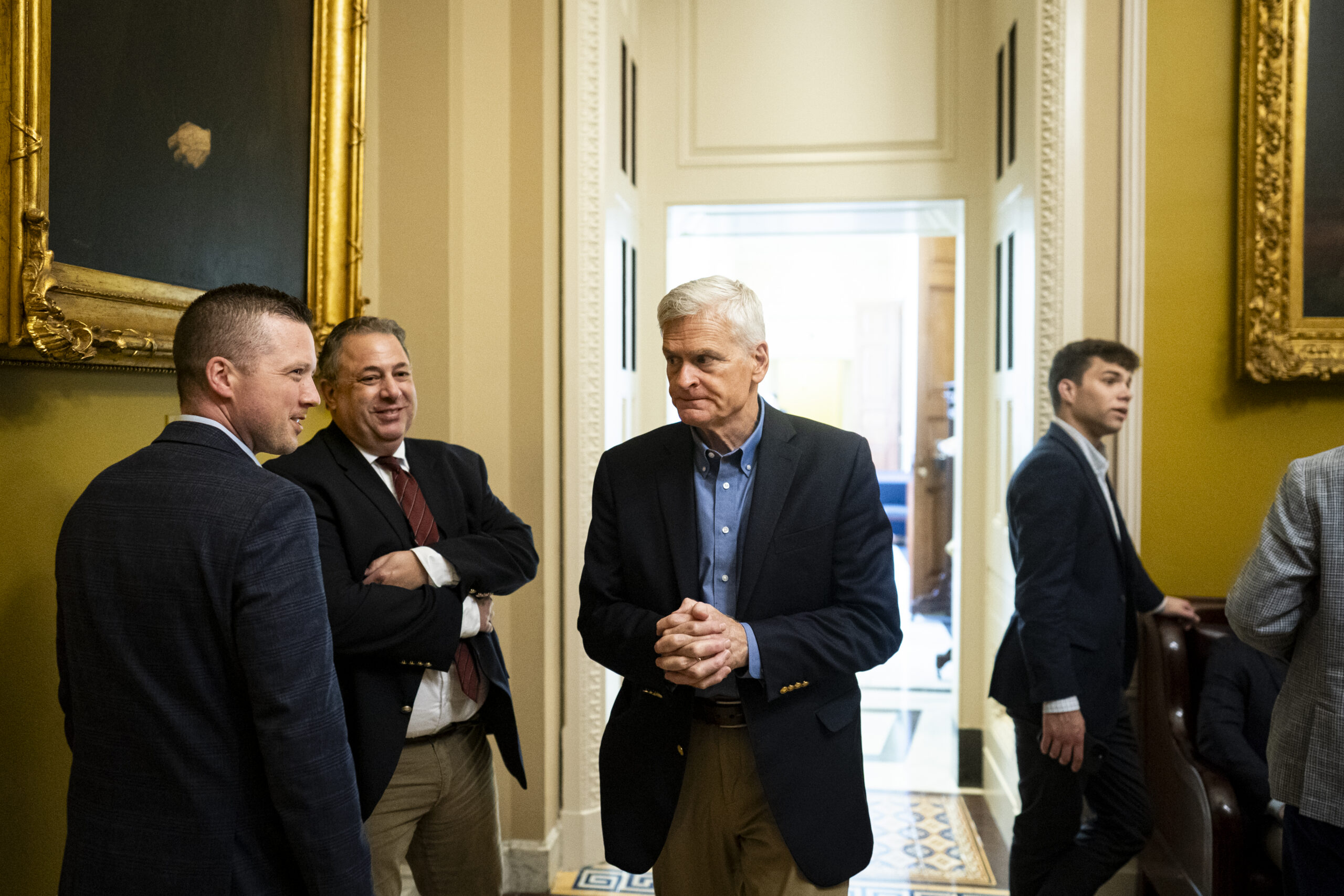
Some Senate Republicans are breaking with President Donald Trump over his handling of Iran, pushing back on the memorandum of understanding’s significant financial relief to the regime and Trump’s comments on Wednesday that he is willing to accept an Iranian ballistic missile program and some level of nuclear enrichment, Jewish Insider’s Marc Rod reports.
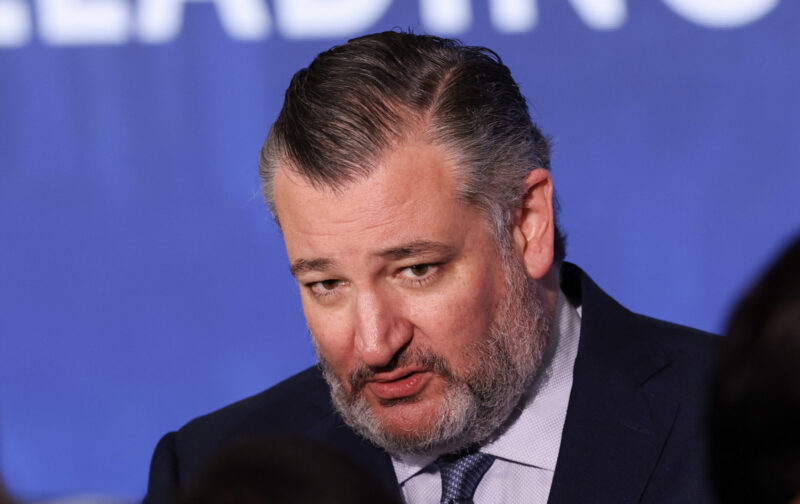
Notable quotable: “Reagan is rolling over in his grave,” retiring Sen. Bill Cassidy (R-LA) said on X. “This is the worst foreign policy blunder in decades.” Given that eliminating Iran’s nuclear enrichment and ballistic missile capacity were stated objectives of the war, “$100 billion and 13 lives later, I’ll need to understand that rationalization,” Sen. Thom Tillis (R-NC) told JI of Trump’s comments. Sen. Ted Cruz (R-TX) warned against giving Iran a financial windfall. “History teaches that giving billions of dollars to theocratic lunatics who want to murder us is not a good idea,” Cruz said. “I think the president is receiving some very poor advice on this deal.”
Read the full story here with additional comments from Sens. Rick Scott (R-FL), Pete Ricketts (R-NE), Mike Rounds (R-SD), Lindsey Graham (R-SC), Josh Hawley (R-MO), Roger Wicker (R-MS) and Richard Blumenthal (D-CT).
heat from haifa
‘Nobody in the Western world is willing to fight,’ Israeli security expert argues after Trump’s Iran deal

Israeli national security expert Dan Schueftan said on Monday that President Donald Trump’s memorandum of understanding with Iran “proves nobody in the Western world is willing to fight. If we need to get permission from countries like Iran in order to use international waterways then we are in very deep trouble,” Jewish Insider’s Haley Cohen reports.
Standing solo: The one exception, according to Schueftan, is Israel, which he called the “only one power in the Middle East that can contain the radicals … the only real power in this region that is committed to fighting the radicals and will fight the radicals.” Schueftan, the chairman of the National Security Studies Center at the University of Haifa, made the comments while appearing on British journalist Jonathan Sacerdoti’s YouTube show.
WE THE PEOPLE?
‘The single best diaspora experience’: Jewish leaders mark America’s 250th with open letter
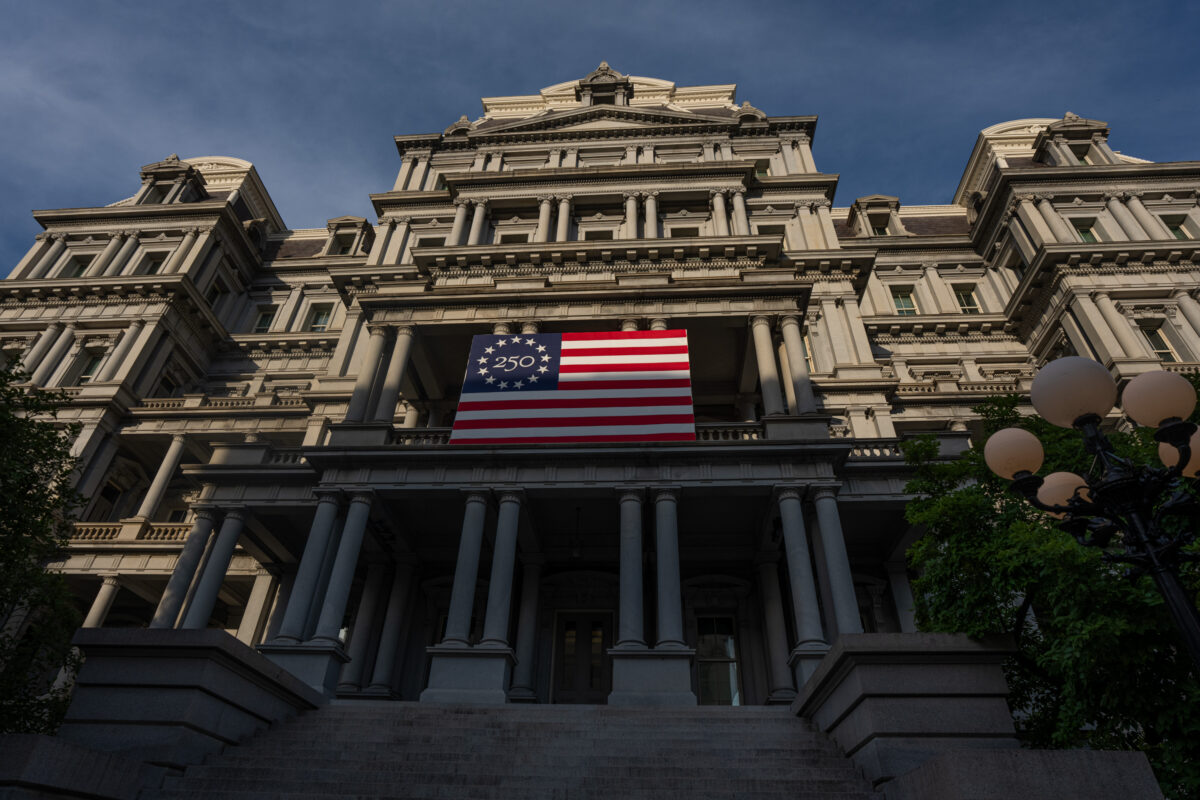
As the U.S. approaches its 250th anniversary, American Jewish leaders have signed an open letter expressing gratitude to a nation “unlike so many others through Jewish history [that] did not merely tolerate Jewish life, but made possible its flourishing,” while also highlighting Jewish contributions to the country’s founding, Jewish Insider’s Haley Cohen reports.
What it says: “From the earliest days of the American experiment, Jews were drawn to the promise of a nation founded not on bloodline, monarchy, or established religion, but on liberty, covenant, and the dignity of the individual,” the letter reads. “Having known the weight of persecution and exclusion, Jews recognized in America’s founding ideals something rare in human history: the possibility of belonging without surrendering our identity.”
CLAYTON CONUNDRUM
Lawmakers on both sides of the aisle express frustration over Trump’s Clayton pause
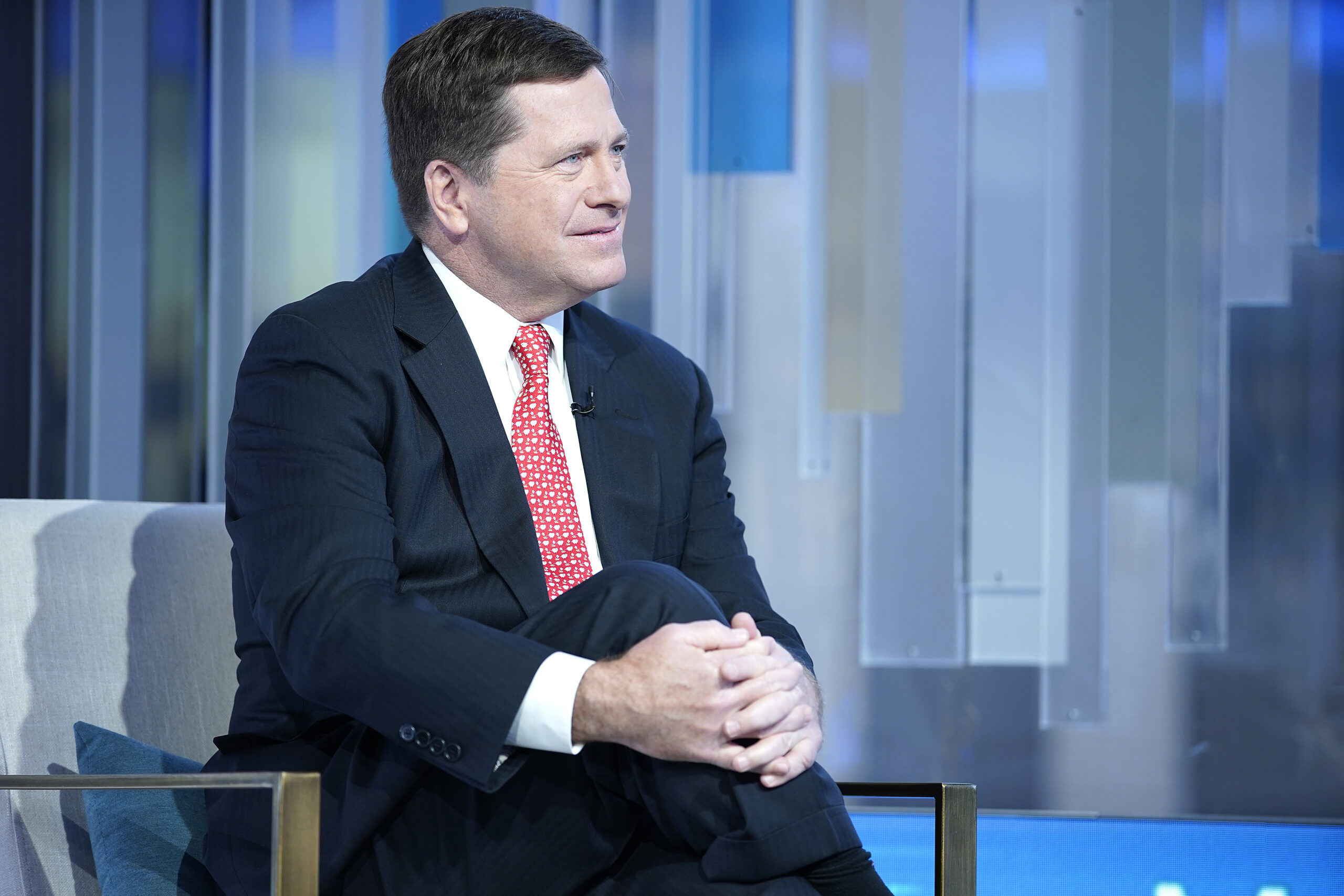
Lawmakers on both sides of the aisle are expressing frustration that President Donald Trump directed Jay Clayton, his nominee to be director of national intelligence, not to appear at a scheduled confirmation hearing on Wednesday afternoon, upending plans for the Senate to quickly confirm Clayton and renew lapsed federal surveillance authorities, Jewish Insider’s Marc Rod reports.
Chair’s concern: “It’s regrettable that the president has directed Jay Clayton not to appear at his confirmation hearing today,” Sen. Tom Cotton (R-AR), the chair of the Senate Intelligence Committee, said on X, announcing the hearing was postponed after initially indicating he planned for it to continue despite Trump’s objections. “Mr. Clayton is a patriot and a highly qualified nominee, as the president has said repeatedly. While today’s hearing is now unfortunately postponed, I look forward to proceeding with his confirmation in the near future.”
Read the full story here with additional comments from Sens. John Barrasso (R-WY), Thom Tillis (R-NC), Susan Collins (R-ME), Todd Young (R-IN), Mike Rounds (R-SD), Mark Warner (D-VA) and Senate Minority Leader Chuck Schumer (D-NY).
BEHIND THE CURTAIN
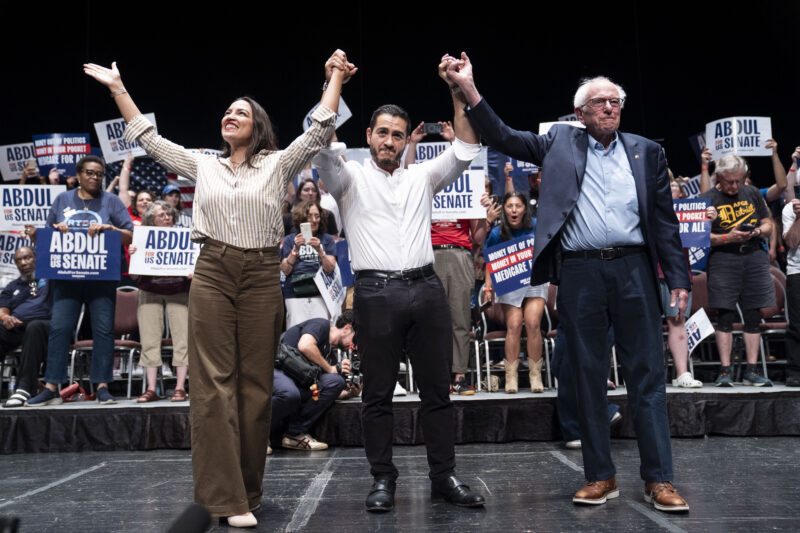
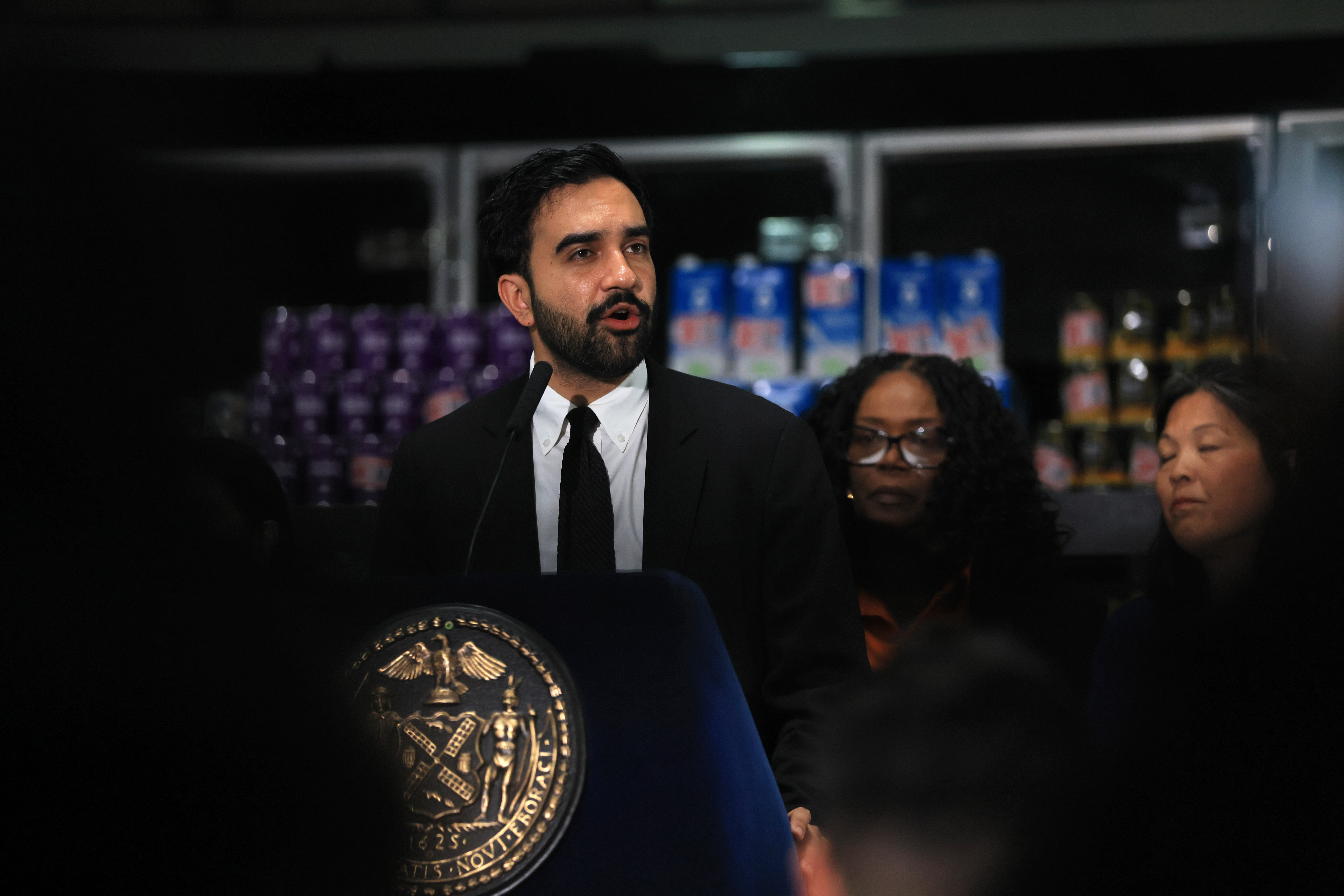
Old Mamdani foe teams up with teachers’ union to defeat DSA congressional contenders

Abetting two recently established PACs spending millions to defeat two of New York City Mayor Zohran Mamdani’s candidates for Congress is a veteran politician who sought Gracie Mansion last year — former City Comptroller Scott Stringer, according to multiple sources with knowledge of the committees and their activities, Jewish Insider’s Will Bredderman reports.
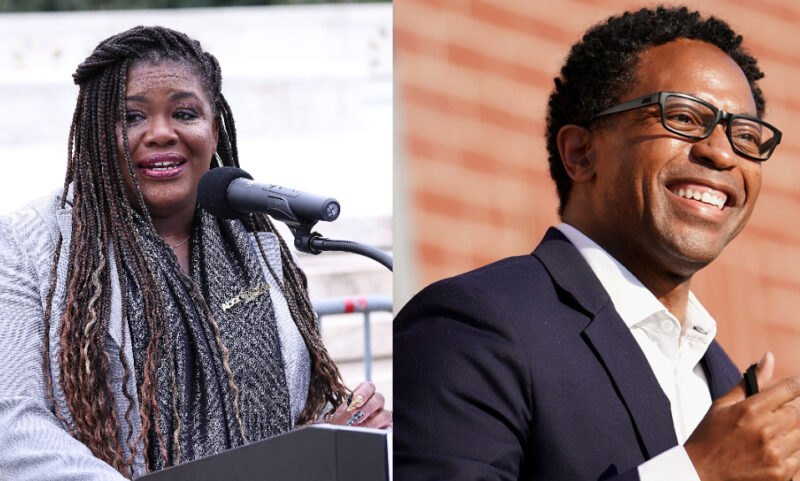
Key force: Stringer declined to comment on the record for this story. But JI first reported in March that the Upper West Side Democrat was a key force behind a political committee, Next NYC PAC, committed to defeating the Democratic Socialists of America’s candidates for Assembly and state Senate. According to several individuals who spoke on the condition of anonymity to protect their relationships, the team behind the Progressive Unity Fund and Real Fight NYC PACs — which have released a wave of ads attacking activist Darializa Avila Chevalier and Assemblymember Claire Valdez, Mamdani’s candidates to defeat Rep. Adriano Espaillat (D-NY) and replace retiring Rep. Nydia Velazquez (D-NY), respectively — overlaps considerably with the personnel behind Next NYC PAC.
Worthy Reads
The Name of the Game: The Atlantic’s Shane Harris looks at the outsized role Qatar has played in the war with Iran and other conflicts, as it seeks to portray itself as a neutral interlocutor despite its stakes in regional conflicts. “Qatar’s regional rivals have long seen Doha as a political and financial enabler of Iran-backed extremism throughout the Middle East. Qatar characterizes its ties to Tehran as a relationship of necessity, based on geography and shared economic interests, but its neighbors see something far more cynical and sinister. What Doha calls neutrality in its foreign policy, they call hedging bets and buying influence, particularly through lobbying spending in Washington that is out of proportion for a country of only about 300,000 citizens.” [TheAtlantic]
Slipping Through My Fingers: The New York Times’ David French considers the missteps made by President Donald Trump and Israeli Prime Minister Benjamin Netanyahu in their handling of the war with Iran. “Prime Minister Benjamin Netanyahu of Israel had too much confidence in his ability to persuade Trump. For his part, Trump had too much confidence in his ability to bully Iran. And so it turned out that the ‘dumb presidents’ understood reality far better than Trump. There are no shortcuts. If you’re going to destroy your opponent, you’re going to have to use immense force. If you’re going to compromise with your opponent, it’s best not to lose a war (or blink in the face of adversity) as a prelude.” [NYTimes]
He Is Your Brother: The Financial Times’ Michael Stott, Andres Schipani and James Shotter look at the deepening relationship between Israel and India. “Once a leading light in the Non-Aligned Movement of developing nations, which resisted cold war superpower alliances, embraced the Palestinian cause and criticised Israel, India now leans much more closely towards the Jewish state. … Israel’s closeness to India is also viewed in the Middle East as part of a deepening alignment between both countries and the United Arab Emirates. Abu Dhabi is doubling down on its relations with Israel and India, while Saudi Arabia has become more closely aligned with Pakistan, signing a defence pact with Islamabad last year.” [FT]
When All Is Said and Done: The Wall Street Journal’s Sadanand Dhume posits that Pakistan, which served as a mediator between Washington and Tehran, has emerged from the U.S.-Iran talks with greater global standing. “Other countries may end up studying Pakistan’s playbook to understand how to cozy up to the White House. For Islamabad, the benefits are obvious. Mr. Trump has repeatedly praised Pakistan’s leaders in public — he refers to the country’s de facto ruler, army chief Asim Munir, as his “favorite field marshal.” And the U.S.-Iran talks held in Islamabad in April gave Pakistan a rare opportunity to bask in favorable international media coverage.” [WSJ]
Word on the Street
Blackstone CEO Stephen Schwarzman and JPMorgan Chase CEO Jamie Dimon were among the high-profile invitees at a dinner in France on Wednesday during which President Donald Trump signed the memorandum of understanding between the U.S. and Iran…
At a markup on Wednesday, the Senate Foreign Relations Committee approved the Eastern Mediterranean Gateway Act, to promote the IMEC corridor and other security and economic partnerships in the Eastern Mediterranean; a bill repealing additional sanctions on Syria; a bill to promote Iranian internet access and address human rights abuses; and legislation requiring the administration to assess whether both sides of the Sudanese civil war meet the conditions for designation as terrorist groups…
The Department of Health and Human Services’ Office for Civil Rights is investigating the American Psychological Association following complaints from Jewish and Israeli members over the association’s handling — and in some cases promotion — of anti-Israel activism by some members in its affinity groups; read JI’s deep dive into the APA’s challenges to confront antisemitism in its ranks here…
A new bill introduced by the House Abraham Accords Caucus instructs the administration to work to expand the Abraham Accords to include nations in Central Asia and the South Caucasus, Jewish Insider’s Marc Rod reports…
Sen. Ruben Gallego (D-AZ) grilled a Trump administration nominee on Wednesday at a Senate Homeland Security and Governmental Affairs Committee about a seemingly antisemitic cover and article published by a student newspaper under his leadership in college. Also during the hearing, Cameron Hamilton, the nominee to be the FEMA administrator, said he plans to offer recommendations on reforms and additional funding for the NSGP in his first 30 days in office, Jewish Insider’s Marc Rod reports…
Sen. Rick Scott (R-FL) wrote a letter to IRS CEO Frank Bisignano calling on the Trump administration to rescind CodePink’s 501(c)(3) status over the far-left activist group’s connections to China…
Sen. Chris Van Hollen (D-MD), said in a NOTUS podcast released on Thursday that he was “kicking the tires” on a possible 2028 presidential run…
The New York Times looks at the degree to which the Israeli-Palestinian conflict has become an “inescapable issue” in the Democratic primary between Rep. Dan Goldman (D-NY) and former New York City Comptroller Brad Lander in New York’s 10th Congressional District…
The Wall Street Journal spotlights the Democratic primary in Florida’s redrawn 20th District, a majority-minority district that favors the Democrats, where longtime Rep. Debbie Wasserman Schultz (D-FL) is mounting a bid amid opposition from local Black leaders who have thus far failed to coalesce around a single candidate that could win a primary against the former DNC chair…
A former chair of Michigan’s Democratic Party said that five of the eight individuals indicted by federal prosecutors last week on charges of intimidating University of Michigan officials seen as being pro-Israel were members of the party, and called for the party’s leadership to investigate their actions…
Israeli-British designer Ron Arad was appointed a Commander of the Order of the British Empire, an honor given in recognition of contributions to British society and culture…
Qatar’s sovereign wealth fund, a major shareholder in Volkswagen, is complicating talks between the German automaker and the Israeli state-owned defense company Rafael over Rafael’s intention to buy a plant from Volkswagen to manufacture components for Israel’s Iron Dome missile-defense systems…
A new report from Germany’s Federal Association of Departments for Research and Information on Antisemitism found more than 8,700 reported cases of antisemitism in the country in 2025, roughly equivalent to the number of reported instances the prior year…
Thani Al Zeyoudi, the United Arab Emirates’ minister of foreign trade, said that the Gulf state was “moving toward having zero Hormuz dependency” even after the waterway is fully reopened, as it plans to expand its existing ports, build at least one new one and further develop its rail and road networks…
Israeli Foreign Minister Gideon Sa’ar said he was severing “all contact” with the E.U.’s Kaja Kallas over her recent comments comparing the situation in the West Bank to apartheid South Africa…
Somaliland Defense Minister Mohamed Yusuf Ali, who traveled to Israel this week with the African nation’s president, dismissed reports that Israel has a base in Somaliland, but said that Israel was training the country’s police and military forces…
Austin-based tech entrepreneur Joshua Baer, 50, was killed in a plane crash near Laredo, Texas…
Italian author Carlo Ginzburg died at 87…
Pic of the Day
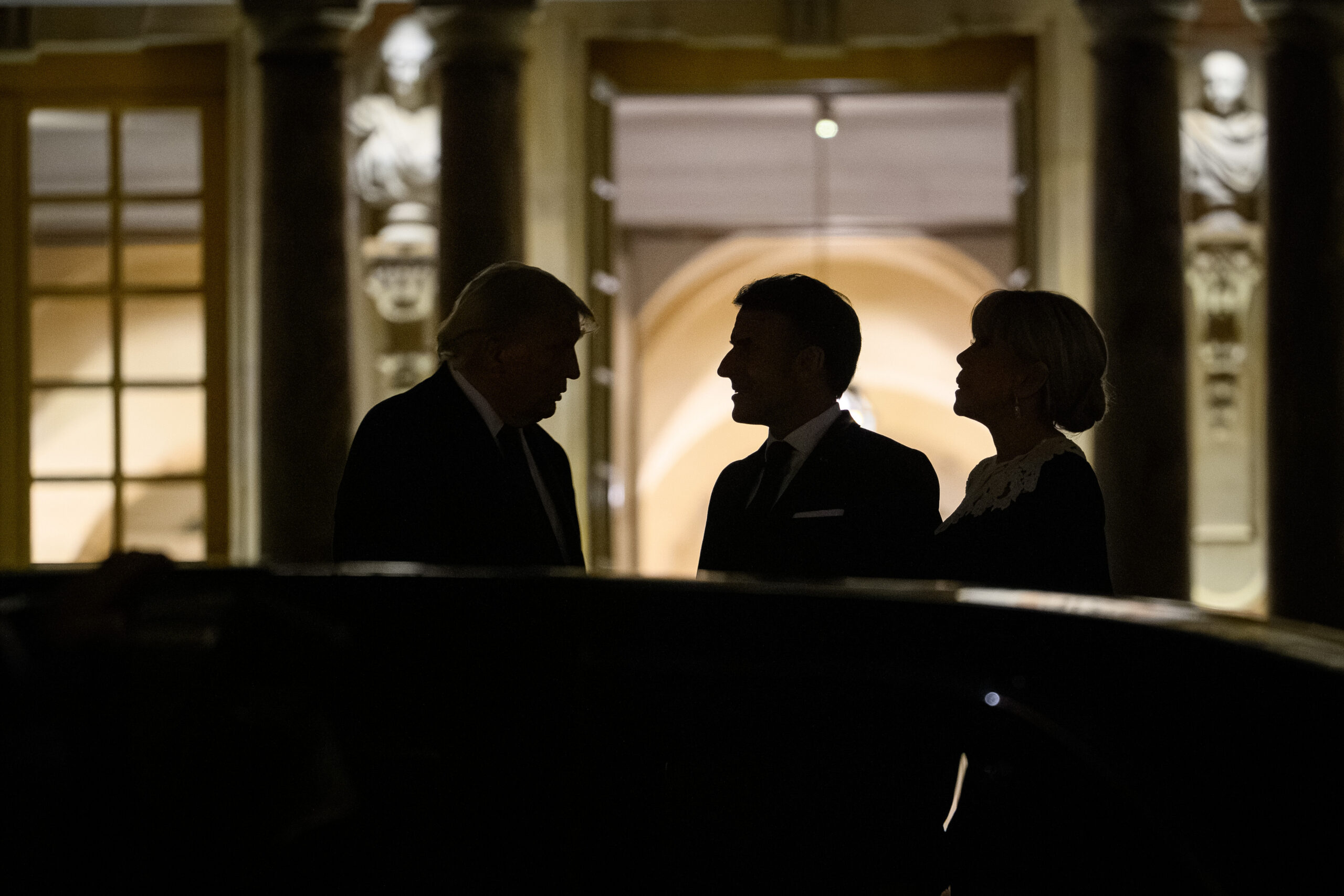
French President Emmanuel Macron and his wife, Brigitte, accompanied President Donald Trump as he departed following a dinner held at the Château de Versailles on Wednesday, where Trump signed the memorandum of understanding with Iran.
Birthdays

Former music business mogul, he previously owned multiple record labels and represented musical artists including Justin Bieber and Ariana Grande, Scott Samuel “Scooter” Braun turns 45…
Chicago-based attorney, he is the first ordained rabbi to have served as an alderman on the Chicago City Council, Solomon Gutstein turns 92… Former Washington Post editor, reporter and London bureau chief, Fred Barbash turns 81… Retired IT management advisor at Next Stage, Steven Shlomo Nezer… Croatian entrepreneur, he was previously the minister of economy, labour and entrepreneurship in the Croatian government, Davor Stern turns 79… Rebecca Diamond… Best-selling author and journalist, she was editor-in-chief of USA Today, Joanne Lipman turns 65… Retired professor of English at Southwestern University in Georgetown, Texas, she was on the editorial board of Shofar, a peer-reviewed academic journal of Jewish studies, Helene Meyers… Executive of the William Pears Group, a large U.K. real estate firm founded by his father and grandfather, Sir Trevor Steven Pears (family name was Schleicher) turns 62… White House senior aide during the first Trump administration, he is a principal of Cordish Companies, a real estate and gaming empire, Reed Saunders Cordish turns 52… Film director and screenwriter, Jonathan A. Levine turns 50… Actor, comedian, satirist and writer, known professionally as Ben Gleib, Ben Nathan Gleiberman turns 48… Television producer and writer, Jeremy Bronson turns 46… Baseball pitcher for Team Israel at the 2020 Summer Olympics, he is now assistant general manager of the Arizona Diamondbacks, Jeremy Bleich turns 39… Of counsel at Gibson, Dunn & Crutcher, Esther Lifshitz… Israeli musician, producer, singer, songwriter and multi-instrumentalist, known by his stage name Dennis Lloyd, Nir Tibor turns 33… Director at Silver Point Capital, Jacob E. Best… Rachel Hazan…





Please log in if you already have a subscription, or subscribe to access the latest updates.
 Continue with Google
 Continue with Apple