






























MOU-ving on?
Plus, Platner's Nazi tattoo is 'disqualifying,' Auchincloss says


 Add JewishInsider on Google
Good Tuesday morning.
In today’s Daily Kickoff, we look at the latest in U.S.-Iran talks amid ongoing negotiations aimed at ending the war, and explore how Jewish and pro-Israel groups are approaching the future of Israel funding ahead of the expiration of the current U.S.-Israel MOU in 2028. We talk to Reps. Josh Gottheimer and Jared Moskowitz about Chris Rabb’s primary victory months after the Pennsylvania Democrat shared an antisemitic conspiracy theory about the Bondi Beach Hanukkah attack, and report on Rep. Jake Auchincloss’ assertion that Graham Platner’s Nazi tattoo is “disqualifying” for an office-seeker. Also in today’s Daily Kickoff: Asher Luzzatto, Mendy Worch and Kirill Dmitriev.
Today’s Daily Kickoff was curated by JI Executive Editor Melissa Weiss and Israel Editor Tamara Zieve, with an assist from Danielle Cohen-Kanik. Have a tip? Email us here.
What We’re Watching
- We’re monitoring news out of Washington and also out of Doha, Qatar, where Middle East officials, including an Iranian delegation, are meeting to continue talks aimed at ending the Iran war.
- Secretary of State Marco Rubio, who spent the long weekend in India, said before departing for Armenia today — hours after the U.S. conducted what it said were defensive strikes overnight on Iranian targets — that negotiations were ongoing. “I think it’s a lot of talking back and forth going on about specific language in the initial document, so it’ll take a few days,” Rubio noted. “The president’s expressed his desire to make it. He’s either going to make a good deal or no deal.”
- Earlier this morning, Iranian Supreme Leader Ayatollah Mojtaba Khamenei warned in a written statement that “From now on, the slogans ‘Death to America’ and ‘Death to Israel’ will be the dominant slogans of the Islamic nation and the oppressed people of the world. The United States will have no safe haven to spread evil and establish its military bases in the region.”
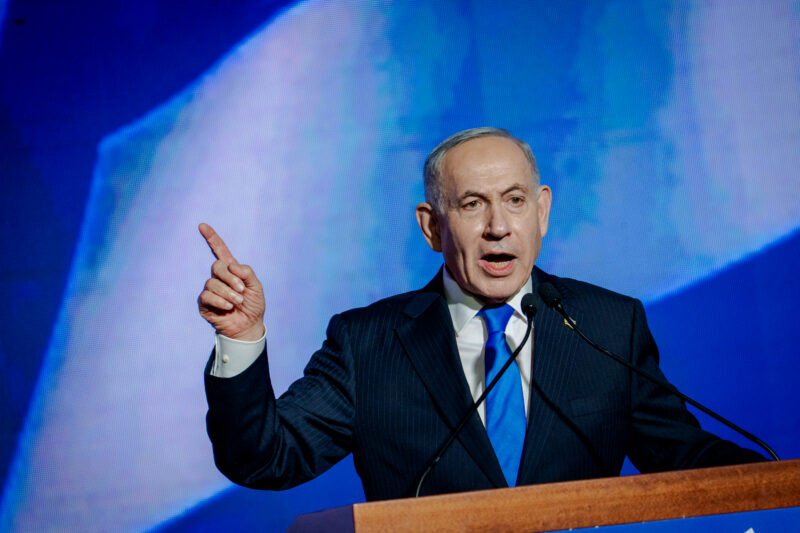
- We’re also keeping an eye on the Israel-Lebanon border following Israeli Prime Minister Benjamin Netanyahu’s directive to “crush” Hezbollah, as well as Israel’s scaled-up attacks targeting parts of the country held by the Iran-backed terror group.
What You Should Know
A QUICK WORD WITH JI’S MELISSA WEISS
For many Americans, Memorial Day weekend marked the unofficial start of summer, with barbecues, weddings and trips to the beach. For President Donald Trump — who opted against attending his own son’s wedding in the Bahamas, citing “circumstances pertaining to Government” — the weekend was spent on calls with Middle East leaders and inching the U.S. closer to a deal with Iran.
The working assumption in Jerusalem and Washington last week — noted in our Daily Kickoff last Thursday — was that the White House preferred a deal with Tehran over a resumption of fighting, owing to increasing opposition to the war and a slew of recent GOP defections on war powers resolutions indicating concerns among Republicans that renewed military action could further damage the party’s midterm prospects.
That assumption was actualized over the weekend, with a series of Truth Social posts by Trump indicating that a deal was near, with the finer details yet to be ironed out. Among the details reportedly in the draft agreement: a 60-day extension of the ceasefire, a lifting of the U.S. blockade of the Strait of Hormuz, Iran’s commitment not to seek nuclear weapons as well as the disposal of its stockpile of enriched uranium and an end to fighting on every front — including Lebanon.
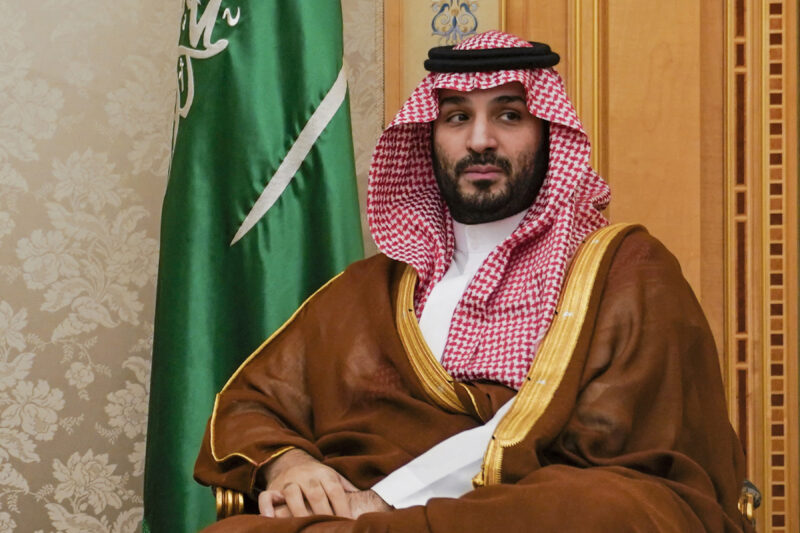
In a Truth Social post, Trump — who convened a call with a group of Arab leaders, and a separate call with Israeli Prime Minister Benjamin Netanyahu — said that he was “mandatorily requesting that all Countries immediately sign the Abraham Accords,” suggesting that Saudi Arabia and Qatar should be the first new countries to normalize relations with Israel, followed by Pakistan, Turkey, Egypt and Jordan (though the latter two have already enacted peace treaties with Israel, and Ankara and Jerusalem have diplomatic relations).
The reported contours of the burgeoning agreement drew rebukes from hawkish Senate Republicans. “If the result of all that is to be an Iranian regime — still run by Islamists who chant ‘death to America’ — now receiving billions of dollars, being able to enrich uranium & develop nuclear weapons, and having effective control over the Strait of Hormuz, then that outcome would be a disastrous mistake,” Sen. Ted Cruz (R-TX) said. Read more here.
But even as Washington and Tehran moved closer to a deal, the U.S. carried out what it called “self-defense strikes” on Iranian targets, including missile launch sites and vessels around the Strait of Hormuz. And in Lebanon, Israel ramped up strikes on Hezbollah targets, with Netanyahu vowing to “crush” the Iran-backed terror group.
PLANNING AHEAD
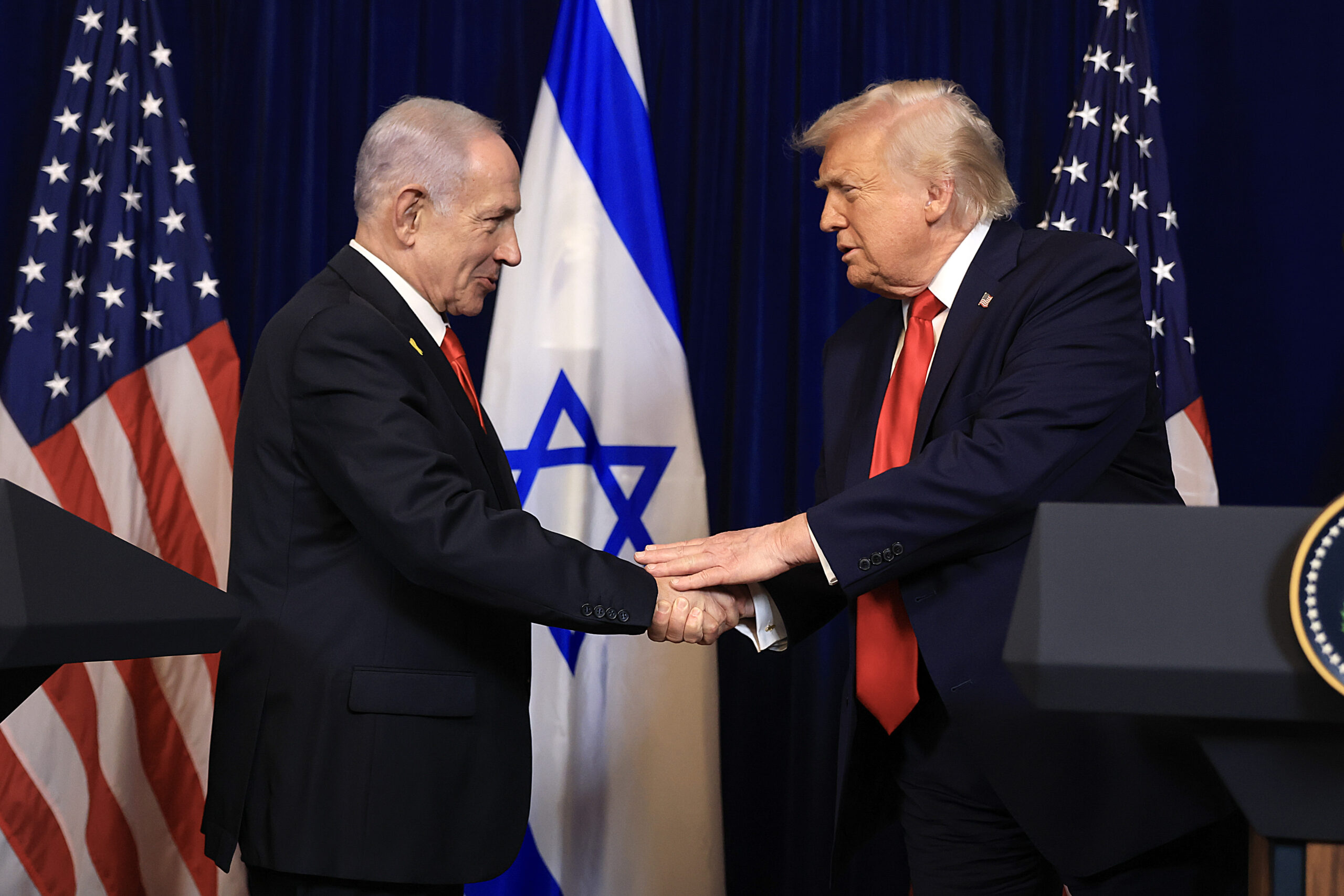
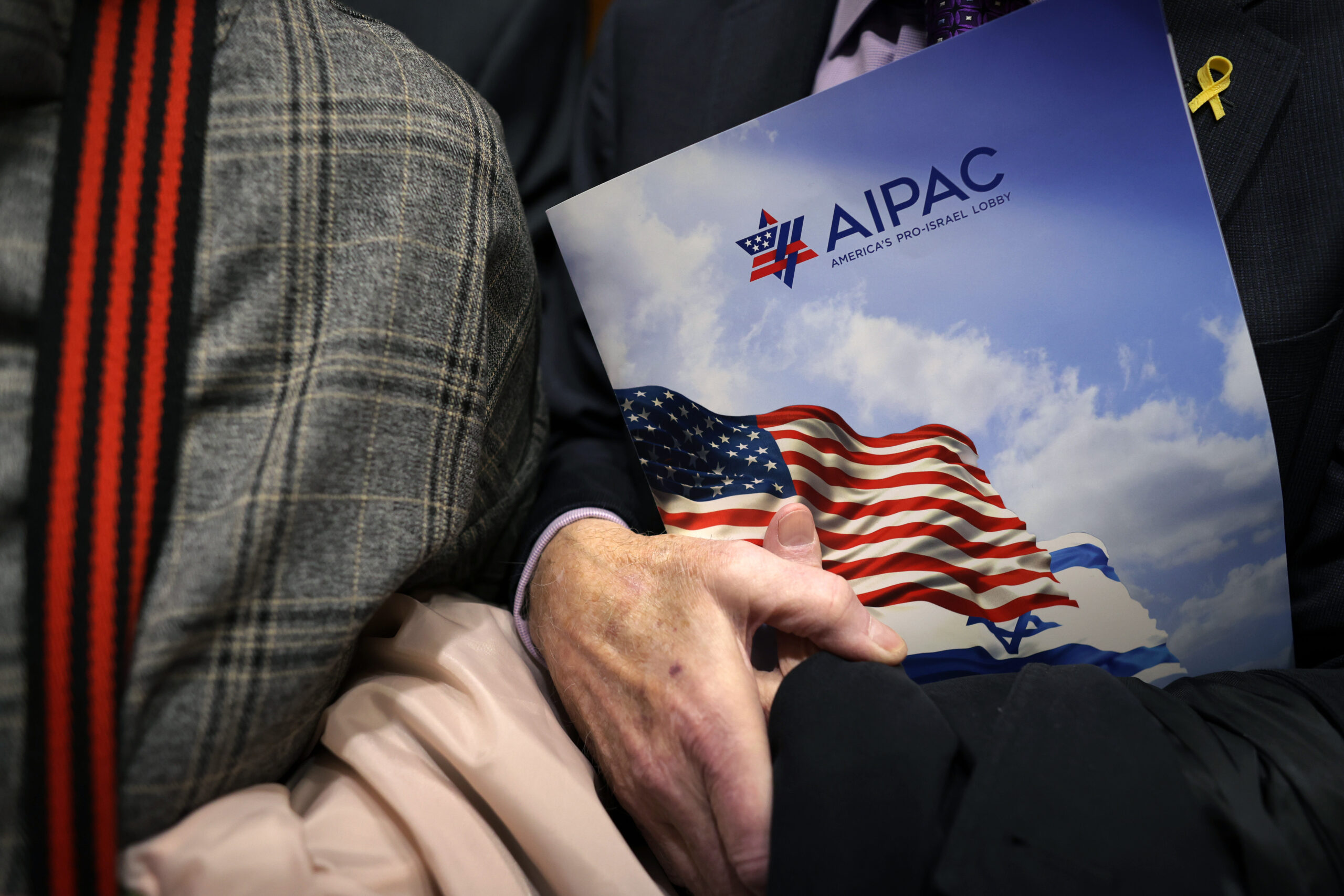
Late last month, AIPAC circulated a memo stressing its support for the current 10-year memorandum of understanding between the United States and Israel, which guarantees $3.8 billion in annual military aid and missile-defense funding to Israel through 2028. The memo was notable for what it left out: calling to negotiate a follow-up MOU — the future of which has been a topic of ongoing speculation among analysts and lawmakers beginning to think about the contours of a potential new agreement in a changing political landscape, Jewish Insider’s Matthew Kassel reports.
Winds of change: Jewish and pro-Israel groups seem at pains to clarify how they are assessing an issue that has long been key to their advocacy. Israeli Prime Minister Benjamin Netanyahu has called for winding down U.S. financial aid over the next decade. Michael Makovsky, the president and CEO of the Jewish Institute for National Security of America, said he believed Israel “made a mistake” in choosing to forgo U.S. financial aid. He suggested that the U.S. sign “one more” MOU with Israel to cover the next 10 years and help Israel replenish its munitions stocks amid the war against Iran, which he believes is key to advancing American interests in the region. “It zeroes down at the very end,” he explained to JI.
DOUBLING DOWN

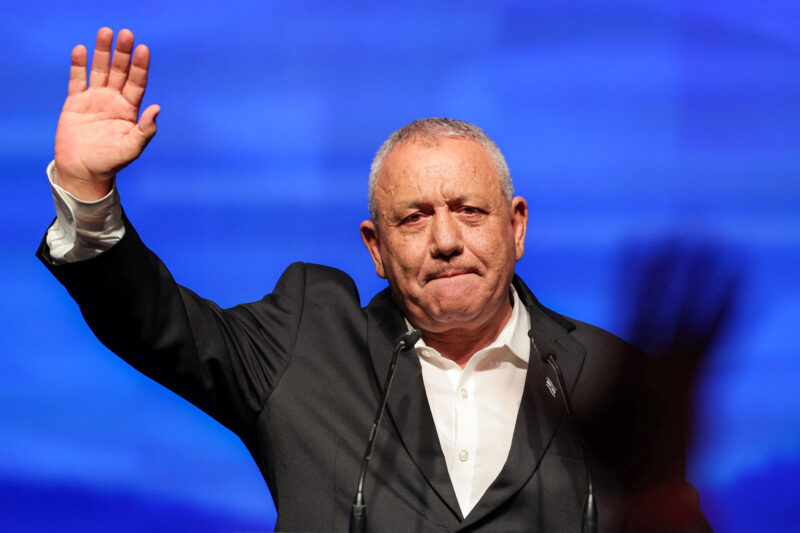
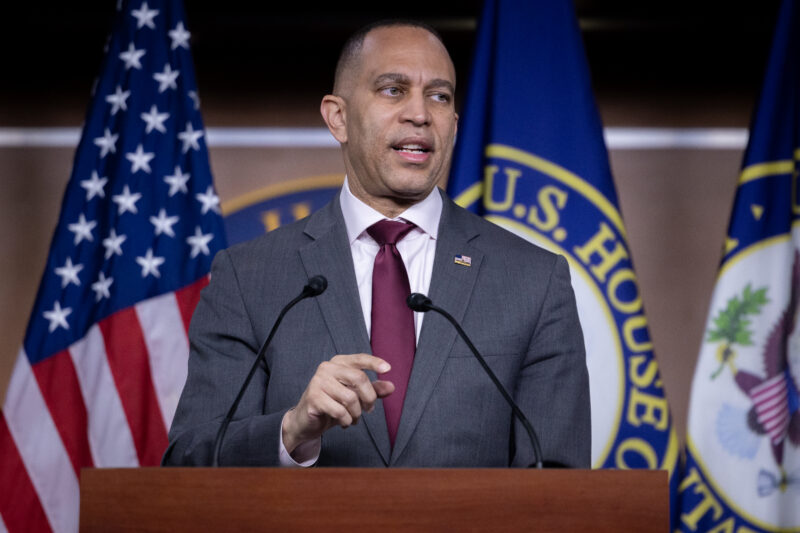
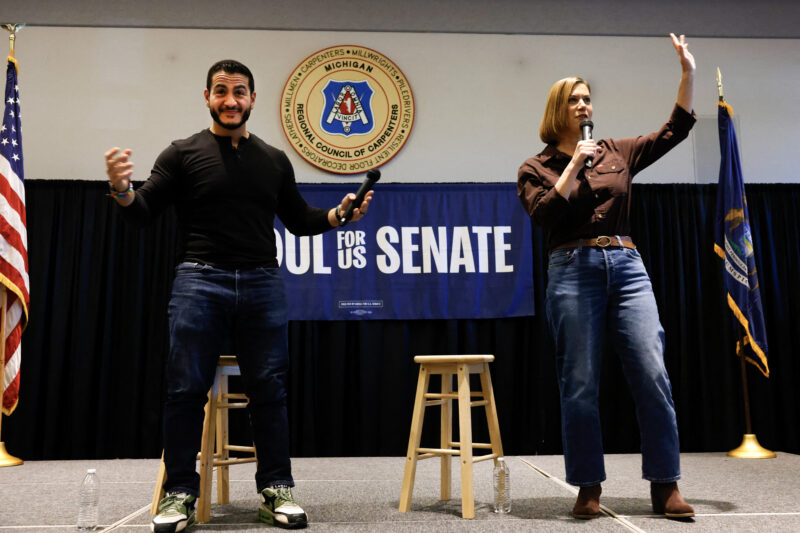
Rep. Jake Auchincloss (D-MA) said on Monday that Maine Democrat Graham Platner’s tattoo of a Nazi totenkopf was “disqualifying,” weeks after Gov. Janet Mills’ departed from the Democratic primary race, leaving Platner as the party’s presumptive nominee challenging Sen. Susan Collins (R-ME).
What he said: “I find that tattoo and his commentary about it to be personally disqualifying,” Auchincloss told CNN. “I hope Maine voters agree with me. I think it would be a mistake for the Democratic Party to think that Graham Platner’s brand of the Democratic Party is what wins us durable majorities throughout this country.”
CANDIDATE CRITIQUE

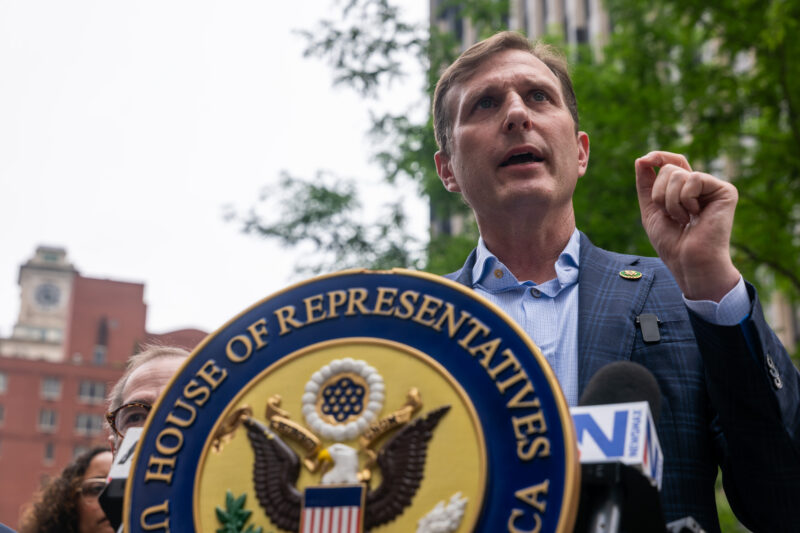
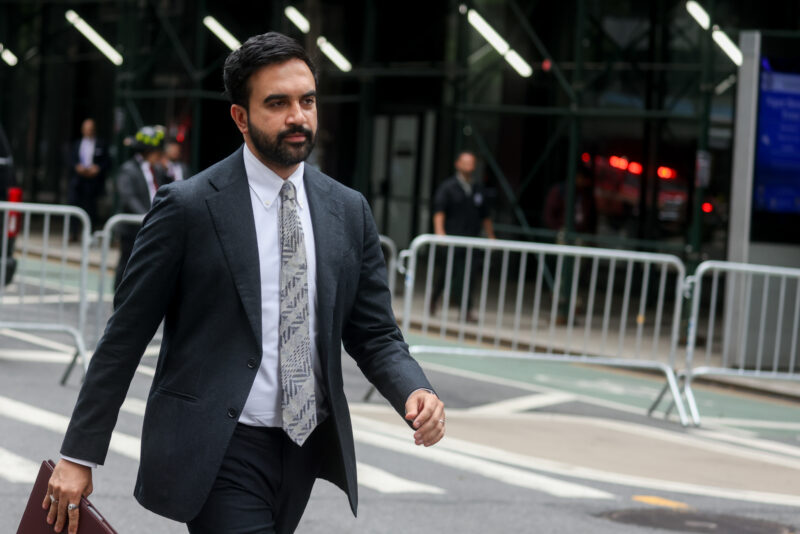
Reps. Jared Moskowitz (D-FL) and Josh Gottheimer (D-NJ) expressed concerns about Chris Rabb’s Democratic congressional primary victory in Philadelphia last week, which is likely to send the Pennsylvania state legislator to Washington next year in a deep-blue district, Jewish Insider’s Marc Rod reports.
Point of concern: They expressed particular concern about a post shared on Rabb’s Instagram account that described the Bondi Beach Hanukkah terror attack in Sydney as a false flag operation, which Rabb’s campaign has attributed to an unnamed former staffer and disavowed. In a new statement to JI, Rabb pushed back, emphasizing his connections to the Jewish community and explaining that the post was shared by a former contractor with whom the campaign had cut ties, without his approval.
Scoop: Sens. Elissa Slotkin (D-MI) and James Lankford (R-OK) wrote to Secretary of Homeland Security Markwayne Mullin on Thursday urging him to take action to move forward stalled Nonprofit Security Grant Program funding, an issue both lawmakers raised with Mullin during his confirmation hearing.
SCOOP
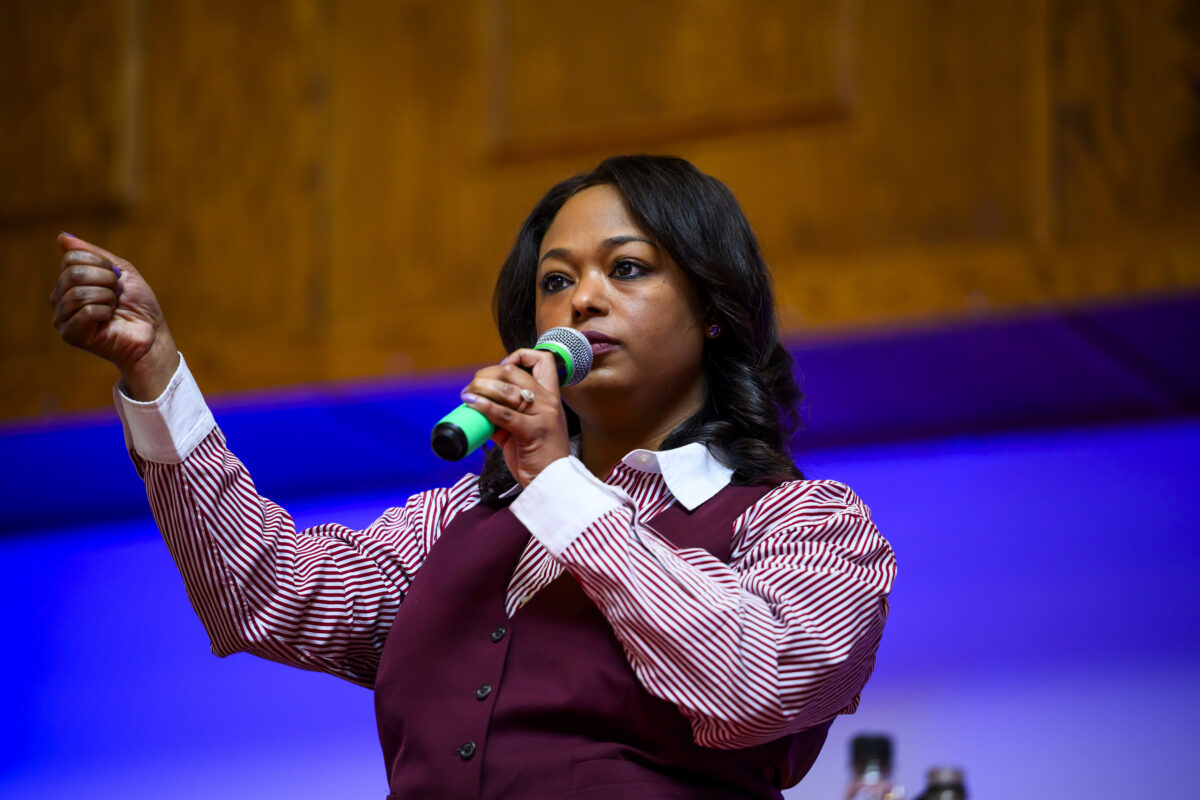
The highest-paid staffer on Washington, D.C., mayoral candidate Janeese Lewis George’s campaign has a social media history showing deep-seated hostility toward Israel and adherence to far-left views on the Middle East, according to a review of the staffer’s public posts, Jewish Insider’s Gabby Deutch reports.
Online presence: Makia Green, Lewis George’s political director, posts frequently on Instagram, often a mix of photos or videos of herself alongside TikTok videos that she downloads and shares to her own profile. In the months after the Oct 7, 2023, Hamas attacks in Israel, Green’s posts on Instagram, where she has 6,400 followers, regularly centered on anti-Israel advocacy. One video she shared in December 2023 called Israel an “imaginary state.” Another post that month featured a video with someone saying “Israel is a bitch, so evil.”
CALLING OUT HATE
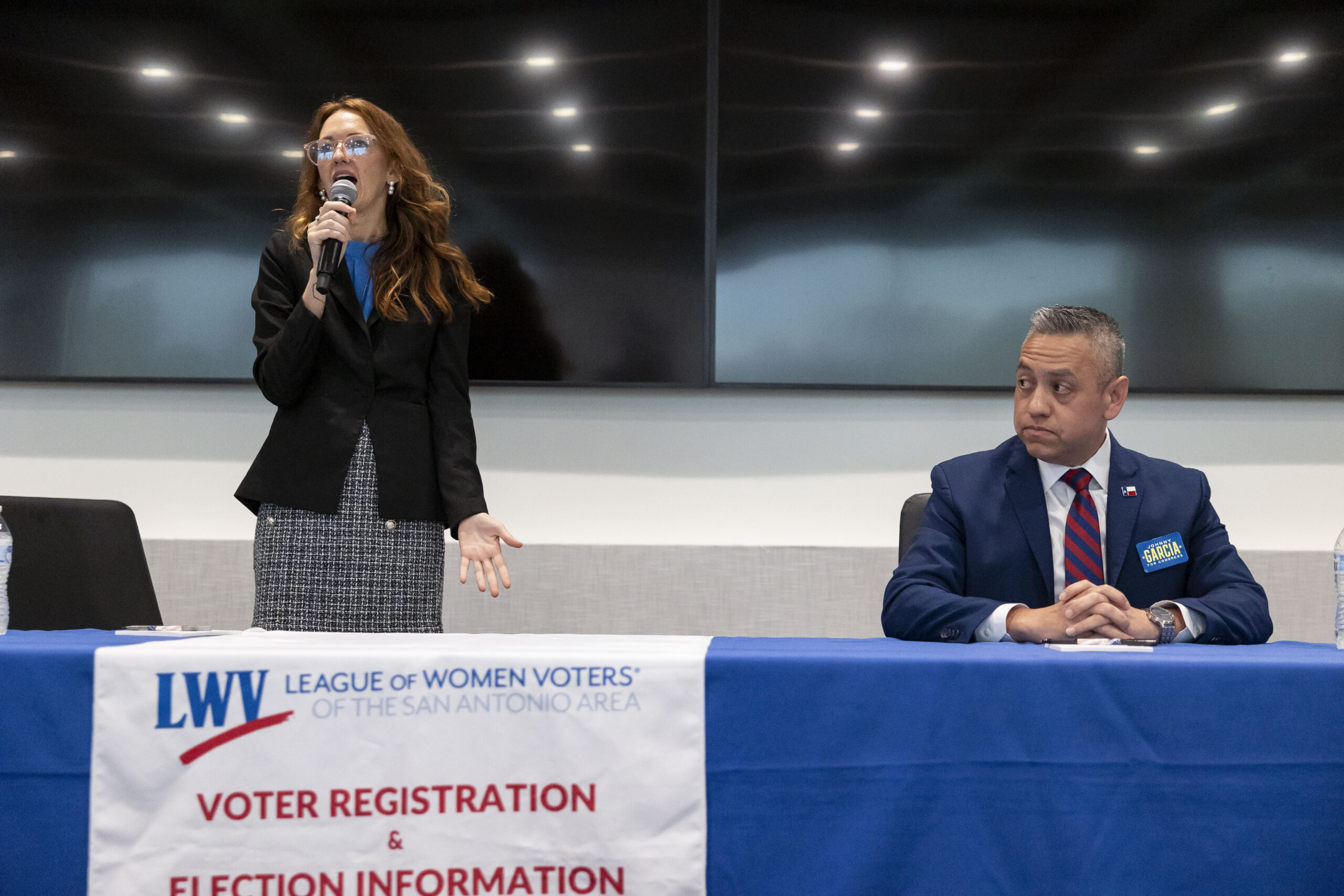
The Democratic Congressional Campaign Committee announced plans for a last-minute spending campaign against Maureen Galindo, an antisemitic Texas Democratic candidate who garnered condemnation this week for comments calling to imprison and castrate Zionists, Jewish Insider’s Marc Rod reports.
Ad boost: Texas’ primary is set for today and the race has garnered significant national attention in the past week after a local reporter shared Galindo’s comments about internment camps for Zionists. The DCCC is spending $34,000 on the ad spot, which describes her as “MAGA Maureen,” emphasizing an allegedly Republican-linked outside spending campaign to boost her campaign.
Switching seats: Rep. Debbie Wasserman Schultz (D-FL) announced Friday that she plans to run in Florida’s 20th Congressional District, which has been represented by a Black lawmaker for more than three decades, after her current district was redrawn by Florida Republicans in an effort to secure more seats in the House, JI’s Marc Rod reports.
STEPPING DOWN
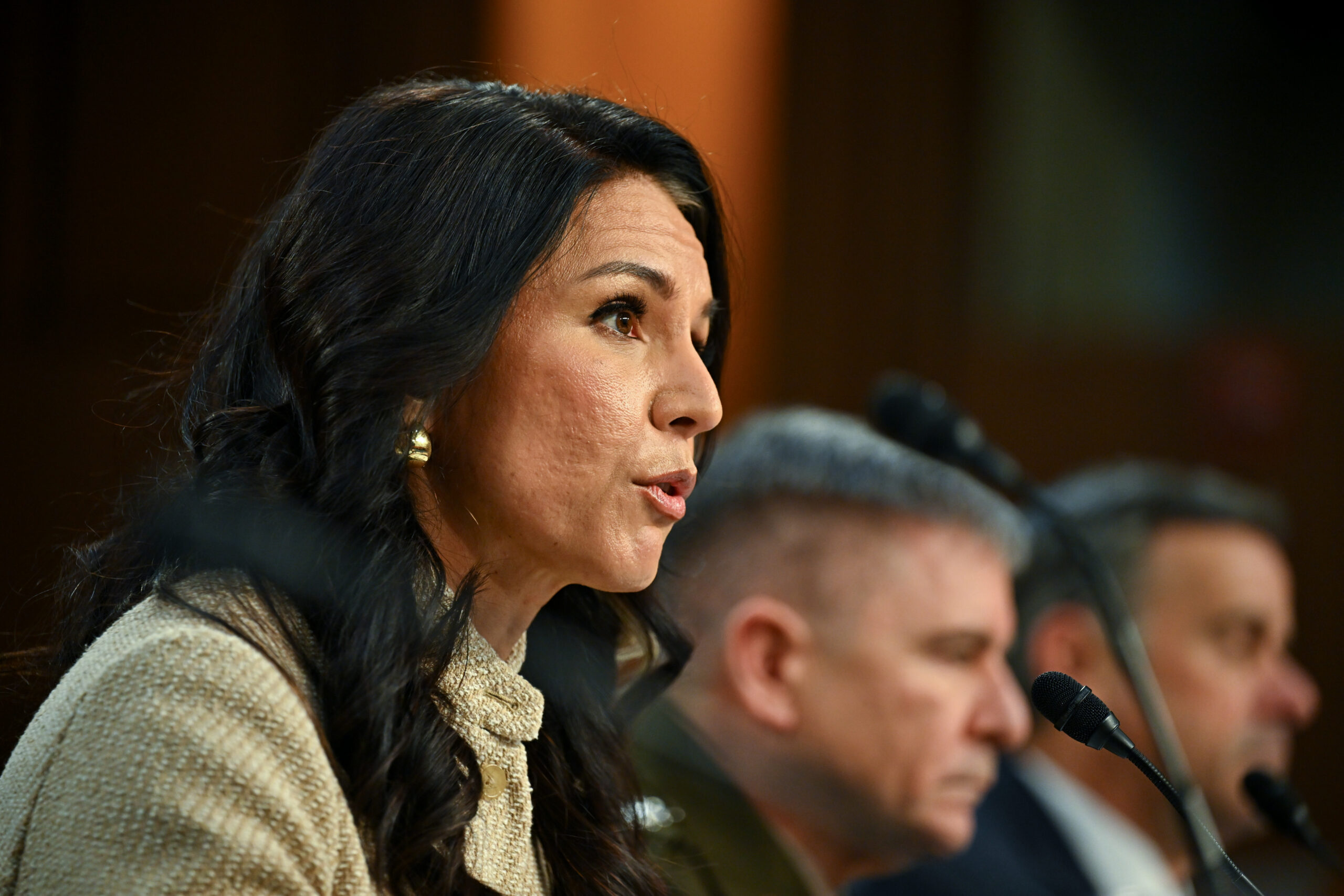
Director of National Intelligence Tulsi Gabbard is resigning effective June 30, citing her husband’s recently diagnosed “extremely rare form of bone cancer,” she wrote in a resignation letter, Jewish Insider’s Melissa Weiss and Marc Rod report. “Unfortunately, I must submit my resignation, effective June 30, 2026,” she wrote in her letter, which was first reported by Fox News Digital. “My husband, Abraham, has recently been diagnosed with an extremely rare form of bone cancer.”
Warm words: President Donald Trump posted Gabbard’s resignation letter publicly, and thanked Gabbard for her service. “Unfortunately, after having done a great job, Tulsi Gabbard will be leaving the Administration on June 30th,” Trump said. “Tulsi has done an incredible job, and we will miss her.” Trump tapped Aaron Lukas, a longtime CIA official who got his start at the Cato Institute, to serve as acting DNI following Gabbard’s departure at the end of June.
Worthy Reads
Dmitriev’s Detail: The Atlantic’s Robert Worth profiles Kirill Dmitriev, the Ukraine-born, U.S.-educated special envoy for Russian President Vladimir Putin who leads the country’s sovereign wealth fund and who has been tasked by Moscow to negotiate an end to the Russia-Ukraine war with White House Special Envoy Steve Witkoff and Jared Kushner. “Putin chose Dmitriev for this job not only because of his reassuring American credentials — degrees from Stanford and Harvard Business School, work experience at McKinsey and Goldman Sachs — but because his profile matches that of his two main American interlocutors. He is an oligarch whose glamorous blond wife is close friends with Putin’s younger daughter. That makes him a virtual son-in-law of the ruler, and it may be the reason his real-estate holdings alone have soared from some $5 million to $100 million over the past decade.” [TheAtlantic]
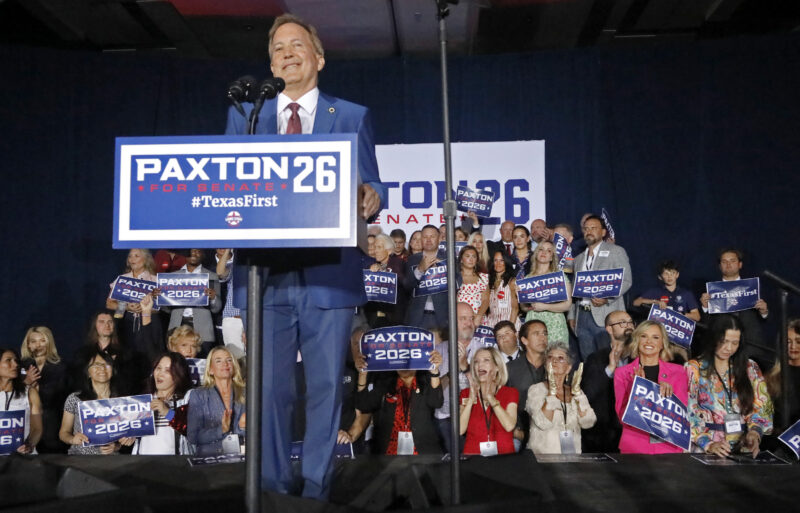
Still Running for Something: Politico’s Ben Jacobs profiles Rep. Elise Stefanik (R-NY) as the New York Republican, who is not seeking reelection this year after a brief gubernatorial bid and having had her nomination to be U.N. ambassador pulled, considers her next political moves. “Further, Stefanik, who is Catholic, has become very popular among Jewish voters — a reputation burnished by her book on antisemitism. One Democratic operative marvelled at the reception that Stefanik received at a recent AIPAC event in New York City. ‘Guys who were good Democrats and regularly supported strong progressive candidates were on their feet cheering,’ says the operative, granted anonymity to speak frankly.” [Politico]
The Gift That Is Ben-Gvir: In an The Atlantic piece headlined “Israel’s Human Wrecking Ball,” Avi Issacharoff raises concerns about the reputational and societal damage to Israel he believes is being caused by Israeli Security Minister Itamar Ben-Gvir, who last week was filmed berating Gaza flotilla participants in a since-viral video. “The latest provocation by Ben-Gvir proved something that many Israelis have suspected for years: Ben-Gvir is not merely a nightmare for Israeli liberals, but the fulfillment of the fantasies of Israel’s enemies. He provides them with precisely the ammunition they need to argue, time and again, that Israel, in its fight against Hamas and Hezbollah, is the aggressor, and a cruel one at that. Ben-Gvir is a gift to the terrorist groups and the countries that seek Israel’s destruction.” [TheAtlantic]
Owens’ Omissions: The Wall Street Journal‘s William McGurn questions Hunter Biden’s recent appearance on antisemitic conspiracy theorist Candace Owens’ podcast, during which Owens’ questions to the son of the former president focused heavily on Israel. “But not asking key questions about what was going on in the Biden White House is shirking a duty. There are still many questions that deserve answers, and they can be asked in a way that doesn’t attack former President Biden. One that comes to mind is whether Joe stayed on too long because his friends and family didn’t want him to step aside. Another has to do with all those snide digs on Israel. Maybe Ms. Owens could have asked Hunter if his father or Zohran Mamdani better represents the Democratic Party these days.” [WSJ]
The Trolling of America: In The New York Times, Jessica Brandt, who from 2023-2025 served as an official in the Office of the Director of National Intelligence, warns that Iran and other malign actors, such as China, are utilizing emerging internet technologies and trends. “But with the Lego-style videos and other satirical content, Iran and its supporters are using a different tool for influencing public opinion. It’s not disinformation. It’s not traditional war propaganda. It’s trolling. No one is being deceived because deception isn’t the point. Reach, ridicule and cultural resonance are. … Iran is exploiting a gap that our current defenses weren’t built to close. We need to address it before a more capable adversary decides to do the same.” [NYTimes]
Word on the Street
Sen. Jim Risch (R-ID), the chair of the Senate Foreign Relations Committee, warned that the Lebanese government and Lebanese Armed Forces “need to step up and take immediate action to ensure Hezbollah is fully and permanently disarmed” or risk losing U.S. support…
In The New York Times, Sen. Chris Van Hollen (D-MD) calls on the U.S. to recognize a Palestinian state “that is subject to clear benchmarks, including free and fair elections” while “ending taxpayer-funded support” for Israel; the Maryland Democrat also called for Saudi Arabia to normalize relations with Israel…
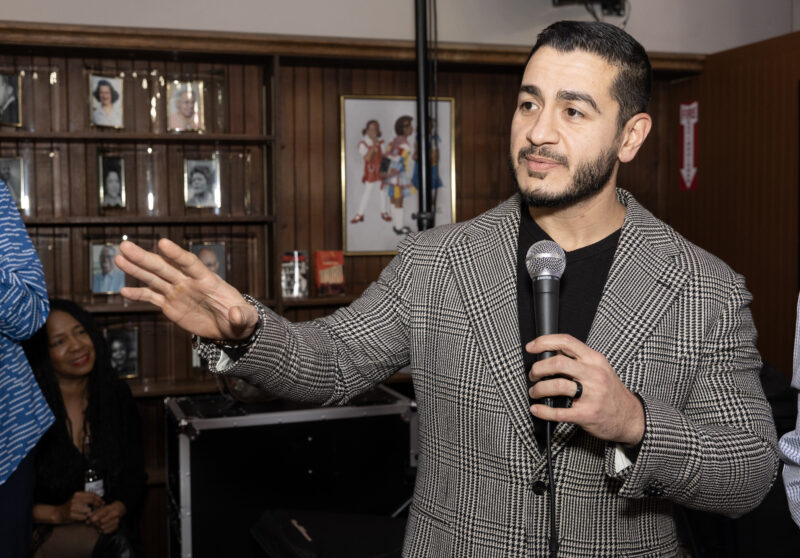
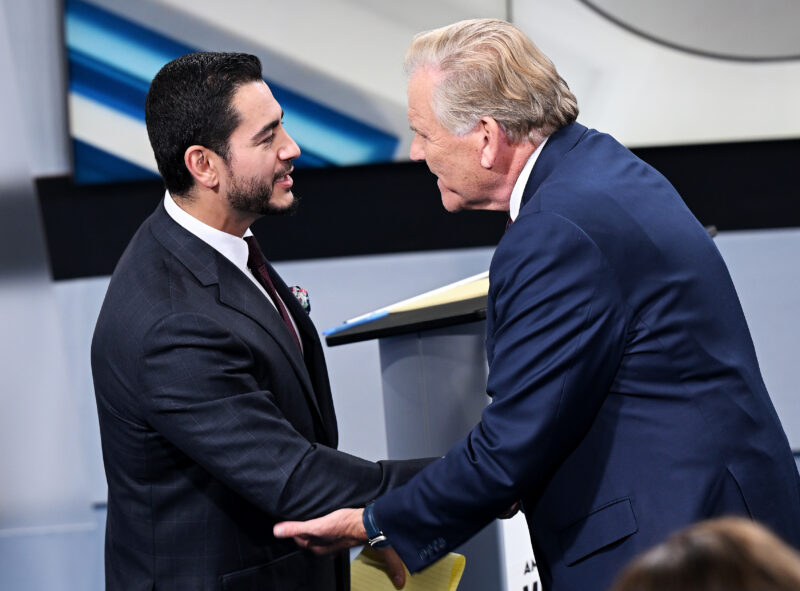
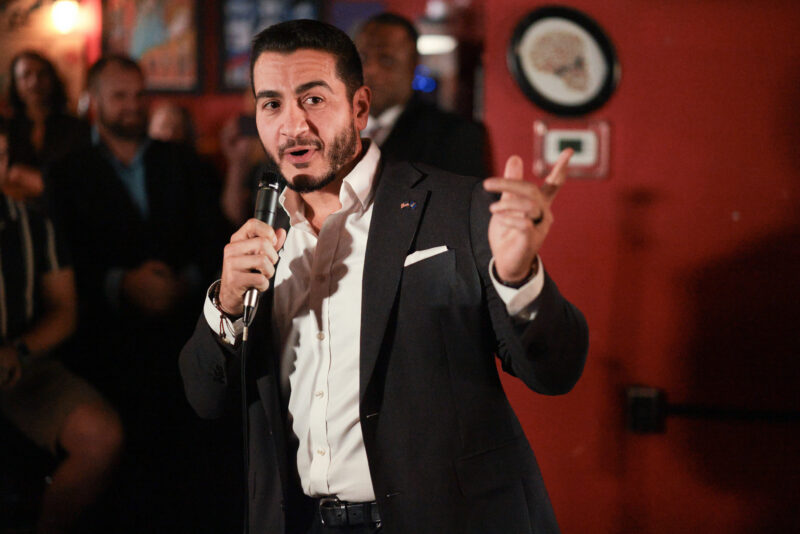
Rep. Alexandria Ocasio-Cortez (D-NY) endorsed New Jersey doctor and anti-Israel activist Adam Hamawy in the race to succeed outgoing Rep. Bonnie Watson Coleman (D-NJ) in the state’s 12th Congressional District…
Federal officials are investigating whether antisemitic streamer Hasan Piker and other far-left activists, including CodePink’s Madea Benjamin, violated U.S. sanctions during their recent trip to Cuba…
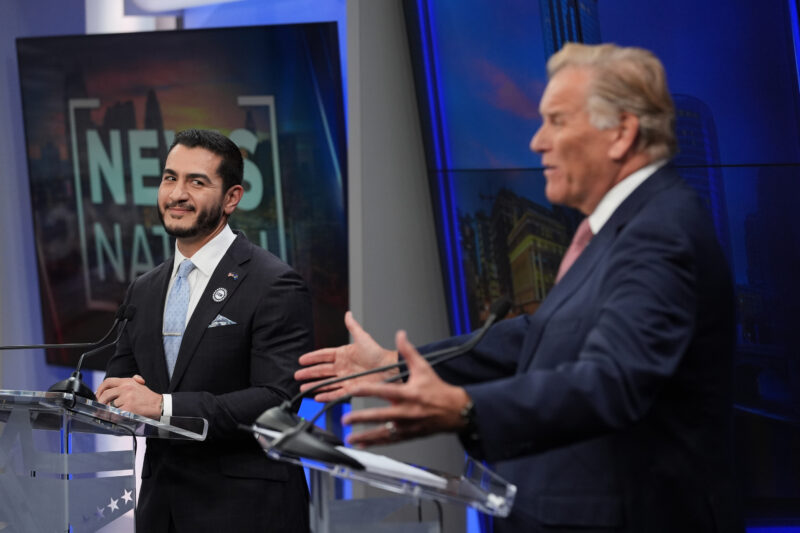
An investigation by the Colorado Advisory Committee to the U.S. Commission on Civil Rights found that Denver Mayor Mike Johnston and the city’s police chief, through their refusal to tamp down on demonstrators at the anti-Israel encampment at the city’s Auraria Campus, which hosts several state and city colleges, violated Jewish students’ civil rights…
Former Columbia graduate student Mahmoud Khalil plans to appeal to the Supreme Court last week’s decision by an appellate court not to review his case as the anti-Israel campus protest leader continues to fight the government’s deportation case against him…
The Wall Street Journal looks at developer Asher Luzzatto’s efforts to convert unused office space in downtown Denver into more than 1,000 housing units and mixed-use spaces…
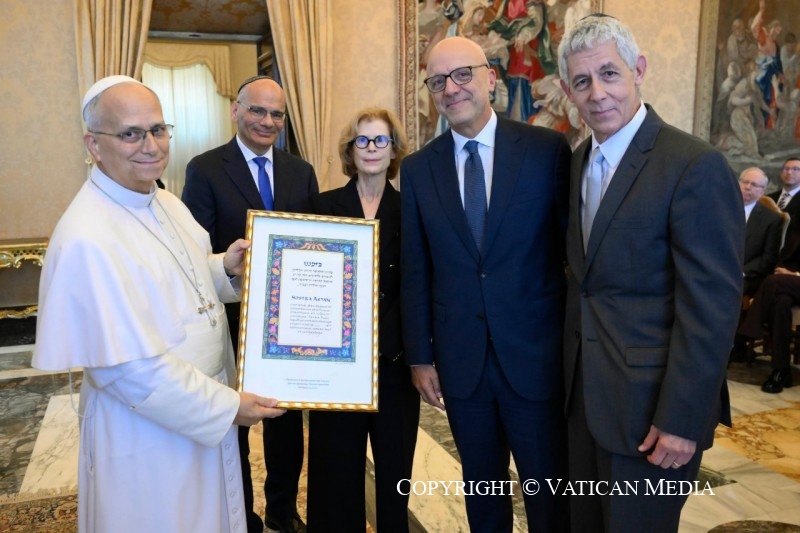
The Wexner Foundation told alumni on Thursday that it will spin off its flagship leadership programs into an independent nonprofit, marking a major development within the Jewish philanthropic landscape that comes as the foundation’s benefactor, Les Wexner, continues to face pushback for his past ties to financier Jeffrey Epstein, JI’s Gabby Deutch reports…
Pope Leo XIV cautioned of the dangers of artificial intelligence in a new encyclical letter, comparing this juncture of its advancement to the choice “between constructing [the Tower of] Babel or rebuilding Jerusalem” after the Babylonian exile, which he described as a collaborative effort “with God at the center”…
Australia’s royal commissioner investigating antisemitism in the country warned against harassing and intimidating witnesses who have given testimony about their experiences with antisemitism…
Federal prosecutors in Germany filed charges against a Danish national accused of operating as an agent of Iran’s Islamic Revolutionary Guard Corps, who, with support from the IRGC’s Quds Force, allegedly planned to attack leaders of Germany’s Jewish community as well as Jewish grocery stores in Berlin…
The New York Post reports that Mohammad Baqer Saad Dawood Al-Saadi, the Iraqi national arrested in Turkey on charges of planning attacks on Jewish and Israeli targets, had also plotted to assassinate Ivanka Trump in retaliation for President Donald Trump’s 2020 strike that killed Al-Saadi’s mentor, Quds Force head Qasem Soleimani…
The head of Iran’s national soccer association said that the national team’s World Cup training base was moved from the U.S. to Tijuana, Mexico, after previously being assigned to Tucson, Ariz….
Haaretz reports that Shin Bet head David Zini traveled to the United Arab Emirates to meet with Mohammed Dahlan, a rival of Palestinian Authority President Mahmoud Abbas who has ties to members of the Palestinian technocratic group helping to administer Gaza…
Semafor spotlights Qatari minister Ali Al Thawadi, who represents Doha on the Gaza Executive Board, as the official plays a quiet but influential role in Middle East policy and Doha’s diplomatic dealings, including in efforts to end the U.S.-Iran war…
Etihad will add a sixth daily flight from Abu Dhabi to Israel next month for a total of 42 flights per week, making Israel the destination to which the airline has the most weekly flights…
Speaking on Sunday at an event honoring the winners of the Jerusalem Unity Prize, Israeli President Isaac Herzog condemned the normalization of “a terrible process of brutalization,” amid ongoing settler attacks on Palestinians in the West Bank and reports of brutality against Palestinian detainees…
Israeli software company Wix plans to lay off approximately 1,000 employees — roughly 20% of its staff — in the coming months, amid plummeting stock values and rising costs related to the company’s early adoption of AI technologies…
Israel-Canadian legal scholar and political scientist Ran Hirschl died at 62…
Manny Nosowsky, a New York Times crossword creator who had a first career as a urologist, died at 94…
Pic of the Day

Singer Mendy Worch released the video for his song “Jungle,” featuring TYH Boys. Worch said the song was inspired by a teaching from his rabbi, who shared his grandfather’s wisdom that “you don’t need to fix the whole giant jungle at once. If you just light up your own little corner, that light will start to spread. It will travel further and further until it fills the entire world.”
Birthdays
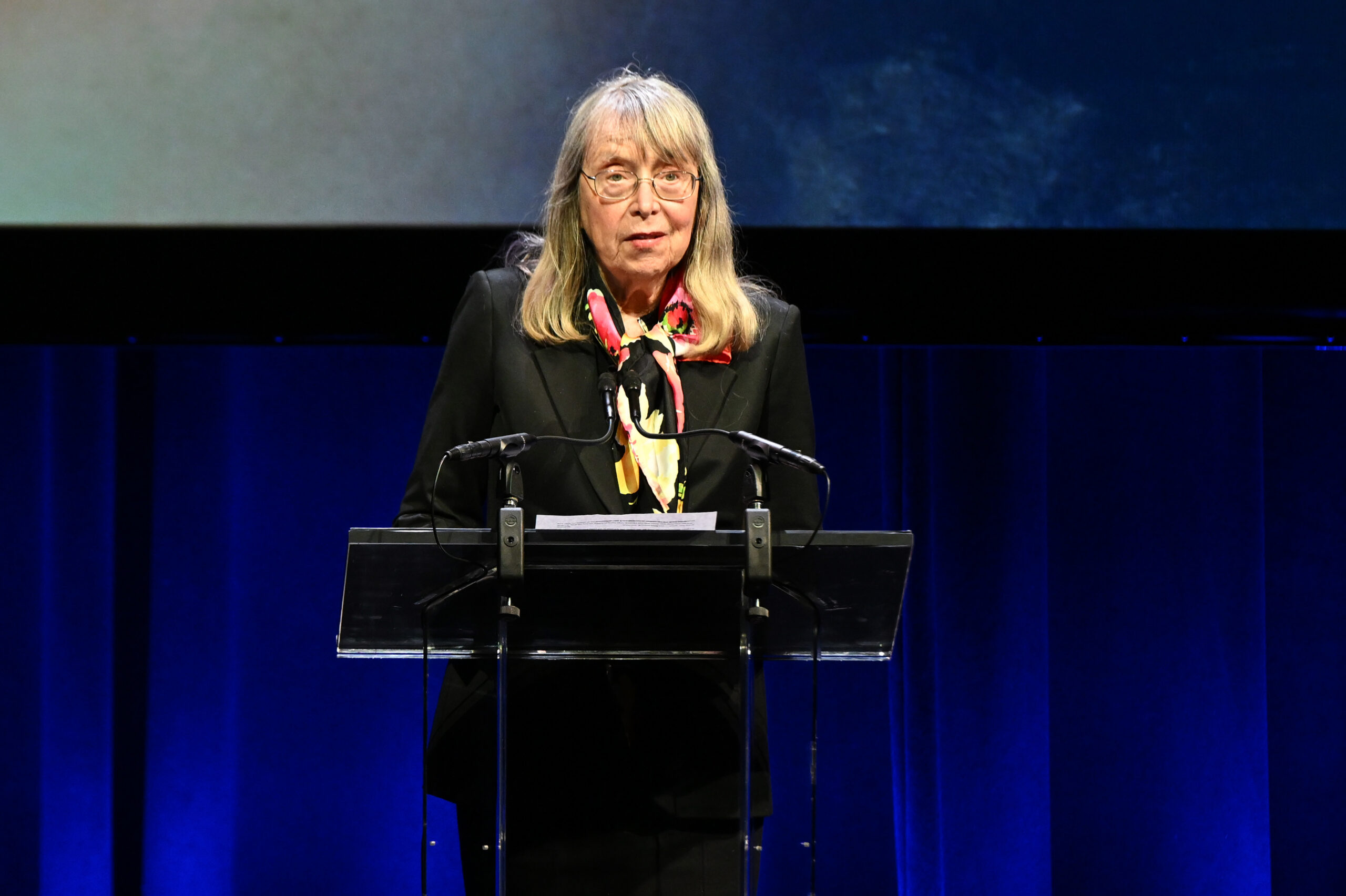
Journalist and educator, the mother of Janet (anthropologist and UCSF professor), Anne (co-founder of 23andMe) and the late Susan (former CEO of YouTube), Esther Hochman Wojcicki turns 85…
Public speaker, teacher and author of dozens of books on the English language, he writes a weekly column that is syndicated in newspapers throughout the U.S., Richard Lederer turns 88… Member of the House of Representatives (D-IL) since 1999, she is not seeking reelection this year, Janice Danoff “Jan” Schakowsky turns 82… Former SVP of News at NPR, after a lengthy career at the New York Daily News, The New York Times and the Associated Press, Michael Oreskes turns 72… Co-founder and CEO of Mobileye which he sold to Intel in 2017, he is also a professor at Hebrew University, Amnon Shashua turns 66… NYC real estate developer, past chair and board member of The Charles H. Revson Foundation and a former commissioner on the NYC Planning Commission, Cheryl Cohen Effron… Former brigadier general in the IDF, she has been a member of the Knesset for the Likud since 2009, currently serving as minister of transportation, Miriam “Miri” Regev turns 61… Counsel in the government affairs practice of Paul Hastings, Dina Ellis Rochkind… Photographer, her work has appeared in galleries and been published in books, Naomi Harris turns 53… Communications strategist at O’Connell & Goldberg, Eileen Esther Alkabes… South Florida entrepreneur, Sholom Zeines… Senior program officer for media and communications at Maimonides Fund, Rebecca Friedman… Former minor league baseball player, he has become one of the leading agents for NBA players, with five contracts of over $100 million each, Jason Glushon turns 41… Author of a book on the 1929 origins of the current Arab-Israeli conflict, Yardena Schwartz… CEO and director of the National Jewish Advocacy Center, Mark Goldfeder… Co-founder of Stories Abroad Tours and consultant on policy and advocacy for progressive causes, Arielle Gingold… Assistant professor of law at Wayne State University Law School, Benjamin L. Cavataro… Toronto-born Israeli actor and singer, best known as the protagonist of the Israeli television series “Split,” Melissa Amit Farkash turns 37… Senior manager of strategic partnerships and engagement at U.S. Pharmacopeia, Morgan A. Jacobs… Catcher in the Philadelphia Phillies organization, he played for Team Israel in the 2023 World Baseball Classic, Garrett Patrick Stubbs turns 33… Eytan Merkin…
Recent Daily Kickoff Newsletters




Please log in if you already have a subscription, or subscribe to access the latest updates.
 Continue with Google
 Continue with Apple