


























36 hours to buy 45 days… or back to the Stone Age
Plus, Ottawa's inaction concerns Canada's Jews


 Add JewishInsider on Google
Good Monday morning.
In today’s Daily Kickoff, we look at the state of negotiations between the U.S. and Iran as President Donald Trump issues a new deadline for the reopening of the Strait of Hormuz, and talk to Canadian Jewish leaders about rising antisemitism — and government inaction — that is prompting some Canadian Jews to consider relocating. We report on the White House’s requested budget cuts for FEMA and Justice Department programs, and talk to New Jersey Democratic congressional candidate Tina Shah, who is centering her support for Israel as she mounts a bid to take on GOP Rep. Tom Kean Jr. Also in today’s Daily Kickoff: Harmeet Dhillon, Omer Horev and Rabbi David Wolpe.
Today’s Daily Kickoff was curated by JI Executive Editor Melissa Weiss and Israel Editor Tamara Zieve, with assists from Danielle Cohen-Kanik and Marc Rod. Have a tip? Email us here.
What We’re Watching
- President Donald Trump will hold a press conference at 1 p.m. ET from the White House alongside senior military officials to discuss the weekend operation to rescue a U.S. servicemember whose plane was shot down in Iran. Yesterday, Trump warned that Iran’s power plants and bridges would be targeted on Tuesday over Iran’s continued blockage of the Strait of Hormuz. More below.
- Shortly after the press conference, Trump will deliver a Passover greeting toJewish leaders at the White House.
What You Should Know
A QUICK WORD WITH JI’S MELISSA WEISS
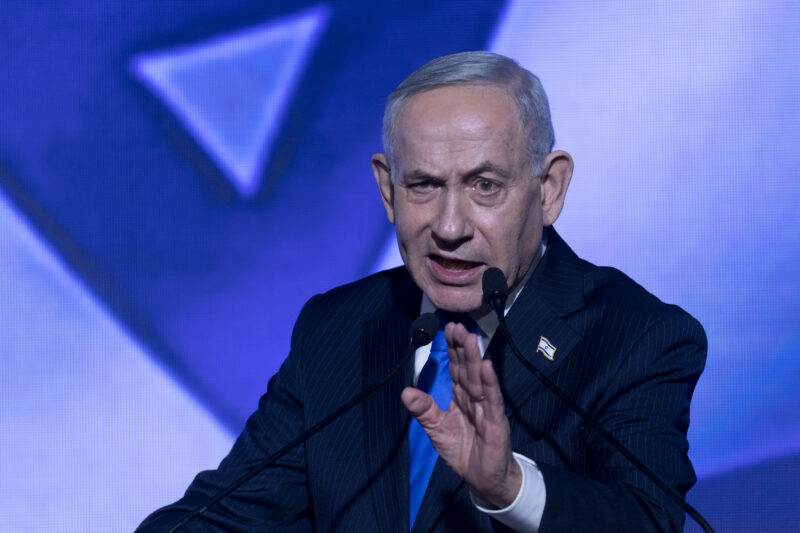
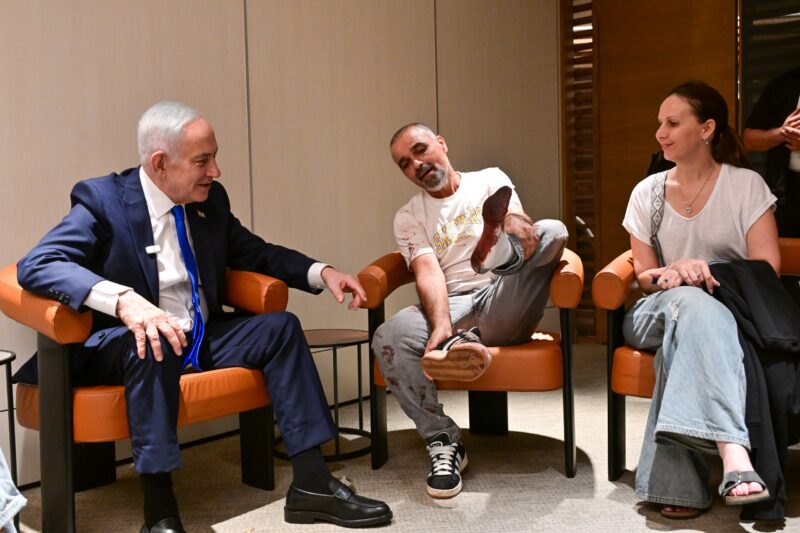
As the U.S. and Israeli war with Iran extends into its sixth week, the next 36 hours may be some of the most pivotal, offering clarity as to whether an end is in sight — or whether an escalation is imminent.
On the table now, according to Axios, is a proposed two-phased ceasefire deal, lasting 45 days, that would immediately reopen the Strait of Hormuz and give negotiators two to three weeks to reach a broader agreement to end the war. As a signal that the U.S. is open to the agreement, President Donald Trump extended by 24 hours the deadline for Iran to reopen the Strait, setting a new deadline of Tuesday night ET.
The core issues remain: Tehran’s closure of the key waterway, and the fate of the country’s enriched uranium. But a deal between Washington and Tehran would include broader issues, including potential sanctions relief in exchange for Tehran’s promise that it will not pursue nuclear weapons. Iran has signaled that it will not reopen the Strait for a temporary ceasefire and is seeking a more permanent resolution.
The president paired threats with optimism, leaning into the current debate with a conflicting mix of tough talk — warning yesterday that strikes targeting Iran’s power plants and bridges would take place on Tuesday in the absence of a deal — and hopes of an 11th-hour diplomatic breakthrough.
A diplomatic agreement would see a winding down of the war that would likely allow Iran to retain some of its ballistic missile capabilities — a compromise that is unlikely to sit well in Israel, which continues to face fire from Iranian forces.
On the other hand, Trump’s threatened destruction of key Iranian infrastructure could further deteriorate conditions in the Islamic Republic, where a regime-imposed internet blackout has ensured minimal on-the-ground reporting on weeks of war. And as always, the president has one eye on the markets, which will open today after the holiday weekend.
The U.S. and Israel have already made serious strategic strides by killing dozens of members of Iran’s senior leadership and severely crippling Tehran’s nuclear program. The question now is whether that will be enough for Trump to declare victory in accordance with the rough timeline he’s given for U.S. operations in Iran — or whether the U.S. will double down on its military operations.
oy, canada
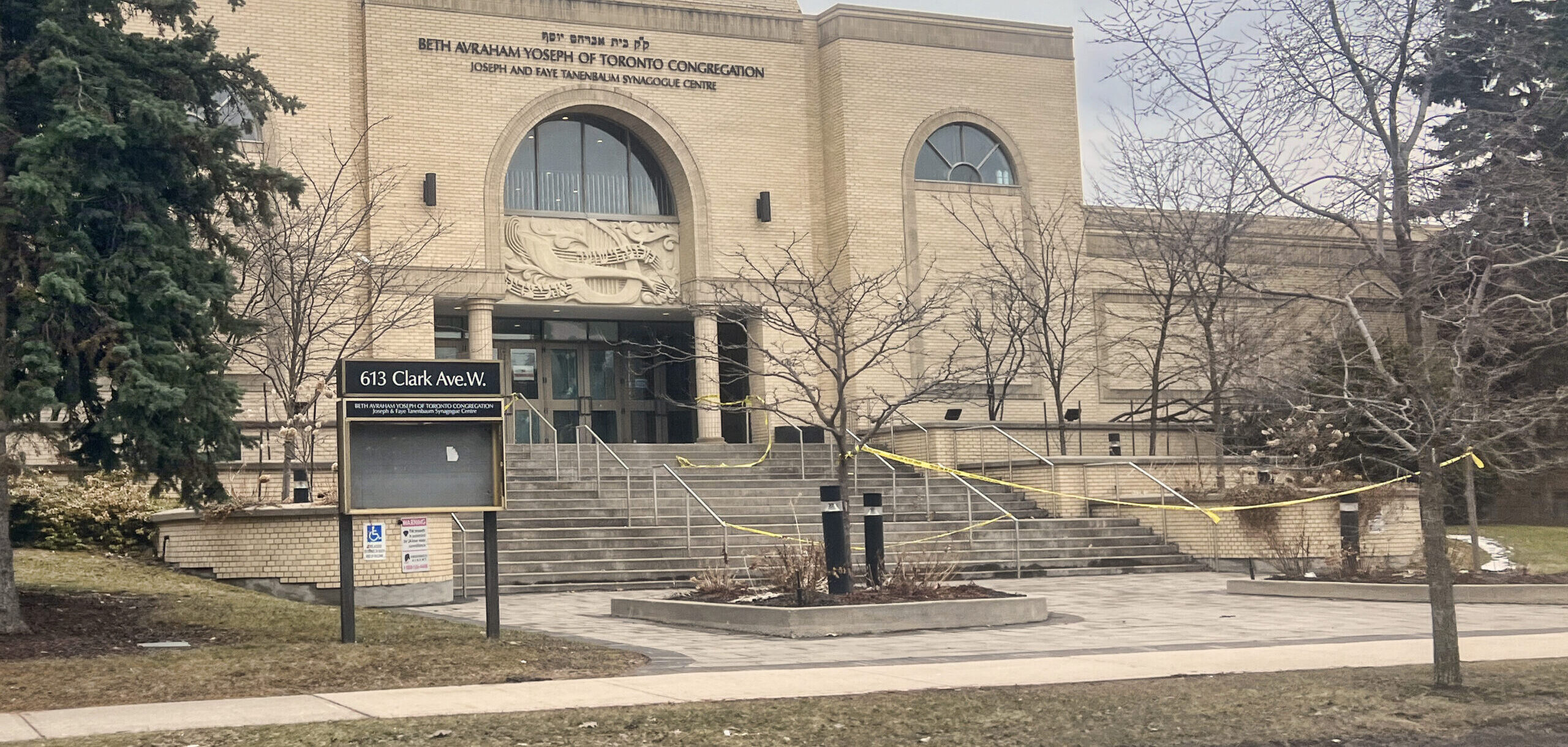
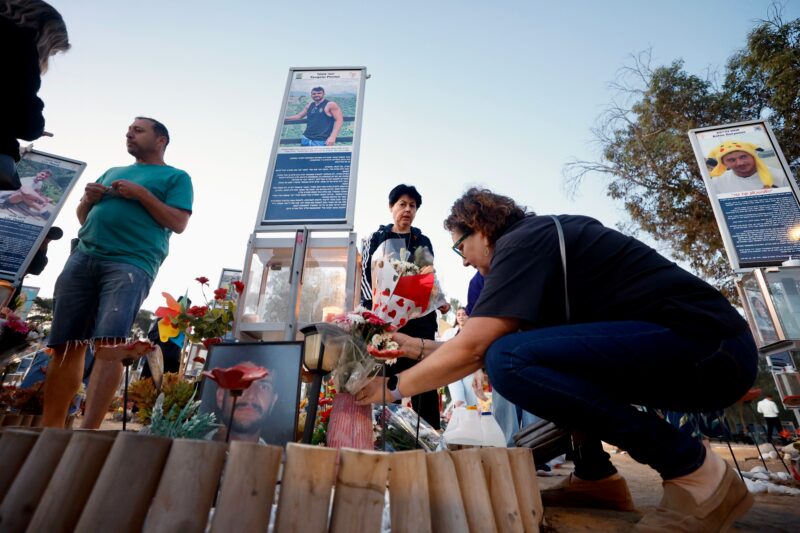
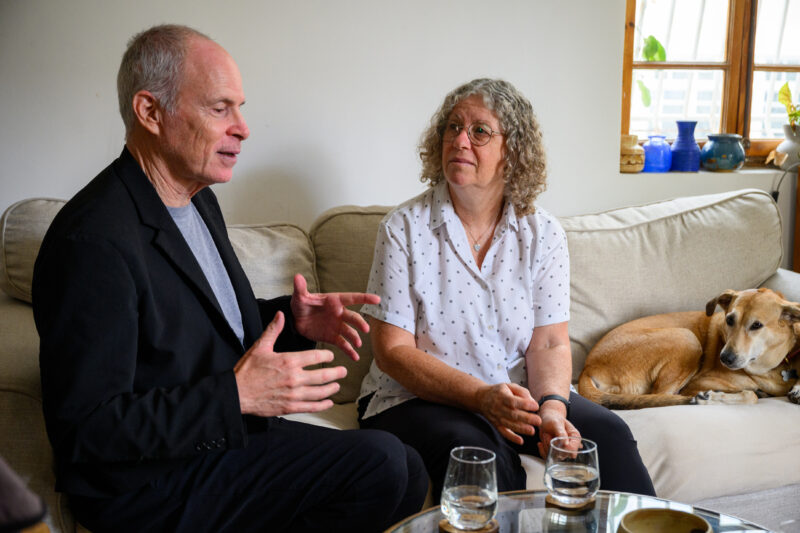
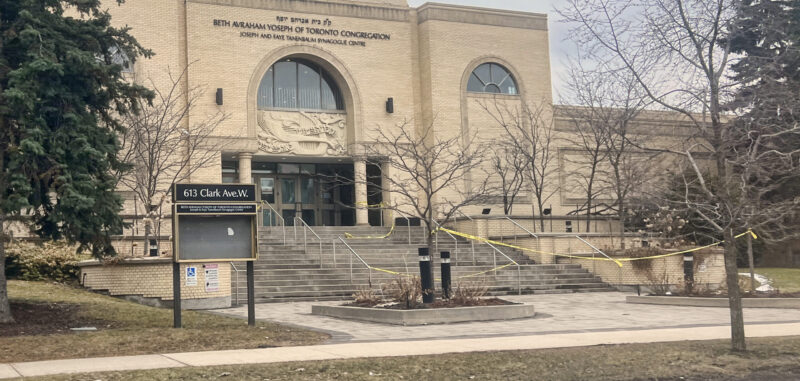
As Canadian Jewish families began celebrating the holiday of Passover, many found the ancient narrative colliding with a modern reality of rising fear at home amid a wave of antisemitic attacks, highlighting what Jewish leaders describe as “systemic” Jew-hatred in Canada. And it is even leading some Jewish Canadians to consider their own kind of exodus from their country, with one communal leader telling Jewish Insider’s Haley Cohen that “the promise” that Jews could practice their faith openly in the country “has been broken.”
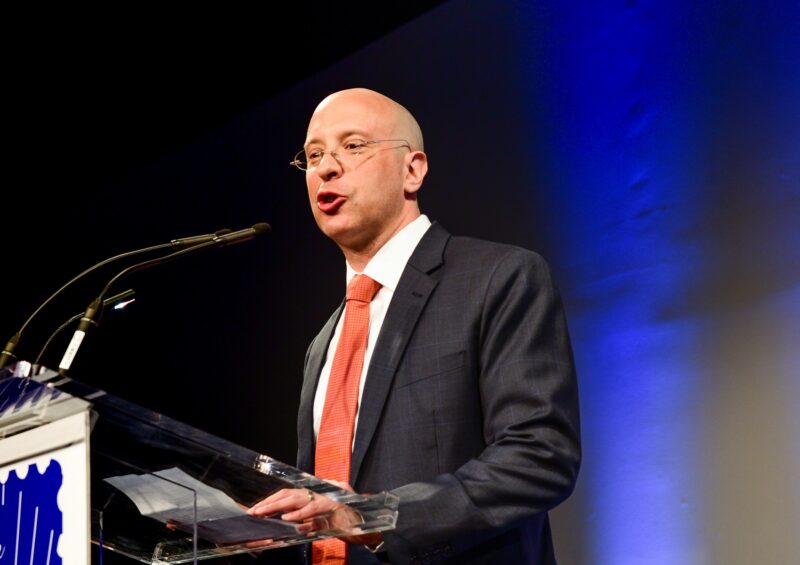
‘Systemic failure’: Canada has experienced some of the most severe manifestations of the global surge in antisemitism since Oct. 7. — with higher rates of antisemitic incidents than other countries but lower conviction rates. “There has been a systemic failure across jurisdictions to face antisemitism,” said Richard Marceau, senior vice president of strategic initiatives and general counsel at CIJA, an agency of the Jewish Federations of Canada. Marceau asserted that Canadian society has “a complete misunderstanding” of what antisemitism is, whether it stems from “the far left, far right [or] Islamic circles.”
budget talk
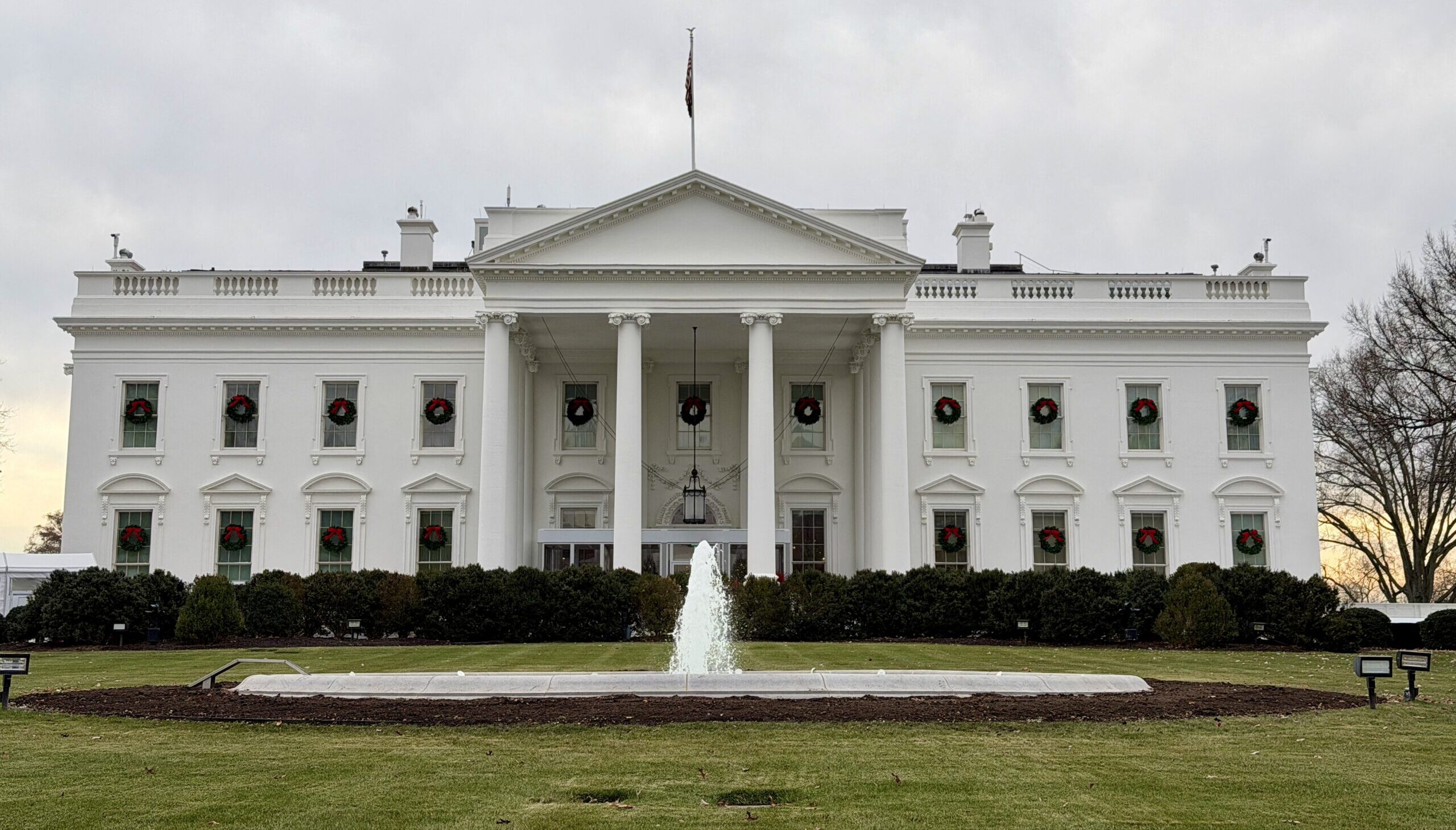
The Trump administration’s 2027 top-line budget request to Congress calls for significant funding increases for the Department of Defense, while pushing for cuts to certain programs at the Federal Emergency Management Agency and the Department of Justice, Jewish Insider’s Marc Rod reports.
Ups and downs: The request urges cuts of $1.3 billion to non-disaster grant programs at FEMA, a category which includes the Nonprofit Security Grant Program, which has been critical to protecting Jewish community institutions and for which both lawmakers and Jewish community groups have sought increased funding, without specifying specific impacts on NSGP. The budget document specifically lambasts FEMA’s “Targeted Violence and Terrorism Prevention” program, which has support from some groups in the Jewish community, as having been “weaponized to target Americans exercising their First Amendment rights.” At the DOJ, the administration again aims to eliminate the Community Relations Service, which has received support from some Jewish community groups in the past.
debate over hate
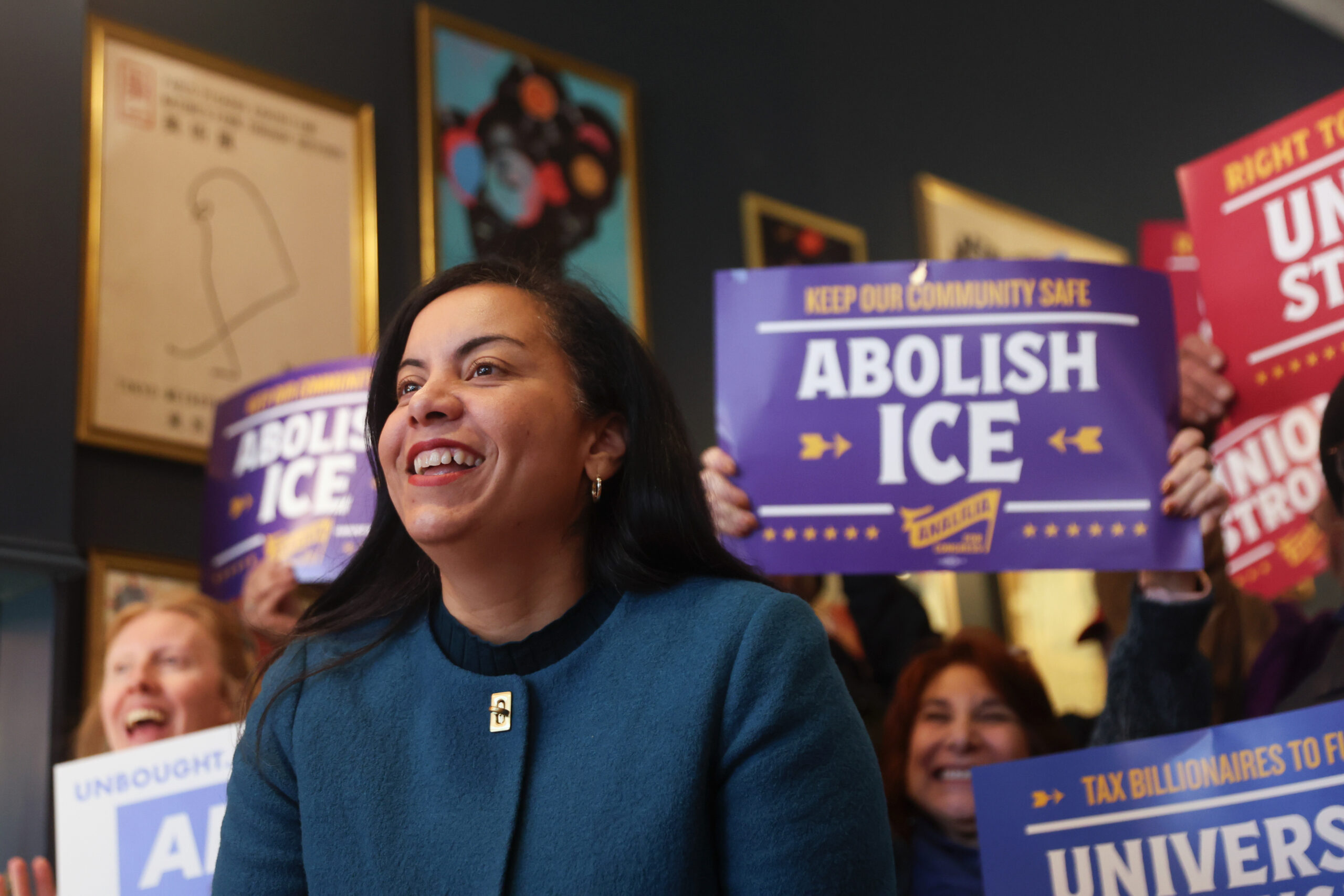
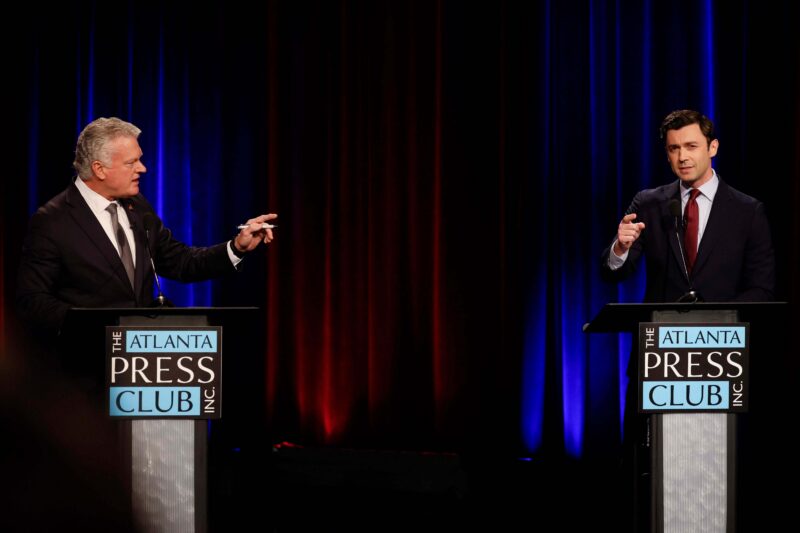
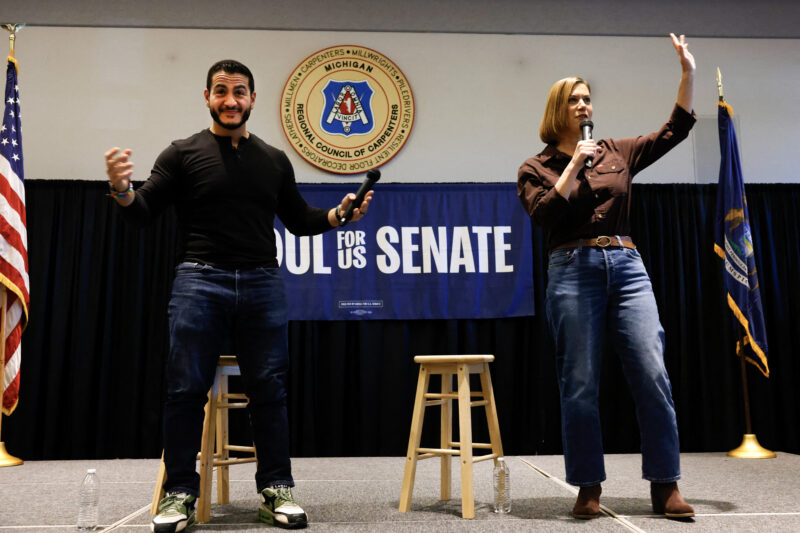
Joe Hathaway, the Republican nominee in the special election in New Jersey’s 11th Congressional District, repeatedly accused Democratic nominee Analilia Mejia, a progressive organizer, of espousing antisemitism and taking stances that would make the district’s sizable Jewish community unsafe, during their sole debate earlier this week, Jewish Insider’s Marc Rod reports.
What they said: Hathaway, in his opening statement, said that Mejia would “demonize thousands of members of our Jewish community.” The Randolph, N.J., city councilman has leaned into outreach to Jewish voters during the campaign. Though she had described the war in Gaza as a genocide less than a month after the Oct. 7, 2023, Hamas attack, Mejia stopped short of using that word during the debate. Instead, she said that “many individuals are feeling conflicted about what we are seeing in Gaza,” while accusing Israel and its prime minister of having committed war crimes.
shah’s strategy
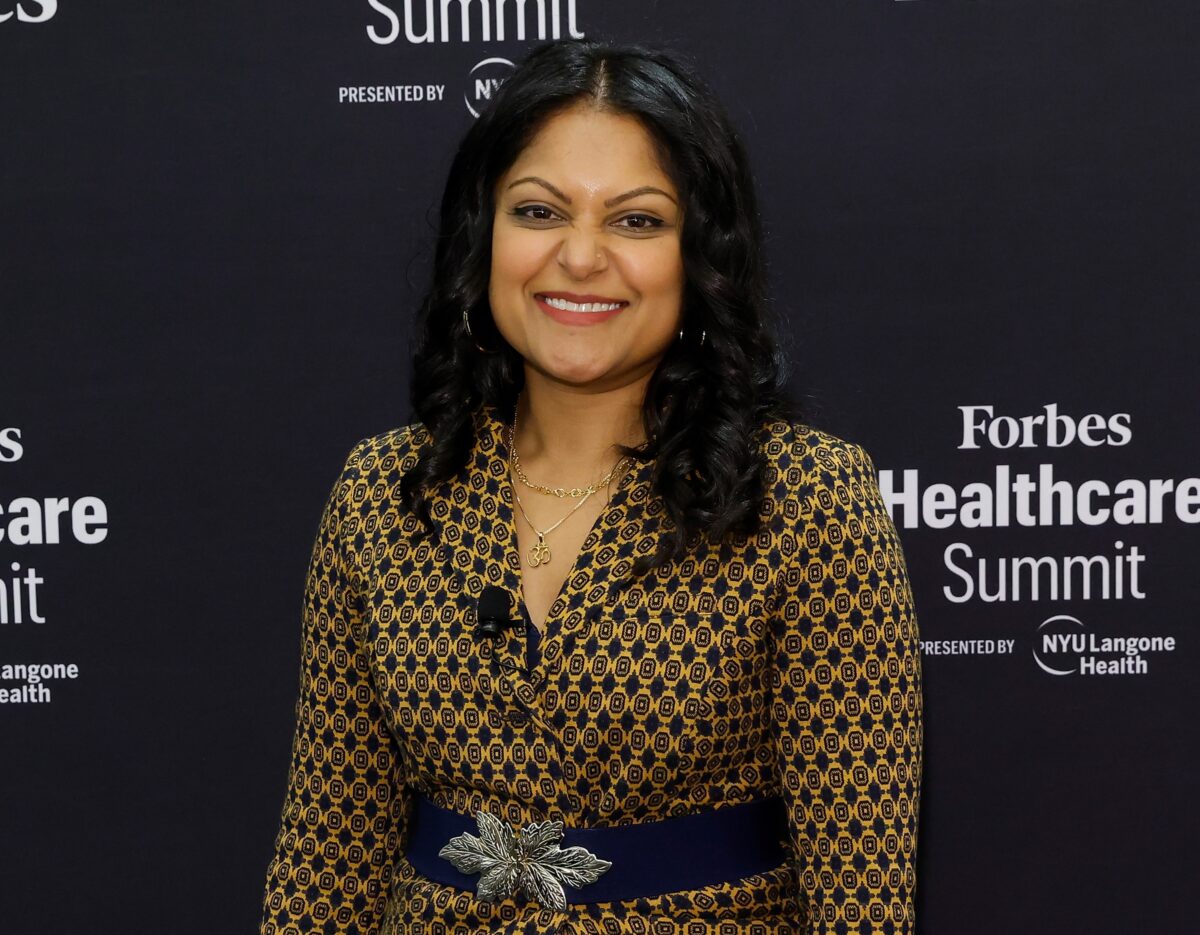
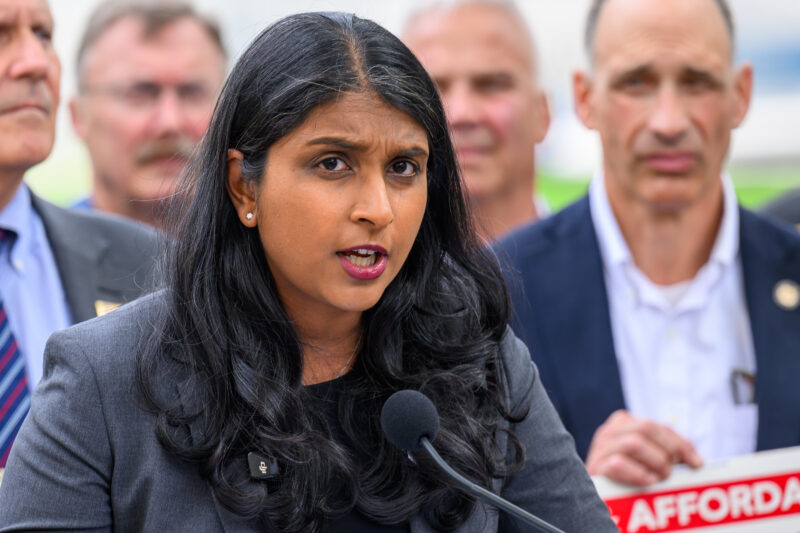
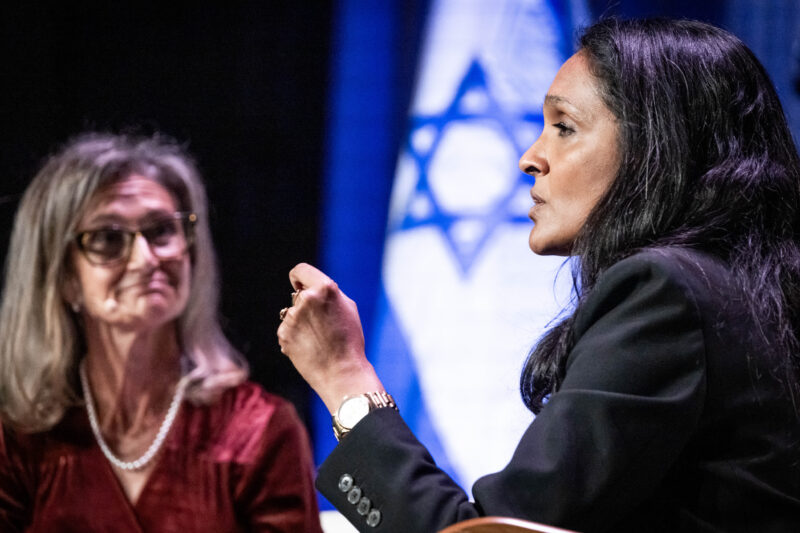
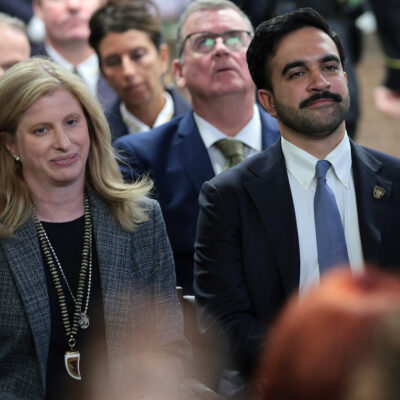
Tina Shah is hoping she might have the cure to Democrats’ struggles in New Jersey’s 7th Congressional District. Shah, an emergency room physician and former government official, is running in the Democratic primary to face off against Rep. Tom Kean Jr. (R-NJ), who has proven resilient against repeated Democratic challenges in the purple district, Jewish Insider’s Marc Rod reports.
Standing together: Shah noted in a recent interview with JI that the district is home to a substantial Jewish community, and said that she’s had many conversations with community members about the situation in the Middle East and the Oct. 7, 2023, Hamas attacks, conversations she said have fostered her support for continued, unconditional aid for the Jewish state. “Where I am right now is unequivocally that Israel is our most important ally in the Middle East,” Shah said. “They had a right to defend themselves then, [and] they continue to. I will be the strongest ally to make sure that we continue to build this relationship and support Israel with aid.”
shifting stance

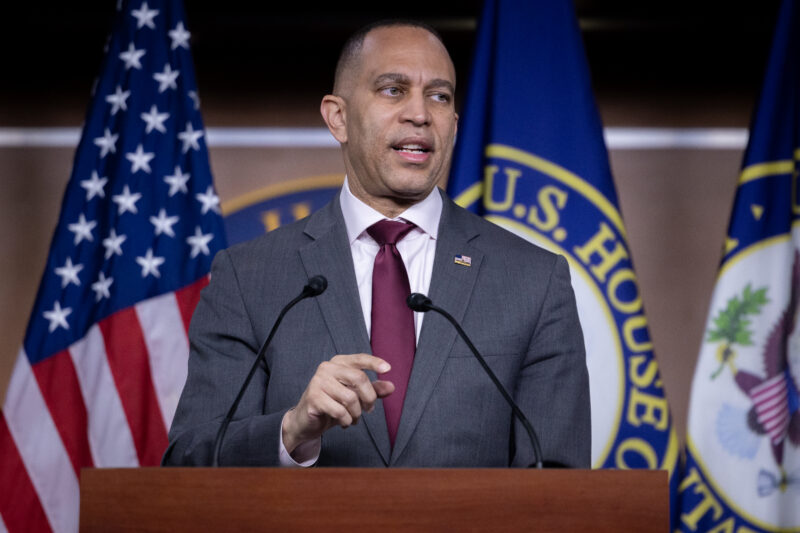
Sen. Ruben Gallego (D-AZ) said Sunday he now opposes U.S. aid for offensive weaponry for Israel but continued to defend U.S. support for defensive systems like Iron Dome, Jewish Insider’s Marc Rod reports. The new stance from Gallego, who positioned himself as a pro-Israel moderate during his 2024 Senate campaign, highlights the changing currents within the Democratic Party. Gallego also acknowledged in an interview with NBC News that he’s considering a 2028 presidential run.
What he said: Gallego said that he would not support providing Israel with funding for offensive weapons due to disagreements with the country’s military operations in Iran and Lebanon. Gallego, a military veteran, has been among the Senate’s most strident opponents of the war in Iran. But he said he would continue to support aid for missile-defense systems. “Like any other ally in this in this world, I can’t imagine stopping defensive weapons going to any of our friends, because in that situation, if they’re raining down bombs, you’re hitting people that are, especially in Israel, they’re Arabs, Christians, Jews, people that are pro-war, against war. It’s indiscriminatory.”
declined defensive aid
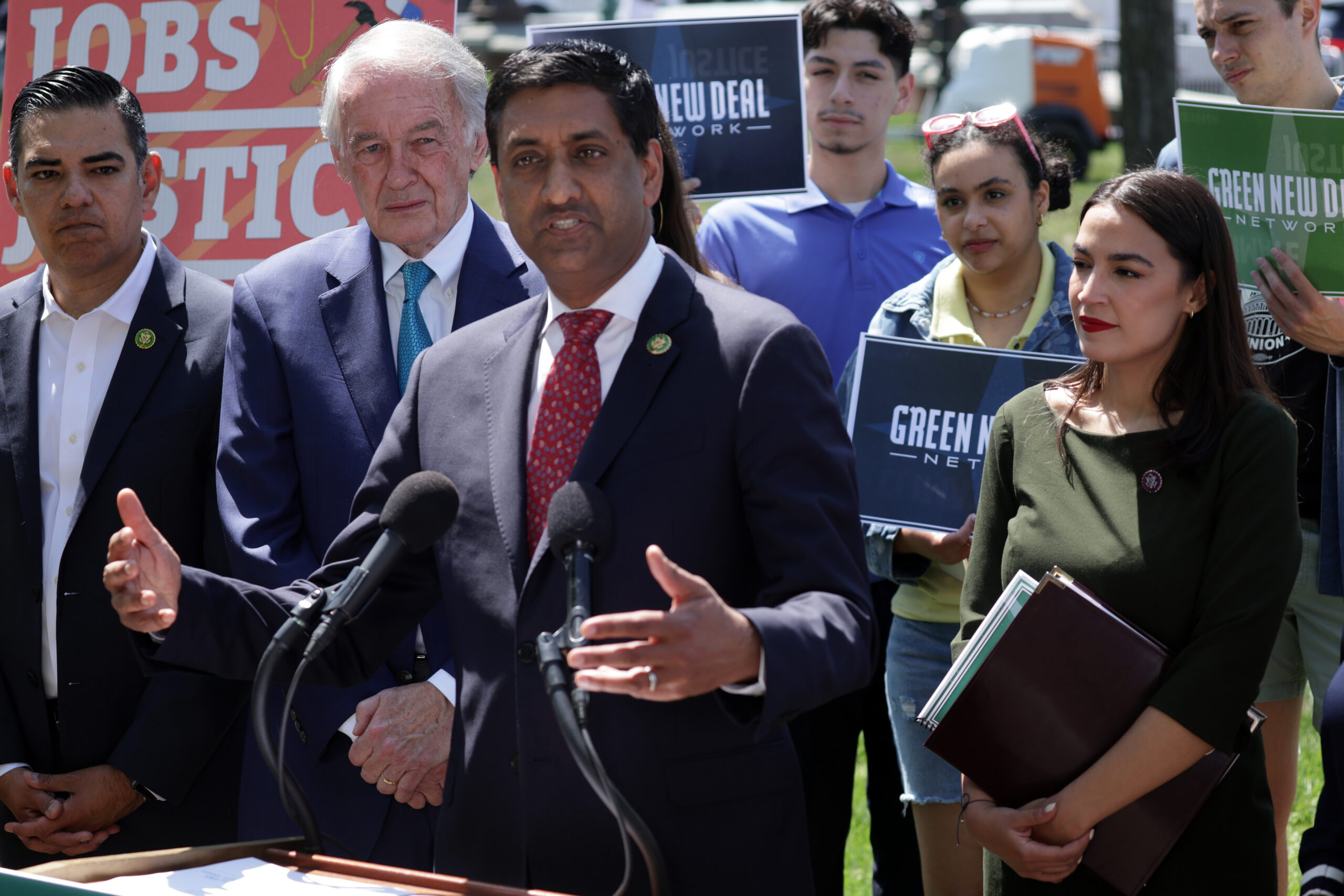
Rep. Ro Khanna (D-CA) said on Wednesday that he would reject further funding for Israel’s Iron Dome missile-defense system, echoing a position taken days earlier by Rep. Alexandria Ocasio-Cortez (D-NY), under pressure from some members of the Democratic Socialists of America, Jewish Insider’s Marc Rod reports.
Footing the bill: “The Iron Dom[e]is important & saves lives. Israel should be able to buy it on their own with a $45 defense billion budget,” Khanna said in a post on X, closely following the stance taken by Ocasio-Cortez. “Israel is a first world country, and it can pay for the defensive systems it needs. We should not be subsidizing them, especially given their egregious violations of human rights law. Even Netanyahu has recognized the inevitability of Israel moving away from US aid.”
Worthy Reads
Well-Oiled Machine: The Wall Street Journal’s Greg Ip looks at the Iran war’s impact on the U.S. economy. “[President Donald Trump’s] strategic motives aren’t that different: to deny a hostile power the means to dominate the region, and to protect Israel. Where Trump differs is in the economics. Past presidents believed that the free flow of oil was one of those global public goods that the U.S. was uniquely equipped, even obliged, to safeguard. … Trump’s revamping of the U.S. role in world security and trade now extends to oil. No longer does the U.S. see itself as the guarantor of international stability and norms, but rather as a self-interested actor using control of oil to enhance its own power.” [WSJ]
The Piker Problem: In MS Now, Michael Cohen cautions that far-left streamer Hasan Piker, who has a history of making antisemitic and anti-American comments, is a “political distraction and potential liability” to Democrats as they seek to win back the Senate and House in the midterms. “Indeed, if the paragon of liberal politics — and the person who can attract young voters — is a guy who regularly makes antisemitic statements, blames America for 9/11 and can’t even endorse a Democratic presidential standard-bearer, perhaps the problem is not Piker’s critics, but rather those who feel they must defend him.” [MSNOW]
Man, Oh Man: In The Conversation, Miriam Eve Mora, managing director of the University of Michigan’s Raoul Wallenberg Institute, does a deep dive into the prevalence of antisemitism in the “manosphere” movement. “Antisemitic rhetoric often portrayed Jewish men as feminine or fragile, and inherently different. Those beliefs extended into the most severe antisemitic tropes and beliefs. … Today’s manosphere not only builds on this legacy but also presents something new. Its embrace of antisemitic conspiracy theories allows men who see themselves as victims to explain multiple grievances at once without confronting their own shortcomings.” [TheConversation]
Word on the Street
President Donald Trump is mulling promoting Harmeet Dhillon, the assistant attorney general for the Civil Rights Division at the Justice Department, to a more senior role following the ouster of Attorney General Pam Bondi last week…
Trump is also considering replacing Director of National Intelligence Tulsi Gabbard over her defense of Joe Kent, who resigned last month as the director of the National Counterterrorism Center…
Immigration authorities in Los Angeles arrested the nieces of former Islamic Revolutionary Guard Corps Major Gen. Qassem Soleimani; Secretary of State Marco Rubio said the women’s legal statuses were revoked and they would be deported to Iran…
The U.S. quietly expelled Iran’s deputy ambassador to the U.N. in December, one of several below-the-radar expulsions of diplomats from the Islamic Republic since the fall…
Argentina declared Mohsen Soltani Tehrani, Iran’s chargé d’affaires in Buenos Aires and the most senior Iranian diplomat in the South American country, persona non grata, giving him 48 hours to leave the country…
The New York Times looks at the strategic importance of the string of islands under Iranian control in and around the Strait of Hormuz, as Trump considers whether or not to seize some of the islands…
Israeli rescue services said the bodies of four people — two octogenarians, a man in his 40s and a woman in her mid-30s — were recovered from the site of an Iranian missile strike in Haifa on Sunday…
A drone factory in Petah Tikva, Israel, was destroyed in an Iranian drone strike over the weekend…
Politico reports on changes made quietly by the U.S. Holocaust Memorial Museum during the first year of Trump’s second term, including the removal of online resources about racism in the U.S. and the renaming of a workshop on the “Fragility of Democracy and the Rise of the Nazis” to “Before the Holocaust: German Society and the Nazi Rise to Power”…
NPR’s public editor addressed concerns that the broadcaster’s coverage of last month’s Michigan synagogue attack gave unfair weight to the Lebanon-based relatives of the synagogue attacker, finding that “voices from Temple Israel are absent. I couldn’t find any stories that quote rabbis, congregation members or the families of the children who had to flee the building … NPR or Michigan Public Radio pulled away from the story at Temple Israel too soon”…
Immigration officials detained Salah Sarsour, the head of Wisconsin’s largest mosque, claiming that the Palestinian man, who moved to the U.S. in 1993, lied on his green card application; Sarsour had been convicted by an Israeli court for throwing Molotov cocktails at the homes of IDF soldiers…
Trump made an appearance at the Passover program at the Trump National Doral Miami…
Citadel’s Ken Griffin, Pura Vida Miami CEO Omer Horev and Florida Gov. Ron DeSantis were in attendance at Inter Miami CF’s Nu Stadium debut in South Florida…
A judge in New York ruled that the holding company owned by David Nahmad must restitute an Amedeo Modigliani painting to the descendants of a French Jewish antiques dealer who owned the work before it was confiscated by the Nazis during World War II…
Pepsi announced it will withdraw its sponsorship of this summer’s Wireless Festival as organizers face backlash over the decision to tap Kanye West to headline the festival’s three nights…
Authorities in London arrested four men in connection with the arson attack last month that destroyed several Hatzola ambulances in the heavily Jewish suburb of Golders Green; three of the arrests were made last week, while a fourth suspect was arrested while attending a court hearing for the first three…
The International Criminal Court is moving forward with disciplinary proceedings against the court’s chief prosecutor, Karim Khan, who is facing multiple allegations of sexual harassment; the first complaints about Khan’s behavior toward subordinates came weeks before he announced his intent to seek arrest warrants for Israeli Prime Minister Benjamin Netanyahu and former Defense Minister Yoav Gallant…
European Parliament Member Rima Hassan, a member of the far-left France Unbowed party, is facing charges in Paris that she glorified terrorism on social media after sharing a post about Kozo Okamoto, a Japanese national who took part in a 1972 terror attack at Israel’s Ben Gurion Airport in which 26 people, mostly Christian pilgrims, were killed…
Authorities in the Netherlands are investigating a small explosion outside a pro-Israel center run by a group called Christians for Israel in the city of Nijkerk…
The Wall Street Journal looks at Saudi Arabia’s efforts to scale down its ambitious Vision 2030 project amid budget shortfalls and ongoing political uncertainty in the region…
Former Washington Post Middle East editor Erin Cunningham was named the news director for the Associated Press’ Jerusalem bureau…
Rabbi David Wolpe is joining The Dispatch as a contributing writer…
Israeli writer and poet Tzruya ‘Suki’ Lahav, who briefly played violin with Bruce Springsteen’s E Street Band, died at 74…
Pic of the Day
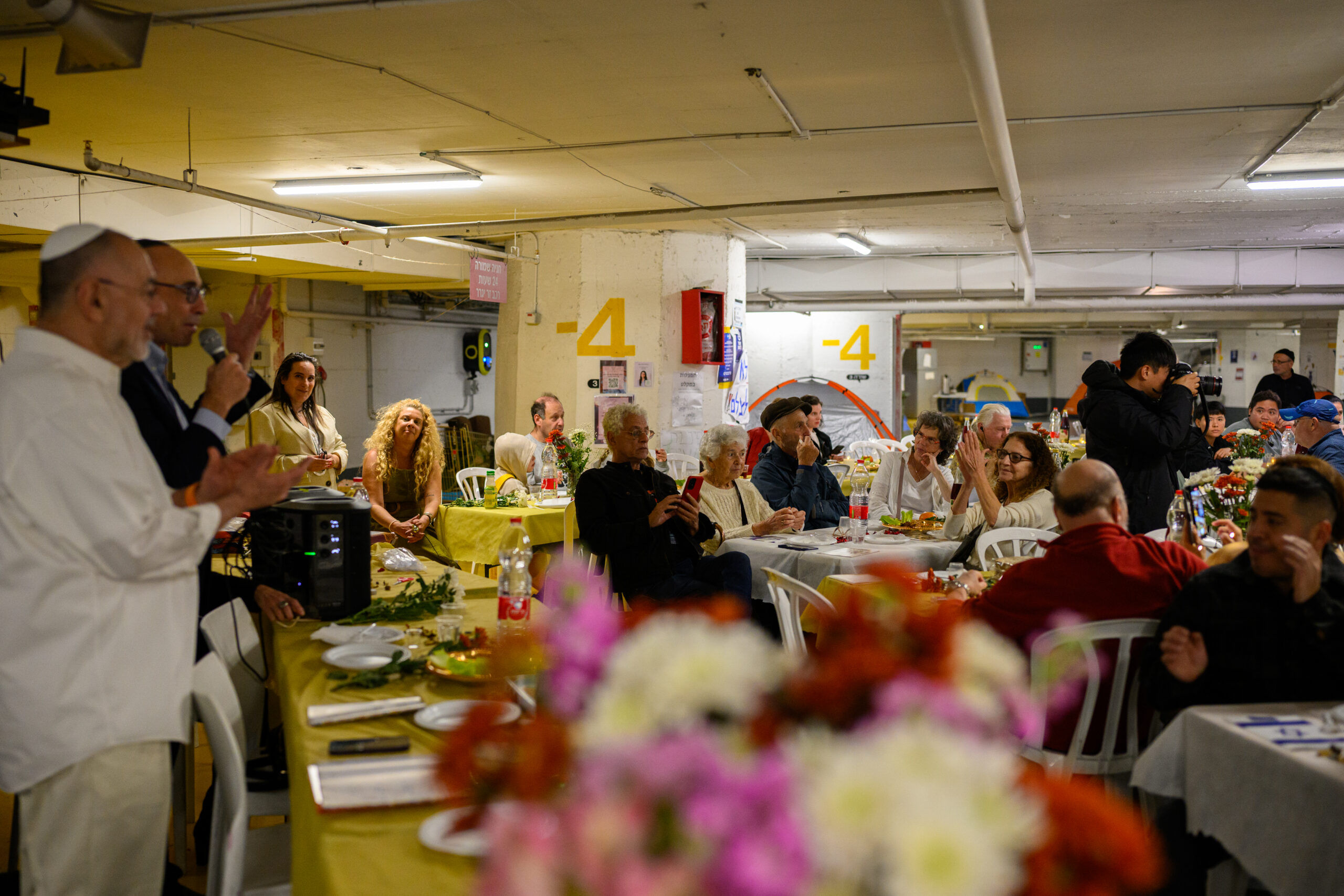
People participated in a communal Passover Seder on the first night of the holiday in an underground parking lot in Tel Aviv, Israel, that since the start of the war with Iran has served as a community bomb shelter.
Birthdays

Founder and chairman of Cognex Corporation, a provider of machine vision systems, he is a major donor to Technion, Robert J. Shillman turns 80…
Educator often considered the founder of the modern small schools movement, she was a winner of a MacArthur genius fellowship in 1987, Deborah Meier turns 95… Holocaust survivor, she moved to Israel in 1978, visual artist, textile designer and art teacher, Helen Berman turns 90… Professor emeritus of chemical and biomolecular engineering at NYU’s Tandon School of Engineering, Mark Mordecai Green turns 89… Former head of MTV Documentary Films, she has won 32 individual Primetime Emmy Awards, Sheila Nevins turns 87… Academy Award-winning director of many famous films, Barry Levinson turns 84… Santa Monica, Calif.-based poet, critic and teacher, she earned her Ph.D. studying Jewish American literature, Nancy Shiffrin turns 82… Founder and CEO of Emmis Communications, he was the owner of the Seattle Mariners until 1992, Jeff Smulyan turns 79… Political activist, artist and author, she is best known for her speeches at the Republican National Conventions in 1992 and 1996, Mary Fisher turns 78… Former chair of the Federal Election Commission during the Obama administration, she is a lecturer at UC Berkeley Law School, Ann Ravel turns 77… Los Angeles-based playwright, performer and teacher of autobiographical storytelling, Stacie Chaiken turns 72… Senior advisor of the Nellis Corporation and co-chair of the Washington metropolitan area real estate division of AIPAC, Randall J. Levitt turns 72… Movie director, producer, writer and editor, winner of two Academy Awards for best documentary feature, Rob Epstein turns 71… Scholar of piyyut (ancient and medieval Hebrew poetry), head of the Fleischer Institute for the Study of Hebrew Poetry, Shulamit Elizur turns 71… Philanthropist Jeanie Schottenstein… Professor of constitutional law at the University of North Carolina School of Law, Michael J. Gerhardt turns 70… Senior political analyst for CNN and a former senior editor at The Atlantic, Ronald J. Brownstein turns 68… Director, screenwriter and producer of television comedies, Steven Levitan turns 64… Former teacher for 23 years at Congregation Tikvat Jacob in Manhattan Beach, Calif., Deborah Granow… Chair and CEO of the Motion Picture Association, he was previously the U.S. ambassador to France, Charles Hammerman Rivkin turns 64… Reporter for The New York Times covering the Justice Department, Glenn Thrush turns 59… Screenwriter, producer, actor, director, best known for creating the HBO television series “Entourage,” Douglas Reed “Doug” Ellin turns 58… Serial entrepreneur, he has built, operated and sold over $3.3 billion of internet media companies, Richard Rosenblatt turns 57… Israel’s consul general in New York from 2007-2010, now CEO of Israeli private equity fund Amelia Investments, Asaf Shariv turns 54… Founder and chief investment officer of Hong Kong-based Oasis Management Company, he serves on the board of the Ohel Leah Synagogue in Hong Kong, Seth Hillel Fischer… VP of strategic philanthropy and major gifts at the American Jewish Committee, Jay Haberman turns 52… Actor and filmmaker, he is best known for his role on the television series “Scrubs,” Zachary Israel “Zach” Braff turns 51… Teacher of classical mandolin at Bard College, Joseph Brent turns 50… Resident scholar at the American Enterprise Institute since 2019, he is the founding editor of National Affairs, Yuval Levin turns 49… Co-founder and executive editor of Modern Loss and story editor for Chalkbeat, Gabrielle Birkner… Member of the Knesset for Likud since 2019, now serving as the minister of communications, Shlomo Karhi turns 44… Owner-chef of Ramen Hood in Los Angeles, he was the winner of the second season of “Top Chef,” Ilan Hall turns 44… Executive director of the Jack Miller Family Foundation, Jacob Millner… Head coach of the New York Institute of Technology Division II NCAA men’s basketball team, Evan Conti turns 33… Son of Campbell Brown and Dan Senor, Asher Liam Senor turns 17…




Please log in if you already have a subscription, or subscribe to access the latest updates.
 Continue with Google
 Continue with Apple