
























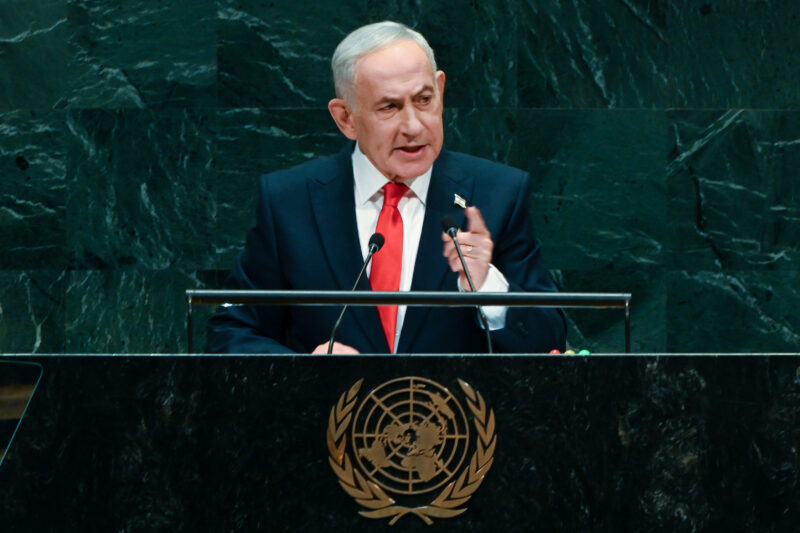











U.S.-Iran talks to begin in Islamabad, with region’s future in the balance
Though much change has occurred in the last six weeks, the decisions made in the next two could determine the future of the region for decades to come
JONATHAN ERNST/ POOL/ AFP via Getty Images
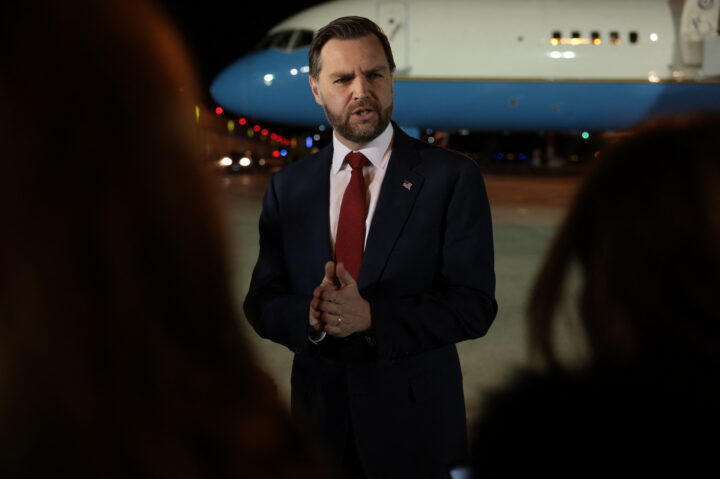
Vice President JD Vance speaks to the media before boarding Air Force Two in Budapest, Hungary, on April 8, 2026.


 Add JewishInsider on Google
American and Iranian officials are meeting on Saturday in Islamabad, Pakistan, to begin conversations aimed at ending the conflict that has consumed the Middle East since late February. Though much change has occurred in the last six weeks, the decisions made in the next two could determine the future of the region for decades to come.
The “fog of diplomacy,” as The Washington Post’s David Ignatius put it, has shrouded much of what is known about the talks and their contours. The first 24 hours after the ceasefire was announced saw dueling — and often conflicting — statements, denials and claims about various points, including the inclusion of Lebanon in the agreement, Iran’s “right” to enrich uranium and the status of the Strait of Hormuz, that were proposed and supposedly agreed to by the parties.
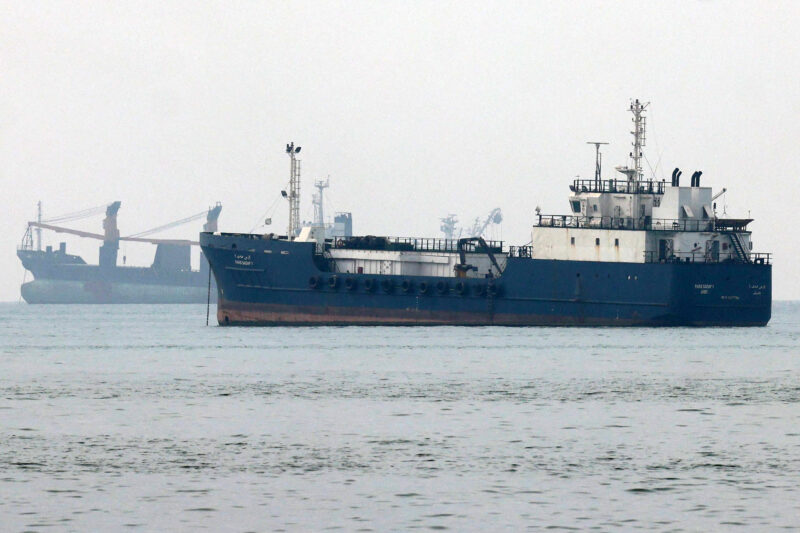
Those sticking points deepened in the days between the ceasefire announcement and Saturday’s meeting in Pakistan. On Wednesday, Israel conducted widespread strikes in Lebanon targeting Hezbollah infrastructure and operatives whom the IDF said had embedded in civilian areas, while Hezbollah has launched dozens of missiles into Israel — including one fired at the southern city of Ashdod that also triggered sirens across Tel Aviv and surrounding towns early Friday morning. Meanwhile, Trump on Thursday accused Iran of “doing a very poor job, dishonorable some would say, of allowing Oil to go through the Strait of Hormuz.”
It is against that backdrop that Vice President JD Vance, joined by White House Special Envoy Steve Witkoff and Jared Kushner, will enter into negotiations tomorrow in Islamabad.
In tandem, a separate set of negotiations is slated to take place in Washington early next week, when the U.S. will convene the envoys from Israel and Lebanon for rare direct, public talks aimed at reaching a peace agreement between Beirut and Jerusalem. If reached — and if Lebanon takes meaningful action to demilitarize Hezbollah — Iran could lose its most powerful proxy in the region. Under pressure from Washington, Israel has limited its attacks on Lebanon.
While the inability to agree on the parameters for a ceasefire does not portend well for the ability to secure a more lasting agreement,both sides have a vested interest in reaching an accord that allows both to declare victory. Watching from the sidelines are Israel and the Gulf states, which will not be represented in Islamabad, and will instead have to hope from their respective capitals that the U.S. does not acquiesce to an agreement that emboldens Iran — and leaves the American allies vulnerable.
With the regime still intact — and still pledging destruction — Israel has reason to worry. Iran’s new supreme leader, Ayatollah Mojtaba Khamenei, warned on Thursday night that “we definitely won’t allow the criminal aggressors who attacked our country to go unpunished.”
And even as Pakistan positions itself as a convener, its senior officials make clear it is not hosting talks as an impartial actor. On Thursday morning, Pakistani Defense Minister Khawaja Asif posted on X — and later deleted — that “Israel is evil and a curse for humanity,” adding, “I hope and pray people who created this cancerous state on Palestinian land to get rid of European jews burn in hell.”
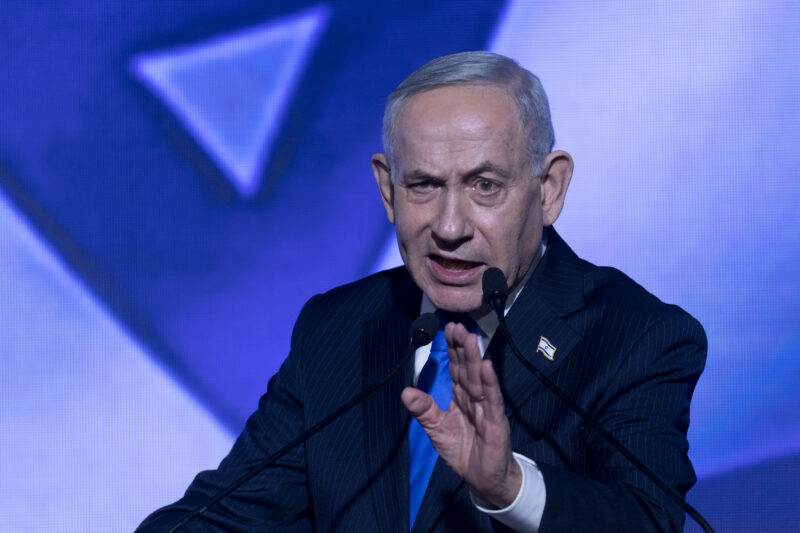
With elections in both the U.S. and Israel later this year, both Washington and Jerusalem have a vested interest in U.S. negotiators securing the best possible deal with Tehran. With rising fuel prices, the White House will want to project strength in reopening the Strait of Hormuz, while Israeli Prime Minister Benjamin Netanyahu will need to convince voters that they are safer now than they were a year ago — and that Israel won’t find itself in an ongoing cycle of wars that bring the country to a halt for weeks on end every year.
But the longer-term questions remain. Will Iran, whose nuclear and ballistic missile programs were dealt significant blows, further conceal aspects of both? What degree of threat can Israel live with on its borders? How has the Iranian regime’s survival emboldened its allies in Beijing and Moscow? And what of the Iran-backed Houthis in Yemen, who have largely held their fire over the last six weeks?
Those are questions unlikely to be resolved in Islamabad in the coming days, but they are the ones that Israel and the West will have to grapple with once the dust from this war has settled.
More Stories

PENSION POLITICS
Former NYC comptroller denounces Levine’s decision not to reinvest in Israeli bonds
SPENDING SCRAPPED
GOP leadership super PAC cancels spending plans against Rep. Landsman
REGGIO REGRETS
Reggio Emilia mayor walks back anti-Israel litmus test for preschool educators
EMPIRE STATE FEUD
Mamdani rips Blakeman’s claims he wouldn’t protect Jews as ‘directly racist’

CONFERENCE QUOTABLES
NatCon speakers mark Oct. 7 by telling the Jews to stop complaining about antisemitism
Mayor Unmoved
Mamdani brushes off pro-Hamas heckling at Oct. 7 vigil
Please log in if you already have a subscription, or subscribe to access the latest updates.
 Continue with Google
 Continue with Apple