





























Trump announces 10-day Israel-Lebanon ceasefire
The president did not say how Hezbollah, which said it would not abide by any negotiated agreement, factors into the pause in hostilities
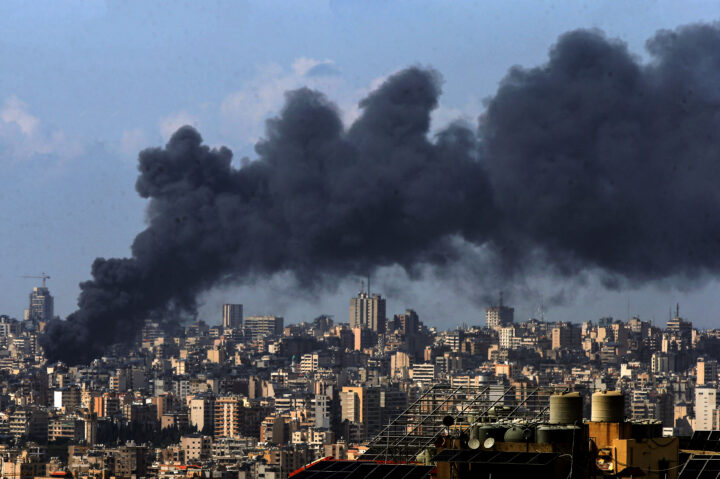
Marwan Naamani/picture alliance via Getty Images
Smoke of billows from Beirut's southern suburb, a stronghold of pro-Iranian Hezbollah, after a wave of simultaneous airstrikes by Israel.


 Add JewishInsider on Google
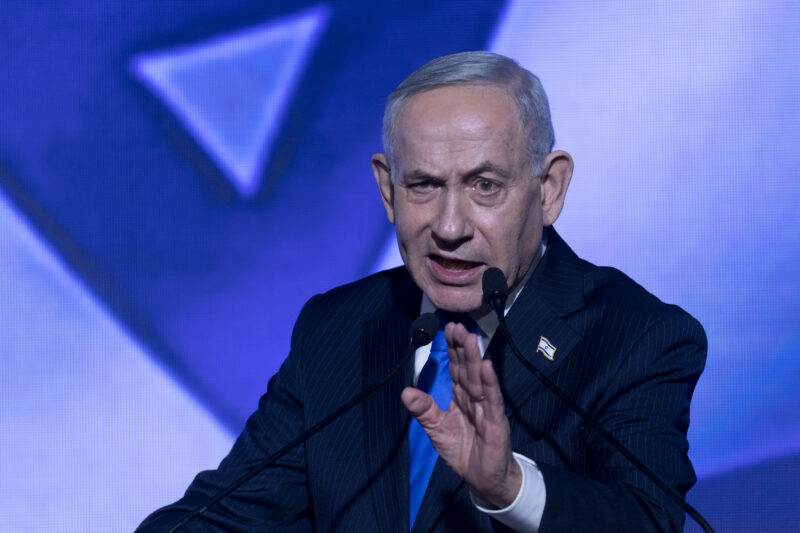
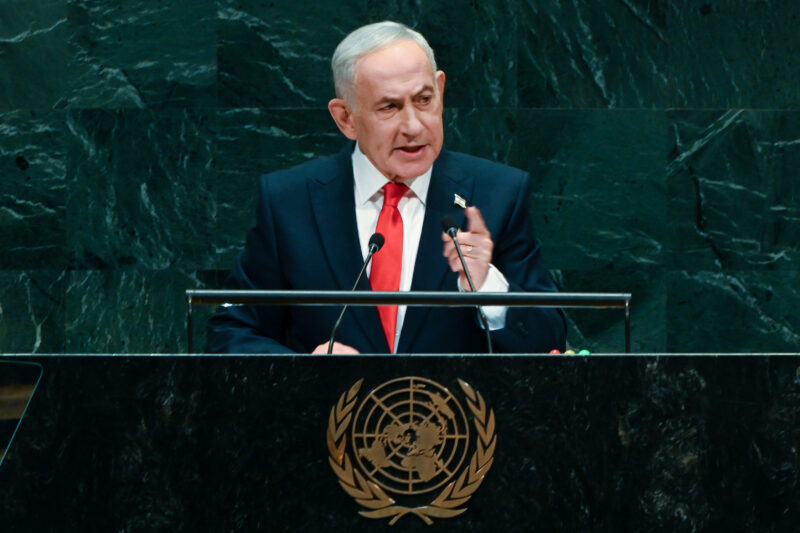
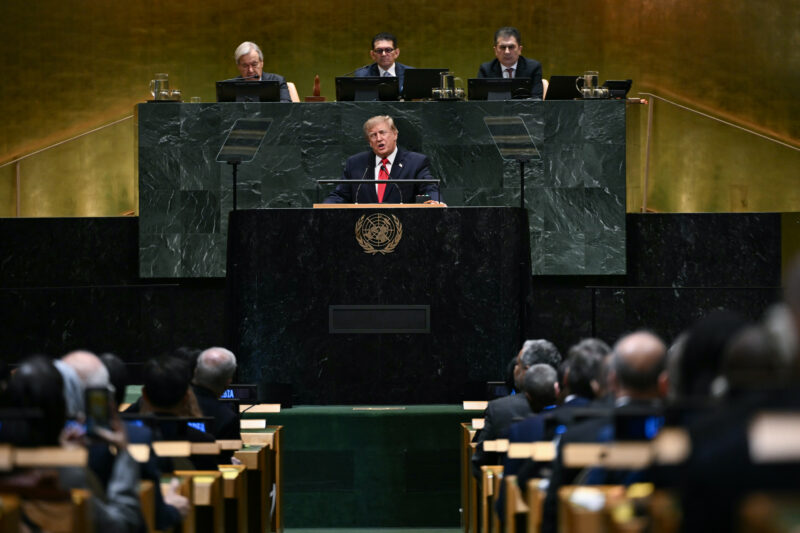
President Donald Trump announced a 10-day ceasefire between Israel and Lebanon to begin at 5 p.m. ET on Thursday, after holding separate calls with Lebanese President Joseph Aoun and Israeli Prime Minister Benjamin Netanyahu earlier in the day.
“These two Leaders have agreed that in order to achieve PEACE between their Countries, they will formally begin a 10 Day CEASEFIRE,” the president wrote on Truth Social. He said he had directed Vice President JD Vance, Secretary of State Marco Rubio and Gen. Dan Caine, chairman of the Joint Chiefs of Staff, “to work with Israel and Lebanon to achieve a Lasting PEACE.”
Netanyahu quickly convened his Security Cabinet to discuss the ceasefire as Trump announced it, according to Israeli reports, angering ministers who were informed through the media without having held a vote on it.
Trump added in a second post that he will be inviting Aoun and Netanyahu to the White House for “meaningful talks.”
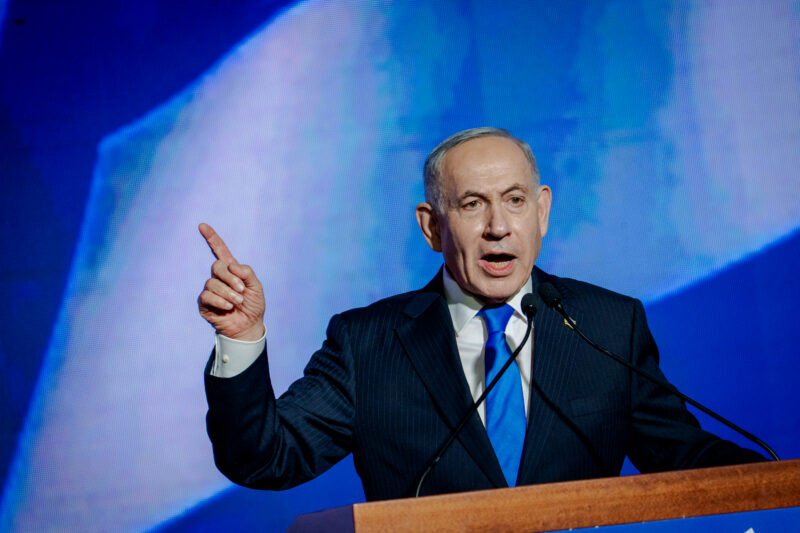
Netanyahu said in a statement that he had agreed to the ceasefire “to try and advance the agreement we began discussing during the meeting of ambassadors in Washington” on Tuesday, which were the highest-level discussions between Jerusalem and Beirut in over 30 years.
He said that Hezbollah had demanded Israel withdraw from all of Lebanese territory and wanted a ceasefire based on the “quiet for quiet” model, neither of which Israel agreed to. Instead, Netanyahu said the IDF will remain in Lebanon throughout the ceasefire in a “reinforced security buffer zone” of 10 km, broader than the five outposts the IDF maintained in Lebanon during the last ceasefire in November 2024.
“That is where we are and we are not leaving. This allows us, first and foremost, to block the danger of an invasion into our communities, and secondly, it allows us to prevent direct anti-tank fire into the communities,” the prime minister said.
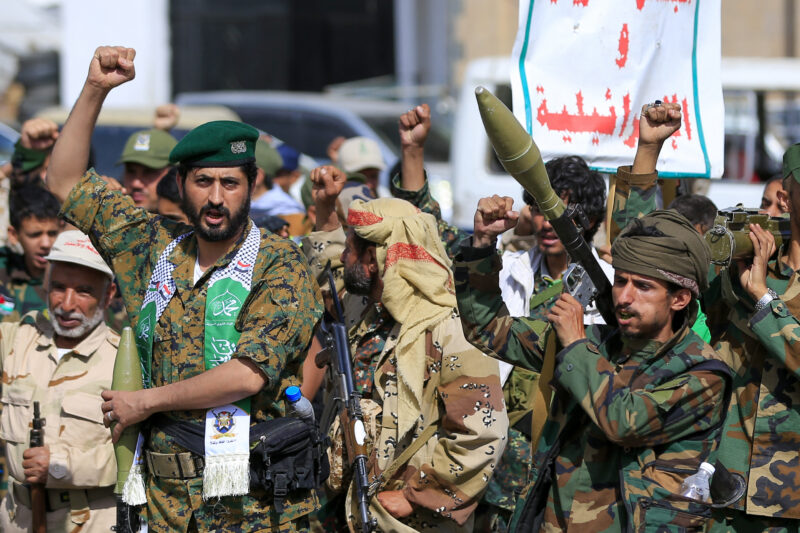
In his posts, Trump did not reference Hezbollah, which had said prior to talks that it would not abide by any negotiated agreement though the text of the agreement released by the State Department said the Lebanese government will “take meaningful steps to prevent Hezbollah and all other rogue non-state armed groups in the territory of Lebanon from carrying out any attacks, operations, or hostile activities against Israeli targets.”
The agreement is a “gesture of goodwill” on Israel’s part “intended to enable good-faith negotiations” toward a permanent agreement, the text states, which “may be extended by mutual agreement” if Lebanon “effectively demonstrates its ability to assert its sovereignty” and prevents Hezbollah from attacking Israel.
The Lebanese government has agreed several times before, including in its November 2024 ceasefire agreement with Israel, to disarm Hezbollah so that it could no longer threaten or strike Israel, but Hezbollah maintains military capabilities and has continued to fire rockets and drones into the country.
A poll by the Israel Democracy Institute from late last week found 80% of Jewish Israelis think Israel should continue its military operations against Hezbollah in Lebanon, even if it causes friction with the U.S.
More Stories
PHOTO OP
Letitia James opponent met with Black Hebrew Israelite group
Cross-Party Call
JCPA urges candidates in both parties to reject antisemitism ahead of midterms
Daily Kickoff
Mamdani meets the vigil-antis
NOT ON BOARD
Lansing Mayor Andy Schor, a Jewish Democrat, says he’s not supporting El-Sayed
ON THE HILL
Republicans squabble over pro-Israel provision in NDAA
exclusive
Second local Jewish Democratic official endorses Republican Lawler, citing Israel and antisemitism
Please log in if you already have a subscription, or subscribe to access the latest updates.
 Continue with Google
 Continue with Apple