






























































Trump admin intervened to soften Iran oil sanctions bill, sources say
Sources say that the administration had delayed the bill and watered it down due to a reluctance to impose sanctions on China, the primary importer of Iranian oil
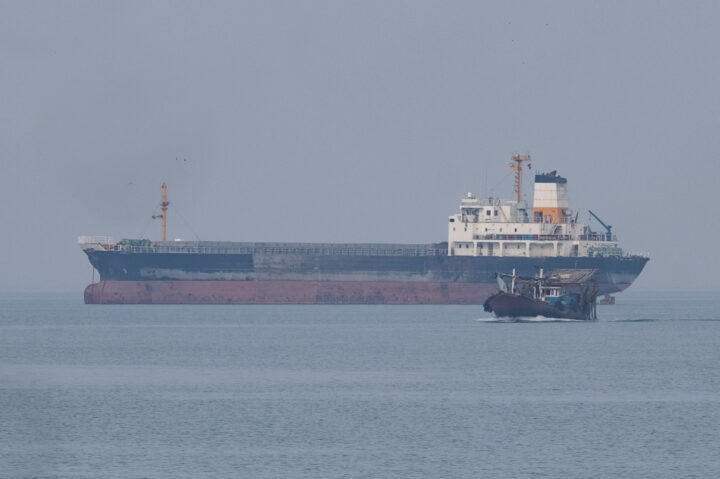
Morteza Nikoubazl/NurPhoto via Getty Images
An oil tanker is being pictured in the Persian Gulf near the seaport city of Bushehr, in Bushehr Province, southern Iran, on April 29, 2024.


 Add JewishInsider on Google
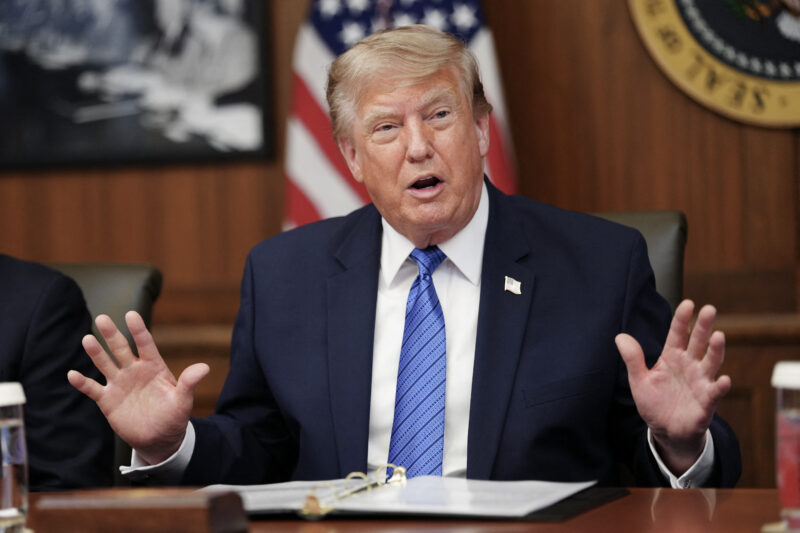
The Trump administration intervened to water down a broadly bipartisan sanctions bill targeting Iran’s oil exports to China, sources told Jewish Insider.
The House is set to vote next week on the Enhanced Iran Sanctions Act, led by Reps. Mike Lawler (R-NY) and Sheila Cherfilus McCormick (D-FL), which has nearly 300 cosponsors and advanced out of the House Foreign Affairs Committee in April 2025 by a voice vote, indicating broad bipartisan support. It began moving to the House floor earlier this year using a consensus measure for legislation with at least 290 cosponsors.
But the version of the bill now up for consideration is significantly different from the version that was first introduced and passed out of committee.
A congressional source and another person familiar with the legislation said that the changes, which they said would soften the impact of the bill, had been made at the behest of the Trump administration, which had delayed progress on the bill for months over concerns about placing sanctions on China, which would have been caught up in the expanded sanctions on Iran’s oil trade as the primary importer of Iranian oil.
The administration has been engaging in trade talks with Beijing, which it felt could have been disrupted by the enactment of sanctions, though the Treasury Department has still sanctioned some oil processing facilities in China under other authorities passed by Congress in 2024.
As currently written, the legislation gives the administration the authority to impose sanctions on foreign individuals or businesses that have “knowingly engaged in any significant transaction related or incidental to the processing, refining, export, transfer or sale of oil, condensates, or other petroleum or petrochemical product in whole or part from Iran” or conducted significant transactions with individuals or institutions sanctioned under a previous Iran oil sanctions bill.
The sanctions would also apply to corporate officers of such companies and immediate family members who “demonstrably benefit” from these activities.
The original version of the sanctions legislation, however, mandated the imposition of such sanctions — providing less latitude to the administration in implementing the bill — and specified that banks and financial institutions, insurance providers, ship-flagging registries, pipeline builders and operators of processing facilities would all specifically be subject to sanctions under the legislation.
It applied to successors and aliases of sanctioned companies, as well as to individuals or organizations that directly or indirectly owned or controlled a majority interest in a sanctioned institution or were majority owned or controlled by a sanctioned institution. And the sanctions applied to all immediate family members of those directly sanctioned.
The original bill applied to any transaction related to the Iranian petrochemical trade, rather than only “significant” transactions, and included specific mention of natural gas exports as well.
The updated legislation modifies the presidential waiver provision, which originally applied only if the president determined that waiving the sanctions was “vital to the national interests” of the U.S. The updated version allows a waiver if it is “in the national interests” of the country.
The original bill required the administration to notify Congress 15 days before it planned to renew a waiver, if applicable, whereas the new bill does not include any specific timeline for such notification.
The updated bill also entirely eliminates provisions creating an interagency working group responsible for working with international partners to coordinate sanctions and share intelligence.
The new version of the bill includes a provision that would terminate the sanctions if Iran ceases its malign activities.
The House will also vote next week on the Holocaust Expropriated Art Recovery (HEAR) Act, which aims to help Jewish families recover Nazi-looted artwork by eliminating loopholes used by museums and other stakeholders that have continued to hold such works.
The bill passed the Senate by unanimous consent.
Both bills are being offered under suspension of the rules, a procedure requiring two-thirds support from the chamber.
More Stories
SCOOP
Sen. Rick Scott urges Trump to pave pathway for Canadian Jews to emigrate to U.S.

AID CONVERSATION
GOP Reps. Kustoff, Goldman say Republicans want to see U.S. aid to Israel continue

SELF-SCRUTINY
Most Middle East scholars say U.S. academia has lost its way since 9/11, survey finds
on the trail
Moskowitz leans into work combating antisemitism as he launches general election campaign

TEPID RESPONSE
Rubio holds back criticism of U.K. sanctions against Israeli settlements

Settlement Showdown
U.K. Foreign Secretary Ed Miliband announces sanctions against Israeli settlements
Please log in if you already have a subscription, or subscribe to access the latest updates.
 Continue with Google
 Continue with Apple