









































Israeli rhetoric on Palestinian statehood could jeopardize U.S. push for Saudi normalization
The timing could be damaging, coming days before Saudi Crown Prince Mohammed bin Salman is set to visit the White House
Ronen Zvulun/Pool via AP
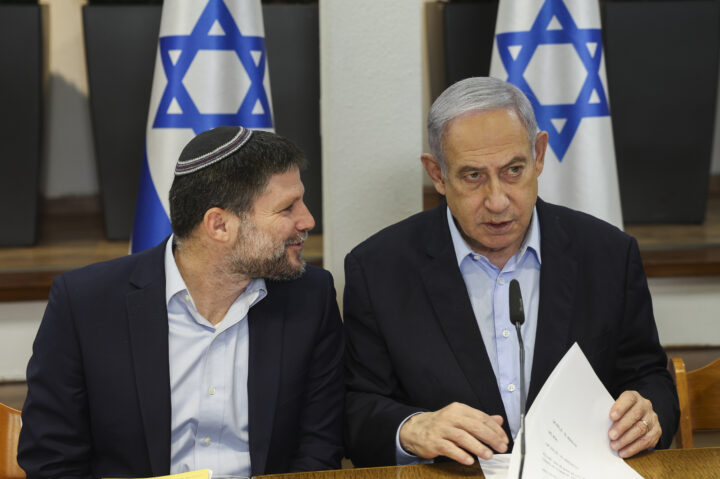
Israeli Prime Minister Benjamin Netanyahu, right, speaks with Minister of Finance Bezalel Smotrich during the weekly cabinet meeting at the Defence Ministry in Tel Aviv, Israel, Jan. 7, 2024.


 Add JewishInsider on Google
The members of Israeli Prime Minister Benjamin Netanyahu’s governing coalition spent much of the weekend arguing over something on which they all ostensibly agree — opposition to a Palestinian state.
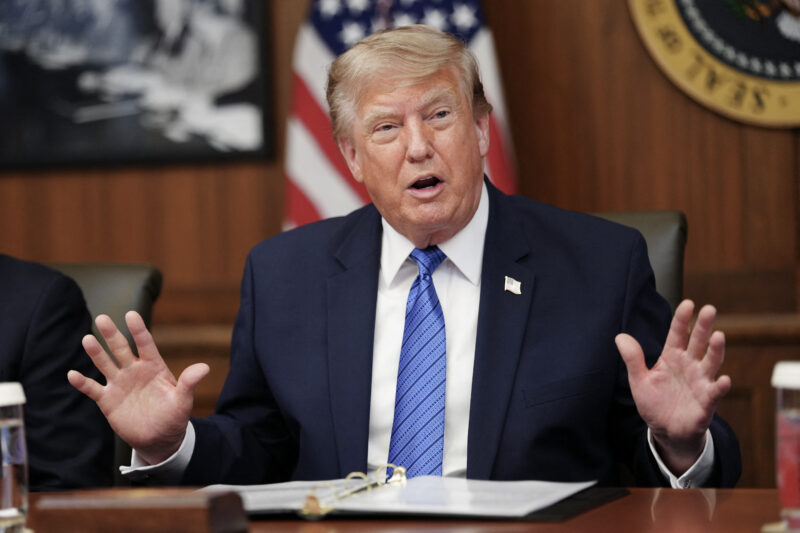
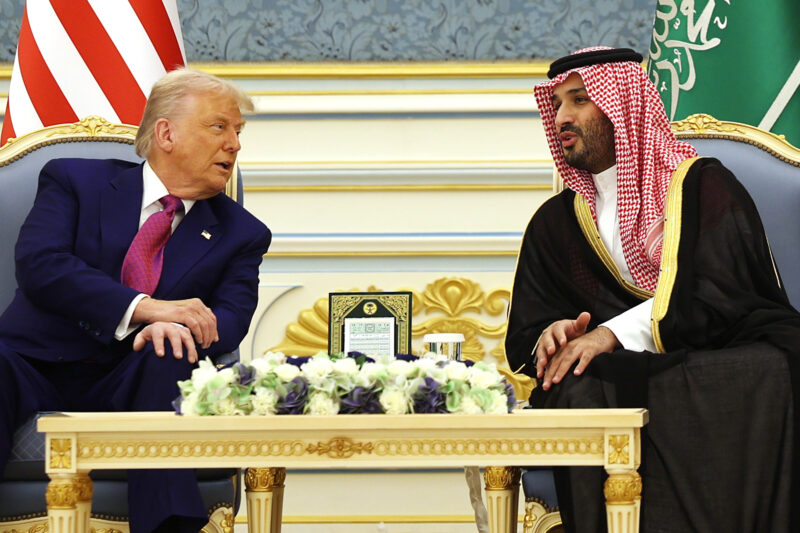
They may have been expressing their long and openly held opinions, but the timing could be damaging, coming days before Saudi Crown Prince Mohammed bin Salman is set to visit the White House. In the meeting, slated for Tuesday, President Donald Trump is expected to push for normalization between Riyadh and Jerusalem — something the Saudis have long conditioned on tangible steps towards a Palestinian state.
The latest debate started with far-right Israeli Finance Minister Bezalel Smotrich, who recently apologized for saying the Saudis can “keep riding camels” rather than normalize ties with Israel in exchange for a Palestinian state. On Saturday night, Smotrich said that Netanyahu was responsible for a “dangerous” increase in pressure on Israel, criticizing the prime minister for not speaking up more forcefully after nearly a dozen countries recognized a Palestinian state earlier this year. “Immediately come up with an appropriate and decisive response that will make clear to the entire world that a Palestinian state will not be established in our homeland,” Smotrich wrote on X.
Next came Likud ministers. “Israel will not agree to the establishment of a terror state in the heart of the Land of Israel,” Israeli Foreign Minister Gideon Sa’ar asserted. “Israel’s policy is clear: A Palestinian state will not be established,” chimed in Defense Minister Israel Katz.
The impetus for reiterating their position was the U.S.-proposed resolution at the United Nations Security Council backing Trump’s plan for Gaza and the formation of an International Stabilization Force, leading to a scenario in which “the conditions may finally be in place for a credible pathway to Palestinian self-determination and statehood.”
It’s unclear where these Cabinet ministers were in late September, when Netanyahu signed onto Trump’s 20-step plan, which uses the exact same language.
The Saudis saw Netanyahu’s agreement to a horizon for Palestinian statehood as satisfying their demand for a step in that direction, an Israeli diplomatic source who frequently advises Netanyahu said earlier this month.
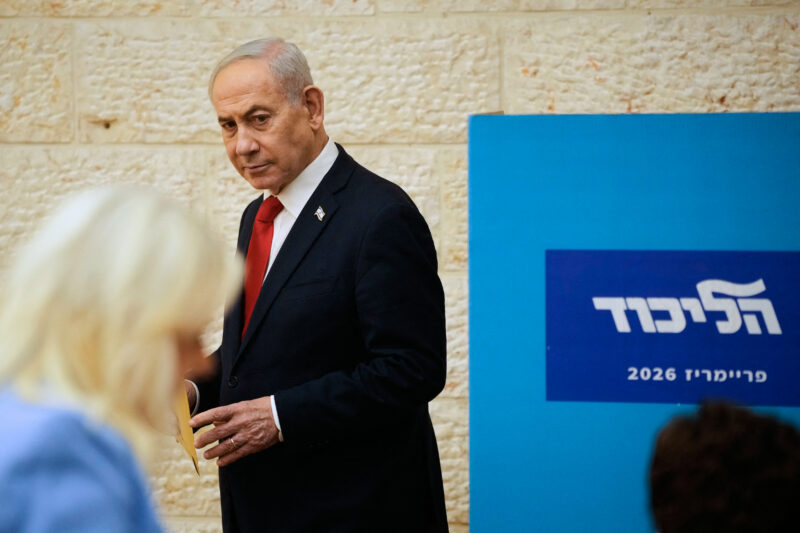
But the pressure from the right was such that Netanyahu said at the opening of Sunday’s cabinet meeting that “our opposition to a Palestinian state in any territory west of the Jordan River exists and stands and has not changed at all.”
That apparent reversal of what Netanyahu agreed to less than two months ago could cause serious harm to Trump’s efforts to try to make Saudi Arabia the crown jewel of the Abraham Accords, a move that Netanyahu has long said would be greatly beneficial to Israel.
Elsewhere in Jerusalem, top opposition figures have sounded the alarm on the possibility of a Saudi domestic nuclear enrichment program and Riyadh purchasing F-35 planes. Former Prime Minister Naftali Bennett said that the government “lacks the ability to say ‘no.’ Faced with the initiative to establish a Palestinian state — silence. … Faced with those around us being armed with F-35s — silence.” Meanwhile, Israeli Ambassador to the U.S. Yechiel Leiter told The Jerusalem Post, “There’s no indication that Israel’s qualitative edge will be compromised.”
While Netanyahu and his ministers have been silent on other expected elements of MBS’ planned visit to Washington, there have been behind-the-scenes efforts to ensure Israel’s qualitative military edge is maintained.
The question remains, then, if these incentives are removed or downgraded, whether the Saudis will still want to normalize relations with Israel.
More Stories

Daily Overtime
Miznon’s U.S. Open upset
analysis
Netanyahu’s U.N. visit presents test for Mamdani and NYPD
Daily Overtime
Vance’s Jewish voter problem

Daily Overtime
Israel hits back at U.K. sanctions

AID CONVERSATION
GOP Reps. Kustoff, Goldman say Republicans want to see U.S. aid to Israel continue
LONDON'S GAMBLE
Former Trump official: U.K. sanctions will render Europe ‘less relevant in Middle Eastern affairs’
Please log in if you already have a subscription, or subscribe to access the latest updates.
 Continue with Google
 Continue with Apple