




























Oct. 7, two years later


 Add JewishInsider on Google
Good Monday morning.
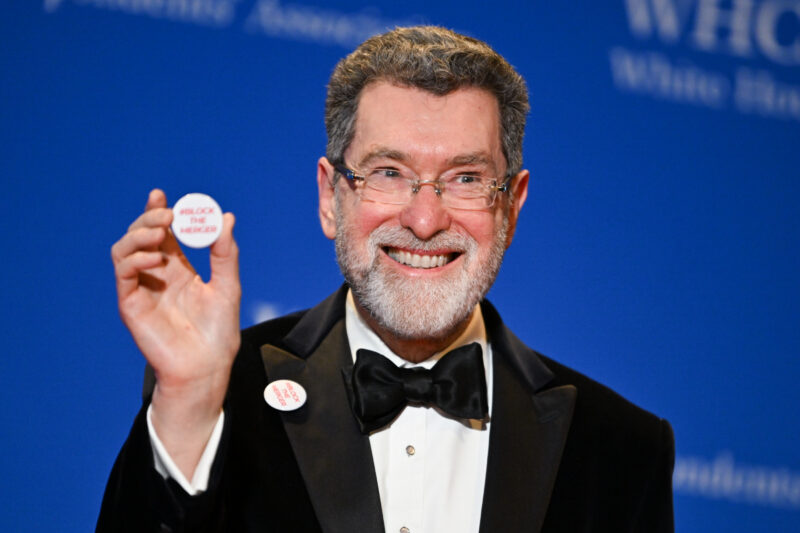
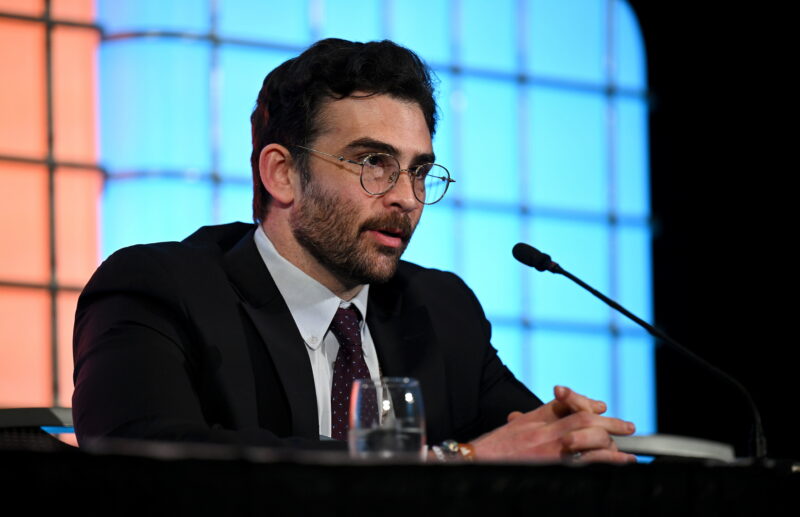
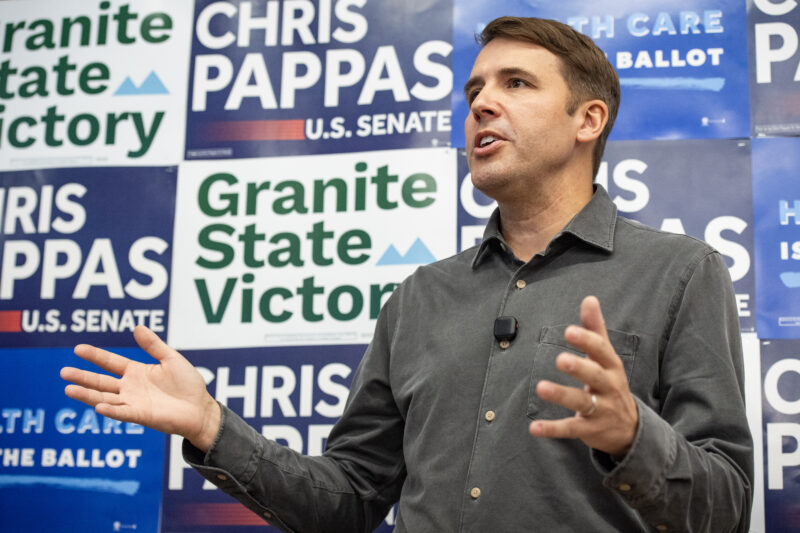
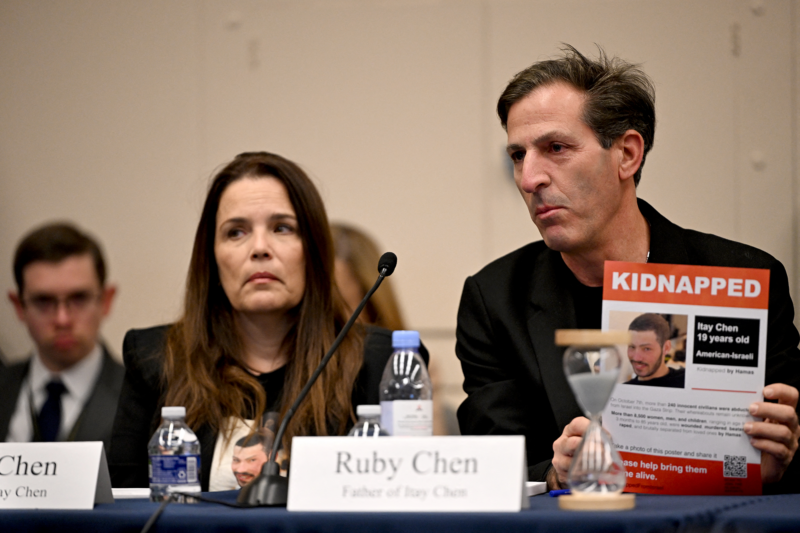
In today’s Daily Kickoff, we talk to Jewish communal officials, thought leaders, American lawmakers and Israeli experts about the ways in which the world — and the Jewish community’s place in it — has changed in the two years since the Oct. 7, 2023, Hamas terror attacks on Israel. We report on the latest in ceasefire talks, cover the Senate Foreign Relations Committee’s delaying of its confirmation hearing for Hamtramck, Mich., Mayor Amer Ghalib to be U.S. ambassador to Kuwait and talk to senators about the Trump administration’s unilateral offer of defense guarantees to Qatar. Also in today’s Daily Kickoff: Marc Rowan, Adam Presser, Daniella Gilboa and Karina Ariev.
Ed’s note: In observance of Sukkot, the Daily Kickoff will be back in your inboxes on Thursday. For our premium subscribers, the Daily Overtime will also return on Thursday. Chag sameach!
Today’s Daily Kickoff was curated by Jewish Insider Executive Editor Melissa Weiss, with assists from Danielle Cohen-Kanik and Marc Rod. Have a tip? Email us here.
What We’re Watching
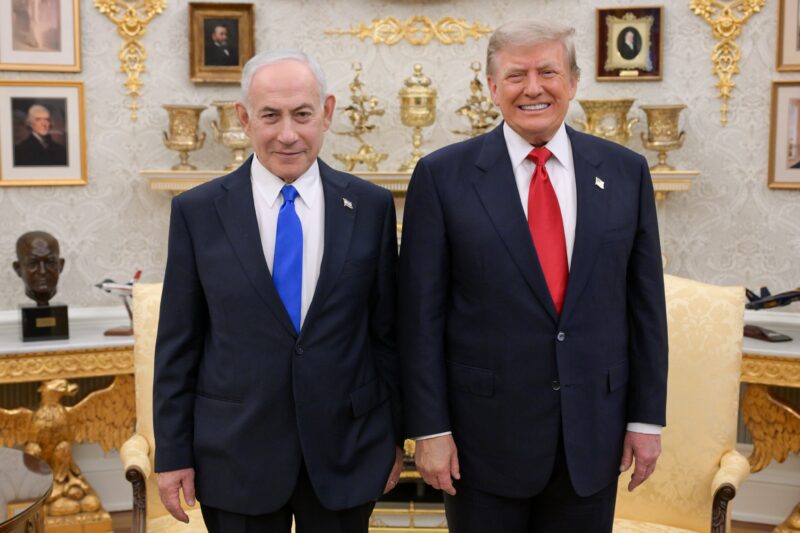
- Israeli negotiators, led by Strategic Affairs Minister Ron Dermer, are meeting with representatives of Hamas today in Cairo for discussions centered around President Donald Trump’s peace proposal. More below.
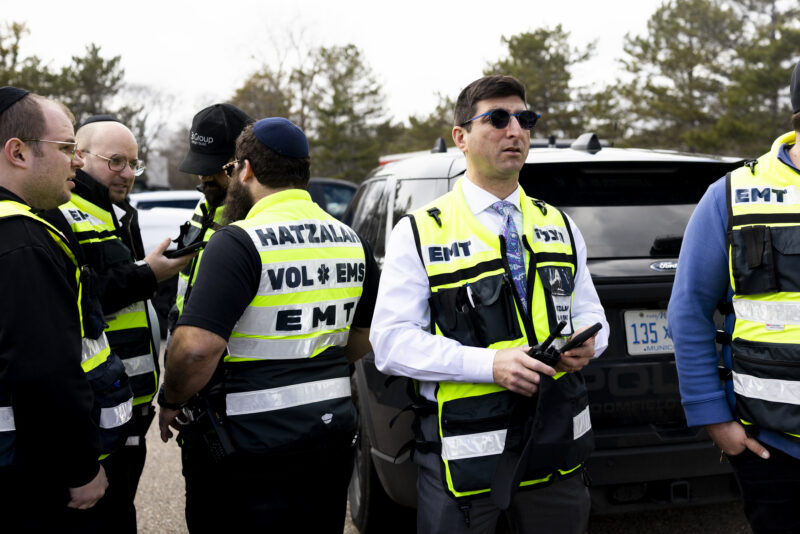
- We’re keeping an eye on the situation in the U.K., following a deadly terror attack at a synagogue in Manchester on Yom Kippur in which two members of the city’s Jewish community were killed.
- We’re also tracking developments in Paris, where French Prime Minister Sébastien Lecornu and his government resigned weeks into his role and less than a day after the Cabinet was appointed.
- Around the world, events marking the second anniversary of the Oct. 7, 2023, Hamas terror attacks are being held this week. In Washington this morning, The Washington Institute for Near East Policy is convening a conversation marking the anniversary and the impact of the attacks and ensuing war on Israel, the Middle East and U.S. policy. Former Deputy Assistant Secretary of Defense Dana Stroul, former White House official Dennis Ross, counter-terror expert Dr. Ali al-Nuaimi and author Yossi Klein Halevi are slated to speak.
- In New York tomorrow night, former hostage Eli Sharabi will speak at Manhattan’s Temple Emanu-El. The English-language version of Sharabi’s new autobiography, Hostage, will be released tomorrow.
What You Should Know
A QUICK WORD WITH JI’S GABBY DEUTCH
When the world woke up two years ago to news of a vicious, wide-scale terror attack taking place across southern Israel, it was immediately clear that this was different from previous bursts of violence near the Gaza Strip. But we could not yet fathom the massive changes that would soon reverberate around the world.
As negotiators now appear close to a deal to release the hostages and end the war, it’s clear the Middle East will not return to the pre-Oct. 7 status quo. Nor will American society. The changes wrought by the events of that day will linger long after the last bullet is fired.
On Oct. 7, 2023, terrorists killed 1,200 people, took more than 250 hostages and launched a war that has upended the Middle East, fundamentally altered global politics and culture and reshaped the Jewish community.
Anti-Israel activists descended into the streets of Manhattan one day after the attacks, celebrating with chants of “resistance is justified when people are occupied.” Students at America’s top universities signed onto letters blaming Israel for the bloodshed. Jews looked on with alarm: At our moment of greatest need, this is the response?
Two years later, Jewish Insider is reflecting on all that has changed since the Oct. 7 attacks.
Iran has been weakened and Hezbollah decapitated, while a degraded Hamas, not yet defeated, fights on in Gaza, where tens of thousands have been killed and a humanitarian crisis persists. The U.S.-Israel alliance has come under strain from growing forces on the far left and right who wish to see an end to American military support for Israel. A vast anti-Israel protest movement swept across college campuses, presenting university leaders with a test — how to balance freedom of expression with protecting Jewish students — that many failed.
Yet despite the myriad challenges that have emerged from this war, Jews around the world were instilled with a new sense of pride in defense of Jewish peoplehood. More people are going to synagogue and celebrating Jewish holidays now than before Oct. 7. Judaica sales spiked as people yearned to represent their faith proudly, even as antisemitism surged around the world.
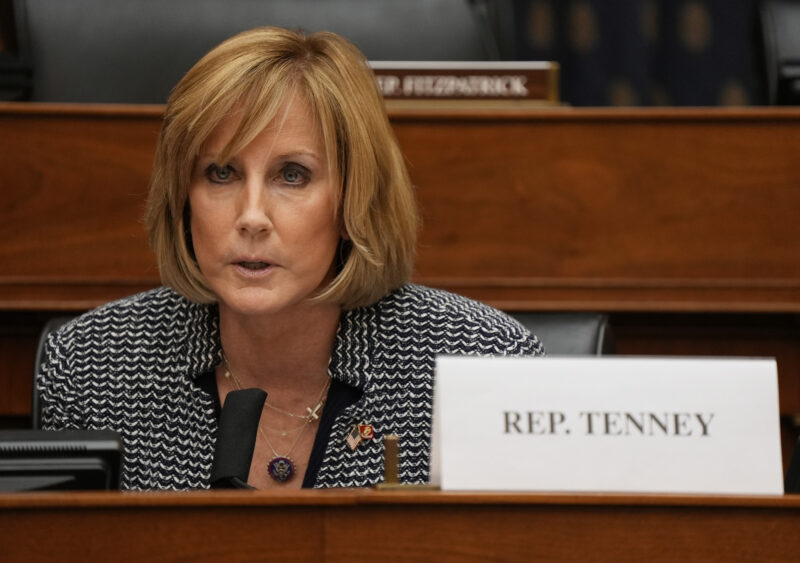
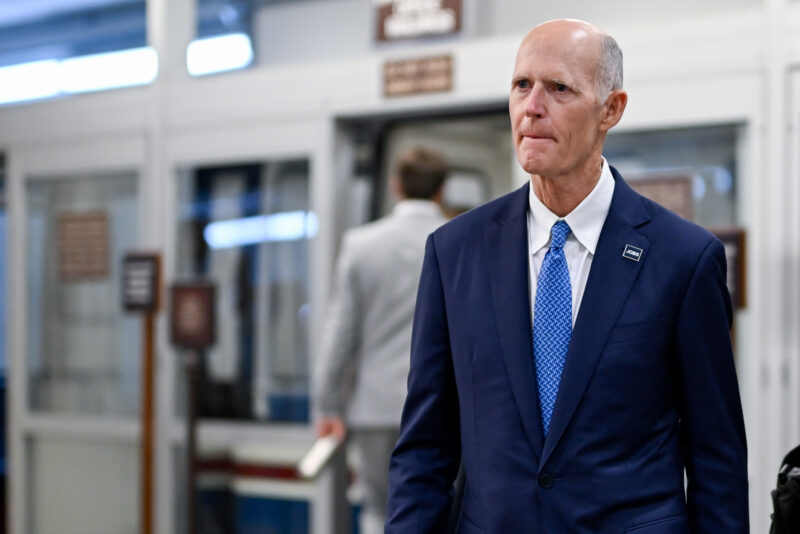
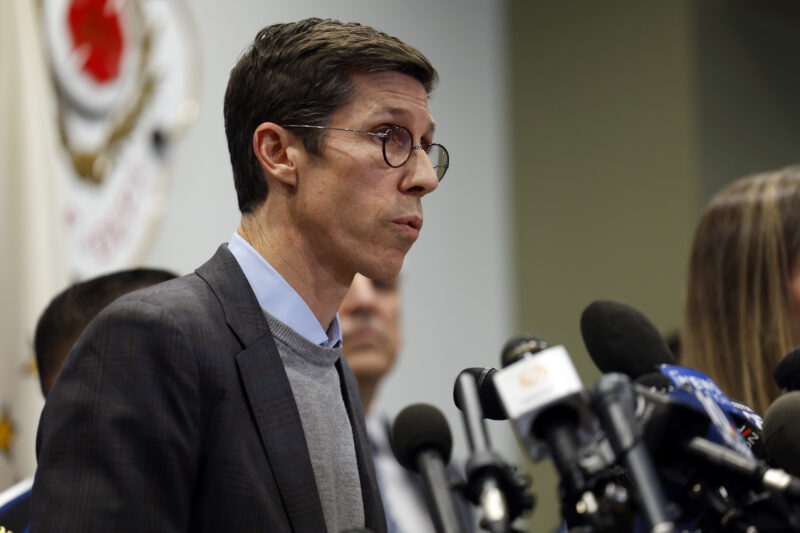
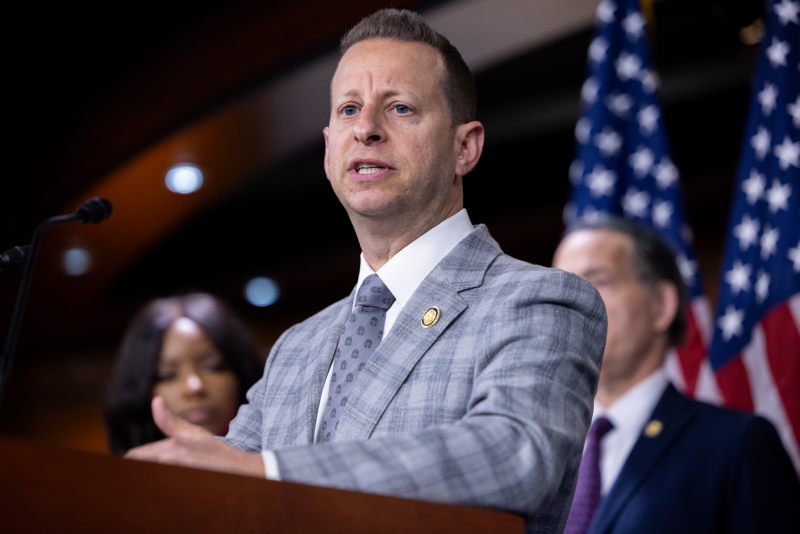
To mark the second anniversary of that solemn day, we are publishing a special project examining five key areas that have been utterly transformed by Oct. 7 and its aftermath: American politics, the U.S.-Israel relationship, higher education, Jewish advocacy and Israel’s relations with the world. We asked dozens of leading thinkers and practitioners to offer their thoughts on the biggest changes that have taken place in Jewish life over the last two years.
You’ll hear from Democratic and Republican lawmakers; officials who served under Presidents Trump, Biden, Obama and Bush; rabbis and writers; Europeans, Americans and Israelis; and activists and philanthropists. You’ll find optimism, frustration and everything in between. We are all still experiencing the ripple effects left in the wake of that indescribable day, even as an end to the war may yet be in sight. We hope these insights help you reflect on the world in which we now live.
TWO YEARS ON
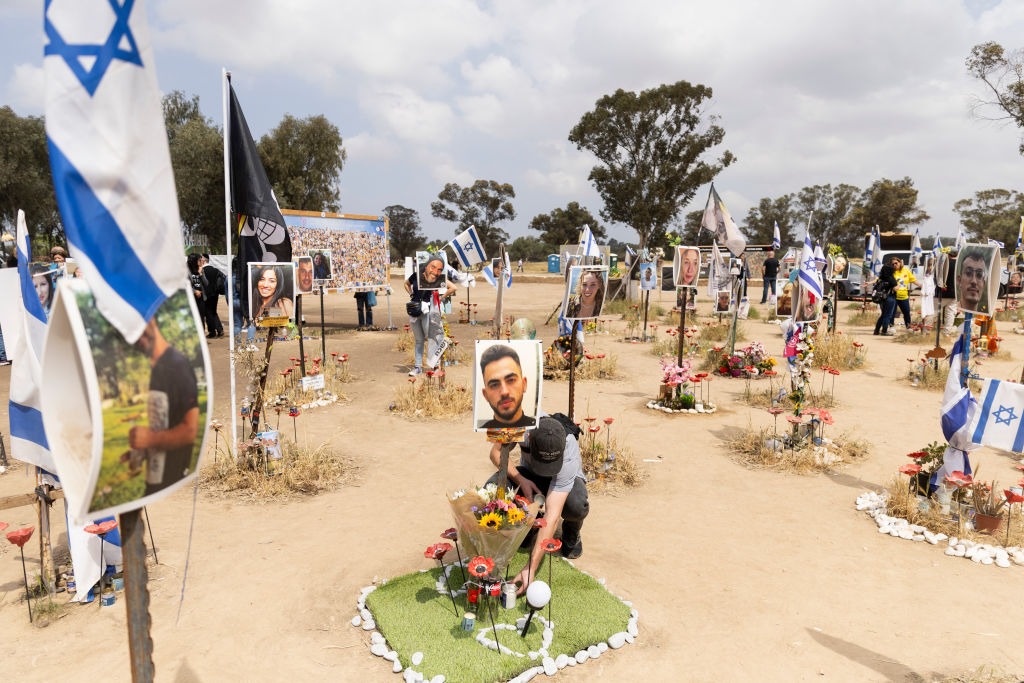
Some of the dozens of reflections we received:
ABE FOXMAN: “All political conventions of advocacy and predictability have been shattered.”
NIKKI HALEY: “Lost in the focus on the painfully long war in Gaza is the vast improvement in Israel’s regional security since Oct. 7.”
ELIOT A. COHEN: “What is possibly most surprising is how little Oct. 7 changed the fundamentals in the U.S.-Israeli relationship; it may have accelerated some trends or damped down others, but that is it.”
DANA STROUL: “From a military perspective, the U.S.-Israel relationship reached new heights in the post-Oct. 7 period.”
DAN SHAPIRO: “Arab states who previously were willing to look past the Palestinian issue now insist on a credible path to a Palestinian state. That poses a huge challenge to Israeli society.”
nearing the end zone
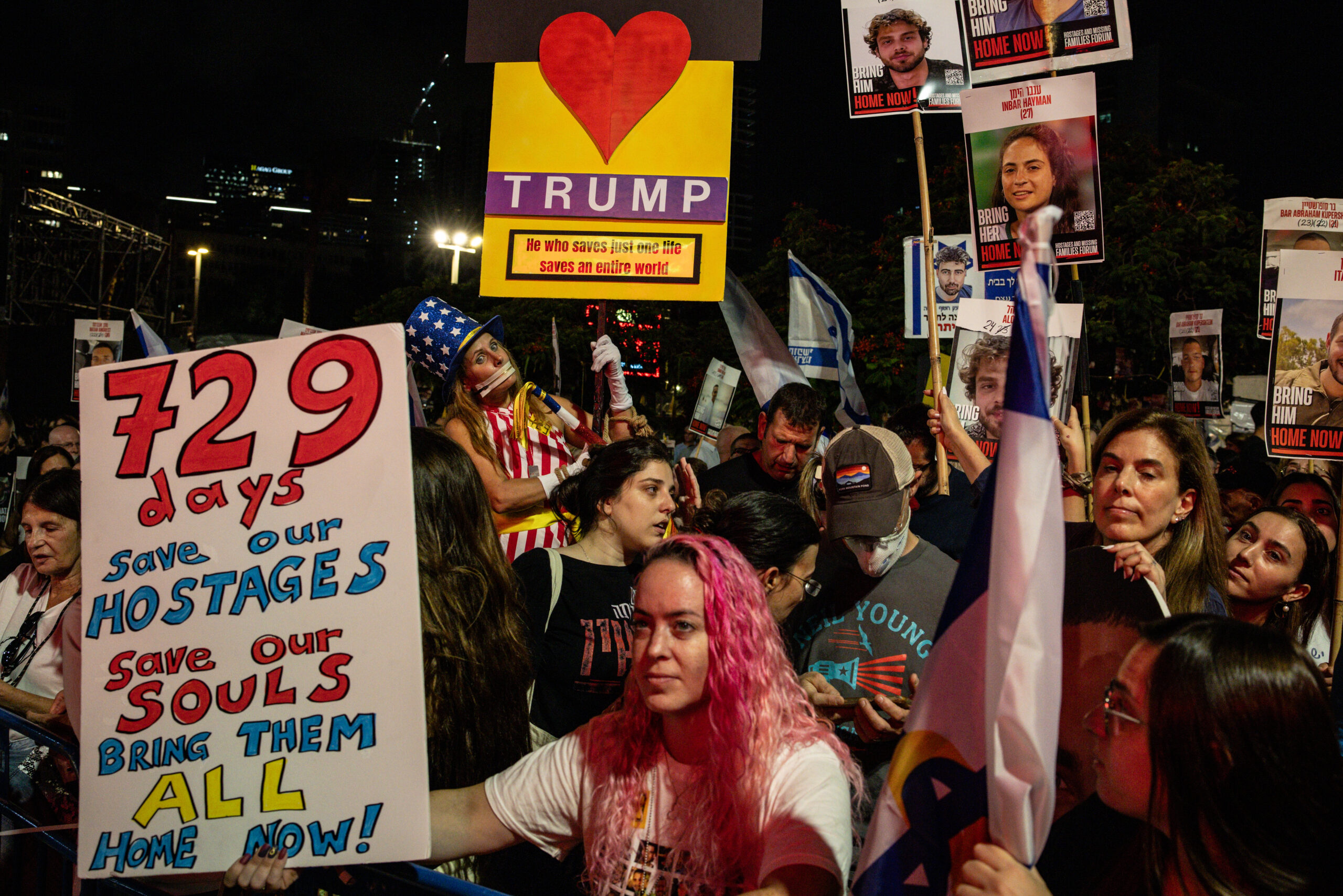
Israeli Prime Minister Benjamin Netanyahu, hostage families and others in Israel expressed cautious optimism over the weekend, after Hamas agreed to enter talks to free the 48 remaining hostages in exchange for a partial Israeli withdrawal from Gaza, Jewish Insider’s Lahav Harkov reports. An Israeli team consisting of Strategic Minister Ron Dermer, diplomatic advisor Ophir Falk, Coordinator for the Hostages and Missing Gal Hirsch and representatives of the Mossad and Shin Bet are expected to head to Cairo on Monday for proximity talks to negotiate the implementation of President Donald Trump’s 20-step plan to end the war. Trump’s special envoy, Steve Witkoff, and Jared Kushner, who has been involved in the talks, will represent the U.S.
What to expect: Netanyahu said in a video statement Saturday night that Israel and the U.S. intend to “limit this negotiation to a few days” and that it would be about “technical details” of the Trump plan. The details likely to be negotiated include the precise line to which Israel will withdraw initially and, at the end of the process, which countries will make up the International Stabilization Force meant to be the “long-term internal security solution” to keep Gaza demilitarized and prevent the resurgence of terrorism, according to the Trump plan, and who will be part of the transitional technocratic committee meant to govern Gaza.
Bonus: Apollo Global Management CEO Marc Rowan and Abraham Accords Peace Institute CEO Aryeh Lightstone are being considered for senior roles in Trump’s proposed Gaza International Transitional Authority that will administer the enclave in a post-war scenario.
doha dealings

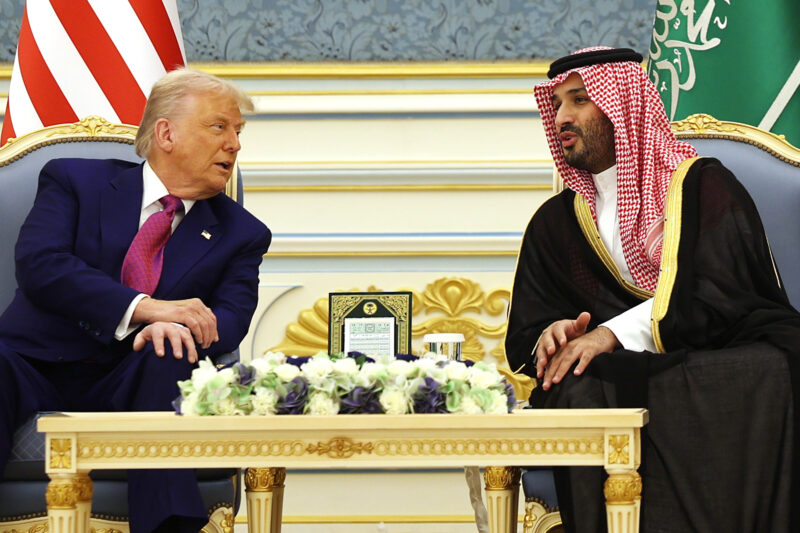
Several senators said Friday that the administration’s unilateral offer of defense guarantees to Qatar — similar to those the U.S. has made to protect its NATO allies — deserves scrutiny from Congress, Jewish Insider’s Marc Rod and Emily Jacobs report.
What they’re saying: Sen. Todd Young (R-IN), a top Republican voice in favor of reclaiming congressional war powers, said that the deal “certainly strikes me as unconventional and the sort of thing that the Foreign Relations Committee might want to hold a hearing on. … it does strike me as worthy of attention and explication in a public setting.” Sen. Tim Kaine (D-VA) said he’s “very troubled” by the deal.” “It just looks like it was a trade for the jet. Maybe it’s not that, but that’s the way it looks,” he continued, referring to Qatar’s gift of a luxury jumbo jet to serve as Air Force One. “You can’t confer Article 5 protections by executive order, and I don’t think there’d be any appetite at all [in Congress] to do that through a treaty,” Sen. Lindsey Graham (R-SC) said.
nomination hurdles

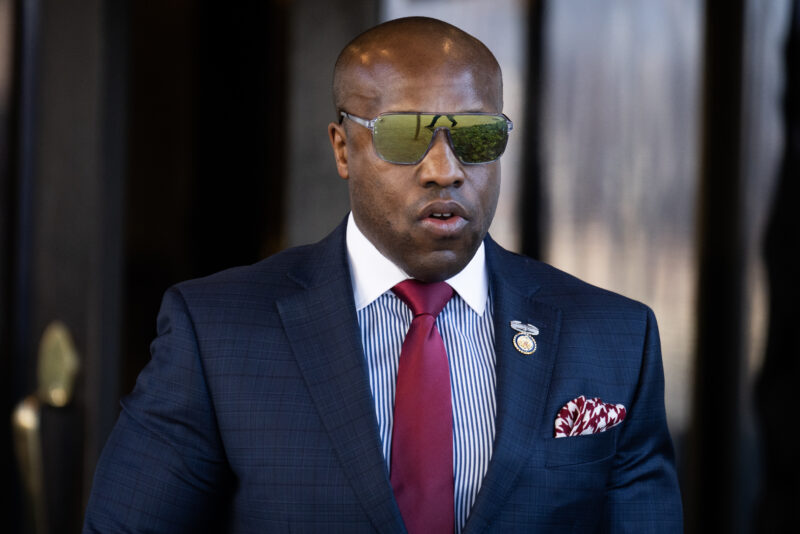
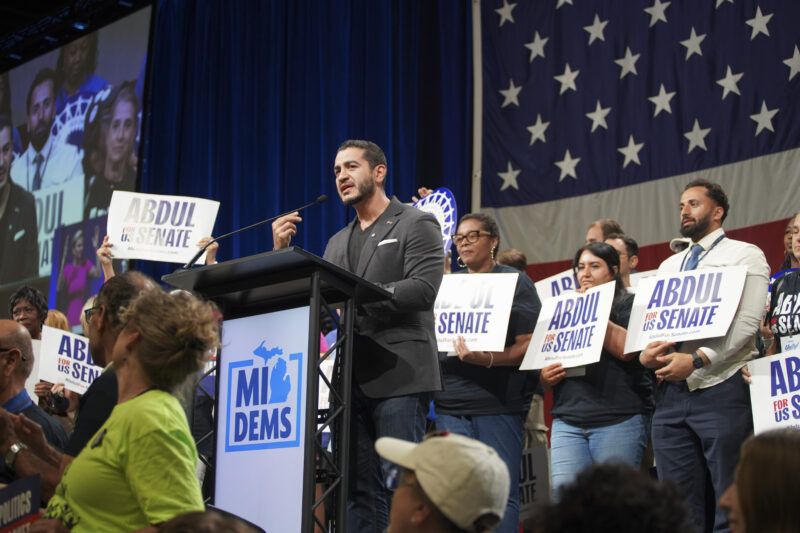
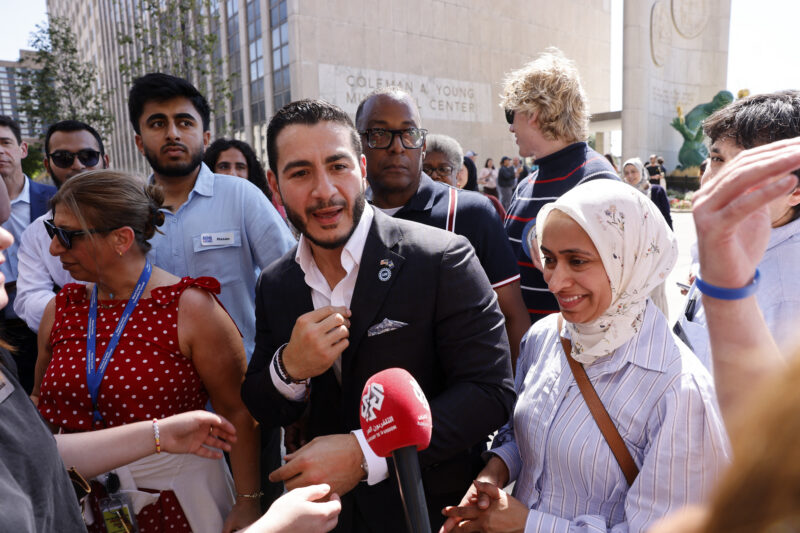
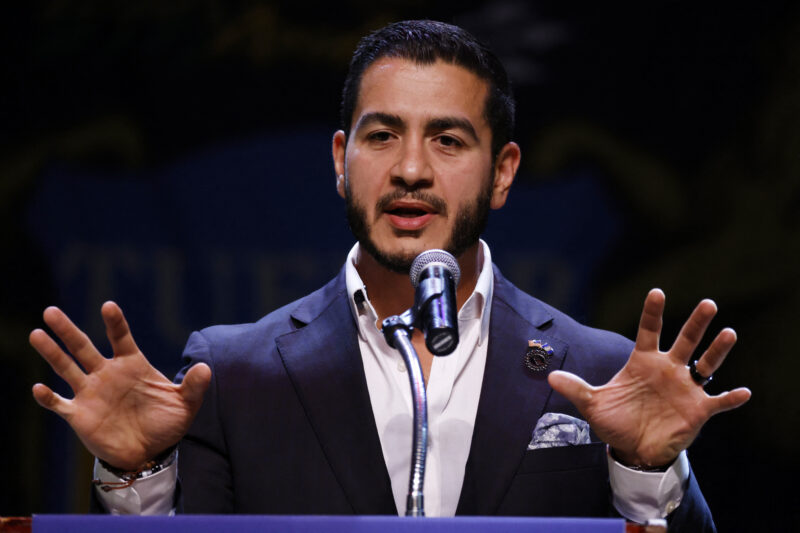
Sen. Jeanne Shaheen (D-NH), the top Democrat on the Senate Foreign Relations Committee, announced last week that the nomination of Amer Ghalib, the mayor of Hamtramck, Mich., as U.S. ambassador to Kuwait has been delayed, Jewish Insider’s Marc Rod and Emily Jacobs report. Ghalib has faced scrutiny for his anti-Israel history, including questioning reports of Hamas atrocities on Oct. 7 and supporting the anti-Israel Boycott, Divestment and Sanctions movement, and for liking antisemitic comments on social media.
On hold: Shaheen told Agence France Press last month that Sen. Jim Risch (R-ID), the Foreign Relations Committee chairman, had agreed to postpone consideration of Ghalib as lawmakers gathered additional information about his background. Asked about the delay by JI, Shaheen said that “there were some questions” about Ghalib to which committee members are awaiting written answers. She said she did not recall the subject of the pending questions. “SFRC has worked at a historic pace to move President Trump’s nominees through our committee,” Risch said in a statement to JI on the nomination. “That pace continues along with our commitment to thorough vetting, and this vetting sometimes means that certain nominations will take longer to process.”
survey says

A majority of Jewish Americans see antisemitism as a common Jewish experience, according to a new joint study, released on Monday, commissioned by the Jewish Federations of North America and Anti-Defamation League, Jewish Insider’s Haley Cohen reports. According to the “Portrait of Antisemitic Experiences in the U.S.,” which relied on two nationally representative surveys of Jewish Americans and was conducted in partnership with Columbia University researchers, 55% of those surveyed experienced at least one form of antisemitism over the past year.
By the numbers: Over half (57%) also said antisemitism is now a normal Jewish experience. The immediate aftermath of the Oct. 7, 2023, Hamas terrorist attacks in Israel and the start of the war in Gaza fueled a record-breaking wave of antisemitic incidents. Such incidents increased by 5% in 2024, according to the ADL’s tally. The results mark a nearly nine-fold increase over the past decade. Over one-third (36%) of those surveyed witnessed actual or threatened antisemitic violence, and 44% had experienced exclusion or minimization based on their Jewish identity. One in five respondents (21%) who have witnessed an antisemitic attack reported signs of depression.
exclusive
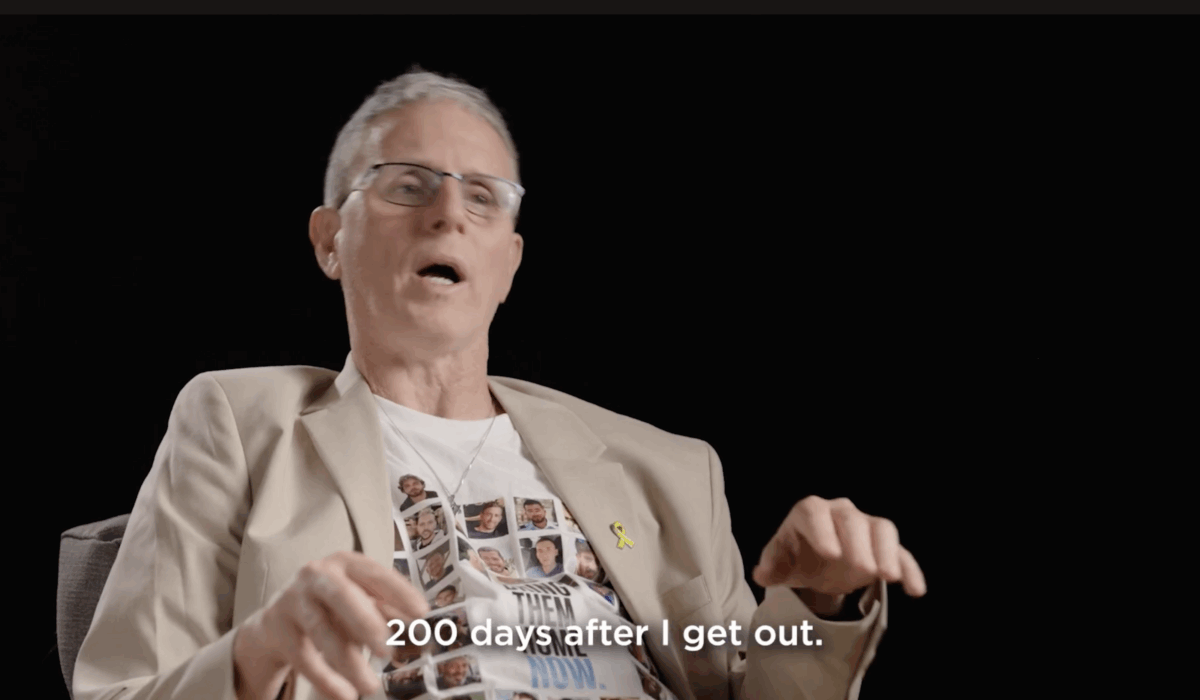
AIPAC is set to begin airing an ad on MSNBC on Monday featuring testimony from former hostage Ohad Ben Ami, who was held by Hamas in Gaza for 491 days. The ad — while largely non-political — constitutes a notable outreach from AIPAC to the liberal Democratic base, a demographic that polls show is growing increasingly antagonistic toward Israel, Jewish Insider’s Marc Rod reports.
Details: The ad will air in the Washington area 14 times over seven days, seven times on morning shows and seven times during the evening. “Doctors said that if I would have stayed another two weeks or three, I would have not survived. We are in the dark, no food, no medicine. Like, you are in hell,” Ben Ami states in the ad. “It is more than 200 days [since] I [got] out. If you want to bring [the remaining hostages home] alive, we must do it fast.”
Worthy Reads
How the War Was Won: In his “Clarity” Substack, former Israeli Ambassador to the United States Michael Oren posits that the conclusion of the Israel-Hamas war is likely to be decided in the diplomatic arena, rather than on the battlefield. “The terrorists want to negotiate an arrangement in which, in return for freeing the hostages, they can remain in Gaza and keep their guns. Achieving those goals means, in essence, Hamas will win the war. In response, the president ordered the IDF to halt its Gaza City offensive and instructed his diplomatic team to enter into talks — albeit indirectly, through Qatar — with Hamas. Rather than strengthening the twenty points, these negotiations could result in watering them down. Hamas could conclude that Trump wants the Nobel Prize and will make serious concessions to secure it. But Trump, the master dealmaker, may be counting on Hamas to overplay its hand and provide him — and Israel — the justification for delivering it the coup de grâce.” [Clarity]
London’s Lapse: The Jewish News’ Daniel Sugarman suggests that the Yom Kippur terror attack on a Manchester synagogue was inevitable given U.K. leaders’ approach to antisemitism, the country’s Jewish community and Israel. “What do you think is going to be the end result when people receive absolutely no censure or comeuppance for openly ranting about how ‘Jewish supremacists’ control this country and stating that there are no anti-Zionist synagogues or schools in the UK? What do you think is going to be the end result when a band which called for ‘death to the IDF’ at the U.K.’s most celebrated music festival this summer follows that up at a performance two weeks ago by saying ‘F**k the Zionists! Get out there and fight them! Get out there and meet them in the street. Get out there and let them know that you do not stand by them’? … What do you think is going to be the end result? We all knew. Jews have two thousand years of experience of what such words and sentiments inevitably lead to.” [JewishNews]
Lessons from History: In the Washington Jewish Week, Karen Paikin Barall, the chief policy officer at the Louis D. Brandeis Center for Human Rights Under Law,, considers the lessons that can be learned from the 1915 lynching of Leo Frank as “Parade,” which sets Frank’s story to music, closes at the Kennedy Center in Washington. “When university presidents claim ‘neutrality’ as students chant for the destruction of Israel, they abdicate their responsibility. Courage is calling out that hate, ensuring Jewish students are safe and making it clear that intimidation has no place on campus. When CEOs dismiss antisemitic remarks in the boardroom or excuse bias in the workplace, they signal tolerance for hate. Courage is setting a zero-tolerance standard and backing it up with action. And when health-care leaders allow Jewish doctors, nurses or patients to be singled out or harassed because of their faith, they betray their mission of care. Courage is making sure that hospitals and medical institutions remain safe places for everyone, and where bigotry has no place. Leo Frank’s story shows what happens when hatred and silence prevail.” [WJW]
Word on the Street
FBI Director Kash Patel called the Anti-Defamation League “an extreme group functioning like a terrorist organization,” saying in an announcement hours before Yom Kippur that the FBI had cut all formal ties with the anti-hate group, Jewish Insider’s Gabby Deutch reports…
The Information reports on speculation that TikTok’s Adam Presser, who was recently named the head of the company’s U.S. Data Security unit, will be tapped to head the new joint venture, established by a recent executive order, that would oversee TikTok’s U.S. operations…
David Ellison’s Paramount Skydance is expected to name Bari Weiss the editor-in-chief of CBS News this week as part of the acquisition of Weiss’ Free Press for $150 million…
Leaders at a Brookline, Mass., synagogue said an incident last week in which a Harvard Law School visiting professor shot a pellet gun near the synagogue was not fueled by antisemitism; the professor said he was shooting at rats near his home, which he was unaware was in close proximity to a synagogue…
The Maryland Legislative Jewish Caucus slammed the decision by student government officials at the University of Maryland to hold a vote on the Boycott, Divestment and Sanctions movement against Israel on Yom Kippur…
In The Wall Street Journal, Yeshiva University’s Stuart Halpern reviews Michael Hoberman’s Imagining Early American Jews, which dives into the Jewish American experience in the first decades following the establishment of the United States…
German Chancellor Friedrich Merz said the country would withdraw from the Eurovision Song Contest if Israel is banned from the competition; France, Austria and Australia have voiced opposition to the effort to ban Israel from participating, which participating countries will vote on next month…
Israeli Diaspora Affairs Minister Amichai Chikli clashed with the U.K.’s Board of Deputies of British Jews over the Diaspora Ministry’s hosting of far-right U.K. activist Tommy Robinson in Israel this week…
The Daily Mail interviewed former Israeli hostages Daniella Gilboa and Karina Ariev about their experiences during the Oct. 7 Hamas terror attacks and ensuing 15 months in captivity…
The Washington Post talks to Israeli reservists and mental health professionals about the rise in cases of post-traumatic stress disorder resulting from the Oct. 7 attacks and ensuing war in Gaza…
Israel is deporting dozens of activists, including Greta Thunberg who attempted to illegally enter Gaza by sea on a 45-vessel flotilla last week…
Israeli journalist Amit Segal reports from his Channel 12 colleague Ehud Yaari that Qatar reached an understanding with the United States to “reduce the amount of incitement” that state-owned Al Jazeera spreads in its coverage; one Israeli intelligence official told Segal that “if this is a real shift, it’s a huge game changer”…
The Wall Street Journal reports on efforts by China to circumvent U.S. sanctions on Iran through a series of conduits that allow Beijing to receive oil from Tehran in exchange for the building of Chinese infrastructure in the Islamic Republic…
Iran executed six prisoners accused of spying on behalf of Israel, part of a broader effort in the country to crackdown on alleged spies following the 12-day Israel-Iran war in June…
Iran’s parliament approved a measure that would deduct several zeros from the country’s currency as it faces rising inflation and days after the Iranian rial hit a record low…
Time does a deep dive into the water-scarcity issues facing Iran amid record-breaking temperatures and economic instability…
Czech writer Ivan Klima, whose writings recounted his childhood experiences in the Treblinka death camp, died at 94…
Pic of the Day
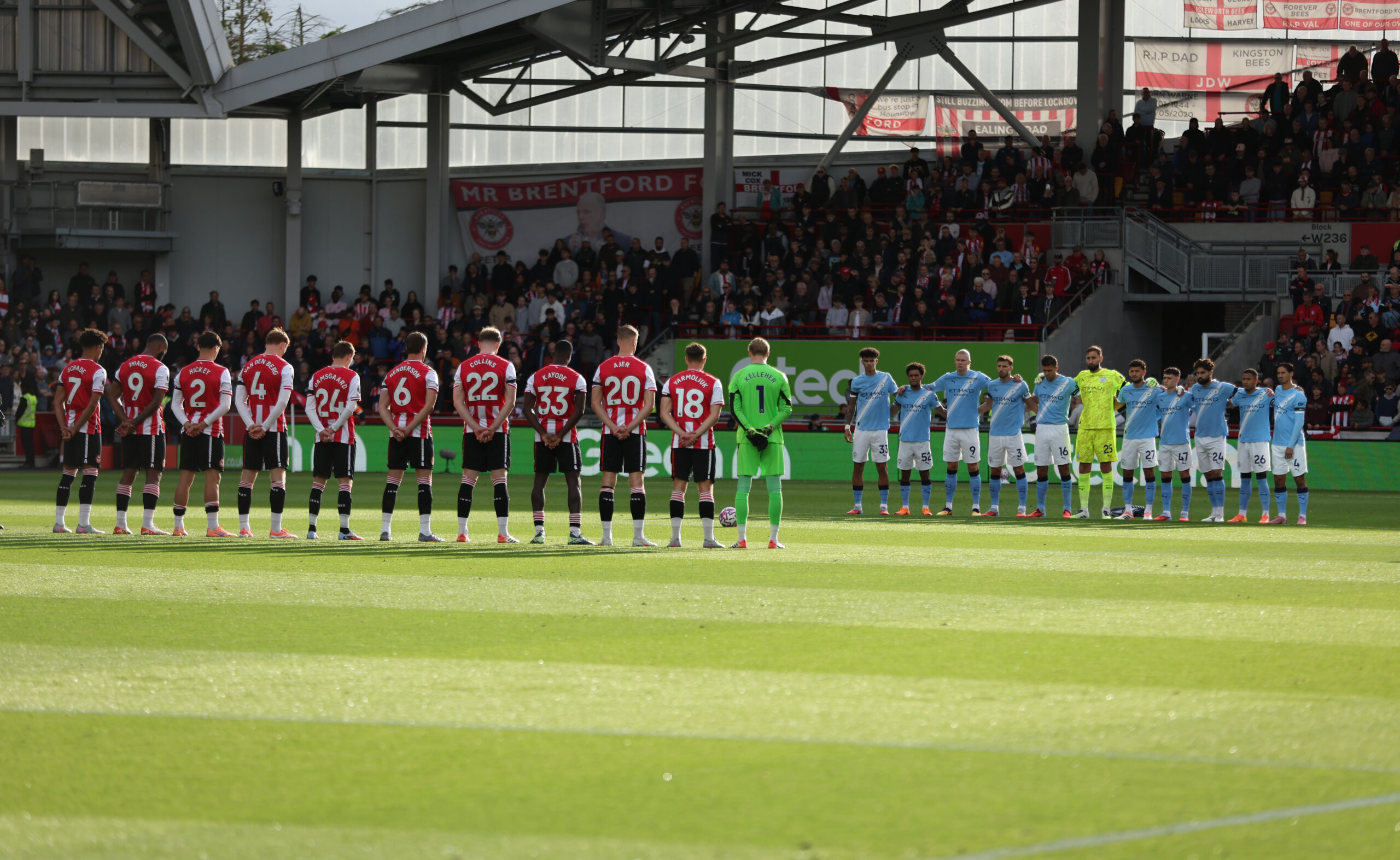
Players from Manchester City and Brentford FC observed a moment of silence on Sunday in memory of the two Jewish men killed in a terrorist attack at a Manchester synagogue on Yom Kippur ahead of the teams’ Premier League match in Brentford, U.K.
Birthdays
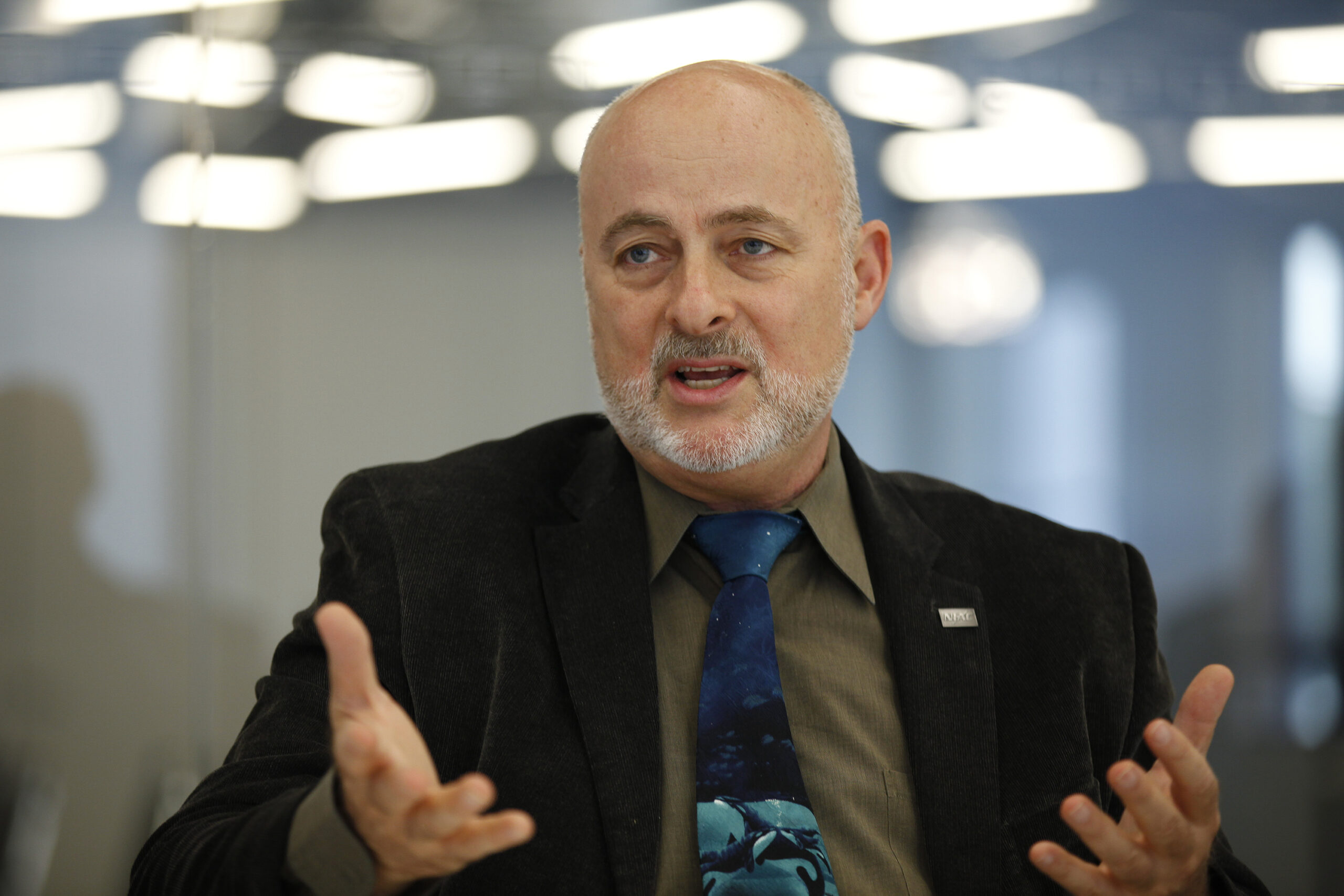
Awarded a Ph.D. at UCSD in space science, consultant to NASA and author of many science fiction novels, David Brin turns 75…
Owner of Lancaster, Pa.-based industrial supplier Samuel Miller & Son, she is a past president of Women of Reform Judaism, Rosanne Selfon… Former chairman and CEO of CBS, he is a great-nephew of David Ben-Gurion, Leslie Moonves turns 76… Retired justice of the Supreme Court of Israel, Uzi Vogelman turns 71… Director of philanthropy at Temple Emanu-El of Westfield (N.J.), Elliot B. Karp… Bexley, Ohio-based real estate agent, Jan Kanas… Correspondent on the networks of NBC and author of best-selling books on Presidents Obama, FDR and Jimmy Carter, Jonathan Alter turns 68… Spiritual leader emeritus of Congregation Ner Tamid in the Las Vegas suburbs since 1988, Rabbi Sanford Akselrad… Former member of the New Jersey General Assembly, he is now the managing director of Quest Associates, Joel M. Weingarten turns 66… Mayor of Jerusalem since 2018, Moshe Lion turns 64… Founder and CEO of Coalition Strategy Group and community relations specialist at JFNA, Jeffrey Mendelsohn… Attorney in Lakewood, N.J., where he is active on the boards of many local businesses, civic organizations and charitable institutions, Samuel Zev Brown… Member of the New York City Council representing Yorkville, Lenox Hill and Roosevelt Island, Julie Menin turns 58… Member of the Florida Senate until 2020, now an insurance agent in Boca Raton, Kevin J.G. Rader turns 57… Former member of the Arizona House of Representatives, now founder and CEO of Buzze, Aaron Lieberman turns 54… Director of sales at Convergence Workforce, Sean “Shmop” Weisbord… VP of community relations at JFNA, following a stint as CEO of Community Security Service, Evan R. Bernstein turns 51… Actor and comedian, Brett Gelman turns 49… SVP of community strategy and external relations at UJA-Federation of New York, Hindy Poupko… Senior advisor for Israel Strategies at the William Davidson Foundation, Deena Eisenberg Pulitzer… and her twin sister, global event planner, Elisheva Eisenberg Goldman… Actress best known for her role in “Dredd” and more recently in “Oppenheimer,” Olivia Thirlby turns 39… Legislative director for the governor of Nevada, Madeline S. Burak…

Please log in if you already have a subscription, or subscribe to access the latest updates.
 Continue with Google
 Continue with Apple