


How Oct. 7 upended higher education


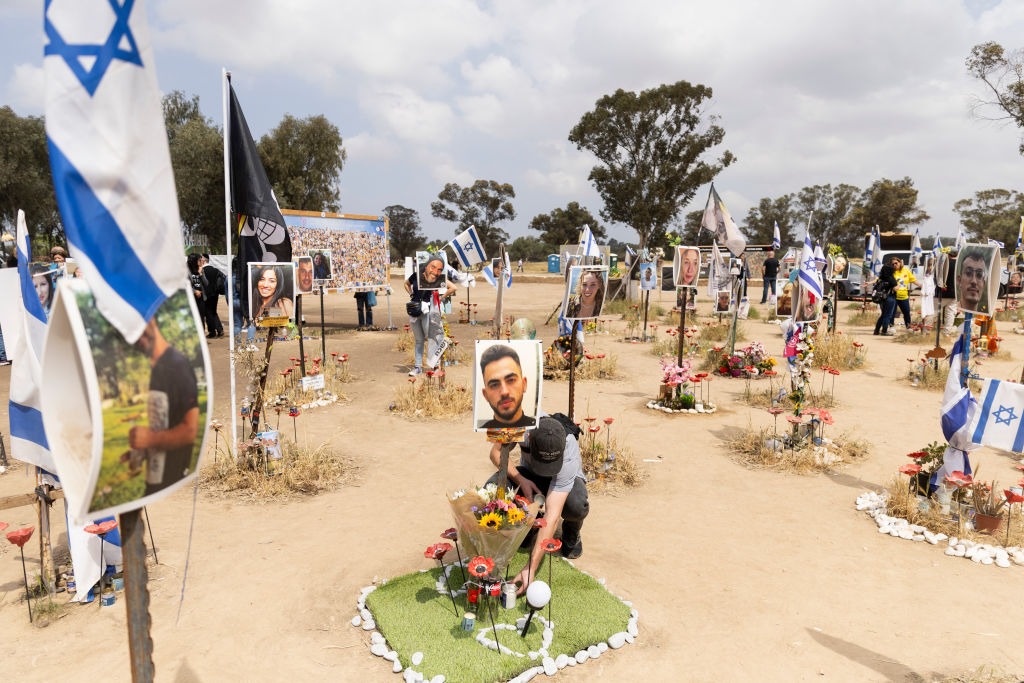
For decades, American Jews have held academia in the highest esteem, viewing the university as the pathway to knowledge and success. Quotas on Jewish enrollment that lasted into the early 1960s tested that deeply held belief. But nothing has strained Jewish faith in higher education more than the Oct. 7, 2023, Hamas attacks on Israel and their aftermath, which ushered in a widespread anti-Israel activist movement on campuses that resulted in Jewish students facing ostracism, bullying and at times violence.
Just one day after Hamas’ attack, a letter signed by three dozen student groups at Harvard held Israel “entirely responsible” for the violence — and set the tone for the targeting of Israel, and Jewish students who refused to disavow the Jewish state, that would become de rigueur at many higher education institutions in the months to come.
Chants of “globalize the intifada” were soon commonplace on campus quads, which in the spring of 2024 played host to raucous, and sometimes violent, anti-Israel encampments. In some of the highest echelons of American higher education, including Columbia and Stanford, students stormed and vandalized buildings.
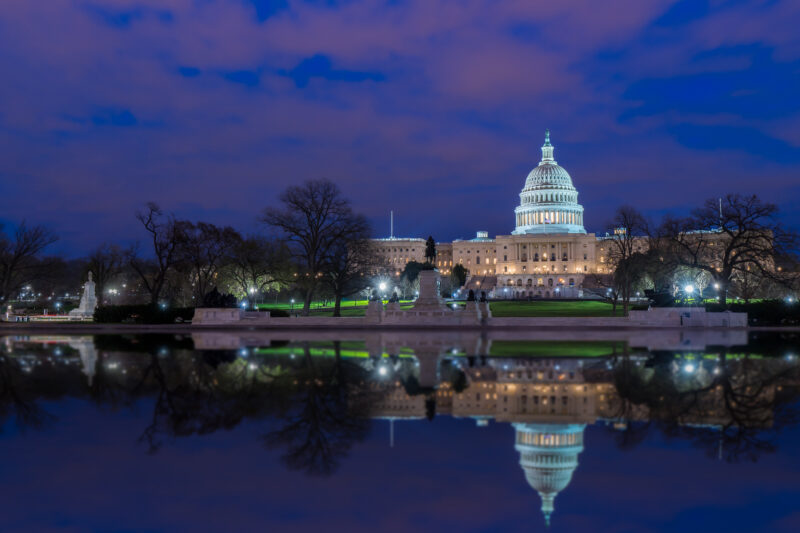
This groundswell of anti-Israel activism seemed to catch university administrators by surprise. University presidents struggled to discipline rulebreakers and, in the process, earned the ire of Congress. After the presidents of the University of Pennsylvania and Harvard, testifying on Capitol Hill in December 2023, infamously struggled to answer Rep. Elise Stefanik’s (R-NY) question about whether calls for the genocide of Jews violated school policy, both resigned within weeks, setting the stage for a broader wave of resignations of university presidents.
As the war dragged on, campuses got quieter. Students have moved on to other issues. Partly due to pressure from the Trump administration, universities became more serious about cracking down on campus antisemitism. Some Jewish students have abandoned elite universities in the Northeast for friendlier territory in the South and Midwest. American Jews’ love affair with many institutions of higher education has been irreparably damaged.
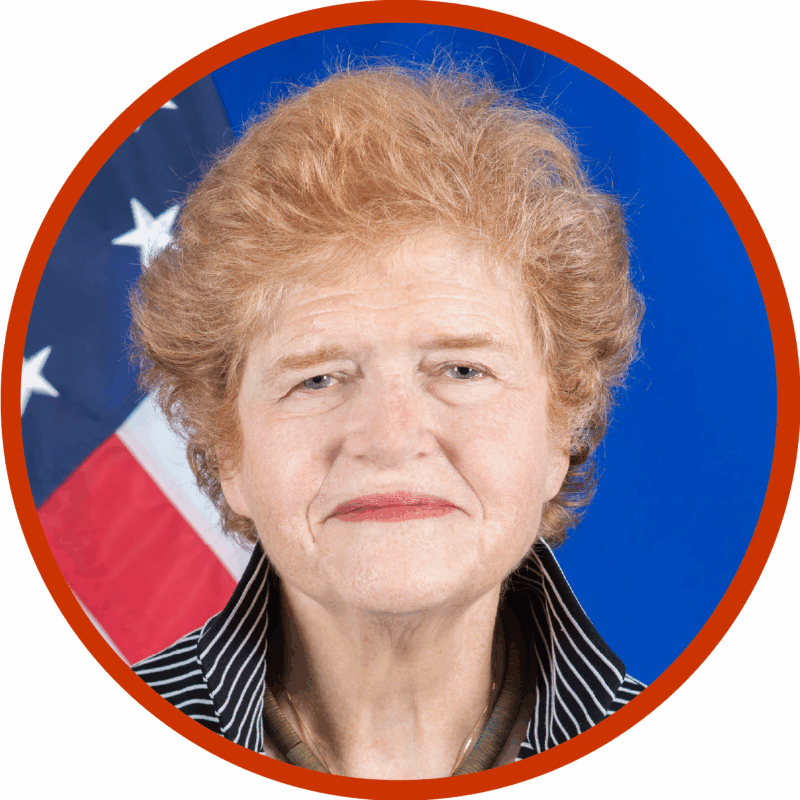
Deborah Lipstadt
Former U.S. special envoy for monitoring and combating antisemitism, 2022-2025
“There is bad news and good. The bad news: On many campuses, the encampments were accompanied by expressions of overt antisemitism. Not condemnation of Israel. Overt antisemitism. The good news: Administrators, who had previously not taken antisemitism seriously, have begun to recognize that this Jew hatred is affecting the lives of their Jewish students and have begun to act, sometimes because of external governmental pressure and sometimes without it. Bad news: On many campuses, the fight against antisemitism is being dismissed as a political ploy and a subterfuge to attack elite institutions. And so, the cycle continues.”
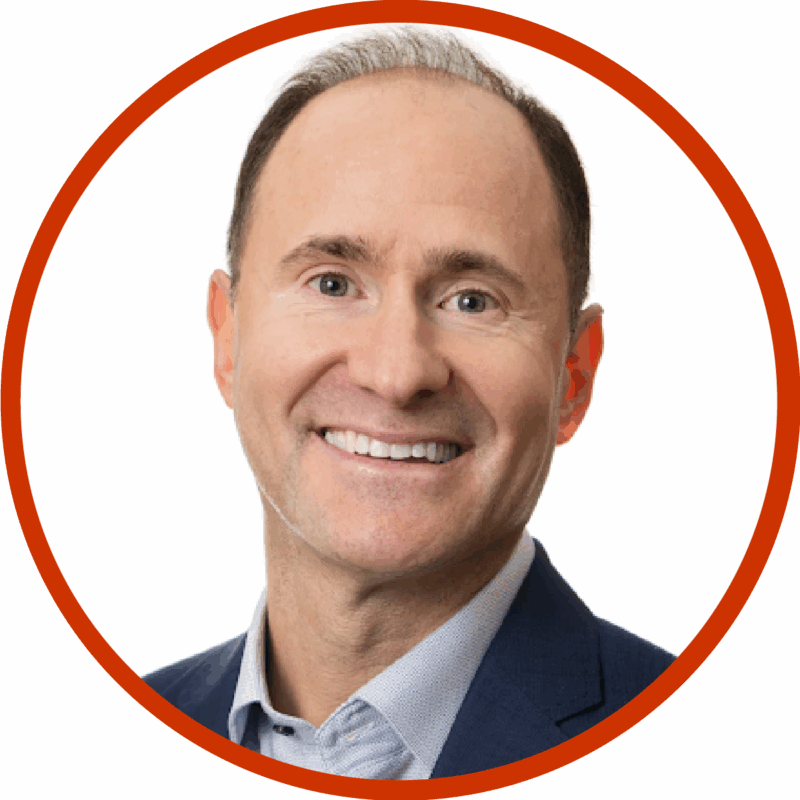
Adam Lehman
President and CEO of Hillel International
“Since Oct. 7, we’ve seen two big changes in campus life: First, of course there was a significant rise in antisemitic incidents on campus, with over 2,000 antisemitic incidents during the 2024-2025 school year. And second, we’ve tracked a record-setting level of Jewish student engagement: Jewish students are looking for places where they feel like they belong, where they’re not just safe, but where they can also express their Jewish identities with pride, joy and confidence.”
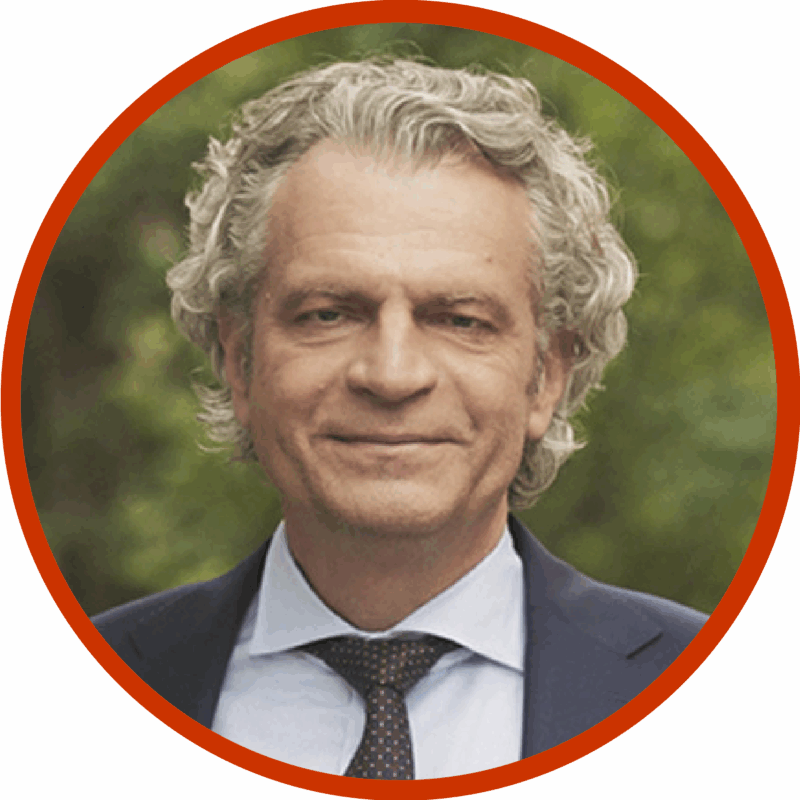
Daniel Diermeier
Chancellor of Vanderbilt University
“One important and welcome change is the dozens of universities that have adopted institutional neutrality, the practice of not taking positions on social or political issues unrelated to the direct functioning of the university. More of these schools need to extend that policy to not taking positions through actions like divestment and boycotts, but we are seeing movement in the right direction.”
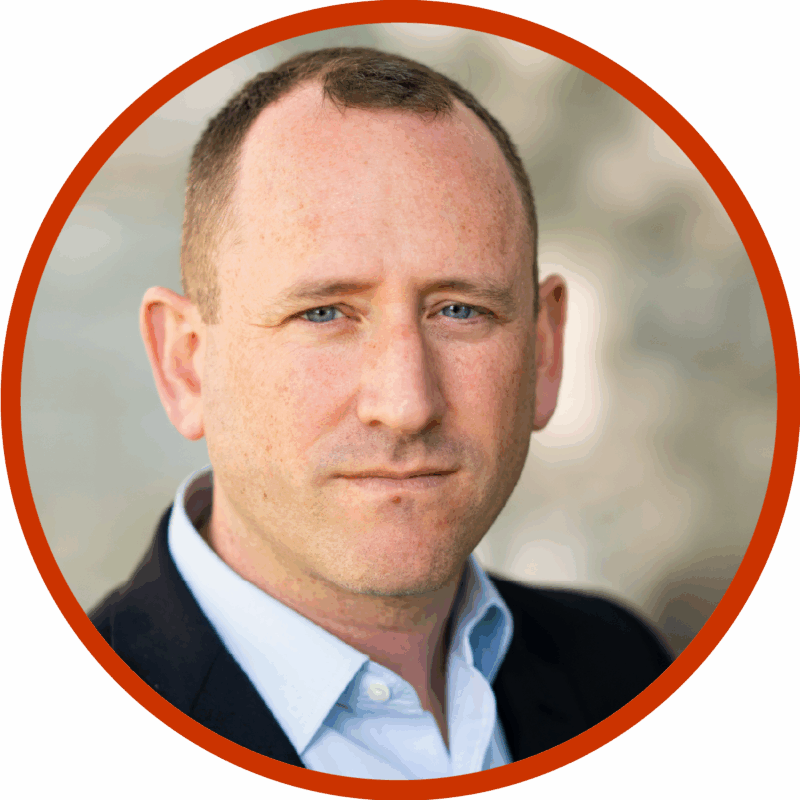
Eitan Hersh
Professor of political science at Tufts University and iInaugural director of Tufts’ Center for Expanding Viewpoints in Higher Education
“The aftermath of Oct. 7 revealed an unhealthy civic culture across many universities. Since then, schools have been working hard, figuring out how to rekindle a spirit of intellectual life on campuses where people with different worldviews can learn together, learn from one another, respectfully disagree, and in the process grow as scholars and citizens.”
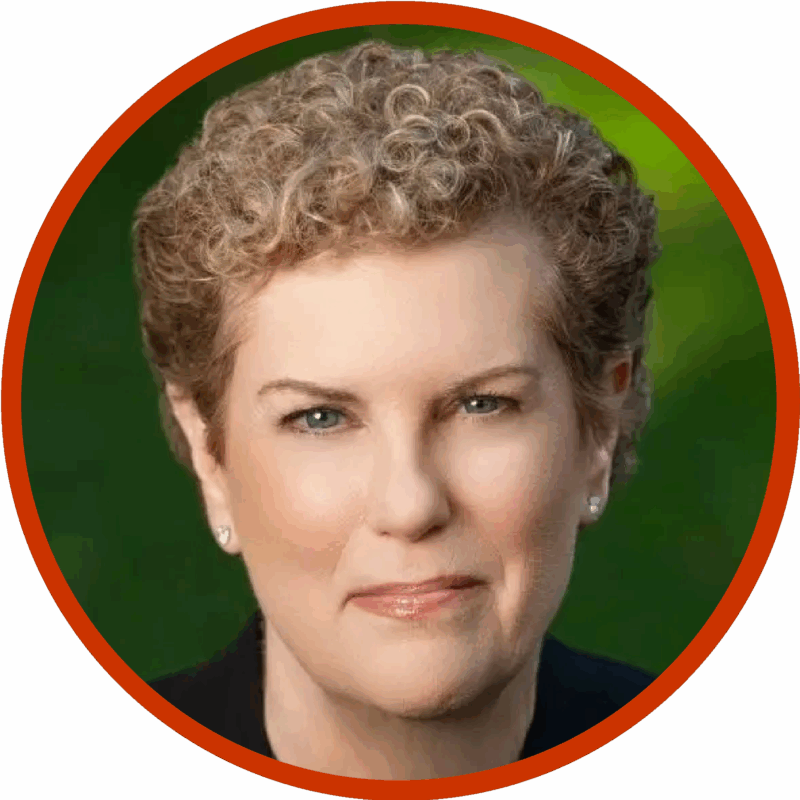
Pamela Nadell
American University professor and author of Antisemitism, an American Tradition
“Stunned by Oct. 7’s outburst of hate against college students, media outlets overlooked what Jewish faculty were facing. Colleagues we had known for decades shunned us. Students denounced our research as complicit in stealing Palestinian land and promoting ethnic cleansing. As some Jewish studies faculty, including me, watched enrollments in our customarily oversubscribed Holocaust classes plummet, we wondered: ‘Were we being boycotted?’”
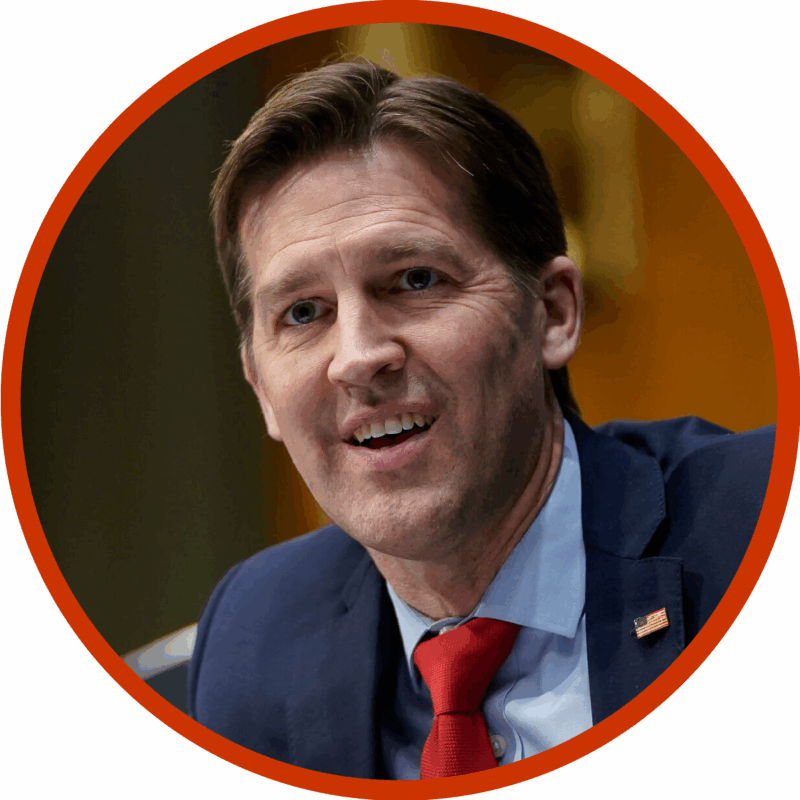
Former Sen. Ben Sasse (R-NE)
Past president of the University of Florida
“The ‘emperor has no clothes’ doesn’t come close to describing what’s happening around the public’s growing distrust of higher education. Scolding moralists without any morals exposed the rot at the heart of many humanities departments that have taken over so many institutions: As professors excused rape, murder and atrocities with academic jargon, the broader public woke up to the fact that much of non-STEM education has gone completely off the rails. The challenge now will be to rebuild on a stable foundation, rather than merely lament or rage.”

Greg Lukianoff
President of the Foundation for Individual Rights and Expression
“The horrific events of Oct. 7, 2023, and their fallout across American college campuses — including months of encampments and, in some cases, violent protests — revealed just how ill-equipped university leaders were to grapple with both the widespread antisemitism and the free speech crisis in higher education. The testimony of college presidents before Congress exposed the hypocrisy of institutions that had spoken loudly on countless issues facing certain minority groups but couldn’t muster a response, or at best insisted on nuance or ‘context,’ when it came to the concerns of Jewish students. In retrospect, it was a turning point in recognizing the urgent need for institutional neutrality and consistent protection of free speech and academic freedom.”
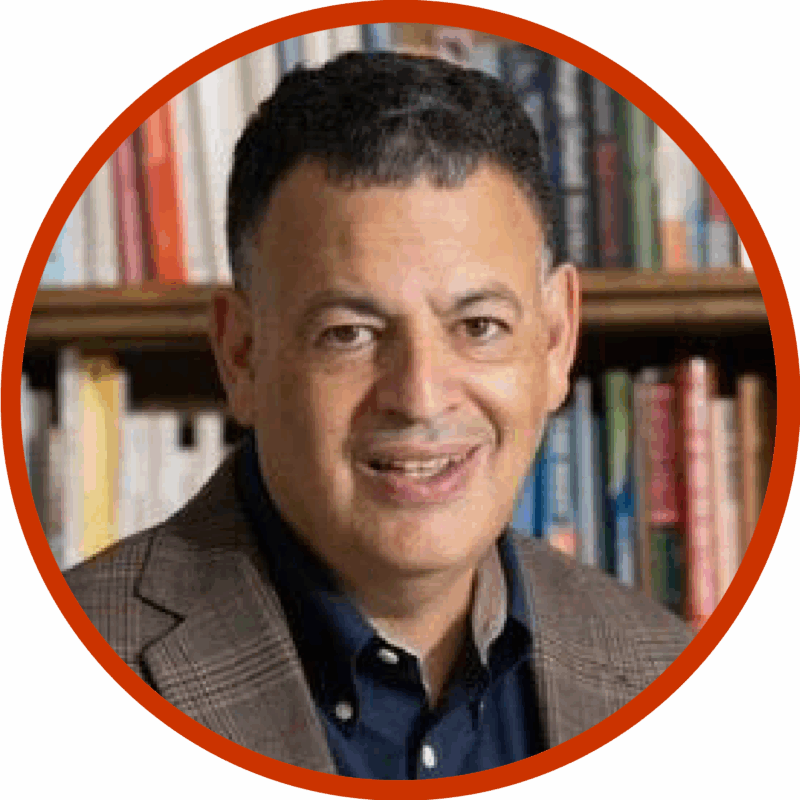
David Bernstein
Founder and CEO of the North American Values Institute
“Since Oct. 7, I have spoken in Jewish communities across the country, and have been impressed that most rank-and-file Jews now have an appreciation of the ideological roots of antisemitism on the left. Many of these people once took for granted that their safety as Jews depended on the left’s success in American politics. They saw the threat to American Jewish life coming from one direction only. Today, our community is less innocent and much more clear eyed about the nature of the threats we face than we were before Oct. 7.”
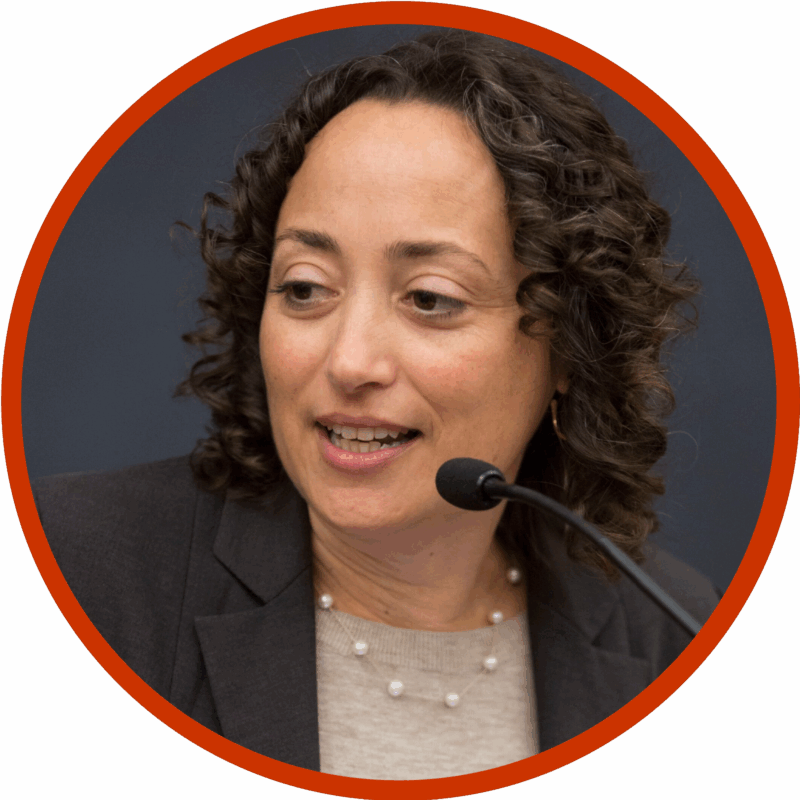
Catherine Lhamon
Former assistant secretary of education for civil rights, 2021-2025
“The proliferation of reported hate incidents on college and university campuses following Oct. 7 both lowlighted how ready communities are to target hate toward community members and reflected a shocking underappreciation of campus community responsibilities to protect against discrimination. The visibility of these two phenomena cry out for correction so school communities can engage and thrive as we expect and as federal law guarantees. I have been grateful to witness the many campus communities who have come together to grow and redress past injury, and I ache for students, faculty and staff who have had to live the hate made visible in their college and work experience. I deeply regret the degree to which this very real and very important issue is today weaponized in the federal government in ways that distract from the real need to heal and correct, to ensure that all persons in all schools can learn, work and thrive without discrimination the law forbids.”
Ora Pescovitz
President of Oakland University in Michigan
“Since Oct. 7, tensions on American campuses have become both more overt and more subtle. Overtly, campus discourse — exacerbated by social media — has become more contentious overall. Antisemitism is now more widely recognized, but it has been accompanied by greater criticism of Israel and anti-Zionism. Antisemitism has also been used by the federal administration as a pretext to withdraw university research funding and attack academic freedom. This is dangerous and risks turning Jews into scapegoats. Finally, and more subtly, too many universities have left hostile rhetoric unchecked, adopting institutional neutrality rather than providing the moral leadership and clarity this moment demands.”
Rep. Elise Stefanik (R-NY)
NY representative
“Oct. 7 exposed not only an explosion of antisemitism on our college campuses, but also a deeper moral rot, a collapse of critical thinking, intellectual rigor, and moral clarity at our supposed best and brightest institutions of learning in this country. My question from the infamous hearing with university presidents was the most watched testimony in the history of the United States Congress, with over one billion views in one week and now into the multiple billions. My straightforward moral question: ‘Does calling for the genocide of Jews violate your university’s code of conduct on bullying or harassment?’ led to the unmasking of failed moral leadership at the highest levels of our most prestigious universities who answered, ‘It depends on the context.’ The world heard that. This hearing led to an earthquake within higher education that was long overdue. For decades, the American people witnessed elite institutions embrace dangerous radical groupthink, eerily reminiscent of the ideological decay that predated atrocities in the 20th century, and it has become clear that our higher education system was in urgent need of a reckoning. Faculty who once championed free thinking have become apologists and often enablers of hate, while unchecked foreign funding has fueled the spread of radical anti-American, anti-West ideologies.”
Rabbi David Wolpe
Rabbi emeritus at Sinai Temple in Los Angeles and former visiting professor at Harvard Divinity School
“Oct. 7 was an unmasking: The expression of hatred of Israel and hostility to Jews, especially on elite campuses, was volcanic. It uncovered years of ideological indoctrination and spurred Americans to recognize how much of higher ed was teaching our most privileged to disdain the culture that bred and nurtured them.”
Rabbi Ari Berman
President of Yeshiva University
“On Oct. 7, the battle for the soul of the American university was unveiled in its full light. On one side: voices of hatred and antisemitism, rejecting the moral foundations of Western civilization. On the other: a yearning for meaning, community and purpose — rooted in the American story and nourished by its biblical foundations. While some of the troubled campuses have begun to adjust due to the accountability imposed by the Administration, the deeper struggle is cultural and moral — and its outcome will shape the future of our nation. In this defining moment, the role of Yeshiva University — its educators, students and all who cherish America’s moral heritage — is not only to oppose hatred, but to illuminate a higher path. And this is what I have seen from our students and so many others throughout the country. What was meant to silence Jewish voices has instead sparked a nationwide awakening — one in which Jewish students are embracing their identity and projecting their values with courage and conviction to the benefit of all.”
Rep. Virginia Foxx (R-NC)
North Carolina representative
“Corrosive antisemitism that had been present on university campuses for a long time manifested itself in a disgraceful and disgusting manner following Oct. 7. The investigations I launched into schools that capitulated to terroristic mobs helped expose this moral rot in a spectacular way — the truth was laid bare for all to see. Invertebrate administrators who roost within academia, and who failed to confront this abhorrent rise of antisemitism, will face judgement in due course — I’m still fighting to hold them accountable.”
Kenneth Marcus
Founder of, Brandeis Center for Human Rights Under Law and former assistant secretary of education for civil rights, 2018-2020
“Oct 7 was a brutal attack, and the next day hit Jewish Americans even harder, as college campuses lit up with anti-Israel and pro-Hamas fervor, laying bare a terrifying level of antisemitism baked into higher education. And that hate does not stay confined within campus borders — it spills into our communities, our workplaces and our public spaces. Two years later, some remain stuck in denial or crushed by despair, when this crisis is screaming for bold, relentless action. We can’t sit still, can’t wait, and can’t retreat from America’s leading universities; the moment calls on us to fight back hard, to turn the memory of Oct. 7 into fuel for the battle and to take back every campus that we have lost.”
Read the Reflections
Two years after the Oct. 7 attacks in Israel, Jewish Insider asked leading voices to reflect on how that day transformed politics, diplomacy, education, advocacy, and Jewish life. Their reflections reveal the deep ripple effects of a single day — changes that continue to shape our world.

 Continue with Google
 Continue with Apple