













































The Hasan Piker mirage: When social media extremism meets political reality
Piker, a far-left streamer who has been the subject of favorable media profiles despite a laundry list of antisemitic and terror-justifying rhetoric, is a case study in how traditional journalists normalize extremists
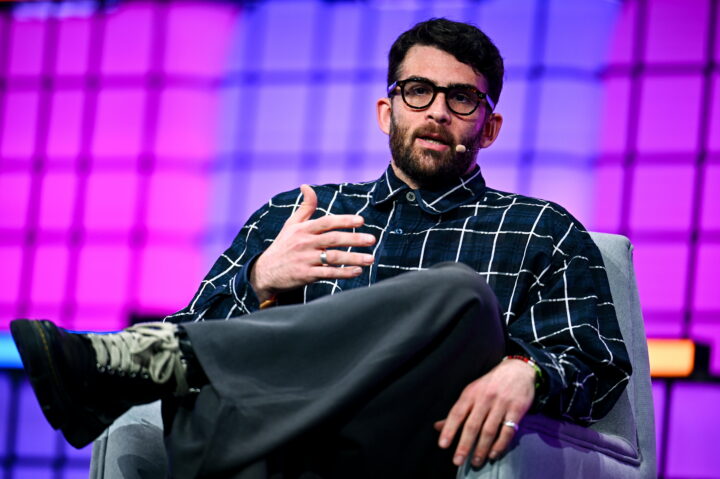
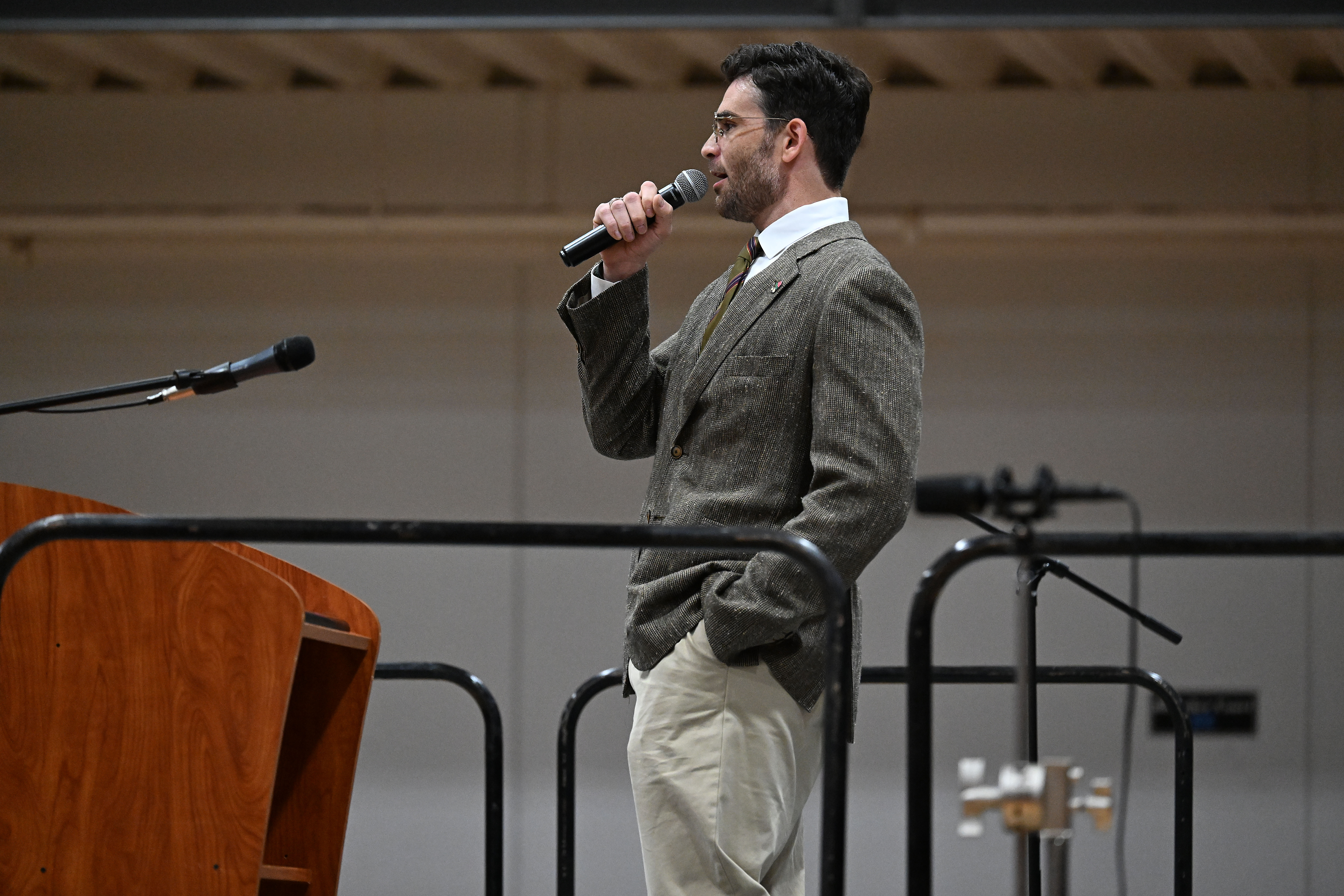
Shauna Clinton/Sportsfile for Web Summit Qatar via Getty Images
Hasan Piker during day two of Web Summit Qatar 2026 at the Doha Exhibition and Convention Center in Doha, Qatar.


 Add JewishInsider on Google
A useful rule of thumb to live by: Social media isn’t real life.
But one of the challenges in the brave new world of media is that extremist influencers can often create the perception of influence simply by dominating so much of the online discourse.
Hasan Piker, a far-left streamer who has been the subject of favorable media profiles despite a laundry list of antisemitic and terror-justifying rhetoric, is a case study in how traditional journalists normalize extremists — and how politicians conclude there’s a marketplace for radical views in the electoral marketplace, even when it’s typically a mirage.
In part because Democrats have been desperate to find anti-establishment voices that claim to speak for young men, Piker is seen as a popular, edgy podcaster by liberal leaders in both media and politics. (Nevermind the fact that Piker gets only about 36,000 viewers on a typical stream — about 1/25th of the typical nighttime audience of MS NOW, as The Atlantic’s David Frum pointed out.)
The New Yorker invited Piker to speak at its annual festival, treating the antisemitic streamer as just another one of the many thought leaders in attendance. Leading progressives, such as Sen. Bernie Sanders (I-VT) and Rep. Alexandria Ocasio-Cortez (D-NY), joined him at rallies and on his show.
And a handful of leading Democratic presidential contenders — most notably California Gov. Gavin Newsom — expressed interest in going on his show.
This, despite the fact Piker has justified Hamas’ Oct. 7 terror attacks, forcefully denied some of the terror group’s atrocities, has called Orthodox Jews “inbred” and claimed America deserved 9/11.
Any one of those comments on their own would have typically disqualified anyone from playing a part in our political discourse. Yet in the wave of glowing profiles, Piker’s antisemitism and anti-Americanism didn’t even merit a mention.
It wasn’t until March 19, when Third Way President Jon Cowan and Lily Cohen, a press advisor from the center-left think tank, took the initiative to co-write a column for The Wall Street Journal calling out Piker’s antisemitism without any caveats. The decision to call out the crazy — when few in the press or politics had the courage to do so — was a moment that proved that one principled voice in defense of normalcy can break the mirage of those who believe there’s a political marketplace for this garbage.
The op-ed, headlined “Democrats Are Too Cozy with Hasan Piker,” generated outsized attention, in a way that previous efforts to spotlight Piker’s antisemitism hadn’t. Reporters who once gave Piker a free pass were now asking Democrats whether they agreed with his extremist positions.
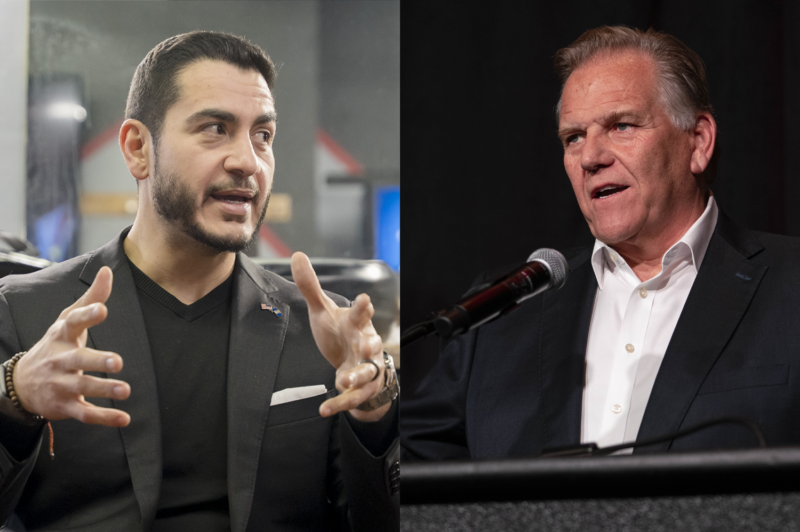
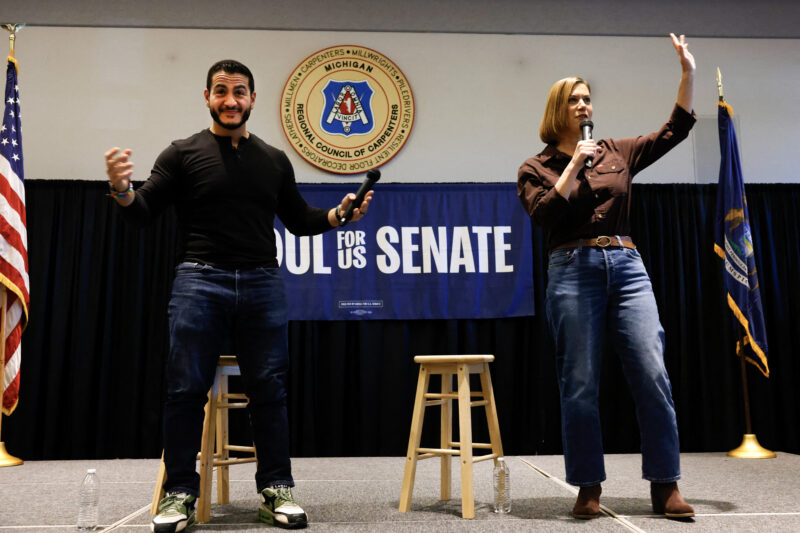
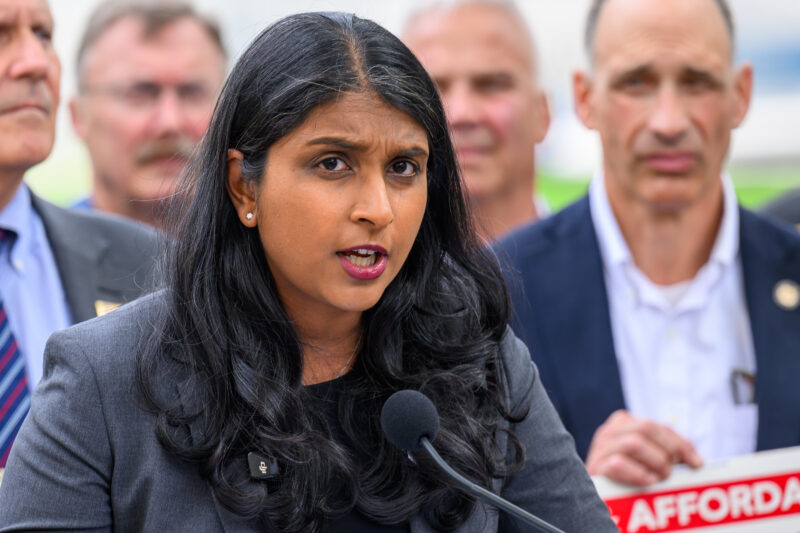
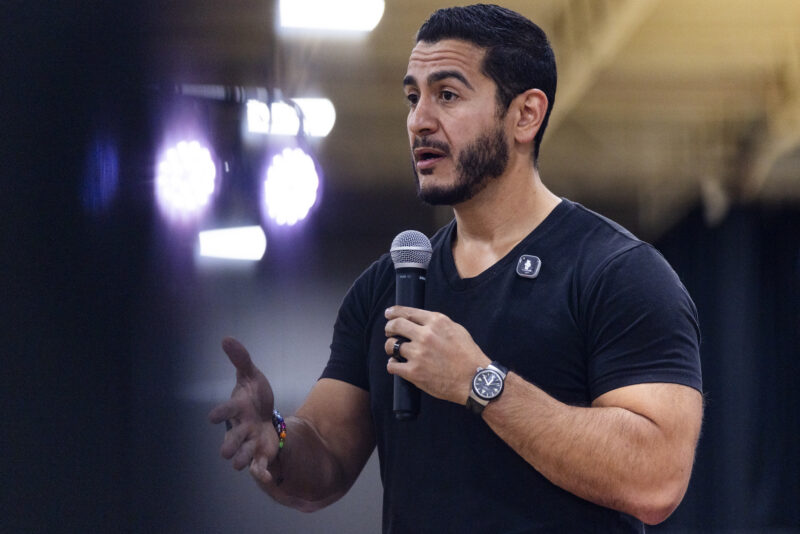
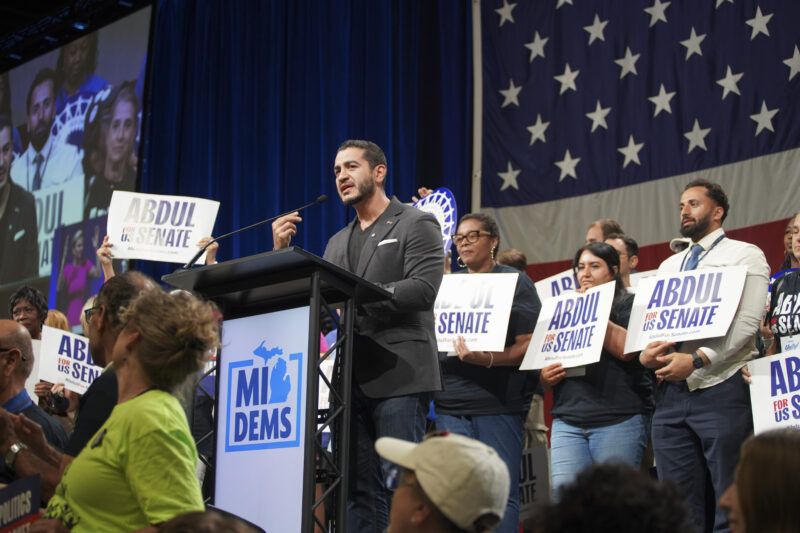
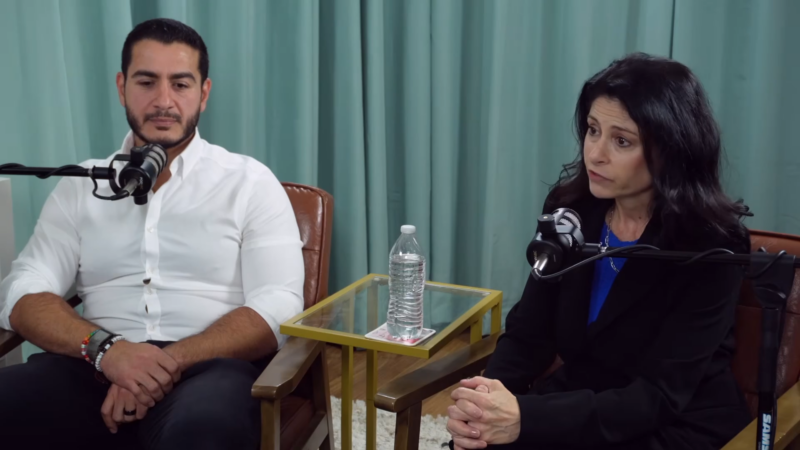
Suddenly, when presented with his indefensible comments, some Democrats started building up enough courage to speak out against him. First, it was Rep. Brad Schneider (D-IL), head of the moderate New Democratic Coalition, who called Piker an “unapologetic antisemite.” Then, state Sen. Mallory McMorrow, running for the U.S. Senate in Michigan, told JI that Piker is “somebody who says extremely offensive things in order to generate clicks” — and called on one of her primary opponents, Abdul El-Sayed, to cancel a scheduled rally with him.
Even left-wing lawmakers and candidates — such as Maine Senate candidate Graham Platner and a progressive Democratic state legislator from Michigan — canceled scheduled appearances with Piker.
By the end of the month, only three of the 14 prospective Democratic presidential candidates that Politico interviewed said they would appear on a livestream with Piker if invited. That marks a sea change from just weeks earlier, when he was being treated as the trendy fad in progressive politics.
The dynamic is a reminder that the delusions of a social media echo chamber will persist unless they get confronted by political reality. Sometimes that reality is as simple as speaking up against craziness when everyone else is afraid to speak the truth.
It would be heartening to conclude that this episode is proof that antisemitism can be confronted when good people speak up.
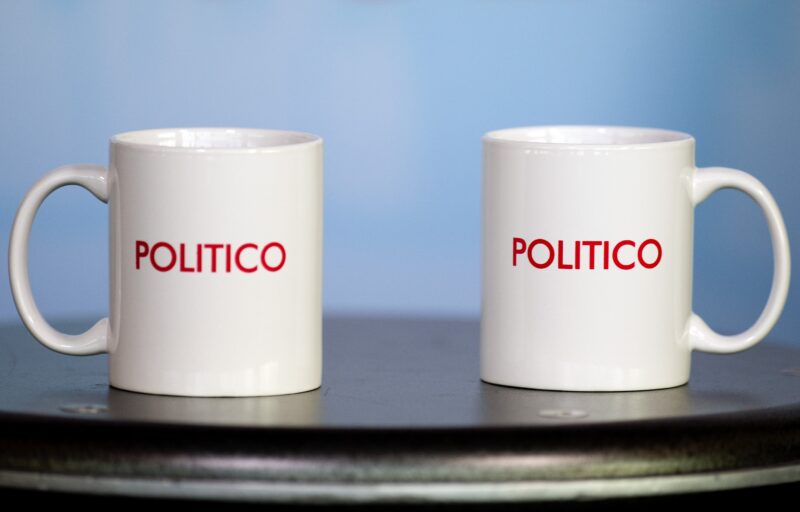
But this past week also featured Politico publishing a virulently antisemitic cartoon that could have been drawn from the Nazi tabloid Der Sturmer — one that they pulled from their website and apologized for. This is the same publication, owned by Axel Springer, that gave Piker a credulous interview last year making no mention of his extremism. (And last week, it also blatantly misrepresented leading Democrats’ comments on AIPAC to manufacture an anti-Israel narrative.)
It all goes to show that the antisemitic rot fueled by social media is entering into the mainstream. It will take more brave and principled voices like Cowan and Cohen to stem the tide.
More Stories

CAMPUS CHRONICLES
The freshmen on Oct. 7, 2023, who became Jewish leaders in the terror attacks’ aftermath
ON THE HILL
Republicans squabble over pro-Israel provision in NDAA

TOEING THE LINE
Menin, Levine call for ‘focus’ on Oct. 7 victims — but don’t condemn Mamdani

analysis
From Oct. 7 to FlyDubai, ordinary Israelis keep filling the gaps left by the government

TORAH AND TAXES
First female Haredi candidate promises reform to ultra-Orthodox politics

EXCLUSIVE
Bipartisan House resolution honors pilot, passengers who stopped FlyDubai hijacking
Please log in if you already have a subscription, or subscribe to access the latest updates.
 Continue with Google
 Continue with Apple