


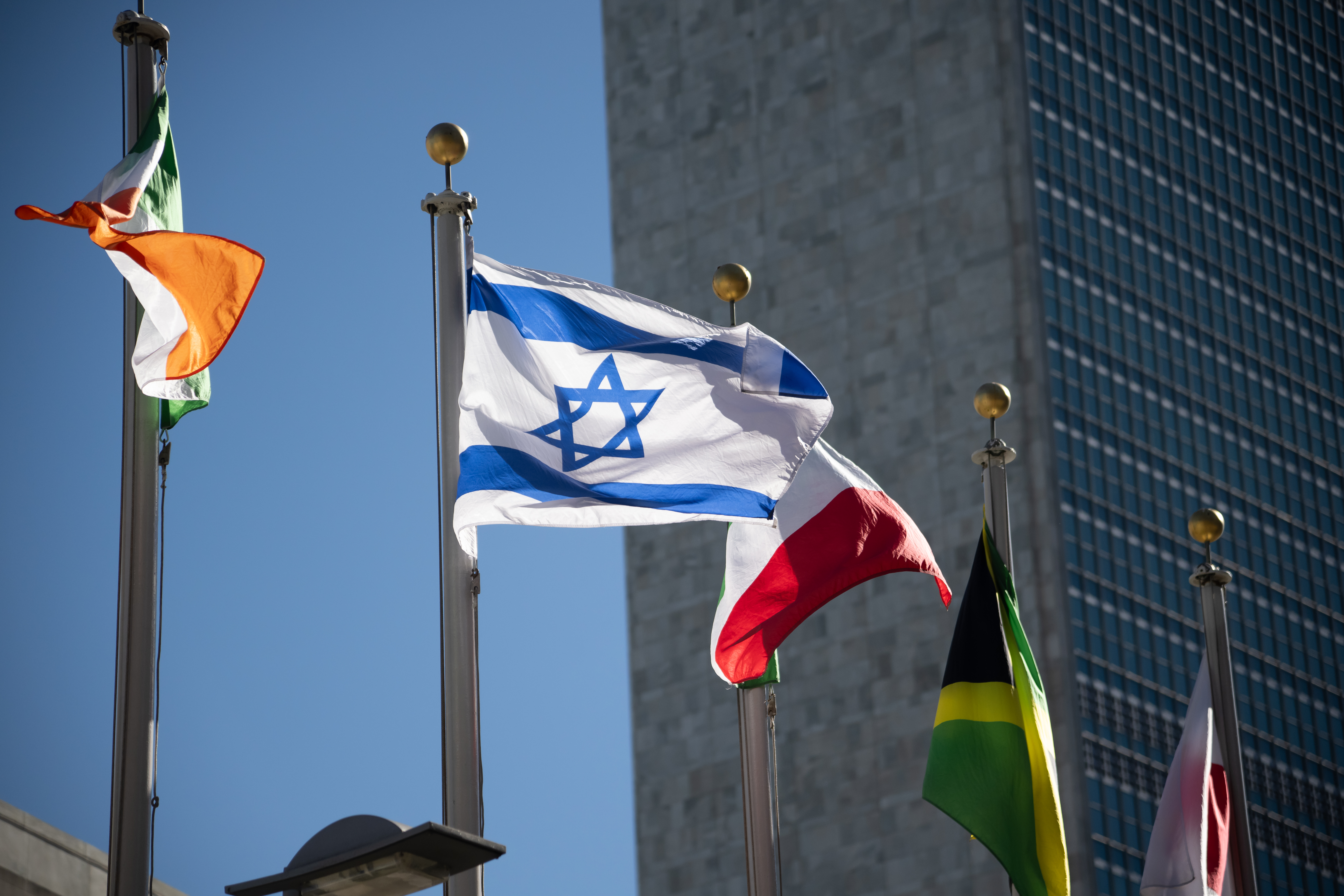
How Oct. 7 transformed Israel’s relations with the world


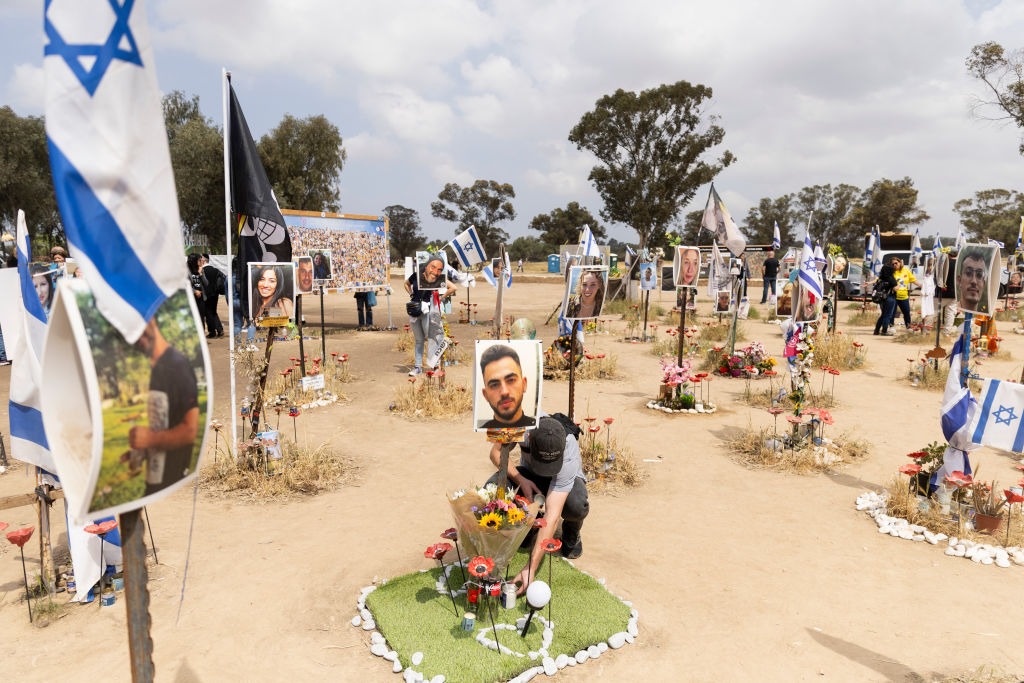
Soon after Oct. 7, the outpouring of support for Israel from many corners of the world was heartwarming. But subsequent events have seemingly illustrated that, as novelist Dara Horn aptly wrote, people love dead Jews. The Jews who fight back? Less so.
Immediately after the deadliest day for Jewish people since the Holocaust, most of the Arab and Muslim world had little sympathy for the victims of the Oct. 7 attacks and was more worried about what Israel would do in response; Russia and China responded similarly. Weeks later, members of the European Union were accusing Israel of “indiscriminate killing.” Many countries have stopped arms sales to Israel. Two years later, the European Commission is considering suspending free trade with the Jewish state.
Yet there are a few bright spots. Israel’s relations with Abraham Accords countries remain, and the UAE has been a partner in finding constructive solutions for the day after in Gaza. On the heels of Israel’s attack on Iran’s nuclear program, German Chancellor Freidrich Merz said that Israel is doing the world’s “dirty work,” and Argentina’s president, Javier Milei, remains an enthusiastic supporter of Israel. Most significantly, the Trump administration continues to tell Israel it can “do what [it has] to do,” despite growing anti-Israel sentiment in the U.S.

Sen. Lindsey Graham (R-SC)
South Carolina Senator
“There is the Middle East before Oct. 7 and there is the Middle East after Oct. 7. The attack was motivated by a desire to stop normalization between Saudi Arabia and Israel — which was close to being realized — building on the Abraham Accords. The biggest change is that support for the two-state solution is at an all-time low in Israel and the animosity toward Israel on the Arab streets is at an all-time high. It is imperative that not only Hamas, but also Hezbollah, be eliminated before we can expect Israel to go back to the table in the same manner as before. Because of the Oct. 7 attacks, until all Iranian proxies of significance are contained, the first steps on the path toward normalization cannot be taken.”
Rep. Debbie Wasserman Schultz (D-FL)
Co-chair of the House Abraham Accords Caucus
“The two-year aftermath of the nightmare of Oct. 7 posed constant challenges to the Abraham Accords, threatened progress toward normalization with Israel and demonstrated why these efforts are so important. Diplomacy freed more than 100 hostages from Hamas captivity. Security cooperation between Israel and Arab nations helped protect American servicemembers and vessels from terror, while Iran and its proxies are weaker than at any time in recent memory. Clearly, while ensuring that Hamas is fully removed from Gaza is essential, commitment and investments to broaden and deepen the Abraham Accords are still the best path toward lasting peace.”

Nikki Haley
Former U.S. ambassador to the United Nations
“Lost in the focus on the painfully long war in Gaza is the vast improvement in Israel’s regional security since Oct. 7. The Iranian nuclear program is badly damaged, Hezbollah is largely destroyed, Hamas is functionally dead and the Assad regime is gone. Israel is wise to stay strong despite the world preferring it be weak.”
Dan Shapiro
Former U.S. ambassador to Israel and senior Biden administration official
“The atrocities of Oct. 7, and the participation of Iran and its terrorist proxies in the war that followed, actually reinforced the logic of the Abraham Accords and regional integration: namely, that a coalition of forward-looking, U.S.-aligned moderates wants a better region of peace, prosperity and cooperation, and they are resisted by an axis of extremists who want war, terror and destruction. When the war ends, with the Iranian axis gravely weakened, it should be possible to resume the work of integration, and bring in new partners like Saudi Arabia, Lebanon, Syria and Indonesia, with support from the United States, Europe and India.
“But Arab states who previously were willing to look past the Palestinian issue now insist on a credible path to a Palestinian state. That poses a huge challenge to Israeli society, which seeks integration but is understandably not ready to envision a Palestinian state while Hamas still holds hostages, and while the nightmare of another Oct. 7 does not seem impossible, including from the West Bank. Finding a way to square this circle may be required for Israelis and Palestinians to achieve a better future, and for Israel to find its way out of the rising wave of international isolation that is affecting the lives of its citizens.”

Rep. Brad Schneider (D-IL)
Member of Congress representing Illinois’ 10th Congressional District
“Oct. 7 showed the world exactly what Iran-backed Hamas is: a nihilistic, genocidal terrorist organization determined to eliminate Israel and kill Jews anywhere, at any cost. Though the horrific war that followed Oct. 7 has divided the world, our nation and our communities in many ways, I am hopeful that, with the Arab nations, Europe, the U.S. and Israel (and hopefully Hamas) all supporting a common plan to end the war and rebuild Gaza, the world can now unite around a shared vision for a more just, peaceful, and prosperous Middle East, building on the promise of the Abraham Accords.”

Shira Efron
Distinguished chair for Israel policy at RAND Corporation
“Two years post-Oct. 7, the juxtaposition of the continuation of the war in Gaza in the name of an elusive objective with no strategy to achieve it, and Israel’s incredible military achievements on other fronts, could not be more stark and concerning. Across the Middle East, Israel has de facto replaced the U.S. as the security guarantor. Its actions have opened up opportunities for Lebanon and Syria to stabilize and rebuild for the first time in decades, and exposed that Iran is not 10 ft. tall. To this day, Israel remains the only actor fighting the Houthis. Ironically, while Israeli leaders assume that by changing the Middle East, they incentivize the country’s formal and informal Arab partners to further regional integration, they in fact remove the immediate incentives to follow the path. When Israeli actions in the region, such as the strike on Hamas’ leadership on Doha, are seen as overreach, and combined with the horrendous reality in Gaza, regional cooperation and normalization look more remote. Hopefully as we are all praying for the return of the hostages and a near end of the war, Israel will turn its kinetic accomplishments across the region, including in Gaza, into strategic diplomatic victories.”

Meir Ben-Shabbat
Former Israeli national security advisor and head of the Misgav Institute for National Security and Zionist Strategy
“The Oct. 7 attack was the most-documented terror attack in human history. … The documentation gave the world clear proof of what happened and a reminder that the ideas, the evil and the cruelty of the Nazis is still here, even if it is under a different guise. Hitler’s book Mein Kampf was found in homes in the Gaza Strip that were raided by IDF soldiers during the war, only strengthening this connection. The world forgets quickly. Some even deny it, audaciously accusing Israel, the victim of the atrocities, of committing war crimes. German Chancellor Freidrich Merz may have said a few months ago that ‘Israel is doing the dirty work for all of us’ about Israel’s attack on Iran during Operation Rising Lion, but his words are true about Israel’s war in Gaza.
“The Oct. 7 attack is a reminder that monstrous evil still exists among us and it requires countries that want to live to always remember this. Words are not enough, they must act unceasingly to fight it. The enlightened world must examine international war that is meant to protect from atrocities so that it is not used to protect terror and those who commit atrocities against civilians.”

Emilie Moatti
Hostages and Missing Families Forum diplomatic team member and former Labor MK in Israel
“Oct. 7 was the greatest disaster that happened to the State of Israel and the Jewish people since the Holocaust. It was a biblical-level disaster. It was also a watershed moment for Israel’s policies over the years that stemmed from the assumption that the conflict could be managed, that its greatest enemies could be silenced with money and quiet could be bought. This paradigm was totally disproven. The best act for security is to strengthen moderate forces, eradicate terror groups and create an appropriate regional alternative that will protect the security and interests of the State of Israel and bring the region to grow and flourish.”

Mark Dubowitz
CEO, Foundation for Defense of Democracies
“Israel lives on a split screen: to the east, and specifically the Middle East, it has reasserted overwhelming military and intelligence dominance, making clear that no terrorist or regime complicit in Oct. 7 has immunity. To the west, however, Hamas and its often Qatari-funded enablers in the U.N., academia, media and NGOs have recast Israel as [a] pariah and flipped the narrative. A new generation of Israelis — warriors, innovators and builders — must now take the political reins to secure Israel’s strength abroad while retaining its unmatched power in the Middle East.”

Robert Satloff
Executive director, The Washington Institute for Near East Policy
“Israel has certainly won all the key battles since Oct. 7 but given that war is, as Clausewitz explained, politics by other means, it is too early to tell who the victor really is. Israel as Sparta was never the Zionist dream; despite repeated defeats by Hamas and other elements of the Iran threat network, Israel’s enemies have made great strides toward turning the Jewish state into an isolated, hyper-militarized island in a sea of rancor and animosity. But two years after Oct. 7, their success — their victory — is by no means assured. If Israel can marry its tactical prowess with so-far-missing strategic vision, then peace, security and regional integration remain within its grasp. Hopefully, the Trump peace plan gives Israel the opportunity to do just that.”
Leah Soibel
Founder and CEO, Fuente Latina
“One of the clearest lessons since Oct. 7 is that hasbara is obsolete. When our story doesn’t connect, bad actors hijack our lived experiences for their own purposes, and the world believes them. In the past two years, by engaging thousands of Spanish-speaking journalists in the U.S. and globally, Fuente Latina has proven that authentic, culturally fluent storytellers move audiences and shape reality across the Hispanic world. On the global stage, it can feel like we stand alone as some leaders hide behind virtue signaling. Yet we do have allies, and anyone committed to strengthening these bonds must communicate strategically beyond the echo chamber. There is repair work ahead, but the next chapter of our story is ours to proudly narrate, not merely ‘explain.’”

Rabbi Ammiel Hirsch
Senior rabbi of Stephen Wise Free Synagogue in New York City
“Historians might look back and mark Oct. 7 as the day that could have been. With all of the devastation and destruction, it might have been catastrophically worse. What would have happened had the entire Iranian ring of fire, meticulously and patiently constructed over 20 years, attacked all at once and from every direction: Hamas in Gaza, Hamas in the West Bank, Hezbollah from the north, joined by jihadis from Syria — all under the cover of hundreds of Iranian ballistic missiles raining down from the east on both civilian and military targets? Israel might have been overwhelmed. At the very least, tens of thousands would have been killed, and hundreds more kidnapped to Lebanon. This is the context that will shape my thinking for the rest of my life. Oct. 7 upended decades of my assumptions and humbled me. It has reoriented my approach to American Jewish leadership and redefined my sense of responsibility to the Jewish community. Oct. 7 forever changed Jewish history. The repercussions for Israelis and world Jewry will radiate for decades to come.”

Meredith Jacobs
CEO, Jewish Women International
“Oct. 7 introduced us to the horrors of the use of rape as a weapon of war. But while we understand that instances of conflict-related sexual violence are often met with silence, what happened to the Israeli victims and survivors was different. They were deemed unworthy of sympathy. What happened to them was justified. We learned that for decades university women’s studies programs were infused with an anti-Israel bias, ensuring that not only the feminist leaders of today, but those in the future would apply a double standard to Israeli victims. We also felt the ripple effect in the U.S. as secular domestic violence agencies refused to partner with Jewish Women International on trainings because ‘[their] staff supports Gaza,’ [and] as students deemed ‘Zionist’ were banned from campus sexual assault survivor groups.
“The global silence, disinformation and denial of the sexual atrocities of Oct. 7 ignited a fierce bond between American Jewish and Israeli women. We felt it viscerally — their pain is our pain. Their bodies are our bodies. Together with Seed the Dream Foundation, JWI launched the I Believe Israeli Women Global Movement. Today, 40 Jewish organizations form a coalition within the movement, standing not only in solidarity, but in sisterhood. We lift the voices and work of Israeli women activists, experts, leaders, and survivors. Along with more than 20,000 people in eight countries of our global movement, we ensure that the truth of the sexual atrocities of Oct. 7 and with the hostages will not be erased or forgotten.”
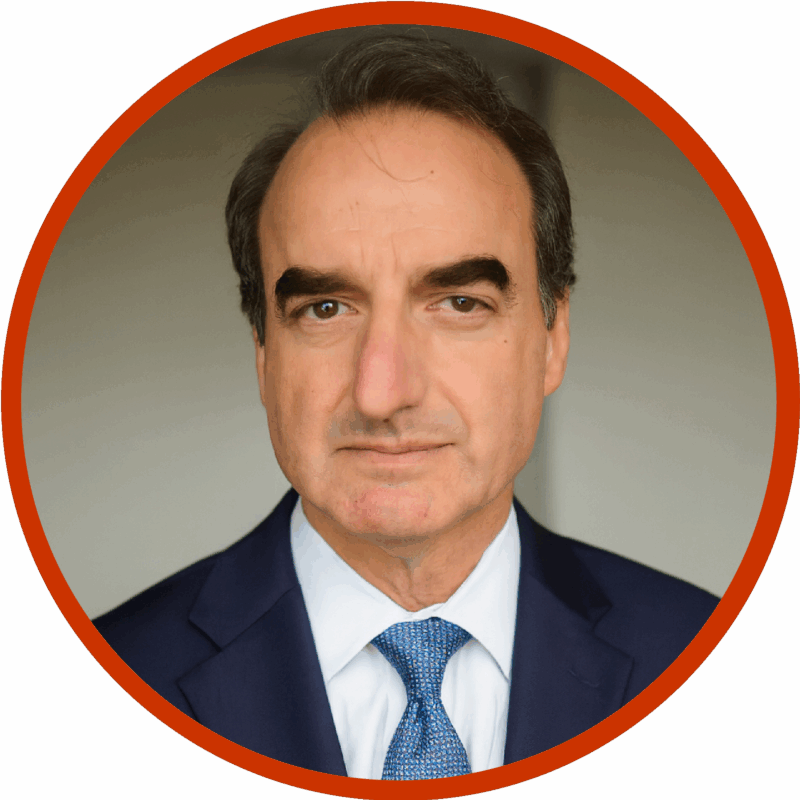
Jason Isaacson
Chief policy and political affairs officer, American Jewish Committee
“From AJC’s diplomatic engagement over the last two years, we’ve seen an intensification of both negative and positive attitudes toward Israel, often in the same individuals. After the initial — short-lived in too many cases, and not always publicly expressed — outpouring of sympathy and solidarity with Israel in response to the atrocities of Oct. 7, we saw an evolution of reactions to Israel’s military response to the attacks it was facing on multiple fronts: from understanding of the imperative of Israeli decisiveness, to concern about ‘disproportionate’ action (a familiar trope), to impatience with the war’s duration — and, of course, amid saturation and often biased coverage, growing condemnation of the war’s humanitarian toll. At the same time, we repeatedly heard — including from Arab interlocutors – about the necessity of destroying Hamas and pushing back against the Iranian regime’s campaign of regional destabilization, and admiration, even awe, for Israel’s intelligence and military achievements in so significantly redrawing the strategic and political map of region — from Gaza to Lebanon to Syria and to Iran. When the hostages are home and the war is finally over, strained international and regional relations will need to be repaired, and many of us will be involved in that — but the value proposition for ties with Israel and for Israel’s full integration in the Middle East remains solid. We will continue to build on that.”

Emmanuel Navon
International relations lecturer, Tel Aviv University
“The initial reaction of European leaders and public opinion to the events of Oct. 7 was one of horror and condemnation. In the days that followed, most European leaders traveled to Israel to express solidarity. Yet, once Israel launched its military operation in Gaza, warnings about civilian casualties began to emerge. Since Oct. 7, Israel has become a focal point of Europe’s political divide. On the right, it is viewed as an embattled ally, while on the left it is increasingly demonized. This division reflects deeper cultural and ideological fault lines: Those seeking to dismantle Western civilization — whether Islamist or radical progressive — regard Israel as both its embodiment and its shield, whereas those committed to preserving the Judeo-Christian heritage recognize Israel’s struggle as their own.”

Michel Gurfinkiel
French journalist
“Europe’s growing hostility toward Israel since Oct. 7 reflects the fact that it is becoming less European by the day. A collapsing birthrate [in Europe] has opened the door to mass immigration, and that wave is steadily undermining Europe’s political institutions and moral compass. Nowhere is this clearer than in left-governed or left-leaning countries, where electoral reliance on Muslim immigrant communities or a geopolitical alliance with the ‘Global South’ has locked the political class into an anti-Israel posture. By contrast, those nations led by the right or turning to the right, which see the defense of Europe’s democratic culture as paramount, tend to stay supportive of Israel.”

Hayvi Bouzo
Syrian-American journalist and founder of Yalla Productions
“The horrific Oct. 7 attack, engineered by Iran-backed Hamas to derail Israel-Saudi peace and dismantle the Abraham Accords, has backfired. Two years later, despite pressure on Israel from some European countries and waves of online disinformation, the Arab and Muslim worlds are moving in a very different direction. Israel’s success in dismantling Iranian-backed terrorist militias across the region has changed how people see it and the conflict. Instead of being painted as the problem, Israel is increasingly seen as the liberator; a force pushing back against the very evils that have destroyed Lebanon, Syria, Iraq, Yemen and even Iran itself.
“Far from crumbling, the Abraham Accords have held strong. In fact, peace might be spreading. A security agreement with Syria is now being discussed, and in a historic moment, Indonesia’s president, the leader of the world’s largest Muslim-majority country, has sent positive messages to Israel and the Jewish people in his U.N. speech. What was meant to kill normalization has only fueled it. Peace is not just surviving, it’s expanding in ways Tehran and its proxies, including Hamas, didn’t see coming.”
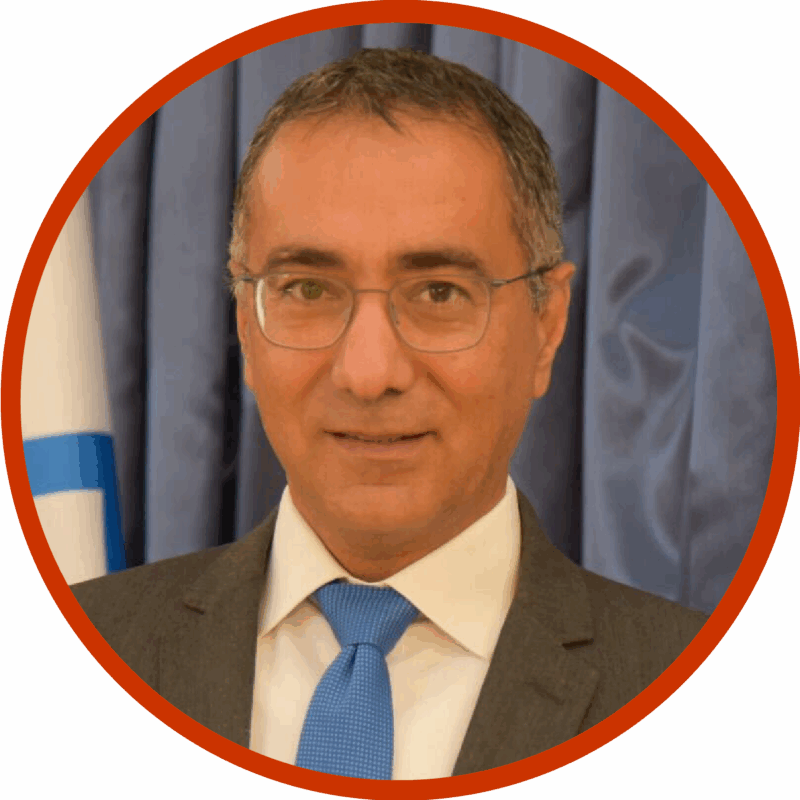
Gilad Cohen
Israeli ambassador to Japan
“Since the establishment of diplomatic relations in 1952, Israel and Japan have enjoyed a strong partnership rooted in democratic values, respect for our ancient traditions and a spirit of innovation. Following Hamas’ brutal attack on Oct. 7, Japan expressed clear solidarity with Israel — condemning Hamas, recognizing Israel’s right to defend itself, imposing sanctions on senior Hamas leaders, calling for the release of our hostages and standing firmly against antisemitism. We remain especially grateful to then-Foreign Minister Yoko Kamikawa, who became the first senior leader from Asia to visit Israel after the attack. Today, our relations continue to grow through high-level visits, economic and people-to-people cooperation, and Israel’s participation in Expo 2025 Osaka.”

Joseph Rozen
Former director of Asia-Pacific for Israel’s National Security Council, 2012-2022
“Since Oct. 7 … countries hostile to Israel and their partners, such as Russia and China, have intensified their rhetoric against Israel in light of the war, turning a blind eye to and even encouraging the spread of antisemitic content. Their motives include gaining favor among Global South nations and undermining the United States. This difficult situation has also affected Israel’s allies: As the war has dragged on, they have found it harder to maintain their support — a trend particularly evident in Europe and Asia.
“However, the geopolitical reality of the past two years has also highlighted Israel’s true partners on the international stage, including the United States, India, Czechia and Hungary. There have even been positive signals from unexpected quarters: Indonesia has maintained its support for the Palestinians but, rather than attacking Israel, has emphasized the need for tolerance and peace while advancing initiatives that would have been taboo in the Muslim-majority nation in the past. … Looking ahead, Israel must leverage the geopolitical shifts of the past two years to reshape its relationships with major powers and other nations.”

Doron Spielman
Former IDF spokesperson and former vice president, City of David Foundation
“A clear line has been drawn in the sand, between those who support Israel and those who condemn us, but what is without doubt is that Israel has shown enormous courage in the face of terror, led by the very young men and women once disparagingly called the ‘TikTok generation.’ Whether the world recognizes this now or only later, history unfolds over decades and centuries, not news cycles. The nations that condemn Israel today will one day face the same choices we were forced to confront on Oct. 7, and they will look back in bewilderment at how this courage was not seen when it first emerged.”
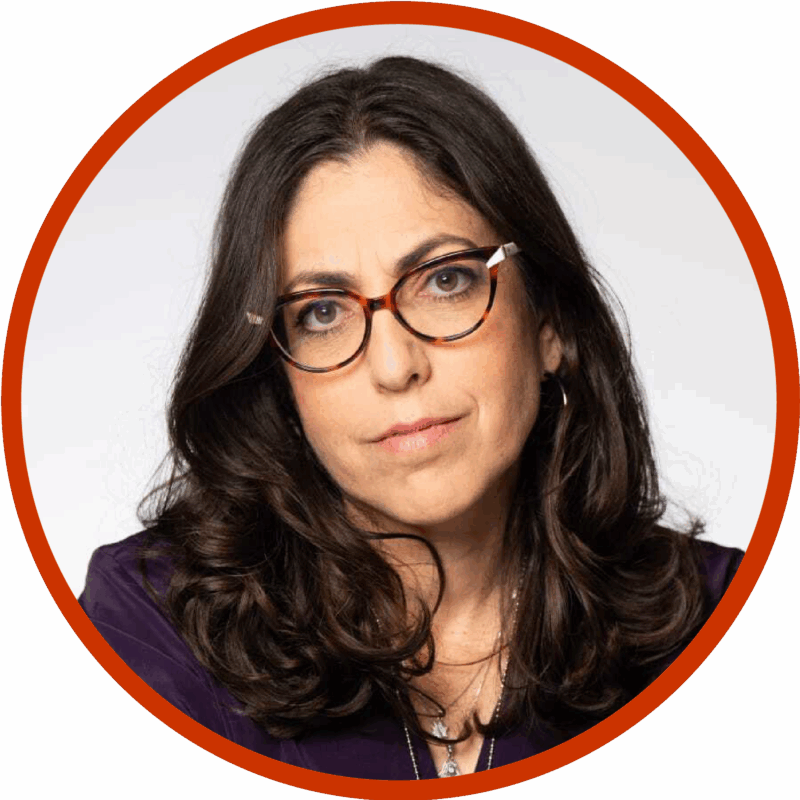
Sarit Zehavi
President of the Alma Research and Education Center in northern Israel
“Oct. 7 made me understand what could have happened to us, the people that are living up north. While we were all aware of the preparedness of Hezbollah to launch an invasion to Israel, we actually were not prepared to defend the communities next to the border. Today I’m very busy in this, in asking those questions: How do we make sure that in the future, once we are surprised, we will be prepared? Because it’s really difficult to defend communities that are literally on the fence when you have on the other side of the border an enemy that doesn’t want to see you live here. For me, I understand that we can no longer live as neighbors to Hezbollah, and we have to do everything we can to make sure that Hezbollah is not back on the other side of the fence again.”

Bruce Pearl
Former Auburn Tigers basketball coach and chair of the board of the U.S.-Israel Education Association
“Oct. 7 was a reality check for some, but for others like me, it was a confirmation that the Palestinian leadership was not interested in a Palestinian state, but in freeing what they call Palestine of all the Jews. Got news for you: We’re home and we ain’t goin’ anywhere.”

Noa Tishby
Author and former Israeli envoy for combating antisemitism, 2022-2023
“Fifteen minutes into the massacre, it became clear that we were facing an epic and generational disaster. Another tragedy that has befallen the Jewish people. The repercussions of that day and the war that followed will unfold for decades, but we must be prepared for them as soon as possible. The main shift in our post–Oct. 7 reality is the understanding that antisemitism and anti-Zionism are inseparable. ‘I know it when I see it,’ famously said U.S. Supreme Court Justice Potter Stewart. And now we see it: hatred of Israel is the new form of hatred of Jews, no matter where your politics lie. We are still in triage when it comes to the Oct. 7 war. We are still in the emergency room, the war is still going on and 47 of our brothers and one sister remain held in Gaza. But the generational work will actually begin when it’s over. That will be the time for us to recreate what it means to be Jewish and to recommit to Israel, and to what she represents for the diaspora and the rest of the world. We have a lot of work to do. But we have done this before, and we will do it again. Am Yisrael Chai.”
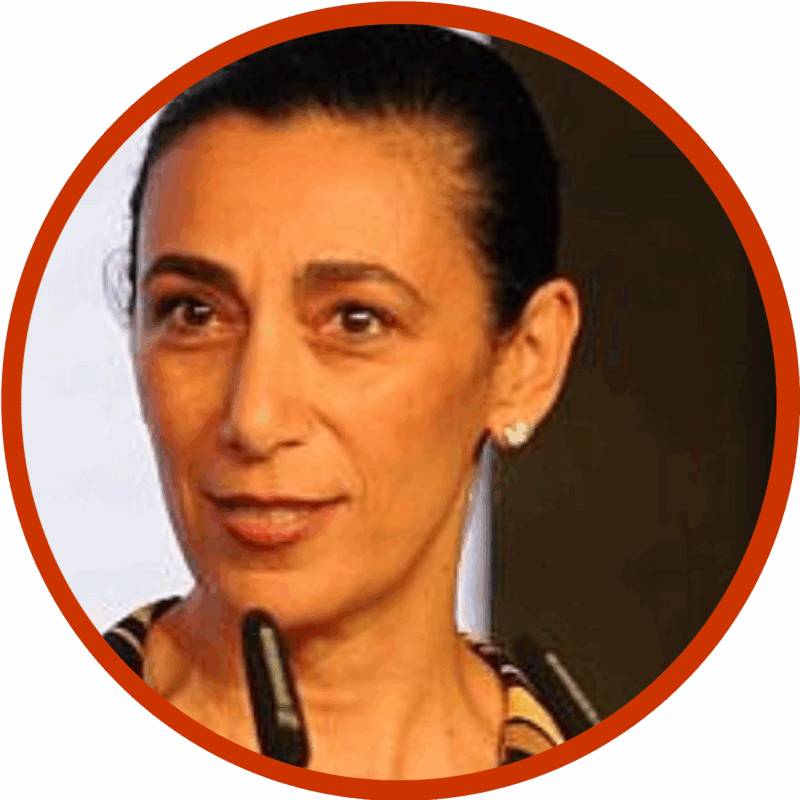
Sharon Nazarian
Philanthropist and president, Younes & Soraya Nazarian Family Foundation
“The 12-day war between Israel, the U.S. and Iran was the amalgamation of 45 years of the hopes and wishes of the Iranian Diaspora. Since the 1979 revolution, my family, like so many Iranians, have dreamt of the day that the Islamic fundamentalist regime would be forced out of power. The Oct. 7 atrocities added fuel to the fire of our hopes, knowing that the regime had funded and enabled Hamas’s barbarity. As we approach the second anniversary of Oct. 7, the debilitation of the Iranian regime and the message that has reverted across the world serves as a harbinger of hope for many Iranian Americans. And our aspiration that the global community has finally woken up.”
Read the Reflections
Two years after the Oct. 7 attacks in Israel, Jewish Insider asked leading voices to reflect on how that day transformed politics, diplomacy, education, advocacy, and Jewish life. Their reflections reveal the deep ripple effects of a single day — changes that continue to shape our world.


 Continue with Google
 Continue with Apple