
















AIPAC shows staying power in Illinois Democratic primaries
Pro-Israel candidates who received backing from AIPAC or AIPAC-aligned groups won two of the four targeted Democratic primaries in Illinois
Melissa Bean campaign page
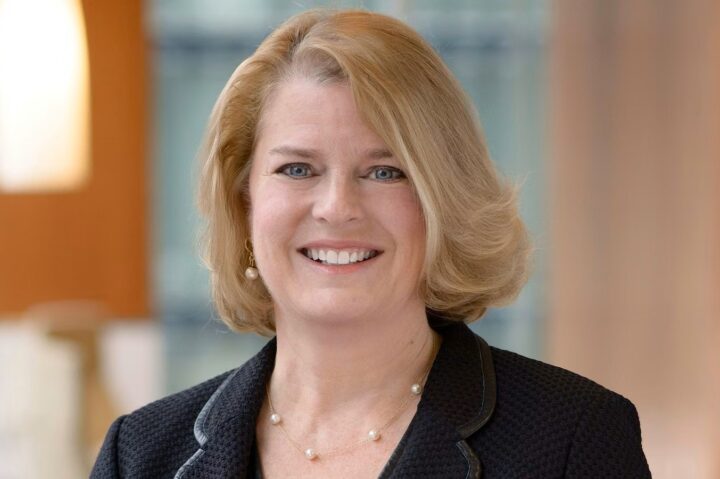
Former Rep. Melissa Bean (D-IL)


 Add JewishInsider on Google
Reports of the demise of AIPAC’s political clout in Democratic primaries, it turned out, were greatly exaggerated.
Pro-Israel candidates who received backing from AIPAC or AIPAC-aligned groups won two of the four targeted Democratic primaries in Illinois — and helped block all the Squad-aligned far-left candidates from winning nominations in all of the races.
It was a respectable, if not dominant showing, but one consistent with making an impact with the $22 million pro-Israel groups spent in the four open congressional races.
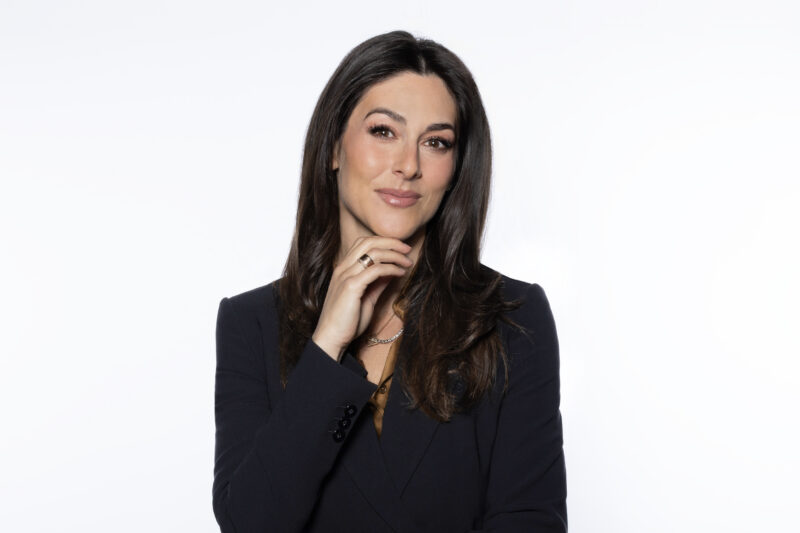
Former Rep. Melissa Bean (D-IL) held off a credible challenge from anti-Israel activist and businessman Junaid Ahmed, and looks like a lock to hold onto the suburban district as long as she wants.
Cook County Commissioner Donna Miller, who benefited from about $4.5 million in outside spending from a pro-Israel group, comfortably outdistanced former Rep. Jesse Jackson Jr. (D-IL) by a double-digit margin (41-29%) — even though Jackson entered the race as the favorite. The anti-Israel candidate in the field, state Sen. Robert Peters, finished in a distant third place, with only 12% of the vote.
AIPAC’s biggest setback came in the affluent Chicago lakefront seat of retiring Rep. Jan Schakowsky (D-IL), where Evanston Mayor Daniel Biss prevailed over pro-Israel state Sen. Laura Fine despite facing a barrage of attacks from an AIPAC-aligned group. But pro-Israel voters also dodged the worst-case outcome, with anti-Israel social media influencer Kat Abughazaleh finishing in second, and trailing badly in the district’s suburban precincts.
All told, Biss won with 30% of the vote, Abughazaleh finished with 26%, and Fine tallied 20%.
And despite AIPAC’s super PAC spending nearly $5 million in positive ads to boost Chicago city Treasurer Melissa Conyears-Ervin, state Rep. La Shawn Ford narrowly prevailed in the crowded primary, 24-20%. Ford was backed by retiring Rep. Danny Davis (D-IL), with the congressman’s political machine ultimately making a bigger difference than the money spent on behalf of Conyears-Ervin.
Anthony Driver, Jr. and Kina Collins, the two candidates running on anti-Israel platforms, lagged well behind in third and fourth place, tallying a combined 20% of the vote.
AIPAC managed to block all six of the far-left candidates it viewed as potential Squad-aligned lawmakers, which a source close to AIPAC told JI was the group’s top goal in the home stretch of the campaign — once it backed off of anti-Biss attacks that failed to dislodge him as the front-runner and Abughazaleh closed in in second place. AIPAC is treating that as a win as well.
One way of looking at the Illinois results from a pro-Israel perspective is to consider whether the representation of any of the seats will be more or less favorable as a result of Tuesday’s results.
Biss is a self-described “progressive Zionist” in the mold of Schakowsky, another Jewish left-winger who gradually evolved into a reliable critic of Israel as progressive politics surrounding the Middle East shifted. Both Schakowsky and Biss have been embraced by J Street. Call it a wash.
The retiring Danny Davis had a fairly rocky relationship with Chicago’s Jewish community, and supported placing restrictions on aid to Israel. If his handpicked successor Ford follows in his footsteps (and he said he wouldn’t commit to unconditional Israel aid), there won’t be any change in representation — for better or worse. (J Street also endorsed Ford’s candidacy.)
But in Illinois’ 2nd District, Miller will likely be a decidedly more favorable vote than Rep. Robin Kelly (D-IL), who campaigned as the candidate in the state’s Democratic primary most critical of Israel. That counts as a likely upgrade for pro-Israel forces in Chicago.
And Bean was one of the most moderate Democrats during her first stint in Congress, compiling a reliably pro-Israel record. She’s likely to maintain the same mainstream voting record that Rep. Raja Krishnamoorthi (D-IL) held during his House tenure.
So all told, the Illinois delegation is likely to be slightly more pro-Israel next year as a result of this year’s primaries. Given the tough headwinds AIPAC is facing, that’s not a small accomplishment — aided by the successful fundraising of its super PAC.
And even though pro-Israel groups didn’t weigh in on the Illinois Senate race, AIPAC sounded a positive note on Illinois Lt. Gov. Juliana Stratton’s victory over Kelly, whose recent actions, it said, “undermined the U.S.-Israel alliance.” Stratton’s leading opponent was Krishnamoorthi, whose record was viewed as the most pro-Israel of the three leading candidates.
Given that outgoing Sen. Dick Durbin (D-IL) has become a vocal critic of Israel, if Stratton is more aligned with AIPAC, that would also be an improvement for pro-Israel advocates in the state, or at minimum a wash.
Stratton’s win was also a big victory for Gov. JB Pritzker, who spent significant political and financial capital on behalf of his running mate in preparation for a potential presidential campaign — and came out a winner.
In the end, pro-Israel forces can be reassured that they held their own despite the rough political environment, defeated all of the most virulently anti-Israel candidates, and began to repair their image from the New Jersey blunder that set the cycle on a down note. Five states down, 45 to go.
More Stories
RIYADH'S RECKONING
Saudi Arabia’s Houthi crisis is partly of its own making, analysts say
FAMILY TRAGEDY
Israeli ambassador’s son seriously wounded in West Bank car-ramming attack
Daily Kickoff
Vance’s Shabbos Shuva
RIPPING ON RIYADH
Trump’s pick for Saudi ambassador once suggested kingdom is not a ‘true ally’
NO COMPROMISE
El-Sayed refuses to tone down Israel attacks despite prompting from Democratic podcast hosts
partnership pitch
Somaliland president discusses expanded military cooperation with U.S. officials
Please log in if you already have a subscription, or subscribe to access the latest updates.
 Continue with Google
 Continue with Apple