








































Politico’s AIPAC narrative misrepresents Democratic candidates’ views on Israel
Ambitious Democrats are still trying to figure out a political message that manages to keep pro-Israel voters within their coalition while reacting to the dramatic shift in public opinion towards the Jewish state within their base
Kyle Mazza/Anadolu via Getty Images
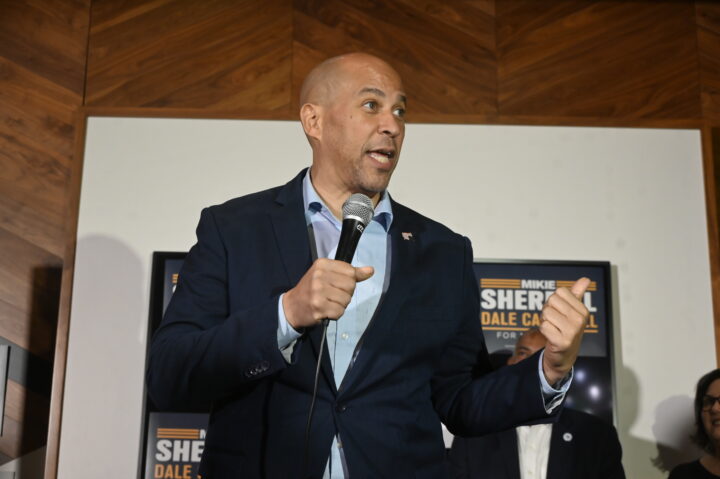
Sen. Cory Booker (D-NJ) speaks at a get out the vote rally in Camden, New Jersey, United States on November 2, 2025.


 Add JewishInsider on Google
You would think the media wouldn’t need to twist Democratic candidates’ views on Israel, given the challenges pro-Israel supporters are already facing within the party. But in a Politico story suggesting that Democrats are running away from AIPAC, the publication misrepresented the views of two leading presidential contenders — and ignored the latest pro-Israel comments made in its own pages by a top-tier candidate.
The story leads by noting pro-Israel Sen. Cory Booker (D-NJ) said he’s not taking PAC money from anyone and then twists his comments to suggest that he had shifted his views on AIPAC or his support for Israel. The omission (buried at the end of the story) is particularly egregious because in the same interview, Booker told Politico that he was troubled by the “singling out of AIPAC” compared to other American advocacy groups.
“Somehow, AIPAC seems to be drawing a lot of attention, and that’s problematic to me,” Booker said. That doesn’t sound like an example of someone turning on the pro-Israel advocacy group.
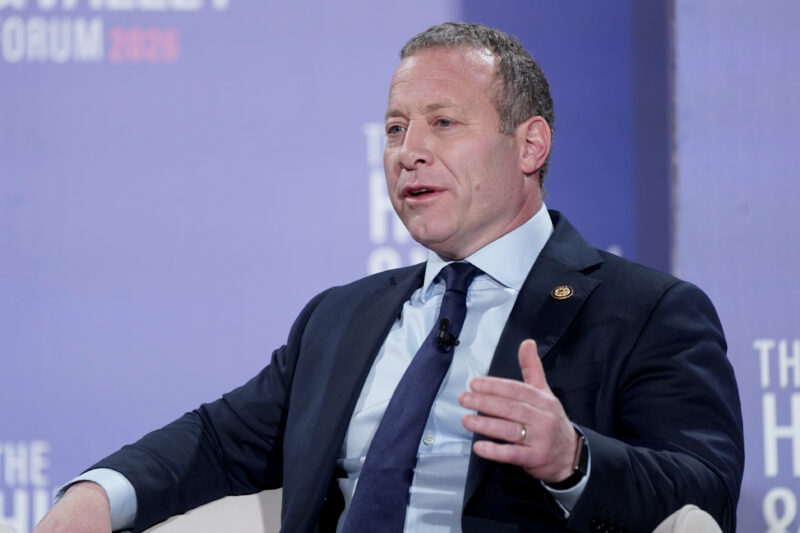
The story then cites Pennsylvania Gov. Josh Shapiro, one of the leading supporters of Israel in the party, as someone who’s flip-flopping on AIPAC for noting that as a governor, he’s never taken or solicited money from AIPAC. (Which is true, as a matter of fact, because AIPAC only spends money in federal races, not statewide campaigns.)
But that narrow, semantic statement was taken as evidence that Shapiro has changed his tune, when in reality he’s been speaking on left-wing podcasts in defense of the Jewish state, testing a measured, pro-Israel message as he mulls over a presidential campaign.
And perhaps most notably, the story avoids referencing Politico’s own interview with California Gov. Gavin Newsom published the same day, where he backtracked from his anti-Israel comments on the “Pod Save America” podcast earlier in the month. In the interview, Newsom said he “revere[s]” Israel and is “proud to support the state.” And he walked back his earlier comments that seemingly called Israel an apartheid state, saying he was only referencing a column by the New York Times’ Tom Friedman. This latest article appears to fit a pattern of anti-Israel content from Politico that stands in contrast to the pro-Israel stance of its parent company, Axel Springer.
To be sure, Newsom has been carefully calibrating his remarks to different audiences, and has distanced himself from AIPAC lately, in a shift from his longtime support for a close U.S.-Israel relationship. But his latest favorable comments towards the Jewish state — clearly intended as cleanup from his overly zealous criticism just weeks before — is a sign that Democratic candidates are still calibrating their views, not embracing the anti-Israel activists.
The reality is that ambitious Democrats are still trying to figure out a political message that manages to keep pro-Israel voters within their coalition while reacting to the dramatic shift in public opinion towards the Jewish state within their base.
And while it may be easy for Democrats to look at the polling and use AIPAC as a convenient boogeyman, the reality is that by embracing an anti-Israel worldview, candidates will end up dealing with the baggage that comes with the movement — from associating with antisemitic podcasters to championing Senate candidates that had Nazi-linked tattoos. That’s where the polling doesn’t fully reflect the implications of any anti-Israel shift within the party.
It’s a reminder of how so many Democrats running for president in 2020 looked at the polling reflecting the party zeitgeist of the moment and embraced a whole panoply of radical views, from defunding the police to embracing government-funded benefits for undocumented immigrants. That sudden shift to the far left, backed up by the primary polling of the moment, still haunts the party to this day.
It’s why most of the opposition against Israel is still confined to progressive spaces, as more mainstream Democratic candidates try to figure out how to balance concern over Israel’s right-wing government with support for the country itself. The Politico story, in its haste to declare waning support for Israel within the party, instead got nuanced responses that didn’t fit the narrative.
More Stories
VEEP'S VIEW
Harris says Biden should have done more to stop Israel’s ‘horrific conduct’ in Gaza
PREDECESSOR PROBLEMS
The Lander policy at the heart of Levine’s Israel bonds reversal

COURSE CORRECTION
ADL, Gratz College launch antisemitism training for college administrators, faculty
PRESIDENTIAL POV
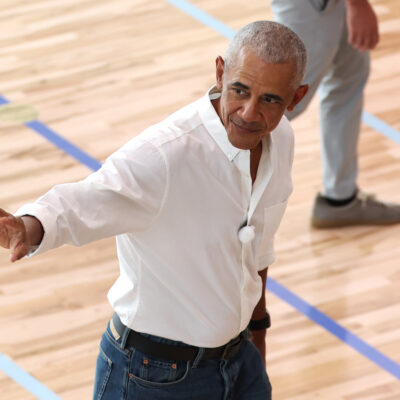
Obama scrutinizes Israel’s founding, says Palestinians want their ‘land back’
NUCLEAR NEWS
Senate expected to vote on Saudi nuclear deal before end of year
UNSETTLED POLICY
Trump WH sends mixed signals over response to European sanctions against Israeli settlements
Please log in if you already have a subscription, or subscribe to access the latest updates.
 Continue with Google
 Continue with Apple