


























At AMIA commemoration, State Department official blames Oslo Accords for wave of terrorism
Antisemitism envoy Yehuda Kaploun, who also spoke at the event, praised Argentina as having ‘transformed from a beacon where terrorism once reigned supreme to a beacon of Jewish life’
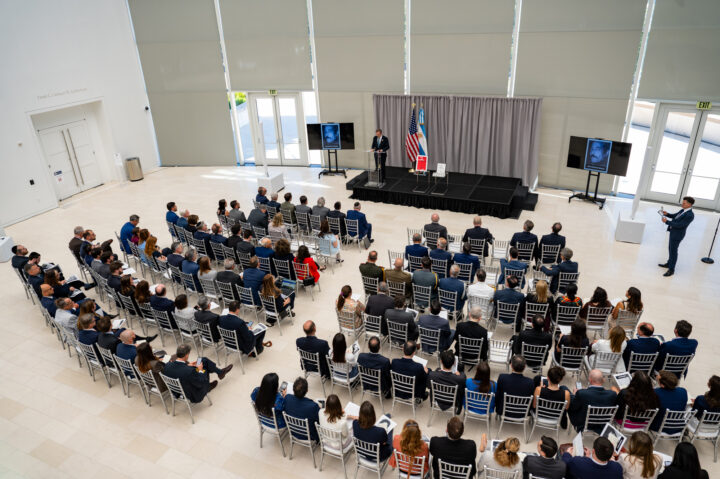
Embassy of Argentina
The State Department and Argentine Embassy in Washington host a commemoration ceremony for the 32nd anniversary of the AMIA bombing.


 Add JewishInsider on Google
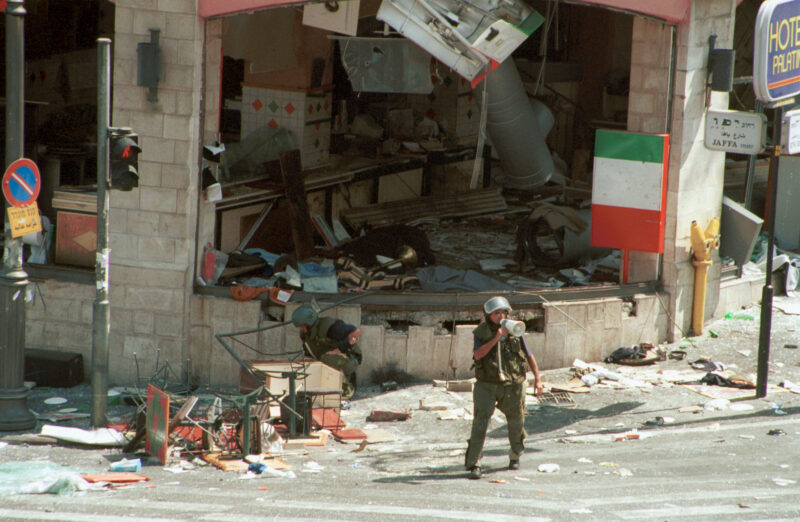
The State Department’s top legal advisor on Wednesday drew a direct connection from the signing of the Oslo Accords in 1993 — which sought to bring peace between the Israelis and Palestinians — to the global rise in Islamist terrorism, in remarks delivered at an event in Washington marking the anniversary of the deadly 1994 terror attacks on the AMIA Jewish Center in Buenos Aires. The suicide bombing, orchestrated by Hezbollah, killed 85 people and injured more than 300 others one year after the signing of the Oslo Accords at the White House.
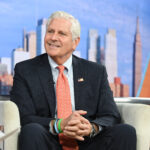
Diplomats, survivors of the attack, Jewish community members and State Department officials gathered on Wednesday at the U.S. Institute of Peace to commemorate the July 18 attacks, where U.S. and Argentine officials vowed to work together to fight Islamist terrorism. Reed Rubinstein, the State Department legal advisor, used his remarks to herald President Donald Trump’s efforts to fight terrorism, which he described as a course correction from decades of failed leadership.
“The fruit of those accords paradoxically included a massive increase in brutal terrorism,” Rubinstein said, referring to the Oslo Accords. “Oslo led to an unprecedented wave of suicide bombing and death.”
He criticized activists who called the dead “sacrifices to peace,” chastising them for using biblical language “to justify the murder of many as ‘unfortunate but necessary’ sacrifices on the path to peace.”
“In those days, and for so many years after, when moral clarity and truth telling were required, the leadership failed,” said Rubinstein. He took aim at institutions like the United Nations, universities and the media for failing to speak out against antisemitism — and placed blame on Trump’s predecessor, President Joe Biden.
“Candidly, prior to Jan. 20, 2025, the United States government more often than not failed, and in many cases failed spectacularly,” said Rubinstein. “But under President Trump, things have changed. Under his direction, the United States has taken and is taking decisive and unprecedented steps to fight antisemitism.”
Rabbi Yehuda Kaploun, the U.S. special envoy to monitor and combat antisemitism, called Argentina a “model for the world” in combating terrorism. He shared that two days earlier, during a visit to the South American country, he met with President Javier Milei and thanked him for designating Iran’s Islamic Revolutionary Guard Corps as a terrorist organization.
“Argentina has transformed from a beacon where terrorism once reigned supreme to a beacon of Jewish life,” said Kaploun.
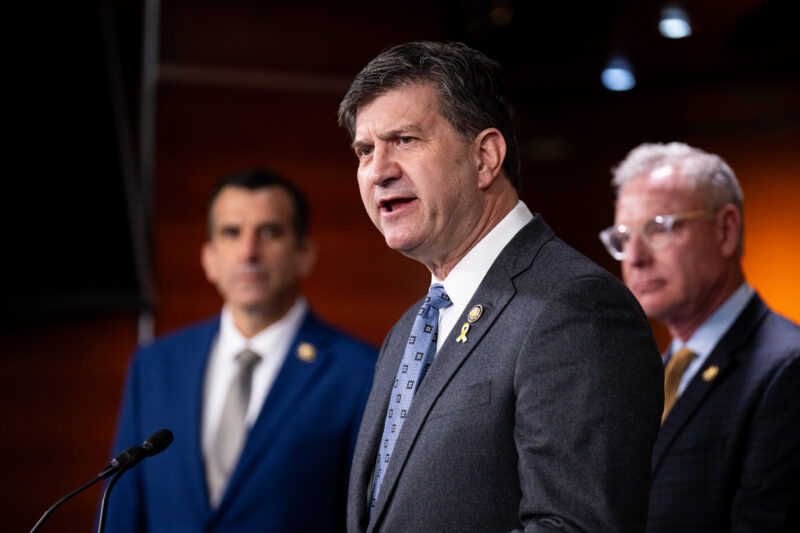
Other senior State Department officials at the event included Jacob Helberg, the under secretary of state for economic affairs; Thomas DiNanno, under secretary of state for arms control and international security; and the State Department’s counterterrorism coordinator, Gregory LoGerfo. Argentine Ambassador to the U.S. Alejandro Oxenford introduced the event, which was organized by Rep. Brian Mast (R-FL), chair of the House Foreign Affairs Committee.
More Stories
TEXAS TROUBLE
Ted Cruz slams Dems for not speaking out against College Dems’ Hasan Piker invitation
Norm-alizing?
Norm Eisen’s alliances with Israel critics raise eyebrows within Jewish community
Democracy Deficit
New report warns civics education crisis is fueling antisemitism, eroding support for Israel
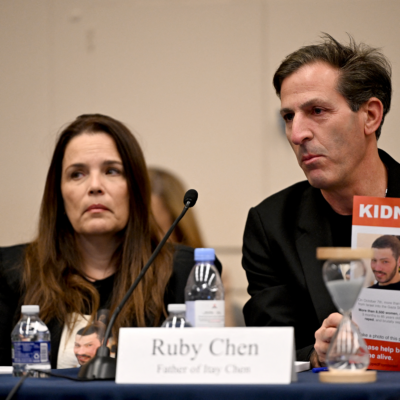
A FATHER'S LOVE
After son’s remains returned from Gaza, Ruby Chen continues his fight in Washington and beyond
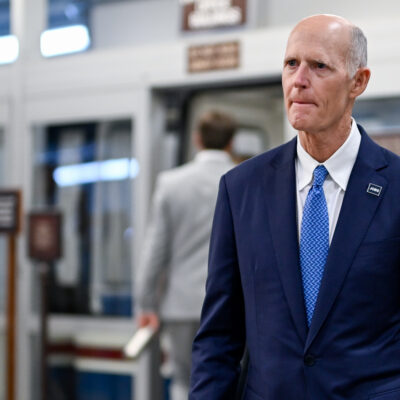
SCOOP
Sen. Rick Scott urges Trump to pave pathway for Canadian Jews to emigrate to U.S.
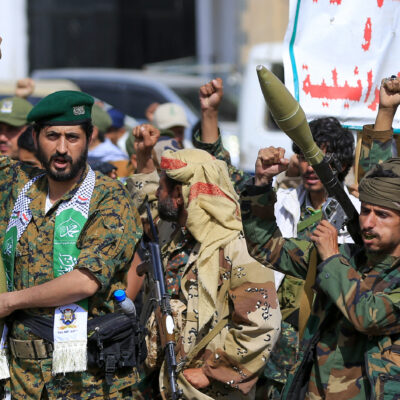
ON THE HILL
Senate Republicans urge Saudi response to Houthi attacks
Please log in if you already have a subscription, or subscribe to access the latest updates.
 Continue with Google
 Continue with Apple