

































Plus, Dems concerned over fraying Israel-Europe ties

Daniel Torok/The White House via Getty Images
President Donald Trump and Secretary of State Marco Rubio (R) sit in the Situation Room as they monitor the mission that took out three Iranian nuclear enrichment sites, at the White House on June 21, 2025 in Washington, DC.


 Add JewishInsider on Google
This P.M. edition is reserved for our premium subscribers — offering a forward-focused read on what we’re tracking now and what’s coming next. Please don’t hesitate to share your thoughts and feedback by replying to this email.
📡On Our Radar
Notable developments and interesting tidbits we’re tracking
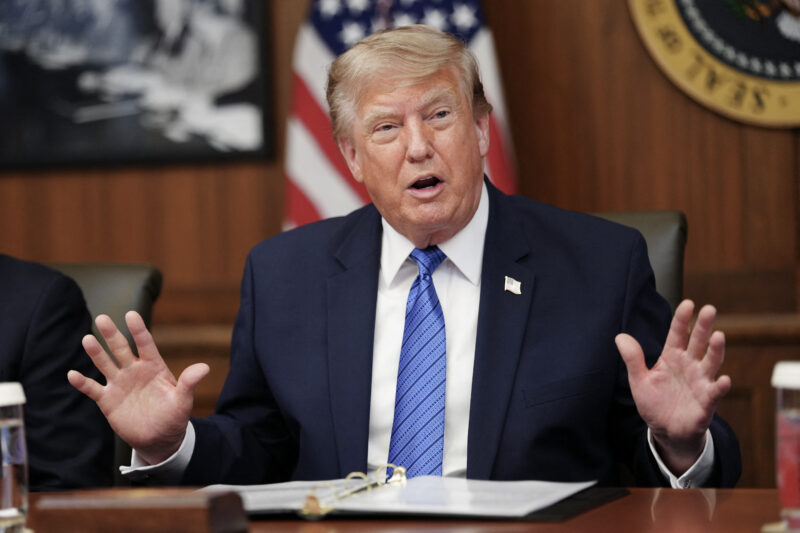
President Donald Trump announced this afternoon, with the status of negotiations with Iran up in the air and the expiration of the ceasefire quickly approaching, that he is indefinitely extending the ceasefire at the request of Pakistani negotiators (despite having said, as recently as this morning, that he was not inclined to do so).
“Based on the fact that the Government of Iran is seriously fractured … we have been asked to hold our Attack … until such time as their leaders and representatives can come up with a unified proposal,” Trump wrote on Truth Social. “I have therefore directed our Military to continue the Blockade and, in all other respects, remain ready and able, and will therefore extend the Ceasefire until such time as their proposal is submitted, and discussions are concluded, one way or the other”…
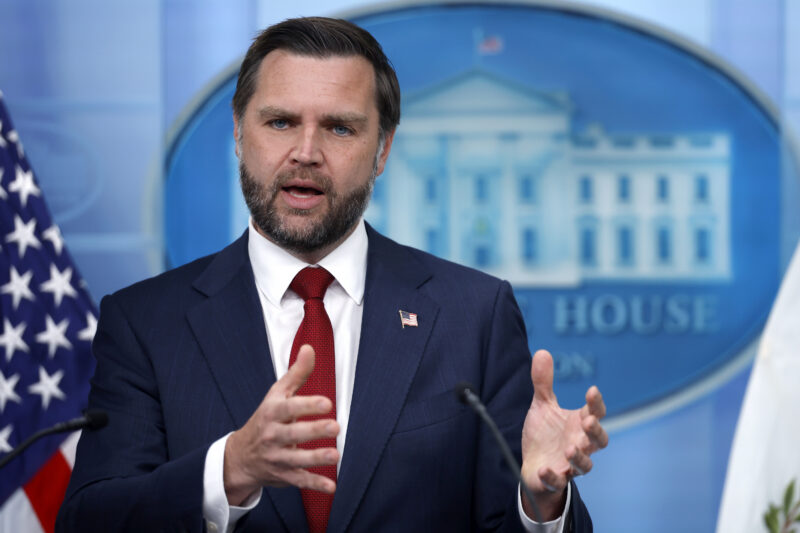
Talks were meant to begin shortly in Islamabad, but Vice President JD Vance’s trip was reportedly put on hold and he remains in Washington. Vance, Special Envoy Steve Witkoff and Jared Kushner were all spotted arriving at the White House for meetings this afternoon.
Iran also had not committed to sending its own delegation — Iranian Foreign Minister Abbas Araghchi accused the U.S. of violating the ceasefire through its blockade of Iranian ports and seizure of an Iranian-flagged cargo ship, calling it an “act of war. … Iran knows how to neutralize restrictions, how to defend its interests, and how to resist bullying,” he wrote…
U.S. forces boarded an oil tanker in the Indian Ocean that had been sanctioned for working with Iran which defense officials said was currently carrying Iranian oil, in a further escalation of the U.S. campaign against Tehran-aligned assets and actors outside of the Middle East.
The Treasury Department also announced sanctions on 14 individuals and entities in Iran, Turkey and the United Arab Emirates for “their involvement in procuring or transporting weapons or weapons components on behalf of the Iranian regime”…
Six weeks after he was announced as Iran’s new supreme leader after the assassination of his father, Mojtaba Khamenei has still not been seen in public, raising speculation he is incapacitated from injuries sustained in a U.S.-Israeli airstrike or has been smuggled abroad…
Senate Foreign Relations Committee Chairman Jim Risch (R-ID) endorsed Sen. Roger Wicker’s (R-MS) view that the U.S. should reconsider its funding for the Lebanese Armed Forces in light of its continued inaction to disarm Hezbollah, in addition to the Lebanese government’s failure to “follow through on long-promised economic reform. The era of complacency & unconditional bailouts must come to end,” Risch said…
Sen. Chris Murphy (D-CT) clarified that his post calling it “awesome” that several Iranian oil tankers had bypassed the U.S. blockade — reporting that has been disputed as Iranian propaganda — was written as sarcasm. “[O]bviously Trump’s bungled mismanagement of this war is not ‘awesome.’ As I have said a million times here, it’s a disaster and he should end the war immediately,” Murphy wrote on X…
Democratic lawmakers are expressing concern over Israel’s fracturing relationship with key European allies, while experts say the shifting dynamics could carry longer-term economic and political risks for Jerusalem, even if Israel weathers threats to unwind largely symbolic defense agreements, Jewish Insider’s Matthew Shea reports.
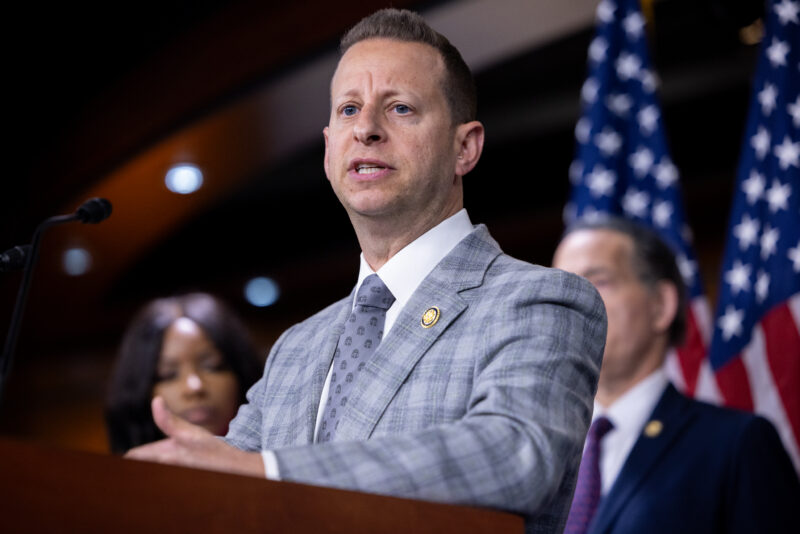
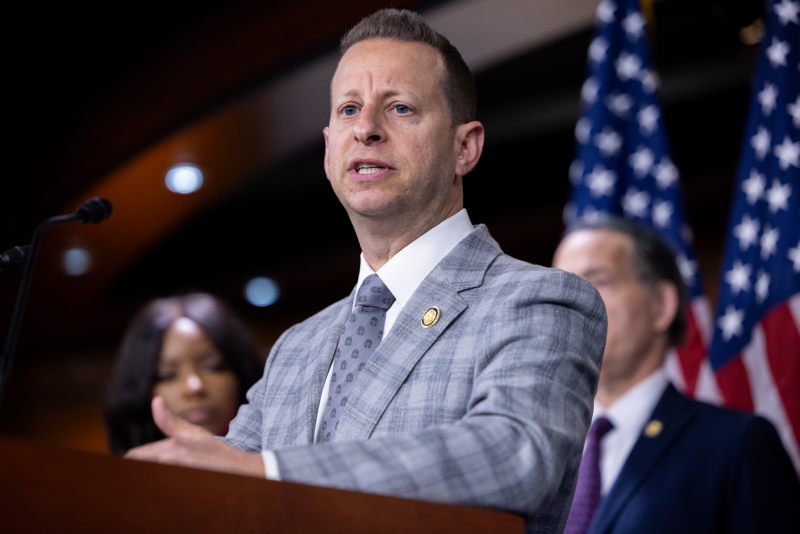
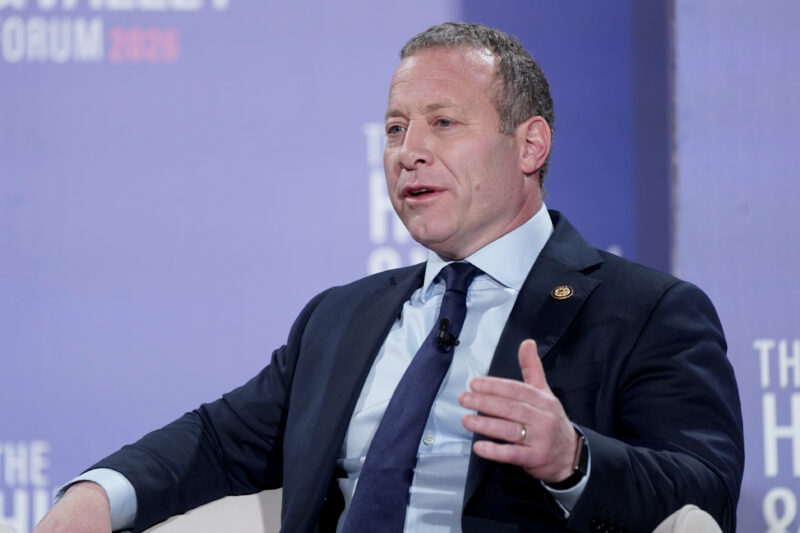
Among other recent moves, Spain and Ireland led a push today to suspend the EU’s association agreement with Israel. The initiative stalled as member states remained divided on the issue; still, Rep. Josh Gottheimer (D-NJ) called the developments “deeply alarming.”
“NATO allies like Spain, France and Italy are turning their backs on Israel, a key democratic partner that is actively fighting on the front lines against Iran,” Gottheimer said. “Singling out Israel represents a double standard”…
The arsonist who pleaded guilty to attacking a North London synagogue on Saturday night was released on bail by the Westminster Magistrates’ Court today, JI’s Haley Cohen reports. The 17-year-old boy who threw a bottle containing accelerant through the window of Kenton United Synagogue must live and sleep at his home address and not enter any synagogue, the judge said. It was the third such attack on a Jewish institution in London within a week…
Rep. Sheila Cherfilus-McCormick (D-FL) resigned from Congress this afternoon, half an hour before her House Ethics Committee sanctions hearing was due to begin. Having lost jurisdiction in the matter, the committee canceled the hearing…
The Board of Peace is reportedly in discussion with the UAE-owned DP World logistics company about managing supply chains and humanitarian aid in Gaza, including potentially building a new port and developing a free-trade zone, according to Financial Times, as part of the Trump administration’s vision of privatizing much of Gaza’s services and infrastructure…
⏩ Tomorrow’s Agenda, Today
An early look at tomorrow’s storylines and schedule to keep you a step ahead
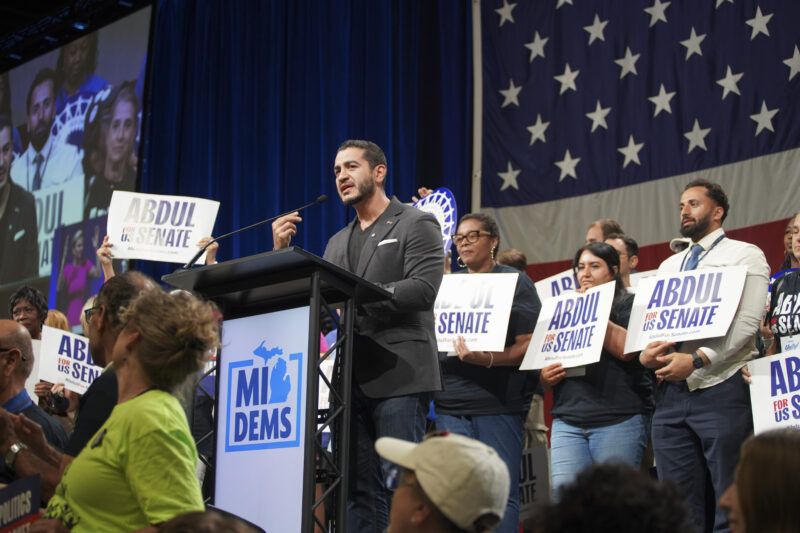
Keep an eye out in Jewish Insider for a look at how Jewish Democrats in Michigan are making sense of their place in the party in the wake of a state convention where pro-Israel voices were shouted down and a pro-Hezbollah candidate won the party’s nomination for a statewide race.
The House Financial Services Committee will hold a hearing evaluating the effectiveness of U.S. sanctions.
A vote on the fifth Iran war powers resolution in the Senate, expected today, has been pushed to tomorrow.
92NY will host a discussion on the future of New York’s Jewish community with New York City Council Speaker Julie Menin, Manhattan Borough President Brad Hoylman-Sigal and New York City Comptroller Mark Levine.
The New York City Council’s Task Force to Combat Antisemitism will hold its first hearing. The task force was established by Menin in January, shortly after her election, to make recommendations and work towards her five-point plan to combat antisemitism.
Robert Kraft’s Blue Square Alliance Against Hate will host a unity dinner in partnership with the NFL, Hillel International, United Negro College Fund and the Pittsburgh Steelers for Black and Jewish college students from the Pittsburgh area. The event will include a fireside chat featuring Kraft, Pennsylvania Gov. Josh Shapiro and former Pittsburgh Steelers quarterback Charlie Batch.
Washington, D.C., mayoral candidate Kenyan McDuffie will hold a meet-and-greet with young Jewish professionals.
Rep. Elise Stefanik (R-NY) will speak in conversation at Yeshiva University with its president, Rabbi Ari Berman, about her new book, Poisoned Ivies: The Inside Account of the Academic and Moral Rot at America’s Elite Universities.
Stories You May Have Missed
IRON DOME DECISIONS

J Street’s Ilan Goldenberg said the surge in far-left calls to cut off missile-defense aid ‘stirred up the conversation a little more’ but says the group was moving that way regardless
CAMPAIGN CLASH

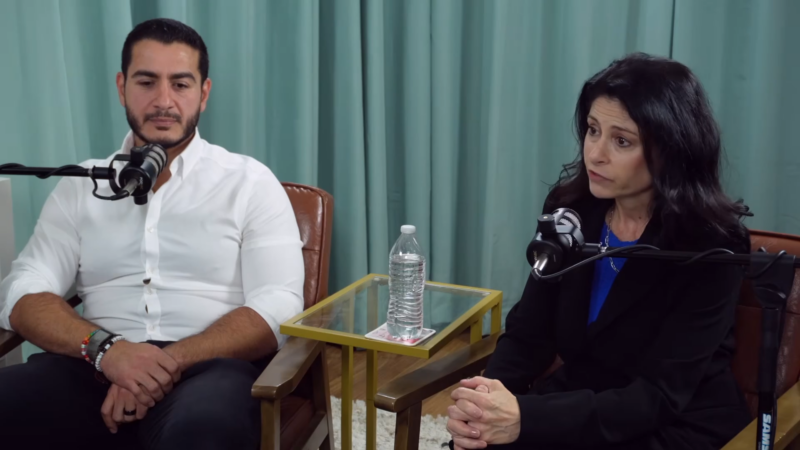
Adam Hamawy said on Hasan Piker’s show that he does not support Israel’s Iron Dome missile-defense system, arguing that it insulates Israel from the consequences of war
Plus, Israel-Lebanon talks to continue Thursday
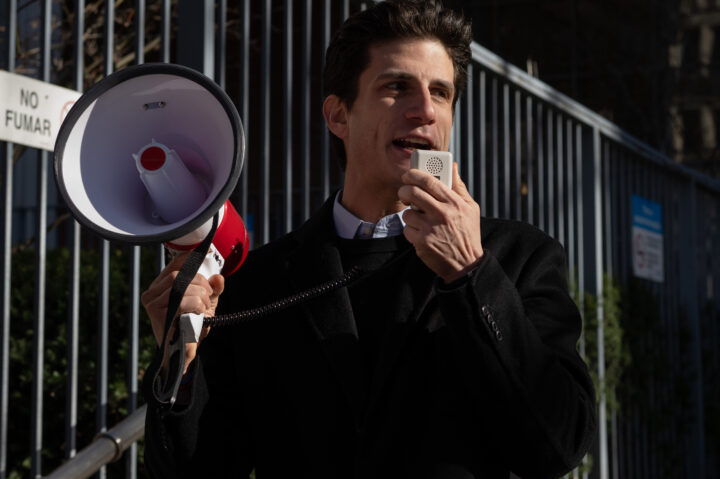
Edna Leshowitz/Getty Images
Jack Schlossberg, grandson of former President John. F Kennedy who is currently running for Congress, on Jan. 12, 2026 in New York City.
This P.M. edition is reserved for our premium subscribers — offering a forward-focused read on what we’re tracking now and what’s coming next. Please don’t hesitate to share your thoughts and feedback by replying to this email.
📡On Our Radar
Notable developments and interesting tidbits we’re tracking
Iranian officials have signaled they will attend talks with the U.S. in Islamabad, Pakistan, this week, with Vice President JD Vance, White House Special Envoy Steve Witkoff and Jared Kushner expected to depart for the meeting tomorrow (despite President Donald Trump’s claim that they were already in transit this morning).
Negotiators are up against a running clock, as Trump said today that his two-week ceasefire with Iran will end “Wednesday evening Washington time” and it’s “highly unlikely that I’d extend it” if no deal is reached…
In a series of heated social media posts, Trump again denied that Israel dragged the U.S. into war with Iran: “[T]he results of Oct. 7th, added to my lifelong opinion that IRAN CAN NEVER HAVE A NUCLEAR WEAPON,” were his motivation, he wrote on Truth Social.
Trump also boasted that the deal under negotiation will be “far better” than the 2015 Iran nuclear deal. “If a Deal happens under ‘TRUMP,’ it will guarantee Peace, Security, and Safety, not only for Israel and the Middle East, but for Europe, America, and everywhere else,” he wrote. Lashing out at the media, Trump insisted, “I’m winning a War, BY A LOT, things are going very well,” claiming the U.S. blockade, “which we will not take off until there is a ‘DEAL,’ is absolutely destroying Iran”…
The State Department confirmed that the U.S. will host the second round of ambassador-level talks between Israel and Lebanon on Thursday, as the 10-day ceasefire between the two countries that began last Thursday, after the first round of talks, continues to hold…
Republican operatives and strategists are growing increasingly concerned that the GOP may lose the Senate in the midterm elections, several told Politico, as rising gas prices and unease around the war with Iran create a poor national environment for Trump’s party.
The New York Times’ Nate Cohn argues that Democrats have a “realistic chance” to flip the four seats they need to win back the chamber because “they’ve recruited unusually strong candidates in three states that supported Mr. Trump three times: North Carolina, Ohio and Alaska.”
“In all three states, the Democrats’ likely nominees are popular recent statewide office holders. They either won their last campaign or were highly competitive in losing re-election under less favorable political conditions. So far, the polls show those Democrats running well ahead of what one might otherwise expect,” Cohn writes…
Kennedy scion Jack Schlossberg’s shifting views on Israel policy and decision to skip two upcoming Jewish community candidate forums are raising eyebrows in New York’s heavily Jewish 12th Congressional District, Jewish Insider’s Matthew Kassel reports.
During a candidate forum at 92NY last week, for example, Schlossberg rejected continued U.S. funding for offensive weapons to Israel amid the war in Iran — even as he emphasized support for boosting the Iron Dome missile-defense system, which he described as a “critical” technology…
Minnesota’s Democratic Party is poised to endorse progressive Lt. Gov. Peggy Flanagan for U.S. Senate at its convention next month, Flanagan’s campaign said, after the lieutenant governor secured support from over 90% of Democratic-Farmer-Labor Party local conventions held statewide. The party endorsement, however, will not determine the nominee, as Democratic voters are set to choose their candidate in the Aug. 11 primary election.
The campaign of Rep. Angie Craig (D-MN), Flanagan’s primary opponent and the favorite of pro-Israel activists, called on the DFL last week to launch a formal investigation into a series of alleged instances of antisemitic activity among its delegates. One instance at a local convention last month reportedly saw an unnamed delegate argue that “we should nuke” Israel…
The Wall Street Journal reports on the growing feud between Defense Secretary Pete Hegseth and Army Secretary Dan Driscoll, which “spilled out into public view on Thursday, when Driscoll described to lawmakers his fondness for the Army’s former top general, Randy George, whom Hegseth fired as the service’s chief of staff on April 2 while Driscoll was on vacation”…
A Washington Post investigation found that, since January 2025, neo-Nazi influencer Nick Fuentes has made nearly $900,000 through paid messages on his livestreams from roughly 11,000 fans. His top 500 donors are responsible for almost half of that amount…
The UAE has asked the U.S. to consider offering it financial assistance amid the war with Iran, as the Gulf country has borne the brunt of Iran’s drone and missile strikes, taking a heavy toll on its oil, economic and tourism industries. Emirati officials raised the idea of a currency-swap line, which would allow Abu Dhabi inexpensive access to U.S. dollars…
European officials hosted two meetings on Gaza reconstruction today — one gathering, led by EU representative Kaja Kallas and Norway, centered on coordinating aid with the U.S.-led Board of Peace, where White House advisor Josh Gruenbaum requested international assistance in rebuilding the enclave. The other forum, led by Kallas and Belgium, focused on a two-state solution and was attended by Palestinian Authority Prime Minister Mohammad Mustafa…
In response to Israeli Foreign Minister Gideon Sa’ar’s condemnation of an IDF soldier found to have desecrated a statue of Jesus in southern Lebanon, Radosław Sikorski, Poland’s deputy prime minister and foreign affairs minister, accused the IDF of committing war crimes.
“Lessons should also be drawn regarding the way they are being trained,” Sikorski wrote on X. “IDF soldiers themselves admit to war crimes. They killed not only civilian Palestinians but even their own hostages”…
Incoming Hungarian Prime Minister Peter Magyar affirmed that his country is bound by rules of the International Criminal Court to arrest those sought under its warrants, including Israeli Prime Minister Benjamin Netanyahu; Magyar said he intends to prevent Hungary from leaving the ICC, a move his predecessor, Prime Minister Viktor Orban, had initiated.
Responding to questions about Netanyahu’s claim that Magyar had invited him to the country for a ceremony marking the 70th anniversary of the Hungarian Uprising, Magyar responded, “Every leader is welcome to attend this important commemoration,” but “we have a legal obligation to enforce the court’s rulings, and I’m sure [Netanyahu] knows this”…
Apple CEO Tim Cook announced this afternoon that he will step down from the helm of the tech giant and become its executive chairman in September. Succeeding Cook is John Ternus, head of the company’s hardware engineering…
⏩ Tomorrow’s Agenda, Today
An early look at tomorrow’s storylines and schedule to keep you a step ahead
Keep an eye out in Jewish Insider for an interview with Rachel Goldberg-Polin on the release of her book, When We See You Again, which debuts tomorrow.
The Senate Committee on Banking, Housing and Urban Affairs will hold a nomination hearing for Kevin Warsh, son-in-law of Jewish philanthropist Ronald Lauder, to be chairman of the Board of Governors of the Federal Reserve. Democrats intend to press Warsh on his personal fortune, which he has only partially disclosed thus far.
The House Ethics Committee will hold a public hearing to determine whether to apply sanctions to Rep. Sheila Cherfilus-McCormick (D-FL), after finding last month that she had committed serious ethics violations and campaign finance misconduct.
The U.S. Helsinki Commission will hold a hearing on Iran’s support for Russia amid its war with Ukraine.
The Senate Foreign Relation Committee’s subcommittee on Africa will hold a hearing on U.S. approaches to counterterrorism on the continent.
Stories You May Have Missed
LATIN LINKS

An Israeli diplomatic source told JI that Ecuador and Paraguay are expected to join the Isaac Accords
MICHIGAN MOMENT
Platner, in Reddit post on Hamas terrorist attack: ‘From a strictly professional standpoint, this was a damn fine looking and successful raid against a superior opponent’
Plus, Vance courts pro-Israel donors ahead of 2028

Adri Salido/Getty Images
The Lebanese capital is seen from a viewpoint after U.S. President Donald Trump announced a ceasefire between Israel and Lebanon that would commence at midnight local time on April 16, 2026 in Beirut, Lebanon.
This P.M. edition is reserved for our premium subscribers — offering a forward-focused read on what we’re tracking now and what’s coming next. Please don’t hesitate to share your thoughts and feedback by replying to this email.
📡On Our Radar
Notable developments and interesting tidbits we’re tracking
President Donald Trump announced the start of a 10-day ceasefire between Israel and Lebanon to begin at 5 p.m. ET today, after he held phone calls with Lebanese President Joseph Aoun and Israeli Prime Minister Benjamin Netanyahu earlier in the day.
Trump added that he will be inviting Aoun and Netanyahu to the White House for “meaningful talks,” later telling reporters such a meeting could happen in the “next week or two.”
The text of the agreement released by the State Department indicates the ceasefire is a “gesture of goodwill” on Israel’s part “intended to enable good-faith negotiations” toward a permanent agreement. The temporary pause in hostilities could be extended if Lebanon “effectively demonstrates its ability to assert its sovereignty” and prevent Hezbollah from carrying out attacks against Israel…
Trump again indicated further talks with Iran could take place this weekend and said the two sides are “very close to making a deal,” telling reporters this afternoon that Iran has already agreed to “give us back the nuclear dust,” referring to its highly enriched uranium.
Hours earlier, Secretary of Defense Pete Hegseth warned at a press briefing that U.S. forces are “maximally postured” to return to military operations against Iran if negotiations are unsuccessful, and will look to attack “infrastructure, power and energy”…
The House narrowly voted to block a Democratic resolution to force an end to the war in Iran by a vote of 214-213-1, with all but one of the four Democrats who opposed a similar effort in March changing their votes to support today’s measure, Jewish Insider’s Marc Rod reports.
Reps. Greg Landsman (D-OH), Juan Vargas (D-CA) and Henry Cuellar (D-TX), who voted last month against a similar resolution, flipped their votes to support the war powers effort. But Rep. Jared Golden (D-ME), who is retiring at the end of his term, voted no again. On the Republican side, Rep. Warren Davidson (R-OH), who voted for the war powers resolution last time, switched his vote to “present.” Rep. Thomas Massie (R-KY) was the only Republican who voted for the resolution…
Vice President JD Vance, the first vice president to serve simultaneously as finance chair of his party, is building donor relationships that may prove useful should he choose to run for president in 2028, The New York Times reports, including attempting to woo some pro-Israel donors who have otherwise been wary of his ties to far-right commentator Tucker Carlson.
Among others, Vance has developed relationships with Jewish philanthropists Miriam Adelson, whom he spent New Years Eve with at Trump’s Mar-a-Lago resort, and Paul Singer; has appeared as the guest of honor at a dinner hosted by Palantir and 8VC co-founder Joe Lonsdale; and has been featured at a Republican National Committee event hosted by tech executive Keith Rabois, who is married to Under Secretary of State Jacob Helberg…
With less than six weeks to go until the Texas primary runoff election, Sen. John Cornyn (R-TX) is defending his seat against Texas Attorney General Ken Paxton with a significantly larger war chest: As the first quarter of 2026 closed, Cornyn had more than $8 million in cash on hand (including a small donation from former President George W. Bush), while Paxton had $2.6 million in the bank. Whoever clinches the GOP nomination will face state Sen. James Talarico, who has nearly $10 million on hand…
Josef Palermo, who was the first curator of visual arts and special programming at the Kennedy Center until his dismissal last month, recounts his experience as Trump and the center’s then-President Richard Grenell initiated an overhaul of the building, a process Palermo describes as “cronyism, incompetence, and a series of bizarre moves.”
Palermo recounts an exhibition he organized commemorating the Oct. 7 Hamas attacks in the building’s Israeli Lounge: “Speaking at the opening reception, Grenell warned the mostly Jewish audience that unless donors came forward to sponsor the space and pay for renovation costs, the lounge would be given away to a new donor. … Such a strong-armed fundraising pitch, at an event commemorating a pogrom, struck many of us in the room as inappropriate. I was mortified”…
Asked for his perspective on antisemitic streamer Hasan Piker’s reach on his platform, Twitch CEO Daniel Clancy said at the Semafor World Economy summit in Washington today that “one of the challenges is when you’re livestreaming you say a lot … you might say a lot of things that are over the top. … If you violate [community guidelines] then we take enforcement actions and we suspend you — it’s designed not to kick you off forever.”
“Whenever Hasan has stepped over the line, we’ve taken action … Folks will get worked up from both the right and the left on this because we have also conservative people that are saying certain things that some people don’t like. … In general, we think it is important for us to allow people to express themselves,” Clancy said…
⏩ Tomorrow’s Agenda, Today
An early look at tomorrow’s storylines and schedule to keep you a step ahead
Keep an eye out in Jewish Insider for a temperature check on support for Israel within the Democratic Party, in light of 85% of Democratic senators voting in favor of a Sen. Bernie Sanders (I-VT)-led measure to block military sales to the Jewish state.
France and the U.K. will co-host a conference tomorrow focused on restoring freedom of navigation through the Strait of Hormuz, with leaders from several European, Asian and Gulf countries participating via video.
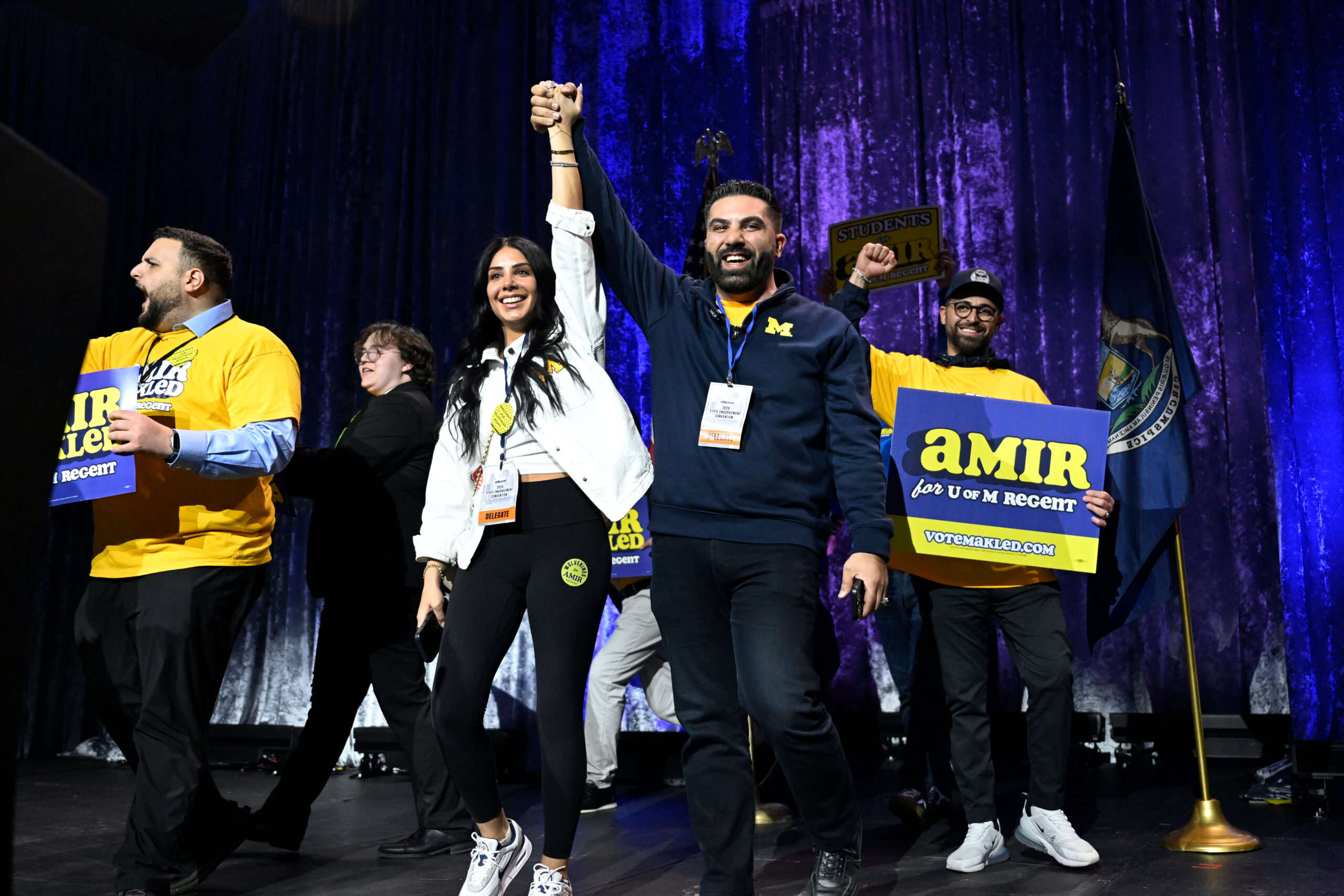
Michigan’s Democratic Party will hold its endorsement convention on Sunday, where party activists will nominate their two preferred candidates for the University of Michigan’s Board of Regents. The election has reignited the campus’ debate over Israel, as candidate and anti-Israel activist Amir Makled seeks to unseat Jewish regent Jordan Acker, who became the target of antisemitic vandalism and harassment in the aftermath of the Oct. 7 Hamas attacks. (The SEIU labor union recently pulled its endorsement of Makled over his past support of Hezbollah.)
National party leaders including former Vice President Kamala Harris and Sen. Cory Booker (D-NJ) will appear at events in Detroit ahead of the convention.
We’ll be back in your inbox with the Daily Overtime on Monday. Shabbat Shalom!
Stories You May Have Missed
CAPITAL CONTEST
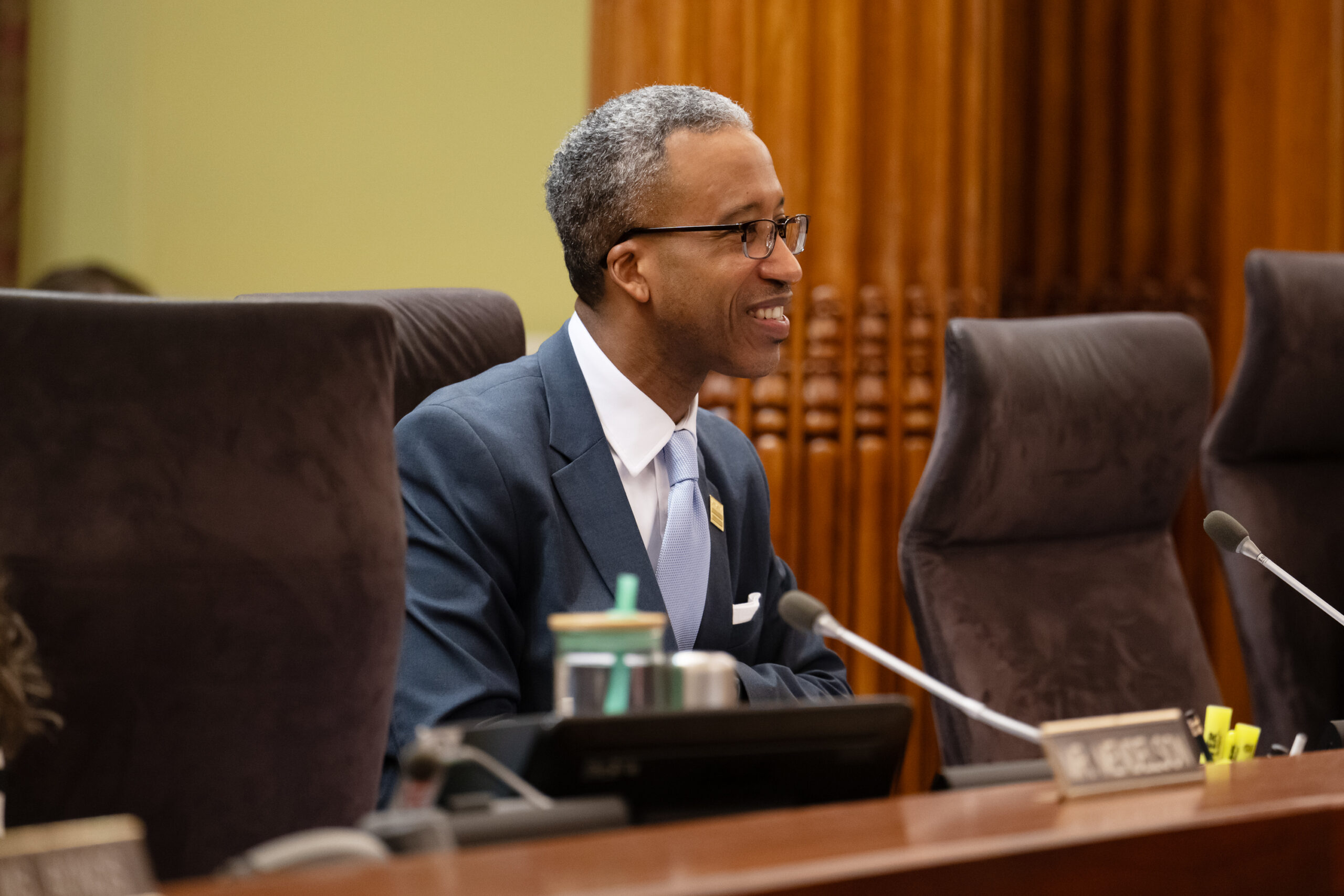
‘I didn’t seek, nor would I accept, the endorsement of Democratic Socialists of America,’ McDuffie told JI in an interview
SCOOP
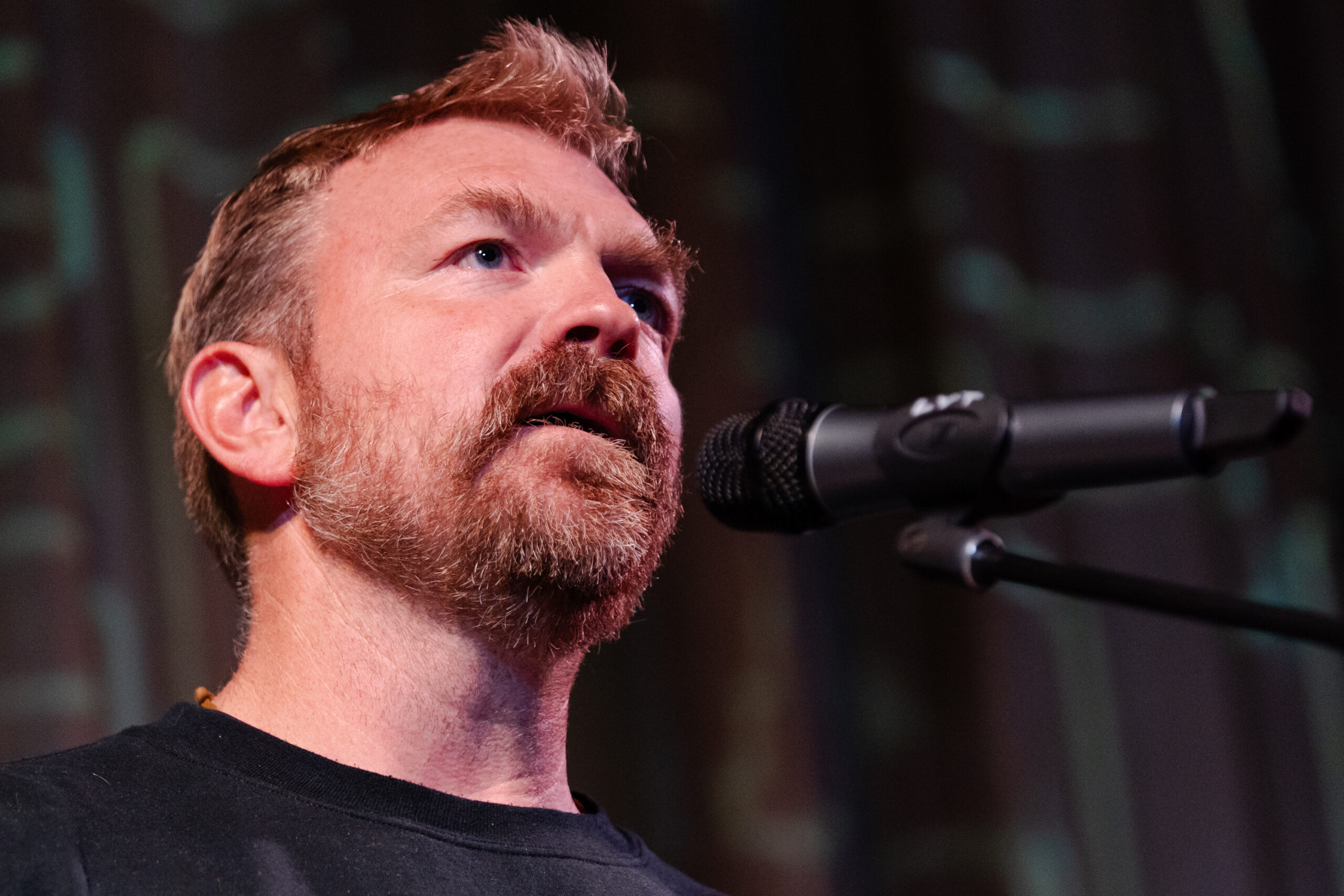
Platner, in Reddit post on Hamas terrorist attack: ‘From a strictly professional standpoint, this was a damn fine looking and successful raid against a superior opponent’
Plus, Senate Dems dominate 2026 fundraising

Kevin Dietsch/Getty Images
Rep. Ilhan Omar (D-MN) speaks at a press conference on committee assignments for the 118th U.S. Congress, at the U.S. Capitol Building on January 25, 2023, in Washington, D.C.
This P.M. edition is reserved for our premium subscribers — offering a forward-focused read on what we’re tracking now and what’s coming next. Please don’t hesitate to share your thoughts and feedback by replying to this email.
📡On Our Radar
Notable developments and interesting tidbits we’re tracking
A war powers resolution brought by Senate Democrats to force an end to the war in Iran was blocked by Republicans yet again this afternoon, the fourth failed attempt mounted by Senate Democrats since the war began in late February, Jewish Insider’s Marc Rod reports.
Nevertheless, top Senate Democrats have said they intend to continue forcing such votes weekly (they have nine more resolutions already filed) in the hopes that more Republicans will change their votes as the war drags on…
Texas state Sen. James Talarico announced he raised $27 million in the first quarter of 2026 in his run for U.S. Senate, a massive haul that his campaign claimed is the largest amount ever raised by a Senate candidate in the first quarter of an election year. Democrats hope the funds will put Texas in play as Talarico seeks to challenge either Sen. John Cornyn (R-TX) or Texas Attorney General Ken Paxton, who are still locked in their own hotly contested primary.
The top Senate fundraisers behind Talarico this quarter were also Democrats: Sen. Jon Ossoff (D-GA) brought in $14 million — breaking the record for first-quarter fundraising in Georgia — former North Carolina Gov. Roy Cooper raised $13.8 million and former Sen. Sherrod Brown (D-OH) raised $12.5 million…
Rep. Tom Kean Jr. (R-NJ) said he raised $1.1 million in this year’s first quarter, bringing his total to $4.4 million raised — more than any other House incumbent or candidate in New Jersey this cycle, according to the New Jersey Globe — as he defends his swing seat from several well-funded Democratic challengers.
But even as he’s pulled in plenty of support, Kean has missed a month’s worth of votes on Capitol Hill due to an unspecified medical issue, with his staff declining to say when he will return…
Rep. Ilhan Omar (D-MN) in an interview on the “Pod Save America” podcast praised former Rep. Marjorie Taylor Greene (R-GA) — once a vocal Omar foe who called for the congresswoman’s deportation while they were both in the House — and far-right influencer Candace Owens over the pair’s break with President Donald Trump, JI’s Marc Rod reports.
“I believe the thing that has been very fascinating, especially about Marjorie and Candace, is that … they’re saying, ‘This action is wrong,’ right? They’re saying, ‘I am done with you.’ We should give them credit for that, the fact that they’ve had this wake-up call to finally seeing this con man, this corrupt, chaotic man for what he is,” Omar said…
Sebastian Gorka, the White House senior director for counterterrorism and a deputy assistant to the president, is reportedly angling for the position of director of the National Counterterrorism Center, which was recently vacated by Joe Kent amid Kent’s opposition to the Iran war. Gorka has been a staunch defender of Trump and backed his war with Iran, as well as repeatedly praised Israel amid its war in Gaza…
Israeli Prime Minister Benjamin Netanyahu spoke with Péter Magyar, the presumptive next prime minister of Hungary, for the first time today, calling the conversation “warm” and saying that Magyar indicated he will continue the close relationship the countries enjoyed under his predecessor, outgoing Prime Minister Viktor Orbán…
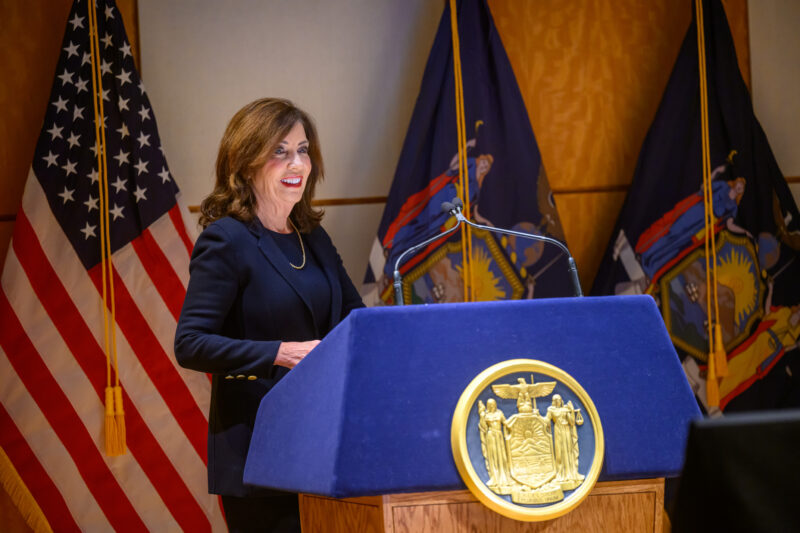
New York Gov. Kathy Hochul defended her proposal to bar demonstrations of more than two people from occurring within 25 feet of a house of worship today, JI’s Will Bredderman reports, legislation that has drawn legal scrutiny over its creation of a new felony offense for violators.
“I believe I have the right to protect people’s constitutional right to free exercise of religion,” Hochul told reporters when asked if she had concerns that the legislation might provoke challenges on First Amendment grounds. “So if that means we test it in court, bring it on”…
After holding its final public hearing earlier this week, the White House Religious Liberty Commission is now preparing a set of recommendations to be presented to the president next month. Ambiguity and confusion about the commission’s mandate has left commissioners unsure if they’ll continue to meet — their first year on the panel was marred by the firing of one commissioner over her disruption of a hearing on antisemitism…
Progressive media organization More Perfect Union is launching More Perfect University, an effort aimed at college students to act as an alternative to the conservative Turning Point USA, with a focus on urging young people to share left-wing political and economic messaging through social media. Faiz Shakir, the head of More Perfect Union who is also chief political advisor to Sen. Bernie Sanders’ (I-VT) campaign, said he hopes to jump-start “an economic populist movement for the next generation”…
Duke University’s Students for Justice in Palestine chapter has been suspended as a student group and had its funding frozen after it posted virulently antisemitic imagery depicting Israel and the U.S. as pigs frothing at the mouth on its Instagram page, prompting student complaints to campus administration…
University of Michigan President-elect Kent Syverud announced today he has been diagnosed with brain cancer and will no longer assume the presidency, leaving the future of the school’s leadership in question. Jewish leaders had praised Syverud’s appointment as a positive development for UM, which had seen rampant anti-Israel activity in the aftermath of the Oct. 7, 2023, Hamas attacks…
⏩ Tomorrow’s Agenda, Today
An early look at tomorrow’s storylines and schedule to keep you a step ahead
Keep an eye out in Jewish Insider for a preview of a first-of-its-kind antisemitism conference taking place tomorrow at Harvard, created as an outcome of last year’s settlement of a Title VI lawsuit against the school.
New Jersey’s 11th Congressional District will hold its special election for the remainder of Gov. Mikie Sherrill’s congressional term, where progressive Analilia Mejia is expected to prevail against Republican Joe Hathaway.
The Senate Foreign Relations Committee will hold nomination hearings for John Breslow to be U.S. ambassador to Cyprus, Todd Steggerda to be U.S. representative to the U.N. in Geneva and Preston Wells to be U.S. representative to the International Atomic Energy Agency, among others.
The Shalom Hartman Institute will host a discussion at the Capitol Jewish Museum in Washington with Jeffrey Goldberg, editor-in-chief of The Atlantic, on American Jewry ahead of the 250th anniversary of the founding of the United States.
The House Appropriations Committee will hold a budget hearing on the Department of Homeland Security, including the Federal Emergency Management Agency, which oversees the Nonprofit Security Grant Program.
Stories You May Have Missed
SCOOP

The Oct. 7 mastermind died in ‘heroic’ style, according to Donald Borenstein, director of video for the Mamdani campaign and City Hall
DEM DIVIDES
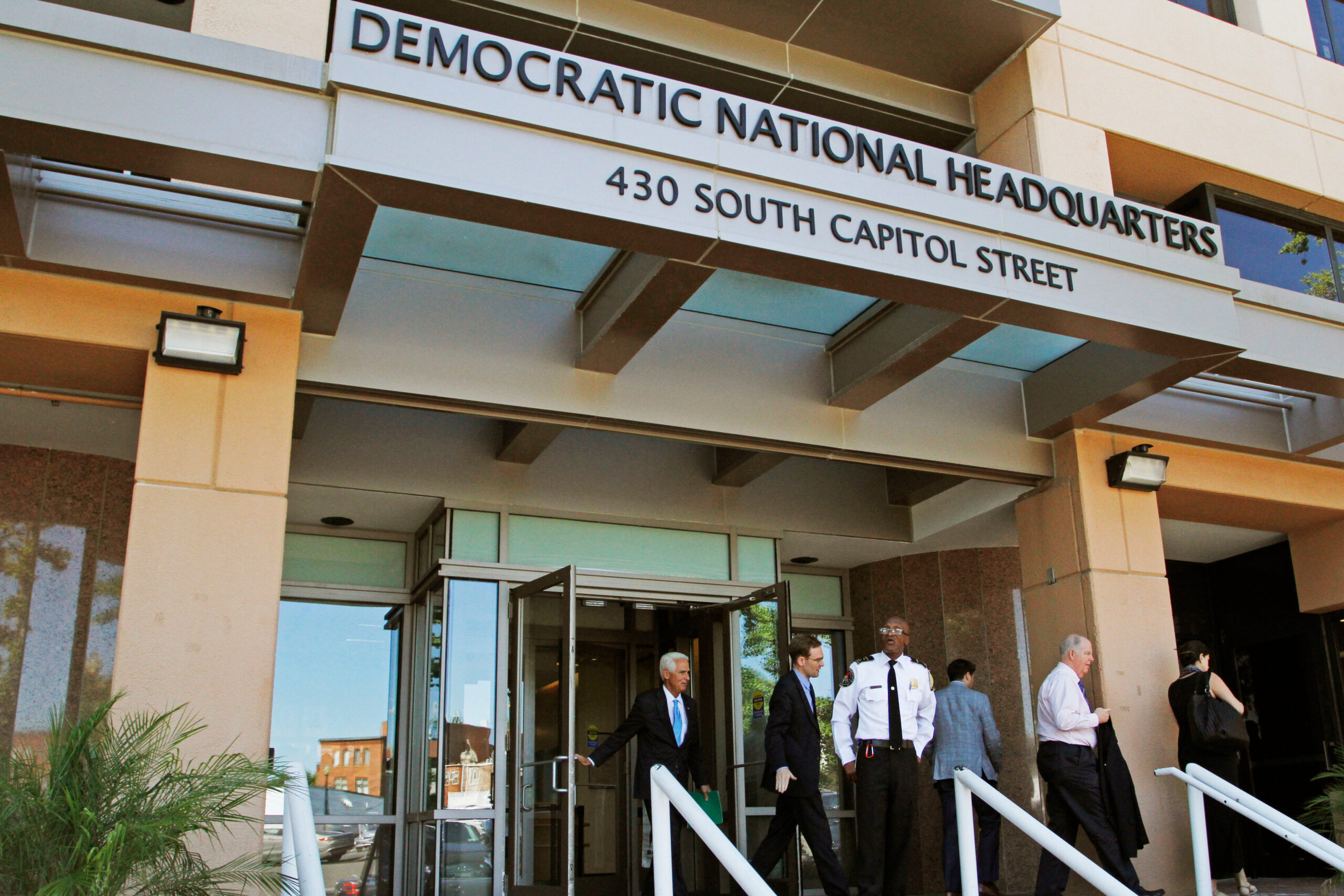
The question facing the Middle East working group’s members is whether they will actually be able to agree on anything — or if the group is simply a way to push the issue off until 2028
Plus, positive readouts from Israel-Lebanon talks in D.C.

Stefano Costantino/SOPA Images/LightRocket via Getty Images
Italian Prime Minister Giorgia Meloni addresses the Italian Chamber of Deputies in Rome.
This P.M. edition is reserved for our premium subscribers — offering a forward-focused read on what we’re tracking now and what’s coming next. Please don’t hesitate to share your thoughts and feedback by replying to this email.
📡On Our Radar
Notable developments and interesting tidbits we’re tracking
U.S.-Iran talks could restart in the next two days, President Donald Trump told the New York Post. “[S]omething could be happening over the next two days, and we’re more inclined to go [back to Islamabad, Pakistan]” rather than a different mediating country, he said in an interview today.
Trump also indicated he wasn’t happy with reports that his own negotiating team had offered Iran a 20-year pause on its ability to enrich uranium. “I’ve been saying they can’t have nuclear weapons, so I don’t like the 20 years,” he said…
CENTCOM announced that no ships made it past the U.S. blockade of the Strait of Hormuz in its first 24 hours, and six merchant ships “complied with direction from U.S. forces to turn around”…
Saudi Arabia is reportedly pressuring the U.S. to end the blockade, fearing retaliation and disruption to other trade routes. Iran has threatened to mobilize the Houthis in Yemen to close off the Bab al-Mandeb Strait, which Riyadh utilizes to move its oil exports out of the Red Sea…
European countries are drafting a plan to restore freedom of navigation in the Strait of Hormuz after the war ends, possibly without the participation of the U.S. As part of this effort, French President Emmanuel Macron announced that France and the U.K. will co-host a conference on Friday of “non-belligerent countries ready to contribute” to the “multilateral and purely defensive mission”…
The Treasury Department said it will not renew a waiver set to expire later this week that temporarily lifted sanctions on Iranian oil — the waiver had drawn condemnation from some lawmakers who had worked to institute those sanctions…
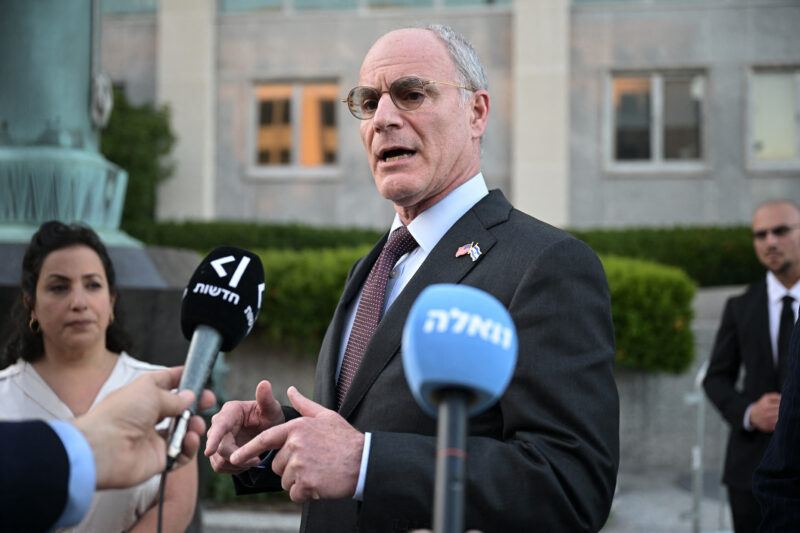
Secretary of State Marco Rubio emphasized at the outset of negotiations between Israel and Lebanon in Washington this morning that the talks are a “process” that will “take time,” and that the objective of today’s meeting was to “outline a framework upon which a permanent and lasting peace can be developed” and bring a “permanent end to Hezbollah’s influence” in the region.
The State Department said after the meeting, the highest-level talks between Jerusalem and Beirut in over 30 years, that the sides “agreed to launch direct negotiations at a mutually agreed time and venue,” though it did not indicate when or where further talks may take place. Israeli Ambassador to the U.S. Yechiel Leiter told reporters that the parties “discovered today that we’re on the same side of the equation. That’s the most positive thing we could have come away with”…
Italy is suspending its defense agreement with Israel, Italian Prime Minister Giorgia Meloni said today, declining to renew the agreement “in consideration of the current situation.” Italy had grown critical of Israel’s war in Gaza and has been noncooperative in the war with Iran, reportedly not allowing U.S. aircraft to land at its bases.
Trump railed against Meloni, who has thus far been an ally of his, in an interview with an Italian outlet today, saying he’s “shocked by her. I thought she was brave, but I was wrong,” and claiming she’s “no longer the same person” after she called the president’s attack on Pope Leo XIV yesterday “unacceptable.” “It’s her who’s unacceptable, because she doesn’t care if Iran has a nuclear weapon and would blow up Italy in two minutes if it had the chance,” Trump said…
Hamas has rejected the U.S.-led Board of Peace’s disarmament proposal, according to the BBC. The parties seem to once again be at an impasse, as Hamas tells mediators it will not continue onto the second phase of the ceasefire until it feels Israel has complied completely with the first phase, while Israel says it will not move forward until there is progress on disarming Hamas…
The New York Times details a tense event held by Rep. Mike Lawler (R-NY) in his Hudson Valley-based swing district where the lawmaker was pressed by constituents demanding answers and accountability on the Iran war; it’s seen as a harbinger of the growing discontent some Republicans will have to contend with around the largely unpopular war in the lead-up to the midterms…
The Union for Reform Judaism released a statement yesterday voicing concern about “efforts to single out AIPAC as a particularly malign influence in campaign finance. … [T]he harsh language being used by some to denigrate and vilify AIPAC borders on — and in some cases crosses over into — antisemitism.”
“Until such time as [C]ongress reforms the nation’s broken campaign finance system overall — an effort we would enthusiastically welcome — to single out AIPAC’s activity will continue to raise questions of antisemitic motivation,” the organization wrote, in a sign of how the demonization of pro-Israel donors and groups is raising alarms across the Jewish political and religious spectrum…
California state Sen. Scott Wiener, a progressive Jewish legislator running to fill Rep. Nancy Pelosi’s (D-CA) seat, was accused at a campaign event earlier this week of taking $50,000 from AIPAC by a constituent citing the far-left group TrackAIPAC. “I just want to be clear, I’m not accepting any support from AIPAC,” Wiener responded. “There are people who are gonna list out all my Jewish donors and say that. I’m not taking any support from AIPAC and I support the Block the Bombs Act”…
The Michigan arm of the powerful SEIU labor union announced today that it had rescinded its endorsement of Amir Makled, a candidate for the University of Michigan board of regents, in light of Makled’s deleted social media posts praising the terrorist group Hezbollah, Jewish Insider’s Gabby Deutch reports.
Makled is a Dearborn attorney who represented an anti-Israel protester who was arrested during the 2024 anti-Israel encampments at UM’s flagship Ann Arbor campus. A Detroit News report found that Makled had deleted posts praising Hezbollah’s leaders and retweets of antisemitic messages from the far-right influencer Candace Owens, as he now seeks to unseat Jewish regent Jordan Acker…
The relationship between New York City Mayor Zohran Mamdani and City Council Speaker Julie Menin appears to be growing increasingly acrimonious as Menin publicly distances herself from some of the mayor’s policies, Politico reports, including apparently helping to plan a protest outside Mamdani’s speech marking his first 100 days in office…
France is exploring legal options to bar rapper Kanye West from entering the country to perform at a concert in Marseille in June, after he was similarly banned and prevented from performing in the U.K. earlier this month. “I refuse to let Marseille be a showcase for those who promote hatred and unapologetic Nazism,” the city’s mayor, Benoit Payan, wrote on social media…
⏩ Tomorrow’s Agenda, Today
An early look at tomorrow’s storylines and schedule to keep you a step ahead
Keep an eye out in Jewish Insider for a look into the work of the Democratic National Committee’s Middle East working group, established last summer, including how it’s approaching intraparty divides over Israel policy.
Two of Sen. Bernie Sanders’ (I-VT) three joint resolutions of disapproval seeking to halt $658.8 million in sales of munitions to Israel are expected to receive a vote in the Senate tomorrow. Sanders and other progressive Democrats have forced votes on similar efforts to block arms sales to Israel on three previous occasions since the war in Gaza began, with a majority of the Democratic caucus — 27 lawmakers — voting to block at least one arms sale in July of last year, a significant jump in support from similar efforts in November 2024 and April 2025.
Sen. Tim Kaine (D-VA) told reporters Democrats will likely force a vote tomorrow on another Iran war powers resolution, the third such vote after the previous two failed largely along party lines.
The Senate Foreign Relations Committee will hold a hearing on reforming the U.N. with U.S. Ambassador to the U.N. Mike Waltz and U.S. Representative for U.N. Management and Reform Jeff Bartos.
The Stephen Wise Free Synagogue in Manhattan will host an antisemitism town hall with Senior Rabbi Ammiel Hirsch and Anti-Defamation League CEO Jonathan Greenblatt.
Israel’s Sheba Medical Center will unveil ARC Landing Boston, its first health care accelerator based in the U.S., at an event featuring Democratic Massachusetts Gov. Maura Healey.
Stories You May Have Missed
MINNESOTA MATTERS
Angie Craig calls on Minnesota Democrats to investigate antisemitism ahead of state party convention
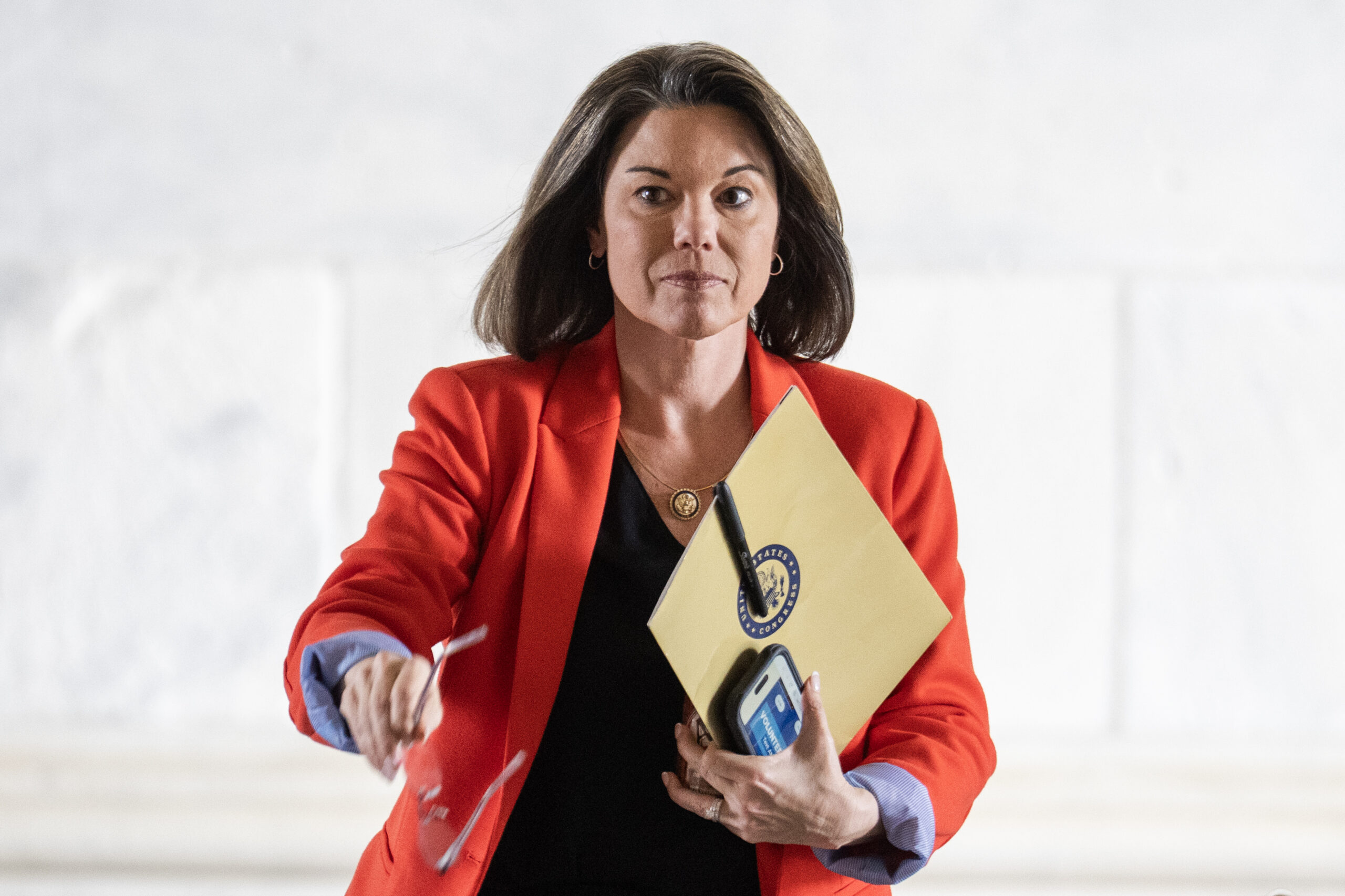
Delegates are expected to take up divisive anti-Israel resolutions at the convention being held next month
HUNGARY FOR MORE

Economic ties and broader European alliances are likely to preserve the bilateral relationship, even as the expected prime minister-elect moves to rejoin the ICC and potentially pivot back towards the EU
Plus, Hasan Piker calls Hamas 'orphan children'

Jacquelyn Martin - Pool/Getty Images
Vice President JD Vance arrives for talks with Iranian officials on April 11, 2026 in Islamabad, Pakistan.
This P.M. edition is reserved for our premium subscribers — offering a forward-focused read on what we’re tracking now and what’s coming next. Please don’t hesitate to share your thoughts and feedback by replying to this email.
📡On Our Radar
Notable developments and interesting tidbits we’re tracking
The U.S. blockade of the Strait of Hormuz began this morning, with more than 15 American warships involved in the operation intended to pressure Iran into concessions after this weekend’s failed negotiations.
President Donald Trump said hours later that the U.S. was “called this morning by the right people, the appropriate people, and they want to work a deal.” Mediators including Pakistan, Egypt and Turkey are also reportedly attempting to revive talks between the parties…
One reported sticking point in the negotiations is a U.S. request that Iran agree not to enrich uranium for 20 years. The 2015 Iran nuclear deal was highly criticized for its sunset clauses, which lifted limits on activity including uranium enrichment after 15 years.
Israeli Prime Minister Benjamin Netanyahu invoked a similar timeframe at a Cabinet meeting today, saying he spoke with Vice President JD Vance yesterday who told him that the U.S. aims to ensure “there is no more enrichment in the coming years, and that could be in decades, no enrichment within Iran.”
Sen. Lindsey Graham (R-SC) took issue with the timeline: “If this reporting is accurate, the idea that we would agree to a moratorium on enrichment rather than a ban on enrichment would be a mistake in my view. Would we agree to a moratorium for al Qaeda to enrich? No,” he wrote on X. “No enrichment means no enrichment”.…
Six additional Senate Democrats plan to file new war powers resolutions this week to halt the war in Iran, a move that would allow Democrats to continue forcing votes on the war for the foreseeable future, Jewish Insider’s Marc Rod reports.
Previously, a different group of six Democrats introduced similar resolutions, and Democrats have called up two of them thus far, with plans to call up a third this week. The latest group of lawmakers spans from staunch progressives and critics of Israel to generally more pro-Israel members, including Sens. Jeff Merkley (D-OR), Kirsten Gillibrand (D-NY), Chris Van Hollen (D-MD), Mark Kelly (D-AZ), Raphael Warnock (D-GA) and Andy Kim (D-NJ)…
Citing an “increasingly sour national environment for Republicans,” the Cook Political Report shifted its ratings for four key Senate races in Democrats’ favor: The North Carolina and Georgia races now lean Democratic, the Ohio race is a toss-up and the Nebraska race is likely Republican, rather than solidly. Democrats would need to flip four seats to take back the chamber…
In another heated Senate race where Democrats hope to pick up a seat, former Rep. Mary Peltola (D-AK) raised nearly $9 million in the first quarter of 2026, four times the amount her opponent, Sen. Dan Sullivan (R-AK), pulled in. The GOP super PAC Senate Leadership Fund has pledged to spend $15 million in the race, as polls show Peltola with a slight lead…
In an appearance on the “Pod Save America” podcast released yesterday, antisemitic streamer Hasan Piker said he “stands by” his statement made in January that “Hamas is a thousand times better than a fascist settler-colonial apartheid state,” referring to Israel.
“I would vote for Hamas over Israel every single time,” he said on the podcast, claiming Hamas is “entirely comprised … of orphan children that have had their parents killed by an apartheid state that has been dominating the lives of Palestinians for 80 years at this point. … Hamas’ tactics, which I oppose at times, or its like internal governance issues are secondary to this conversation”…
Sen. Rick Scott (R-FL) called for the federal government to “immediately” pull funding from Yale University over Yale Political Union’s decision to host Piker, who previously suggested that the senator should be killed. Piker is scheduled to speak on campus tomorrow for a debate titled “Resolved: End the American Empire.”
For Scott, Piker’s incendiary language is personal: the streamer was briefly suspended from Twitch last year after urging his followers to “kill Rick Scott.” “An elite private university that hosts an antisemite who says a Senator should be killed, capitalists should be killed, and the U.S. deserved 9/11, shouldn’t get ONE CENT from taxpayers,” Scott wrote on X on Friday…
J Street is seeking to “set the record straight” after the group backed the growing calls among far-left lawmakers to end U.S. support for Israel’s missile-defense systems, including Iron Dome, despite its own criteria for its endorsees stating otherwise.
In a new FAQ, the group called Iron Dome “a critically important defense system” which it “supports and consistently lobbies for.” After the end of the Memorandum of Understanding between the U.S. and Israel, which runs through Fiscal Year 2028, however, “financial subsidies to Israel should be rapidly and responsibly phased out. … Israel should pay for these systems”…
More Jews were killed in antisemitic incidents outside of Israel in 2025 than any year in the past three decades, according to a report from Tel Aviv University. Twenty Jews were killed last year in attacks in countries including Australia, the U.S. and the U.K., while the previous record was set in 1994 with the AMIA bombing, which killed 85 people in Buenos Aires, Argentina…
⏩ Tomorrow’s Agenda, Today
An early look at tomorrow’s storylines and schedule to keep you a step ahead
Keep an eye out in Jewish Insider for a look at a new poll assessing the partisan divide emerging among American Jews over pro-Israel political engagement.
The U.S. Holocaust Memorial Museum will host a Yom HaShoah remembrance event at the Capitol, with a keynote address delivered by Commerce Secretary Howard Lutnick. Other speakers include several Holocaust survivors as well as House Speaker Mike Johnson (R-LA), House Minority Leader Hakeem Jeffries (D-NY), Sen. Kirsten Gillibrand (D-NY) and Reps. Joe Wilson (R-SC) and Lois Frankel (D-FL).
Amid the International Monetary Fund and World Bank Group’s spring meetings being held in Washington this week, Jacob Helberg, under secretary of state for economic affairs, will speak at an event with the Atlantic Council about U.S. economic leadership in the Middle East, including utilization of the India-Middle East-Europe Corridor, which has been floated as an alternative trade route to the volatile Strait of Hormuz.
Stories You May Have Missed
THE VIEW FROM ISRAEL
Israelis uncertain if Iran war made them safer after ceasefire brings combat to an inconclusive halt

After the ceasefire went into effect, there was a pervading feeling in Israel that the war with Iran was not complete, and the return to routine life may be short-lived
COMFORT FOOD

A traveling program called ‘Soul and Roll’ by singer Hananel Edri and Foodish CEO Merav Oren tells the Jewish story through an immersive culinary and musical experience
Israel has not asked U.S. to join offensive against Iran’s nuclear facilities, Hanegbi says

Knesset
National Security Advisor Tzachi Hanegbi and Chairman of the Knesset Foreign Affairs and Defense Committee Yuli Edelstein on November 13, 2023.
Iran’s underground Fordow nuclear site is a key target in the current operation against the Islamic Republic, Israel’s national security advisor, Tzachi Hanegbi, said on Tuesday.
“This operation will not conclude without a strike on the Fordow nuclear facility,” Hanegbi told Israel’s Channel 12 News.
The Fordow facility is home to thousands of centrifuges, crucial to Iran’s weapons-grade uranium enrichment program, and is located 295 feet underground beneath a mountain. Israel is thought to have neither the munitions nor the aircraft to destroy it from the air, while the U.S. does.
Washington, however, has yet to make clear if it will take part in the offensive on Iran, though it has shot down Iranian missiles headed for Israel in the last few days. Hanegbi said that he does not believe the Trump administration has made a decision on the matter yet.
Hanegbi denied that Israeli Prime Minister Benjamin Netanyahu had asked the U.S. to join Israel in bombing Iranian nuclear sites: “We didn’t ask and we won’t ask. We will leave it to the Americans to make such dramatic decisions about their own security. We think only they can decide.”
“We are very careful and the prime minister is very careful not to ask for anything the Americans do not think is in their interest,” he said.
When the IDF presented its plan to the Israeli Security Cabinet a year ago, Hanegbi said, it was for the operation against Iran to be carried out by Israel alone. He called the plan “totally blue and white.”
However, Israel did ask the U.S. for help with its defense, because it has the THAAD (Terminal High Altitude Area Defense) system, he said.
Hanegbi said that the U.S. is not only committed to protecting Israeli lives, but to the hundreds of thousands of American citizens living in Israel.
As to reports that President Donald Trump rejected an Israeli plan to kill Iranian Supreme Leader Ali Khamenei, Hanegbi said they are “fake from the land of fake.”
“We don’t ask for permission from the U.S., and the U.S. doesn’t expect us to share [our plans] with them,” Hanegbi said.
Regime change is not Israel’s goal, the national security advisor said.
“I think every sane person, not only in Israel, would be happy to see this loathsome, murderous, cruel regime fall and be replaced by peace-loving people. Can we set that as a goal for ourselves? No,” Hanegbi said.
While Hanegbi acknowledged that “the best way to remove the nuclear threat is for there to be a regime that does not want a nuclear weapon,” he said “that is not something we can attain kinetically right now.”
In addition, Hanegbi said the mullahs’ regime could fall as a result of “the process in which Iran lost its grip on the Shiite axis that was crazed in wanting to harm Israel,” but added that “it is not reasonable to think it will happen in the coming days.”
Hanegbi also expressed doubts that Iran would negotiate its surrender soon and said Israel did not receive any messages that Iran wants to hold talks to end the war.
“The Iranians are a proud people,” he said. “I don’t think they will wave the white flag at the beginning of the campaign.”
As such, he added, “we will continue with our plan. It will take time. We have many varied targets.”
Hanegbi said that Iranian gas fields and its energy sector “do not have immunity,” and that Israel struck an oil refinery used by the military within the last day.
Iran has “a strategic goal to strike our energy facilities,” he said. “They want to cause chaos in Israel. When they hit refineries in Haifa, they know what they’re doing.”
The president didn’t disclose much about his phone call with the Israeli prime minister, but said they talked about Iran, Gaza and Lebanon

ANDREW CABALLERO-REYNOLDS/AFP via Getty Images
President Donald Trump (R) meets with Israel's Prime Minister Benjamin Netanyahu in the Oval Office of the White House in Washington, DC, on February 4, 2025.
President Donald Trump on Monday criticized Iran’s continued demands on uranium enrichment as part of the terms of a nuclear deal with the United States.
Trump made the comments while speaking to reporters from the State Dining Room about his phone call with Israeli Prime Minister Benjamin Netanyahu earlier in the day. Trump said the call went “very well” but declined to offer specifics beyond acknowledging that Iran was “the main topic.” He also added that the conflicts in Gaza and Lebanon were also discussed. Israel’s Channel 12 reported that the call lasted around 40 minutes.
“They [Iran] are good negotiators, but they’re tough. Sometimes they can be too tough, that’s the problem. So we’re trying to make a deal so that there’s no destruction and death. We told them that. I have told them that. I hope that is the way it works out. It might not work out,” Trump said.
Asked what the main impediment to getting a deal with Iran is, Trump replied: “They’re just asking for things that you can’t do. They don’t want to give up what they have to give up, you know what that is. They seek enrichment, we can’t have enrichment. We want just the opposite. And so far, they’re not there. I hate to say that because the alternative is a very, very dire one, but they’re not there. They have given us their thoughts on the deal and I’ve said it’s just not acceptable.”
Netanyahu convened a meeting of his security cabinet immediately following the Monday morning call, for which neither the White House nor the Prime Minister’s Office offered readouts.
Nuclear talks between the U.S. and Iran have been ongoing since March. Trump said that negotiators will meet next on Thursday. An Iranian Foreign Ministry spokesperson said on Monday that Tehran plans to send the U.S. a counteroffer to the proposal the Trump administration presented in the “coming days.”
The letter is particularly notable, given that a number of prominent Democrats joined Republicans in holding a hard line against Iran’s nuclear program

Jemal Countess/Getty Images for Protect Our Care
A view of the U.S. Capitol on March 12, 2024 in Washington, DC.
A new bipartisan letter sent Friday by 16 House lawmakers to Secretary of State Marco Rubio and Middle East envoy Steve Witkoff argues that any nuclear deal with Iran must permanently dismantle its capacity to enrich uranium — a notable message particularly from pro-Israel Democrats to the administration.
The letter highlights that an insistence on full dismantlement of Iran’s enrichment capabilities is not only a Republican position, and that President Donald Trump will not be able to count on unified Democratic support for a deal that falls short of that benchmark. Previously, 177 House Republicans said they also demand a deal that does not allow enrichment and some pro-Israel Democrats have expressed the view individually.
“We wholeheartedly agree that Iran must not retain any capacity to enrich uranium or continue advancing its nuclear weapons infrastructure,” the letter, which frames the appeal as an endorsement of Rubio and Witkoff’s public positions on the subject, states. “There is widespread bipartisan support for this requirement and we appreciate your commitment to this essential cornerstone of any agreement.”
The letter highlights the Iran Nuclear Agreement Review Act, which mandates that any agreement with Iran be submitted for congressional review, and emphasizes, “for any agreement to endure, it must have strong bipartisan support. We urge you to engage with Congress as negotiations proceed to ensure that any final agreement commands broad support.”
The lawmakers called on the officials to work with the U.S.’ European allies to “promptly invoke the snapback mechanism” to reimpose United Nations sanctions on Iran if talks fail to yield an agreement that fully dismantles Iran’s nuclear program.
They note that, given the Oct. 18 expiration of the snapback provision, “the process must begin by late Summer at the latest if no deal is reached. Iran’s repeated violations must be met with clear consequences.”
“The Iranian regime must understand that the United States is unwavering in its demand that Iran’s uranium enrichment capability be totally dismantled,” the letter reiterates. “We appreciate your leadership on this pressing matter vital to America’s national security interests and stand ready to work in a bipartisan manner to prevent Iran from obtaining a nuclear weapon.”
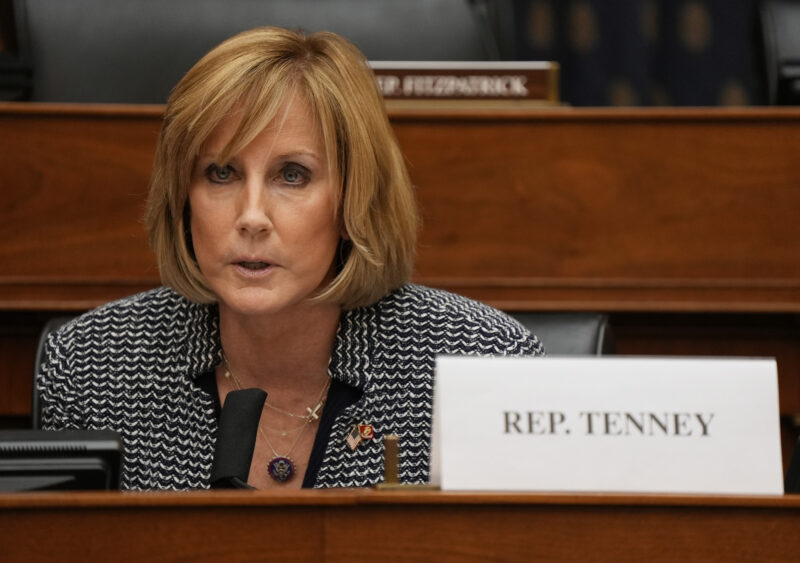
The letter, led by Reps. Laura Gillen (D-NY) and Claudia Tenney (R-NY), was co-signed by Reps. Dan Goldman (D-NY), Wesley Bell (D-MO), Joe Wilson (R-SC), Josh Gottheimer (D-NJ), Brad Schneider (D-IL), Don Bacon (R-NE), Eugene Vindman (D-VA), Lois Frankel (D-FL), Debbie Wasserman Schultz (D-FL), Jared Moskowitz (D-FL), Grace Meng (D-NY), Frank Pallone (D-NJ), Ted Lieu (D-CA) and Chris Pappas (D-NH).
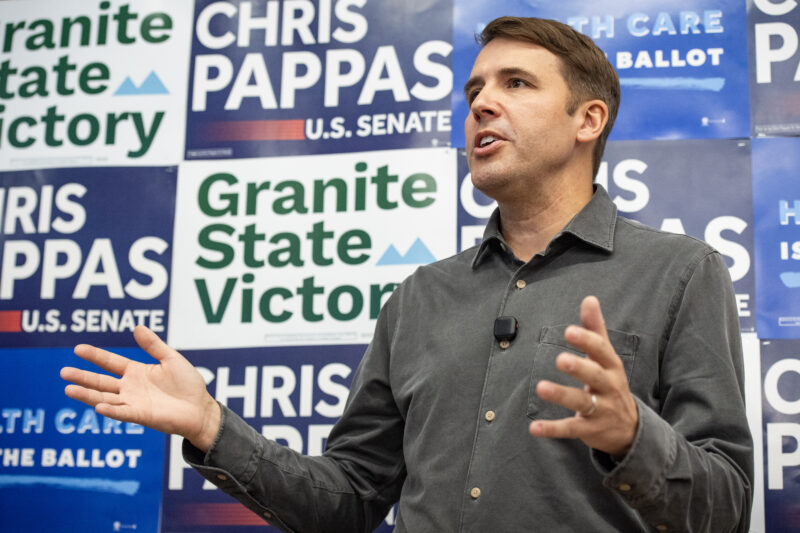
Pappas is also mounting a run for the U.S. Senate.
In an interview with The Free Press, Rubio said Iran could be allowed to import enriched material but that maintaining its own enrichment program would be ‘problematic’
JACQUELYN MARTIN/POOL/AFP via Getty Images
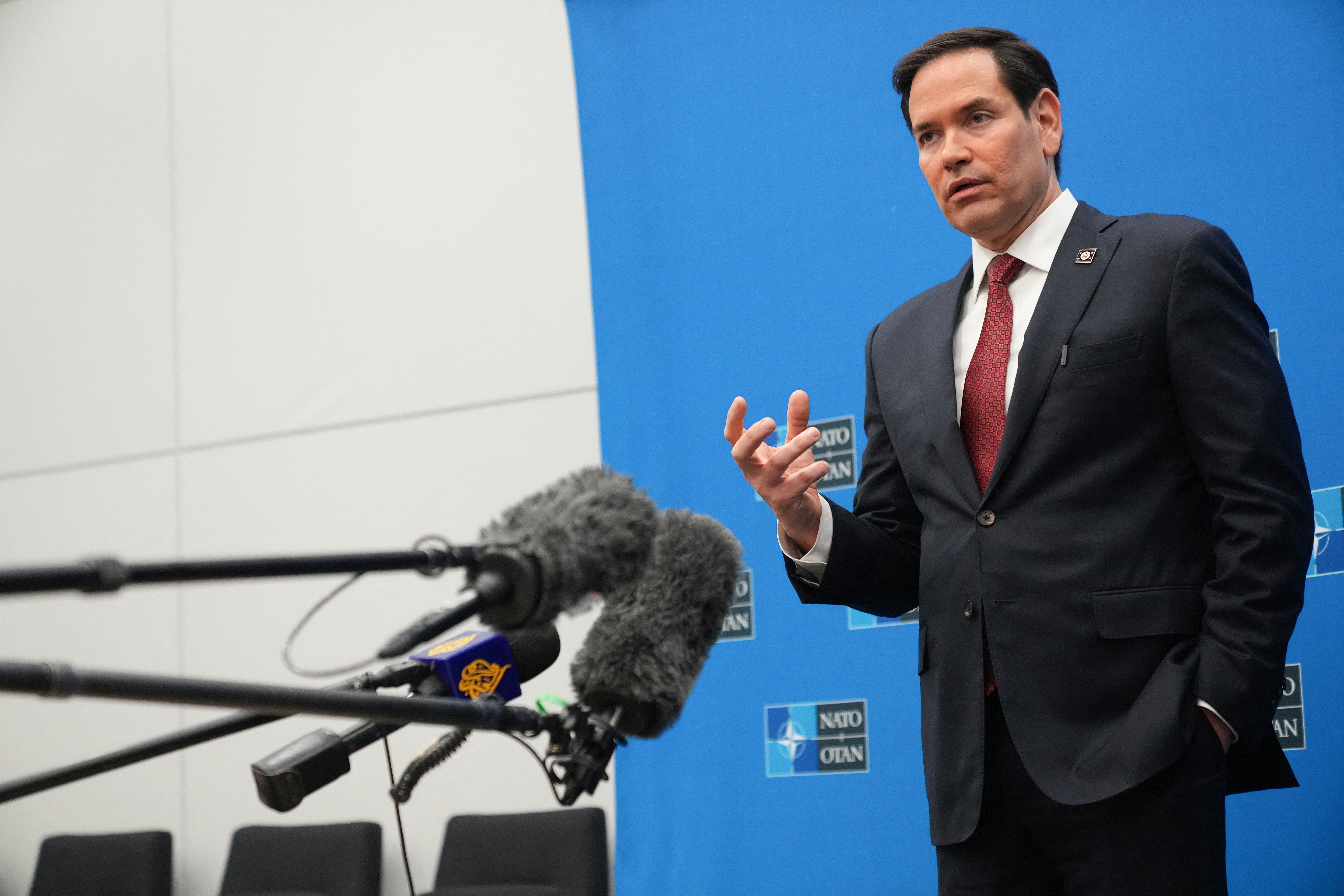
Secretary of State Marco Rubio addresses media at NATO's headquarters in Brussels on April 4, 2025.
Secretary of State Marco Rubio suggested he was open to Iran maintaining a civil nuclear program and did not explicitly rule out allowing the Islamic Republic to enrich uranium itself, even as he expressed concern about such activity in an interview with The Free Press’ Bari Weiss on Wednesday.
“If Iran wants a civil nuclear program, they can have one just like many other countries in the world have one, meaning they can import enriched material,” Rubio told Weiss on the Free Press’ “Honestly” podcast. “But if they insist on enriching uranium themselves, then they will be the only country in the world that ‘doesn’t have a weapons program’ but is enriching,” he added. “I think that’s problematic.”
Rubio’s comments came as the Trump administration faces scrutiny over its mixed messaging amid ongoing nuclear negotiations with Iran.
Most notably, Steve Witkoff, President Donald Trump’s Middle East envoy, suggested last week that the U.S. was willing to allow Iran to maintain some level of nuclear enrichment, as it did in the original 2015 nuclear deal. But he soon walked back his remarks and said the administration is instead demanding Iran eliminate its enrichment program entirely.
The lack of clarity has raised concerns among foreign policy hawks who opposed the deal brokered by the Obama administration that had allowed Iran to continue its uranium enrichment up to 3.67% — which critics viewed as a pathway to a nuclear weapon. Trump pulled out of the original deal during his first term.
Rubio, who opposed the first nuclear deal with Iran, did little to elucidate how renewed talks would help deliver a different agreement, even as he hinted at some subtle distinctions in his interview with The Free Press.
“Without using the word dismantlement, and perhaps more subtly, the secretary pointed out that Iranian domestic enrichment remains the problem,” Behnam Ben Taleblu, a senior fellow at the Foundation for Defense of Democracies who specializes in Iran, told Jewish Insider. “We will have to wait and see if this problem is reflected both in the marching orders special envoy Witkoff has received as well as what are the contours of any technical framework offered by U.S. negotiators in Oman.”
Rubio also “reupped that the military option was on the table, but there is no clear timeline as to when such an option might enter the U.S.’ equation,” Ben Taleblu said.
“Suffice it to say that I do believe the United States has options, but we don’t want to ever get to that,” Rubio said of a possible military strike against Iran during the interview. “We really don’t.”
Rubio more broadly argued in favor of giving “peace every chance to succeed,” adding, “I don’t want to see a war. The president certainly doesn’t want to see one either.”
But he set low expectations for ultimately achieving a deal.
“We’re a long ways away from any sort of agreement with Iran,” Rubio said. “We recognize it’s difficult and hard. Oftentimes, unfortunately, peace is. But we’re committed to achieving a peaceful outcome that’s acceptable to everyone. It may not be possible — we don’t know.”
Please log in if you already have a subscription, or subscribe to access the latest updates.
 Continue with Google
 Continue with Apple