









































Iran likely to retain nuclear capabilities at Fordow if U.S. does not assist Israel – expert
Danny Citrinowicz of INSS at Tel Aviv University told JI, ‘Either the Americans help Israel, or we need to pull a rabbit out of our hats’
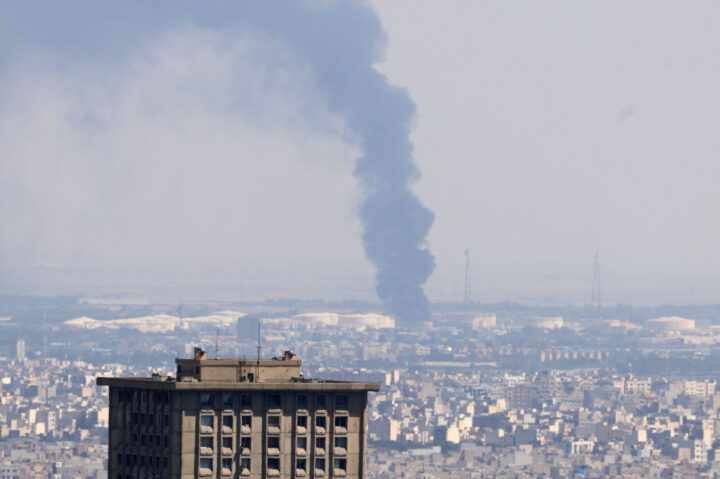
ATTA KENARE/AFP via Getty Images
Smoke billows in the distance from an oil refinery following an Israeli strike on the Iranian capital Tehran on June 17, 2025.


 Add JewishInsider on Google
A decision by President Donald Trump whether or not to join Israel’s strikes against Iran could make the difference between the full destruction of the Islamic Republic’s nuclear program and a more drawn-out war with a less conclusive end, Danny Citrinowicz, a senior researcher in the Iran and the Shi’ite Axis Program at the Institute for National Security Studies at Tel Aviv University, told Jewish Insider on Tuesday.
Citrinowicz, the former head of the Iran branch in the Research and Analysis Division (RAD) in Israeli defense intelligence, spoke with JI from Australia, where he is one of more than 100,000 Israelis stranded abroad as the country’s airspace remains closed.
He argued that Israel’s strikes on Iran have gone beyond the war aims authorized by its Security Cabinet — to weaken Iran’s nuclear and ballistic missile programs — and indicate a push toward destroying Iran’s nuclear weapons program and forcing regime change. However, he warned, Israel would be unlikely to achieve either without help from the U.S.
The interview has been edited for length and clarity.
Jewish Insider: How would you describe where things stand on Day Five of the war between Israel and Iran?
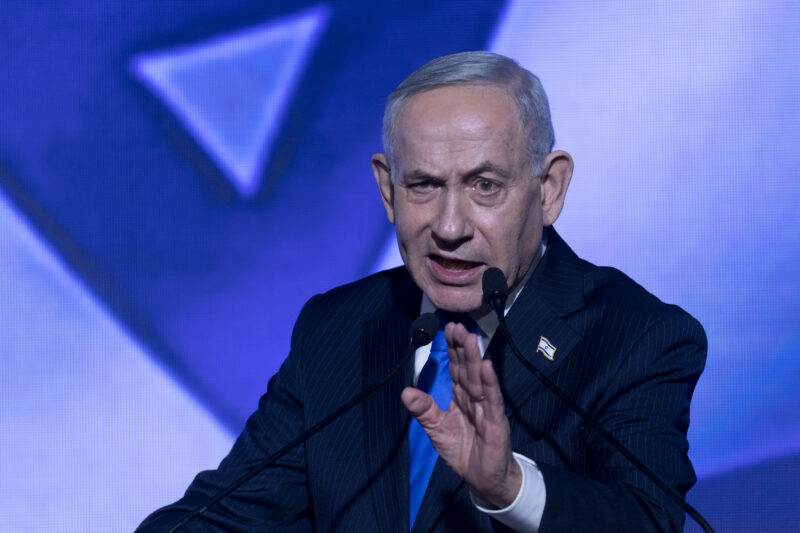
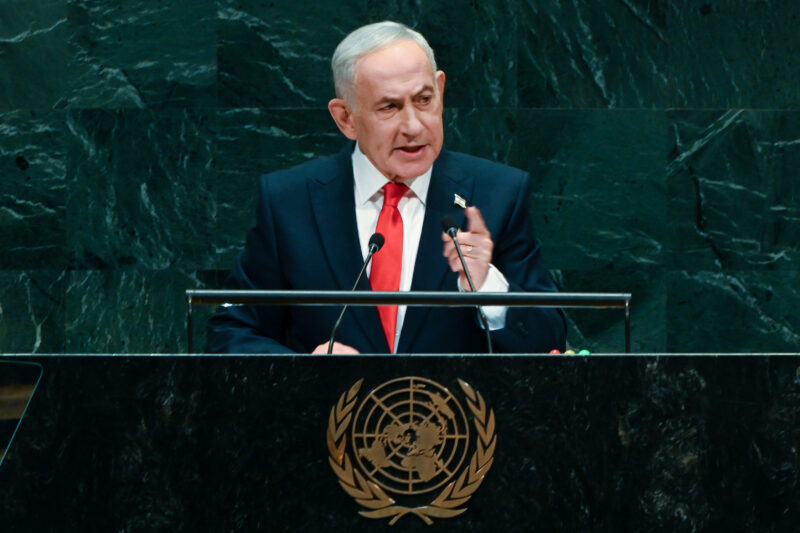
Danny Citrinowicz: Trump is the variable. He is signaling that the Americans are in one minute, and then the White House says they don’t want to get involved the next. It’s clear that [Israel is] not only aiming at weakening the nuclear and missile programs. I think [Israeli Prime Minister Benjamin] Netanyahu’s plans, as he said on Iran International yesterday [that Israel will help “free” Iran], are much wider … There is a genuine attempt by Netanyahu to convince Trump to bring down the regime and change the entire Middle East.
JI: What progress has Israel made toward reaching its stated war aims?
DC: We maximized our achievements when it comes to the nuclear program. We struck the [nuclear] scientists. [The nuclear enrichment site] Natanz is an extraordinary achievement; it collapsed.
We had significant achievements against the missile program. It’s not clear if there have been fewer missile launches [from Iran] because of our strikes or because they are trying to be economical with their missiles. It’s significant that we took out a third of their missile launchers.
The strike on the [Iranian state] TV station is very strange because it is not connected to either war aim.
My view is that Netanyahu wants to keep going and for there to be a historic event, but he needs the Americans. The Americans are the variable. If they enter, things will be totally different. If not, Israel will continue doing what it has been doing.
JI: How is the Iranian regime responding to the latest developments?
DC: The Iranians have a very difficult dilemma. Decision-making is difficult because they lost so many senior officers. The assassination [of Iran’s Chief of War Gen. Staff Ali Shadmani] last night was very serious for them.
For Iran’s leaders, giving up on the nuclear program is giving up on the revolution. But if they continue fighting, they may also lose the revolution. They have a different view of the situation than we do, which ensures that they will continue fighting for the foreseeable future.
That’s why the important variable is whether Trump will decide to attack [the underground nuclear facility] in Fordow. If he says no, then the war will continue as it has been, with varying momentum as the Iranians try to challenge Israel.
I don’t see this ending soon if the Americans don’t enter [the war]. If they don’t, we will be in this for several weeks, at least…
There is an obstacle for Israel in Fordow [that it does not have the requisite bombs or bomber planes to destroy the facility under a mountain]. We could be planning something, but for now, I’m not optimistic.
JI: If the U.S. does not attack Fordow, what targets remain for Israel to attain its stated war goals?
DC: I don’t think we can achieve more than we already did … We are destroying missiles and launchers. We killed senior officials. There isn’t something left to achieve [in] the war aims that stands out. It’s just deepening the achievement.
My concern is that we’re going beyond that.
JI: Do you mean regime change as well?
DC: I think we’re aiming for it, but Israelis cannot do it alone. With the Americans, maybe. Replacing a regime through military means is hard, and you don’t always end up with something better. There’s a better chance with the Americans. I’ll be very surprised if it happens with Israel alone.
JI: Do you think Israel could send ground troops to demolish Fordow?
DC: Some have written about it, because they understand that attacking it from the air will be very hard. Either the Americans will help from the air, or something will happen that we don’t know about.
JI: What if Fordow isn’t destroyed?
DC: If this ends with Fordow intact, it’s a loss, because they can still enrich to 90%. We knew this from the beginning, and it’s still true. Either the Americans help Israel, or we need to pull a rabbit out of our hats.
It’s not clear to me that we went into this campaign with Trump and Netanyahu fooling everyone, or if things are as they appear. If nothing is being hidden, then Israel struck Iran’s nuclear program knowing it cannot destroy it … They took a bet.
This is either part of a grand plan, or it’s an unfolding event.
JI: Are negotiations for Iran to stop uranium enrichment still an option?
DC: The Iranians really want to stop the war with talks, but they will have to give up on a part of the revolution. They will come out very weak … If Iran accepts, it will not be the same Iran. If they don’t, the war will continue.
Still, [U.S. Middle East envoy Steve] Witkoff planned to talk to [Iranian Foreign Minister Abbas] Araghchi, so it’s possible. It depends on Iran. If Iran says “we give up, take Fordow, we no longer intend to develop a nuclear weapon,” Trump can say he’s a peacetime president and “no more bloodshed.” But I don’t see it happening.
JI: If Israel has to continue going at it alone, how long do you think this can continue?
DC: I think it’s a contest of patience between Israel and Iran … I think that we can hold on for a few weeks. Israel’s goal in these weeks is to bring the U.S. into the campaign, and Iran’s goal is for the U.S. not to enter.
It’s not a simple situation for Israelis, economically, militarily or societally … Israelis are also worn out. It takes hours to fly to Natanz — it’s not like Gaza, it costs a lot of money. The airport is closed. People aren’t going to work. And of course there’s the loss of life.
JI: And how is the Iranian regime faring in the contest of patience?
DC: For them, it depends on one thing. The reach of their military is measured only in their ability to launch missiles at Israel. They have relied on this for their entire existence. That’s the whole story.
There is concern in the regime about pressures from Iranian society, but I don’t see a serious challenge to the regime right now. There have not been any demonstrations. That could change.
JI: How do you view the fact that Iran’s proxies like Hezbollah haven’t joined in the fight and the Houthis haven’t escalated?
DC: One of the reasons that Israel went to war now is because it knew that Hezbollah would not join or its capabilities would be very limited. It was not just because of the nuclear and missile programs. It was the collapse of the axis that created a strategic opportunity Netanyahu didn’t want to give up.
JI: The timing was not, as Trump and Netanyahu have said, because Iran was very close to getting a bomb? Israeli officials have said Iran began the weaponization process.
DC: U.S. intelligence says otherwise. I don’t know why Trump is saying it…
There were significant developments [in the nuclear program], but there was an unprecedented strategic opportunity.
More Stories

Arrivederci, Reggio
Jewish preschool educators forced to condemn Israel to attend Reggio Emilia conference
CITY HALL CRITICISM
Mamdani’s Oct. 7 statement assailing ‘genocide in Gaza’ provokes outrage from Jewish groups

Daily Kickoff
Chris Murphy’s Doha double standard
EXHIBIT A
No major U.S. art museum counts Jewish identity in its diversity commitments, ADL report finds

CAMPUS CHRONICLES
The freshmen on Oct. 7, 2023, who became Jewish leaders in the terror attacks’ aftermath
Back to the Future
Israeli election déjà vu
Please log in if you already have a subscription, or subscribe to access the latest updates.
 Continue with Google
 Continue with Apple