




























Netanyahu wants Israeli voters to judge him by the war’s end, not its beginning
Can the Israeli electorate overlook the fact that Netanyahu was in charge during the Oct. 7 massacre and was responsible for some of the mistakes leading up to it? That is precisely what Likud is betting on
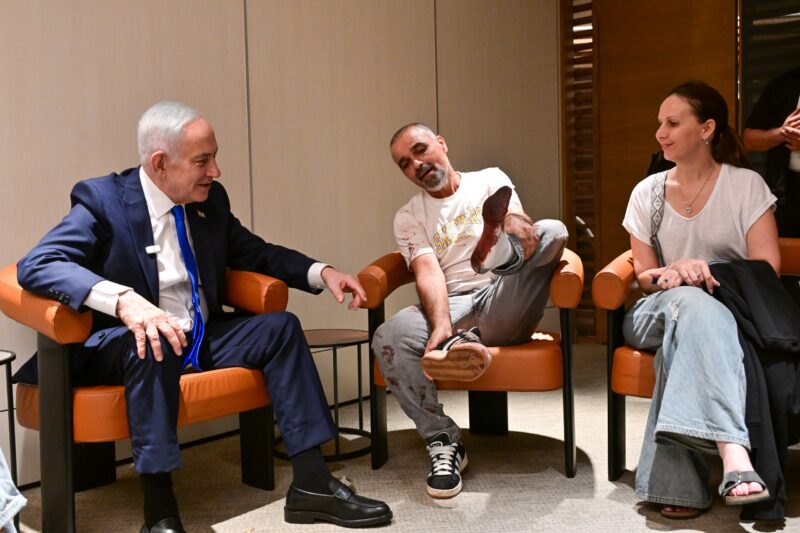
(Ohad Zwigenberg / POOL / AFP via Getty Images)
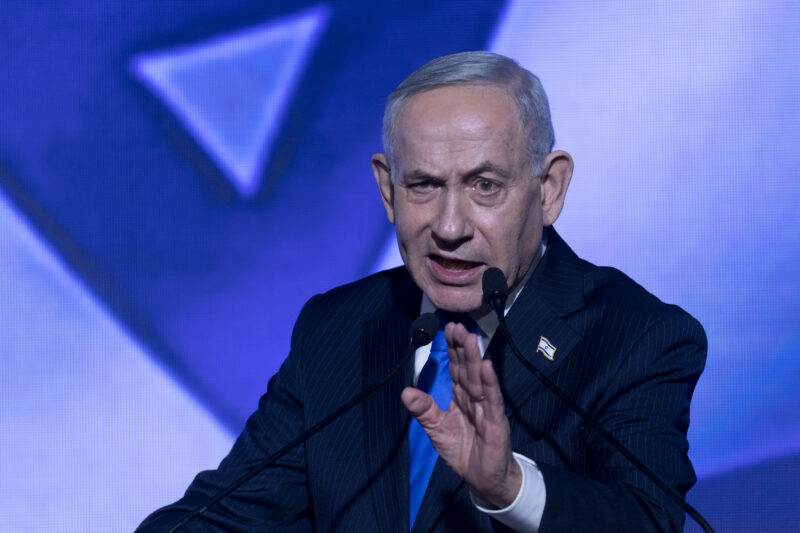
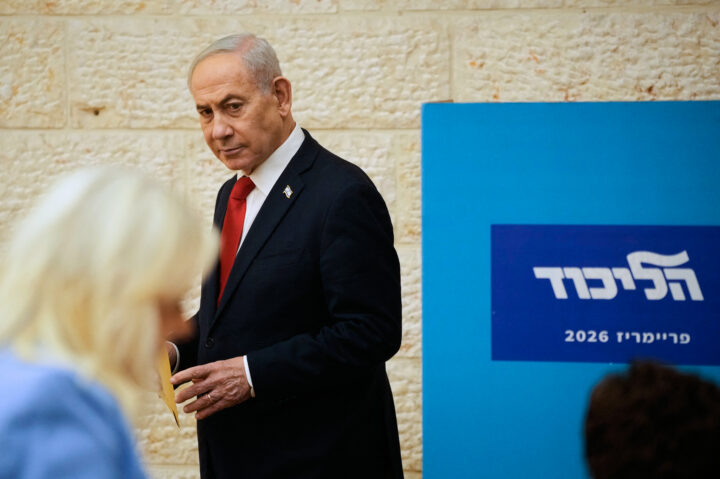
Israeli Prime Minister Benjamin Netanyahu casts his ballot at his party Likud's main polling station during primary elections ahead of Israel's general election in October in Jerusalem on August 17, 2026.


 Add JewishInsider on Google
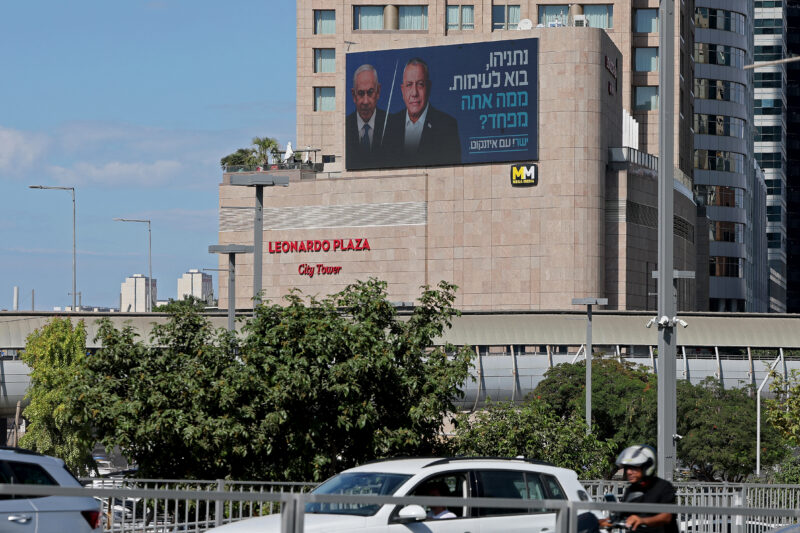
The countdown to Israel’s October elections has begun, bringing with it a central question: Will Prime Minister Benjamin Netanyahu — who, against all odds, remains in office three years after the Oct. 7, 2023, Hamas attacks took place under his tenure — remain Israel’s leader?
Israeli governments have often faced political upheaval after major wars or security crises, but Netanyahu’s current government completed a full term — the first time a government has done so in nearly four decades. But Netanyahu is not out of the woods yet.
“Oct. 7 serves primarily as a reminder that the stakes are genuinely high. Israel is a country where elections are fought over matters of life and death in the most literal sense,” Shmuel Rosner, a pollster and analyst for Israel’s Channel 13, told Jewish Insider.
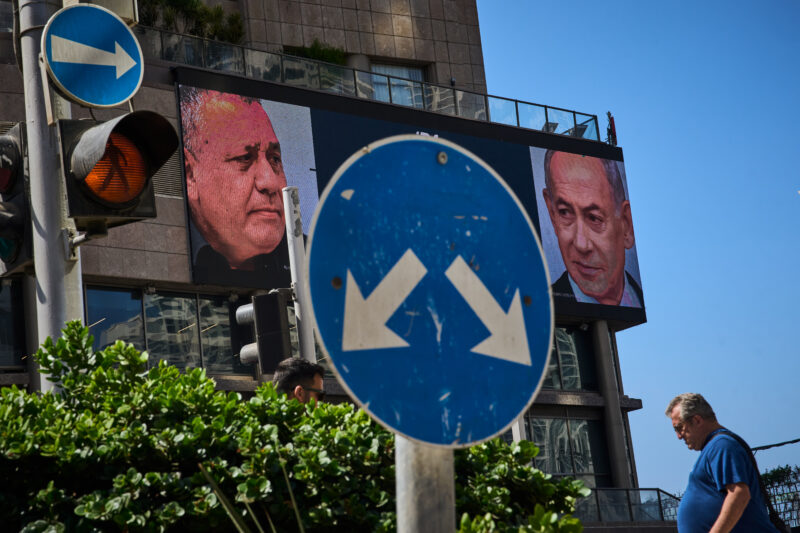
The leading candidates of the major parties all have defense bona fides: Netanyahu, who has been out of power for only a single year in the last 15 years, has overseen wars in Gaza, Lebanon and Iran; Gadi Eisenkot, who is projected to lead the largest party according to most polls, served as IDF chief of staff from 2015 to 2019 and lost his son, Gal, in Gaza combat; and former Prime Minister Naftali Bennett, who served as a cabinet minister for nearly a decade.
So how is it that the average Israeli voter — with plenty of experience at the ballot box, having endured six election cycles in a decade — is largely maintaining the same voting pattern?
“The discussion is always framed in terms of alternatives. People used to say: ‘What, rockets are being fired at Sderot again and again, and people still vote for Likud?’ It seems crazy, but the answer is yes, indeed,” a political strategist who has worked for Likud and several other parties told JI. “Ultimately, right-wing voters tend to be pragmatic. As a result, they assess the available alternatives. When the alternative is perceived as worse, they will go with the option that feels more natural to them, despite their anger.”
Many Israelis view the upcoming election in this frame of tradeoffs: What is more concerning — another term under a Netanyahu-led government that includes the ultra-Orthodox parties as they continue to push for draft exemptions for their constituents, or a new government that might rely on Arab parties to reach the magic number of 61 members of Knesset needed to form a coalition?
“First, there’s the question of whether a potential voter wants the current coalition to return in an identical or similar composition. Next is whether they want the prime minister to continue in his role. And as usual, there’s the element of fear: How much do they fear the ‘other side’, meaning the possibility of an alternative coalition forming?” Rosner explained. “‘A coalition with Arab parties is the demon of the right; a coalition of ‘extremists’ is the demon of the smaller centrist parties; a ‘coalition with the Haredim’ is the demon of many voters, particularly in the anti-Netanyahu camp, and so on.”
If there is one thing both the Israeli right and left agree on, it is that security issues will dominate this election. In a poll conducted last July and published by Kan 11, voters were asked what key issue would determine their vote in the October elections: One-quarter of respondents cited security issues, while an almost equal share (24%) cited the Oct. 7 failures and the establishment of a commission of inquiry into the terror attacks.
Economic matters trailed in third place at 22%, while judicial reform — an issue that dominated Israeli politics just a few years ago — stood at just 12%.
“Economics isn’t playing a major role in these elections. Security definitely is,” Rosner noted. “Netanyahu faces a challenge partly because he made far-reaching promises that even his supporters realize were not delivered on. If he could show Hamas raising a white flag, or Iran doing the same, or boast a stable peace agreement with Lebanon without Hezbollah on the horizon, he would have something to sell.”
Yossi Tatika, a pollster and strategic consultant at Tatika Consulting and Research, also believes that defense issues remain “the top priority for the Israeli voter, but their meaning has shifted. In my view, the Israeli voter is prioritizing security figures who are not directly tied to Oct. 7. There is a strong appetite for figures perceived as ‘fresh faces.'”
One new candidate on the scene is Ofer Winter, a former high-ranking IDF officer who historically maintained ties with Netanyahu, Avigdor Liberman and Bennett (though some of those relationships have cooled) and has a strong animosity towards Eisenkot, who refused to promote him to a general when he was the IDF chief of staff. Winter announced the launch of his new right-wing party, People of Israel, last week, and some polls project the new contender winning between four and six seats. In an election campaign that feels increasingly unpredictable, he could emerge as the wild card.
Meanwhile, Netanyahu has publicly urged his far-right Cabinet ministers, Finance Minister Bezalel Smotrich and National Security Minister Itamar Ben-Gvir, to merge their parties to hopefully gain more seats in the election, but they have remained defiant.
Still, Netanyahu remains a powerful brand among large segments of the Israeli public, and his entire campaign rests on what he markets as Israel’s achievements over nearly three years of war, including, the assassinations of Hezbollah leader Hassan Nasrallah, Iranian Supreme Leader Ayatollah Ali Khamenei and Hamas head Yahya Sinwar, while touting deterrence this has brought Israel in the region.
Can the Israeli electorate overlook the fact that Netanyahu was in charge during the Oct. 7 massacre and was responsible for some of the mistakes leading up to it? That is precisely what Likud is betting on. The answer will begin to come clear at 10 p.m. on Oct. 27, when the exit polls are released.
More Stories

Daily Kickoff
Wikipedia’s edit scandal, unedited

Daily Overtime
Obama faults Israel’s founding in Belfast
ACCUSATION AFTERMATH
El-Sayed denies Muslim Brotherhood ties after Rogers debate claim
BREAKING POINT
For some Jewish Democrats, Michigan’s debate was the ‘final straw’ for El-Sayed
RELATIONSHIP STATUS
How Israel’s parties say they would rebuild support in America

TWO JEWS, THREE OPINIONS
Jewish podcast ‘Chosen People Problems’ finds new home with Ark Media
Please log in if you already have a subscription, or subscribe to access the latest updates.
 Continue with Google
 Continue with Apple