














El-Sayed refuses to tone down Israel attacks despite prompting from Democratic podcast hosts
Jessica Tarlov, who hosted El-Sayed on podcast with Scott Galloway: ‘There is a group of people that are asking you, I think, for very bare minimum acknowledgement of their concerns’
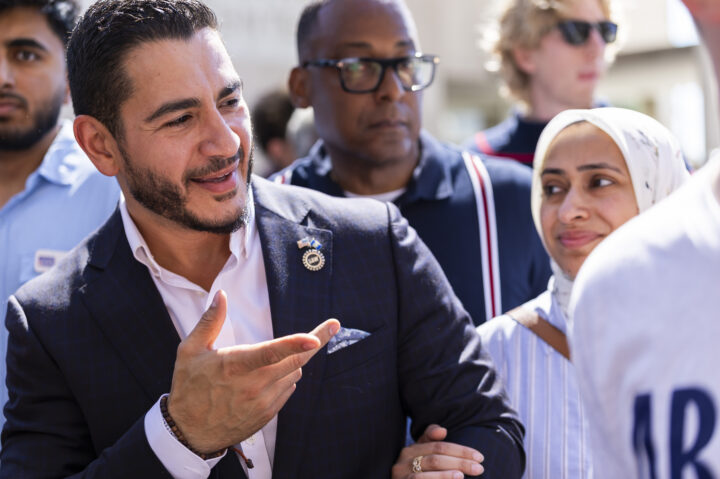
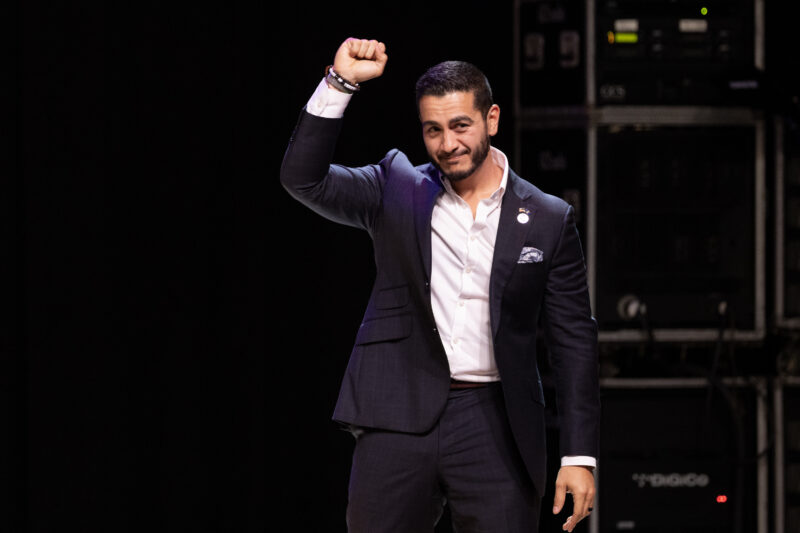
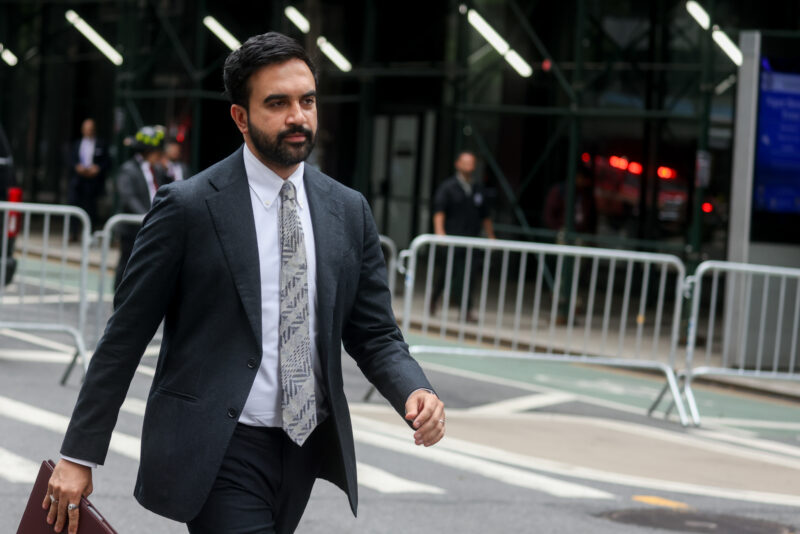
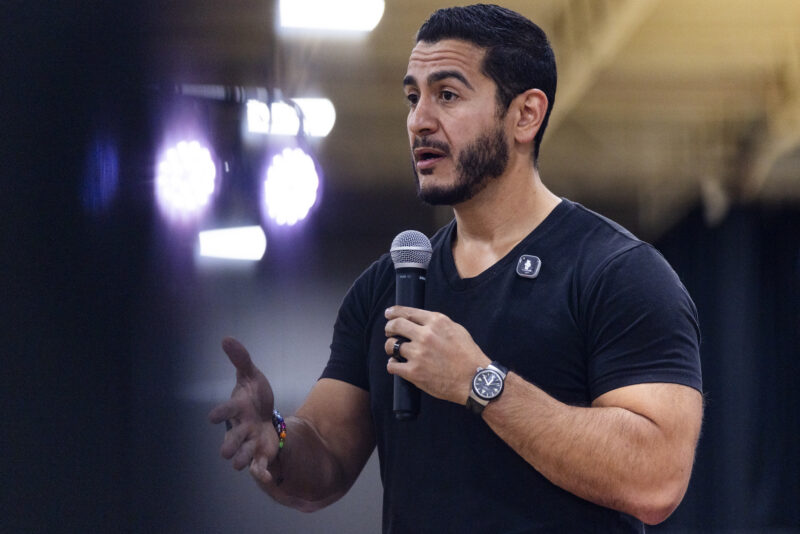
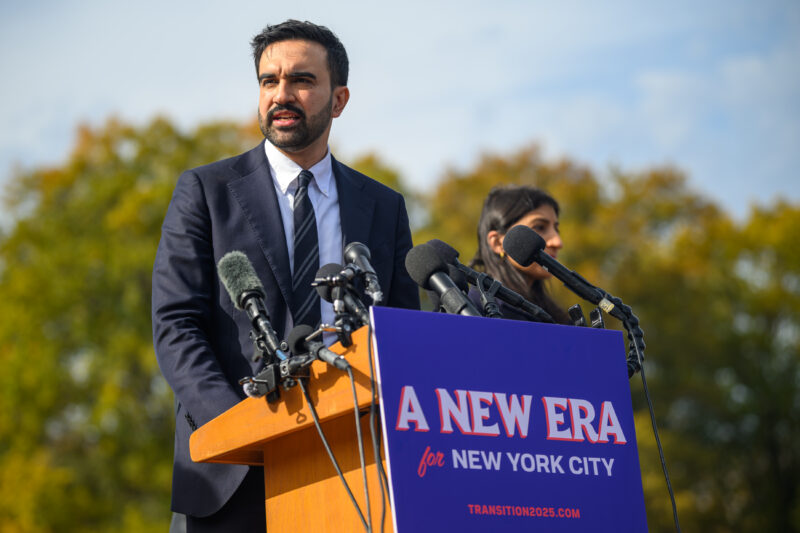
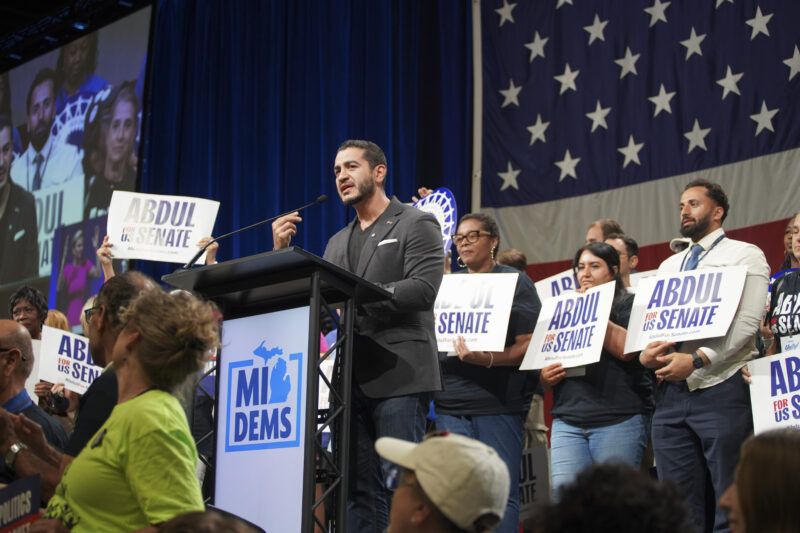
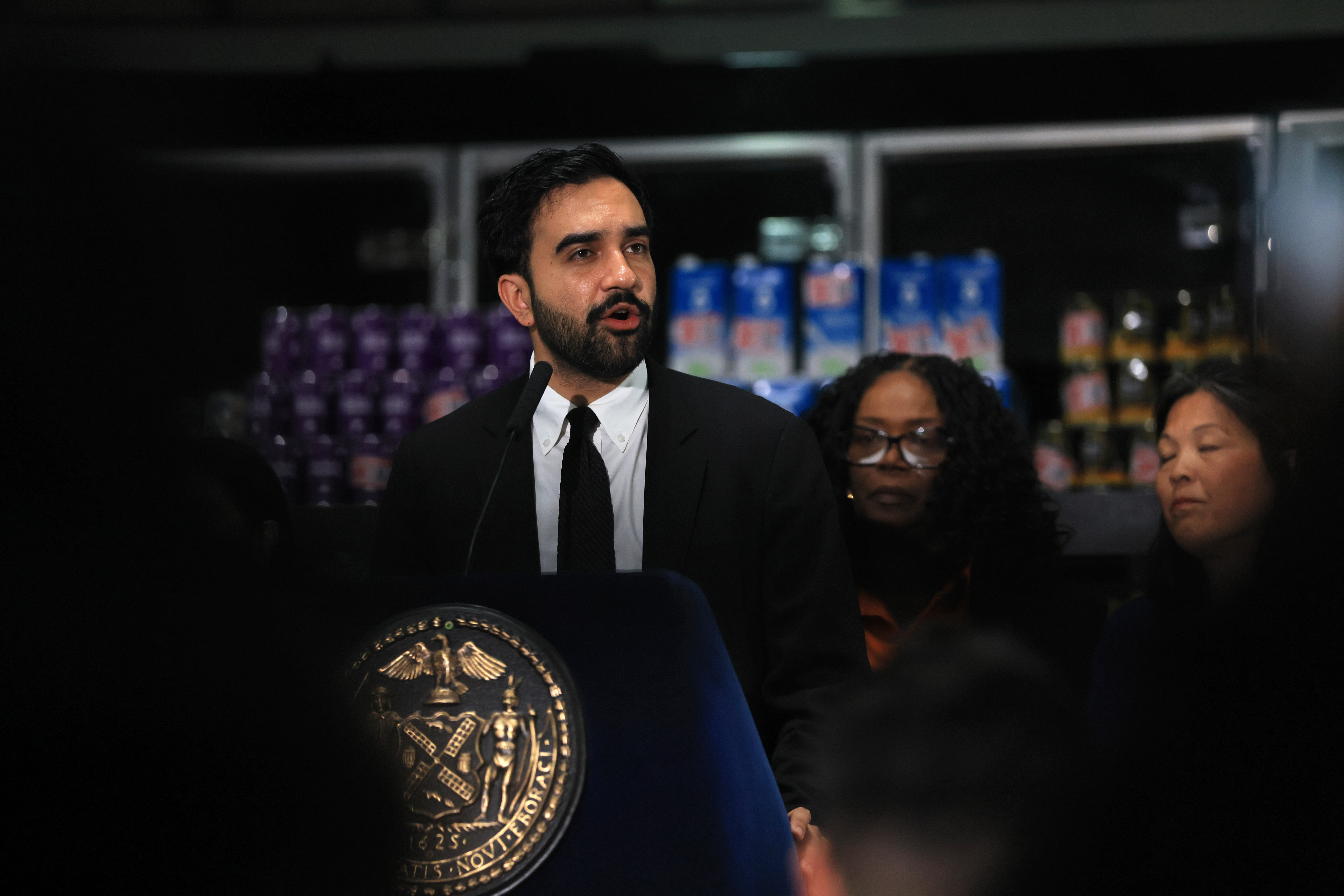
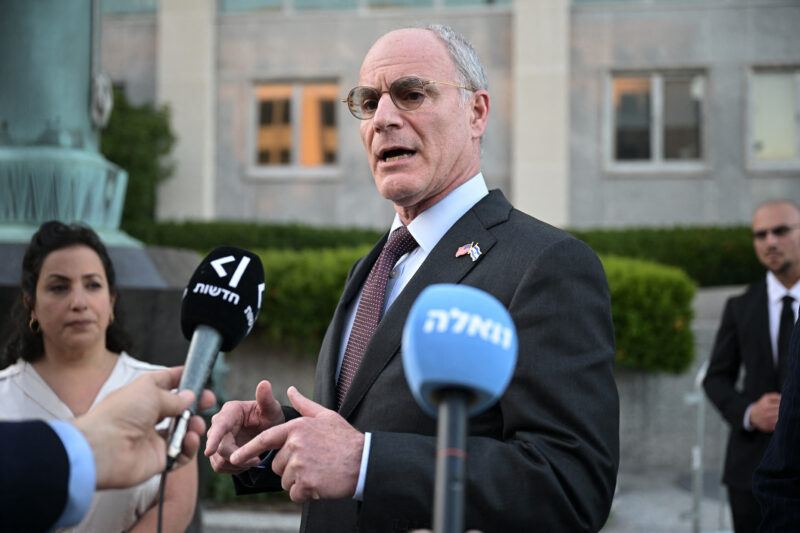
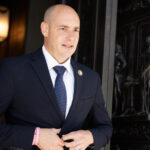
Abdul El-Sayed leaves after holding a press conference in front of the Spirit of Detroit statue on August 05, 2026 in Detroit, Michigan (Photo by Finn Gomez/Getty Images)


 Add JewishInsider on Google
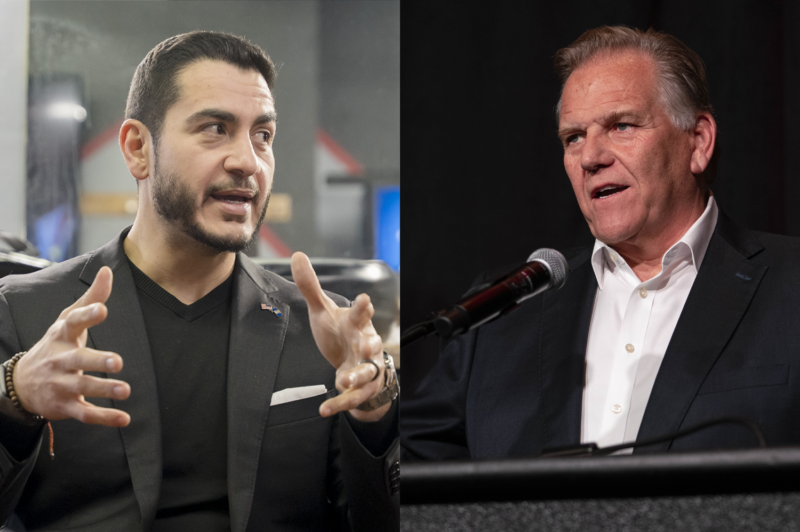
Abdul El-Sayed, the Democratic Senate nominee in Michigan, refused to tone down his hostile rhetoric toward Israel, including his repeated accusations of genocide, during a newly released podcast interview, even as his stances risk alienating Jewish Democrats who are otherwise eager to support his campaign in a key battleground state.
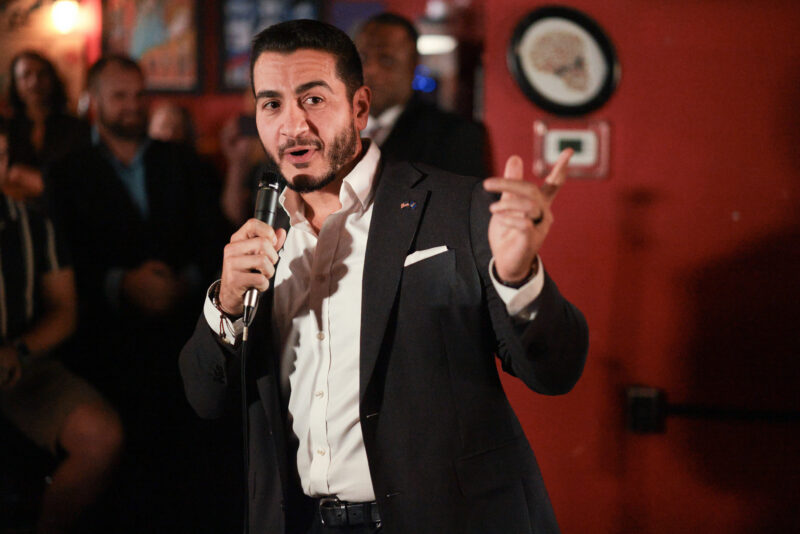
In an appearance on the “Raging Moderates” podcast hosted by Scott Galloway and Jessica Tarlov, who are both Jewish and disagree with his stances on Middle East policy, El-Sayed doubled down in defense of his repeated use of the term genocide to describe Israel’s actions in Gaza, invoking the Holocaust to justify his position.
“The word genocide was created to explain what that was,” El-Sayed said of the “murder of 6 million Jews” in the Holocaust, which he called the world’s “worst genocide.”
“But the whole point of creating that word isn’t that you have to wait until the crime is that big again to be able to use it, otherwise it loses its power,” he added. “Its power is in naming a thing before it gets that big, so we could do something about it.”
El-Sayed’s new comments demonstrate how he has largely been reluctant to offer major concessions on Israel even as he seeks to make inroads with Jewish Democrats in the final stretch of a closely contested election that could help decide control of the Senate.
Throughout the exchange, Galloway and Tarlov warned El-Sayed that his views are “disqualifying” for some Jewish voters who remain skeptical of his uncompromising approach to Israel and equivocal remarks on rising antisemitism.
Tarlov, for instance, told El-Sayed that “there are people who are not going to be able to” vote for him unless he demonstrates a meaningful understanding of their concerns, with little time left until November.
“This is about morals and values and ethics, and it is also about winning elections,” she said. “And there is a group of people that are asking you, I think, for very bare minimum acknowledgement of their concerns — they’re not even saying stop saying genocide.”
Still, El-Sayed held firm, insisting he is committed to building “uncomfortable coalitions” even if it results in losing some support from a pivotal constituency.
“When I’ve had conversations with my Jewish sisters and brothers here in Michigan, I’ve told them where we agree, I’m going to be honest, direct and specific, and where we disagree, I’m going to be honest, direct and specific,” El-Sayed said in the lengthy interview.
“You might disagree with me, and that might mean you might not vote for me,” he went on. “That’s OK.”
Despite recent efforts to mend fences with Jewish and pro-Israel Democrats in Michigan who want to back his campaign, El-Sayed has continued to draw criticism for the extent to which he has been unwilling to evolve on key issues.
While he apologized for his insensitive comments downplaying the violent attack on Temple Israel, a synagogue in suburban Detroit, some Jewish voters cast doubt on the sincerity of his explanation, saying that it did not amount to a wholesale disavowal of his initial remarks claiming “hurt people hurt people.”
Meanwhile, after El-Sayed met privately with rabbis at Temple Israel this month, most of their congregants who had long called the Democratic Party home say they oppose his campaign and intend to vote for his GOP rival, former Rep. Mike Rogers (R-MI), according to The Free Press.
El-Sayed won a key endorsement on Tuesday from Michigan’s attorney general, Dana Nessel, a prominent Jewish Democrat who had voiced deep reservations about his views on Israel and countering the rise of antisemitism. But her decision to support El-Sayed, which she announced in a joint interview, was hardly a vote of confidence for the nominee.
“For me, I don’t want to say the choice is easy, but I am going to say that there is no choice,” Nessel said, “and that’s why I’m supporting Abdul for the United States Senate.”
Other Jewish leaders have indicated that they will withhold their support until El-Sayed confirms his commitment to “nonnegotiable” demands, such as “Jewish sovereignty in Israel,” which he has yet to recognize.
El-Sayed did little to assuage doubts among Jewish voters when he released a Rosh Hashanah video over the weekend featuring members of Jewish Voice for Peace, a far-left anti-Israel group that advocates for the Boycott, Divestment and Sanctions movement.
In the podcast interview with Galloway and Tarlov, El-Sayed summed up his approach to Israel and other issues that remain a key source of tension among Jewish Democrats in Michigan searching for reassurances that some believe he has not provided.
“I’m unwilling to bend my principle around what I believe, and I think we believe in the same principles. The question is ultimately how we apply them, and if we apply them evenly,” he said.
More Stories
Go Blue, but blue and white?
Michigan Hillel’s break with Israel advocacy groups raises questions about where it stands

SCOOP
Rep. Lawler urges Treasury to reopen investigation into Swiss bank’s Nazi ties
PACKED PEWS
Scholten, Gottheimer and Bret Stephens join Dan Senor before packed Michigan crowd
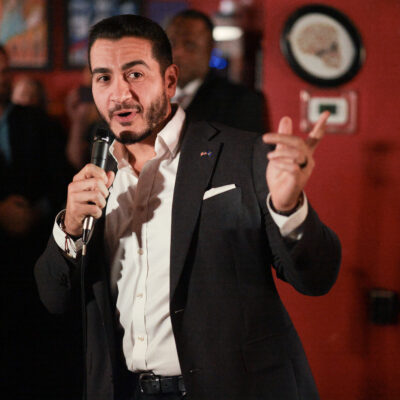
DEBATE DEBACLE
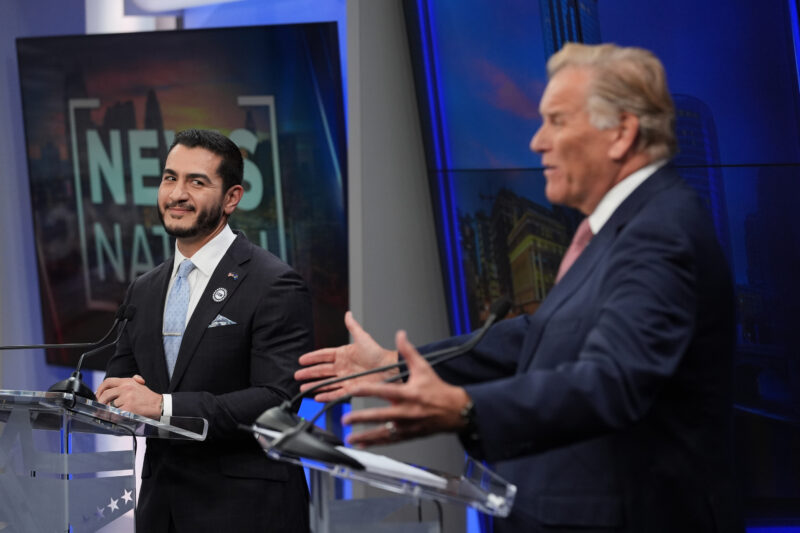
El-Sayed dodges Rogers’ attacks on terrorism ties during heated Senate debate
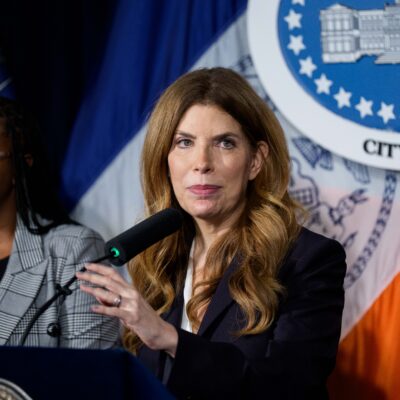
TOEING THE LINE
Menin, Levine call for ‘focus’ on Oct. 7 victims — but don’t condemn Mamdani
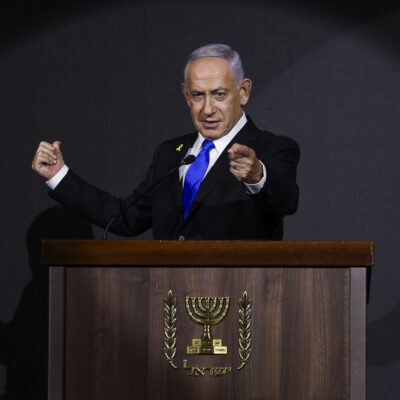
BIBI BOOST
Netanyahu bloc gains on Gadi Eisenkot’s opposition in latest Israeli polls
Please log in if you already have a subscription, or subscribe to access the latest updates.
 Continue with Google
 Continue with Apple