














































Plus, Josh Kushner and Bob Iger ball out
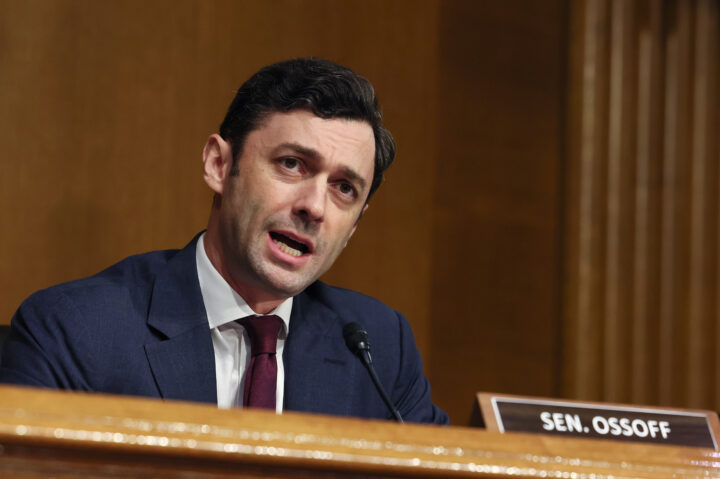
Jemal Countess/Getty Images for Breakthrough T1D)
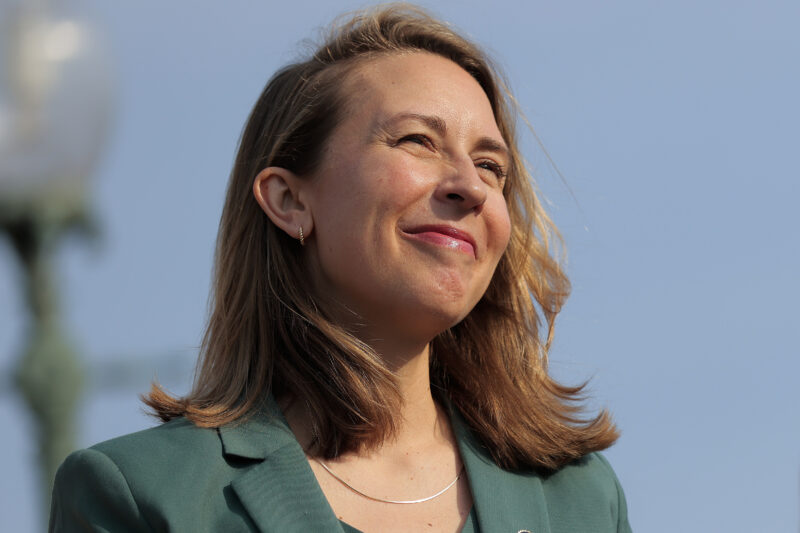
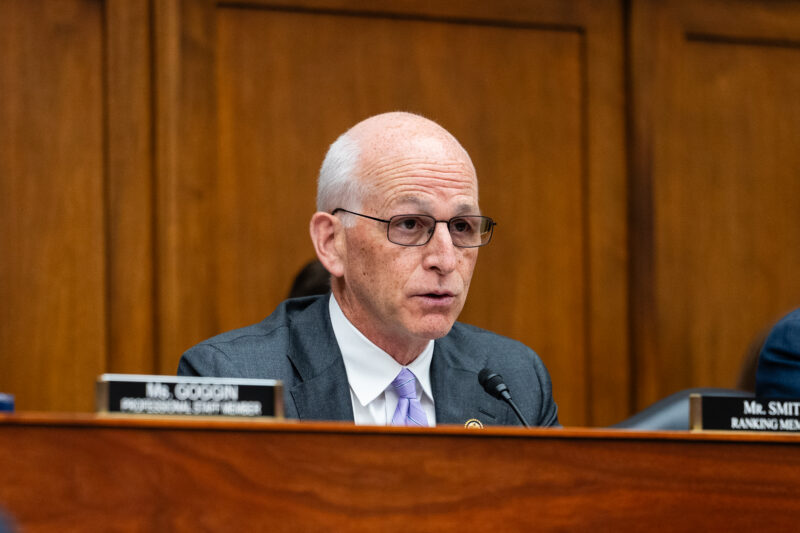
Sen. Jon Ossoff (D-GA) questions witnesses during a hearing held to examine a future without Type 1 Diabetes with a focus on accelerating breakthroughs and creating hope at the Dirksen Senate Office Building on July 09, 2025 in Washington, DC.


 Add JewishInsider on Google
Good Wednesday afternoon.
This P.M. briefing is reserved for our premium subscribers like you — offering a forward-focused read on what we’re tracking now and what’s coming next.
Today’s Daily Overtime was curated by JI U.S. Editor Danielle Cohen-Kanik.
📡On Our Radar
Notable developments and interesting tidbits we’re tracking
A State Department official pushed back on Israeli Defense Minister Israel Katz’s comments in southern Lebanon today, where he said the IDF would remain deployed in a security zone, contrary to the agreement signed between Washington, Jerusalem and Beirut.
“The United States expects all parties to act in a manner consistent with the Framework they agreed to, and Israel clearly stated that it has no territorial ambitions in Lebanon. A permanent military presence in South Lebanon is not consistent with the commitments made in the Framework, or the long-term peace and security of both states,” the official told Axios…
Sources told Reuters that Israel and Lebanon have agreed that countries including Britain, Italy, Switzerland and Indonesia could contribute troops to an international force meant to oversee Hezbollah’s disarmament; an Israeli official denied any decisions had been made on the issue…
President Donald Trump continued to boast about the success of the U.S. campaign against Iran, stating again in a post on Truth Social today that the U.S. “has total control over the Strait of Hormuz” and that the Islamic Revolutionary Guard Corps is “decimated and fleeing.”
Meanwhile, out of the 166 ships that have transited the strait so far this month — a significant decrease from the average before the war — only two are known to have used the U.S.- and Oman-backed route, according to The Wall Street Journal…
In a rare interview with Western media, top IRGC advisor Mohammad Reza Naqdi told “PBS News Hour” that Iran is prepared to continue hostilities through the end of Trump’s term and accused the U.S. of waging a “war without strategy”…
The New York Times documents the efforts being made by Gulf countries to construct routes to move oil out of the region that do not rely on the Strait of Hormuz…
Board of Peace head Nickolay Mladenov denied in a post in Hebrew today that there is any financial agreement between the board and Hamas, refuting a report by Israeli public broadcaster Kan that the board would cover Hamas’ debts up to $400 million.
The disarmament roadmap states that the new Palestinian technocratic government will “assess the legitimate commitments to suppliers, contractors and other parties — up to a total amount of no more than $400M — and address them”; Mladenov said in his post that such processes “are not channeled through Hamas” and that “all accounts are open to full scrutiny by the donor governments”…
The publisher of the Atlanta Jewish Times, Michael Morris, penned an open letter to Sen. Jon Ossoff (D-GA) today pressing the senator over his repeated votes to block U.S. military sales to Israel, Jewish Insider’s Marc Rod reports.
“I apologize for being blunt, but please, stop lying to me and your constituents. I hear you claim, over and over again, that you support Israel — that your support is ‘ironclad.’ It is not,” Morris wrote…
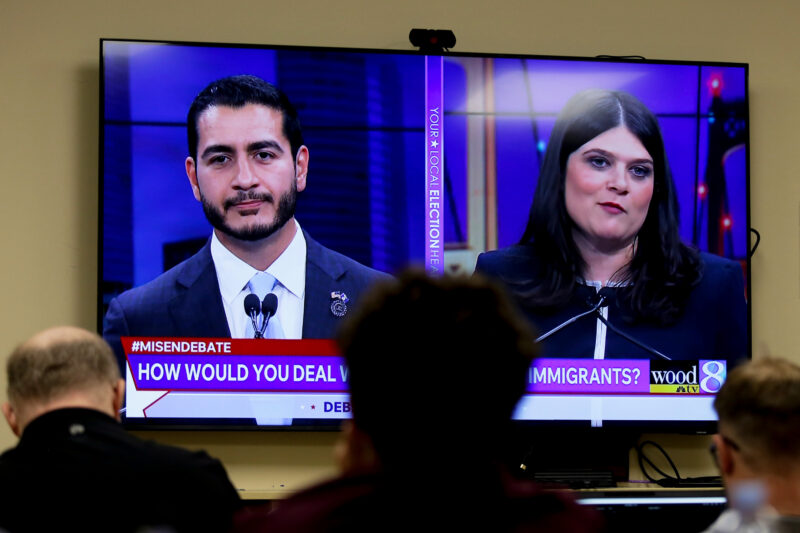
Rep. Haley Stevens (D-MI) denied today that the more than $30 million of support she received from AIPAC’s super PAC in her failed run for U.S. Senate backfired, saying on CNN that those who criticize AIPAC “maybe don’t understand what the group is” and that she’s “proud of the friendships and the relationships I have there [and] the really good Americans” who make up its membership…
White House Press Secretary Karoline Leavitt is stepping away from her role at the end of the month, Trump announced today, in order to spend more time with her family. The president said Leavitt will now serve as “one of my top outside advisors”…
Josh Kushner, managing partner of the venture capital firm Thrive Capital, and former Disney CEO Bob Iger have agreed to purchase a controlling interest in the Los Angeles Lakers for a record-breaking price of $12.5 billion, JI’s Matthew Shea reports…
⏩ Tomorrow’s Agenda, Today
An early look at tomorrow’s storylines and schedule to keep you a step ahead
Keep an eye on Jewish Insider for a look at local Jewish political organizing efforts in major cities across the country.
The Hudson Institute will hold an event examining the state of the ongoing conflicts in the Gulf with the Foundation for Defense of Democracies’ Behnam Ben Taleblu and Hudson’s Michael Doran, Ludo Hood and Zineb Riboua.
Stories You May Have Missed
TRUST, BUT VERIFY
Rabbis hope ‘open, honest dialogue’ with Mamdani brings belated change in Israel rhetoric
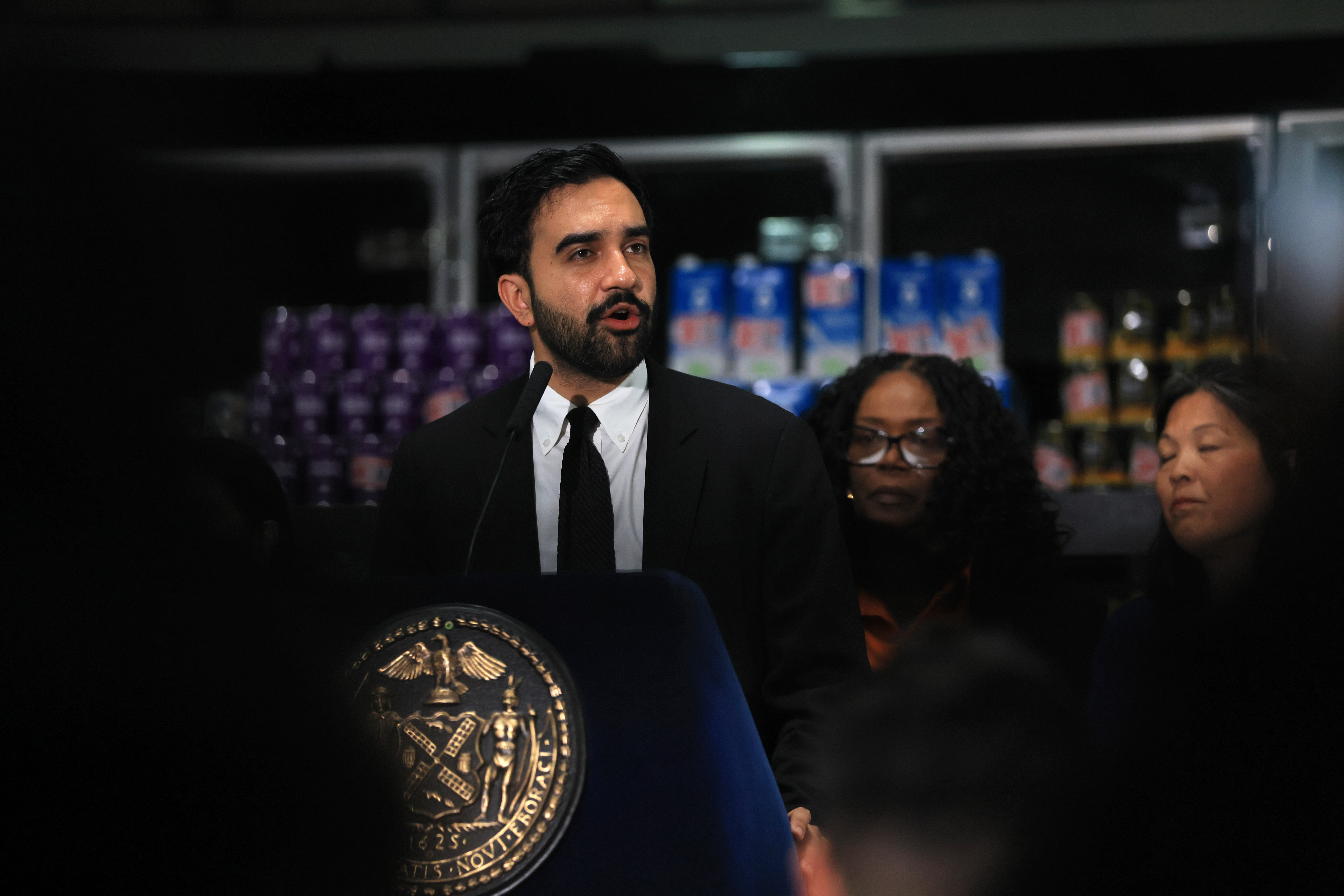
Mamdani’s antisemitism czar invited a cross-section of rabbis and Jewish leaders broadly sympathetic to the mayor for the candid conversation
BALLIN’ OUT
Josh Kushner, Bob Iger purchase Los Angeles Lakers for record $12.5 billion

The sale is the largest purchase price for any sports team in American history
Plus, City Hall and NYPD clash over Rama Duwaji's travel plans

Javier Campos/NurPhoto via Getty Images
A woman waves a Venezuelan flag during a march in amid the COVID-19 pandemic, in Caracas, Venezuela on May 25, 2021. (Photo by )
Good Tuesday afternoon.
This P.M. briefing is reserved for our premium subscribers like you — offering a forward-focused read on what we’re tracking now and what’s coming next.
Today’s Daily Overtime was curated by JI U.S. Editor Danielle Cohen-Kanik.
📡On Our Radar
Notable developments and interesting tidbits we’re tracking
Mohsen Rezaei, secretary of Iran’s Supreme National Security Council, insisted today that any agreement reached between Iran and Oman on administering the Strait of Hormuz is separate from Tehran’s broader closure of the waterway, which will only be lifted once the U.S. accedes to Iran’s demands.
Meanwhile, Pakistani Interior Minister Mohsin Naqvi, a key mediator between the U.S. and Iran, met today with Iranian Foreign Minister Abbas Araghchi in Tehran. Islamabad’s defense minister, Khawaja Asif, told Bloomberg that developments are “shaping up again in favor of a peace arrangement”…
CENTCOM said it disabled a Panama-flagged cargo ship sailing toward Iranian ports today by firing two Hellfire missiles into the vessel’s engine room, the third such incident since the U.S. blockade began…
Ed Miliband, who last month was appointed by new U.K. Prime Minister Andy Burnham to be foreign secretary, said he had a “frank and constructive first call” with Israeli Foreign Minister Gideon Sa’ar today, during which the British diplomat raised the issues of settler violence, settlement expansion and the humanitarian situation in Gaza, among others.
The discussion came a day after Miliband met with British Jewish community leaders, who said they were “impressed” by the foreign secretary’s “longer-term commitment to maintaining the conversation”…
Sa’ar announced that Israel and Venezuela have agreed to renew consular relations — establishing a coordination mechanism to provide consular services to each country’s citizens — in the first official channel between the two since Caracas severed diplomatic ties in 2009. The move builds on the Israeli aid delegation dispatched to Venezuela after the June 24 earthquakes…
The Palestinian technocratic committee meant to govern Gaza convened a joint coordination meeting with several U.N. agencies — including the World Food Program, UNICEF and the World Health Organization — as well as representatives from the Board of Peace and former U.K. Prime Minister Tony Blair’s Institute for Global Change to coordinate on humanitarian aid and reconstruction issues…
Former Mossad head Yossi Cohen said at a conference in Israel today that Israeli operatives have “toured” Iran’s Fordow nuclear facility “many times” in order to “understand” it, and called the U.S. operation to bomb the site during the 12-day war in June 2025 “the fulfillment of all my dreams”…
The NYPD denied that its officers will be accompanying New York City First Lady Rama Duwaji on a trip to Lebanon and Syria next month after City Hall said that, “upon the strong recommendation of the NYPD, the First Lady’s security detail will be joining her” on the trip.
“The NYPD does not send officers to countries with level four travel advisories for discretionary reasons,” the NYPD said today, referring to the State Department’s ranking system that currently designates the two countries as “do not travel” locations. Mayor Zohran Mamdani later said the diverging statements stemmed from a “miscommunication,” and that when his wife makes the trip “it will be without any NYPD detail”…
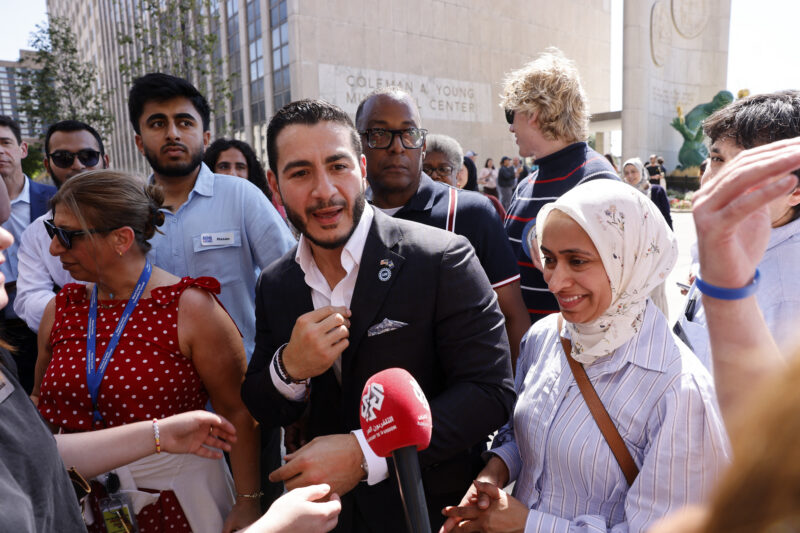
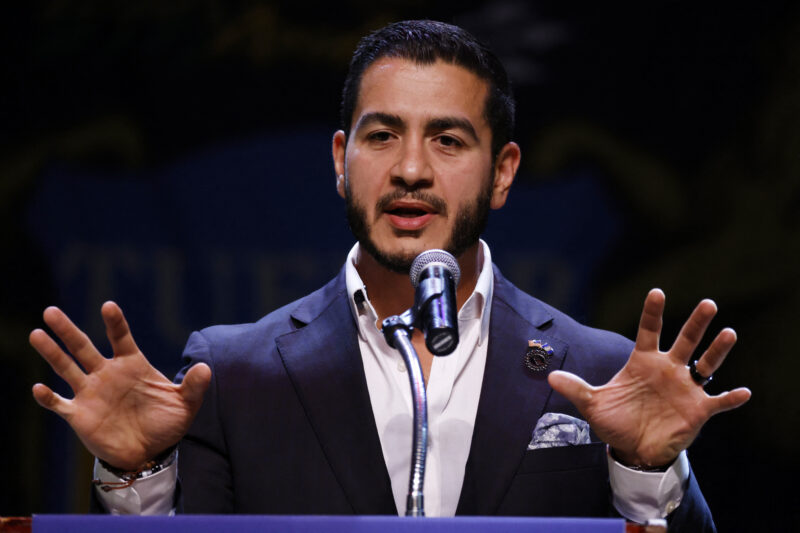
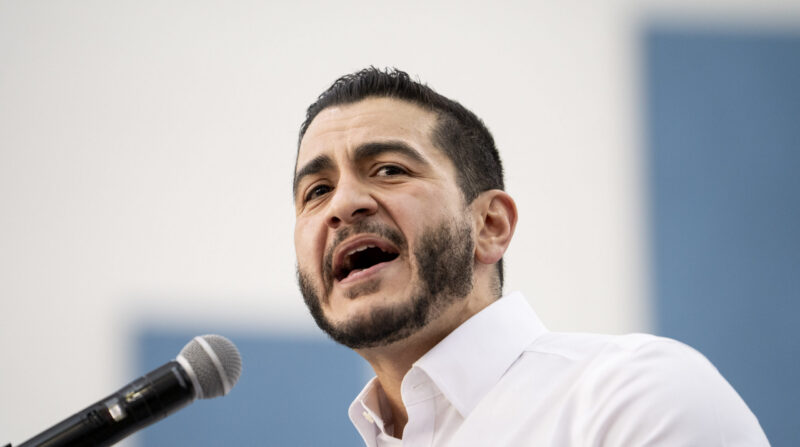
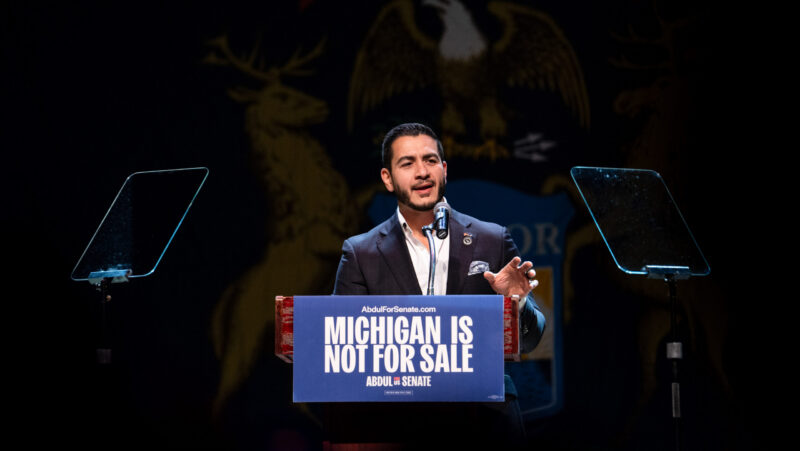
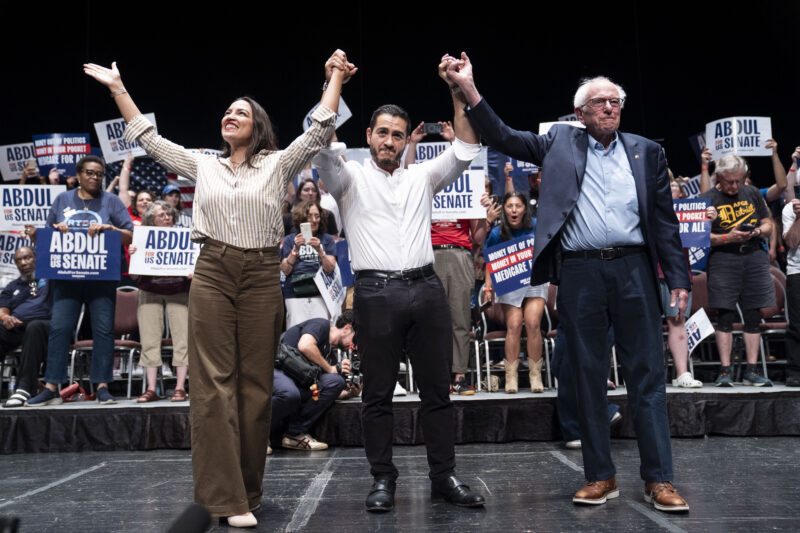
Democratic Michigan Senate nominee Abdul El-Sayed has made private over 100 YouTube videos from his time as a podcaster and commentator, CNN reports, including videos in which he lambasted fireworks on the Fourth of July, floated replacing the Second Amendment and voiced support for prison abolition…
The Democratic Congressional Campaign Committee added Brian Poindexter, the Democratic nominee in Ohio’s 7th Congressional District, to its “Red to Blue” program as he aims to unseat Rep. Max Miller (R-OH). Democratic leadership will offer Poindexter strategic support as the district, previously considered a long shot for Democrats given its GOP leanings, is now seen as a key flip opportunity as Miller navigates accusations of domestic violence by his ex-wife…
The campaign of Francesca Hong, the socialist seen as the front-runner in today’s Democratic primary election for governor of Wisconsin, was rebuffed by Sen. Bernie Sanders (I-VT) as she sought his endorsement due to her perceived weaknesses as a candidate, Politico reports; her campaign is planning to overhaul its staff to address such issues if she proceeds to the general…
⏩ Tomorrow’s Agenda, Today
An early look at tomorrow’s storylines and schedule to keep you a step ahead
Keep an eye on Jewish Insider for results from key primaries taking place today in Minnesota, South Carolina, Connecticut and Wisconsin.
Stories You May Have Missed
THE CAPITAL’S KOSHER CONUNDRUM
D.C. has a kosher restaurant problem. Owners say to blame the math

D.C. has a kosher restaurant problem. Owners say to blame the math
DSA UNFILTERED
DSA co-chair calls Oct. 7 attacks ‘largely inevitable,’ says she would have attended Oct. 8 rally
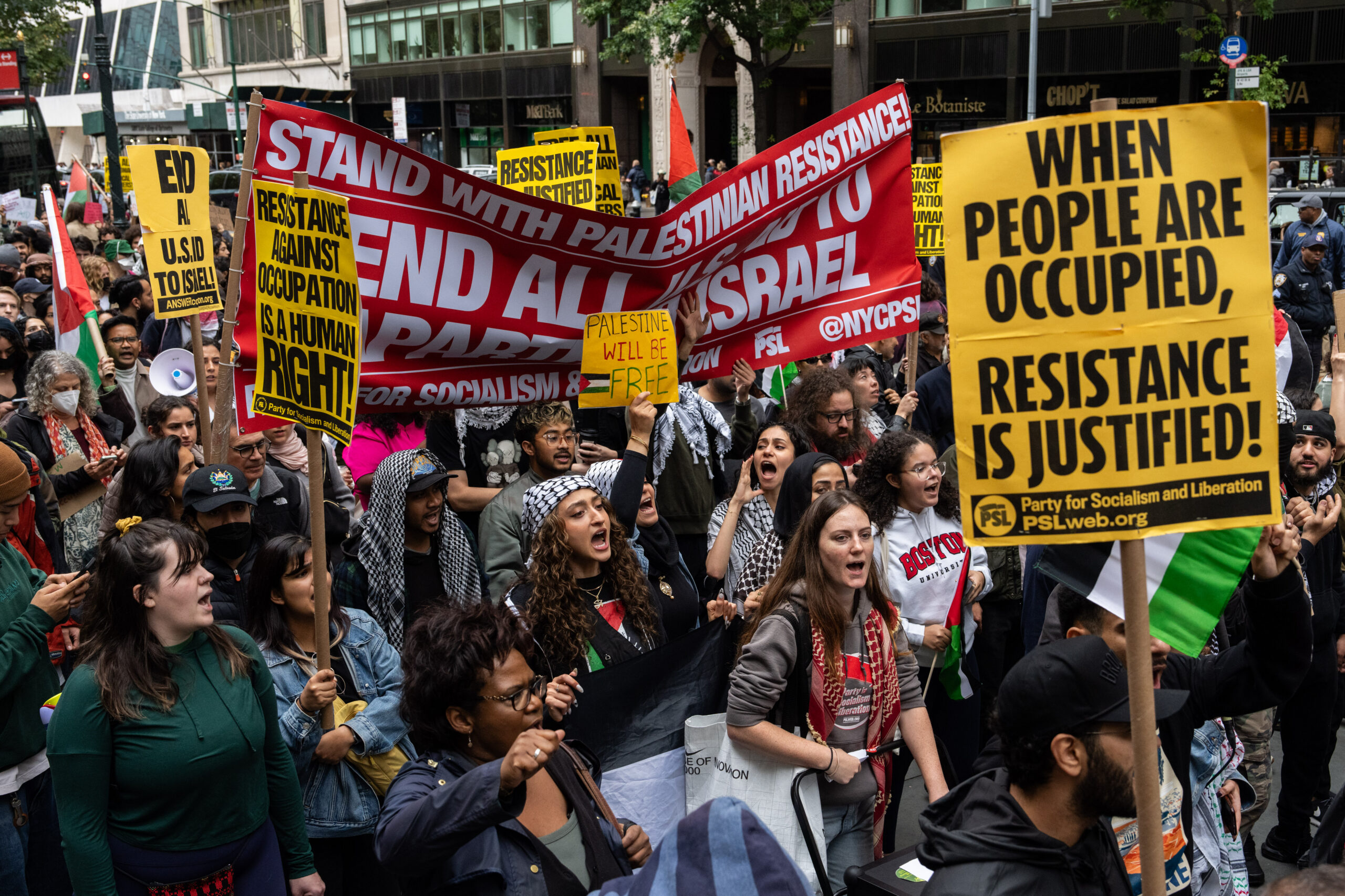
‘If you put people in an open-air concentration camp … you have to expect that they are going to not take that for that long,’ Megan Romer said of the Oct. 7 attacks
Analysts warn the proposed 60-day arrangement, if signed as reported, would mark the first time Iran formally directs shipping through the international waterway, setting a dangerous precedent
Amirhossein KHORGOOEI / ISNA / AFP via Getty Images
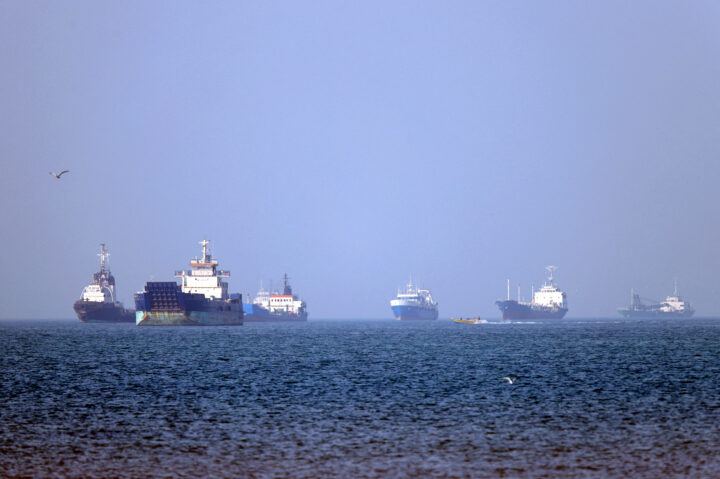
Vessels are pictured anchored in the Strait of Hormuz off Bandar Abbas in southern Iran on May 5, 2026.
Experts are expressing growing concern over reports that an emerging deal between Iran and Oman to reopen the Strait of Hormuz could grant Tehran unprecedented oversight over the international shipping route, ceding control to Iran that it did not possess prior to the conflict.
The potential agreement comes as President Donald Trump suggested on Tuesday that “a lot of progress had been made” in negotiations and signaled a deal on the strategic waterway could be announced as soon as this week. Iranian Foreign Ministry spokesperson Esmail Baghaei confirmed on Wednesday that an arrangement with Oman had reached the “final stage.”
Iran’s deputy foreign minister has denied direct negotiations with the U.S. and warned that an agreement would not automatically reopen the waterway. Iranian state media also reported that, under a draft bill currently being reviewed by an Iranian parliamentary committee, U.S. and Israeli ships may also be barred from crossing the strait.
Reports indicate any agreement would likely last for 60 days and require the U.S. to lift its naval blockade on Iranian ports. A deal would potentially initiate the clearing of naval mines in the strait, a return to a broader ceasefire and resumption of talks with the U.S. on Tehran’s nuclear program.
Under the proposed terms, inbound commercial vessels would be directed through a northern route in Iranian waters, while outbound ships would traverse a southern route in Omani waters, managed in coordination with Iran. Although a U.S. official told the Associated Press that such a deal would preclude Iran from issuing formal approvals for transiting ships, tolls or service fees, regional analysts warn that formalizing Iranian oversight over the chokepoint represents a significant strategic concession.
Matthew Levitt, a senior fellow at The Washington Institute for Near East Policy, told Jewish Insider that Washington’s drive for a resolution with Iran may be driving it to agree to a less-than-ideal scenario.
“President Trump is very eager for a deal that reopens the strait, and seems inclined to accept a deal under which Iran has greater oversight of ships entering and exiting the strait,” Levitt said. “The key is denying Iran any way of monetizing the flow of traffic through this international waterway.”
Daniel Shapiro, a former U.S. ambassador to Israel under President Barack Obama who also served as President Joe Biden’s Iran liaison to Israel, told JI that “if the deal that is being described comes into effect, it is a strategic win for Iran.”
“[Iran] will emerge with effective control over the Strait of Hormuz, which was a fully open international waterway before the war,” Shapiro said. “The United States will be strategically worse off with this outcome than we were before the war, but it is almost certainly the only way to prevent an escalation that would produce even greater global economic disruption than we have already seen.”
Shapiro noted that even after a deal is made, Iran “will probably receive early sanctions relief … and they will only be expected to start negotiations on their nuclear program, which could turn out to be fruitless and endless.”
Analysts emphasized that the disconnect between Washington and Tehran regarding the scope of the agreement poses risks to maritime security.
Jonathan Ruhe, director of foreign policy at the Jewish Institute for National Security of America , pointed out that much like the June U.S.-Iran memorandum of understanding, the potential deal means vastly different things to each side. While the U.S. expects international shipping to resume unencumbered, Tehran views the arrangement as a vehicle to establish long-term authority.
“Iran expects much more, including at least de facto ability to toll and veto passage through Hormuz,” Ruhe said. “Tehran’s redline for a deal is recognition of its ‘right’ to determine and deter shipping in Hormuz, as the spoils of its victory and a key counterweight to further U.S. pressure.”
“Combined with the complications of gaining signoff from Iran’s Supreme Leader, and Iran’s predictable tendency to seek additional U.S. concessions, these differences explain the lack of a deal so far – despite U.S. anticipation of an imminent announcement,” he continued.
Ruhe said that even if the Trump administration secures a deal that reopens the strait, the precedent set by such an agreement could remain dangerous.
“It would affirm that the fate of this critical waterway is subject to Iran’s approval, and undermine America’s abiding interest in free navigation,” he said. “By cementing a key wartime gain, it would embolden Tehran to take the hardest possible line in any follow-on talks.”
Richard Goldberg, a senior advisor at the Foundation for Defense of Democracies and a former Trump administration official, cautioned that the final structure of the deal will determine whether Washington is conceding leverage or calling Tehran’s bluff.
“I find it difficult to believe we would ever cede formal control over a critical international waterway to a terrorist group, or otherwise tolerate that group collecting tolls or fees for what is already an international right to freedom of navigation,” Goldberg said.
Goldberg noted that Iran’s rhetoric may ultimately be bluster.
“Oftentimes the reality of a situation might differ from Iran’s propaganda — that is, in this case, Iran might claim it’s ‘allowing’ ships to pass through its claimed ‘territorial waters’ but in practice it could mean ships are just moving through the strait as they always used to without taking drone or missile fire,” Goldberg explained. “If we see formal control, tolls or fees, that’s a terrible outcome; if we see Iran just making claims that it’s allowing something to happen but there is no formalized control, no extortion payments being made, that could very well be a propaganda-disguised-victory for the United States.”
Plus, Iran’s ‘unbelievably duplicitous’ leaders irk Trump
Amir Levy/Getty Images
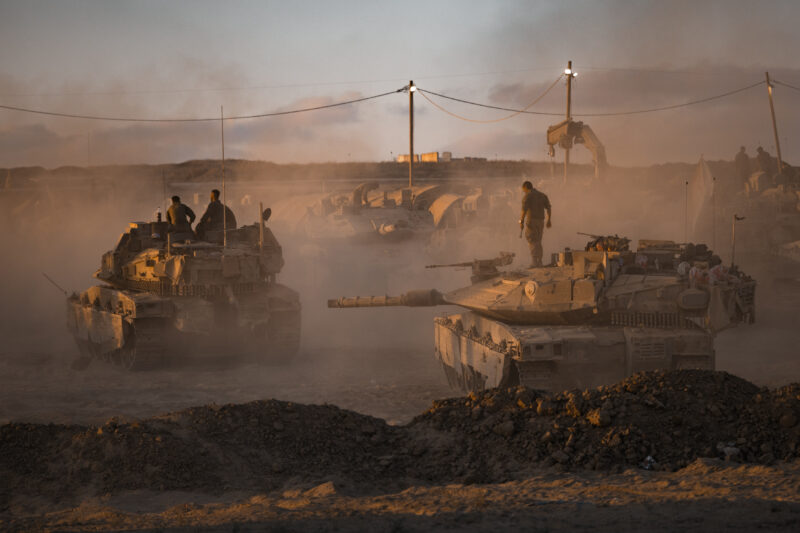
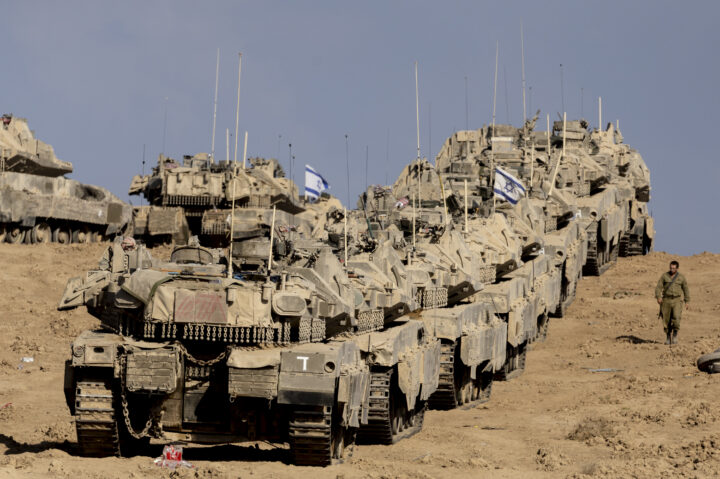
Israeli tanks stationed near the border with the Gaza Strip on September 17, 2025 in southern Israel.
Good Monday afternoon.
This P.M. briefing is reserved for our premium subscribers like you — offering a forward-focused read on what we’re tracking now and what’s coming next.
Today’s Daily Overtime was curated by JI U.S. Editor Danielle Cohen-Kanik.
📡On Our Radar
Notable developments and interesting tidbits we’re tracking
President Donald Trump lambasted Iranian leadership today, calling the regime “unbelievably duplicitous” for contradicting his claim that Washington and Tehran are currently conducting negotiations, after Iranian Foreign Ministry spokesperson Esmail Baghaei said that Tehran was only in discussion with Oman about the Strait of Hormuz and had no plans to speak to the U.S.
Trump claimed in his Truth Social post that the regime had “begged” for a meeting, “with more scheduled in the immediate future,” adding, “whether Iran wants to admit it or not, we are, in fact, talking of a solution to a problem that they have caused, for decades.” Trump later told reporters that the talks were “a last chance for Iran to sign a good document” and that he wants to give Iran “every last chance before decapitation”…
Board of Peace head Nickolay Mladenov held a “constructive and detailed” meeting with Israeli Prime Minister Benjamin Netanyahu today, the board said, after the IDF continued to strike targets in Gaza over the weekend — in contravention of the Board of Peace’s Hamas disarmament plan, which called for the immediate cessation of hostilities in the enclave.
The board clarified that the IDF’s withdrawal beyond the yellow line in Gaza “will take place only once decommissioning [of Hamas’ weapons] is complete,” including all light and heavy weapons as well as terror tunnels. Netanyahu has yet to officially comment on the deal, but a senior Israeli spokesman said earlier today that the agreement “does not reflect Israel’s positions” and another Israeli official declared that the IDF “will not withdraw from the current line in the Gaza Strip”…
Israeli President Isaac Herzog received the credentials of the new ambassadors from Chile and Honduras today; the two Latin American countries had pulled their ambassadors from the Jewish state shortly after the Oct. 7, 2023, Hamas terror attacks in protest of the war in Gaza but have since elected new conservative governments that have sought to strengthen ties with Jerusalem…
Education Secretary Linda McMahon sent a letter to every university in the country today asking their leadership to publish by the end of the year a statement committing to principles including transparency in admissions, free speech, diversity of thought and keeping foreign influence out of academics.
Yeshiva University President Rabbi Ari Berman applauded the initiative, which came after most universities rejected a compact from the Trump administration last year that had asked them to agree to a set of ideological principles in order to receive federal funding, and said YU would participate in the effort to rebuild public trust of higher education…
Brown University President Christina Paxson announced today that she will step down at the end of the 2026-27 academic year, concluding her 15-year tenure at the Ivy League, during which the school increased Jewish student enrollment even as most peer institutions experienced significant drops, Jewish Insider’s Haley Cohen reports…
As the Israel on Campus Coalition’s National Summit continues in Washington, Noah Pollak, a senior advisor at the Education Department, debated Jonathan Rauch, a senior fellow at the Brookings Institution, on whether the Trump administration’s crackdown on campus antisemitism has protected or threatened America’s liberal norms. After the debate, where Pollak argued in favor of the policy and Rauch argued against, students who were polled in the audience shifted their views to align more with Rauch, JI’s Haley Cohen reports…
New hate crime data released by the NYPD shows an uptick of 8.5% in hate crimes against Jews in New York City this year so far, accounting for more than half of all hate crimes in the city, despite Jewish New Yorkers only accounting for 10% of the city’s population…
A New York man was indicted on hate crimes charges on Friday for repeatedly vandalizing a kosher bagel shop, weeks after he was indicted for manslaughter for killing a prominent Jewish community member in a car crash…
Author Alyssa Rosenheck pushed back on arguments raised by Bell Bird Books, a local bookstore in Nashville, Tenn., that canceled a book launch event for Rosenheck’s White. Blond. Jew.,which the bookstore claimed was due to security concerns. Rosenheck said she had personally paid for a private firm to secure the event and was told there were no outstanding security concerns, alleging that the event was canceled “because I’m an unapologetic Jewish voice … and it provokes an online mob of hate”…
Trump is considering removing Jeanine Pirro, the U.S. attorney for the District of Columbia, according to CNN, after he said today that she “folded like an umbrella” when she withdrew a case against an alleged vandal of the Reflecting Pool and instead blamed the Interior Department for its botched renovation…
⏩ Tomorrow’s Agenda, Today
An early look at tomorrow’s storylines and schedule to keep you a step ahead
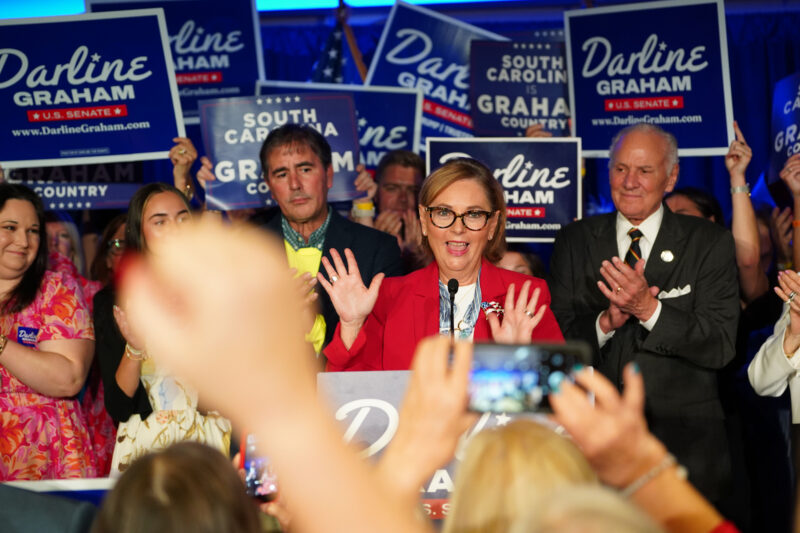
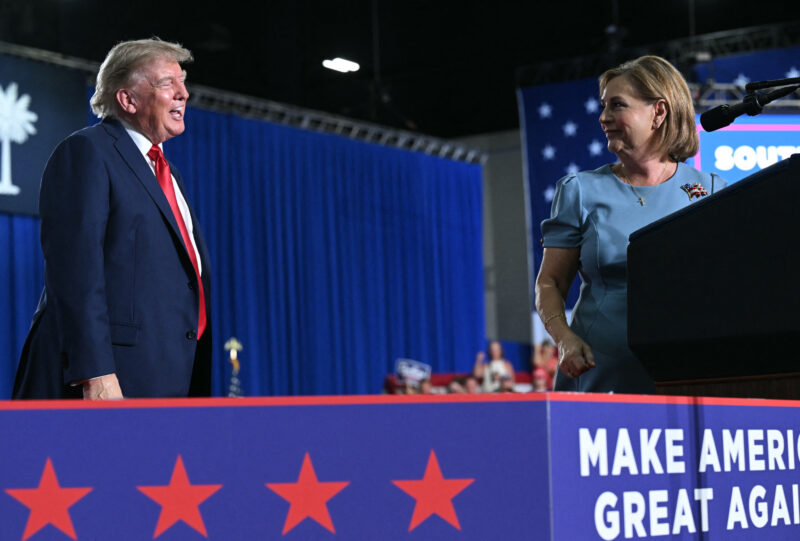
Keep an eye on Jewish Insider for a look at Sen. Darline Graham’s (R-SC) bid for a full term in the Senate, where she is facing headwinds despite having secured President Donald Trump’s endorsement.
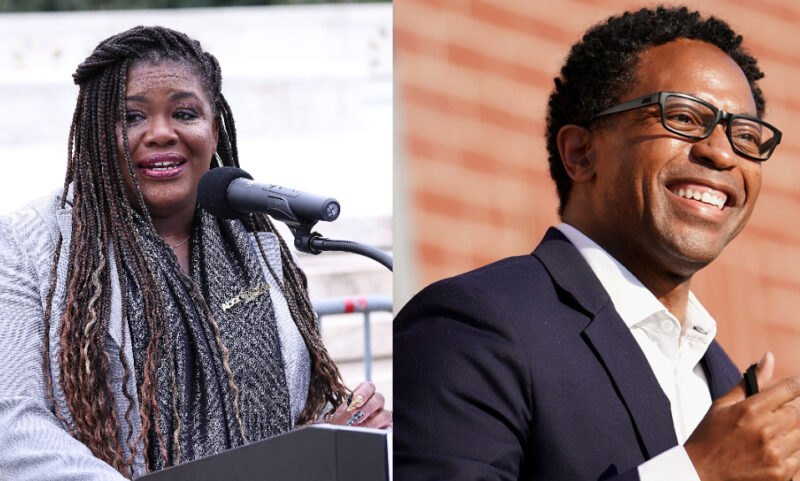
We’ll be watching tomorrow’s Democratic primaries in Michigan and Missouri — the sharpest tests yet of the party’s divide over Israel. In Michigan’s Senate race, far-left Abdul El-Sayed seems the favorite in recent polling over Rep. Haley Stevens (D-MI); in Missouri, Rep. Wesley Bell (D-MO) faces a rematch with former Rep. Cori Bush (D-MO). Also on the Michigan ballot: the battleground 7th District, where DSA-backed William Lawrence is the front-runner, and the 11th District, where Jewish state Sen. Jeremy Moss is running to succeed Stevens. Kansas, Virginia and Washington state will also hold their primaries tomorrow.
Israeli and Lebanese representatives will meet tomorrow to begin another round of U.S.-led negotiations in Rome. U.S. Ambassador to Lebanon Michel Issa sounded a cautious note today on the ongoing trilateral agreement, as the Lebanese Armed Forces and the IDF continue to work toward establishing the fragile pilot zones in southern Lebanon: “A great deal of technical work remains to ensure civilian safety on the ground,” Issa said. “There is a meaningful difference between drafting an agreement on paper and implementing it responsibly — moving too quickly risks jeopardizing the very civilians this process is meant to protect.”
The Senate Judiciary Committee is set to vote tomorrow on whether to advance acting Attorney General Todd Blanche‘s nomination to lead the Justice Department, after Sens. John Cornyn (R-TX) and Thom Tillis (R-NC) dropped their opposition to his nomination when the administration agreed to rescind its $1.8 billion “anti-weaponization” fund.
Stories You May Have Missed
MICHIGAN MOVES
Republicans betting Jewish voters swing Rogers’ way if El-Sayed wins primary
For many Jewish Democrats in Michigan who have long called the party home, the bruising lead-up to the primary on Tuesday has been difficult to experience
CAMPUS CLIMATE
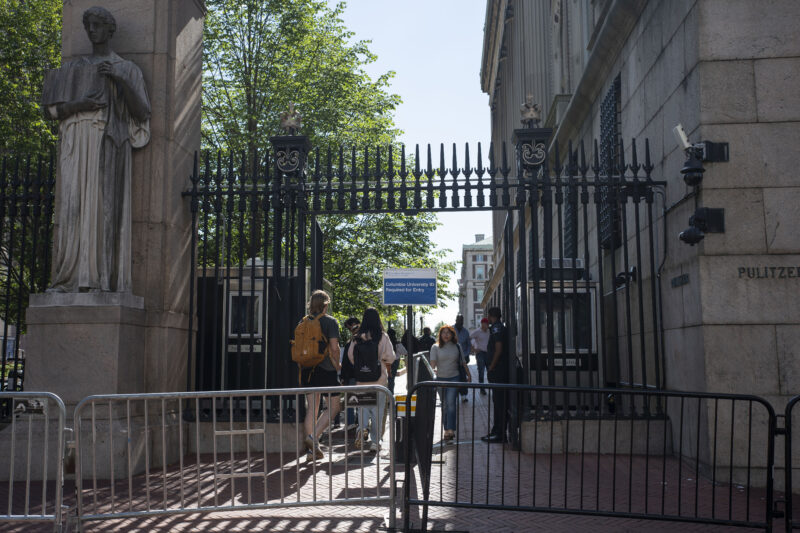
Not better, just different: Students seek tools to address changed campus environment at ICC summit
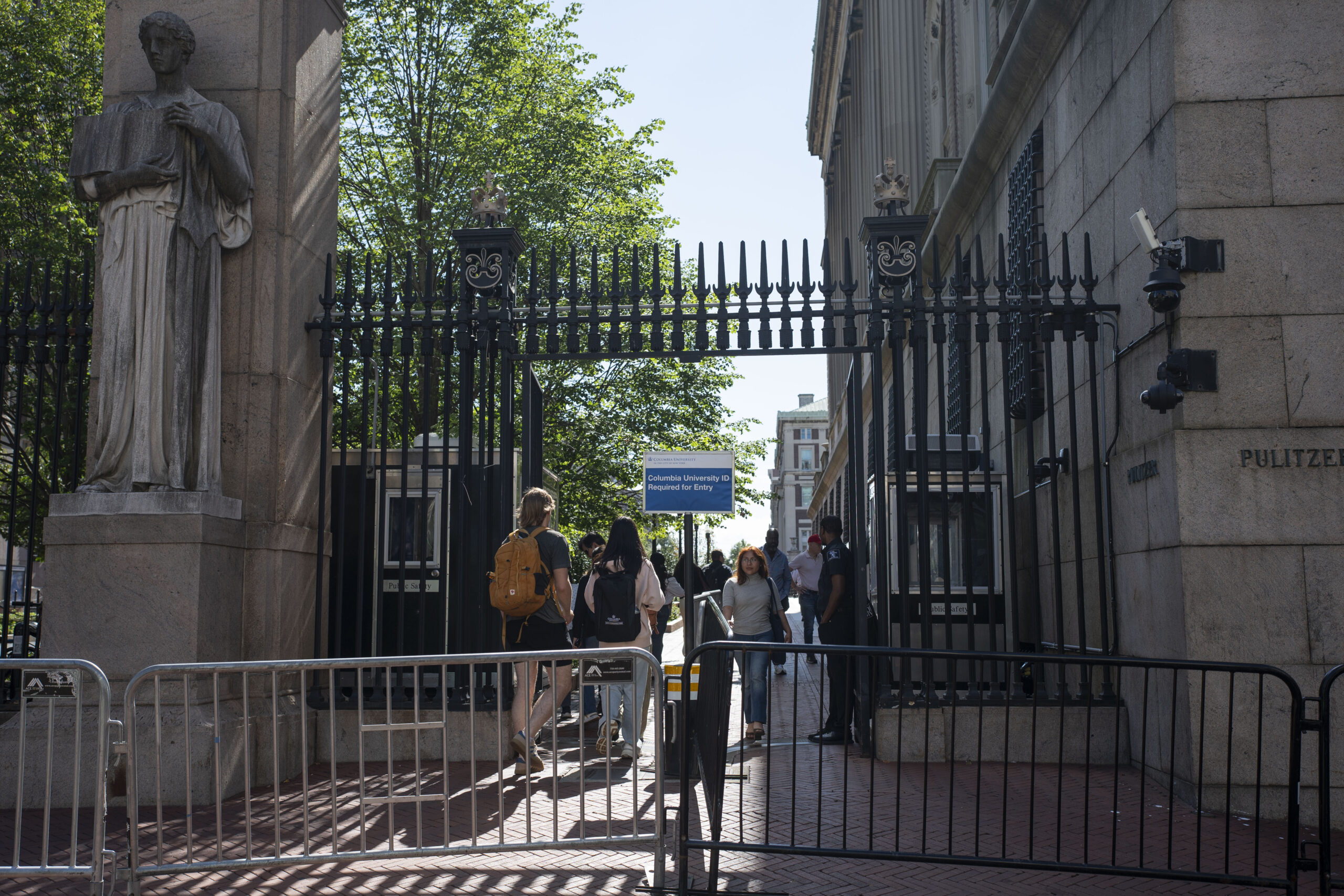
‘The assumption is that it’s better by virtue of there being no encampments right now, there’s no buildings being sieged. But that being the bar is ridiculous,’ Columbia student Noah Lederman said of the challenges on campus
Analysts say the reported arrangement could strengthen maritime security, deter Iranian influence and reinforce a key Gulf partnership

Shady Alassar/Anadolu via Getty Images
Commercial vessels and oil tankers preparing to transit through the Strait of Hormuz maintain their wait in the Gulf of Oman, on June 17, 2026.
Lawmakers and Middle East analysts are expressing support for Washington’s reported agreement to help Oman strengthen its maritime intelligence and monitoring of transit through the Strait of Hormuz, saying the move could help secure free access to the critical waterway and deter Iranian influence.
Intelligence Online reported that Oman requested U.S. assistance to strengthen its maritime intelligence and provide surveillance on the Strait of Hormuz to protect shipping during the current ceasefire. The Pentagon received the request last month from the Royal Navy of Oman, sources told the outlet, and Washington has agreed to fulfill it by sending a defense contractor to address the immediate surveillance needs.
Throughout the conflict between the U.S. and Iran, Oman has stated it is maintaining its traditional position of neutrality. However, Washington has heavily criticized Muscat for its ongoing backchannel diplomacy with Tehran, calling on the Gulf nation to sever ties and pick a side.
U.S. officials have also chided Oman for refusing to directly condemn Tehran for drone attacks on regional infrastructure in the Gulf, and the Trump administration previously threatened military action if Muscat cooperated with Iran to impose fees or controls on shipping in the strait. Oman hosted Iranian officials to discuss the “administration” of the strait as recently as Tuesday.
Sen. John Kennedy (R-LA) expressed support for the agreement, assessing that U.S.-Omani cooperation in the strait advances Washington’s interests.
“That would help America,” Kennedy told Jewish Insider. “Therefore, I’m for it. I think it’s great.”
Sen. Richard Blumenthal (D-CT) said that while he did not have independent knowledge of the specifics, he believed closer cooperation is a welcome step.
“Any action that can ensure the strait remains open certainly ought to be welcome,” Blumenthal said. “If the United States can really use Oman’s help, or any other of the Gulf nations, it would be welcome.”
Rep. Tim Burchett (R-TN), however, struck a more skeptical tone.
“Trust but verify,” Burchett said. “I have a hard time trusting anybody in the Middle East right now, so that’s all I can say.”
When asked whether the joint monitoring arrangement could successfully deter Iranian influence or keep the crucial passageway toll-free, Burchett remarked: “I would be wishful for that.”
“The lines change and they get blurred so fast over there,” Burchett added. “I think there’s a new sense of collaboration over there, because a lot of Muslim-leaning countries supported us in our efforts in Iran, so I think they’re sick of the fighting too.”
Analysts said the arrangement is not unusual given the decades-long U.S.-Oman intelligence partnership, but argued it could help repair the countries’ ties, which were strained during the conflict with Iran.
“It’s perfectly in keeping with the Trump administration’s cognitive dissonance to criticize and cooperate with Oman in the same breath,” Jonathan Ruhe, a director of foreign policy at the Jewish Institute for National Security of America, said. “Oman hasn’t been America’s closest Gulf partner, but it long depended on the United States to defend Hormuz against Iran.”
Simon Henderson, a senior fellow at The Washington Institute for Near East Policy, argued that “any policy which helps maintain and improve the ties [between the U.S. and Oman] deserves encouragement.”
“The U.S. needs Oman as an ally if it is to make sure that Iran does not dominate the Strait of Hormuz,” Henderson said. “It will be interesting to see whether the current tension is reparable. Oman is very sensitive to U.S. criticism and may well judge that the future represents a different relationship and direction.”
Edmund Fitton-Brown, a senior fellow at the Foundation for Defense of Democracies, noted that the arrangement yields intelligence benefits for Washington.
“The U.S. will expect to receive all of the intel generated by the Omani navy on the strait,” Fitton-Brown said. “It also keeps Oman, along with Qatar and Pakistan, as a mediator in future conflicts. Above all, the U.S. ability to manage future negotiations and crises in the strait will be enhanced, and it is likely to be able to dictate what stance Oman adopts in such negotiations and crises.”
Fitton-Brown added that while Oman has tried to behave neutrally, its core relationship of trust remains with the U.S. This assistance gives Muscat “reassurance that the U.S. still has confidence in it as an ally masquerading as neutral.”
“[Oman] was worried during the U.S.-Iran conflict that it might be forced to make an overt choice between the U.S. and GCC, which would have antagonized Iran,” Fitton-Brown noted. “Now Oman expects that it will be able to continue its cordial relations with Iran, and continue to host the Houthis, without angering the U.S.”
Ruhe added that the U.S. may be eager to assist due to the Trump administration’s focus on “anything that restores oil flowing from the Gulf and reverses the war’s economic costs here at home.”
Furthermore, analysts emphasized that enhanced surveillance capabilities allow Oman to safeguard its own sovereignty against Iran’s aspirations in the strait.
“Oman probably seeks to ensure that it is at least an equal partner with Iran in arrangements over the passage through the strait,” Henderson said.
Fitton-Brown agreed, noting that the Omanis are “trying to understand the future status of the strait and need all the help they can get.”
“The focus is the Strait of Hormuz, which is likely because of Iranian assertiveness in the strait which infringes upon Omani national security,” Fitton-Brown said. “The Omani navy does not lack capability but is looking for enhancement, particularly in the fields of real-time surveillance and fusion of data from different forms of intelligence collection, including open source. The requirement will be for a training program, which can be provided by a U.S. contractor with an intelligence background.”
UAE and Saudi leaders spoke by phone; the GCC affirmed its ‘right to respond’
Fadel SENNA / AFP via Getty Images
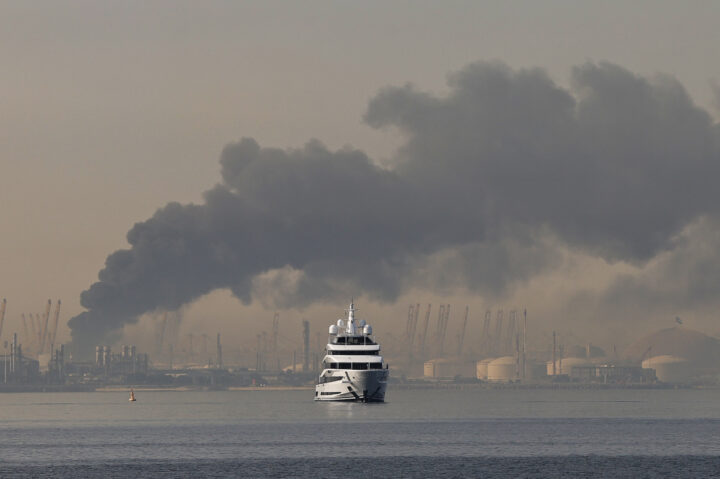
A yacht sails past a plume of smoke rising from the port of Jebel Ali following a reported Iranian strike in Dubai on March 1, 2026.
Major Gulf powers are coming together in rare lockstep amid Iran’s strikes around the region, with the United Arab Emirates closing its embassy in Iran and the Gulf Cooperation Council declaring it retains the right to respond.
After the U.S. and Israel launched a major operation against Iran on Saturday, the regime struck sites in at least nine countries around the Middle East, including Israel, Jordan, Syria and every member of the Gulf Cooperation Council — Bahrain, Kuwait, Oman, Qatar, Saudi Arabia and the UAE.
Despite claiming it is aiming at U.S. military assets in the region, Iran has struck widely at civilian infrastructure, including hotels, residential neighborhoods and airports in the UAE, Bahrain, Kuwait and Iraq. At least 12 civilians were killed in Israel over the weekend, along with three U.S. servicemembers.
On Saturday, the first day of the operation, UAE President Mohamed bin Zayed spoke by phone with Saudi Arabia’s Crown Prince Mohammed bin Salman to discuss Iran’s aggression and their response, a significant development and sign of the seriousness of the issue amid a regional rift between the two major powers.
The UAE has taken the brunt of much of Iran’s malign activity — its Ministry of Defense said Sunday that the country had been targeted by 165 ballistic missiles, two cruise missiles and 541 drones from Iran. Three civilians were killed and 58 injured in the barrage.
Shortly after, Abu Dhabi announced the closure of its embassy in Tehran and the withdrawal of its entire diplomatic mission, citing Iran’s “hostile attacks against civilian sites … in a serious and irresponsible escalation [that] constitute a flagrant violation of national sovereignty.” The country’s Ministry of Foreign Affairs also summoned the Iranian ambassador to the UAE and “delivered a strongly worded note of protest” about Iran’s “terrorist attacks and assault.”
Also on Sunday, the ministerial council of the GCC held a meeting over video conference and issued a statement strongly condemning Iran’s attacks and affirming the countries’ “legal right to respond.”
“The Council also expressed full solidarity among the GCC countries and their unified stance in confronting these attacks, stressing that the security of GCC member states is indivisible, and that any attack against any member state constitutes a direct attack against all GCC countries,” the statement went on. The countries “will take all necessary measures to defend their security and stability and to protect their territories, citizens, and residents, including the option of responding to the aggression,” they pledged.
The U.S. also joined the GCC in another statement Sunday, saying that Iran’s “targeting of civilians and of countries not engaged in hostilities is reckless and destabilizing behavior.”
The ayatollah is ‘never going to stop killing his people and drinking their blood out of a boot, and he’s never going to stop funding Hamas and Hezbollah,’ Sen. John Kennedy said
Iranian Foreign Ministry / Handout /Anadolu via Getty Images
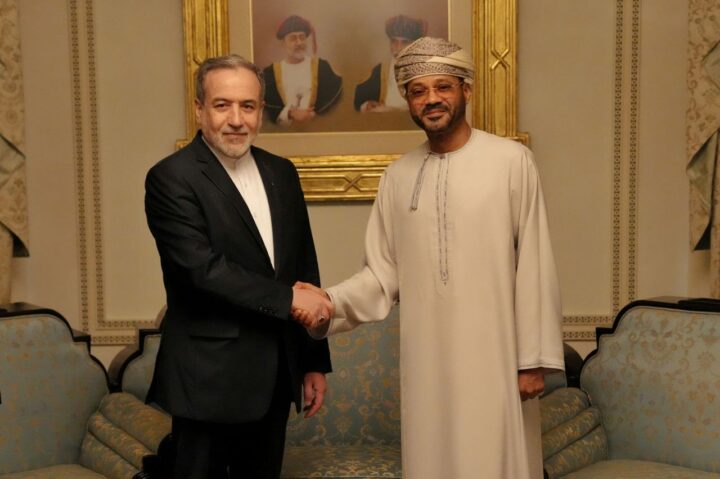
Iranian Foreign Minister Abbas Araghchi (L) meets with Omani Foreign Minister Sayyid Badr Hamad Al Busaidi (R) to exchange views on how to advance US-Iran talks scheduled to be held later in the day, in Muscat, the capital of Oman, on February 06, 2026.
Republicans lawmakers continued to dismiss this week the idea that a nuclear deal with Iran is achievable, despite comments by President Donald Trump over the weekend.
Trump said that the talks with Iran, held in Oman last Friday, had been “very good,” that Tehran “wants to make a deal very badly” and that he is in “no rush” to move ahead. He also said that the Iranian demand that the talks be only focused on nuclear weapons “would be acceptable” — an apparent softening of the U.S. position that any potential agreement should also address Iran’s ballistic missile stockpiles and its support for regional terror proxies. The talks did not appear to touch on the Islamic Republic’s recent violent crackdown on nationwide protests.
Asked about Trump’s comments about a nuclear-only deal, Republicans largely dismissed the idea that any deal would actually be forthcoming.
“Iran’s not going to make a deal with us. They’re going to stall and re-stall to buy time, but they’re not going to make a deal,” Sen. John Kennedy (R-LA) told Jewish Insider. “The ayatollah is [as] crazy as a bed bug. And he’s never going to give up any hope that he has of nuclear weapons. He’s never going to stop killing his people and drinking their blood out of a boot, and he’s never going to stop funding Hamas and Hezbollah.”
Kennedy predicted that military action is both necessary and forthcoming.
“You’re going to have to give them a curbstomping, but you don’t want to start a regional war doing it,” Kennedy continued. “My guess is that’s what the president is talking to [Secretary of State Marco] Rubio and the military guys with a bunch of their flags in their office [about] right now.”
Sen. Rick Scott (R-FL) agreed that the Iranian regime is not genuinely interested in making an agreement with the United States.
“There won’t be a deal,” Scott told JI. “They’re not going to do a deal.”
Sen. James Lankford (R-OK) said he hadn’t seen Trump’s comments but he does not “trust the word of the regime, at all.”
“They have not proven trustworthy with their word in the past, and so you have to have a way to be able to verify everything,” Lankford continued.
Sen. Tim Kaine (D-VA), meanwhile, told JI on Monday that he would delay a vote on a war powers resolution he introduced with Sen. Rand Paul (R-KY) blocking military action against Iran pending the ongoing talks with the regime.
The resolution would theoretically be eligible for votes by the full Senate later this week, should Kaine and Paul wish to call it up.
The Virginia senator told JI that he and Paul are in discussions about timing for votes, and that he hasn’t yet made a decision on when to call the bill up.
“We have to check each day to see where [the talks] are. I don’t think calling it up in the middle of discussions that have some chance to it — that’s not the right time — but we’ll just see where we are,” Kaine said.
Israel targeted military and nuclear sites in Iran as Tehran’s weekend strikes in Israel killed at least 13

JALAA MAREY/AFP via Getty Images
Israeli air defence systems intercept Iranian missiles over the Israeli city of Tel Aviv early on June 15, 2025. Air raid sirens and booms rang out in Jerusalem and Tel Aviv early on June 15, AFP journalists said, as Israel and Iran exchanged fire for a third day.
The next round of scheduled nuclear talks between the U.S. and Iran will not take place on Sunday, Omanian Foreign Minister Badr Albusaidi announced on Saturday evening, as Israel and Iran continue to trade strikes.
Albusaidi said that the talks, intended to be the sixth round of negotiations, “will not now take place. But diplomacy and dialogue remain the only pathway to lasting peace.”
A senior U.S. administration official told The New York Times, “While there will be no meeting Sunday, we remain committed to talks and hope the Iranians will come to the table soon.” President Donald Trump had exerted additional pressure, writing on Truth Social on Friday that “Iran must make a deal, before there is nothing left, and save what was once known as the Iranian Empire … JUST DO IT, BEFORE IT IS TOO LATE.”
In a Truth Social post on Saturday afternoon, Trump said that “we can easily get a deal done between Iran and Israel, and end this bloody conflict,” noting that the “U.S. had nothing to do with the attack on Iran, tonight” but that if the U.S. was “attacked in any way, shape or form by Iran, the full strength and might of the U.S. Armed Forces will come down” on Tehran “at levels never seen before.”
Iranian President Masoud Pezeshkain reportedly said on a call with French President Emmanuel Macron on Saturday that Iran will not “accept irrational demands under pressure” or “sit at the negotiating table while the Zionist regime continues its attacks.”
The talks’ cancellation comes following Israel’s preemptive attack early Friday morning on Iranian nuclear and military targets, and Iran’s retaliatory strikes against Israel.
The IDF said Saturday night it had completed “an extensive series of strikes” on targets including the Iranian Ministry of Defense and its nuclear research and development headquarters. Iranian state media reported strikes on several oil facilities, including the South Pars field shared between Iran and Qatar, the largest natural gas field in the world.
Iran fired around 70 ballistic missiles and several drones at Israel on Saturday night and early Sunday morning, sending Israelis across the country into bomb shelters. Direct impacts were reported in the northern Arab city of Tamra — killing four civilians — and the central cities of Bat Yam, where at least six civilians were killed and 200 wounded, and Rehovot, where at least 40 were wounded and laboratories at The Weizmann Institute of Science were reportedly damaged. The Bazan oil refinery in Haifa was also damaged in the attack, though its refining activities continue, its operating company reported on Sunday.
Saturday night’s strikes bring the death toll in Israel from the Iranian attacks to at least 13 with 380 people injured.
Please log in if you already have a subscription, or subscribe to access the latest updates.
 Continue with Google
 Continue with Apple