














































A clear template is emerging of what the White House views as the ideal outcome here: deals, deals, deals — in classic Trump fashion
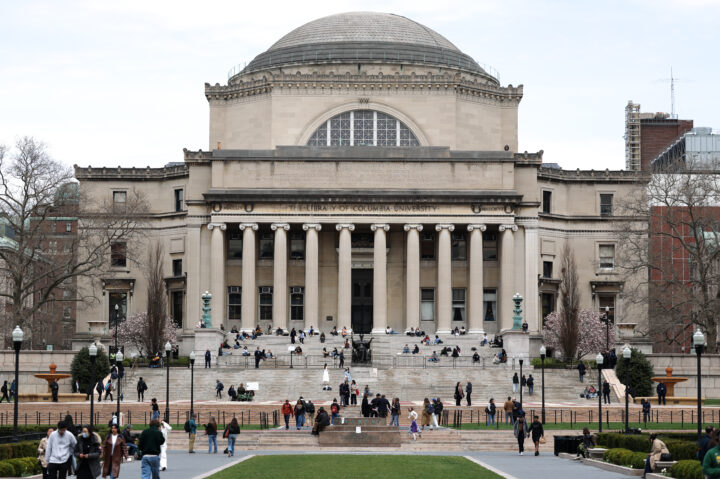
CHARLY TRIBALLEAU/AFP via Getty Images
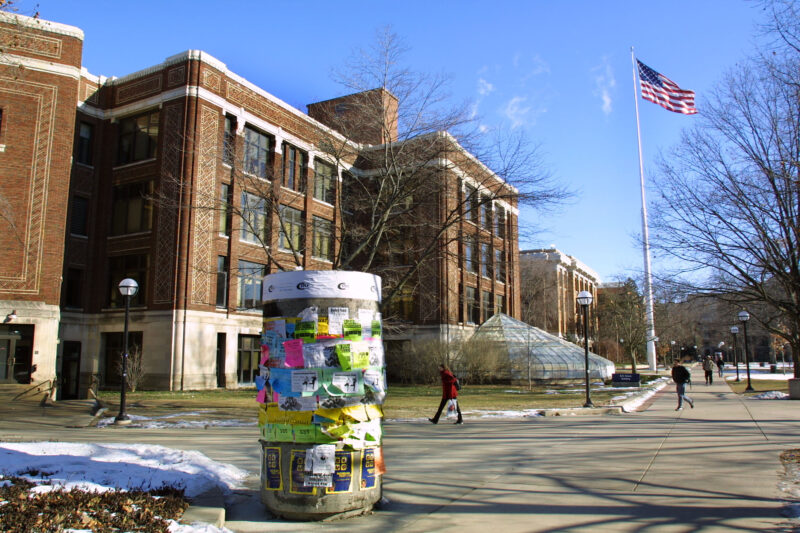
Students are seen on the campus of Columbia University on April 14, 2025, in New York City.


 Add JewishInsider on Google
This week, the Trump administration demonstrated its endgame in its fight against campus antisemitism: hefty financial settlements.
Columbia University agreed to pay $221 million to the federal government to settle the administration’s civil rights investigation, and Brown University will pay $50 million to Rhode Island workforce development agencies to put a federal civil rights investigation to rest. Harvard is reportedly willing to spend up to $500 million on a settlement that is in the works. In return, frozen research grants to the tune of billions of dollars from the National Institutes of Health and the Department of Health and Human Services will be reinstated.
What these early settlements have made clear is that antisemitism is only one small part of President Donald Trump’s fight against elite universities. The agreements offer a window into the other right-wing culture war issues driving his administration’s hard-charging negotiations with America’s top academic institutions. The lengthy documents also have the universities ceding to White House demands on diversity, equity and inclusion programs, race-based hiring standards, transgender issues and international students.
In its agreement with the White House, Columbia pledged to hire an administrator to “serve as a liaison to students concerning antisemitism issues,” and promised other sought-after changes, such as the hiring of new faculty members in the Israel and Jewish studies department and additional oversight of the school’s Middle East studies program.
But the propositions agreed to by Columbia go much further. The school pledged not to use racial preferences in admissions and promised to share admissions and hiring data with the federal government. The university also said it will allow any women who want it to have access to “single-sex housing” and “all-female sports, locker rooms and showering facilities,” a reference to Trump’s opposition to the inclusion of transgender women in women’s sports.
Brown’s settlement agreement is much more overt about the transgender issues — they’re the first issues addressed, above antisemitism. Below, Brown promised to take “significant, proactive, effective steps to combat antisemitism and ensure a campus environment free from harassment and discrimination.” Like Columbia, Brown will provide the federal government with admissions and hiring data.
A clear template is emerging of what the White House views as the ideal outcome here: deals, deals, deals — in classic Trump fashion. The most important question for Jewish students to consider as they return to campus in the next few weeks, though, is whether these deals will bring meaningful change for them. Some pro-Israel students at Harvard and Columbia told Jewish Insider this week that they’re worried the financial settlements may not do much to create real change.
Trump can now boast that he’s racked up wins with Columbia and Brown, and maybe even Harvard soon. Whether the deals lead to a calmer campus environment next year free of discrimination against Jewish students remains to be seen.
Please log in if you already have a subscription, or subscribe to access the latest updates.
 Continue with Google
 Continue with Apple