




























Islamabad red flags
Plus, Cornyn hits Paxton on Tucker ties ͏ ͏ ͏ ͏


 Add JewishInsider on Google
👋 Good Friday morning!
In today’s Daily Kickoff, we preview this weekend’s U.S.-Iran talks in Islamabad and next week’s Israel-Lebanon talks in Washington amid a fragile Middle East ceasefire, and look at how Israel is viewing the agreement to cease hostilities for two weeks and effort to reach a negotiated agreement with Tehran. We have the exclusive on a new ad from Sen. John Cornyn hitting primary challenger Ken Paxton over the Texas attorney general’s ties to Tucker Carlson, and report on the rejection of an anti-AIPAC resolution by the Democratic National Committee’s rules committee. Also in today’s Daily Kickoff: Ukrainian President Volodymyr Zelensky, Erin Foster and Freida McFadden.
Today’s Daily Kickoff was curated by JI Executive Editor Melissa Weiss and Israel Editor Tamara Zieve, with assists from Danielle Cohen-Kanik and Marc Rod. Have a tip? Email us here.
What We’re Watching
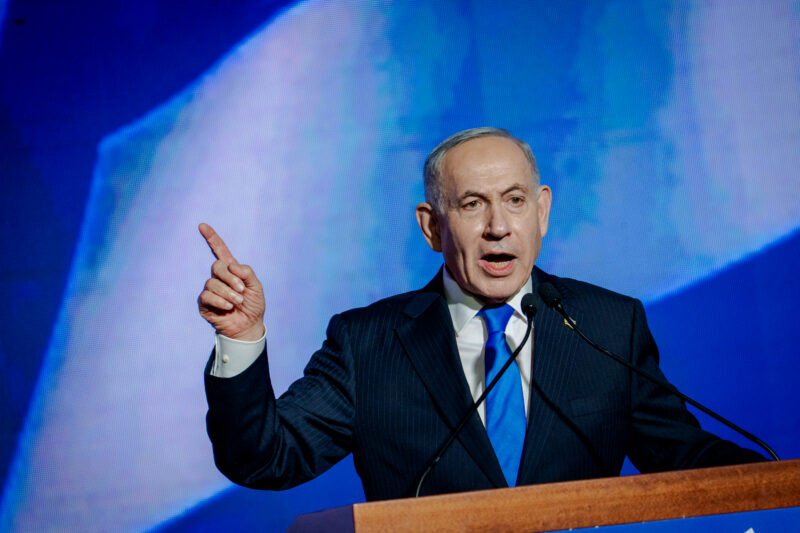
- Vice President JD Vance, White House Special Envoy Steve Witkoff and Jared Kushner are slated to take part in Pakistani-brokered talks with Iran this weekend in Islamabad, days after President Donald Trump announced a two-week ceasefire with Tehran. More below.
- We’ll be keeping an eye over the weekend on the expected Israel-Lebanon peace talks being brokered by Washington early next week between Israeli Ambassador to the U.S. Yechiel Leiter, Lebanese Ambassador to the U.S. Nada Hamadeh Moawad and U.S. Ambassador to Lebanon Michel Issa. Over the weekend, Lebanese Prime Minister Nawaf Salam is set to travel to the U.S. to meet with Secretary of State Marco Rubio ahead of the talks.
- Hamas has just hours to respond to the Board of Peace’s proposal that would force the group to disarm. Despite ongoing negotiations in Cairo, it is unlikely that Hamas will agree to fully disarm, potentially prompting renewed fighting in the Gaza Strip.
- The National Action Network Convention kicked off on Wednesday in New York City and runs through Saturday, with a number of public officials and potential 2028 contenders slated to speak at Rev. Al Sharpton’s annual conference. Pennsylvania Gov. Josh Shapiro invoked his faith on Wednesday while making a pitch to the Black voters in the audience. “What, you don’t think a Jew can go to a Baptist church?” he quipped. Meanwhile, Maryland Gov. Wes Moore brought cheering attendees to their feet on Thursday before criticizing the war in Iran as a costly and protracted misadventure. Former Vice President Kamala Harris, former Transportation Secretary Pete Buttigieg, Kentucky Gov. Andy Beshear and Sen. Mark Kelly (D-AZ) are slated to speak today and tomorrow.
- On Sunday, the Anti-Defamation League and Museum of Jewish Heritage will hold their Annual Gathering of Remembrance at Temple Emanu-El in New York City ahead of Yom Hashoah — Holocaust Remembrance Day — which begins Monday evening.
What You Should Know
A QUICK WORD WITH JI’S melissa weiss
American and Iranian officials are meeting tomorrow in Islamabad, Pakistan, to begin conversations aimed at ending the conflict that has consumed the Middle East since late February. Though much change has occurred in the last six weeks, the decisions made in the next two could determine the future of the region for decades to come.
The “fog of diplomacy,” as The Washington Post’s David Ignatius put it, has shrouded much of what is known about the talks and their contours. The first 24 hours after the ceasefire was announced saw dueling — and often conflicting — statements, denials and claims about various points, including the inclusion of Lebanon in the agreement, Iran’s “right” to enrich uranium and the status of the Strait of Hormuz, that were proposed and supposedly agreed to by the parties.
Those sticking points deepened in the days between the ceasefire announcement and tomorrow’s meeting in Pakistan. On Wednesday, Israel conducted widespread strikes in Lebanon targeting Hezbollah infrastructure and operatives whom the IDF said had embedded in civilian areas, while Hezbollah has launched dozens of missiles into Israel — including one fired at the southern city of Ashdod that also triggered sirens across Tel Aviv and surrounding towns early Friday morning. Meanwhile, Trump on Thursday accused Iran of “doing a very poor job, dishonorable some would say, of allowing Oil to go through the Strait of Hormuz.”
It is against that backdrop that Vice President JD Vance, joined by White House Special Envoy Steve Witkoff and Jared Kushner, will enter into negotiations tomorrow in Islamabad.
In tandem, a separate set of negotiations is slated to take place in Washington early next week, when the U.S. will convene the envoys from Israel and Lebanon for rare direct, public talks aimed at reaching a peace agreement between Beirut and Jerusalem. If reached — and if Lebanon takes meaningful action to demilitarize Hezbollah — Iran could lose its most powerful proxy in the region. Under pressure from Washington, Israel has limited its attacks on Lebanon.
While the inability to agree on the parameters for a ceasefire does not portend well for the ability to secure a more lasting agreement, both sides have a vested interest in reaching an accord that allows both to declare victory. Watching from the sidelines are Israel and the Gulf states, which will not be represented in Islamabad, and will instead have to hope from their respective capitals that the U.S. does not acquiesce to an agreement that emboldens Iran — and leaves American allies vulnerable.
THE VIEW FROM ISRAEL
Israelis uncertain if Iran war made them safer after ceasefire brings combat to an inconclusive halt

For many Israelis who were awoken by rocket sirens just before 3 a.m. Wednesday, only to see the headline on their phones that a two-week ceasefire between the U.S. and Iran had been reached, the news was met with mixed feelings of relief and concern. After the ceasefire went into effect, there was a pervading feeling in Israel that the war with Iran was not complete, and the return to routine life may be short-lived, Jewish Insider’s Lahav Harkov reports.
Survey says: Israelis’ support for the war effort despite the challenges on the home front was strong because its aims — eliminating the Iranian nuclear threat and severely degrading the ballistic missile threat — were meant to ultimately make them safer, along with the hope, bolstered by statements from Israeli Prime Minister Benjamin Netanyahu and President Donald Trump, that the mullahs’ regime would be toppled. Yet, according to a Channel 13 poll, Israelis ranked their sense of security after the war at 5.36 out of 10, and gave Netanyahu a grade of 5.56. The mixed feelings from the public were backed up by experts who spoke to JI on Thursday. Brig.-Gen. (res.) Assaf Orion, a senior researcher at the Institute for National Security Studies at Tel Aviv University, said that it is “too early to say” whether Israel is safer now than it was six weeks ago.
TRUST BUT VERIFY
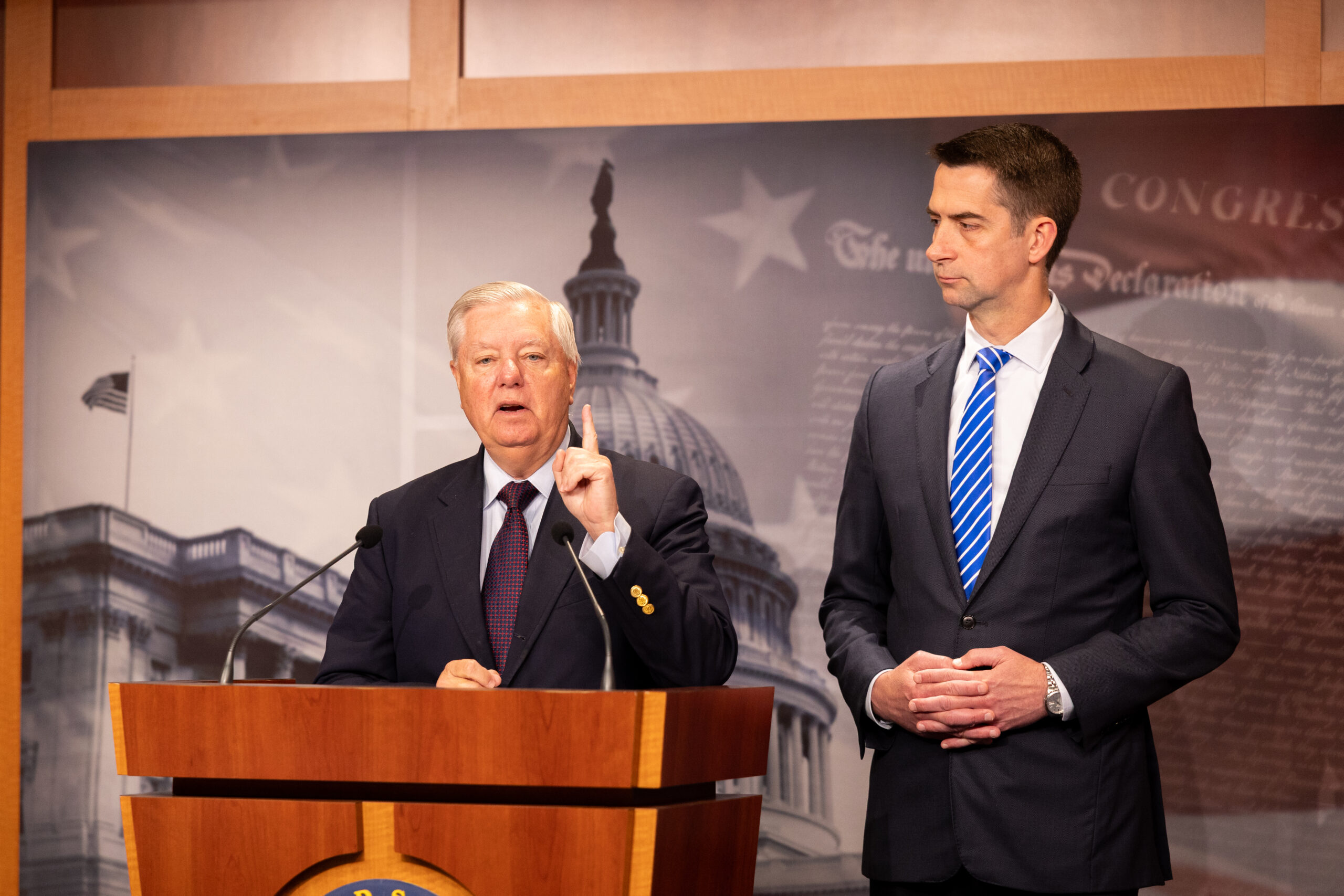
Despite skepticism over the terms and reports of ongoing Iranian strikes, several prominent hawkish Republicans are voicing support for President Donald Trump’s fragile two-week ceasefire agreement with Iran, Jewish Insider’s Marc Rod reports. Democrats, meanwhile, are pushing ahead with efforts to pass war powers resolutions on the conflict and calls for Trump’s removal from office.
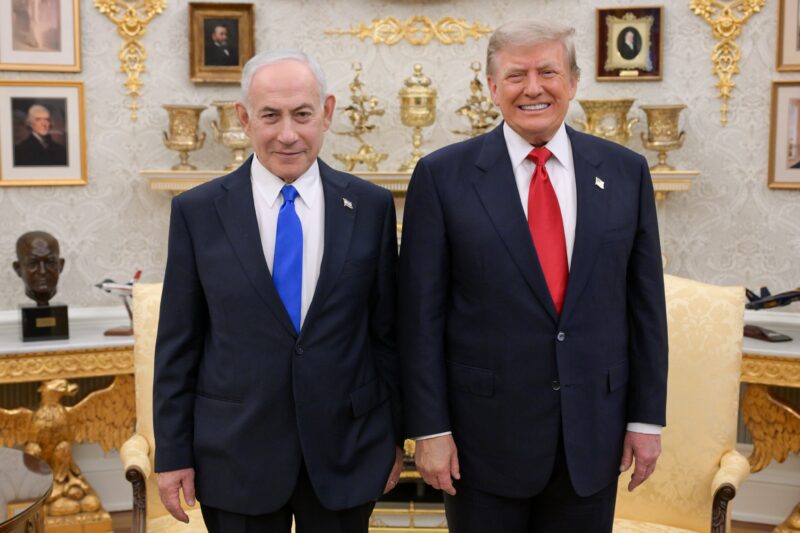
Notable quotable: Sen. Lindsey Graham (R-SC), among the most prominent backers of the war in the Senate, said in a post on X that a “diplomatic solution to end the reign of terror in Iran is the preferred outcome” but said he has concerns about the supposed 10-point plan presented by Iran, which would require the lifting of all U.S. sanctions on Iran, among other steps. “I look forward to the architects of this proposal, the Vice President and others, coming forward to Congress and explaining how a negotiated deal meets our national security objectives in Iran,” Graham said.
Read the full story here with additional comments from Sens. Tom Cotton (R-AR), Ted Cruz (R-TX) and Kevin Cramer (R-ND).
EXCLUSIVE
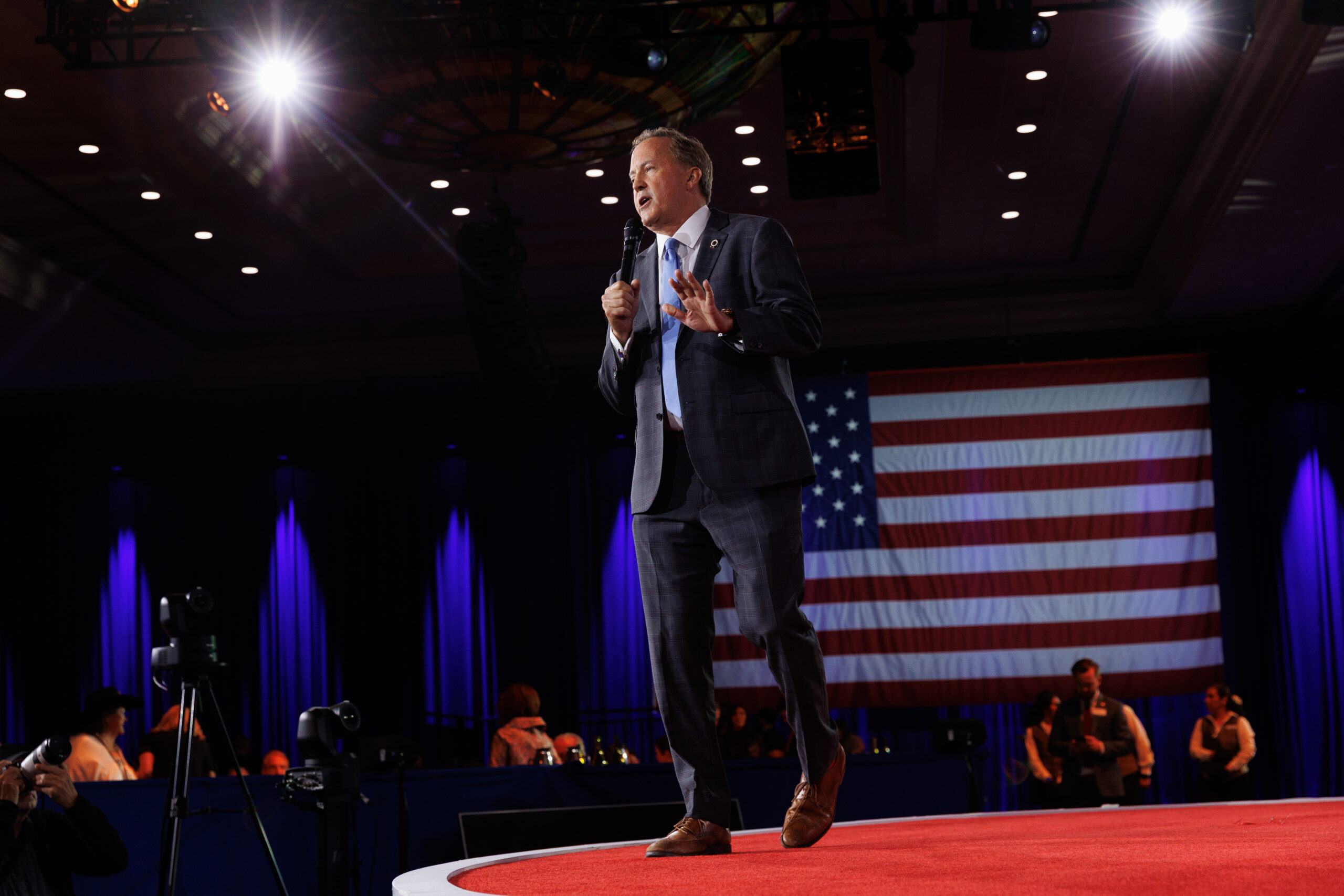
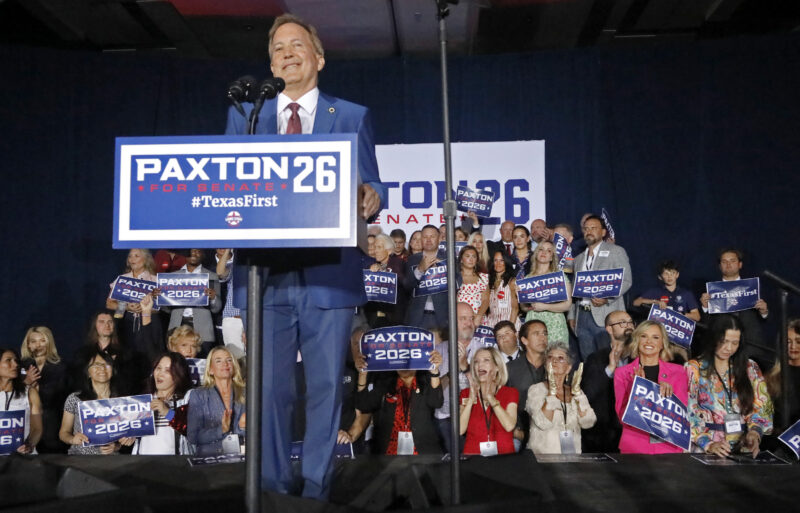
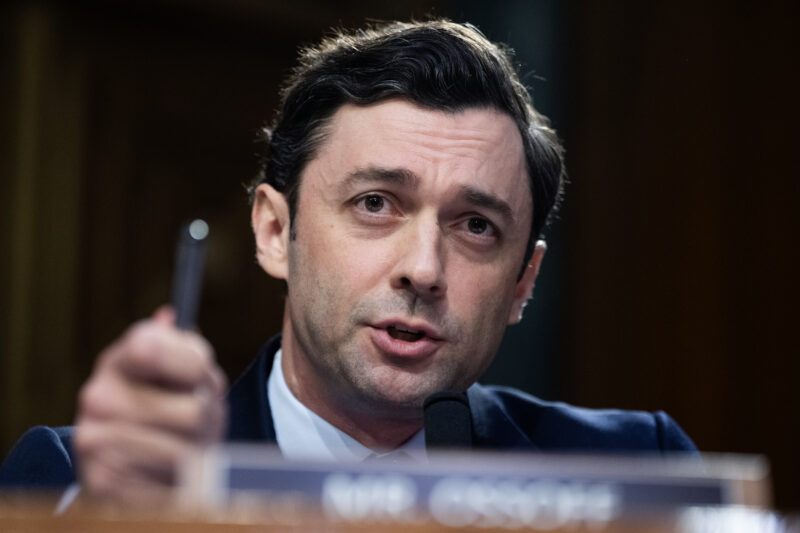
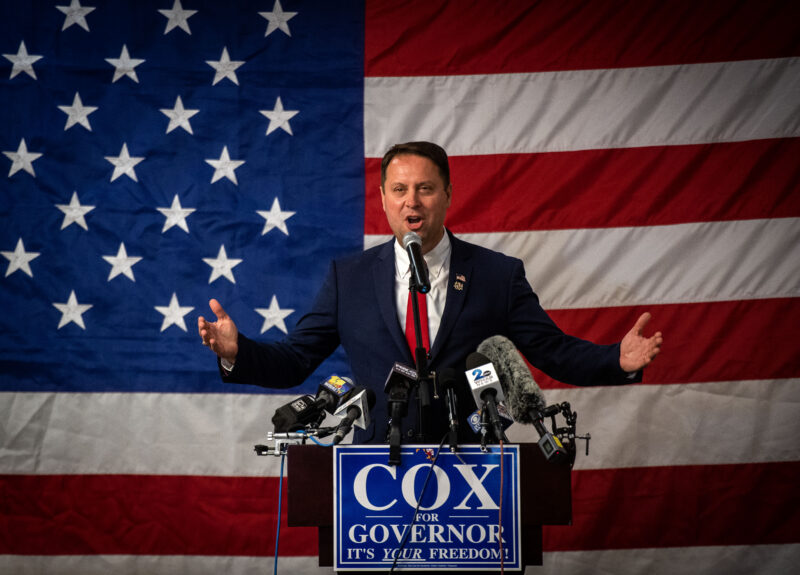
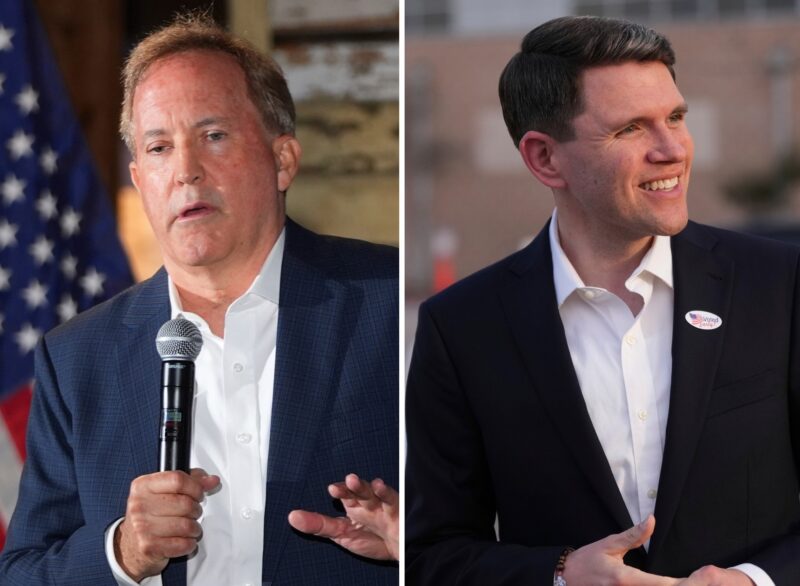
A new ad by Sen. John Cornyn’s (R-TX) reelection campaign will hit his runoff primary opponent, Texas Attorney General Ken Paxton, over his ties to far-right commentator Tucker Carlson, pointing to Carlson’s criticisms of President Donald Trump, while also honing in on his attacks against Trump’s support for Israel and the war in Iran, Jewish Insider’s Marc Rod reports.
About the ad: The minute-long ad — a five-figure buy set to begin airing on digital platforms on Friday, JI has learned — appears to be one of the first mentions of Carlson as a target in GOP primary campaigns. It highlights that Carlson has clashed with Trump over the war in Iran and Trump’s support for Israel, and that he backed Paxton’s campaign — though Paxton does not share Carlson’s views on Middle East policy. “Ken Paxton still accepts Tucker Carlson’s endorsement,” the ad intones.
Breaking up: President Donald Trump hit back at Tucker Carlson on Tuesday after the far-right podcaster used his most recent show to accuse the president of steering the U.S. toward nuclear war with Iran and to suggest, in apocalyptic terms, that Trump might be waging a stealth attack on Christianity, JI’s Emily Jacobs reports. In a phone interview with the New York Post, Trump described Carlson as a “low IQ” individual, adding that he has stopped responding to his calls.
THE CENTER HOLDS
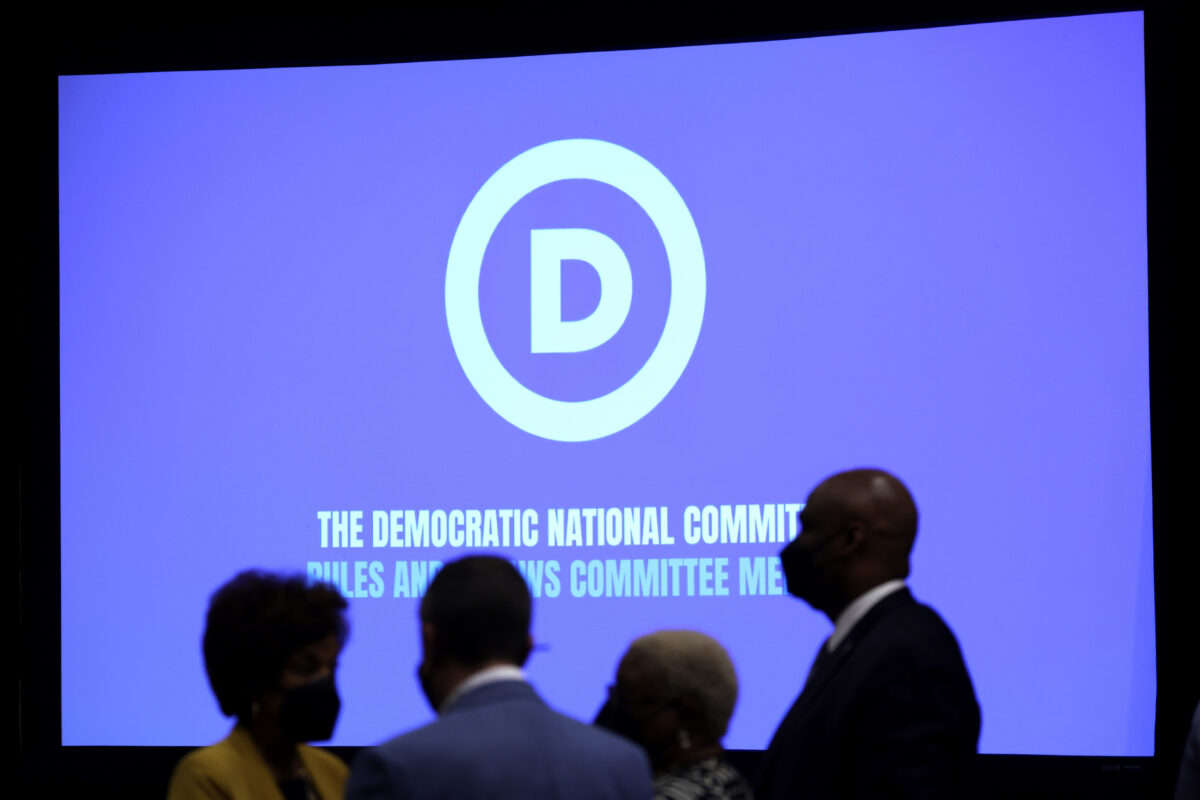
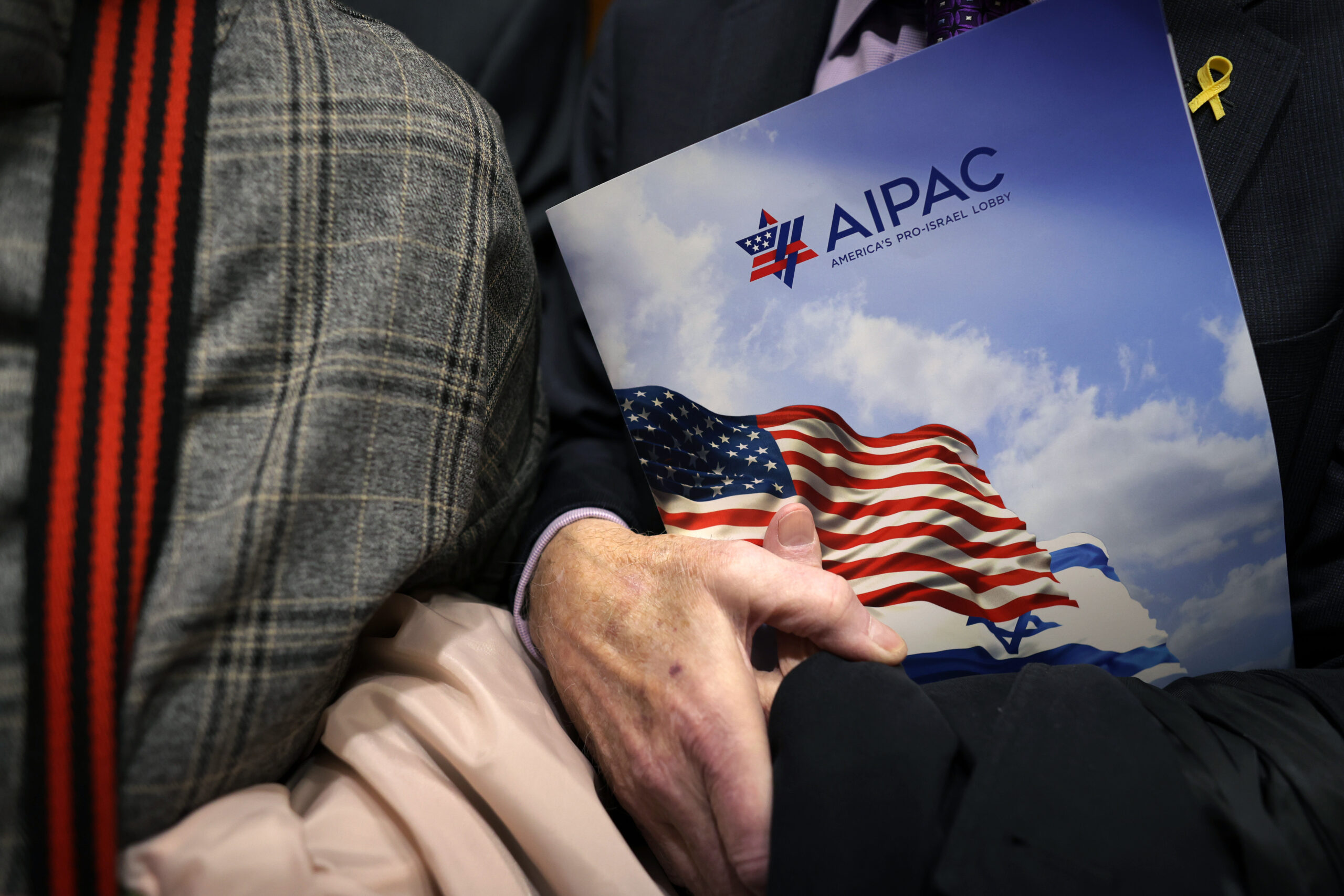
Democratic Party activists on Thursday voted to reject a measure that criticized the involvement of AIPAC in Democratic primaries and the American political system. The resolution was debated during a meeting of the Democratic National Committee’s Rules Committee at the DNC’s New Orleans meeting, Jewish Insider’s Gabby Deutch reports.
AIPAC angle: Committee members were considering new policy resolutions, including one introduced by a Florida activist that took aim at AIPAC and the group’s “undue influence over democratic debate and policymaking.” It was voted down in a voice vote. “The DNC made clear today that all Democrats, including millions who are AIPAC members, have the right to participate fully in the democratic process,” AIPAC spokesperson Deryn Sousa told JI. Committee members were considering new policy resolutions, including one introduced by a Florida activist that took aim at AIPAC and the group’s “undue influence over democratic debate and policymaking.”
On offense: The pro-Israel group Democratic Majority for Israel’s super PAC launched its first ad of the 2026 presidential cycle, targeting frequent California Democratic candidate Ammar Campa-Najjar, accusing him of hypocrisy and of flip-flopping on his positions, JI’s Marc Rod reports. The group is spending $750,000 on the ad.
LIPS ARE SEALED
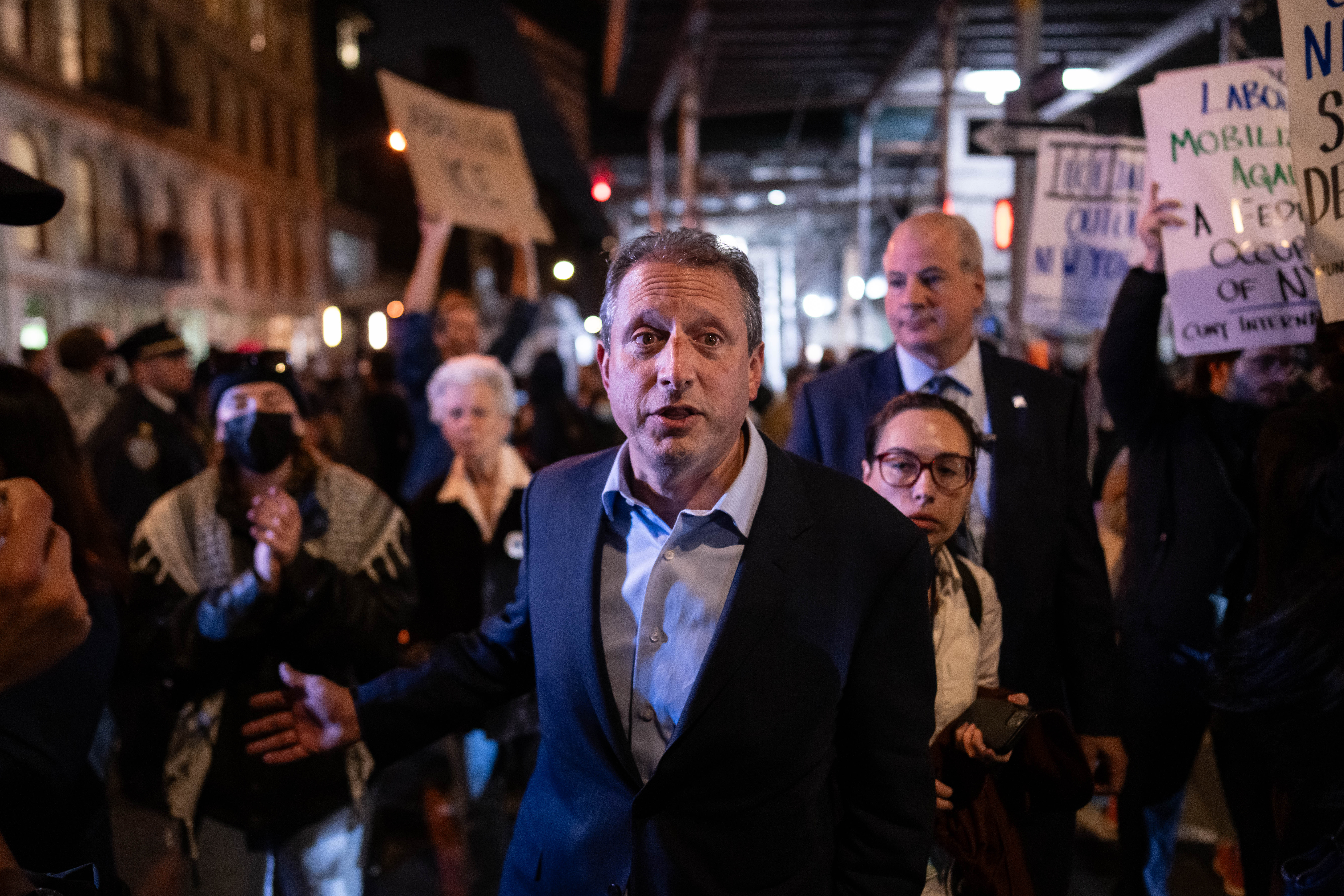
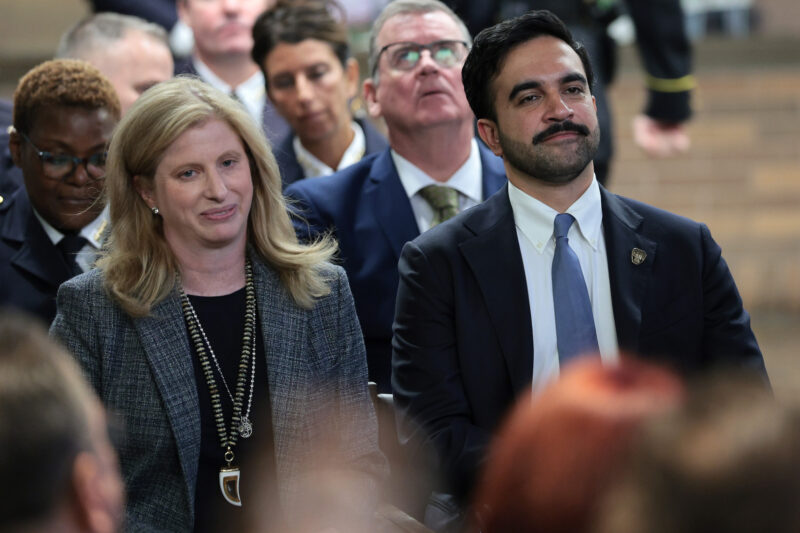
Former New York City Comptroller Brad Lander, who is challenging Rep. Dan Goldman (D-NY) in one of the marquee Democratic primary contests of the midterms, is declining to clarify his position on U.S. funding for Israel’s Iron Dome missile-defense system, even as he expressed his support for the aid last year during an unsuccessful mayoral campaign, Jewish Insider’s Matthew Kassel reports.
Zoom out: Lander’s reticence comes as some leading progressive lawmakers have said they will oppose further funding for Iron Dome and other defensive systems used to intercept incoming attacks against Israel. New York City Mayor Zohran Mamdani, who is Lander’s top ally in the June House race to unseat Goldman, a pro-Israel stalwart, confirmed last week that he agreed with Rep. Alexandria Ocasio-Cortez’s (D-NY) commitment to oppose defensive aid to Israel. Asked to clarify his position on Iron Dome funding, Lauren Hitt, a spokesperson for Lander, told JI on Wednesday he would not be commenting and did not return follow-up emails. Lander did not respond to a text message from JI seeking comment on Thursday.
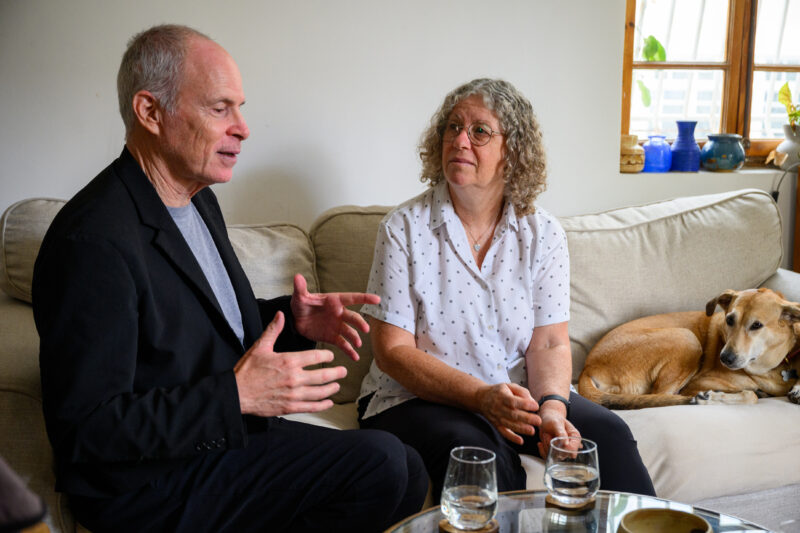
Flip-flop: Michael Blake, a far-left challenger to Rep. Ritchie Torres (D-NY), said at a debate on Tuesday hosted by One NYC Action that he would oppose missile-defense aid for the Jewish state — the latest flip-flop on Israel policy issues by a candidate who has reversed numerous of his past stances on the subject over the course of his campaign, JI’s Marc Rod reports. He said he supported funding for Iron Dome in January during a different campaign event.
HAMAWY HEADWAY
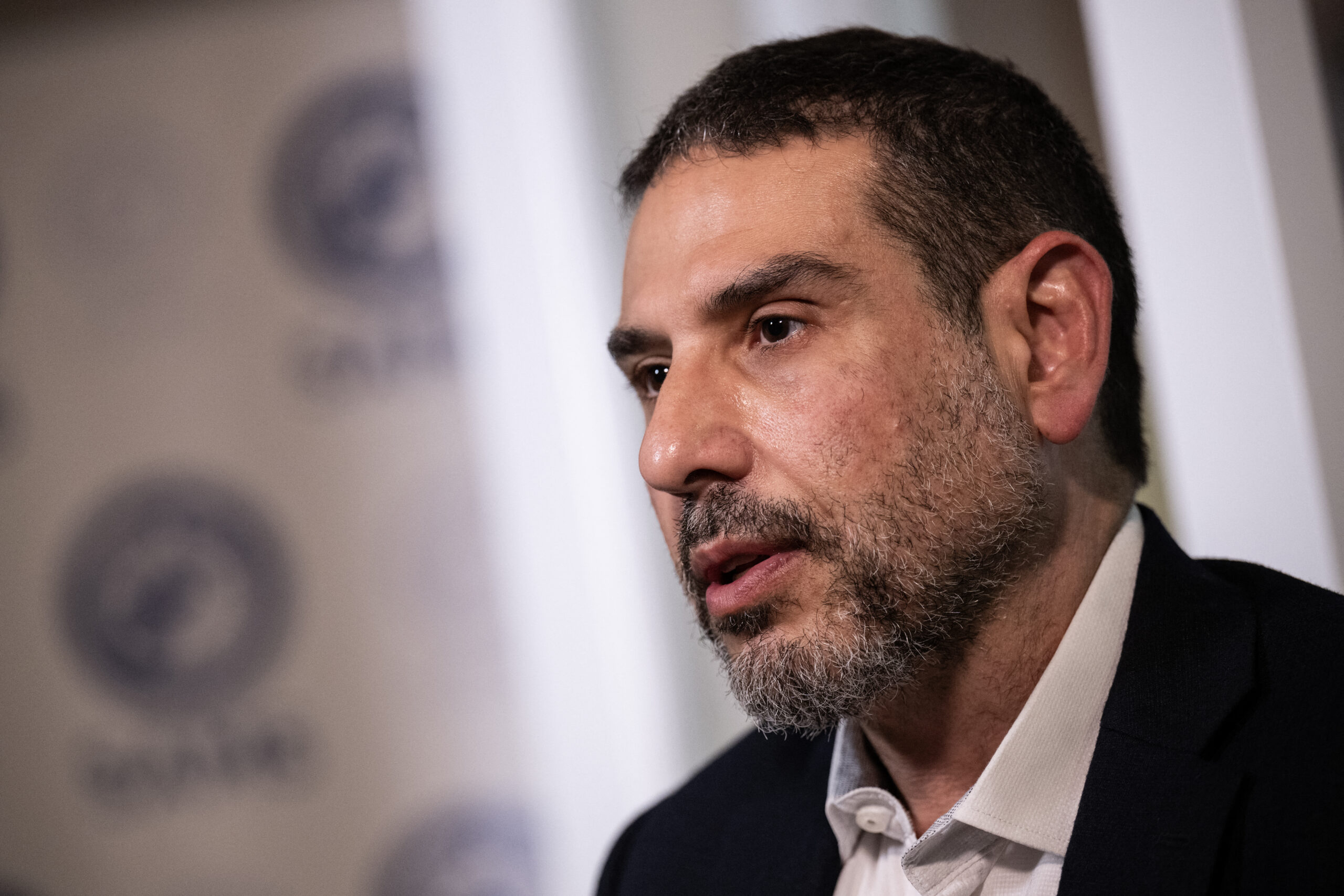
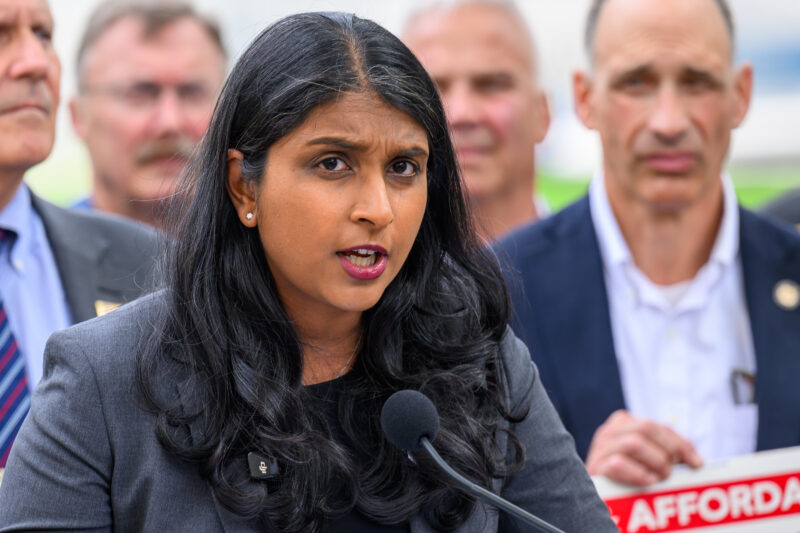
A constellation of anti-Israel groups is coalescing behind Adam Hamawy, a doctor who served as a trauma surgeon in Gaza during Israel’s war against Hamas and has been an outspoken critic of Israel, in the competitive Democratic primary for New Jersey’s 12th Congressional District, Jewish Insider’s Marc Rod reports. He also recently reported raising $550,000 in the first quarter of 2026, a sizable sum.
Endorsements: Justice Democrats and PAL PAC, a new group affiliated with the Institute for Middle East Understanding that aims to counter AIPAC, both offered their endorsements of Hamawy last month, moves that could bring more national attention and backing to the candidate. Micah Rasmussen, the director of the Rebovich Institute for New Jersey Politics at Rider University, said that Hamawy’s $550,000 first quarter fundraising haul and the recent endorsements show momentum for his campaign, but “what remains to be seen is whether this translates into forcing [Sue] Altman to split the outside lane with him.”
Worthy Reads
Goodwill Ambassadors: In the Financial Times, Daniel Benaim, a former deputy assistant secretary of state for Arabian Peninsula affairs in the Near East Bureau at the State Department, calls on the U.S. to nominate and confirm ambassadors to key postings around the Middle East, including Saudi Arabia, the United Arab Emirates, Qatar, Kuwait and Iraq. “Going forward, there will be Gulf partners who badly need reassuring, reconstruction efforts to support, business ties to revitalise and expat Americans to help. At a time when many question US leadership, there’s an underrated value in simply showing up — and a cost for not doing so. … At moments like these, an American ambassador in post sends a powerful message of solidarity to partners who are watching missiles rain down on their cities.” [FT]
Putin’s Stake: In The New York Times, Nicole Grajewski considers the extent to which the Iranian regime’s survival is critical to Russian President Vladimir Putin’s global strength. “[The Russia-Iran relationship] is dense, diversified and in important respects self-reinforcing — each layer of cooperation makes the next layer easier to build and harder to dismantle. … Mr. Putin has spent years building a coalition of the discontented around the premise that authoritarian states can outlast Western pressure; that regimes built for endurance — which absorb decades of sanctions, surveil their publics and suppress dissent — cannot be undone. Iran, which has absorbed the most pressure and held the longest, is his proof of concept.” [NYTimes]
Real Regime Change: In The Washington Post, The Washington Institute for Near East Policy’s Dennis Ross posits that the Iranian regime, which survived six weeks of war with the U.S. and Israel, could still fall due to its own domestic malfeasance. “Before the war, the Iranian regime had no answers to any of its fundamental governance failings that produced the public uprisings in December and January. When the war fully ends, it will be even less able to deal with water and electricity cutoffs, a currency that has no value, endemic corruption and the increasing difficulty of daily life. … [T]he inner contradictions of the Islamic Republic will in time either produce an Iranian Gorbachev to try to avert regime collapse, or it will collapse outright.” [WashPost]
The Lion and Lebanon: In his Substack “It’s Noon in Israel,” Amit Segal suggests that Iran’s response to Israeli attacks against Hezbollah in Lebanon could signal the end of the regime in Tehran. “If Iran breaks and leaves its proxy at the mercy of Israel, then the Axis of Resistance has officially broken. The Iranian guarantee becomes as worthless as their currency, and its proxies will have to chart their own courses, if not disintegrate altogether. Conversely, if Israel concedes, then it has surrendered its post-October 7 security doctrine: Never allow threats to build up on the borders.” [ItsNooninIsrael]
Word on the Street
House Republicans blocked a Democratic effort to use unanimous consent to pass a measure calling for an end to U.S. operations targeting Iran…
Nawaf al-Thani, the former Qatari defense attaché in Washington, warned that the war with Iran has “forever” altered relations between Doha and Tehran, saying that after Iran’s strikes on the Gulf state’s liquefied natural gas exports, Qatar “has to see a seriousness from Iran when it comes to Qatari security”…
The Wall Street Journal looks at concerns among Gulf states that the two-week ceasefire announced earlier this week is emboldening Iran and positioning the Islamic Republic as a regional hegemon…
Ukrainian President Volodymyr Zelensky said that Ukraine had shot down Iranian-designed Shahed drones that had been launched from the Islamic Republic at nearby Gulf states using domestically produced interceptors that had been utilized to shoot down Shahed drones fired by Russia at Ukraine…
The Free Press reports on a January meeting between the Pentagon’s Elbridge Colby and the Holy See’s envoy in Washington to find common ground and encourage the Vatican to align with the U.S. on defense and foreign policy; the meeting went awry after another U.S. official noted the 14th century period in which France created its own papacy over disagreements with Rome..
The Missouri Statehouse passed legislation codifying the International Holocaust Remembrance Alliance’s working definition of antisemitism on Thursday, sending it to the governor’s desk; “After 16 months of intense work in a growing climate of anti-Jew hate, Jewish students in our state are finally protected against intimidation and harassment,” Stacey Newman, the executive director of the Missouri Alliance Network, told JI, adding specific praise for the “numerous Jewish students who courageously testified in the Capitol of their hateful experiences on campus, which they continue to face”…
Amid controversy, Peter Chatzky, a progressive who had provided $5 million in funding for his campaign for New York’s 17th Congressional District, announced his withdrawal from the race; the decision leaves Effie Phillips-Staley as the main competitor in the left lane in the Democratic primary…
Sen. Lindsey Graham (R-SC) convened Christian and Jewish leaders for a call with reporters to criticize Paul Dans and Mark Lynch, who are challenging Graham in the Republican primary for his Senate seat, over Dans’ refusal to fire his campaign communications director and Lynch declining to part ways with his political director despite the staffers’ respective records of making antisemitic statements, JI’s Emily Jacobs reports…
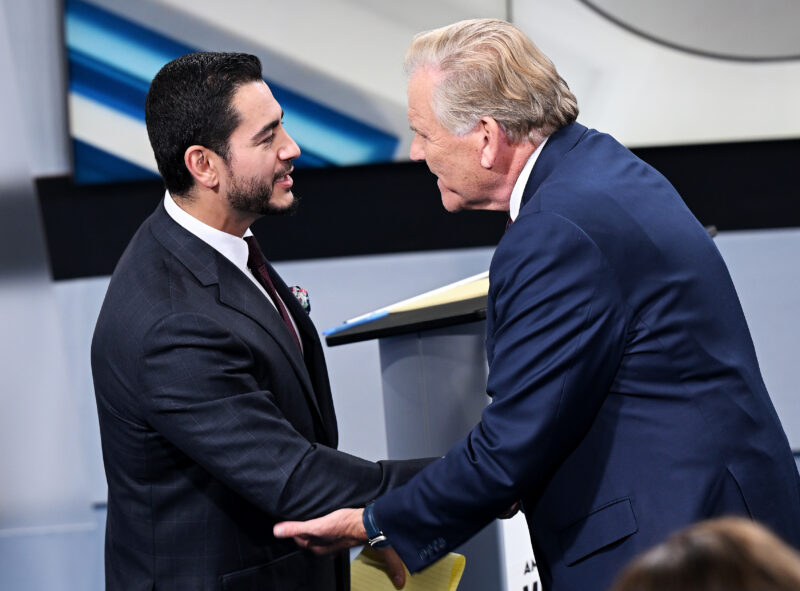
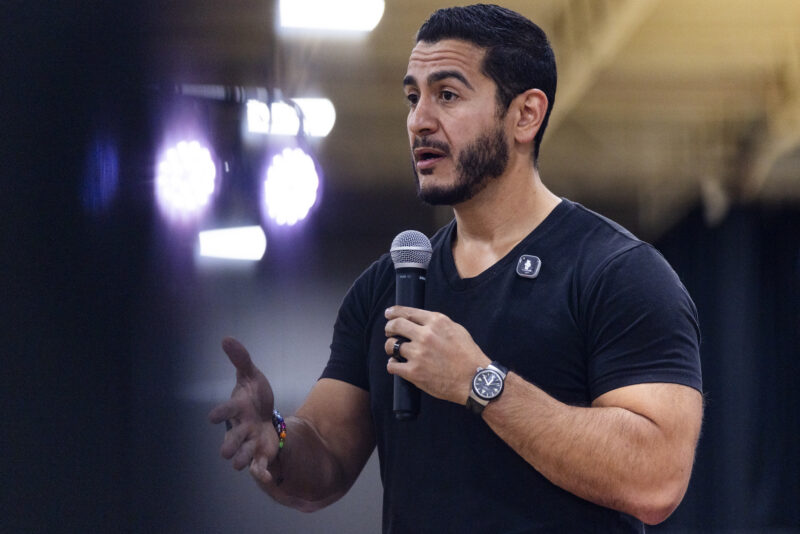
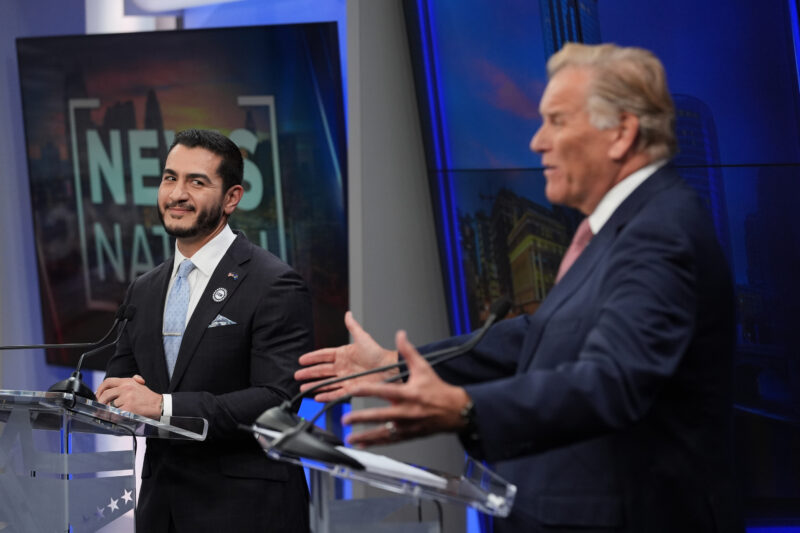
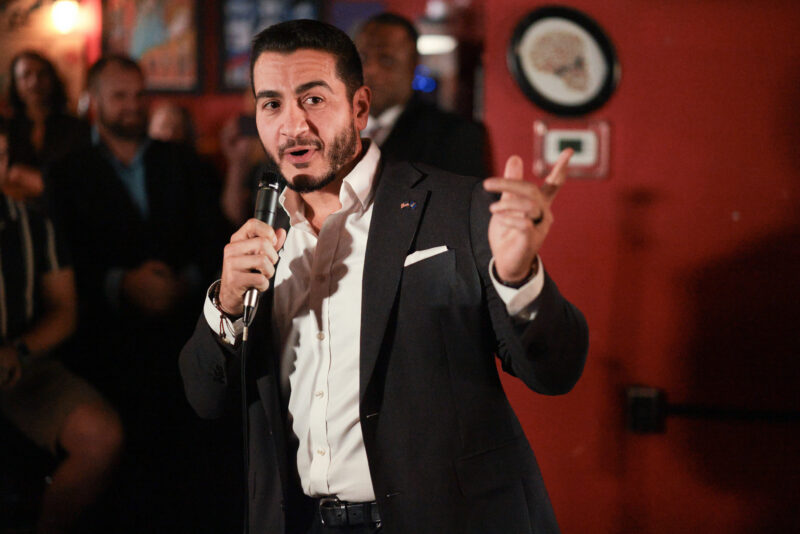
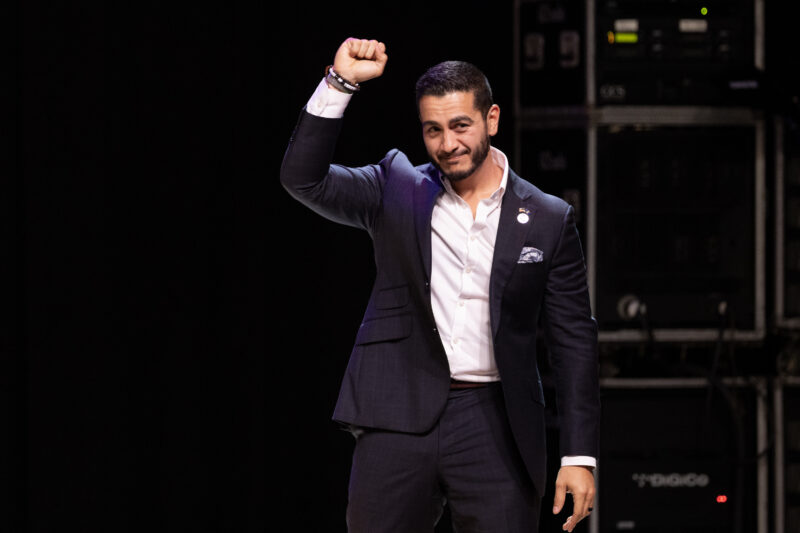
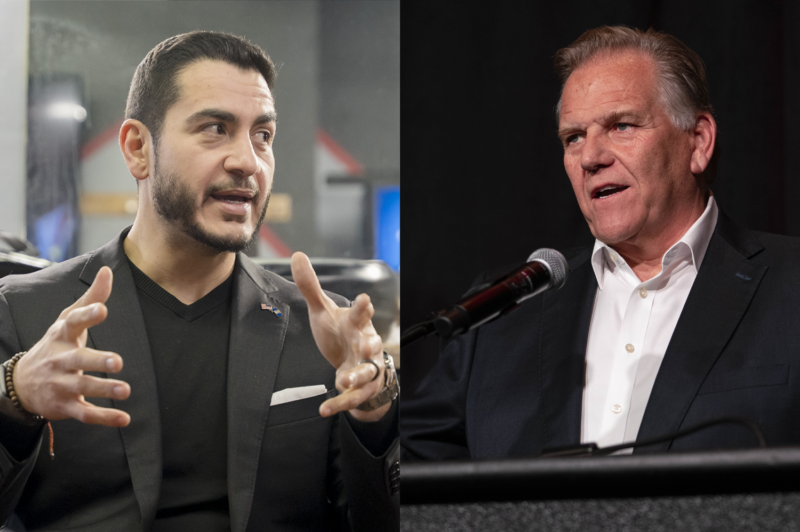
Far-left Michigan Senate candidate Abdul El-Sayed, Reps. Rashida Tlaib (D-MI) and Summer Lee (D-PA) and leftist streamer Hasan Piker dismissed criticism of Piker and his past antisemitic and anti-American comments at a rally at the University of Michigan on Tuesday, JI’s Marc Rod reports…
Speaking at the Tuesday night event, El-Sayed doubled down on claims that the man who attacked Temple Israel in West Bloomfield last month did so as a result of the pain he felt from the war in the Middle East, saying, “hurt people do hurt people,” JI’s Gabby Deutch reports…
A candidate for the University of Michigan Board of Regents shared a series of social media posts praising Hezbollah leaders and Iran, including one last June, during the 12-day war with Israel, calling on Tehran to “show no laxity in sacred war against the enemy”…
A Pakistani man living in Canada pleaded guilty in a New York federal court to a terrorism charge over a failed plot to attack a Jewish center in Brooklyn…
The war in Iran has cost Israel political support in the United States, according to a new Pew Research Center poll, which shows 60% of Americans now view Israel unfavorably, with 37% viewing the Jewish state favorably, JI’s Josh Kraushaar reports…
Jewish groups criticized the American Association of Geographers after its members pushed for an academic boycott of Israel at the organization’s annual meeting, which featured overwhelmingly one-sided presentations against the Jewish state, JI’s Haley Cohen reports…
Paramount President Jeff Shell departed the company following an investigation into allegations he shared confidential company information with an outside consultant…
The Associated Press spotlights Colby College’s Center for Small Town Jewish Life, which aims to support and strengthen small Jewish communities around the country…
“Nobody Wants This” creator Erin Foster is joining the show as a guest star in its upcoming third season…
The Housemaid author Freida McFadden revealed that McFadden was a pen name and her real name and identity was Sara Cohen, a physician who specializes in traumatic brain injuries…
Authorities in Canada charged a man with four gun counts after he fired a gun at a Jewish-owned restaurant in the Toronto suburb of North York last week…
Organizers of the annual Wireless festival in the U.K. canceled the three-day festival after British authorities revoked the visa of Kanye West, who had been scheduled to headline the event despite numerous incidents in which the artist invoked antisemitism language; the U.K.’s Home Office said the visa revocation was “made on the grounds that his presence would not be conducive to the public good”…
Costa Rica’s Foreign Ministry announced that the country had declared Hezbollah, Hamas, Iran’s Islamic Revolutionary Guard Corps and the Houthis as terrorist groups…
Diplomat David Cornstein, who served as U.S. ambassador to Hungary from 2018-2020 and played a key role in deepening ties between the Orbán government and President Donald Trump, died at 87…
Photographer Nathan Farb, who was known for images of Russians in Siberia, hippies in New York City and the landscapes of the Adirondacks, died at 85…
Journalist Peter Schrag, the author of 1998’s Paradise Lost: California’s Experience, America’s Future, died at 94…
Pic of the Day

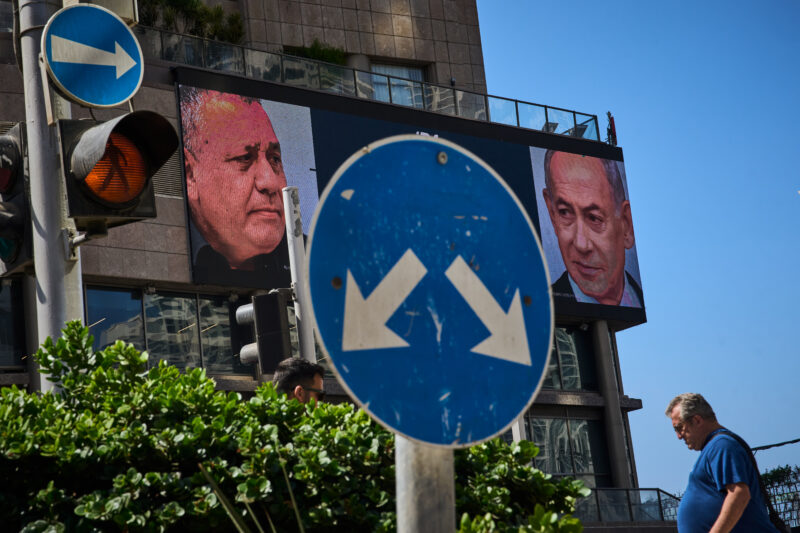
Israelis enjoyed the last day of Passover and the first day of the ceasefire with Iran on Wednesday in Tel Aviv, Israel.
Birthdays

Israeli singer-songwriter, actress and model, she represented Israel in the Eurovision Song Contest 2023, Noa Kirel turns 25 today…
FRIDAY: Past president of the U.S. Soccer Federation, he was previously an executive of both the L.A. Lakers and the L.A. Clippers, Alan Rothenberg turns 87… Author of four novels and two political history books, he is a former senior editor at The New Yorker and a deputy editor of the “Outlook Section” in The Washington Post, Jeffrey Frank turns 82… Author of 265 books including 56 books in the Cam Jansen series, 68 biographies and books for youth on the Holocaust, David Abraham Adler turns 79… Naomi Eisenberger Atlani… Former member of the Knesset for 26 years, he once served as vice prime minister, Haim Ramon turns 76… Founder of Gantman Communications, he was the VP of global strategic communications at the Motion Picture Association of America, Howard Gantman… Scarsdale, N.Y., resident, Robin Stalbow Samot… Soviet-born Israeli-American pianist, Yefim “Fima” Bronfman turns 68… Member of the Knesset for the Likud party for 23 years, now chairman of Rafael Advanced Defense Systems, Yuval Steinitz turns 68… Author of four books (including one made into an award-winning miniseries), she was the chief national correspondent at Yahoo News, following 30 years at The New York Times, Lisa Belkin turns 66… Former CEO of NTCA–The Rural Broadband Association, she stepped down last month, Shirley Ann Bloomfield… Tom Kohn… Author of five best-selling memoirs and six novels, she has also written for magazines such as The New Yorker, The Oprah Magazine, Vogue and Elle, Dani Shapiro… Host of Radio Atlantic and a senior editor at The Atlantic, she was born in Israel and moved to Queens when she was 5, Hanna Rosin turns 57… Governor of Missouri from January 2017-June 2018, Eric Greitens turns 52… Co-CEO of NJI Media and co-founder of FamousDC blog, Josh Shultz… Movie producer best known for the 2016 musical romantic-drama film “La La Land,” Jordan Horowitz turns 46… Israeli journalist, television personality and a political columnist for the Yedioth Ahronoth newspaper, Amit Yitzhak Segal turns 44… SVP of entertainment and news media at Disability Belongs, Lauren Appelbaum… Attorney who has clerked for two federal judges, he also served as a fellow in the Office of the Solicitor General, Yishai Schwartz… White House liaison to the American Jewish community during the Biden administration, Shelley Greenspan… Associate at Simpson Thacher & Bartlett, Daniel E. Wolman… Basketball player for Klosterneuburg Dukes in the Austrian Basketball Superliga, Sylven Landesberg turns 36… Phil Hayes… Susie Diamond…
SATURDAY: Actress who played the title character on the 325-episode soap opera satire “Mary Hartman, Mary Hartman,” Louise Lasser turns 87… Pulitzer Prize-winning journalist and syndicated columnist, she is the co-founder of “The Conversation Project,” focused on end-of-life care, Ellen Goodman turns 85… Founder and CEO of the USA Network in 1977, she is the co-founder and chairman of Springboard Enterprises, Kay Koplovitz turns 81… West Bloomfield, Mich.-based inventor on more than 40 patents, Barry Schwab… Actor, director and screenwriter, he played the role of a crooked politician in “The Sopranos,” Peter Riegert turns 79… Sarita Dery… Former deputy director of WomenStrong International, Sydney Rubin turns 74… Managing partner and a founder of L.A.-based law firm Glass & Goldberg, Marshall F. Goldberg… Member of the Pennsylvania House of Representatives since 1999 from the Pittsburgh area, Dan B. Frankel turns 70… Pulitzer Prize-winning journalist and author, Michael Vitez turns 69… Australian industrialist, executive chairman of Visy Industries and Pratt Industries US, the world’s largest privately owned packaging company, Anthony Pratt turns 66… Chair of the board of The Estée Lauder Companies, he serves on many charitable boards including the University of Pennsylvania and the 92nd Street Y, William P. Lauder turns 66… Provost of Harvard University, formerly dean of Harvard Law School, John Francis Manning turns 65… General counsel of the Department of Homeland Security during the Biden administration, Jonathan E. Meyer turns 61… Scholar of Eastern European Jewry, with a focus on the social history of Hasidism, Glenn Dynner turns 57… Retired Olympic breaststroke swimmer, he competed for the Soviet Union and then Israel, Vadim Alekseyev turns 56… Co-founder of Caracal Global Strategies and founder and CEO of Brigadoon, Marc A. Ross turns 55… Fashion designer, entrepreneur and author, founder of Body by Julia shapewear, Julia Haart turns 55… Professor of Talmud at Yeshiva University, he has held a variety of administrative and educational roles at Yeshiva, Rabbi Ezra Y. Schwartz turns 52… Head of fixed income sales at Citadel LLC, he was previously a Major League Soccer midfielder, Jordan Cila turns 44… Professor of Talmud at Yeshiva University and a dayan/judge at the Beth Din of America, Rabbi Itamar Rosensweig turns 37… Youngest woman ever elected to the Arizona House of Representatives, she is a convert to Judaism and worked for Tucson’s JCRC, Alma Hernandez turns 33…
SUNDAY: Founder and chairman of Christians United for Israel, Pastor John Charles Hagee turns 86… Former national correspondent for “CBS News Sunday Morning,” where she worked for more than 50 years before retiring in March 2025, Rita Braver turns 78… Attorney and bestselling novelist of 13 legal thrillers and author of three nonfiction books, combined he has sold more than 30 million copies, Scott Turow turns 77… Television producer, he serves as chairman of the Liverpool Football Club and the Boston Red Sox, Thomas Charles Werner turns 76… SVP at UJA Federation of New York, Stuart Tauber… Fashion designer, he is a co-founder of the Guess clothing and accessory brand, Paul Marciano turns 74… West Bloomfield, Mich., resident, Ron Mitnick… Washington, D.C., attorney, Norman B. “Norm” Antin… Member of the House of Lords and Parliamentary under-secretary of state for patient safety, women’s health and mental health, she previously served as chief executive of the Board of Deputies of British Jews from 2014-2021, Baroness Joanna Merron turns 67… U.S. District Court judge for the Southern District of New York, Judge Paul A. Engelmayer turns 65… Twin brothers, both real estate agents starring in the Netflix original series “Selling Sunset,” Jason and Brett Oppenheim both turn 49… Actress, director and writer, Jordana Spiro turns 49… Realtor focused on the Boston area, Ilya Jacob Rasner… President at National Student Legal Defense Network, Aaron Ament… California state senator (D-27), Henry I. Stern turns 44… Attorney, general counsel of an international technology firm, chair of the GI Research Foundation, board member of multiple biotech companies, and controlling owner of OnlyFans following the death of her husband Leonid Radvinsky in March 2026, Yekaterina “Katie” Chudnovsky… Member of the Seattle City Council, Daniel Aaron Strauss turns 40… Comedian, writer and actress, best known for co-creating and co-starring in the Comedy Central series “Broad City,” Ilana Glazer turns 39… Israeli actress best known for her lead role in the 2012 film “Fill the Void,” Hadas Yaron turns 36… Actor, he starred as Big Red in the Disney series “High School Musical,” Larry Saperstein turns 28…
Recent Daily Kickoff Newsletters




Please log in if you already have a subscription, or subscribe to access the latest updates.
 Continue with Google
 Continue with Apple