

























Raskin claims administration’s campus antisemitism probes were ‘fake,’ schools were framed
The ranking member of the House Judiciary Committee announced an investigation into the DOJ’s ‘misconduct’ and said he will assess potential changes to Title VI of the Civil Rights Act
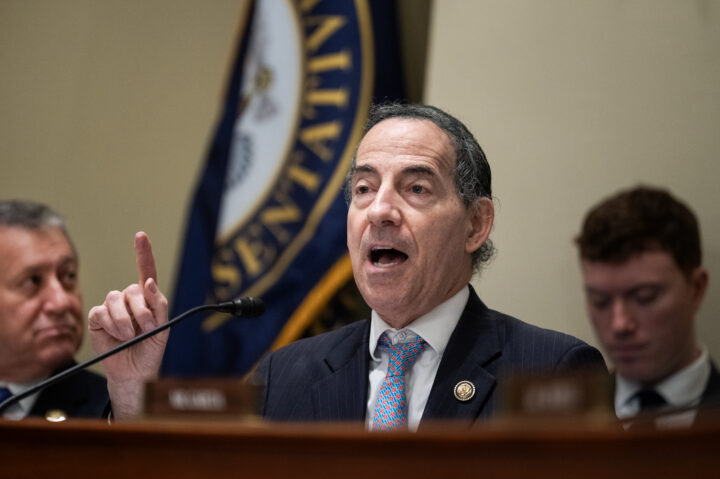
Tom Williams/CQ-Roll Call, Inc via Getty Images
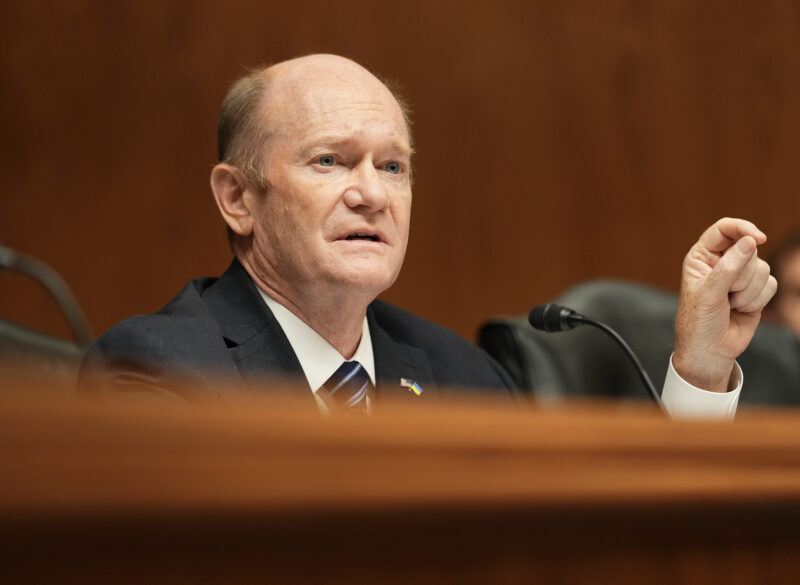
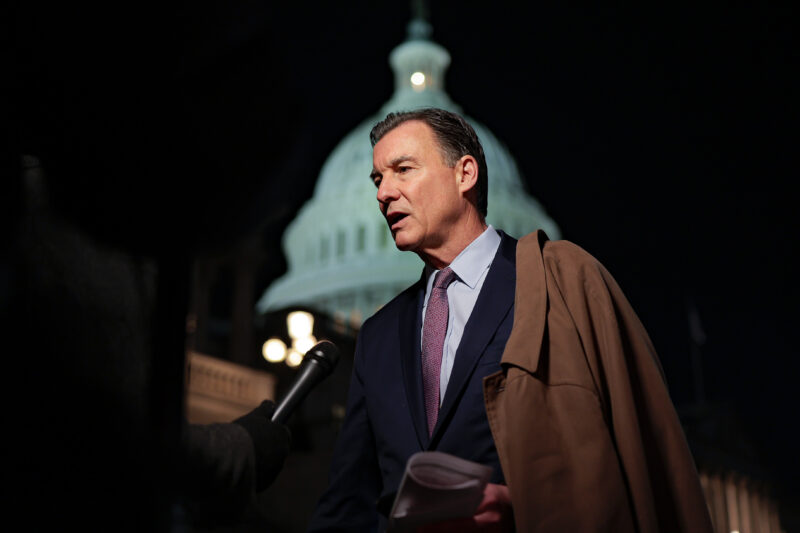
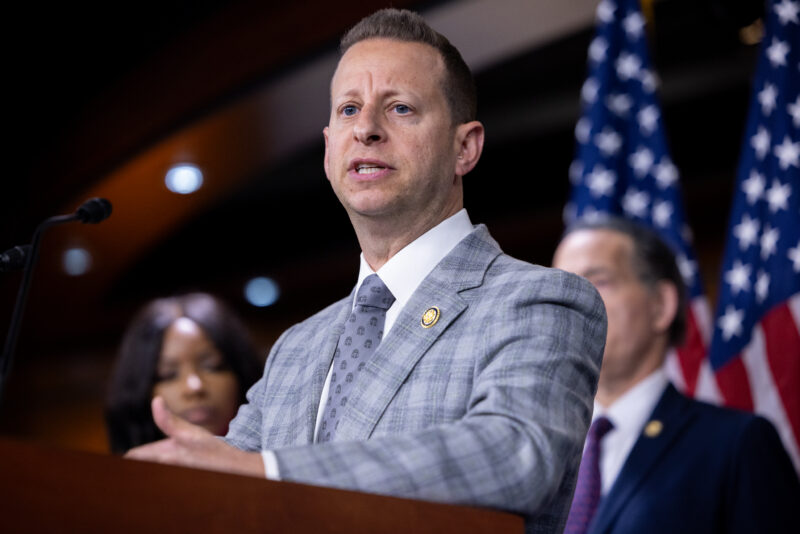
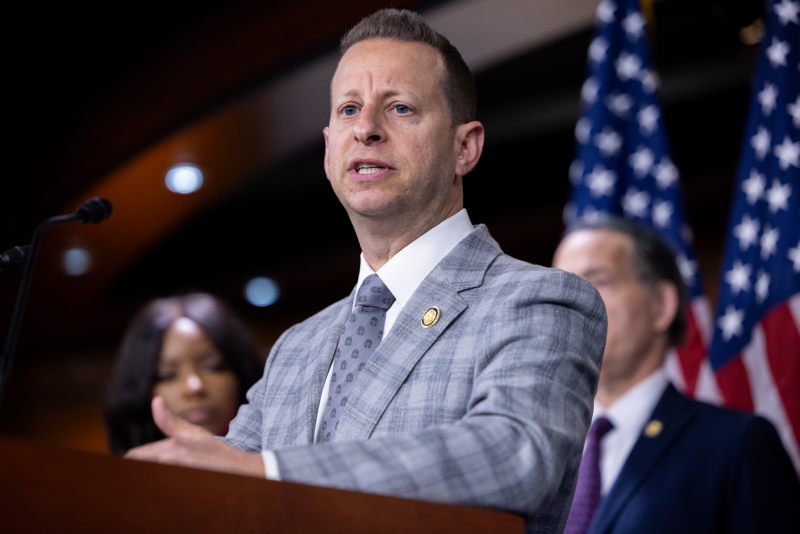
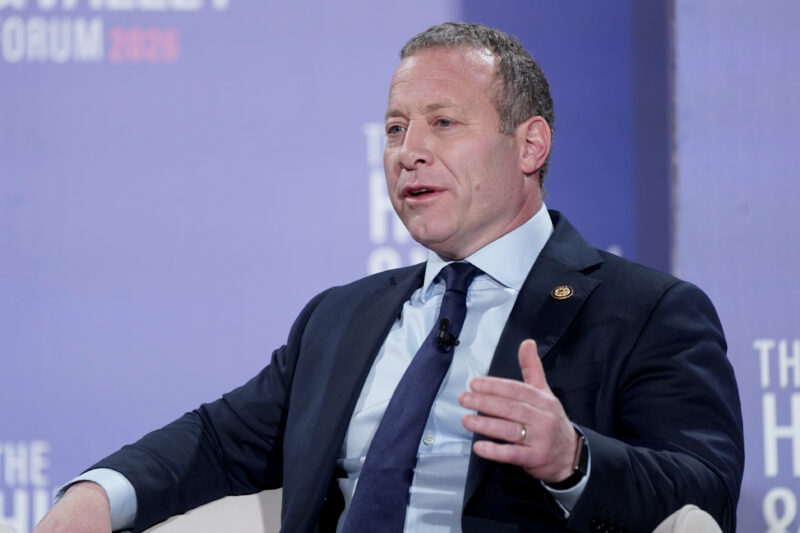
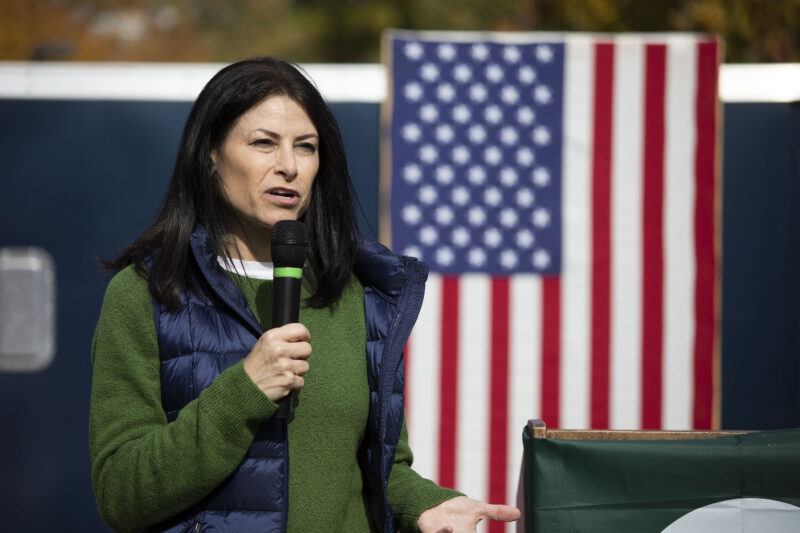
Rep. Jamie Raskin (D-MD) speaks during the House Administration Committee hearing on June 10, 2026.


 Add JewishInsider on Google
Rep. Jamie Raskin (D-MD), the ranking member of the House Judiciary Committee, claimed on Tuesday that the Trump administration’s probes into campus antisemitism were “fake” and that schools found to have violated federal civil rights law were effectively framed, pointing to whistleblower reports that claimed the administration had manipulated evidence to show violations of law despite lacking sufficient evidence.
Raskin announced that he is launching an investigation of the alleged “misconduct” of the Department of Justice and would assess potential changes to Title VI of the Civil Rights Act “in light of this Administration’s shockingly reckless and unethical actions.”
The effort by Raskin, who is in line to chair the Judiciary Committee next year if Democrats retake the lower chamber, previews potential efforts by congressional Democrats to push back on Trump administration efforts to combat antisemitism in the next Congress. Other Democrats have suggested plans to probe the settlements reached between the administration and colleges over antisemitism if they take the majority.
Raskin expressed his intent to investigate in a letter to Assistant Attorney General Harmeet Dhillon on Tuesday, asserting that Dhillon’s investigation into antisemitism — particularly at Harvard, Columbia and Brown universities — “was fake, a pre-baked frame-up operation thoroughly political in nature.”
The probes, Raskin continued, were “designed to harass professors and administrators at major universities, to curtail their freedom of speech and academic freedom, and to strip targeted institutions of hundreds of millions of dollars in grants that they had already been awarded on the merits of their applications.”
Raskin called the investigation a “sham” and a “shameful stain” on the DOJ that “represents a clear and present danger to American academic preeminence in the world.” But he also acknowledged that “antisemitism at American universities and medical schools is real” and “needs to be addressed seriously.”
He accused the administration of attacking constitutionally protected speech and of punishing universities “because it disagrees with the politics of its faculty or staff.”
He said that Dhillon may have “deliberately orchestrated a scheme to attack universities, their faculties, and their administrators for political purposes while defrauding the American people and the courts” and demanded she appear for an interview before the Judiciary Committee before Sept. 1, as well as turn over various communications and documents related to the investigations.
In a whistleblower letter to various congressional leaders on Monday that prompted Raskin’s letter, Haley Van Erem, a former career attorney in the DOJ’s Civil Rights Division, and other former DOJ attorneys alleged that the administration mishandled its investigations of antisemitic discrimination at Columbia, Brown and Harvard.
A Department of Justice spokesperson said in a statement, “While at the DOJ, Ms. Haley Van Erem did not work on university investigations. And for all matters, the Department stands behind the integrity of these investigations.”
The whistleblowers claimed that they were forced to work on shortened timelines that “compromised the ability to ensure that findings were justified and accurate” and were obligated to open investigations with “little to no factual predicate to justify opening them,” which led them to believe “that certain enforcement outcomes had been determined before the relevant evidence was collected and evaluated.”
The disclosure claimed that investigators found that Brown had not violated the Civil Rights Act, but officials still sought a settlement. At Columbia, the whistleblowers claimed the administration relied on unsupported allegations and First Amendment-protected activity to support findings that the school had violated civil rights law.
The whistleblowers also claimed that, at Harvard, the funding freezes the administration implemented were carried out in advance of any findings of violations and “without a demonstrated connection between the proposed remedies and substantiated findings of unlawful discrimination.”
They also claimed that the administration purposely sought to force the schools into litigation and to impose financial penalties, targeted Muslim professors and attempted to sidestep the Constitution.
More Stories

CANARY CALL
Two Seattle Jewish leaders warn of Jewish complacency in face of rising antisemitism
QUESTIONABLE COMPANY
Democratic nominee Chris Rabb photographed with Code Pink leader
ENVOY DEBATE
Congressional Jewish Caucus opposes proposal to combine State Dept. Holocaust, antisemitism offices
on the hill
Shaheen holding up $2.8 billion arms sale to Israel
FAMILY TRAGEDY
Israeli ambassador’s son seriously wounded in West Bank car-ramming attack

supper club
AI, tech execs to attend White House state dinner for Xi Jinping
Please log in if you already have a subscription, or subscribe to access the latest updates.
 Continue with Google
 Continue with Apple