








































For 2028’s Jewish hopefuls, Israel is the test that decides who’s the ‘right’ kind of Jew
A clear divide is emerging in the prospective 2028 presidential field over the issues of the U.S.-Israel relationship and dealing with rising antisemitism
Israel Hadari
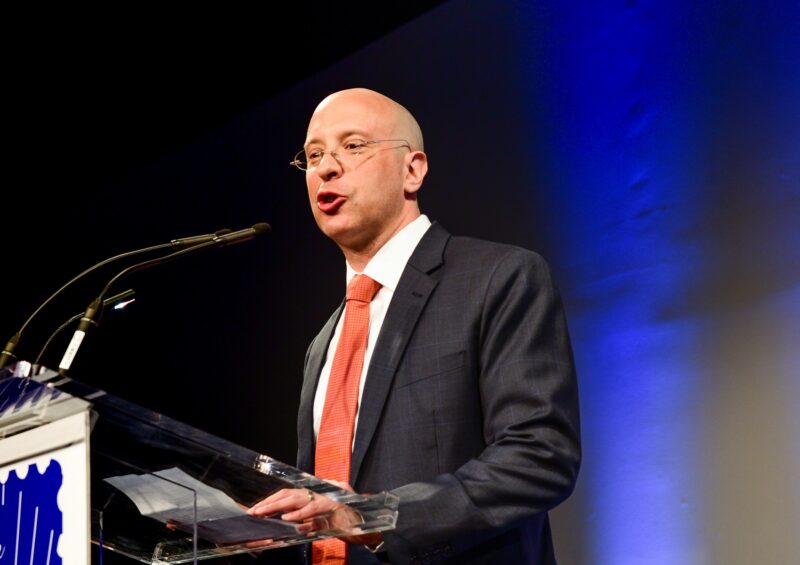
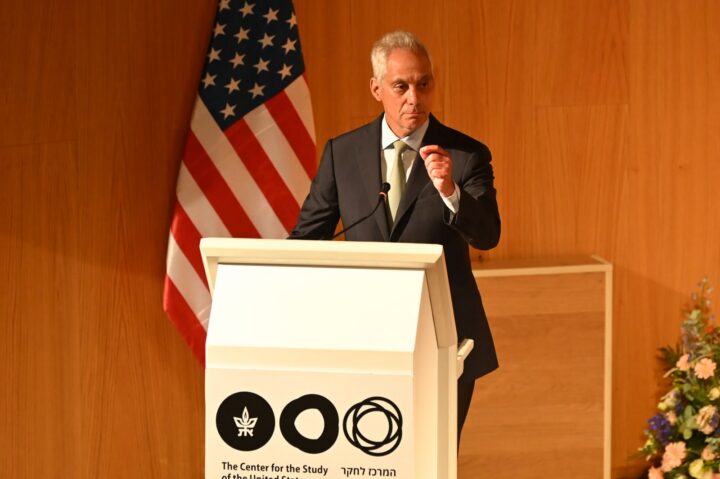
Rahm Emanuel speaks at Tel Aviv University on July 8, 2026.


 Add JewishInsider on Google
A quarter century ago, when the late Sen. Joe Lieberman was tapped by Al Gore, the Democratic nominee for president, to be his running mate on the 2000 ticket, the question around many a Shabbat table was, “Is he too Jewish to be in the White House?”
There’s a different question being asked, largely in Democratic circles, of today’s Jewish presidential candidates: “Is he the ‘right’ kind of Jewish candidate to be president?” — a question that is almost entirely centered around a candidate’s position on Israel and how openly he identifies with his religious faith.
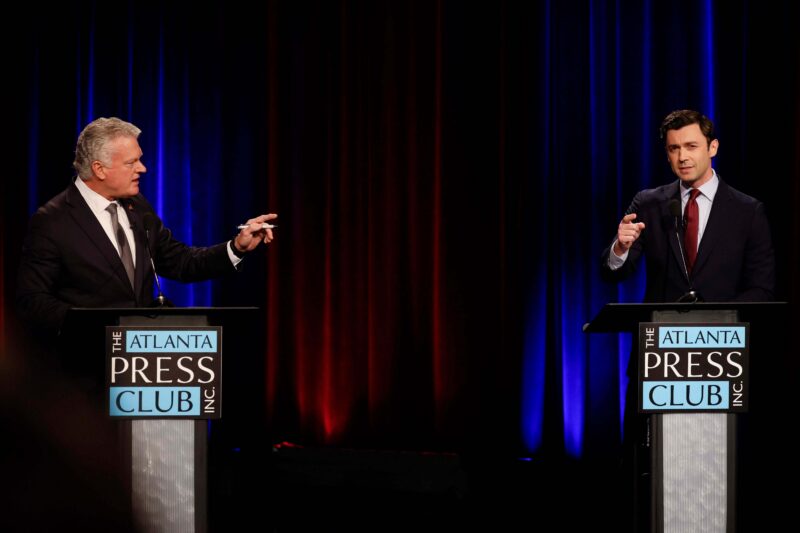
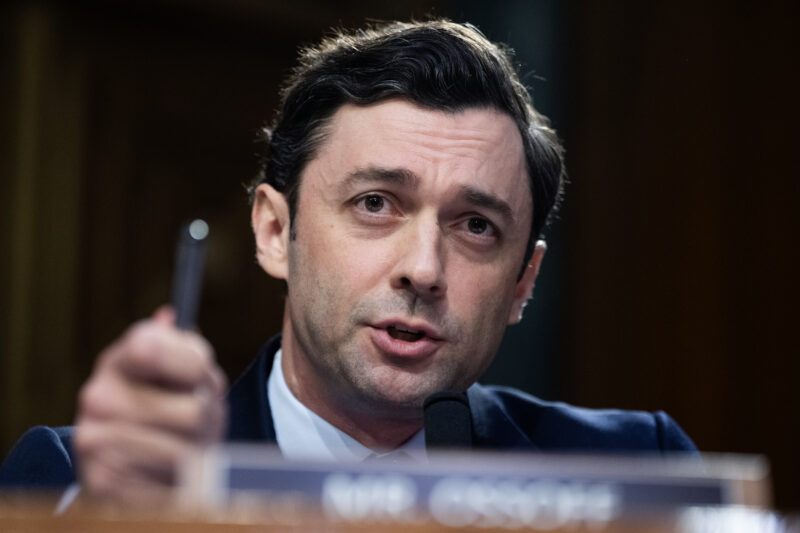
A long list of Jewish candidates are considering a presidential campaign or are being touted as credible contenders, ranging from moderates like Pennsylvania Gov. Josh Shapiro, Sen. Elissa Slotkin (D-MI) and former Chicago Mayor Rahm Emanuel to progressives like Illinois Gov. JB Pritzker and those who straddle the ideological divide, like Sen. Jon Ossoff (D-GA).
In both 2026 and 2028, the debate over Israel is on the ballot: Congressional primaries are pitting pro-Israel candidates against those who don’t acknowledge Israel’s right to exist as a
Jewish state, and already a clear divide is emerging in the prospective 2028 presidential field over the issues of the U.S.-Israel relationship and dealing with rising antisemitism.
Even in races where Israel policy is not front-and-center, invoking AIPAC has become something of a catch-all slur for progressives attacking the role of outside money in Democratic primaries. California Gov. Gavin Newsom, a likely 2028 hopeful, proudly proclaimed in February that he’d never taken AIPAC money — which of course he hasn’t, given that AIPAC and its affiliated super PAC historically focus on federal, not state, races.
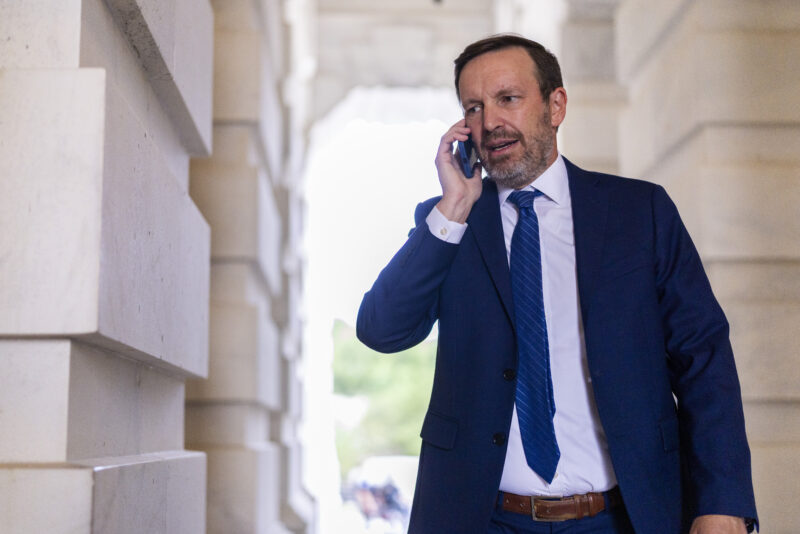
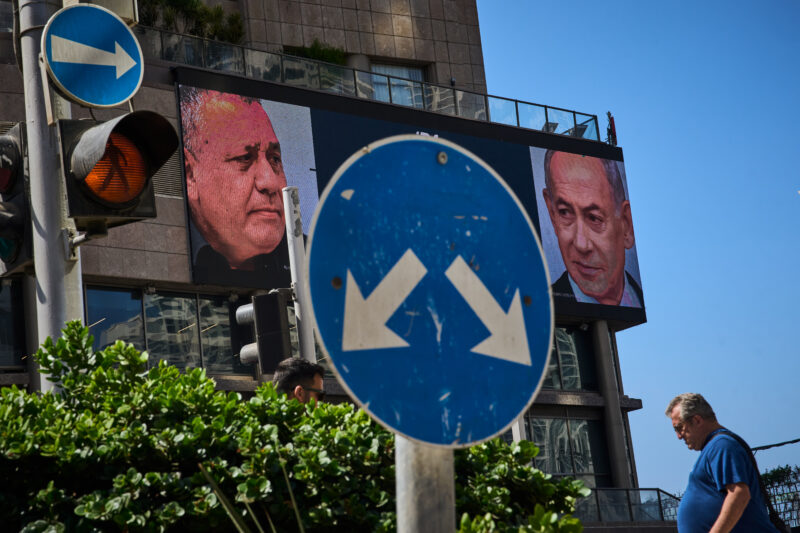
Since soft-launching his presidential campaign last month (in Tel Aviv, no less), former Chicago Mayor Rahm Emanuel has made the Jewish state — and its relationship with the U.S. — one of his top issues in speeches and interviews. Even when his views are well within the mainstream, his signaling that he’s talking tough against Israel is a sign he recognizes his long-standing pro-Israel record is a vulnerability in a Democratic presidential primary.
A week after his Tel Aviv speech, Emanuel appeared on the Council on Foreign Relations’ “The Spillover” podcast in an episode titled “Rahm Emanuel Talks Israel, Midterm Elections, and the Democratic Party.” Two days later, The New Yorker’s “Radio Hour” podcast aired an interview with Emanuel in conversation with David Remnick titled, “Rahm Emanuel Says Israel’s Path Is ‘Not Sustainable Politically.’” Earlier this week, Emanuel appeared on the podcast of anti-Zionist Peter Beinart for a conversation largely focused on Israel.
The polling reality is that despite his lengthy and impressive resume — a former U.S. ambassador, congressman, Chicago mayor and White House chief of staff — Emanuel’s record is out of step with the ascendant progressivism that’s taken hold within the party. (He is currently polling at 0% in most 2028 Democratic primary polls.)
Emanuel could be using his skill as a straight-talking political operative to push his party to the center on antisemitism and Israel, akin to the way former New Jersey Gov. Chris Christie used his anti-Trump bromides against the MAGA-aligned candidates during the 2024 presidential debates. But Emanuel’s candidacy has thus far been an opportunity to push the party leftward on Israel — in essence, kashering an increasingly unfriendly approach to the U.S.-Israel relationship — and throw jabs at Israeli Prime Minister Benjamin Netanyahu, with whom Emanuel has a long and less-than-amicable history.
Both Emanuel and Newsom’s approaches reflect what they see as a political reality as the 2028 race comes into view: criticizing Israel might garner some support, while backing it is a losing argument.
Other leading Jewish Democrats who are considering 2028 bids are opting not to make Israel — and the future of its relationship with the U.S. — a cornerstone of their campaigns. Some, such as Shapiro, attempt to pivot when pressed on Israel questions, focusing instead on the domestic impact of the war with Iran or on U.S. national security. And when they do talk about Israel, criticism is largely focused on Israel’s government and not the country as a whole.
Shapiro, whose Israel stance was reportedly one reason former Vice President Kamala Harris opted against selecting him as her running mate in 2024, has frequently criticized Netanyahu while also legitimizing Israeli security concerns.
“I don’t think that if you are critical of Benjamin Netanyahu, you’re an antisemite,” Shapiro said on the “Higher Learning” podcast earlier this year. “By the way, I’m critical of Benjamin Netanyahu. And I have been for years and years and years, even predating Oct. 7. I think his approach has made Israel less safe.”
Pritzker has similarly kept the message — largely — focused on Netanyahu. In an in-depth New York Times interview in March, Pritzker said he felt Israelis had erred in selecting Netanyahu, saying that his leadership has led the country into “additional wars” and caused excess death and destruction in Gaza. On AIPAC, the Illinois Democrat, who previously supported the group, explained to The Times that his efforts to distance himself from the group were because it had become increasingly partisan and “pro-Trump,” rather than because of Israeli policy itself.
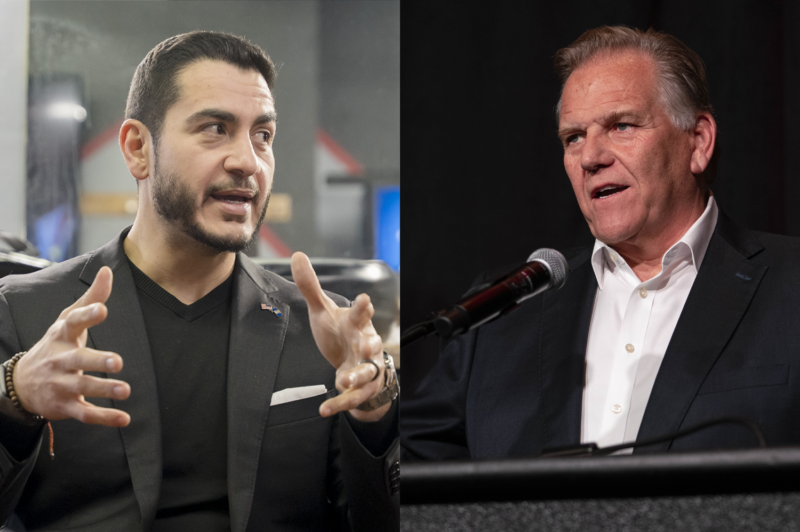
And then there’s Ossoff , who has always held positions on Israel that fall to the left of the others. We wrote last month that many Peach State Jews find themselves in a political no-win situation as Ossoff, who has voted to block weapons shipments to Israel, defends his seat against Rep. Mike Collins (R-GA), who has a history of inflammatory right-wing rhetoric — and a son-in-law who openly espouses white nationalist, antisemitic propaganda.
While all four have tacked left on Israel, they have done so to varying degrees — for example, Shapiro has expressed support for some aid to Israel to be conditioned, while Ossoff has voted to block weapons sales to Israel and Emanuel has called to immediately end all military aid to Israel.
2028 candidates rightfully sense that the party is shifting, not just on Israel but on a range of policies. When Lieberman was on the ticket a quarter century ago, the question was whether Americans were ready to elect a Jewish president (or vice president). Now, the question facing potential Jewish 2028 contenders is different: What do they have to say about Israel to persuade primary voters they are the “right” kind of Jew to become president?
More Stories
NUCLEAR NEWS
Senate expected to vote on Saudi nuclear deal before end of year
analysis
MBS bet Saudi Arabia’s future on economic transformation. The Houthis are testing that wager
SEEKING ANSWERS
After State Department memorial, families of Oct. 7’s American victims call for U.S.-led probe
UNSETTLED POLICY
Trump WH sends mixed signals over response to European sanctions against Israeli settlements
VEEP'S VIEW
Harris says Biden should have done more to stop Israel’s ‘horrific conduct’ in Gaza

Daily Overtime
Jewish leaders press Miliband on U.K. antisemitism
Please log in if you already have a subscription, or subscribe to access the latest updates.
 Continue with Google
 Continue with Apple