



































AIPAC closes a rocky primary season with a California gamble
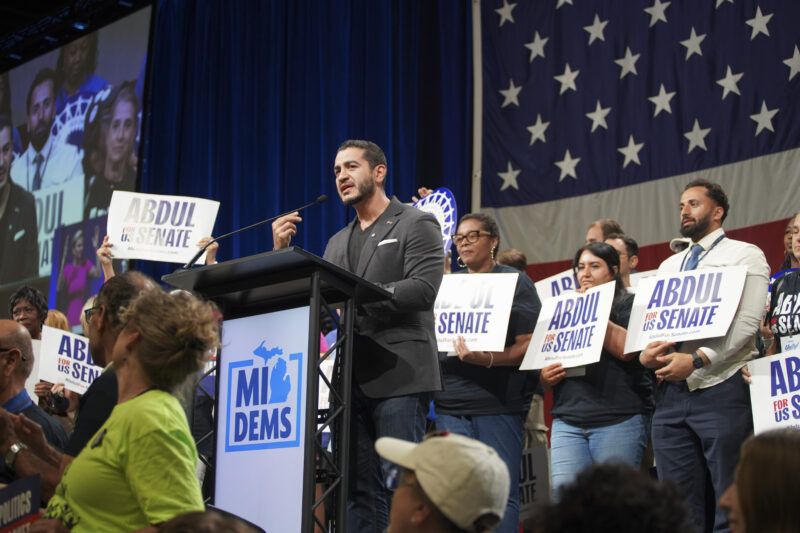
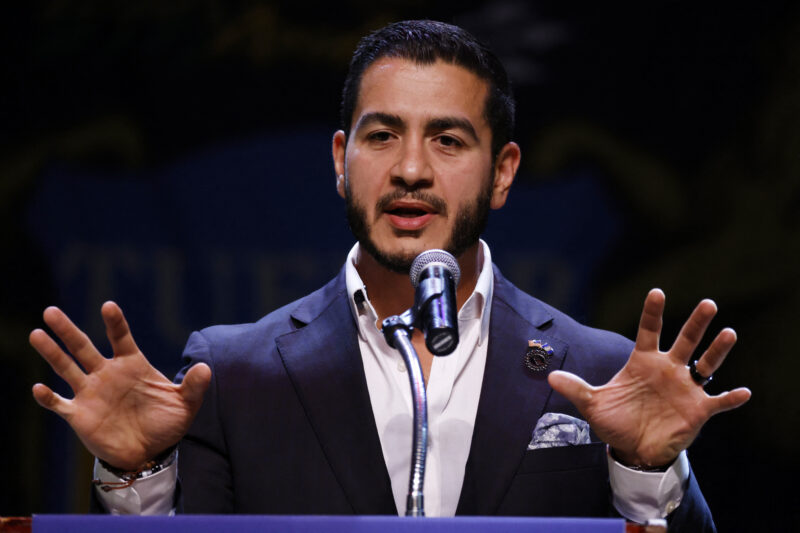
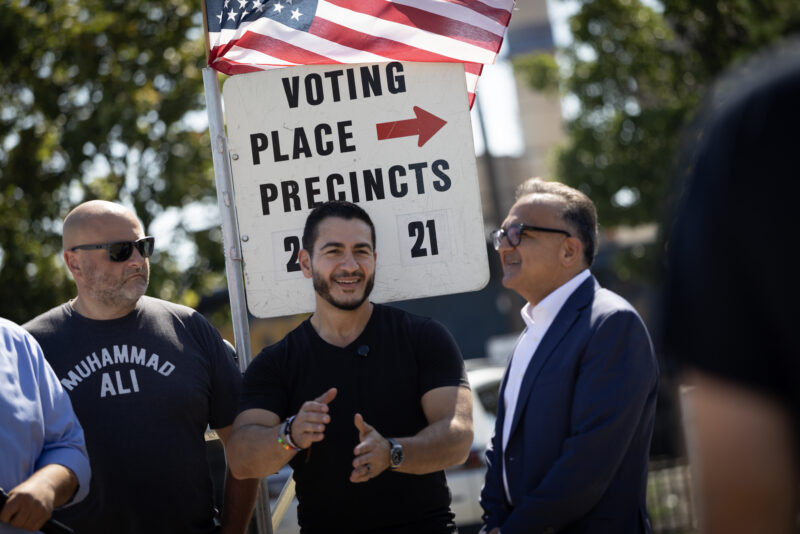
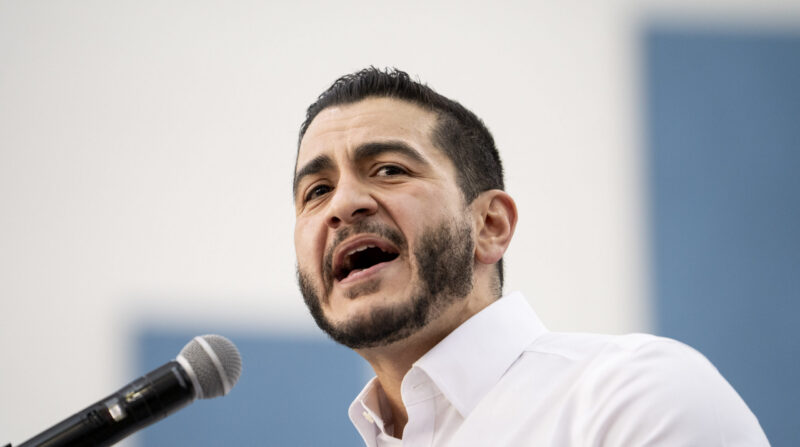
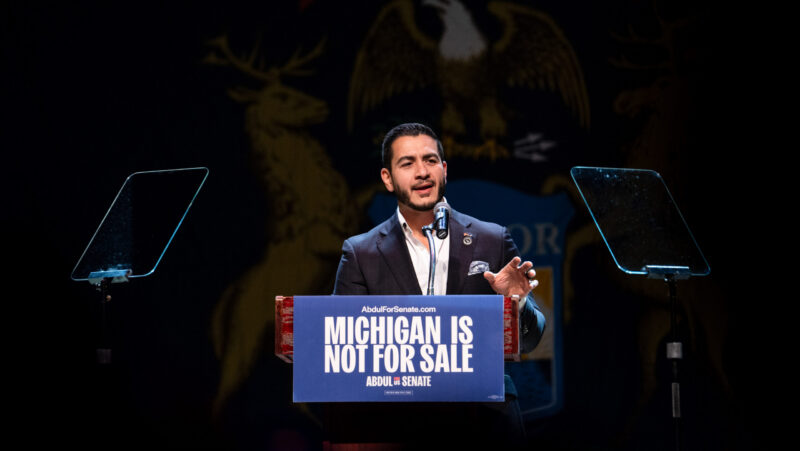
UDP’s latest ad blitz came in the immediate wake of Michigan’s bitter Democratic Senate primary earlier this month, where the group spent over $30 million on a failed effort to thwart Abdul El-Sayed
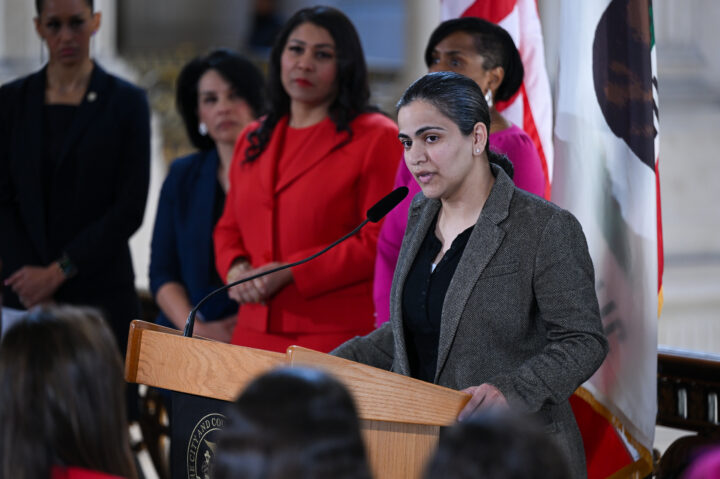
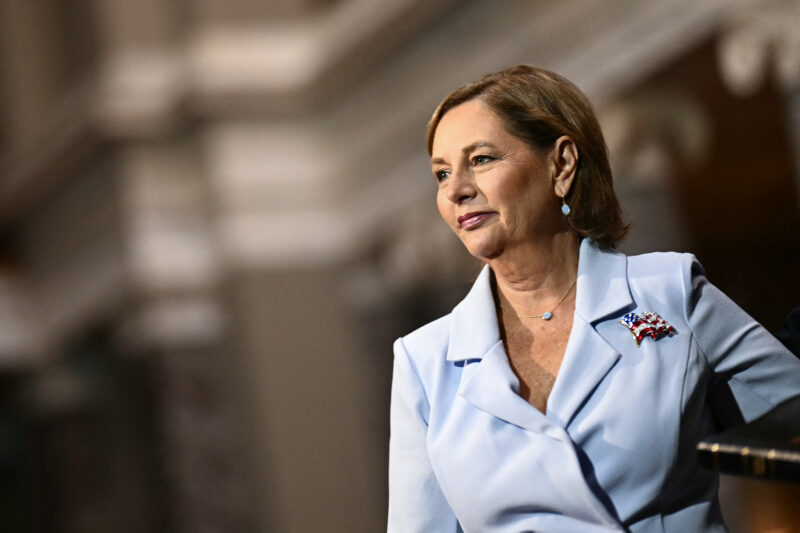
Tayfun Coskun/Anadolu Agency via Getty Images
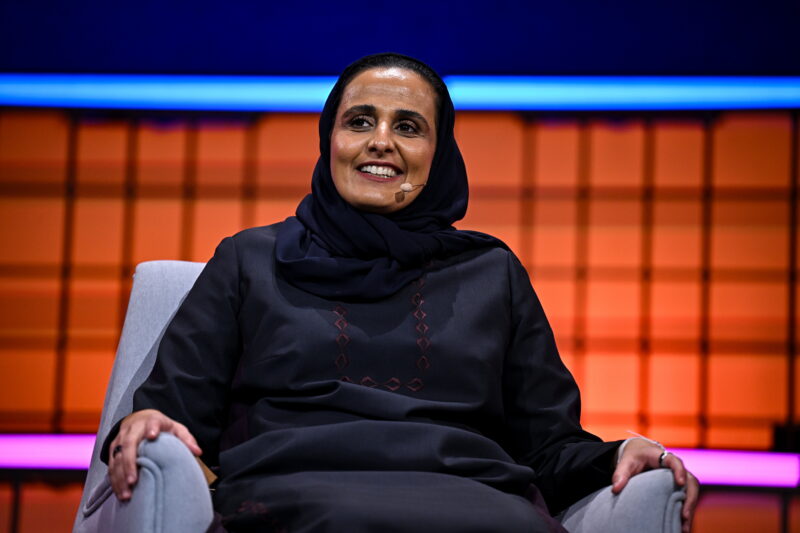
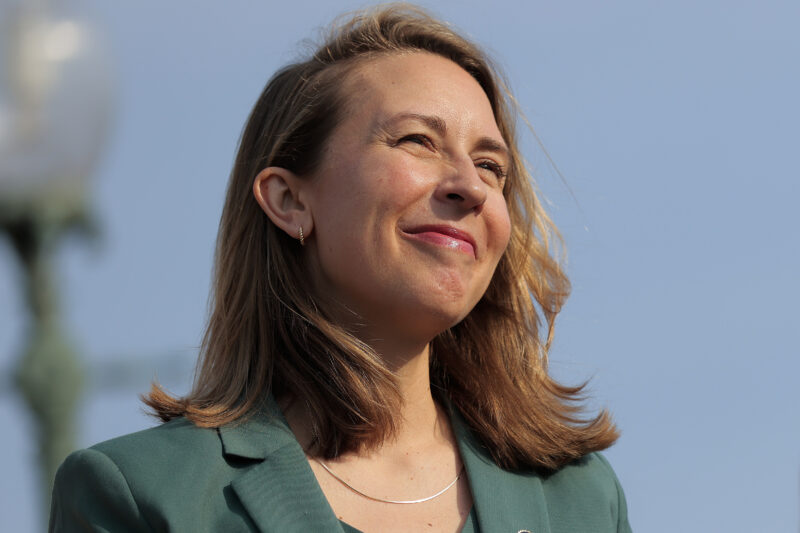
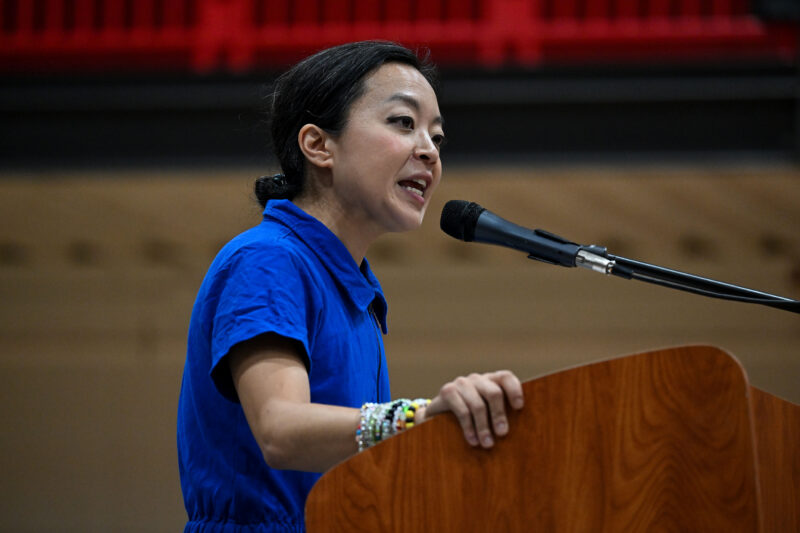
State Sen. Aisha Wahab speaks during the Bay Area Abortion Rights Coalition (BAARC) and commemoration of the 50th Anniversary of Roe v. Wade event at the City Hall in San Francisco, California, on January 25, 2023.


 Add JewishInsider on Google
As primary election season comes to an end, AIPAC is closing out its involvement in a dramatic cycle with an unexpected foray into a low-profile California House race on Tuesday where Israel has not been among the top issues.
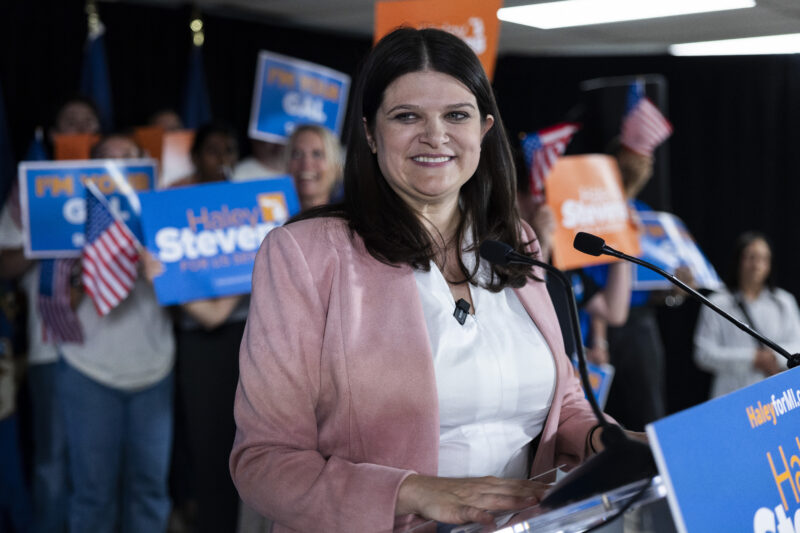
In the last two weeks, AIPAC’s super PAC, the United Democracy Project, has spent nearly $2.5 million in an effort to defeat Aisha Wahab, a progressive state senator competing in a special election runoff against Melissa Hernandez, a moderate Democrat who serves on the Bay Area Rapid Transit board and is the former mayor of the East Bay city of Dublin.
The aggressive maneuver, which appears to be AIPAC’s last investment before the general election, has raised eyebrows among some Jewish leaders and Democratic strategists in the state, who see Wahab as favored to replace disgraced former Rep. Eric Swalwell (D-CA) in California’s 14th District, despite the flood of recent attacks against her from UDP and other allied groups.
Still, one Democratic strategist who is familiar with the runoff said that outside polling has shown a tighter race than some observers are predicting.
In the special election primary, Wahab claimed first place with 43%, while Hernandez had just 17% of the vote. But two Republican candidates on the ballot also tallied about 25% of the vote, with the GOP vote likely to swing heavily to the more moderate Hernandez.
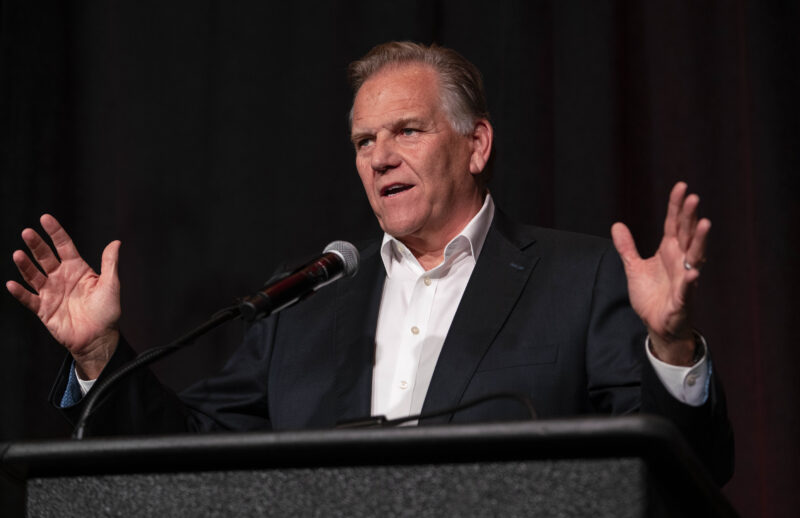
UDP’s latest ad blitz came in the immediate wake of Michigan’s bitter Democratic Senate primary earlier this month, where the group spent over $30 million on a failed effort to thwart Abdul El-Sayed, a far-left former public health official who refused to recognize Israel’s right to exist as a Jewish state. (UDP is likely to return in the general election to help boost former GOP Rep. Mike Rogers, El-Sayed’s opponent, according to sources familiar with its plans.)
The narrow loss in Michigan marked a major blow for AIPAC, whose super PAC has seen mixed results overall in key Democratic House contests this cycle as its involvement runs the risk of backfiring in the party. While UDP notched some key victories in states including Maryland, Illinois and Missouri, the group has faced scrutiny even from some supporters for its strategy in picking other races, such as in New Jersey, where its involvement in one primary helped inadvertently elevate a fierce critic of Israel to a seat in the House.
Some Jewish leaders in the San Francisco Bay Area voiced puzzlement over AIPAC’s engagement in the runoff, saying that its decision to target Wahab had backfired in the progressive-minded district — where she is using its attacks to rally supporters to her campaign while portraying Hernandez as a shill for the group.
One Jewish leader backing Hernandez who has met with Wahab, the first Afghan American and Muslim to serve in the California State Senate, said he feared UDP’s attack ads, which have not focused on Middle East policy, could drive her to embrace more hostile positions on Israel.
During the campaign, Wahab has accused Israel of genocide in Gaza and, in a recent interview with antisemitic influencer Hasan Piker, said she would support the Block Bombs Act, which would impose sweeping restrictions on weapons sales and transfers to Israel.
But the Jewish leader, speaking anonymously to address a sensitive issue, told Jewish Insider that Wahab is “not a member of the Squad,” supports a Jewish state as well as a Palestinian state and “wants a strong relationship with the Jewish community” — even as she has acknowledged disagreements on key issues that have stoked some tensions in the runoff.
“This is not someone who wants to see Israel disappear, and I’m worried this simplistic approach to the primaries is going to push someone like Wahab further away from the community,” the Jewish leader said of UDP’s spending. “There’s a general consensus among the East Bay political class that Wahab is the likely winner,” he said. “We’re all just scratching our heads and we’re not sure what they’re seeing here.”
A spokesperson for UDP declined to comment on its decision to enter the race.
Andrew Lachman, the former president of California Jewish Democrats, told JI that Wahab “has worked well with the California Jewish Legislative Caucus in the past, but the pressures are different when running for Congress because the state legislature does not do foreign policy.”
UDP’s new spending has been met by recent expenditures from J Street, the progressive Israel advocacy group, and American Priorities, a new anti-Israel super PAC created to counter AIPAC’s presence in Democratic primaries — both of which are backing Wahab.
“I hope I’m wrong,” the Jewish leader told JI. “I hope AIPAC is seeing something I’m not and that there is a chance.”
More Stories
DYNAMIC DUO
Vance defends friendship with Tucker Carlson despite ‘political disagreements’
SOCIALISM SHOWDOWN
Eight Democrats join Republicans in resolution condemning socialism, DSA
JORDAN'S AGENDA
Jim Jordan said he plans to make fighting antisemitism a priority on Judiciary Committee
PAPPAS UNDER PRESSURE
Pappas leads, but faces an unexpectedly competitive race in New Hampshire Senate primary

GULF COMEBACK
Marcy Grossman returns to Abu Dhabi to lead AJC’s Gulf diplomacy

BREWED BACKLASH
Oakland coffee shop that ousted Jewish patrons suspends operations amid antisemitism lawsuits
Please log in if you already have a subscription, or subscribe to access the latest updates.
 Continue with Google
 Continue with Apple