















































Middle East braces for weeks-long war as U.S., Israel trade blows with Iran
All parties are planning for what could be a conflict that stretches across weeks, despite the decapitation of nearly all of Iran’s senior-most officials in the opening salvos of the war
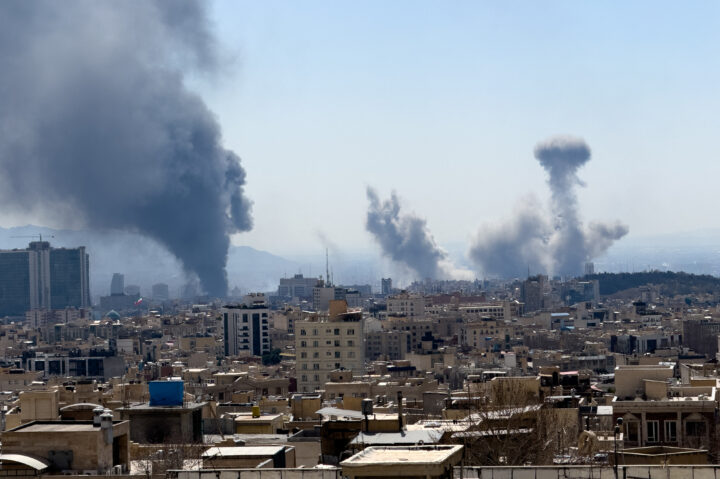
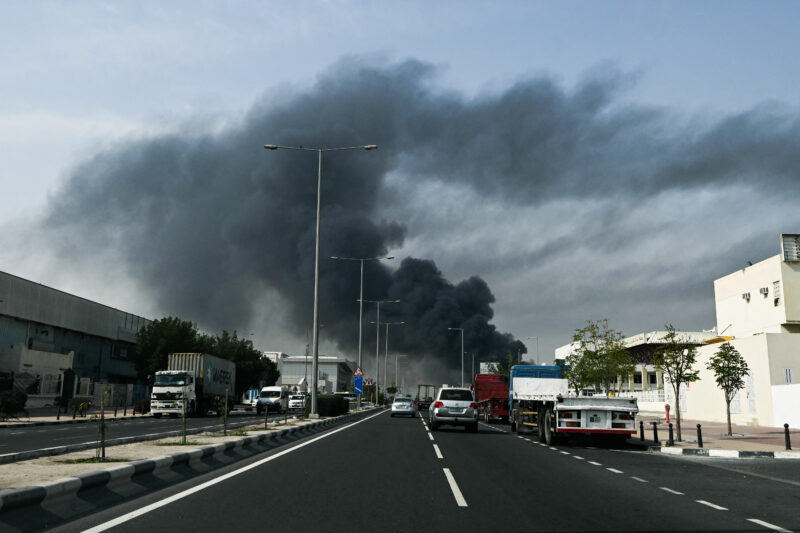
Mahsa / Middle East Images / AFP via Getty Images
Plumes of smoke rise following reported explosions in Tehran on March 1, 2026, after Iran's supreme leader, Ayatollah Ali Khamenei, was killed a day earlier in a large U.S. and Israeli attack, prompting a new wave of retaliatory missile strikes from Iran.


 Add JewishInsider on Google
As joint U.S.-Israeli operations against Iran and the Islamic Republic’s ballistic missile and drone attacks continue into a third day, all parties are planning for what could be a conflict that stretches across weeks, despite the decapitation of nearly all of Iran’s senior-most officials in the opening salvos of the war.
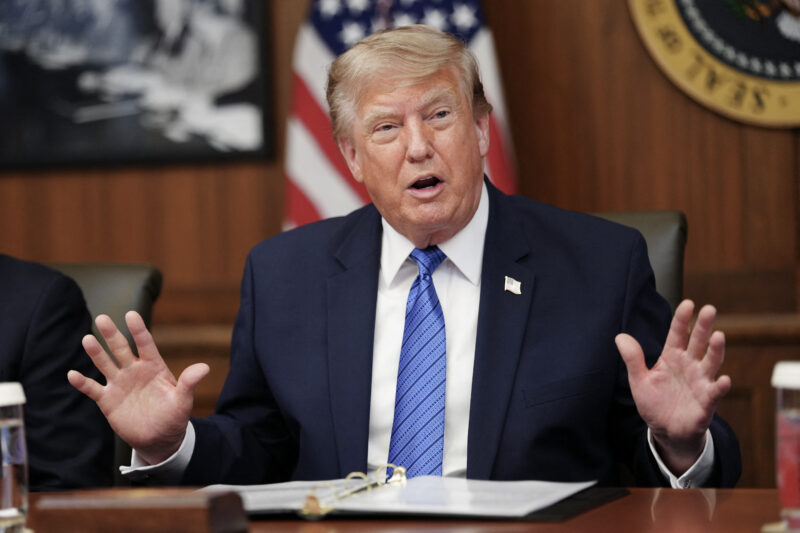
On his Truth Social site, Trump doubled down on his push for Iranian protesters to take action, calling on “all Iranian patriots who yearn for freedom to seize this moment, to be brave, be bold, be heroic and take back your country. America is with you. I made a promise to you, and I fulfilled that promise. The rest will be up to you, but we’ll be there to help.”
Trump said on Sunday that the U.S. had sunk nine Iranian warships and destroyed its naval headquarters as it works to dismantle the country’s entire naval fleet.
The president told numerous media outlets over the weekend that the time frame for operations would take four to five weeks, but said that Iranian officials “want to talk, and I have agreed to talk, so I will be talking to them.” Read more here.
Ali Larijani, the head of Iran’s National Security Council, refuted the claim, saying, “We will not negotiate with the United States.”
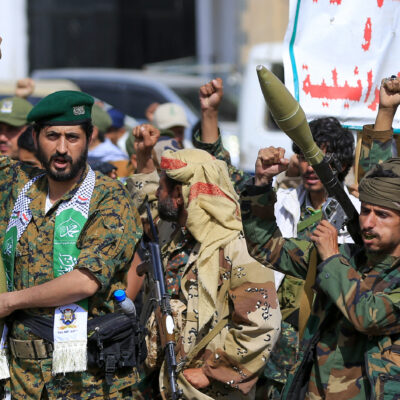
With the status of talks and any potential off-ramps in question, strikes continue in Israel and Iran, with Iranian proxy Hezbollah entering the hostilities early this morning with missile barrages targeting northern Israel.
The last 48 hours have scrambled and deepened alliances across the Middle East as a number of Arab states coalesced behind the U.S. In a joint statement released Sunday night, the U.S., Bahrain, Jordan, Kuwait, Qatar, Saudi Arabia and the United Arab Emirates slammed Iran’s “indiscriminate and reckless missile and drone attacks against sovereign territories across the region” and said the countries “stand united in defense of our citizens, sovereignty, and territory, and reaffirm our right to self-defense in the face of these attacks.”
Canada and Australia — both led by left-leaning governments that have clashed with the Trump administration — quickly announced their support for the U.S.- and Israel-led operation — though neither country’s official statement mentioned Israel. British, French and German leaders called on Saturday for the resumption of nuclear negotiations, pivoting a day later to calling on Iran to cease its “indiscriminate and disproportionate missile attacks.” Fox News reported that the U.K. is providing air policing and sharing intelligence, and Prime Minister Keir Starmer said Sunday that the U.K. is giving the Pentagon access to British bases in the region.
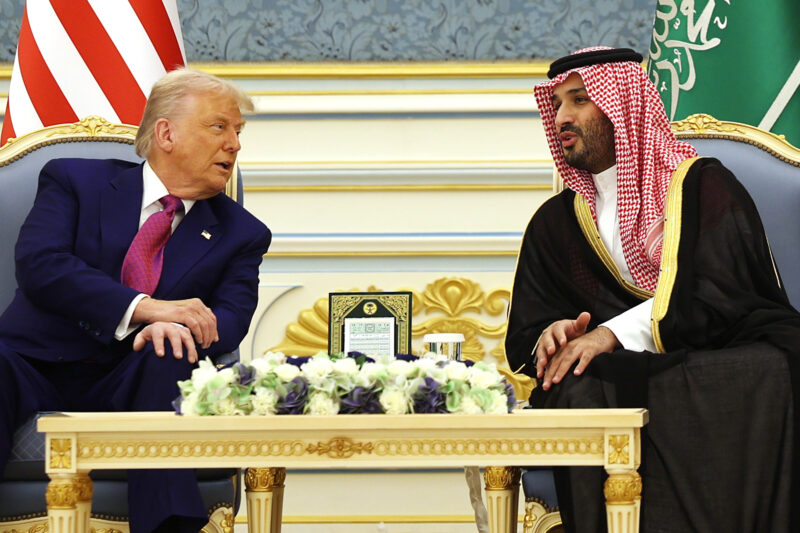
Israel and the U.S. prepared for the operation over the last two months. The Washington Post reported on Sunday that Trump’s decision to move forward with the operation came amid a “weeks-long lobbying effort” by Israel and Saudi Arabia — which was denied by a Saudi spokesperson in Washington. Israeli officials have for the last several months traveled back and forth between Jerusalem and Washington for White House meetings, while Saudi Defense Minister Prince Khalid bin Salman was in Washington last month for meetings with administration officials as well as Jewish communal leaders.
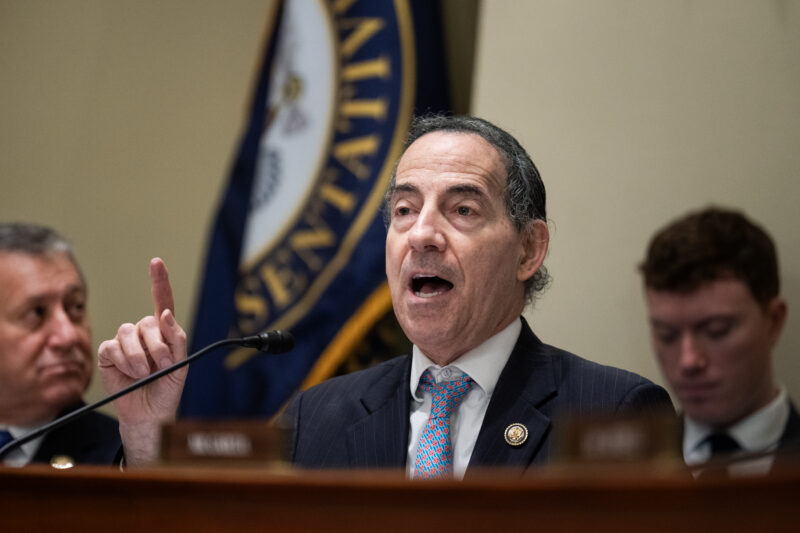
In Washington, Congress is set to resume later this week and vote on two war powers resolutions being led by Sens. Tim Kaine (D-VA) and Rand Paul (R-KY) and Reps. Ro Khanna (D-CA) and Thomas Massie (R-KY) that, if passed and able to override an inevitable presidential veto, would force the Trump administration to end its operations against Iran.
The assassination of Iran’s supreme leader, Ayatollah Ali Khamenei, has put officials and figures who are critical of the Trump administration in the awkward position of praising the killing of the supreme leader, who has directed attacks that have killed tens of thousands over decades and overseen the expansion of Tehran’s vast proxy network, while continuing to criticize Trump. Rep. Steny Hoyer (D-MD), previously a member of House Democratic leadership, called the strikes “an act of war” and the goal — “to stop Khamenei’s fanatical regime from committing further acts of terror — “defensible,” while blasting what he called Trump’s “unilateral, unconstitutional decision to go to war without congressional approval.”
Sen. Chris Coons (D-DE) called Khamenei a “brutal dictator with the blood of Americans and Iranian civilians on his hands,” before stating that “his death does not mean regime change is imminent, and the potential consequences of these strikes are unpredictable, dangerous, and global.”
More Stories

AID CONVERSATION
GOP Reps. Kustoff, Goldman say Republicans want to see U.S. aid to Israel continue

Pappas romps, ‘shill for AIPAC’ smear flops

Doha Dealings
CNN’s ties with Qatar deepen with October summit in Doha

Daily Overtime
Mackle-no-more on Sheeran’s tour
ON THE HILL
Senate Republicans urge Saudi response to Houthi attacks

road to riyadh
Trump taps Rep. Wesley Hunt as U.S. ambassador to Saudi Arabia
Please log in if you already have a subscription, or subscribe to access the latest updates.
 Continue with Google
 Continue with Apple