










































Israel eyeing upcoming Iran-U.S. talks with deep skepticism
"Iran proved time after time that its promises cannot be trusted," Netanyahu told Witkoff in Jerusalem meeting

Kobi Gideon (GPO)
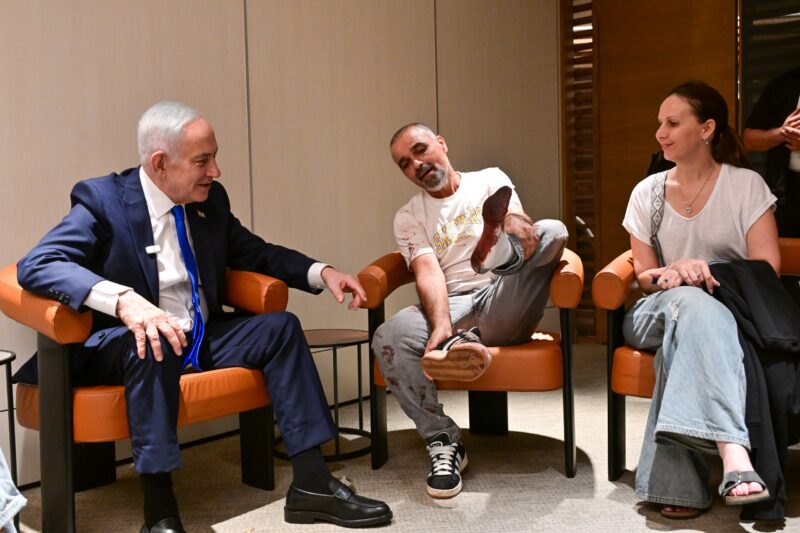
Prime Minister Benjamin Netanyahu, meeting in his office with US Special Presidential Envoy to the Middle East Steve Witkoff (Kobi Gideon (GPO)


 Add JewishInsider on Google
There are few things that Ha’aretz and the pro-Netanyahu Channel 14 agree on, but with American and Iranian officials set to meet for nuclear talks on Friday, there was near wall-to-wall agreement in Israel that the talks are unlikely to bring positive results.
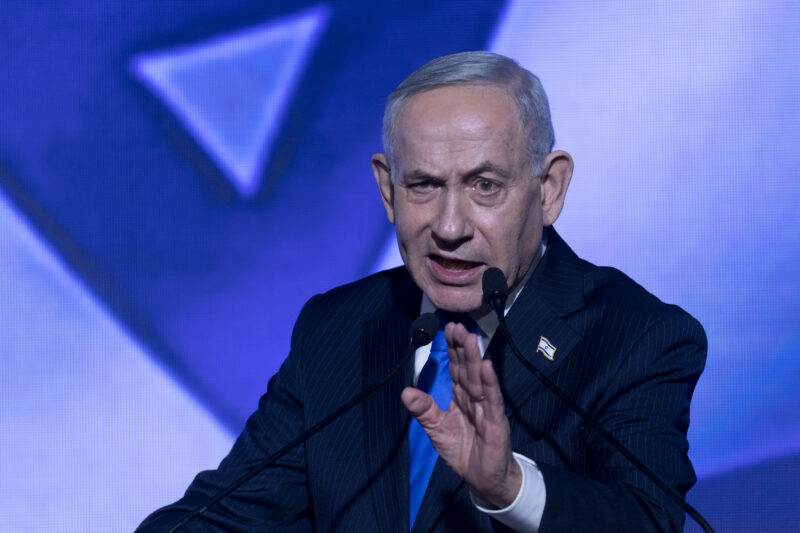
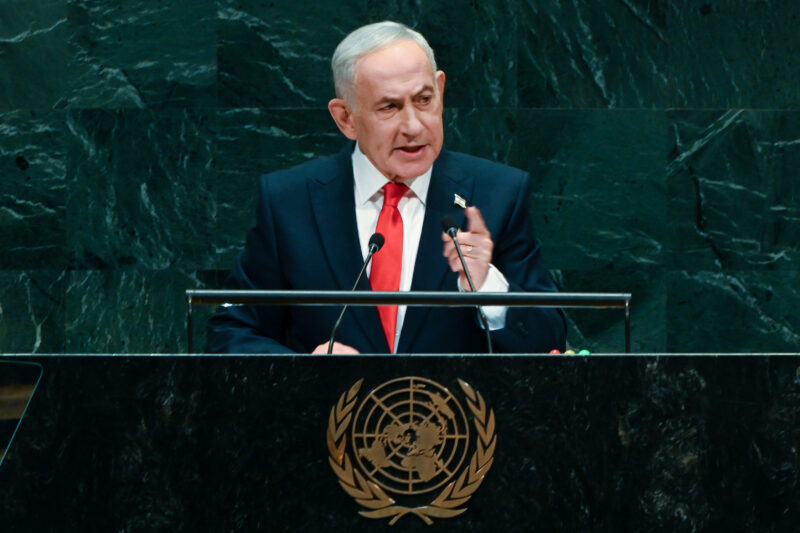
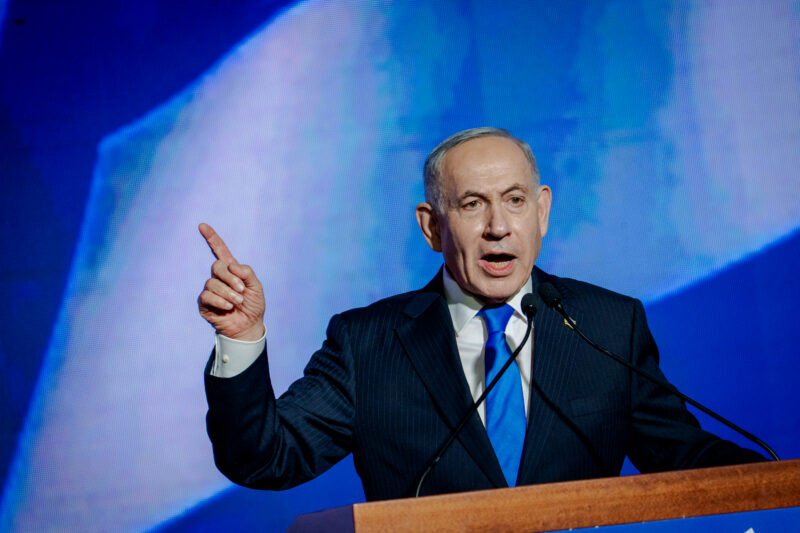
Israeli Prime Minister Benjamin Netanyahu told White House Special Envoy Steve Witkoff during his visit to Israel on Tuesday that “Iran proved time after time that its promises cannot be trusted,” according to a statement from the Prime Minister’s Office.
An Israeli military source told Channel 14 that Netanyahu also warned Witkoff that Iran wants to use the negotiations to “kill time … to transfer offensive weapons to hiding places.”
Witkoff, along with Jared Kushner, are set to represent the U.S. in the talks, which were originally set to be held in Turkey but have reportedly been moved to Oman, and Iranian Foreign Minister Abbas Araghchi is expected to lead his country’s negotiating team. Iran has also demanded that the negotiations be limited to its nuclear program, while the U.S. seeks to curb Tehran’s ballistic missile program and support for regional proxies.
Hours after Witkoff met with Netanyahu on Tuesday, Iran launched a drone at the USS Abraham Lincoln, which the military shot down, and a U.S. ship escaped an Iranian attempt to stop it at sea.
Jerusalem eyed the move toward negotiations with Iran with skepticism.
Israeli Energy Minister Eli Cohen, a member of the Security Cabinet, said on Wednesday, “Let’s admit the truth. There is no value to a diplomatic agreement with Iran.”
“Iran has never kept any of its commitments, and even if it agrees to something, it’ll be a hudna [Arabic for a temporary ceasefire] until Trump is out of office,” Cohen told Israel’s 103FM.
Cohen said that “Trump is a businessman who wants the bottom line, and therefore he is taking his time to bring it. Our message to the U.S. is that negotiations with Iran are a waste of time.”
Cohen argued that it is in the interest of the region to see the Islamic Republic fall: “Saudi Arabia, Bahrain, the UAE and Azerbaijan told the U.S. ‘don’t attack Iran’ out of fear. It’s clearly lip service.”
Ehud Ya’ari, the in-house Middle East analyst for Israel’s Channel 12, wrote in an article published Wednesday that the talks will try to reach “an interim arrangement that will relieve the tension without solving the problems.”
“A move like this is not a good enough solution for Israel,” Ya’ari wrote. “An interim agreement means freezing problems, not solving them.”
At the same time, Ya’ari argued that a broader agreement that will satisfy both Trump and Iranian Supreme Leader Ali Khamenei is impossible, though an interim agreement will also be challenging.
Tamir Hayman, director of the Institute for National Security Studies at Tel Aviv University and former IDF intelligence chief, told Ha’aretz‘s Hebrew podcast “The Week” that “anything is better than an agreement with Iran. …Israel does not want an agreement.”
“Israel does not want any nuclear program at all, zero enrichment,” Hayman said. “We’ll want limits to missile manufacturing and the export of terror to the Middle East export of arms. … My concern in light of past statements by Witkoff is that … he’s only dealing with nuclear and for him, any compromise on enrichment [is acceptable].”
Hayman argued that “you can’t bring down a regime that you are negotiating with…Any agreement they reach is a lifeline for the regime.”
However, he added, “even without an attack, [the mullahs] will fall in the end,” citing the tens of thousands of protesters killed and Iranian leadership’s inability to save the country’s collapsing economy.
Hayman said he used to be opposed to “managing the conflict,” but now he believes that the current situation, in which Iran there is a domestic political and economic crisis and no centrifuges are spinning in Iran, “could be good and increase the chances that it will awaken something inside [Iran].”
Meanwhile, Israelis continued to live under the shadow of threats from Iran’s regime, after over a month of concern that Iran may retaliate for an American strike by attacking Israel. The ad for the latest episode of Eretz Nehederet, Israel’s answer to SNL, opened with host Eyal Kitzis looking bored in the studio with ticking clocks behind him and the message: “So, we are still waiting for Iran to attack.”
More Stories

FUNDRAISER FALLOUT
Attendee at El-Sayed fundraiser bragged about beating up pro-Israel demonstrator

TOEING THE LINE
Menin, Levine call for ‘focus’ on Oct. 7 victims — but don’t condemn Mamdani
chesapeake challenge
Maryland GOP gubernatorial nominee Dan Cox says he disagrees with son’s antisemitic posts
EMBASSY COMMEMORATION
Deputy national security advisor emphasizes shared civilizational fight at Oct.7 anniversary event
CATCHING HEAT
Pro-Israel Democrats blast Mamdani for Oct. 7 anniversary statement

SEEDS OF PEACE
Slotkin defends El-Sayed, says not all Jewish voters have the same priorities
Please log in if you already have a subscription, or subscribe to access the latest updates.
 Continue with Google
 Continue with Apple