






























Illinois primaries test pro-Israel spending after AIPAC’s NJ loss
These four races will be something of a temperature check of the mood towards Israel in Democratic primaries

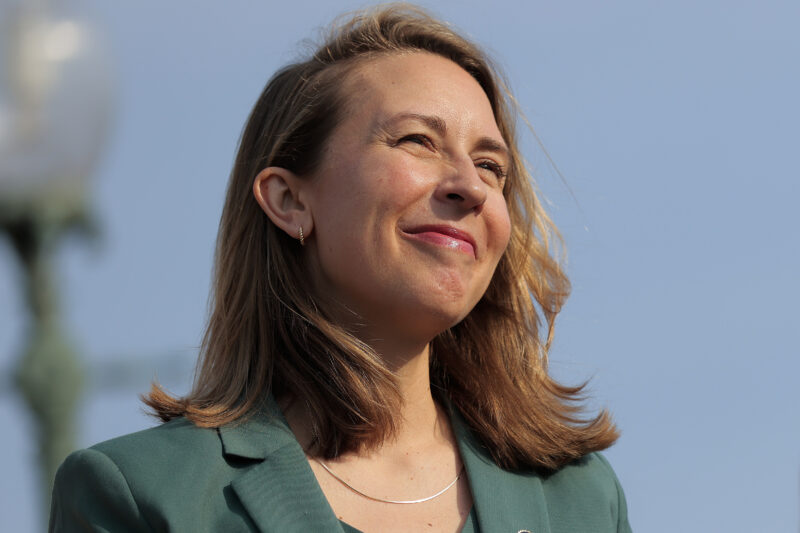
State Sen. Laura Fine/Facebook
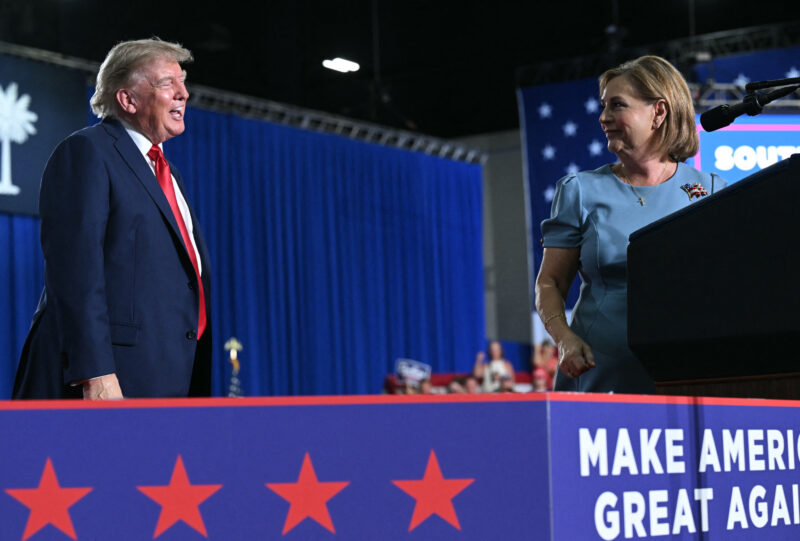
State Sen. Laura Fine


 Add JewishInsider on Google
After AIPAC’s super PAC suffered an embarrassing setback in this month’s New Jersey special primary election — unwittingly helping boost the fortunes of Analilia Mejia, an anti-Israel, far-left candidate, with its attacks against former Rep. Tom Malinowski (D-NJ) — all eyes will be on Illinois’ upcoming primaries, and the impact of a surge in pro-Israel spending on ads in four closely watched congressional contests.
AIPAC’s super PAC, the United Democracy Project, along with other outside groups boosting the fortunes of pro-Israel candidates, are betting big on four Chicago-area candidates in crowded Democratic primaries: Cook County Commissioner Donna Miller (for the seat of retiring Rep. Robin Kelly); Chicago City Treasurer Melissa Conyears-Ervin (for the seat of retiring Rep. Danny Davis); former Rep. Melissa Bean (for the seat of Rep. Raja Krishnamoorthi, who is running for Senate); and state Sen. Laura Fine (running for the seat of retiring Rep. Jan Schakowsky).
The biggest beneficiaries of outside group spending are Fine and Bean, receiving about $1.25 million apiece in air cover from Elect Chicago Women, a super PAC formed to boost their campaigns (and which appears to be a vehicle for pro-Israel supporters).
Both of those primaries, in the affluent Chicago suburbs, are developing differently.
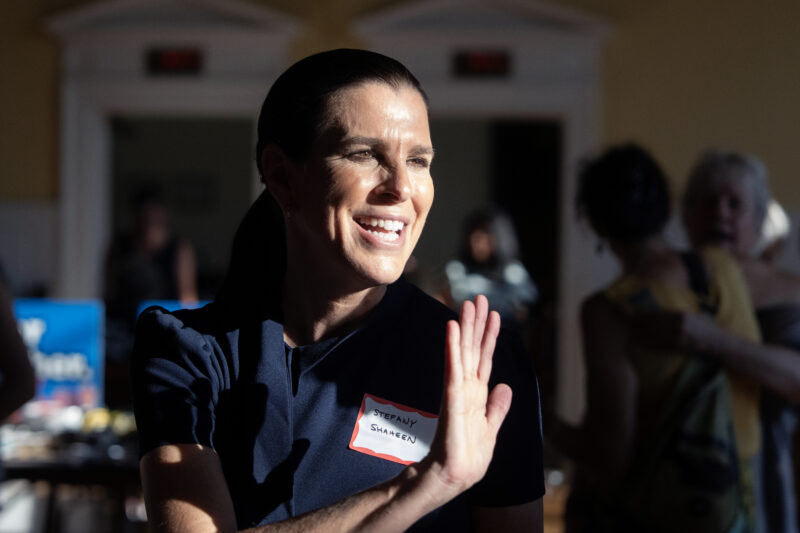
The race to succeed Schakowsky, in a progressive-minded but notably Jewish Lakefront district, is shaping up to be the most hotly contested primary in the state. The field is similar to a lot of emerging Democratic primaries this year — one mainstream pro-Israel candidate (Fine), one harsh critic of Israel (Evanston Mayor Daniel Biss) and one all-out anti-Israel activist (social media influencer Kat Abughazaleh).
Fine, fueled by support from pro-Israel allies, raised over $1 million in the last fundraising quarter and was the first candidate to spend money on the air. That jump-start helped give her early momentum, with an internal poll from her campaign showing her tied for the lead with Biss at 21%, with Abughazeleh lagging in third place. (A subsequent internal poll released by Biss’ campaign showed Biss leading with 31%, while Fine and Abughazaleh were tied in second with 18% apiece.)
Biss has been spending ample time working to protect his left flank from the far-left Abughazaleh, giving Fine plenty of room to win over Jewish voters and moderates. But the district’s politics are generally progressive, making it less friendly terrain than the New Jersey district where AIPAC just suffered an unexpected defeat.
Bean’s old district is more moderate Democratic turf, and should be safer ground for a pro-Israel supporter like the former congresswoman. Polls show her with an early lead in a crowded field of candidates, but her most problematic opponent is anti-Israel activist Junaid Ahmed, who won 30% of the primary vote in a fringe challenge against Krishnamoorthi in 2022.
If someone as extreme as Ahmed comes out of left field to take the Democratic nomination, that would send shockwaves in Democratic and pro-Israel circles, as much as Mejia’s New Jersey win. And the fact that he won 30% of the Democratic vote four years ago means he can’t be ruled out when the winner just needs a narrow plurality to win.
AIPAC’s super PAC is directly involved in the Chicago race for Davis’ open seat, already spending a reported $2.8 million to promote the candidacy of Conyears-Ervin. The city treasurer ran against Davis in 2024, finishing in second place (trailing the congressman 52-21%), and narrowly ahead of anti-Israel activist Kina Collins (who is running again). Another anti-Israel candidate, union organizer Anthony Driver, Jr, won the backing of the Congressional Progressive Caucus’ PAC this week.
All told, this year’s primary features 13 Democrats, with a pro-Israel Jewish community leader, Jason Friedman, emerging as the leading fundraiser in the field. But with UDP’s money behind Conyears-Ervin, she’s looking like the favorite. It’s also notable that in this plurality-Black district, there’s been minimal backlash to AIPAC’s involvement in the race.
The other Chicago race featuring a clear divide on Israel is the primary to succeed Kelly, where Donna Miller has emerged as a front-runner thanks to her strong fourth-quarter fundraising. She’s also getting an assist from a new super PAC (Affordable Chicago Now!) spending nearly $1 million on her behalf. She’s facing the most serious competition from former Rep. Jesse Jackson Jr. and state Sen. Robert Peters, who has the support of national anti-Israel activists. (Jackson maintained a largely pro-Israel voting record when he served in Congress; his brother, Jonathan, has regularly voted for bills calling for restricting aid to Israel since elected in 2022.)
These four races will be something of a temperature check of the mood towards Israel in Democratic primaries. If pro-Israel candidates aligned with AIPAC end up winning three of the four contests, it will be a successful night. If they prevail on the toughest territory of the four — the Schakowsky seat — it would be a major victory and would take some of the sting over losing in New Jersey.
But if they lose more than half of these open-seat races, it would underscore the growing hostility towards Israel within Democratic Party circles — and the limited impact of financial firepower in taming the activist energy taking over the party.
More Stories

AID CONVERSATION
GOP Reps. Kustoff, Goldman say Republicans want to see U.S. aid to Israel continue
LONDON'S GAMBLE
Former Trump official: U.K. sanctions will render Europe ‘less relevant in Middle Eastern affairs’
analysis
Pappas wins New Hampshire Senate nomination over anti-Israel Dem activist

Daily Overtime
Vance’s Jewish voter problem
FLAGGING FICTION
Blinken denies report he delayed Hamas offer to free hostages
road to riyadh
Trump taps Rep. Wesley Hunt as U.S. ambassador to Saudi Arabia
Please log in if you already have a subscription, or subscribe to access the latest updates.
 Continue with Google
 Continue with Apple