



































Socialist speed bump in Wisconsin, but left sweeps other key races
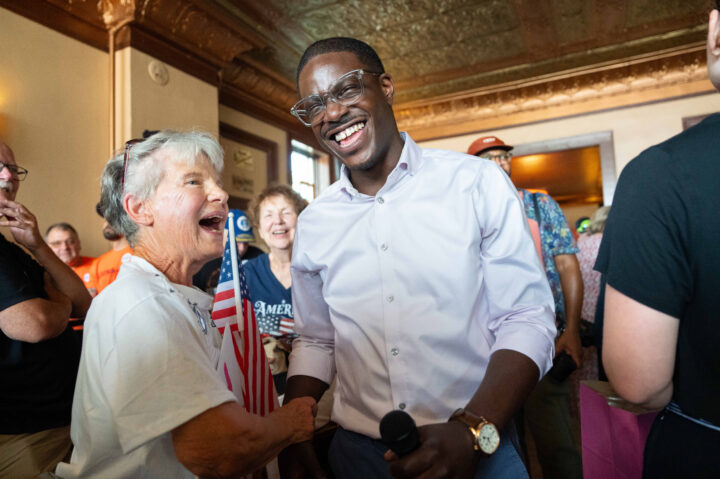
So far, the left of the party won three of the four contests, with the notable exception of Democratic Socialists of America-affiliated Wisconsin gubernatorial candidate Francesca Hong, who fell short against Milwaukee County Executive David Crowley
(AP Photo/Kayla Wolf)
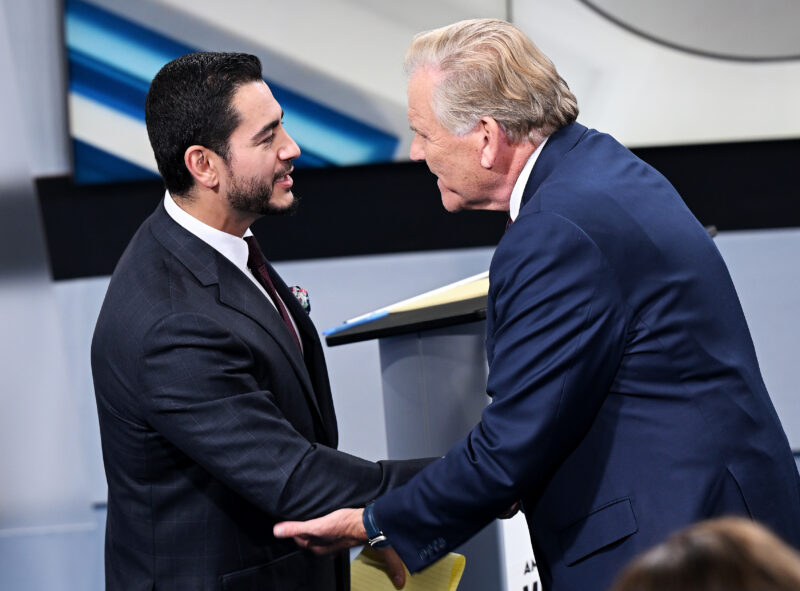
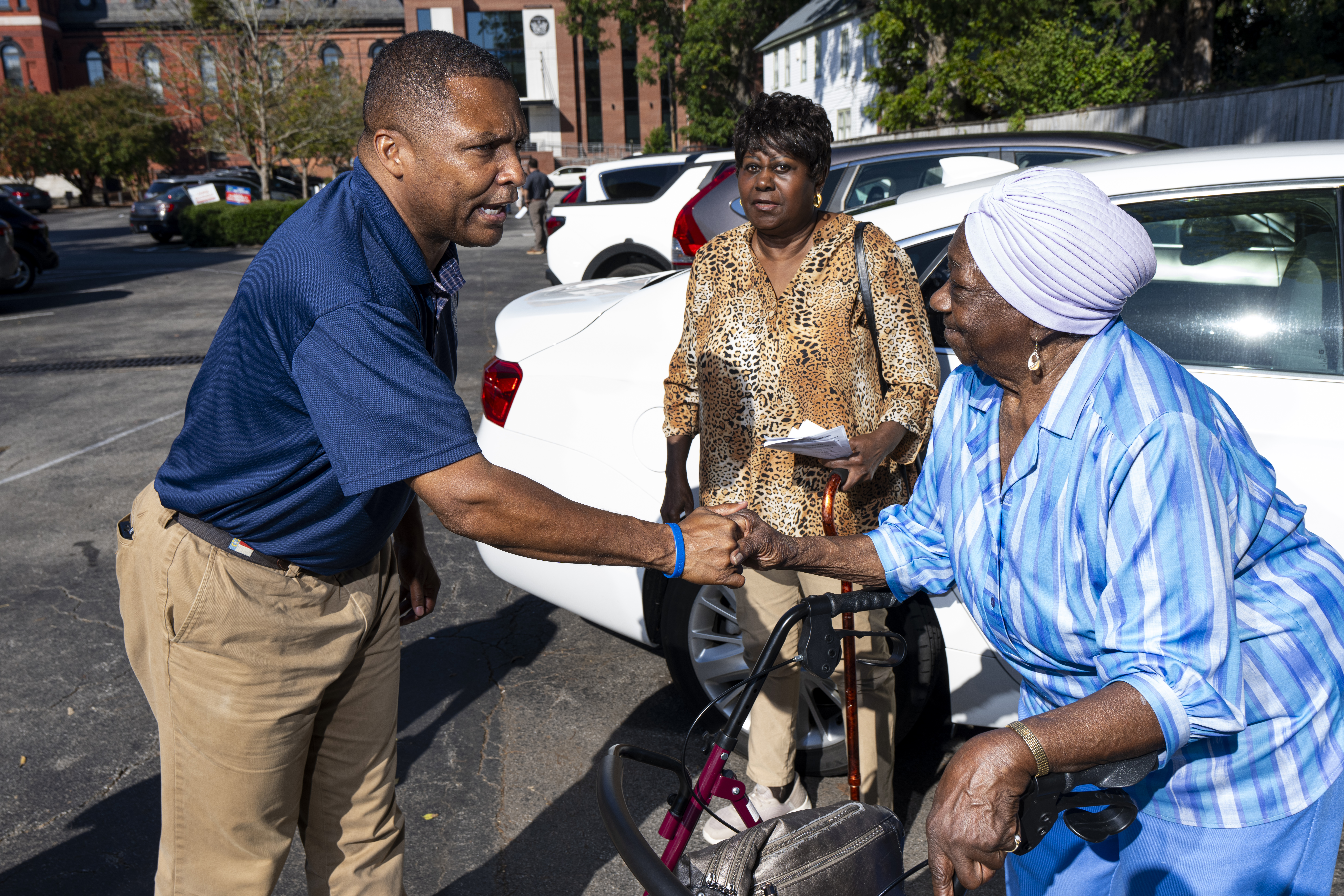
David Crowley, Democratic candidate for Wisconsin governor, shakes hands with Karen Hilt, left, during a campaign stop Friday, Aug. 7, 2026, in Sheboygan, Wis.


 Add JewishInsider on Google
In Tuesday’s newsletter, we wrote that four major Democratic primary races — in Minnesota, Wisconsin and Connecticut — would be key tests of the depth of the anti-establishment, anti-Israel left’s staying power.
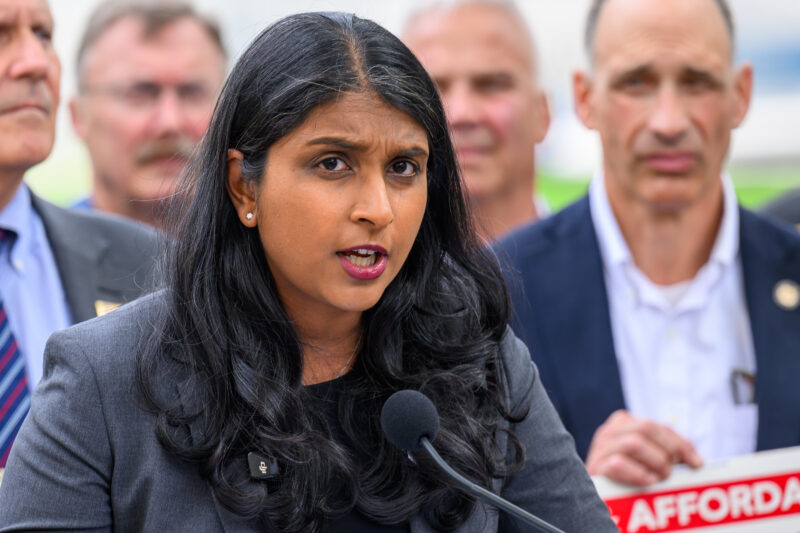
So far, the left of the party won three of the four contests, with the notable exception of Democratic Socialists of America-affiliated Wisconsin gubernatorial candidate Francesca Hong, who fell short against Milwaukee County Executive David Crowley — in the night’s most high-profile race testing whether a socialist can win the Democratic nomination for an executive role in a pivotal battleground state.
Hong, who drew criticism from leading Democrats over her record of comments attacking Thanksgiving, support for defunding the police and overall embrace of the DSA’s radical platform, underperformed the primary polls showing her with a substantial lead in the race. But as Wisconsin Gov. Tony Evers and leading Democratic officials warned that her nomination could cost Democrats the governorship, her lead dissipated amid concerns about her electability come November.
Of note: Sen. Bernie Sanders (I-VT) and Rep. Alexandria Ocasio-Cortez (D-NY), the two leading members of the ideological left in Congress, declined to endorse Hong’s campaign.
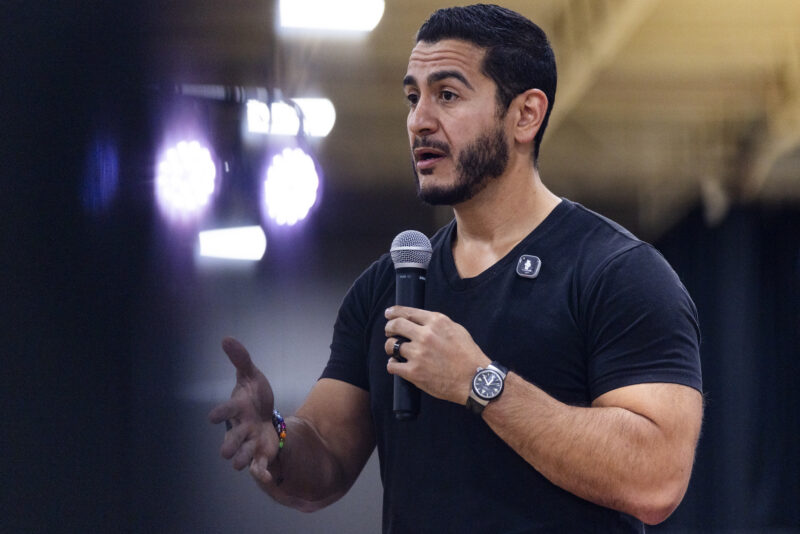
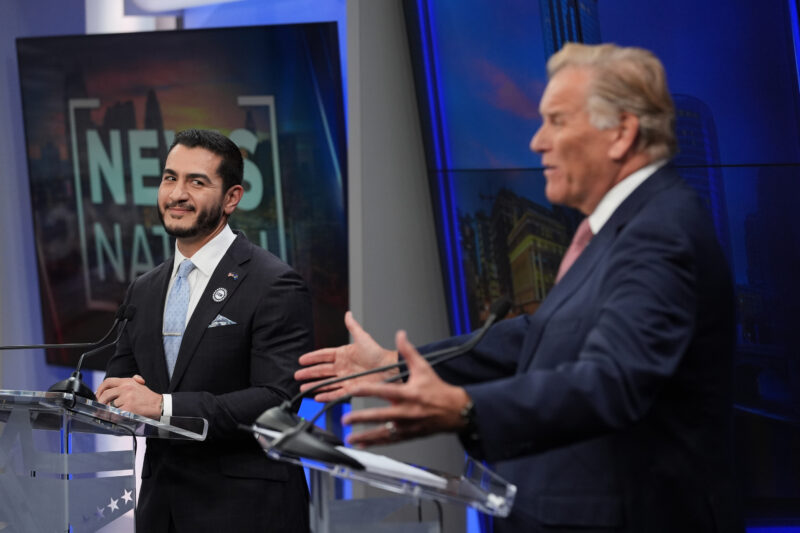
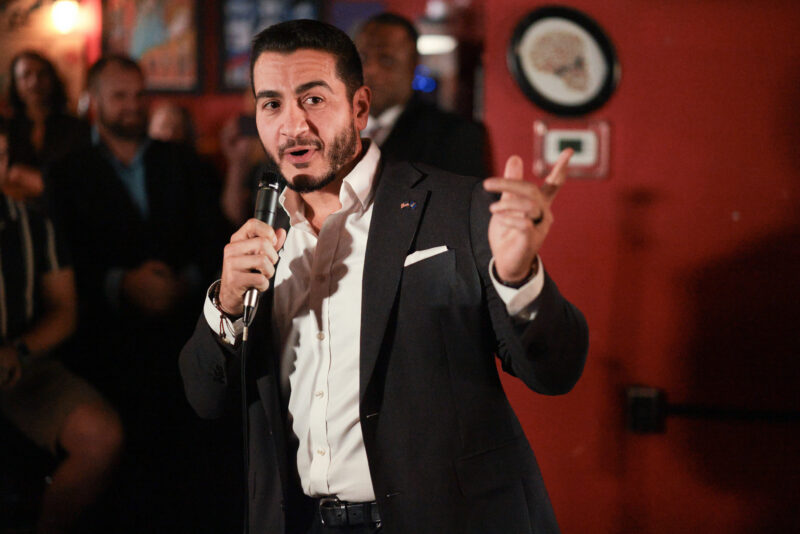
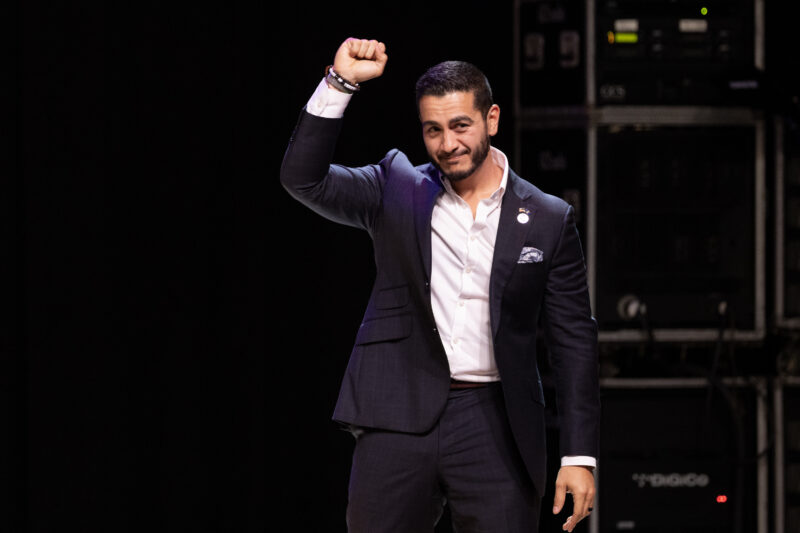
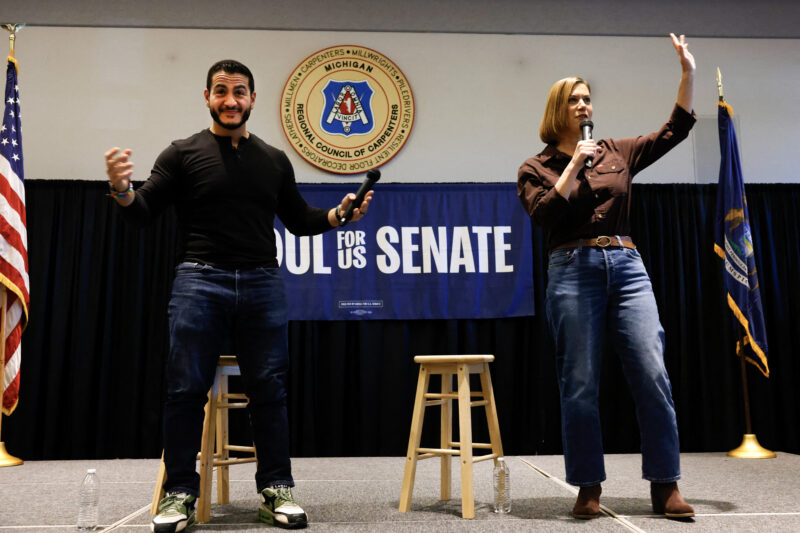
The establishment’s unified — and effective — show of force against Hong offered a stark contrast to party leaders’ efforts in Michigan to stop far-left candidate Abdul El-Sayed from winning the nomination. In that race, party leaders were more equivocal in their support of Rep. Haley Stevens (D-MI), with Sen. Elissa Slotkin (D-MI) declining to support Stevens’ candidacy despite their similar political backgrounds. Even Gov. Gretchen Whitmer, who offered a late endorsement to Stevens, didn’t go after El-Sayed’s electability like Evers has in his comments speaking out against Hong.
The socialist speed bump in Wisconsin, however, was seemingly the only exception to an overall dominant showing from progressive candidates, highlighted by the left’s successes in Minnesota.
In the pivotal Minnesota Senate race, progressive Lt. Gov. Peggy Flanagan comfortably outdistanced moderate Rep. Angie Craig (D-MN) by nearly 20 points. Flanagan is one of Minnesota’s most progressive statewide officials, and campaigned as a strident critic of Israel. Flanagan will be facing former NBC Sports sideline reporter Michele Tafoya, who easily won the Republican nomination. Republican leaders believe Tafoya has broad appeal given her national television work, but winning a blue state like Minnesota given the GOP headwinds will be a very difficult task — even against a less-electable challenger like Flanagan.
The left is also celebrating the results in Craig’s suburban Minneapolis district, where the most anti-Israel and furthest-left candidate, former state Sen. Matt Little, easily outpaced two more-moderate challengers, including pro-Israel state Sen. Matt Klein. Little will be facing GOP state Sen. Eric Pratt in the general election, and will be favored in a district that Kamala Harris carried by six points in 2024.
In Connecticut, Rep. John Larson (D-CT) was handily defeated by a younger political challenger in former Hartford Mayor Luke Bronin, who moved to Larson’s left on Israel during the campaign, but was broadly seen as the more future-oriented candidate. The seat, with the largest Jewish constituency in the Nutmeg State, is a safe Democratic district.
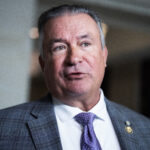
On the Republican side, Sen. Darline Graham (R-SC) will be squaring off against Rep. Ralph Norman (R-SC) in a special election runoff later this month to fill the full term of her late brother Sen. Lindsey Graham’s Senate seat. Graham won 33% of the Republican vote in the crowded race, while Norman won 25%. Norman outpaced Rep. Russell Fry (R-SC) — the other sitting member of Congress in the race — by five points.
Norman is a hard-line fiscal conservative who was one of former House Speaker Kevin McCarthy’s (R-CA) biggest antagonists in his battle to remain as House leader. He also endorsed Nikki Haley in the 2024 presidential campaign, a factor that could lead President Donald Trump to redouble his backing for Graham’s candidacy.
More Stories

TEXTBOOK TEST
Syrian textbooks under al-Sharaa deny Israel’s right to exist and promote antisemitism, report finds
Daily Overtime
Barrack says Iran-backed threats are ‘not America’s job’

Daily Overtime
Hillel disputes fired rabbi’s claim

SPEAKING OUT
Jewish groups call for apology after educators asked to condemn Israel to attend Italy trip

SECURITY SETBACK
Saudi Arabia postpones ‘Davos in the Desert’ until 2027 amid Houthi attacks
SANCTIONS SUPPORT
Lander endorses settlement sanctions bill while on West Bank trip
Please log in if you already have a subscription, or subscribe to access the latest updates.
 Continue with Google
 Continue with Apple