





















Iranian regime faces growing pressure as it fails to quell swelling protests
Experts say what is unfolding now could be more significant than protests of the past, expressing to JI that recent developments could pose an unprecedented challenge to a regime already under strain
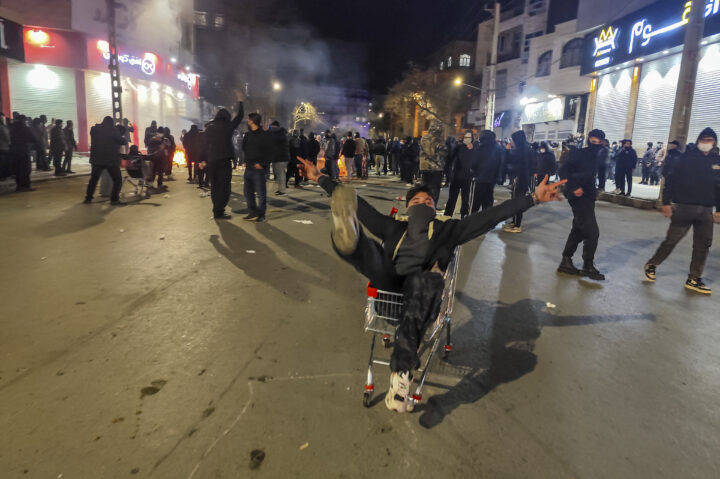
Kamran / Middle East Images / AFP via Getty Images
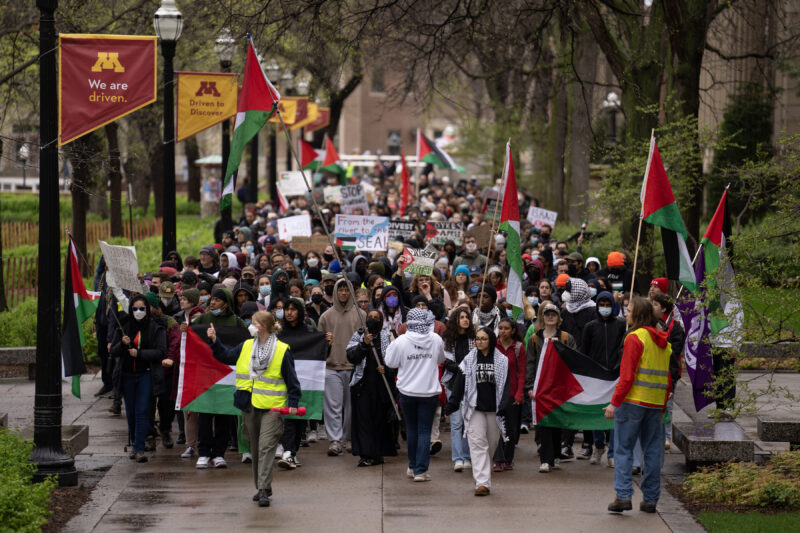
Iranians gather while blocking a street during a protest in Kermanshah, Iran on January 8, 2026.


 Add JewishInsider on Google
The United States, Israel and their regional allies are watching closely as sustained unrest in Iran puts renewed pressure on the regime at a moment of economic strain, international isolation and lingering fallout from the 12-day war with Israel last June.
Recent demonstrations have spread across all 31 of Iran’s provinces, fueled by public anger over a collapsing economy, inflation exceeding 40% and aggressive crackdowns by security forces. Economic pressure — intensified by costly proxy wars and United Nations sanctions — have sent Iran’s currency into a sharp decline.
Jonathan Ruhe, a fellow at the Jewish Institute for National Security of America, said the regime’s “unwillingness to be responsive to its people’s basic demands and rights,” is also a factor. Adding that Tehran has a “clear preference to spend the country’s resources on military projects like its proxies, missiles and nuclear program instead of its citizens’ well-being.”
More than 400 demonstrations took place this week alone, with at least 743 recorded over the past month, according to a tracker from the Foundation for Defense of Democracies. The death toll has reached at least 38, with more than 2,200 arrests reported. The demonstrations are the largest since April 2025 and among the most sustained since late 2022 as videos continue to circulate online of Iranians flooding the streets, burning regime flags and lighting fire to statues of Supreme Leader Ayatollah Ali Khamenei.
Ruhe said that uprisings by the Iranian people against the regime are not uncommon. “In 2009 it was political corruption, when the regime clearly stole the presidential election to get [former President Mahmoud] Ahmadinejad reelected,” he said. “In 2017-18 it was economic and foreign policy issues, for instance Iranians being killed in the Syrian civil war and the regime’s lavish spending on its proxies instead of at home. In 2022 it was social and cultural issues, namely hijab enforcement.”
But experts say what is unfolding now could be more significant than protests of the past, expressing to Jewish Insider that recent developments could pose an unprecedented challenge to a regime already under strain.
Behnam Ben Taleblu, the senior director of FDD’s Iran program, called the protests a “nationwide anti-regime uprising,” telling JI that they are reaching a “crescendo” with a “greater demographic and geographic group of Iranians protesting.”
“Protests have rapidly spread due to the shared consensus that the Islamic Republic of Iran is behind the demise of Iran,” said Taleblu, who called the demonstrators “historic and different” given how the Iranian people have “not given up” in the face of crackdowns. “This matters for a regime that is battered and bruised.”
Ruhe also said the protests are “different from past waves,” explaining that the regime is less capable of solving the issues of the Iranian people in the current moment.
“The economic grievances that triggered the current protests are much more clearly beyond the regime’s ability to fix than they might have been years ago, before the effects of the regime’s corruption and mismanagement had reached the point where the country is running out of electricity and water and its money is absolutely worthless,” said Ruhe.
The ayatollah’s fears are also likely heightened by the recent U.S. operation in Venezuela that ousted President Nicolás Maduro. The U.S. pursuing similar actions in Iran is unlikely, however, Iranian officials have expressed concerns that their regime in Tehran could be next. President Donald Trump has warned that the U.S. is watching the protests “very closely.”
In response, the Iranian regime has vowed to crack down against protesters, with Khamenei stating last week that they must be “put in their place.” The regime also appeared to cut off internet access on Thursday. But none of these methods have seemed to quell the unrest, with recent reports suggesting Khamenei could flee Tehran for Moscow if security forces become overwhelmed by protests.
Nadav Eyal wrote that the continued protests could indicate that “fear has shifted sides” from the people of Iran to the regime itself.
“The oppressors are no longer as certain as they once were in using force. They cannot compete with sheer numbers, with masses filling the streets,” Eyal wrote on X. “The Islamic Republic still possesses formidable repressive capacity. Yet the signals — hesitation, mixed messaging, demonstration of fear by cutting internet — suggest a leadership aware that it may no longer be able to rely on obedience.”
More Stories
PEACH STATE PUNCHES
Rep. Mike Collins ducks question about white nationalist influencer son-in-law at Senate debate
SEEKING ANSWERS
After State Department memorial, families of Oct. 7’s American victims call for U.S.-led probe

GOING GLOBAL
Israeli, Lebanese leaders expressed interest in Michigan Senate race, Sen. Lankford says

TWO JEWS, THREE OPINIONS
Jewish podcast ‘Chosen People Problems’ finds new home with Ark Media

Daily Overtime
Obama faults Israel’s founding in Belfast
analysis
MBS bet Saudi Arabia’s future on economic transformation. The Houthis are testing that wager
Please log in if you already have a subscription, or subscribe to access the latest updates.
 Continue with Google
 Continue with Apple