




























Analyst warns of potential Iranian ‘October surprise’ ahead of midterms
FDD’s Behnam Ben Taleblu said that successful U.S. economic pressure may lead Iran to retaliate in the fall in an attempt to impact the elections
Screenshot
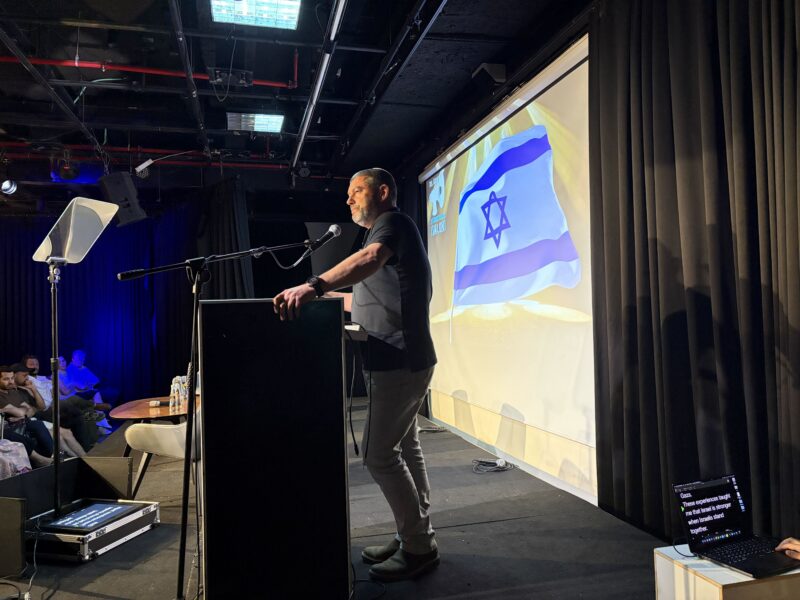
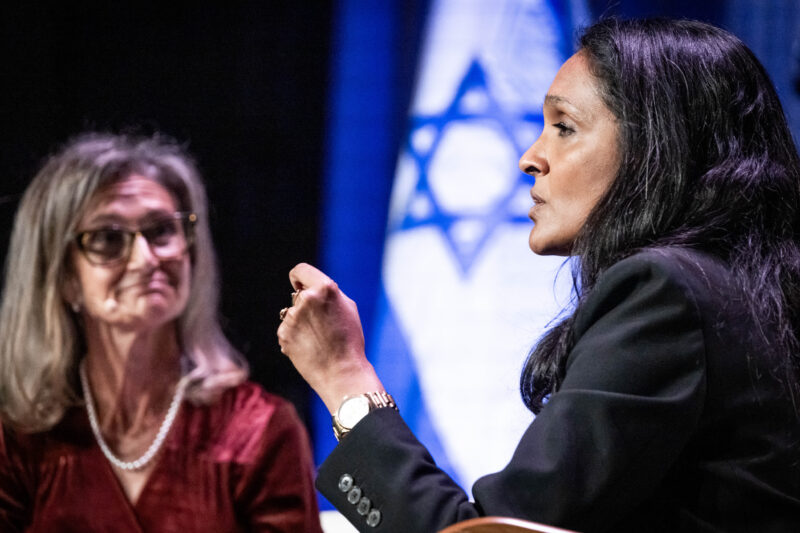
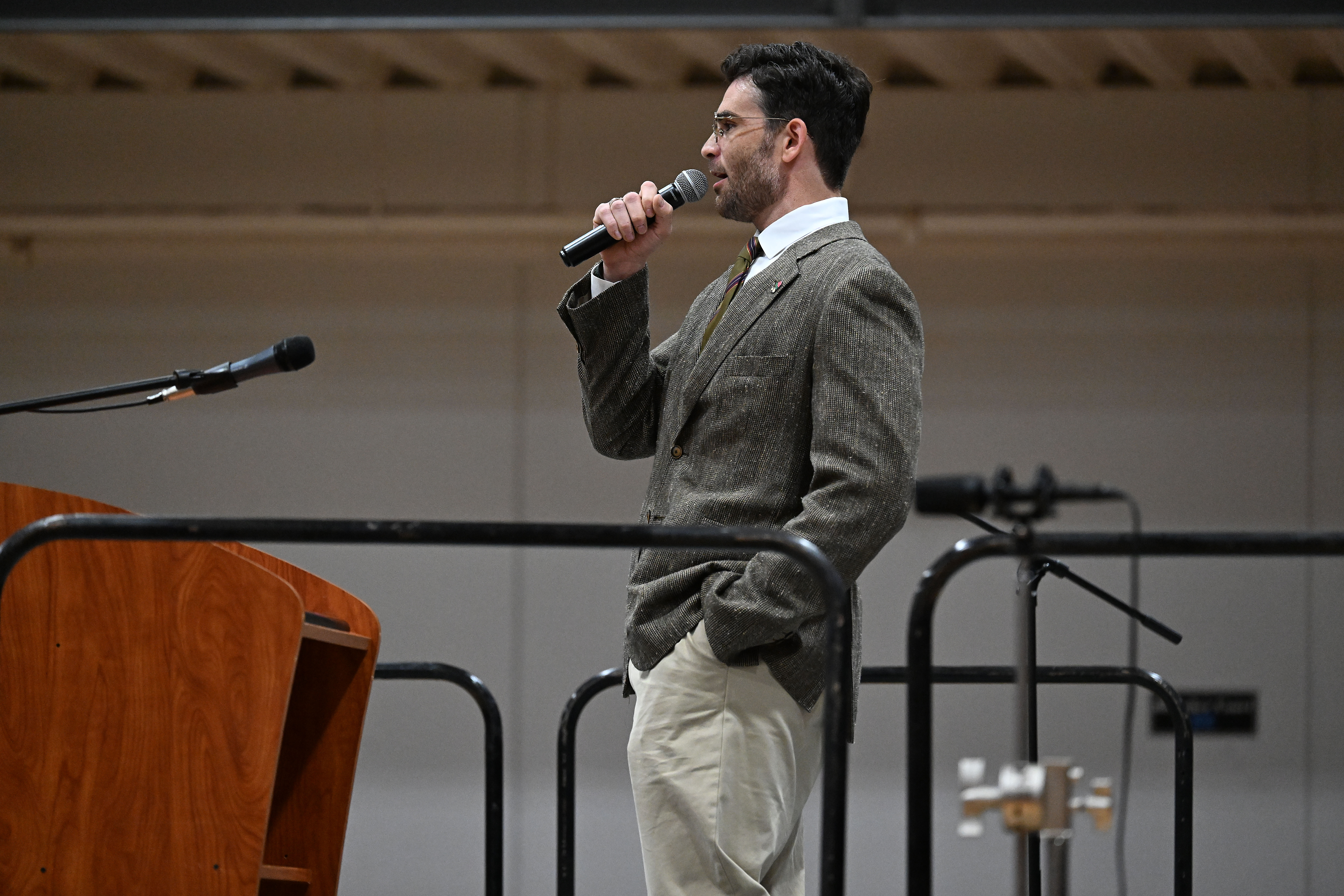
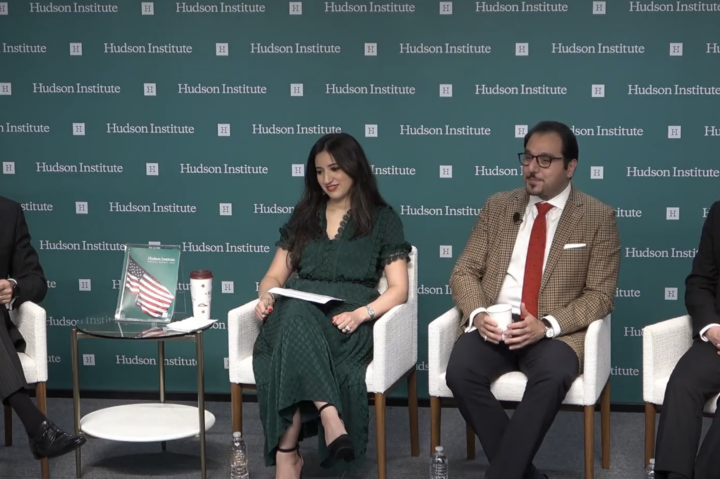
Hudson Institute Senior Fellow Ludovic Hood moderates a panel with Behnam Ben Taleblu, the senior director of the Foundation for Defense of Democracies’ Iran program (center), and Hudson Institute fellows Michael Doran and Zineb Riboua, August 13th, 2026


 Add JewishInsider on Google
Behnam Ben Taleblu, the senior director of the Foundation for Defense of Democracies’ Iran program, warned on Thursday of potential Iranian escalation — military or otherwise — in the run-up to the midterms, with the goal of disrupting the elections.
Taleblu said on a panel at the Hudson Institute that, ahead of November, “my fear for the president prior to the midterms … is not failure. My fear for the president now is success.” He said that U.S. economic pressure alongside the blockade has been highly effective and will have success in squeezing Iran’s economy and oil exports, potentially bringing retaliation from Iran, even in the event of another diplomatic agreement.
“What you might actually have now is the Islamic Republic, once we reverse the economic pressure, they might lean in on asymmetric military pressure, and they might do so at a time that might deliver some sort of an October surprise or constrain his options, or create one surrender option or one major military engagement option, come October, prior to November,” Taleblu said.
A senior Islamic Revolutionary Guard Corps advisor, Mohammed Reza Naqdi, told PBS earlier this week that Iran intends to prolong the war until the next administration and that it maintains significant capacity to attack at a time of its choosing.
Taleblu said that the U.S. needs to “prepare for success” and anticipate what Iran will do next, and to prepare contingencies for those situations.
“If you do turn it off, if you do try to pursue diplomacy, if you do try to pursue a deal, if you do try to handhold and arm-twist the media and markets just to make sure that … this global financial crisis doesn’t emerge — if you do all of that, I hope you use the time well here in this town to prepare for how Iran is preparing,” Taleblu said.
All three experts on the panel — Taleblu and Hudson Institute fellows Michael Doran and Zineb Riboua — predicted that the U.S. will be reengaged in negotiations with Iran by Thanksgiving and that there will be further U.S. or Israeli strikes before the holiday. Doran predicted that strikes are more likely after the midterms and the Israeli elections, which are scheduled for Oct. 27.
The three diverged on whether the Strait of Hormuz will be reopened by Thanksgiving.
Doran praised the administration’s strategy overall but said that the U.S. hasn’t achieved all of its stated goals and there are no easy solutions to Iran’s remaining drone and missile stockpiles, with which it can continue to hold the Strait of Hormuz hostage.
“The Iranians don’t have to hit every tanker in order to close the strait. … We have to eradicate the drone program; that is nearly an impossible mission short of carrying out a regime change policy, or short of destroying all of the export capacity of the Iranians, wiping out Kharg Island — and this is a step that Donald Trump doesn’t want to take,” Doran said, given concerns about attacks on the Gulf and a potential refugee crisis from Iran.
Ultimately, he said, the path forward will be determined by political decisionmakers in the U.S., adding that there is at this point no easy military solution and that the conflict may continue for months or years to come.
Taleblu downplayed the oft-repeated notion that the new Iranian leadership is measurably younger or more hardline than the previous leadership, arguing that the war had just accelerated existing trends that had already been in place, and that the current leadership is still of the same generation and background as the previous group.
He added that Iran’s decision-making apparatus is now more diffuse and is concentrated in the Iranian institutional cabal, which will not bow easily to pressure.
More Stories
NUCLEAR NEWS
Senate expected to vote on Saudi nuclear deal before end of year
PROBLEMATIC POST
Paxton senior advisor endorsed antisemitic slur on social media

SMITHSONIAN STUDY
Commission studying potential Smithsonian Jewish museum holds first meeting

PENSION POLITICS
Former NYC comptroller denounces Levine’s decision not to reinvest in Israeli bonds
BREAKING POINT
For some Jewish Democrats, Michigan’s debate was the ‘final straw’ for El-Sayed

CONTROVERSIAL COCKTAIL
Busboys and Poets CEO Andy Shallal adds ‘Free Palestine’ drink to menu, alienating Jewish patrons
Please log in if you already have a subscription, or subscribe to access the latest updates.
 Continue with Google
 Continue with Apple