




































































Silver linings playbook for pro-Israel allies in next Congress
The faction of DSA-aligned members may be growing, but their share of the caucus is diluted and their ability to exert leverage on likely incoming Speaker Hakeem Jeffries is now all but nonexistent
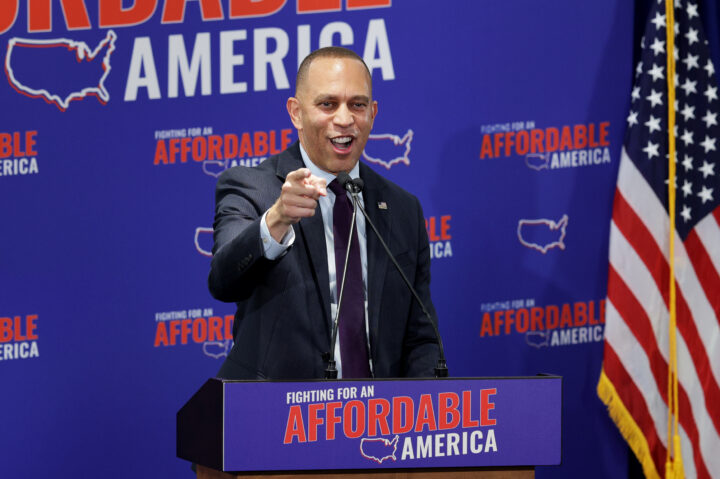
(Alex Wong/Getty Images)
House Minority Leader Hakeem Jeffries (D-NY) speaks during a press conference with the Democratic Congressional Campaign Committee (DCCC) at the AC Hotel Washington DC Capitol Hill Navy Yard on November 03, 2026 in Washington, DC.


 Add JewishInsider on Google
There’s little doubt that the underlying trends in American politics — the turn against Israel within the Democratic Party and elements of the far right, the rise of extremists within both parties and the underlying polarization in our social media-driven culture — make it challenging for advocates of a healthy U.S.-Israel relationship to reverse the gloomy political trajectory.
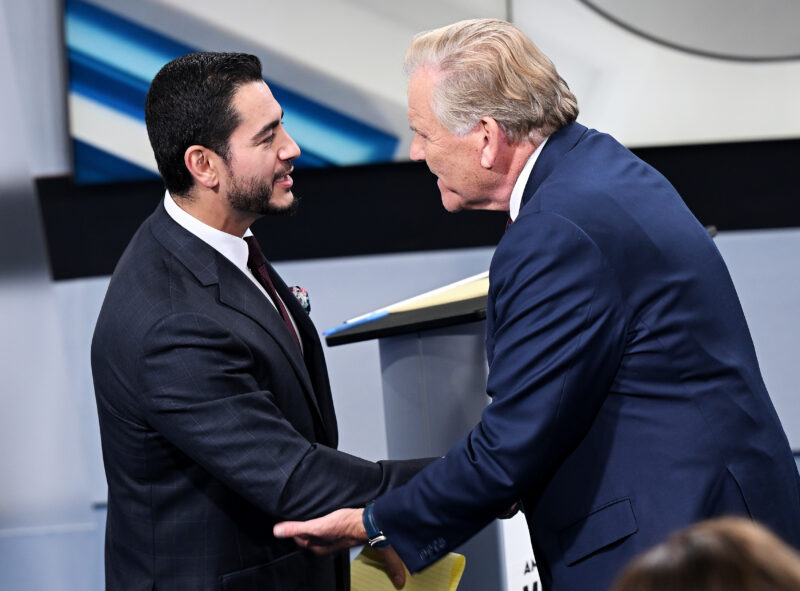
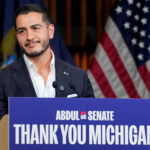
The election of a number of virulently anti-Israel lawmakers — capped by Sen.-elect Abdul El-Sayed’s victory in Michigan, along with a number of DSA-affiliated candidates in the House — certainly captured the early wave of headlines in the Jewish community coming out of the results.
But in the aftermath of a giant Democratic tsunami Tuesday night that swept in a slew of red-state and red-district Democrats eager to show off moderate bona fides, there are some unexpected silver linings for those looking to maintain the strong alliance between Washington and Jerusalem.
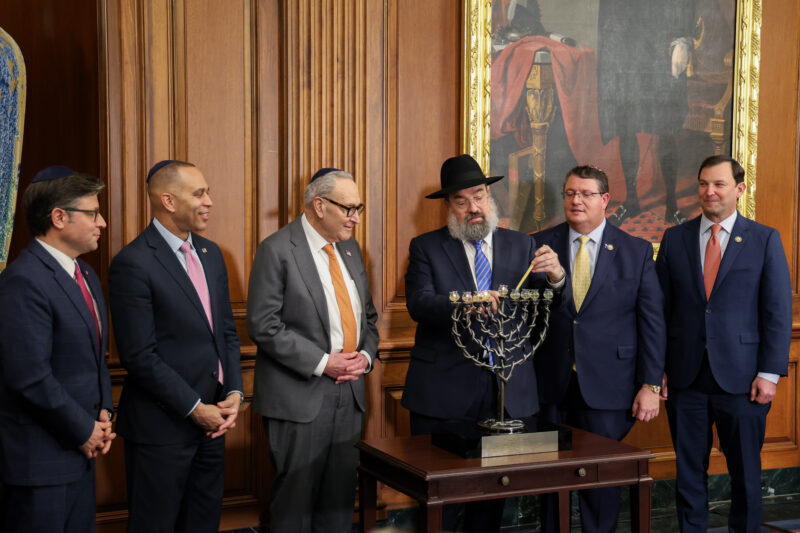
Contrary to early expectations, the faction of DSA-aligned members may be growing, but their share of the caucus is diluted and their ability to exert leverage on likely incoming Speaker Hakeem Jeffries (D-NY) is now all but nonexistent given his sizable majority. The same is true in the Senate, where any influence El-Sayed could have is likely to be overshadowed by the political needs and interests of the red-state moderates who will now make up a bulk of likely Majority Leader Chuck Schumer’s (D-NY) new caucus.
The expectation going into election night was a typical blue wave that would have fallen short of the reddest states and districts and made El-Sayed the face of the Democratic freshman class, with the new DSA members holding Jeffries hostage over their political priorities. That’s now looking like a pipe dream.
The other silver lining is that far from being on a glide path to the GOP nomination in 2028, Vice President JD Vance, whose lukewarm views towards the U.S-Israel alliance are well-documented and have drawn widespread concern from within the Jewish community, is now facing enormous political headwinds on all fronts.
He broke from President Donald Trump, blaming the GOP’s midterm losses on the unpopularity of the Iran war and blamed the U.S.-Israel relationship in the process — even though he still maintains political responsibility as a loyal soldier within the administration. Trying to define your own political persona while still serving alongside an unpopular president is a near-impossible needle to thread — and the weakness of Vance’s arguments in blaming the Iran war at the expense of all the other self-inflicted maladies from the White House isn’t fooling many Republicans.
Furthermore, the widespread repudiation of Trump is creating an opening for other Republicans much more aligned with the traditional majority of the GOP electorate. It’s a fool’s errand to game out this far in advance, but it’s all but guaranteed that the Republican field looking to succeed Trump will be a lot larger than expected — with most of the likely contenders reflecting a more competent and less-online conservatism than what we’ve seen over the last two years.
And even if Vance did win the GOP nomination, his general election fortunes would look a lot narrower than they did a few days ago, given the midterm results. The brand of compassionless conservatism he’s championing was a very tough sell, particularly in diverse Sun Belt states like North Carolina, Georgia and (now) Texas that are must-win battlegrounds for the next GOP presidential nominee.
For Israel’s new government, the key strategic necessity will be reaching out to the critical mass of newly elected swing-state and swing-district Democrats, some of whom are strongly supportive of Israel (Democratic Majority for Israel highlighted dozens of incoming lawmakers as champions in their post-election statement) while many more are part of the “mushy middle,” who haven’t put much thought into their views on the Middle East.
The names of these incoming Democratic members, some of whom came out of nowhere to win tough races, will be as important for pro-Israel advocates to know as the household names — Sen. John Fetterman (D-PA) and Reps. Ritchie Torres (D-NY) and Josh Gottheimer (D-NJ), to name a few — who have become all-too-familiar to Jewish voters.
Persuasion over playing to the base. Deft diplomacy over naming and shaming. That’s what it will take to return American politics to some degree of normalcy — and will also be necessary for Israeli leaders to have a chance at building back a more constructive relationship with a “big tent” Democratic Party.
More Stories
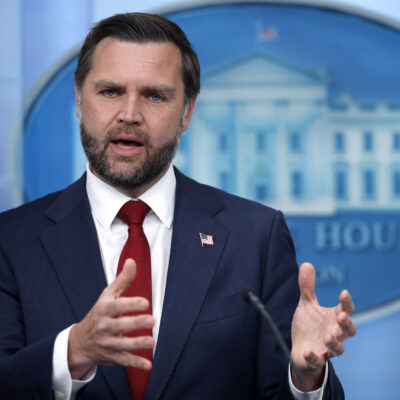
Hillbilly Alibi
Vance blames GOP’s dismal midterm performance on Iran war, U.S.-Israel relationship
BIG APPLE BEEF
Lawler blasts Schumer for supporting ‘vile antisemite’ El-Sayed
DHILLON'S DEPARTURE
Harmeet Dhillon resigns from DOJ civil rights post
PHILLY PUSHBACK
Philly officials join Shapiro in denouncing antisemitic boycott of Jewish businesses
MAJORITY RULES
Democratic sweep raises questions for U.S.-Israel ties and Iran war

wolverine wave
Abdul El-Sayed wins Michigan Senate seat
Please log in if you already have a subscription, or subscribe to access the latest updates.
 Continue with Google

 Continue with Apple