



















































Michigan Jewish leaders predict significant swing toward Rogers in Jewish community
Jewish community leaders expect at least half of Jewish voters to support Rogers or to leave their ballot bank, with some suggesting the anti-El Sayed vote could be as high as 70%
Getty
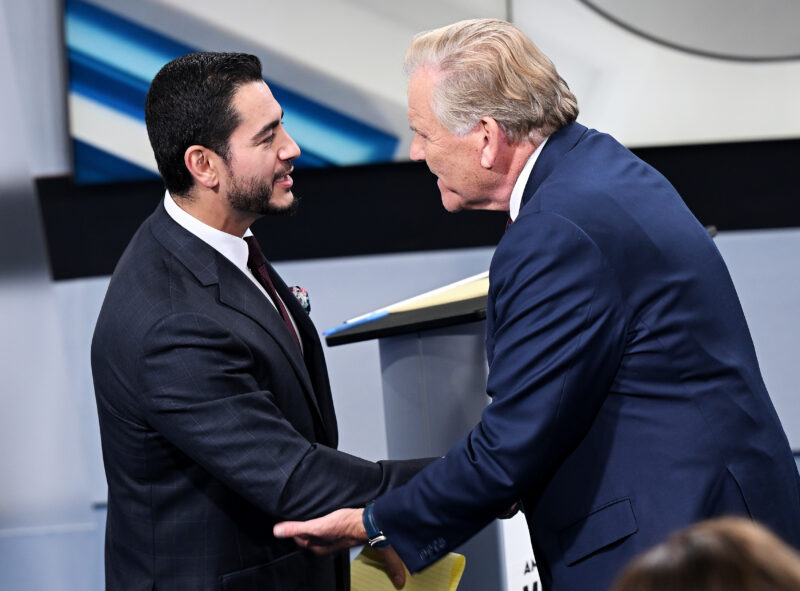
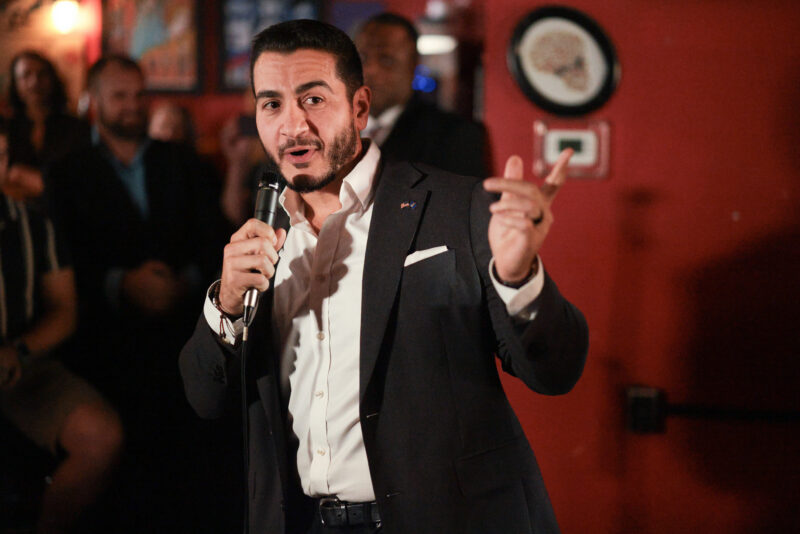
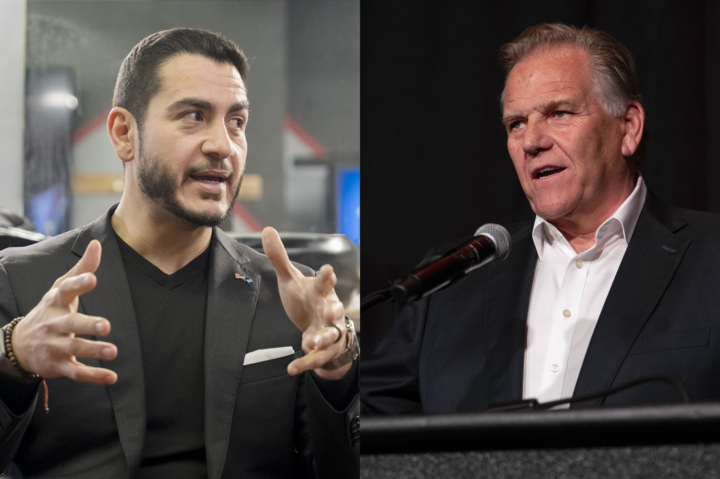
Michigan Senate candidates Abdul El-Sayed and Mike Rogers.


 Add JewishInsider on Google
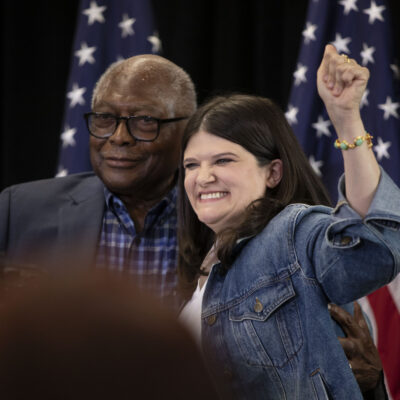
ROYAL OAK, Mich. — Rep. Haley Stevens’ (D-MI) surprise endorsement of GOP former Rep. Mike Rogers on Sunday after a public falling out with Democrat Abdul El-Sayed provided a last-minute shake-up in Michigan’s Senate race.
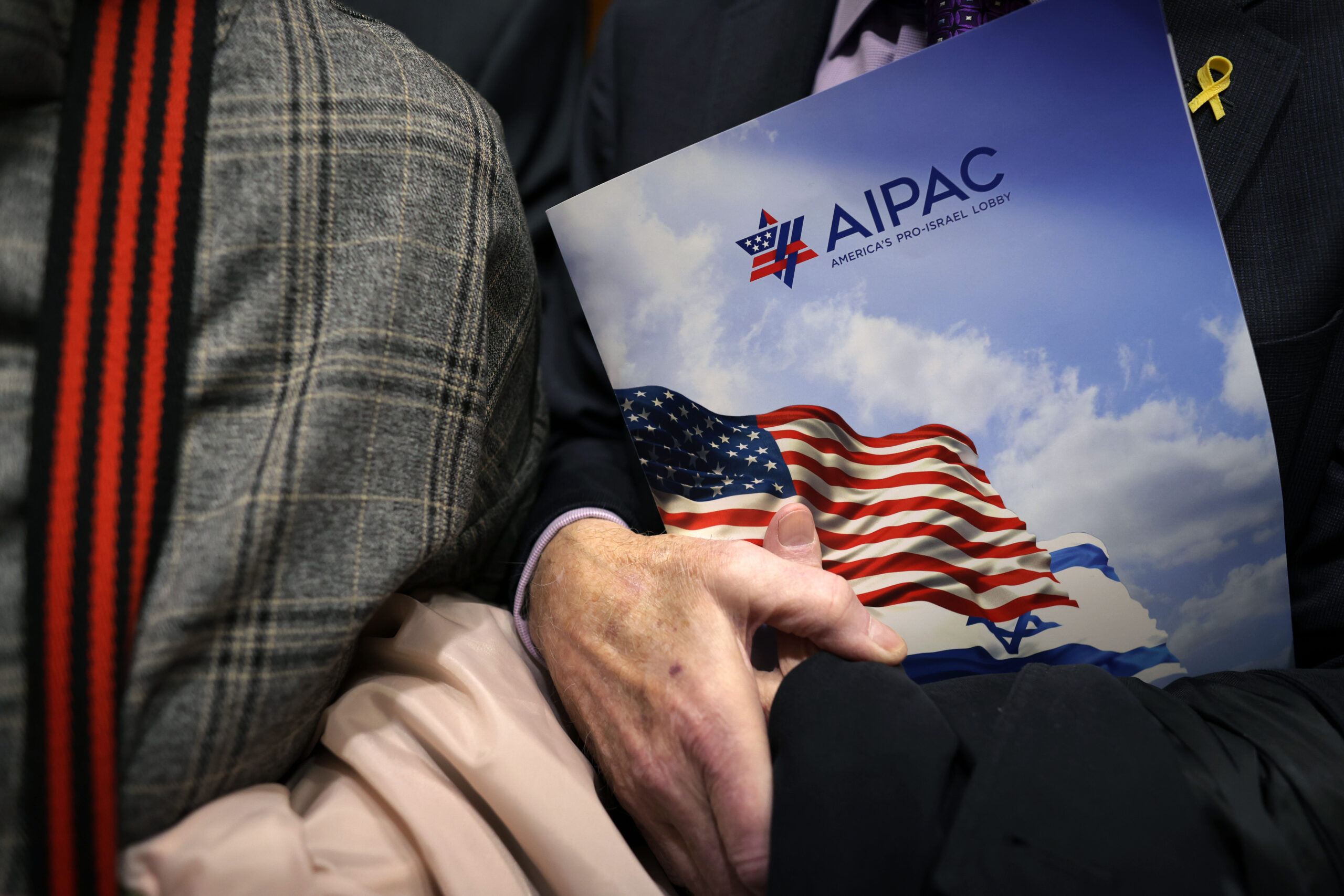
The endorsement could help push undecided Jewish voters, who strongly supported Stevens during the primary, toward Rogers. Stevens received a standing ovation at an annual gala on Sunday evening for Yeshiva Beth Yehuda, the largest yeshiva in Michigan, alongside a number of other Democratic and Republican officials and candidates.
Even before Stevens’ decision, leaders in Michigan’s Democratic and Jewish communities were expecting a significant swing in the Jewish community vote towards Rogers in Tuesday’s Senate election, they said in conversations with Jewish Insider over nearly a week on the campaign trail in Michigan.
Estimates among political and other communal leaders vary on how the Jewish vote will break in the race. Some community leaders — on both sides of the race — say that half of Jewish voters are positioned to vote for Rogers or leave their ballots blank, with more bullish predictions putting El-Sayed’s ceiling as low as 30% within the Jewish community.
For context: the Jewish community in Michigan, which numbers 130,000, typically supports Democratic candidates with around 70% support. (One recent reference point outside of Michigan: New York City Mayor Zohran Mamdani only won about one-third of the Jewish vote, according to exit polls, against former New York Gov. Andrew Cuomo, who ran as an independent.)
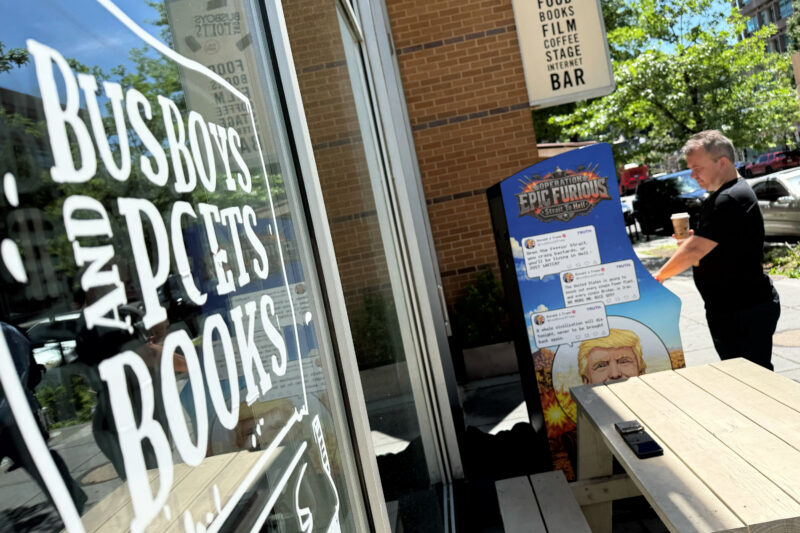
The pro-El Sayed Rebellion PAC advertisement blaming the price of groceries on U.S. support for Israel hasn’t helped matters — and set off a cascade of events that ended with Stevens’ endorsement of Rogers.
Stevens’ announcement led a host of prominent Democratic leaders, and onetime Stevens allies, to reiterate their support for El-Sayed and, in many cases, denounce Stevens personally, as well as a surge in fundraising for El-Sayed.
The week also brought announcements from Stevens’ fiancé and former campaign chair that they plan to vote for Rogers, which pointed to the deep dissatisfaction and sense of alienation among members of the Jewish Democratic community and suggested that the environment among Michigan Jewish Democrats is substantially different in 2026 than it was in 2024.
Others in the community, though, say they know many Jews who plan to vote for El-Sayed, feeling that Rogers has failed to establish himself as sufficiently independent from President Donald Trump.
Even some El-Sayed supporters acknowledge that there’s likely to be a shift against the Democratic nominee as compared to regular voting patterns, though many argue that the trend is being overstated by El-Sayed’s opponents
In a sign that El-Sayed sounds resigned to losing a significant share of the Jewish vote, he told reporters on Wednesday that if voters care about “another issue” — seemingly a reference to Israel — they are free to vote for a different candidate.
Asked, before her endorsement of Rogers, about concerns about antisemitism from undecided voters raised by Stevens, El-Sayed suggested that anyone not committed to supporting him doesn’t care about “defending democracy.”
“The big point here is that I’m not just running to win a seat; I’m running to win the future,” he said. “For some folks, they might have higher priorities than defending our democracy, and that’s fine for them. That is their choice. That’s the beauty of democracy.”
The most critical area of the state to watch for a pulse on the Jewish community will be Oakland County in the Detroit suburbs, home of some of the largest Jewish communities in Michigan, including Temple Israel, the site of a terrorist attack earlier this year. The area is currently represented by Stevens and voted strongly for her in the primary. If there’s any significant shift, Oakland County would be the epicenter of the political movement.
A major question remains about what portion of the Jewish community leaves its ballots blank, something that community leaders said is hard to estimate, as Michigan state Sen. Noah Arbit suggested he would be doing, in an interview with Jewish Insider.
Some community leaders opposing El-Sayed said that, as the election approaches and as El-Sayed’s anti-Israel rhetoric escalates, they’re hearing from people who had been planning to leave their ballots blank who now plan to reluctantly support Rogers. The heated confrontations between El-Sayed and Rogers and reporters who’ve questioned him may also be turning off some voters.
Some aligned with the Nonnegotiable Michigan campaign, who attempted to engage with El-Sayed and appealed to him to make baseline commitments to protecting the Jewish community and accepting Israel’s right to exist, said it’s become clear El-Sayed has no interest in engaging with them.
But the Nonnegotiable campaign on Sunday urged voters to write in poet Emma Lazarus rather than either candidate, as a protest vote, even as one of the group’s leaders, Rabbi Aaron Starr, acknowledged that voting for Rogers is a “more efficient and effective” way to defeat El-Sayed.
On the other side, Jewish leaders who have been working to support El-Sayed say they’re speaking to concerned Jewish Democrats who they expect will ultimately come home to the party in the voting booth, driven by an overriding concern that Rogers will be a rubber stamp for Trump and his MAGA coalition, who they also see as dangerous for Jews.
There’s a widespread perception among El-Sayed’s critics that, if the national environment was not as favorable to Democrats, El-Sayed would have trouble winning. Their expectation is that even if El-Sayed prevails, he will run notably behind the Democratic gubernatorial nominee, Jocelyn Benson, at the top of the ticket.
El-Sayed himself has tempered expectations for his margin of victory after previously predicting a decisive win.
Jewish leaders are cognizant that the election results in Michigan will set the tone for the 2028 Democratic primary when it comes to fighting antisemitism and supporting Israel. Michigan may only be a small part of the Democrats’ path to a Senate majority, but it will speak volumes about the Democratic Party’s future.
More Stories
QATAR-ING FAVOR
KIND founder Daniel Lubetzky calls Semafor’s Qatar ties ‘downright unethical’

MANAMA MOMENT
Bahrain prepares to host Manama Dialogue amid economic, security disruptions

Daily Overtime
Exit polls deliver blow to Bibi

Daily Overtime
Cleanup on aisle El-Sayed
PROTEST POLITICS
Liberal Jewish Nonnegotiable movement’s leaders discuss alternatives to voting for El-Sayed
EL-SAYED'S TEST
Haley Stevens conditions support for El-Sayed on his condemnation of antisemitic ads
Please log in if you already have a subscription, or subscribe to access the latest updates.
 Continue with Google

 Continue with Apple