





































Met faces backlash over plans to honor designer convicted of antisemitic hate crime
New York City Council Speaker Julie Menin called the museum's decision to spotlight John Galliano 'a serious mistake,' despite his efforts to make amends with the Jewish community
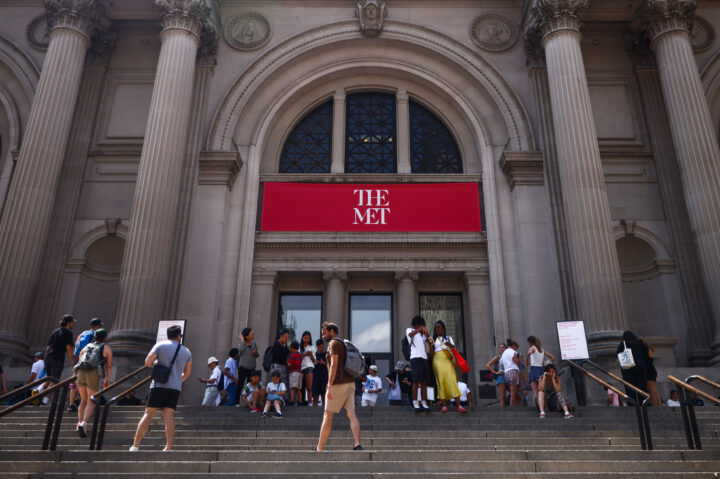
Beata Zawrzel/NurPhoto via Getty Images
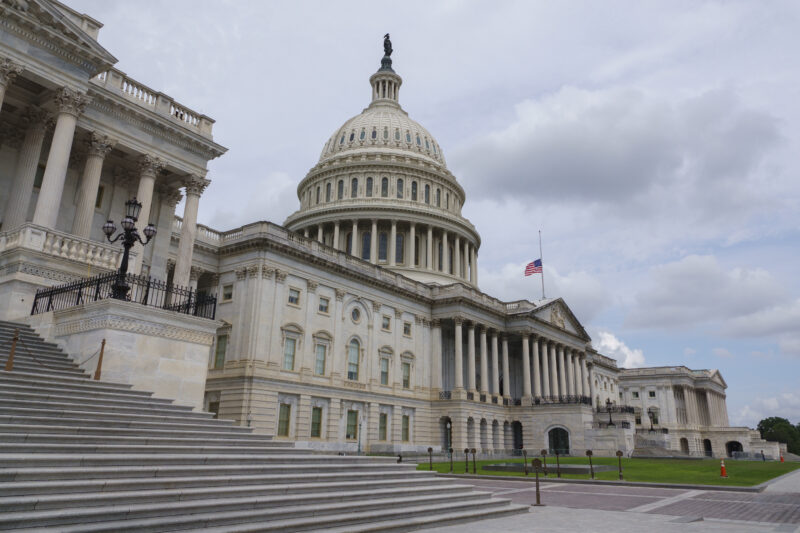
The Metropolitan Museum of Art in New York City, on July 15th, 2024.


 Add JewishInsider on Google
The Metropolitan Museum of Art is facing mounting backlash over its plans to honor British fashion designer John Galliano — who was convicted more than a decade ago of a hate crime in France for antisemitic remarks. The choice was blasted as a “serious mistake” by a senior Jewish city official, even as the Met consulted with Jewish leaders ahead of the announcement.
In 2011, Dior fired creative director Galliano after a video surfaced of his drunken, antisemitic tirade at a bar in La Marais, a Jewish quarter of Paris. The footage — in which he declared “I love Hitler” and spewed insults at patrons about “dirty Jews” — led to his immediate dismissal after 15 years at the luxury fashion house and a subsequent hate crime conviction.
Now, the disgraced fashion powerhouse is scheduled to be the focus of “John Galliano: Horizons,” a nine-month exhibition by the Met’s Costume Institute. The exhibition — which makes Galliano only the third living designer to receive a solo retrospective at the museum — will launch with the Met Gala in May, the star-studded spring benefit overseen by Vogue’s global editorial director and Met trustee, Anna Wintour.
Attributing his rants to substance abuse, Galliano later apologized and entered rehab. He then studied with London Rabbi Barry Marcus and met with Abraham Foxman, the former national director of the Anti-Defamation League, to educate himself on Judaism, antisemitism and the Holocaust. Last month, when the Met’s plan to honor him became public, Wintour said, “There is no one more deserving of an exhibition of this scale than John Galliano. His career isn’t defined by a single moment.”
Before announcing the exhibition, the Met consulted with Jewish leaders including the ADL’s Jonathan Greenblatt; Rabbi Rick Jacobs, president of the Union for Reform Judaism in North America; Rabbi Joshua Davidson, leader of the Reform Congregation Emanu-El in New York City; and Rabbi Danya Ruttenberg, author of the book “On Repentance and Repair.”
Following the meeting in May, Jacobs told The New York Times he was impressed by Galliano’s attempt to make amends. “The word I come back to is ‘sincerity,’” Jacobs said. “He was open. He looked right at us and spoke in a clear way, not as if he had memorized talking points.”
Greenblatt said at the time, “We believe John Galliano has genuinely worked through the issues that led to his antisemitic outburst years ago in Paris, and we have long since accepted his apology. His efforts to repair the damage his words caused and to learn from that incident should be applauded.”
Yet, some Jewish leaders in New York and beyond remain skeptical.
After the meeting, Ruttenberg told the Jewish Telegraphic Agency that Galliano’s apology “didn’t appear very sincere or heartfelt.”
Julie Menin, the first Jewish speaker of the City Council, called the museum’s decision to highlight Galliano’s career “a serious mistake” in a letter she sent on Thursday to Wintour and other Met leadership.
“Our cultural institutions, particularly those that receive funding from the City of New York, have a responsibility to demonstrate that hatred and bigotry carry consequences,” Menin wrote in the letter. “Words matter, and whom we choose to elevate is a direct statement of our values and what we are willing to tolerate.”
David Ingber, the senior director for Jewish life, senior director of the Bronfman Center at 92NY and the founding rabbi of the Romemu synagogue — who did not participate in the May meeting with Galliano — criticised the museum in a statement to The New York Times. “By centering Galliano,” he said, “the Met has put the Jewish community in a no-win position. Either we are blamed for being overly sensitive and not allowing him to be honored or we are complicit. The question is not whether they can do this, but whether they should have.”
David Wolpe, the emeritus rabbi at Sinai Temple in Los Angeles, lamented the Met Gala as a “moral travesty” in a Substack essay published last week, titled “Antisemitism — back in ‘Vogue.’”
Meanwhile, angry donors have warned Met executives that they will cancel their financial gifts if the Galliano exhibition moves forward, the Times reported.
In a statement to the Times, museum director Max Hollein said, “The Met has no tolerance for antisemitism, racism or prejudice of any kind. We are in close consultation with Jewish leaders and other stakeholders, and we take the concerns we’ve heard very seriously.” He added that Met leadership “is developing a thoughtful plan for next year’s exhibition and gala that meets the moral and ethical standards set by the museum.”
The Met is also facing scrutiny over the event’s date — which this year coincides with Yom HaShoah, Holocaust Remembrance Day. Responding to a wave of public criticism, the Times reported that the Met’s board is considering moving the upcoming Met Gala from its traditional first Monday in May to the following week.
More Stories
EXCLUSIVE
Lawmakers call for Congress to mandate creation of Pentagon hate symbols policy

DRAWING A LINE
British PM rules out partnership with Greens over ‘Zionism is racism’ motion
PENSION POLITICS
Former NYC comptroller denounces Levine’s decision not to reinvest in Israeli bonds

CONFERENCE QUOTABLES
NatCon speakers mark Oct. 7 by telling the Jews to stop complaining about antisemitism

TORAH AND TAXES
First female Haredi candidate promises reform to ultra-Orthodox politics
SPENDING SCRAPPED
GOP leadership super PAC cancels spending plans against Rep. Landsman
Please log in if you already have a subscription, or subscribe to access the latest updates.
 Continue with Google
 Continue with Apple