
































































Could these two small parties be Israel’s kingmakers?
With the blocs led by Netanyahu and Eisenkot neck-and-neck in the polls, whether Amcha Yisrael and the Reservists and Economy party clear the 3.25% threshold could decide who forms the next government

Lahav Harkov
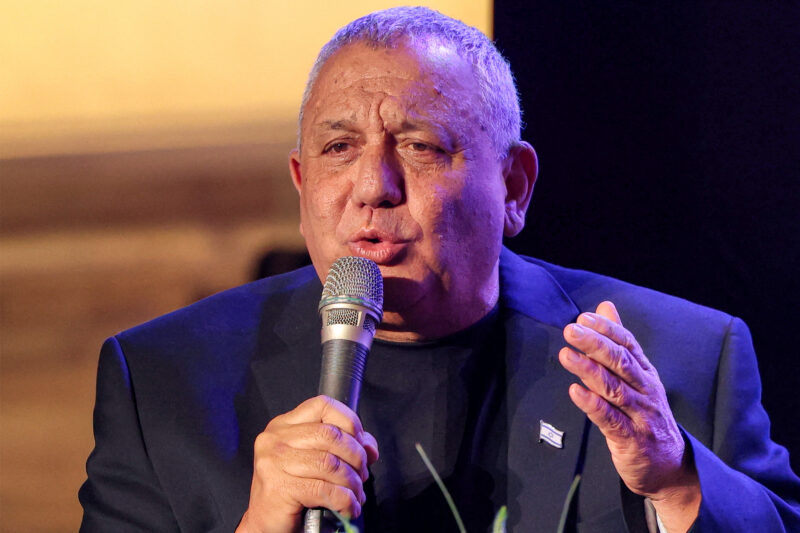
Amcha Yisrael leader Ofer Winter speaks at the Tel Aviv International Salon, Oct. 6, 2026


 Add JewishInsider on Google
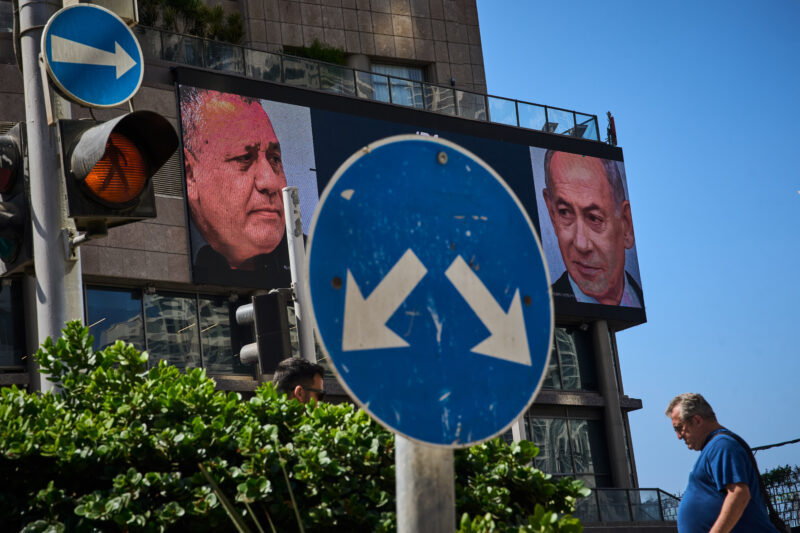
With the electoral blocs led by Prime Minister Benjamin Netanyahu and former IDF Chief of Staff Gadi Eisenkot running neck-and-neck in the polls only two weeks before the Israeli election, a few very small parties hovering around the electoral threshold could end up tipping the scales in favor of the prime minister or his main rival. If one or more of those small parties pass the threshold and enter the Knesset, they could end up being kingmakers.
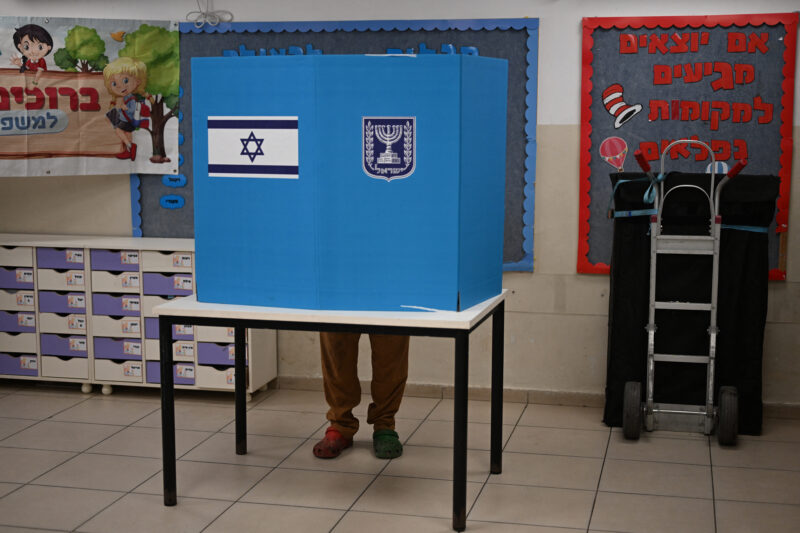
While 10 to 12 parties have generally been represented in the Knesset in recent years, there are 38 parties running in this month’s election. Only those that receive at least 3.25% of the vote will get into the Knesset, where seats will be divided proportionally between the parties that pass that threshold.
In the last election in 2022, a party needed 154,855 votes to enter the Knesset. That year, a decisive element in the Netanyahu bloc’s victory was that two opposition parties — the left-wing Meretz party and the Arab nationalist Balad party — did not pass the threshold, though each came very close.
This year, two parties that have cleared the threshold in some polls are Amcha Yisrael, led by hawkish former Brig. Gen. Ofer Winter, and the Reservists and Economy party, a merger of small parties led by right-leaning former Communications Minister Yoaz Hendel, economist Yaron Zelekha and former Knesset member and author Einat Wilf.
While the polling average for the past week does not show either party passing the threshold, some individual polls, including Kan and The Times of Israel, put one or both parties over the 3.25% mark — though neither has ever passed the threshold in surveys conducted for pro-Netanyahu Channel 14.
Political strategist Ashley Perry, who advised Yisrael Beitenu leader Avigdor Liberman for years, told Jewish Insider that “the very possibility of forming a coalition could hinge on a few thousand votes and whether either, neither or both parties cross the threshold. Each scenario increases the chances of one or the other side’s ascendancy and possible path towards a coalition.”
Both Netanyahu and Eisenkot, head of the opposition party Yashar, which is leading the opposition in the polls, seem to have decided to try to crush the small parties.
Hendel’s eclectic list has insisted on remaining a free agent that could recommend either candidate for prime minister after the election. Winter, however, has said he will recommend that Netanyahu remain in office — but that would not preclude him from joining a coalition led by Eisenkot.
It’s that possible scenario, of Winter joining with the opposition, that is reportedly keeping Netanyahu up at night. Anonymously placed ads in the weekend papers said, “Ofer [Winter], it’s over. If you’re endangering the country, don’t run!” Perry said Netanyahu knows that Winter and Liberman have a close relationship since Winter served as Liberman’s military secretary in the Defense Ministry.
“Netanyahu is extremely concerned that Winter could be a Trojan horse and take [Likud] or [Religious Zionist Party] votes and use those seats to help the current opposition form a government,” Perry explained. (That being said, it all may be spin, since Israeli journalist Guy Lerer wrote that he has seen leaked texts, which he cannot legally publish, that indicate that Likud and Amcha Yisrael have been coordinating messaging.)
Meanwhile, Eisenkot, who for much of the campaign took a hands-off approach toward the small parties, thinking they were peeling votes away from the Netanyahu bloc, has changed his mind, according to Haaretz.
One of Likud and Yashar’s lines of attack is to say that Hendel and Winter’s parties are “wasting votes.” A similar line has been directed at former Defense Minister Benny Gantz, who is running even though his party has not crossed the threshold in any recently published polls; Gantz has faced pressure from opponents of Netanyahu who warn that by not dropping out, he could have some culpability should the prime minister stay in office. Another party that has polled at 1%-2%, likely drawing mostly from the Netanyahu bloc’s voters, is Hatzibur HaHaredi, the moderate Haredi party.
“A list that fails to cross the threshold is ‘wasted’ in the sense that it produces no parliamentary representation,” Perry said, when its voters could have helped another party that does enter the Knesset gain more seats. “However, the breadth of choice is also a strength of Israeli democracy, and no established party owns anyone’s vote.”
Perry pointed out that some may have thought that after the Oct. 7, 2023, Hamas-led attacks, Israelis may have looked for new names and faces in the Knesset, but familiar options are polling well while the new parties are struggling.
“Israelis tend to be most conservative in their voting during times of heightened security when they tend to prefer experience over promise,” he argued.
More Stories
On the hill
House report finds American Psychological Association leadership ‘repeatedly failed to confront antisemitism’

Conscience Call
Haley Stevens explains her ‘decision of conscience’ to endorse Rogers
BIG APPLE BEEF
Lawler blasts Schumer for supporting ‘vile antisemite’ El-Sayed

SPLIT TICKET
El-Sayed saw significant erosion with Jewish early voters, per Michigan exit poll

TURTLE BAY TALLY
Costa Rica’s Rebeca Grynspan expands support in latest U.N. secretary-general straw poll

SURROGATE ASSURANCE
Mallory McMorrow makes the case for El-Sayed to Jewish voters
Please log in if you already have a subscription, or subscribe to access the latest updates.
 Continue with Google

 Continue with Apple
