




































White House unveils counterterrorism strategy targeting Muslim Brotherhood, Iran, Africa
Counterterrorism official Seb Gorka said U.S. officials would meet with allies later this week to ask for assistance in combating terrorism abroad
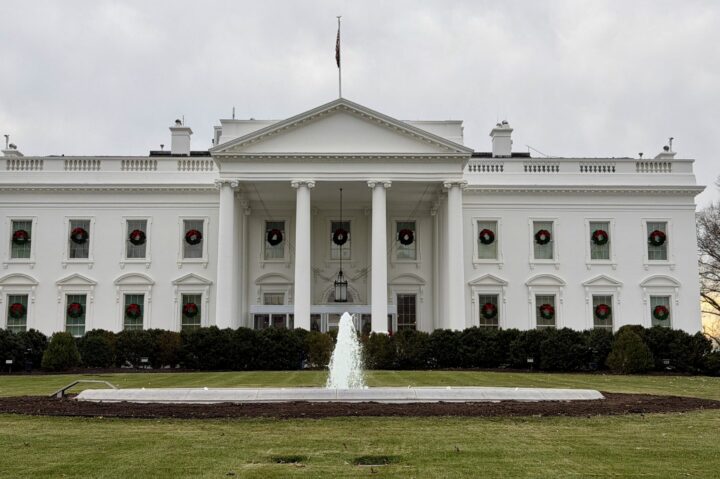
Daniel SLIM / AFP via Getty Images
The White House is seen in Washington, DC, on December 17, 2025.


 Add JewishInsider on Google
Sebastian Gorka, the National Security Council’s senior director for counterterrorism, announced while unveiling President Donald Trump’s U.S. counterterrorism strategy on Wednesday that U.S. officials will meet with representatives from several foreign governments this week to ask for assistance in combating terrorism emanating from Iran and elsewhere.
Gorka, who also serves as a deputy assistant to the president and oversaw the drafting of the strategy, told reporters that as part of the strategy, the U.S. intends to seek more support on the counterterrorism front from allies who want to be “measured as a serious nation” by the Trump administration.
The strategy covers how the administration will respond to threats from Islamic terrorist organizations at home and abroad, drug cartels in the Western Hemisphere and domestic political groups accused of inciting violence.
On combating threats from Islamist groups, the strategy places a heavy emphasis on Iran, calling the country “the greatest threat to the United States emanating from the Middle East.” It states that “decisive actions by the president … will continue until the regime in Tehran is no longer a threat to the United States.”
The U.S. will use “kinetic, intelligence, and cyber operations against Iranian-backed terror proxies who plot against Americans … Iranian dissidents and Israelis in our country,” it continues.
The strategy further states that the U.S. views the Muslim Brotherhood as “the root of all modern Islamist terrorism,” and says the Trump administration will “continue to designate its branches across the Middle East and beyond as [Foreign Terrorist Organizations] to crush the organization everywhere it operates.”
Gorka detailed to reporters how the U.S. is turning increased attention to Africa amid growing terrorist threats, describing “straggler” ISIS terrorists from Syria and Iran who had migrated to several African countries in search of “ungoverned space” to take over.
The president signed the official document behind closed doors at the White House on Monday alongside senior administration officials.
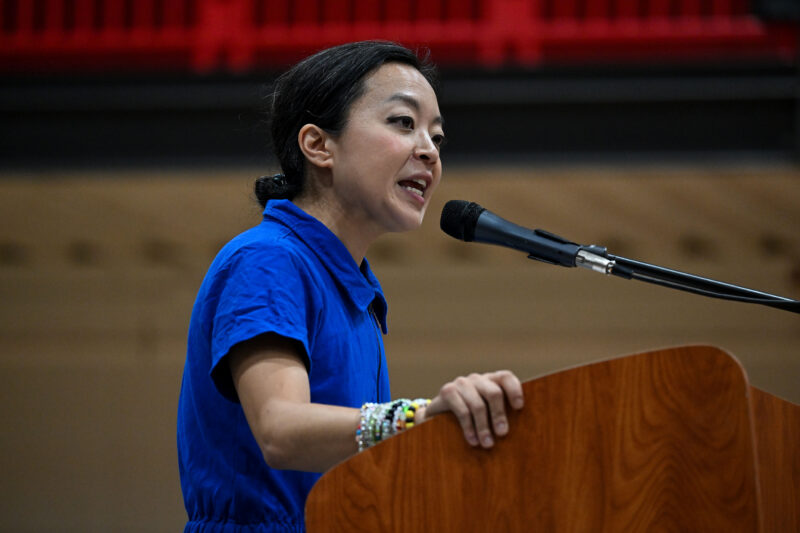
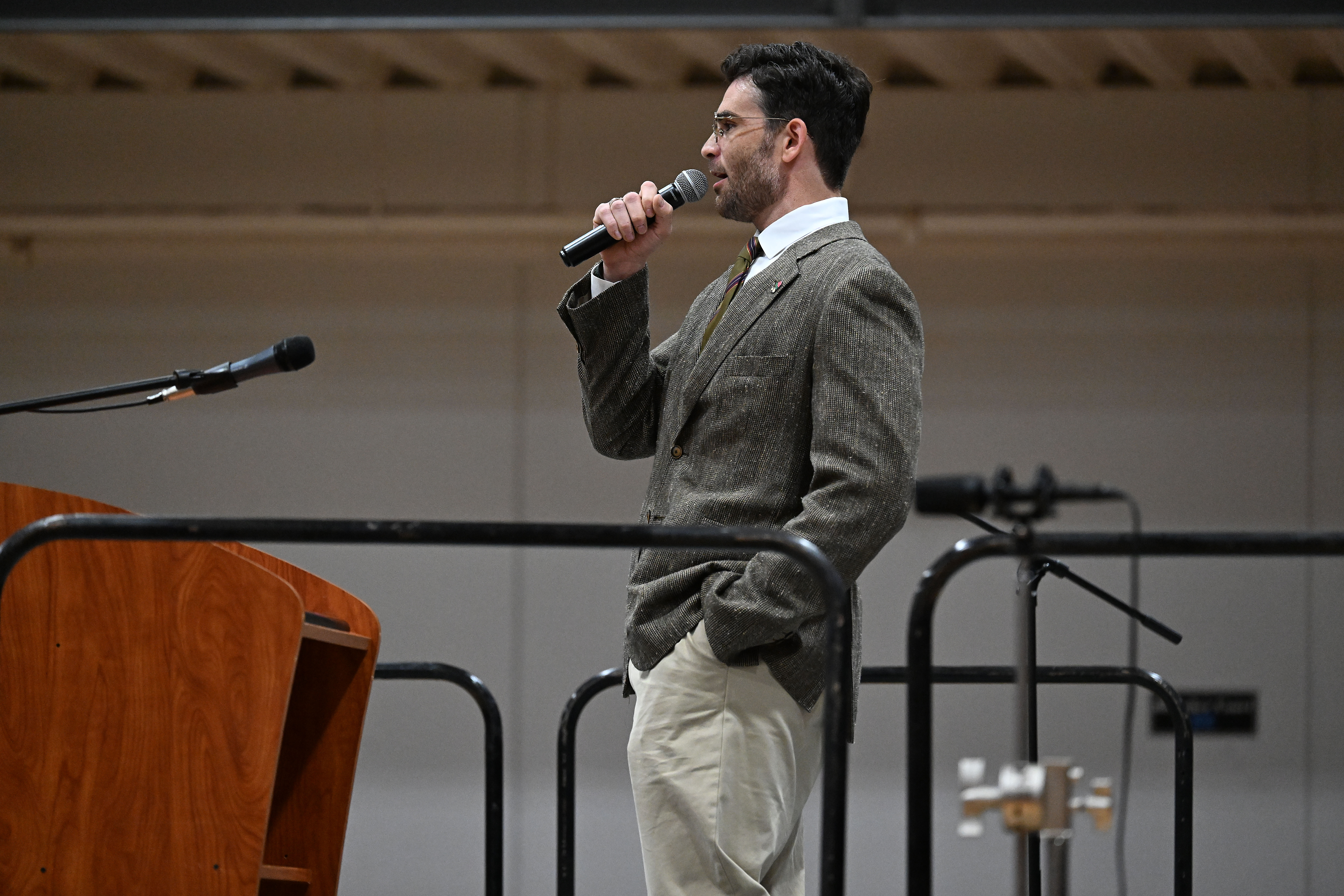
Gorka announced the strategy’s finalization while speaking at the James W. Foley Freedom awards dinner at the National Press Club on Tuesday evening. Gorka brought a copy of the strategy with him on stage and held it up for the audience of hostage advocates, telling the crowd that Trump had signed the document on Monday and it would be available to the public on Wednesday morning.
Gorka read a brief section of the strategy that referred to the return of U.S. hostages and wrongfully detained Americans abroad as a top priority.
“Countries that wrongfully detain our citizens run the danger of being designated as state sponsors of wrongful detention, with all the attendant consequences that accrue,” Gorka said. “And as the regimes in Iran and Afghanistan know, there are true consequences to that designation.”
The strategy’s signing and release comes as Gorka, who has been one of the most ardent defenders of the U.S. war with Iran in the Trump administration, has been reportedly lobbying the president to consider nominating him as the next director of the National Counterterrorism Center. The role is currently being filled in an acting capacity by Joe Weirsky, a Marine and Army Special Operations Command veteran, following the resignation of former NCTC Director Joe Kent in protest of the war.
More Stories
Daily Overtime
Vance’s Jewish voter problem
FLAGGING FICTION
Blinken denies report he delayed Hamas offer to free hostages
NUCLEAR NEWS
Mast ‘likely’ to support administration’s nuclear deal with Saudi Arabia
BOOKSHELF
New book ‘In the War Room’ offers candid look at Netanyahu’s wartime decisionmaking
Norm-alizing?
Norm Eisen’s alliances with Israel critics raise eyebrows within Jewish community
Settlement Showdown
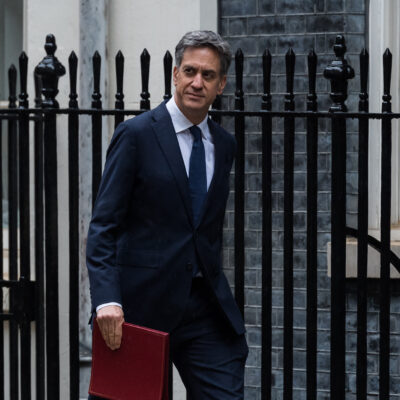
U.K. Foreign Secretary Ed Miliband announces sanctions against Israeli settlements
Please log in if you already have a subscription, or subscribe to access the latest updates.
 Continue with Google
 Continue with Apple