






























Trump’s talks with the mullahs ring alarm bells in Israel, as Iranian missile attacks continue
Behind the scenes, the phone call between Trump and Netanyahu was not enough to reassure Jerusalem that Washington had its interests in mind
Roberto Schmidt/Getty Images
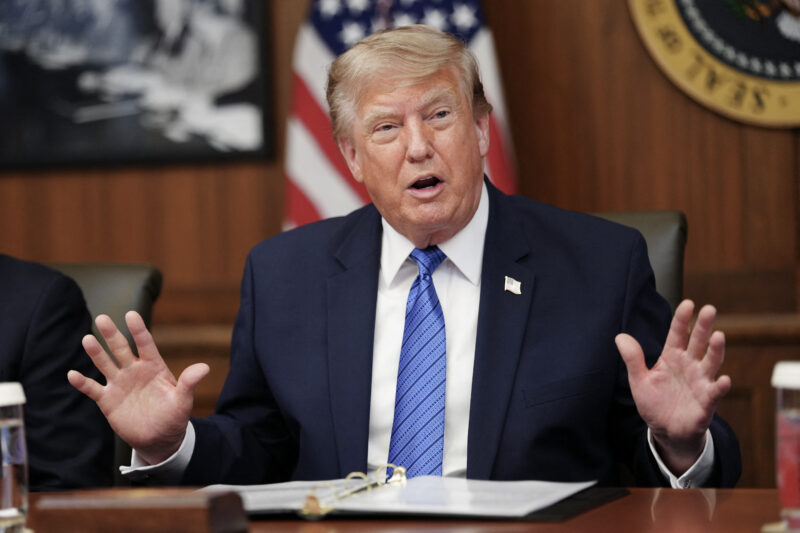
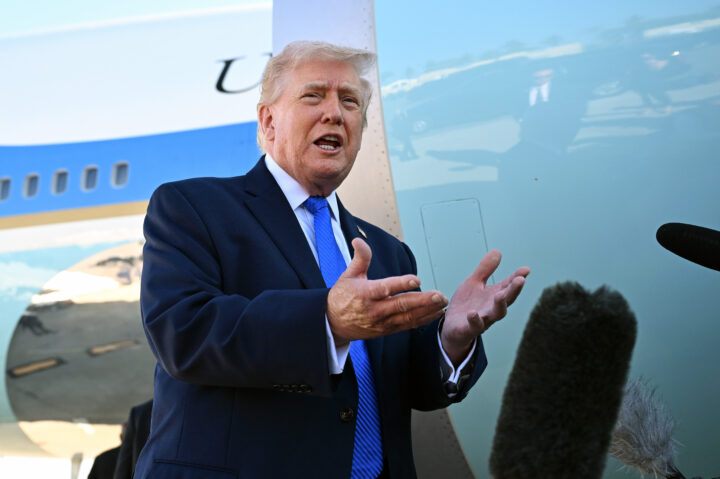
U.S. President Donald Trump speaks to reporters before boarding Air Force One at Palm Beach International Airport on March 23, 2026 in West Palm Beach, Florida.


 Add JewishInsider on Google
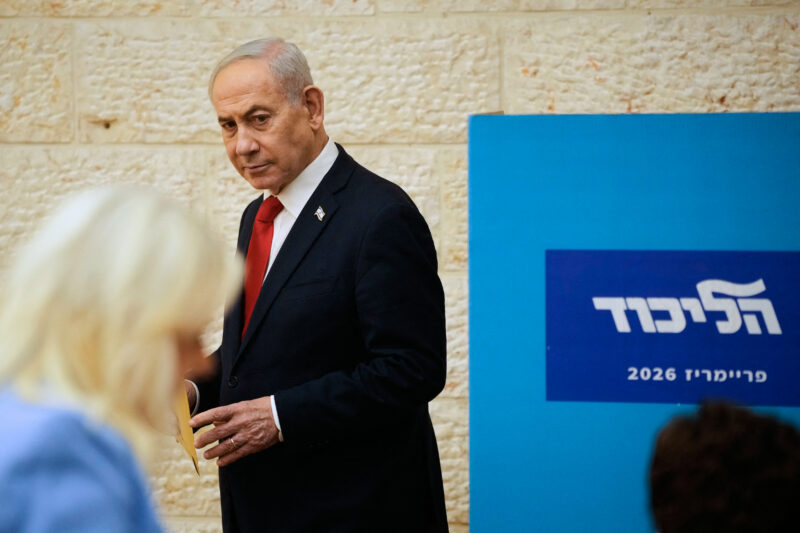
“We will safeguard our vital interests under all circumstances,” Israeli Prime Minister Benjamin Netanyahu said on Monday, hours after President Donald Trump announced that the U.S. would suspend strikes on Iranian energy facilities to start negotiations.
In a Hebrew video statement, Netanyahu tried to reassure the Israeli public that the war would end in a way that made the previous three weeks — in which they, not Americans, ran with their children to bomb shelters multiple times a day — worth it. He vowed that Israel would be “continuing to strike in both Iran and Lebanon.”
“Earlier today, I spoke with our friend, President Trump,” Netanyahu said. “President Trump believes there is an opportunity to leverage the tremendous achievements we have reached alongside the U.S. military to realize the goals of the war through an agreement, an agreement that will safeguard our vital interests.”
Behind the scenes, however, the phone call was not enough to reassure Jerusalem that Washington had its interests in mind, and Netanyahu dispatched his closest advisor, Ron Dermer, to deter the Trump administration from reaching a “not good” deal, Israel’s Channel 12 reported.
Note the word choice: “not good.” If negotiations are genuine and this is not another mind game by the Trump administration, Israeli officials were not so optimistic in their briefings to Jewish Insider and other Israeli media as to say there could be a good outcome from a deal that, de facto, would continue to recognize the mullahs’ regime — but perhaps a disaster could be averted.
Netanyahu used the term “vital interests” twice in his statement. The top interest on Dermer’s list is ensuring that the 440 kg of highly enriched uranium, the material that Iran boasted to White House Special Envoy Steve Witkoff was enough for 11 bombs, would be removed from Iran. According to Ynet, Witkoff made this demand clear, raising his voice on the phone to Iranian Foreign Minister Abbas Araghchi before the latter’s first overture last week to return to the negotiating table.
Arguably, this war succeeded in its other aim of significantly diminishing the ballistic missile threat from Iran. The IDF and Netanyahu said last week that the Islamic Republic’s missile production capability has been destroyed. The White House said, “Iran’s ballistic missile capacity is functionally destroyed.” Yet Iran has hundreds of missiles that it continues to shoot, along with drones, at Israel and Gulf states each day. Plus, as IDF international spokesperson Lt. Col. Nadav Shoshani pointed out to JI last week, the Islamic Republic could engage in the “hyper-production” of ballistic missiles after the war, as it did following last year’s 12-day June war.
Neither Trump nor Netanyahu went so far in their statements in the last month to promise regime change; they generally said it was up to the Iranian people to take to the streets. Yet, Trump has claimed that regime change has happened because so many Iranian leaders have been killed. The Israeli position is more like what former Defense Minister Avigdor Liberman described on X: “The murderous Iranian regime does not hide its determination to destroy the State of Israel. We cannot leave an injured enemy that is only looking for revenge. We have a historic opportunity to solve the problem and topple the Ayatollahs’ regime. Otherwise, we’ll be back for another round with a much higher price.”
Which brings us to Netanyahu’s statement that Israel is “continuing to strike in both Iran and Lebanon.” He continued: “We are smashing the missile program and the nuclear program, and we continue to deal severe blows to Hezbollah.”
Israel is not the only country that views the fight as incomplete; Saudi Arabia and the United Arab Emirates in recent days took further steps to support the U.S. in its fight against Iran, The Wall Street Journal reported. Riyadh let the U.S. use one of its air bases and the UAE shut down Iranian assets, warning it could freeze billions more dollars. Bahrain submitted a draft U.N. Security Council resolution calling to use force to keep the Strait of Hormuz open, Reuters reported.
Whether that will continue to be true if Trump makes a deal with the Islamic Republic, and whether the war in Lebanon will be able to go on as long as Israel seeks to push Hezbollah off of Israel’s border for the long term, remains to be seen.
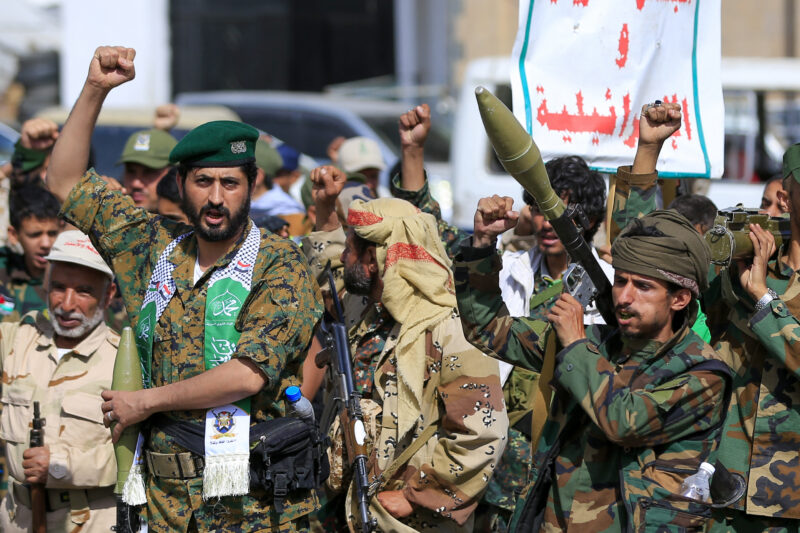
In the past year, there have been instances of dissonance between the U.S. and Israeli timelines and war goals: There was the Witkoff-brokered deal with the Houthis, which surprised Jerusalem and only stopped attacks on U.S. ships, not strikes on Israeli civilian centers; and the end to last June’s 12-day war, when Israel sought to respond to an Iranian breach of the ceasefire, and Trump responded with an f-bomb and public demand that Israel stop.
This could be the third time in the past year that Trump reaches a deal, stymying Israel before its leadership felt the time was ripe to end the fight.
More Stories
LONDON'S GAMBLE
Former Trump official: U.K. sanctions will render Europe ‘less relevant in Middle Eastern affairs’

Daily Kickoff
Not Sheeran the stage no more
Doha Dealings
CNN’s ties with Qatar deepen with October summit in Doha
Clinton’s Critique
Hillary Clinton: U.S. should take a ‘very tough position’ with Israel if Netanyahu reelected
ON THE HILL
Senate Republicans urge Saudi response to Houthi attacks
Daily Overtime
Israel hits back at U.K. sanctions
Please log in if you already have a subscription, or subscribe to access the latest updates.
 Continue with Google
 Continue with Apple