





















































Leading Jewish groups urge universities to pursue reforms to deal with antisemitism
The suggestions range from enforcing campus codes of conduct to holding faculty accountable for political coercion

Wesley Lapointe for The Washington Post via Getty Images
A row of tents line one side of a student encampment protesting the war in Gaza at the Johns Hopkins University Homewood Campus on Tuesday April 30, 2024, in Baltimore, MD.


 Add JewishInsider on Google
As students return to school in the coming weeks, four leading Jewish organizations are encouraging university leaders to adopt a new set of recommendations, released on Monday, designed to curb the antisemitism that has overwhelmed many campuses since the Oct. 7, 2023, terrorist attacks in Israel, Jewish Insider has learned.
The guidelines — which call for increased safety measures as well as long-term structural reforms and build upon a four-page set of recommendations released last August — are a joint effort from the Anti-Defamation League, Conference of Presidents of Major American Jewish Organizations, Hillel International and Jewish Federations of North America.
The recommendations urge university leaders to “consistently enforce” codes of conduct around protests; appoint a coordinator to address Title VI discrimination complaints; reject academic boycotts of Israel; conduct annual student and faculty surveys in regard to campus antisemitism; crackdown on online harassment (in addition to physical safety concerns); and hold faculty accountable for political coercion and identity-based discrimination.
Some of the guidelines, such as the appointment of a Title VI coordinator, echo commitments that several university leaders have made in recent months amid battles with the Trump administration over federal funding. At Columbia University, some Jewish students expressed skepticism that the moves would have a significant impact on campus antisemitism.
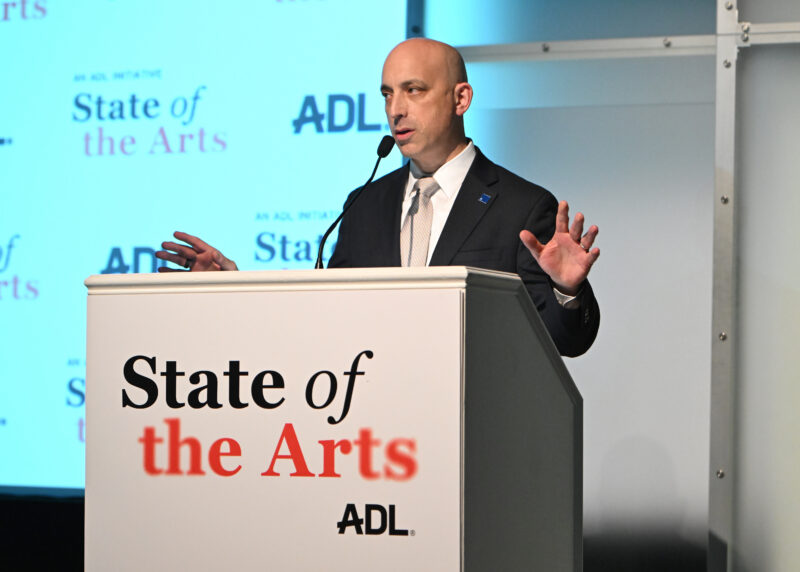
“These recommendations aren’t just suggestions, they’re essential steps universities need to take to ensure Jewish students can learn without fear,” ADL CEO Jonathan Greenblatt said in a statement. “Jewish students are being forced to hide who they are, and that’s unacceptable — we need more administrators to step up.”
“We are encouraged by the universities that have taken prior recommendations seriously, implementing changes that have reduced the most severe types of incidents, creating safer and more welcoming environments as a result. But our work is far from complete,” Hillel International president and CEO Adam Lehman said in a statement. “These updated recommendations provide a roadmap for institutions to build on their progress and address the challenges Jewish students continue to face.”
The recommendations released last summer by the same groups, in addition to the American Jewish Committee, called for university leaders to “anticipate and mitigate disruptions” on the one-year anniversary of Oct. 7. Other suggestions included that universities clearly communicate campus rules, standards and policies, support Jewish students, ensure campus safety and reaffirm faculty responsibilities.
More Stories

SHOW OF SOLIDARITY
Jewish leaders offer support to Hindus amid rising threats to faith communities
RIPPLE EFFECT
New York’s suburban Dems face a Mamdani dilemma

SCOOP
Chabad holding 250 menorah lightings in all 50 states to commemorate Chanukah, America’s 250th birthday

MINNESOTA MIC DROP
Jacob Frey, Betty McCollum join Minnesota Dem chorus condemning Piker event

Daily Overtime
Syria’s new textbooks demonize Jews, report finds

PRESIDENTIAL ENDORSEMENT
Trump gives Netanyahu ‘complete and total endorsement’
Please log in if you already have a subscription, or subscribe to access the latest updates.
 Continue with Google
 Continue with Apple