


















































‘If there's not a regime change, then maybe we don't have to do this every day, but we're going to have to do this every so often,’ Scott said at the Hudson Institute
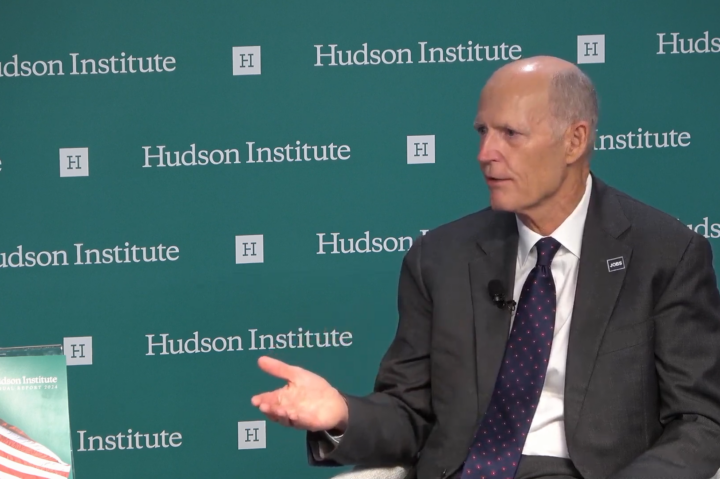
Screenshot
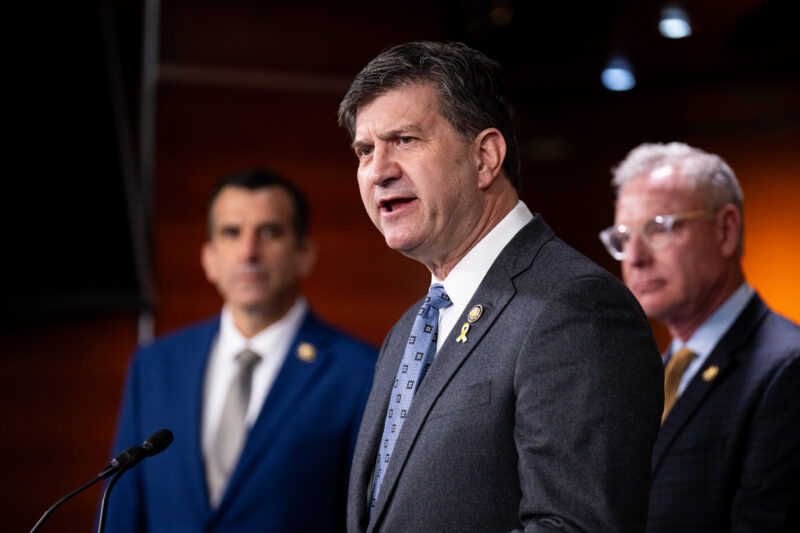
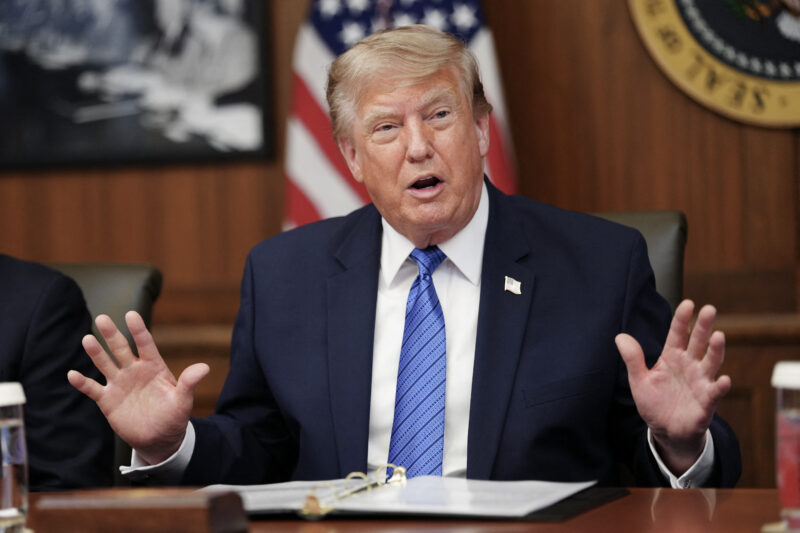
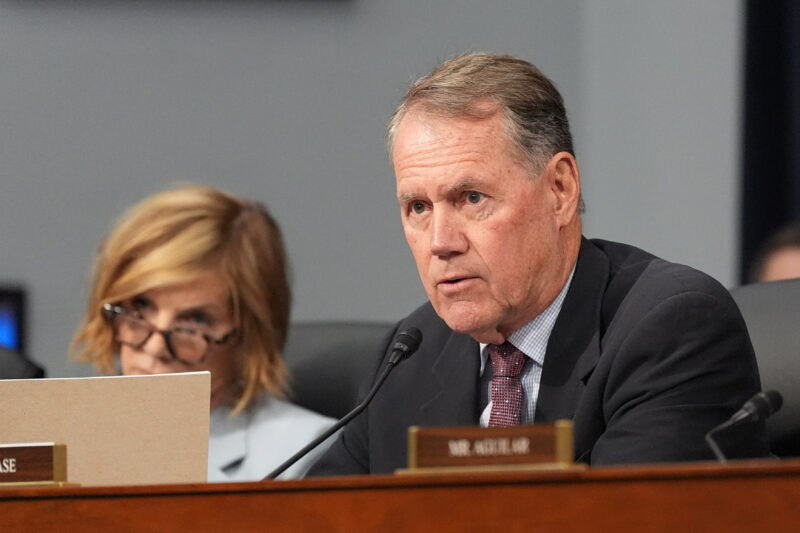
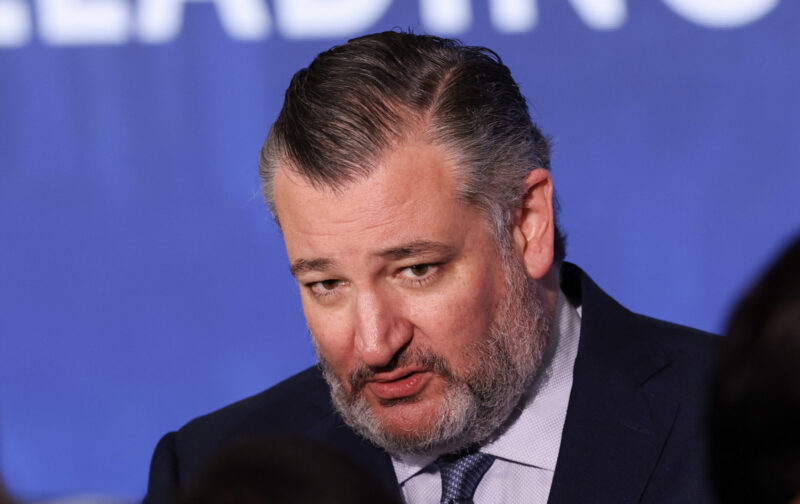
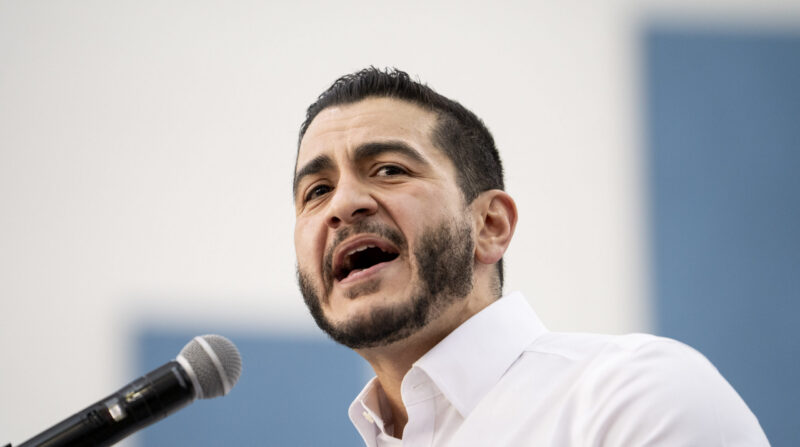
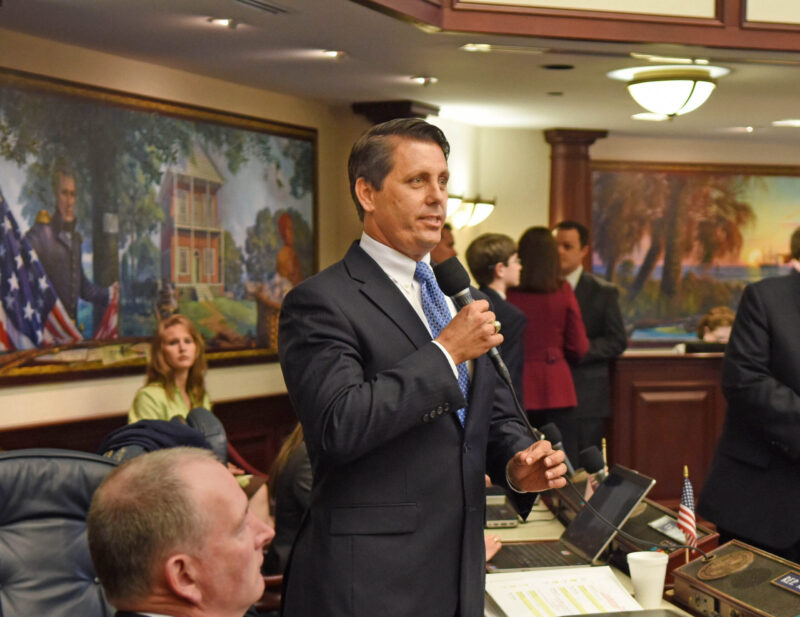
Sen. Rick Scott (R-FL) speaks at the Hudson Institute on July 30, 2026.


 Add JewishInsider on Google
Sen. Rick Scott (R-FL) argued on Thursday that, without regime change in Iran, the U.S. will likely need to continue to conduct periodic military operations against Iran’s nuclear program to prevent Tehran from obtaining a nuclear weapon.
“One of two things is going to happen: We are forever going to have to continue to make sure they don’t have a nuclear weapon, or they’re going to have a regime change,” Scott said during an event at the Hudson Institute. “One or the other. If there’s not a regime change, then maybe we don’t have to do this every day, but we’re going to have to do this every so often.”
He also argued that past U.S. administrations have been “stupid” by not recognizing that the Iranian regime has been engaging in an ongoing war against the United States since the rise of the Islamic Republic in 1979. President Donald Trump, he continued, is trying to end that 47-year war.
Scott described Trump as reluctant to go to war with Iran, but said the president views the conflict as necessary.
“If you’re the president of the United States, you have a responsibility to protect Americans. That’s your job. So whether he likes it or not — and he doesn’t like war, he ran on getting out of forever wars, he doesn’t want to put American troops in harm’s way … he wants to sit down and negotiate everything,” Scott said.
But, he continued, Trump also knows that Iran would use a nuclear weapon if it had one and that appeasement was not a viable strategy.
“He did the hard thing,” Scott said. “He knew he was going to get criticized, but he decided freedom was and safety to Americans is important enough that he was going to go defend us.”
The president implied that the renewed strikes reset the 60-day clock for operations without congressional authorization
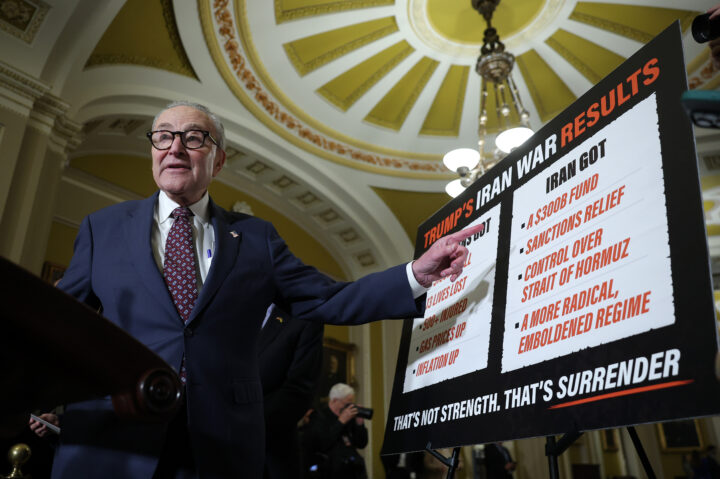
Photo by Kevin Dietsch/Getty Images
U.S. Senate Minority Leader Chuck Schumer (D-NY) speaks to reporters after the weekly Senate policy luncheons at the U.S. Capitol on June 23, 2026 in Washington. Schumer spoke out against President Trump's Iran deal and a the need for the Senate to pass a War Powers Resolution regarding Iran.
Democrats on Monday slammed President Donald Trump’s resumption of hostilities against Iran, as well as the notion, implicit in Trump’s notification, that the operations mark a new conflict and therefore reset the 60-day window for military operations launched by the executive branch without congressional approval.
In a letter to congressional leaders on Friday notifying them that the war had resumed, Trump said that Iran repeatedly violated the memorandum of understanding by attacking commercial vessels on July 6 and 7, and that the U.S. had, as of July 7, commenced “defensive strikes against targets within Iran including missile launch sites, air defenses, military maritime assets, military support infrastructure, and command and control capabilities.”
Trump said that ground forces are not involved in the operations and are focused on protecting the U.S., but American forces “remain postured to take further action.” He added that he was notifying Congress pursuant to his obligation under the War Powers Act, the statute that lays out the 60-day timeline.
Critics of the war have argued consistently that the operations that began in February never actually concluded during the since-terminated ceasefire, despite the administration’s assertions otherwise.
“Trump’s rinse and repeat approach to the Iran war isn’t a strategy, it’s a recipe for utter disaster,” Senate Minority Leader Chuck Schumer (D-NY) said Monday. “It’s incredible what a fiasco this war is. Trump’s so-called understanding — lot of bull — with Iran fell apart faster than the ink could dry.”
Sen. Tim Kaine (D-VA), who has led war powers efforts in the Senate to end the conflict, said the U.S. has been at war, and argued that the administration is obligated to withdraw U.S. forces in response to the war powers resolution that Congress passed last month.
“The notion that [the 60-day clock] was paused before, I think, was sort of laughed out of the room. This has been an ongoing conflict, even during the midst of a ceasefire,” Kaine said. “There were still hostilities underway. So this is not a war that paused and restarted.”
He said he will continue to support war powers efforts but believes that Congress has already definitively declared the war illegal. The resolution that Congress passed came in the form of a concurrent resolution, which is not presented to the president, and its legal force is disputed.
Sen. Adam Schiff (D-CA) filed a new war powers resolution on Monday to oppose the war, which likewise argues that combat operations never ceased.
“We were promised the war would be over for months. And now in a matter of days we’ve gone from a bad U.S.-Iran deal to more strikes, another blockade, and added turmoil that will only drive prices higher,” Schiff said in a statement. “Any assertion by the Trump administration that he gets 60 more days to act without Congress has no foundation in law.”
Kaine and Sens. Andy Kim (D-NJ), Jeff Merkley (D-OR) and Chris Van Hollen (D-MD) cosponsored the resolution.
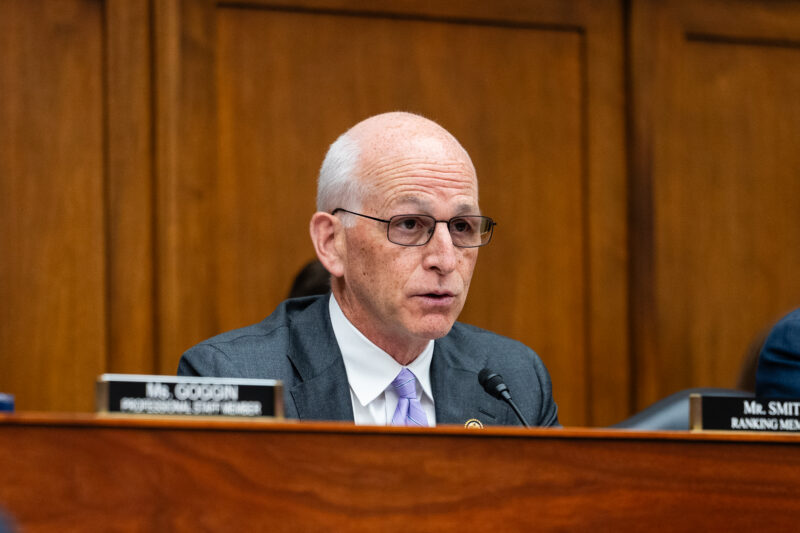
Rep. Adam Smith (D-WA), the ranking member of the House Armed Services Committee, “wholeheartedly condemn[ed]” Trump’s plans to take control of the Strait of Hormuz, arguing that it is impossible without significant escalation and would be “frankly, just wrong.”
“Iran has gained greater leverage, continues to destabilize the region, and has a younger and more hardline leadership than when this war started,” Smith said. “It is past time for [Republicans] to work with us to ensure the president finds a diplomatic solution to ending a war he never should have started and that threatens our national security and defense as well as that of our partners.”
Even some Republicans have expressed skepticism of the administration’s strategy, including over Trump’s plan to impose a toll on the Strait of Hormuz.
“I recall Secretary [of State Marco] Rubio saying that would not be proper for any country. … Am I wrong?” Sen. John Cornyn (R-TX) told reporters.
Additionally, given the recent sudden death of Sen. Lindsey Graham (R-SC) and the extended medical absence of Sen. Mitch McConnell (R-KY), Democrats may be able to more consistently pass war powers resolutions to oppose the war in Iran.
Many Democrats also say they plan to oppose a procedural vote this week to advance the 2027 National Defense Authorization Act in protest of the continued operations against Iran.
‘The main discussion is about Lebanon and Hezbollah — not about the extent to which Iran can restrain Hezbollah. That is not Iran’s role,’ the Israeli envoy said of Tehran’s involvement in the conflict in Lebanon
Oliver Contreras / AFP via Getty Images
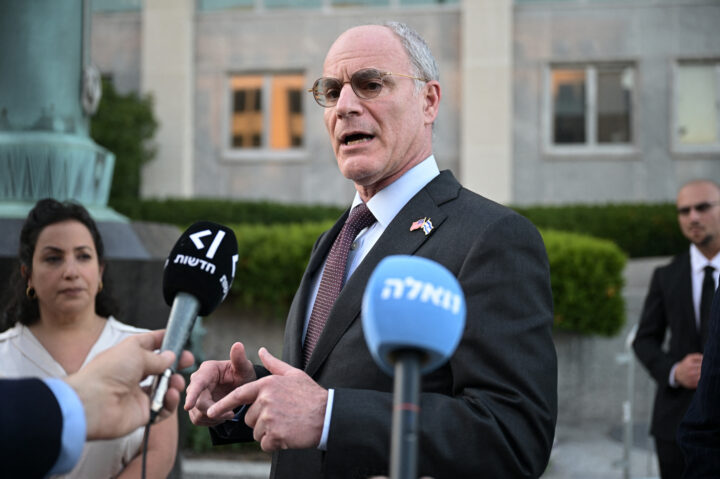
Israel's Ambassador to the U.S. Yechiel Leiter speaks to reporters after a meeting between Israeli and Lebanese delegations hosted by the United States at the State Department in Washington, DC, on June 3, 2026.
Israeli Ambassador to the U.S. Yechiel Leiter criticized the Trump administration on Tuesday for agreeing to establish a “deconfliction cell” to end military operations in Lebanon without Israel’s involvement as part of the ongoing peace talks with Iran, the first public statement from Jerusalem denouncing the move.
Leiter released a pair of statements in English and Hebrew at the start of the fifth round of multi-day diplomatic talks at the U.S. State Department between Israel and Lebanon, in which he warned that both parties were “heading towards a train wreck.”
The ambassador said that while the Israelis “support President Trump’s vision of ensuring that Iran no longer has nuclear capabilities, ballistic missiles or the ability to funnel money to its proxies to threaten its neighbors and maintain its regional hegemony,” he worried “that the concept of ‘deconfliction’ is misplaced.”
“Israel is not in conflict with Lebanon. Therefore, deconfliction is not the issue. All that is needed is coordination with Lebanon. The only issue is Hezbollah,” Leiter said.
In his Hebrew statement, he added that “the basic premise” of the talks out the outset “was that Iran was not involved, and the main discussion is about Lebanon and Hezbollah — not about the extent to which Iran can restrain Hezbollah. That is not Iran’s role. Its role is to get out of Lebanon.”
He went on to pose a series of questions, without specifically directing them toward the Trump administration or his Lebanese counterparts, about the aim of Israeli-Lebanese peace talks. “We agreed to a ceasefire that was conditional on Hezbollah withdrawing north. Is this agreement still binding?” he asked, referencing the parties’ agreement reached at the end of the last round of talks earlier this month. “We cannot afford commitments that fade away. And it is important to be clear: Israel will act against immediate and evolving threats to its citizens and soldiers.”
Leiter also pointed to the memorandum of understanding between the U.S. and Iran, asking how to assure that the funds Iran will gain access to “do not find their way to Hezbollah? If we cannot guarantee that, then all the words we agree to here will make no difference, because Hezbollah will simply rebuild itself.”
Leiter’s statements came as Secretary of State Marco Rubio pushed back on the notion that U.S. peace talks with Iran were tied to Israeli-Lebanese normalization efforts.
“That process is separate,” the secretary of state said while arriving in the United Arab Emirates on Tuesday when asked about the two efforts. “It’s separate because Lebanon is a sovereign country.”
“When it comes to Lebanon and what’s happening inside of Lebanon, we’re going to negotiate a deal directly with the Lebanese government,” he continued, making no mention of Israel.
The president warned that the U.S. would resume military operations if Iran fails to ‘behave,’ and denied that the deal would automatically release billions in frozen Iranian assets
Daniel Torok/The White House via Getty Images
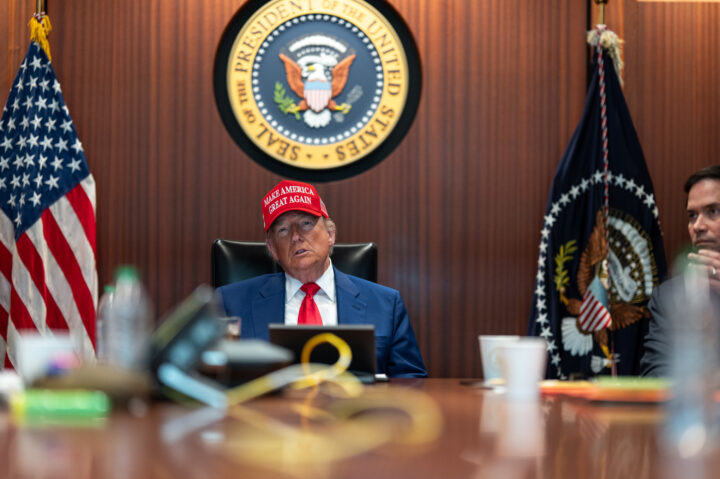
President Donald Trump and Secretary of State Marco Rubio (R) sit in the Situation Room as they monitor the mission that took out three Iranian nuclear enrichment sites, at the White House on June 21, 2025 in Washington, DC.
President Donald Trump said on Wednesday that the agreement reached between the U.S. and Iran earlier this week to end the conflict has not been finalized, warning that the U.S. would “go right back to dropping bombs” if he is dissatisfied with the final deal or if Iran fails to “behave.”
“No, it’s not final. It’s a memorandum of understanding, and if I don’t like it, we’ll go back to shooting at them, dropping bombs on their head,” Trump said during a bilateral meeting with Egyptian President Abdel Fattah el-Sissi on the sidelines of the G7 summit in Évian-les-Bains, France. “If I don’t like it, if they don’t behave, we’ll go right back to dropping bombs right smack in the middle of their head, because they have misbehaved for 47 years.”
Reports indicate that the memorandum of understanding announced this week could release $24 billion in Iranian frozen assets and provide $300 billion in reconstruction relief. Senior administration officials have stated that while the U.S. is open to these terms, they have denied reports that the funds would automatically be released, instead arguing that it would remain strictly conditioned on Iran fulfilling its obligations within the agreement.
WATCH: Trump warns he’ll go back to military operations if the Iran deal falls apart.
— Jewish Insider (@jewishinsider) June 17, 2026
“If I don’t like it, if they don’t behave, we’ll go right back to dropping bombs right smack in the middle of their head.”
Read the full story from @MatthewShea__: https://t.co/JXdeZk63DY pic.twitter.com/QRQCU3UQZe
When asked whether the money would be released, Trump stated: “That’s false.”
“That’s a false story that got picked up incorrectly,” he said.
The president also said that while the U.S. would not invest in Iran, Washington will not stop other countries from doing so.
“People can decide to do that, but that’s up to them. I would say they won’t be doing it for a while until they find out [whether Iran has changed] the behavior. It’s a behavior thing,” Trump said. “Do you want me to say that nobody’s ever allowed to invest in a country? We are not investing in it [Iran], we do not have a fund.”
Trump also touted U.S. military accomplishments, saying that Iran’s navy, military and air force have been “wiped out.” He argued that operations to guide and protect ships through the Strait of Hormuz have been successful and are keeping oil prices down.
“They have no anti-aircraft, they have no radar,” Trump said. “The reason oil stayed low is because we were taking ships out every night…We averaged 15 to 25 ships a night. Nobody knew that our navy did a great job, nobody knew that was happening. That’s why oil didn’t go to $300 million a barrel, it went to $125, $115, now it’s at $72-$73.”
The president also renewed his sharp criticism of the Joint Comprehensive Plan of Action, the nuclear deal signed with Iran in 2015 under former President Barack Obama. Trump argued that the fundamental flaw of that agreement was the transfer of cash to “bribe” the Iranian government.
“Nobody could have made this deal. The JCPOA done by Obama… he gave them $1.7 billion in green cash from banks into a Boeing 757 and flew it into Iran,” Trump said. “They [the Iranians] stood at the plane, I have pictures of it, like, ‘Oh my, look at this money he’s giving us.’ He [Obama] tried to bribe his way out. I didn’t do that… and you know what the Iranians did, they laughed at Obama and they said he’s a stupid son of a b****.”
Roger Wicker, the Senate Armed Services Committee chair, told Jewish Insider that Iran has ‘been stringing us along’ and ‘had no intention of negotiating in good faith’

Tom Williams/CQ-Roll Call, Inc via Getty Images
Senate Armed Services Committee Chairman Roger Wicker (R-MS) arrives for a confirmation hearing in Dirksen building on Tuesday, May 13, 2025.
Sen. Roger Wicker (R-MS), the chairman of the Senate Armed Services Committee, said on Monday that he would support President Donald Trump abandoning diplomatic talks with Iran and resuming military operations.
“It’s becoming clearer and clearer that they’ve been stringing us along and that they had no intention of negotiating in good faith,” Wicker told Jewish Insider of Iran. “I wouldn’t blame the president at all if we resume full-scale war. I don’t think the American people would blame him at all.”
The senator’s remarks follow a sharp weekend escalation, which saw Iran launch a barrage of ballistic missiles at Israel in response to IDF operations in Beirut. Asked at the Capitol on Monday about Trump’s subsequent pressure on Israeli Prime Minister Benjamin Netanyahu to hold back retaliatory strikes, Wicker encouraged a tougher stance on Iran.
Wicker has been skeptical for weeks of U.S. negotiations with Iran, urging a return to combat operations.
While Netanyahu reportedly called off broader strikes on Iran on Monday, he suggested he had pushed back on Trump’s request for Israel not to respond to an Iranian missile attack on Sunday. Netanyahu said he had relayed to the White House that Israel retains its right to self-defense “with appreciation and respect in my good conversations with my friend President Trump.”
Wicker dismissed concerns that Trump and Netanyahu’s relationship had deteriorated over the war in Iran, and emphasized his support for Israel’s actions against Hezbollah in Lebanon.
“I think the president would tell you that our relationship with Israel is as strong as it’s ever been, and that he’s doing well with Netanyahu,” Wicker said. “On the issue of Israel and Hezbollah, Hezbollah exists for no reason other than to destroy Israel and kill Americans. That’s the only reason they exist. They’re not a religion, they’re not a region, they’re not an ethnic group.”
“I absolutely believe that Israel has every right to respond forcefully when attacked by Hezbollah,” he added.
Sen. Ted Budd (R-NC) said that Israel and the U.S. are responsible for making their own decisions, but said that shouldn’t damage the core alliance.
“Israel is a sovereign country. They can make their own decisions. We’re a sovereign country, we can make ours,” Budd said. “We can make recommendations to either, and they’re a great ally. We need to make sure we maintain the status of them being a great ally.”
Sen. Richard Blumenthal (D-CT) argued that what he characterized as the administration’s failures are producing friction with Israel.
Blumenthal said that “Israel has a right to defend itself” from both Iran and Hezbollah and “has a right to strike back at Hezbollah, in Lebanon, where it is strongest, maybe outside Beirut.”
“The fundamental problem here is that Trump is caught in a quagmire of his own making with unrealistic and, in fact, confused goals that have not been achieved,” Blumenthal continued, “He’s struggling for negotiations, while Israel wants to achieve some goals, including securing the enriched uranium, and so there’s bound to be some tension.”
“But at the end of the day, they’ll have to continue working in concert, because that’s the only path toward peace,” Blumenthal said.
Sen. Rick Scott said military action is ‘the only thing that’s going to work,’ while Sen. Josh Hawley urged the president not to reengage
Fatemeh Bahrami/Anadolu via Getty Images
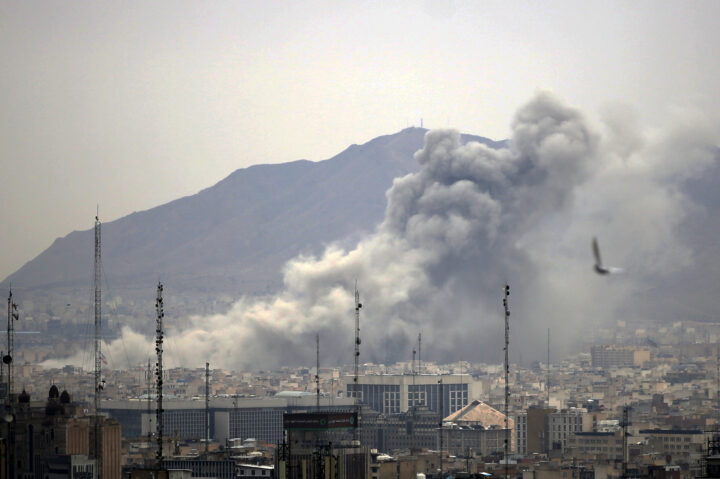
Smoke rises after airstrikes in Tehran, Iran on March 13, 2026.
With President Donald Trump reportedly mulling the resumption of military action against Iran, fault lines are opening up among Senate Republicans over the prospect of a renewed military effort.
Some prominent Senate Republicans publicly called for the U.S. to resume military operations this weekend, after Trump dismissed as a nonstarter Iran’s latest negotiating proposal. Other colleagues joined them on Monday.
Sen. Rick Scott (R-FL) said he thinks military operations must resume. “It’s the only thing that’s going to work, unfortunately,” Scott told Jewish Insider. Asked whether the administration needs to seek congressional approval to resume fighting, he said, “I think the president should go forward.
Sen. Roger Wicker (R-MS), chairman of the Senate Armed Services Committee, reiterated that he “hope[s]” Project Freedom, the administration’s effort to protect shipping in the Strait of Hormuz, is resumed, after writing to Trump on X on Sunday that it’s time to “get back to business.” He said that he would not expect the administration to come to Congress for authorization if that effort were to continue.
Others are leaving the prospect of military action on the table without fully ruling out a diplomatic path, while offering varying degrees of skepticism about how realistic a deal actually would be.
Asked about resuming the war, Sen. John Cornyn (R-TX) said, “We need to clear the Strait of Hormuz, and I support doing that by whatever means necessary.” Cornyn faces a competitive primary runoff in late May, and a hotly contested general election race in November should he be victorious in the primary.
Sen. Mike Rounds (R-SD) said that the U.S. “has a problem” as long as the Iranian regime remains in place and has the capacity to produce a nuclear weapon, “and we’re going to have to address it one way or the other.”
“I’m hopeful for a diplomatic solution, but I don’t think these fanatics over there necessarily believe that a diplomatic solution is what they really want,” Rounds continued. “I think they’d rather martyr themselves, and I think they’d murder millions of their own people if they could.”
“I think we all want to get this resolved as quickly as possible,” Sen. Ted Budd (R-NC) said. “I would say, let’s focus right now. Let’s see if China wants to play a role in this, and we should probably know more by this weekend. But I don’t think anyone wants to end this in a decisive way more than President Trump.”
He predicted that the war would be a major topic of conversation in Trump’s meetings with leaders in Beijing later this week.
“The whole world’s watching right now,” Budd continued. “But look, we need to resolve this permanently, and we want to resolve it as soon as possible. And I know that’s President Trump’s goal.”
Sen. Josh Hawley (R-MO), among the most prominent advocates in the Senate for keeping the war brief, praised the administration for notifying Congress at the beginning of the month that it considered hostilities concluded, and urged the administration not to reengage.
“I welcome his statement that the president sent … saying that the original operation — he had terminated those hostilities. That’s a good thing. That’s a good outcome. I certainly hope that will hold,” Hawley said. “I think we’re in a posture now where he’s clearly trying to conclude a long-term peace, which I think is good. But I welcomed his statement that hostilities have terminated.”
He praised Trump for not following his colleagues’ calls to return to war.
“I want to applaud the termination of hostilities,” Hawley said. “He’s been urged to return to full scale bombing, to his original bombing campaign by many of my colleagues over the last two weeks. He’s very pointedly not done so. … I’m glad that so far the president’s not listened to my colleagues who want to do something very different.”
Hawley dismissed followup questions about whether he believed that the hostilities had indeed terminated as the administration claimed, with U.S. forces remaining in the region and continuing certain operations even during the ceasefire.
The administration faced a 60-day statutory deadline to conclude operations against Iran without congressional approval under the War Powers Act at the end of April. Hawley said the administration appears to be following the same precedent set by the Obama administration during operations in Libya.
“The ‘war’ is a very broad term. The statute speaks particularly to ‘hostilities,’” he said.
‘We've degraded a lot of it. But all that is still there, and there's work to be done,’ the Israeli prime minister told CBS
Screenshot
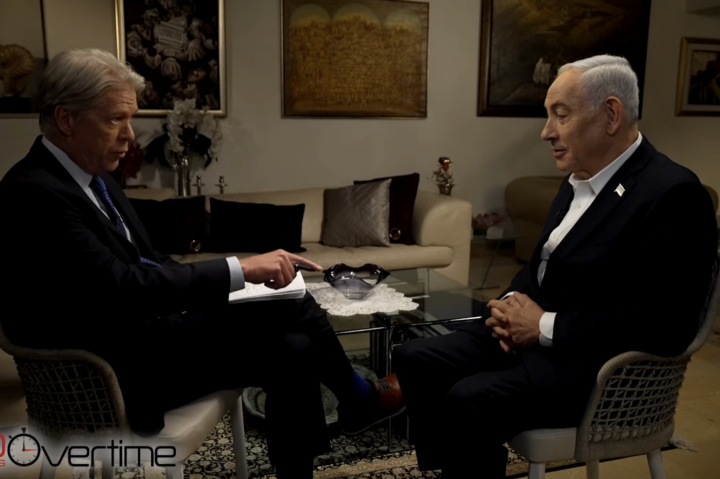
Israeli Prime Minister Benjamin Netanyahu in CBS “60 Minutes” interview with Major Garrett
Israeli Prime Minister Benjamin Netanyahu said in a CBS “60 Minutes” interview on Sunday that the war against Iran is not yet over, in spite of the weekslong ceasefire and assertions by the U.S. administration that the operations that began in February have concluded.
In the interview with Major Garrett, Netanyahu also reiterated his call to end direct U.S. financial aid for Israel over the next 10 years.
Netanyahu said that, while the joint U.S. and Israeli operations in Iran accomplished much, the war is “not over,” with nuclear material still in Iran, and certain Iranian enrichment sites, proxies and ballistic missile efforts surviving.
“We’ve degraded a lot of it. But all that is still there, and there’s work to be done,” he said, adding that any diplomatic agreement with Iran should address all of those areas. Netanyahu said that he would be happy to see an agreement, if it covers those areas, but that both Israel and the United States are prepared to re-engage militarily if it does not.
The Islamic Republic regime, he added, is at its “weakest point” but “it’s not over.” Asked whether there is anyone on the Iranian side capable of negotiating a durable deal, Netanyahu declined to disclose his views publicly, but said he had shared his opinion with Trump.
Netanyahu denied reports that he had assured Trump prior to the beginning of the war that the Iranian regime would fall.
“[We] both agreed that there was both uncertainty and risk involved,” Netanyahu said. “And I remember … I said, and he said that there’s danger in action, in taking action. But there’s greater danger in not taking action.”
Addressing a question about the physical condition and influence of Iran’s supreme leader, Ayatollah Mojtaba Khamenei, who was reportedly seriously wounded at the beginning of the war and has made no public appearances since, Netanyahu said, “I think he is alive.”
“What his condition is, it’s hard to say,” Netanyahu said. “You know, he’s holed up in some bunker or in some secret place and he’s, I think he’s trying to exert his authority. I don’t think he has the same authority that his father had … that’s also creating the disruptions in the regime.”
Asked whether the U.S. and Israel had underestimated the likelihood that Iran would close the Strait of Hormuz, he said that they came to understand the issue over the course of the war. But he argued that Tehran’s decision to close the Strait has proven costly for Iran, in light of the U.S.-imposed blockade.
He also declared that Iran would have had a nuclear weapon now, or within two months, if Israel and the U.S. had not carried out their operations in 2025 and 2026.
“The most pointed success is knocking out 20 top nuclear scientists who were working on the atomic bombs to be used against Israel, America and anyone else,” Netanyahu said.
🇮🇷WATCH: Iran might already have a nuclear bomb, had Israel not launched its two military operations, Israeli PM Netanyahu said on his "60 Minutes" CBS interview.
— Jewish Insider (@jewishinsider) May 11, 2026
Read more here: https://t.co/ABBvkCPGHp pic.twitter.com/chDlNiYKeB
“I think taking out that amount of know-how — it doesn’t eliminate the know-how but it sets them back,” he continued. “Does it mean that they can’t produce a device? No. But it means that if they planned this arsenal of nuclear atomic bombs that they thought they’d have by now — that’s gone, that’s been pushed back, and it’s important they don’t have an atomic arsenal. But they would have had it and we would have faced certain death. So the greatest accomplishment is we’re alive.”
Netanyahu recounted conversations in 2016 and 2024 with Trump in which Trump expressed concern about Iran’s nuclear program. Asked why the U.S. had not acted militarily until 2025, Netanyahu said that Trump had been hopeful that sanctions imposed in his first administration would stop Iran’s nuclear program, but they did not fully do so.
Netanyahu reiterated his call to draw down and ultimately end direct U.S. financial support for Israel over the next decade — despite tensions that his stance has caused with supporters of Israel on both sides of the aisle. He also said he wants to begin drawing down financial support now, rather than waiting for the next Congress, adding that “it could go down very fast.”
Israeli PM Benjamin Netanyahu: "I want to draw down the American support to Israel to zero."
— Jewish Insider (@jewishinsider) May 11, 2026
In a "60 Minutes" CBS interview, Netanyahu reiterated his call to end direct U.S. financial aid for Israel over the next 10 years.
Read more here: https://t.co/4AXZP3RyUc pic.twitter.com/3NI5nWNW47
He said that the future of the relationship should be focused on joint projects equally funded by both Israel and the United States, from which the two countries would share equally. Such a system is how missile defense funding is currently provided, among other projects, but that funding has also come under attack by some in the U.S.
Netanyahu blamed social media, and the manipulation of American social media users by hostile foreign actors using bot farms, for cratering support for Israel among the American people.
“While they’re attacking us with the equivalent of F-35, we’re trying to fight them with a Polish cavalry,” Netanyahu said. “So I think we have to engage on that front, not by censorship but by finding ways that are applicable to democracies. … We have a problem. I recognize it. And we have to get our act together.”
Asked about Gaza, Netanyahu said that Hamas still must be disarmed, demilitarized and deradicalized, and that he has asked the U.S. to provide names of countries that are willing to send in their own troops to carry out that effort, given that Hamas has reneged on its ceasefire obligations. He suggested that Israel may ultimately need to carry out that mission itself.
“If it comes down to us, then we’ll have to do it, but we’ll choose the time and the circumstances in which to do it because we’ve got a few other things,” he said. “But we are not going to let Hamas ever threaten Israel again.”
The Israeli prime minister said that Israel had destroyed more than 90% of Hezbollah’s missile and rocket stockpile, but that the group still maintains thousands of such weapons. He said that an invasion of Lebanon was necessary to prevent a repeat of the Oct. 7, 2023, Hamas incursions into Israel from Israel’s north.
Asked about Russian and Chinese support for Iran during the current war, Netanyahu largely dodged the question. He argued that an emboldened Iran is not in China’s best interests, and said that Russian military support to Iran has “not been a big issue” — while declining to comment on intelligence support, which Moscow has reportedly provided Tehran in the form of targeting data for missile and drone attacks throughout the region.
Jewish Insider’s Israel editor Tamara Zieve contributed to this report.
The defense secretary also alluded to targeting energy infrastructure if Iran doesn’t agree to concessions in order to end the war
AUL LOEB / AFP via Getty Images
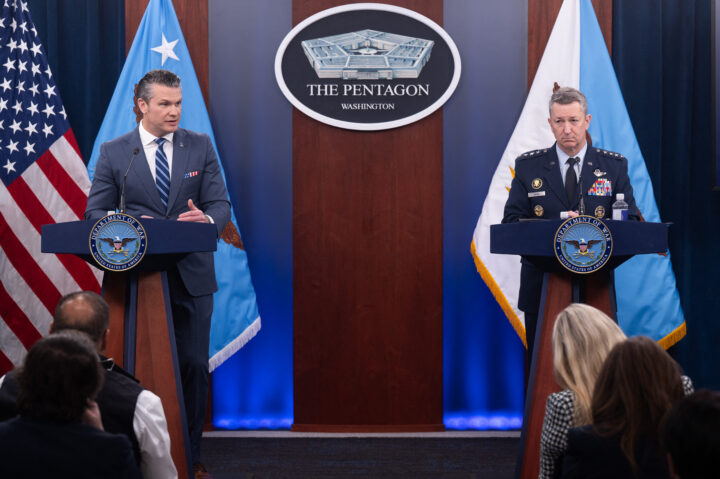
(L/R) Secretary of Defense Pete Hegseth speaks alongside Chairman of the Joint Chiefs of Staff General Dan Caine during a press briefing at the Pentagon in Washington, DC, on April 16, 2026.
Defense Secretary Pete Hegseth warned on Thursday that U.S. forces are “maximally postured” to resume military operations in Iran, and specifically target energy infrastructure, should the country’s current leaders not agree to a negotiated settlement to end the war.
Hegseth made the comments during a press briefing at the Pentagon on Thursday morning alongside Joint Chiefs of Staff Chairman Gen. Dan Caine and Admiral Brad Cooper, the commander of U.S. Central Command. The defense secretary spoke directly to Iranian leadership in his opening remarks, cautioning that while President Donald Trump would “rather not have to” resume operations and go after Iran’s energy industry, the U.S. was prepared to do so if negotiations failed.
“There is an alternative, as our negotiators have said. You, Iran, can choose a prosperous future, a golden bridge, and we hope that you do for the people of Iran. In the meantime, and for as long as it takes, we will maintain this successful blockade,” Hegseth said. “But if Iran chooses poorly, then they will have a blockade and bombs dropping on infrastructure, power and energy.”
Hegseth said that CENTCOM was continuing “to implement an ironclad blockade” and ensuring “that our forces are maximally postured to restart combat operations should this new Iranian regime choose poorly and not agree to a deal. That is what we urge this morning, that this new Iranian regime choose wisely.”
“To the KH [Kataib Hezbollah] leadership and IRGC leadership: We’re watching you. Our capabilities are not the same, our military and yours,” Hegseth said. “Remember, this is not a fair fight, and we know what military assets you are moving and where you are moving them to. While you are digging out — and this is exactly what you’re doing, digging out of bombed out and devastated facilities — we are only getting stronger.”
Caine clarified during his remarks that the U.S. is not blockading the Strait of Hormuz in its entirety; rather, “the U.S. action is a blockade of Iran’s ports and coastline.”
“Let me be clear, this blockade applies to all ships regardless of nationality heading into or from Iranian ports,” Caine said. “Enforcement will occur inside Iran’s territorial seas and in international waters.”
In his message to Iranian leaders, Hegseth emphasized the work U.S. military and intelligence forces have done since the start of the ceasefire to ensure their readiness in the event of diplomatic efforts failing.
“You have no defense industry, no ability to replenish your offensive or defensive capabilities. You only have what you have. You know that and we know that. You can move things around but you can’t actually rebuild. You can dig out for now but you can’t reconstitute,” Hegseth said to the Iranians. “But we can. We are reloading with more power than ever before, and better intelligence, even more importantly better intelligence, than ever before.”
“As you expose yourself with your movement to our watchful eye, we are locked and loaded on your critical dual-use infrastructure, on your remaining power generation and on your energy industry,” he continued. “We would rather not have to do it, but we are ready to go at the command of our president.”
You couldn’t draw up a better test on the degree of Trump’s impact on the Republican Party than examining the results from four states holding highly consequential primaries next month that will be a benchmark of the president’s power
Win McNamee/Getty Images
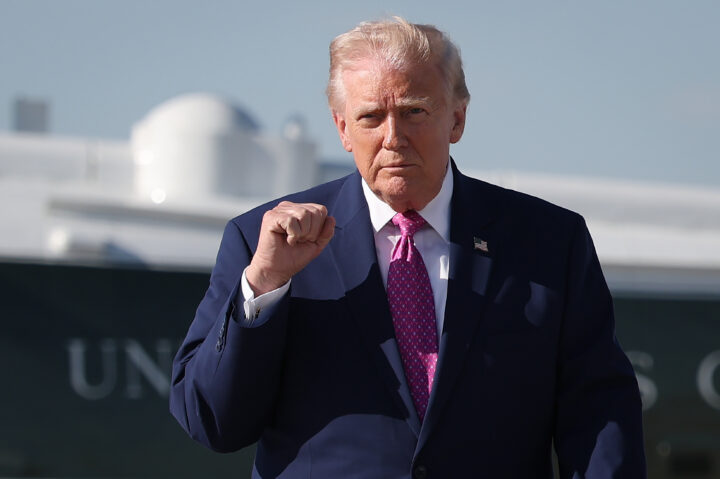
President Donald Trump walks toward reporters before answering questions prior to boarding Air Force One on April 10, 2026 at Joint Base Andrews, Maryland.
There’s been a lot of debate lately over whether President Donald Trump is losing some of his grip on the Republican Party, amid growing economic concerns and the ongoing military operations in Iran.
While the media coverage has been amplifying any sign of intraparty discontent — to the point that former Rep. Marjorie Taylor Greene (R-GA) is getting strange new respect from some Democrats and mainstream press alike — polls continue to show Trump with widespread backing from within his own party, and especially within the MAGA faction of the GOP.
Ultimately, election results are the best reality check. And you couldn’t draw up a better test on the degree of Trump’s impact on the Republican Party than examining the results from four states holding highly consequential primaries next month that will be a benchmark of the president’s power.
Key races in Indiana, Kentucky, Louisiana and Texas will speak volumes about the president’s ability to shape the GOP agenda for the remainder of his second term — and most consequentially, whether he will be able to maintain a unified front with his party on continuing to pursue military action against Iran.
The biggest intraparty showdown, especially when it comes to foreign policy, is the May 19 primary between Rep. Thomas Massie (R-KY) and military veteran Ed Gallrein. Massie, one of the few anti-Israel Republicans in Congress, is being opposed by Trump but also has a solid base of grassroots support in the northern Kentucky district, which has thus far supported his anti-establishment brand of politics. But Gallrein has proven to be a credible challenger, raising millions and giving Massie the biggest political test of his career.
Trump has spent some valuable political capital to boost Gallrein, including appearing at a recent rally in Massie’s district to promote his challenger. He’s been joined by the Republican Jewish Coalition, which has poured $3.5 million into the race, airing five ads underscoring Massie’s record of breaking with Trump. (Further drawing Trump’s ire: Massie also joined with Democrats in championing the release of the Epstein files.)
It’s never easy to beat a sitting incumbent, but Trump also has an imposing record of winning primaries in which he chooses to engage. If Massie pulls out a victory despite breaking so flagrantly with Trump on a number of key issues, it will be a sign of the president’s diminished political clout.
Another high-profile race where Trump’s engagement in a primary hasn’t yet been definitive: Sen. Bill Cassidy’s (R-LA) uphill fight to win renomination against Trump-endorsed Rep. Julia Letlow (R-LA) and state Treasurer John Fleming. The primary will be held on May 16, with the top two finishers heading to a runoff if no one wins a majority of the vote.
Cassidy, largely because of his vote to impeach Trump in 2021, has long faced challenges with the GOP base. Trump, looking to secure Cassidy’s defeat, backed Letlow earlier this year in hopes she’d consolidate the MAGA vote. But Trump’s endorsement hasn’t translated into a groundswell for Letlow, and the presence of Fleming, a former right-wing congressman, has complicated the political math in the primary.
Cassidy looks like a long shot even if he heads to a runoff, and Letlow holds a narrow lead in the limited public polling of the race. But there’s a chance that Fleming could sneak past Letlow on the primary ballot and face Cassidy in a runoff, blocking Trump’s candidate from the race. If that happened, it would be another sign that Trump’s endorsement doesn’t carry the same weight as it once did.
The first Trump test of the month (May 5) will be in Indiana, where the president is trying to punish certain Republican state legislators for not backing a redistricting plan, championed by the White House, which would have allowed the GOP to gain an additional seat.
Finally, it’s the spring race where Trump has remained on the sidelines that may be a signal of his limited political powers. After Sen. John Cornyn (R-TX) finished ahead of Texas Attorney General Ken Paxton in the state’s primary last month, reports indicated the president was close to endorsing Cornyn for reelection, in an effort to prevent an expensive and competitive general election against Democrat James Talarico.
But amid furious pushback from right-wing activists and polls suggesting that a Trump endorsement wouldn’t have moved the needle that much, the president has not gotten involved in the race. That alone speaks volumes about the limited level of the president’s political capital.
Trump boasts a near-perfect record in GOP primaries throughout his decade-long political career, with the most prominent setbacks being in Georgia (working against Gov. Brian Kemp and Secretary of State Brad Raffensperger in 2022). So if the president’s chosen candidates end up falling short in these key contests, it will be a sign that Republicans may already be preparing for the post-Trump era.
The IDF said on Monday that it is planning for 'continued limited, targeted operations,' but there are clear signs that something more expansive is on the way
AFP via Getty Images
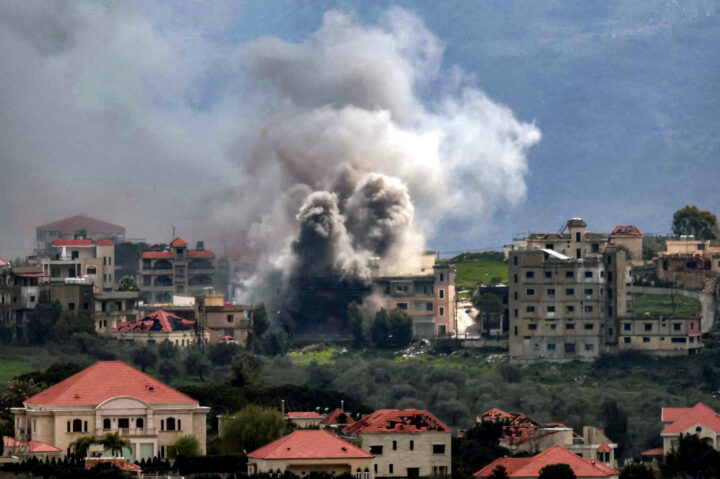
Smoke plumes rise following Israeli bombardment on the village of Khiam in southern Lebanon near the border with Israel, as seen from nearby Marjayoun, on March 16, 2026.
Israel has a long history of conflict and military operations in Lebanon, and the IDF is now preparing for a broader ground incursion against Hezbollah.
What started with Operation Peace in the Galilee in 1982 to eliminate Palestinian Liberation Organization terrorist cells attacking Israel’s north turned into an 18-year military occupation of southern Lebanon. It ended with a retreat under public pressure and a return to power for the enemy — Hezbollah, which was founded soon after the war began. Six years later, Hezbollah abducted two Israeli soldiers, leading to the Second Lebanon War, and the terrorists attacked Israelis in Israel and abroad periodically over the subsequent 17 years.
After Hezbollah joined Hamas in attacking Israel a day after the Oct. 7, 2023, attacks, Israel launched a ground invasion into southern Lebanon and airstrikes against Hezbollah targets throughout the country, most famously killing the terrorist organization’s then-leader Hassan Nasrallah, and conducting its exploding pager operation in the fall of 2024. But a few months after taking out the group’s entire leadership, leaving in place an uncharismatic and apparently flailing Naim Qassem in charge, Israel, at the behest of the Biden administration, reached a ceasefire with Lebanon in November 2024.
According to that ceasefire, the Lebanese government and military were meant to disarm Hezbollah and ensure it stays out of the area south of the Litani River, some 17 miles north of the border with Israel. Late last year, Israel started to voice concerns that Beirut was not keeping its commitments and that Hezbollah was regrouping.
Now, Israelis are experiencing deja vu: Once again, Hezbollah joined an attack on Israel a day later — this time, from its main patron, Iran — and has frequently launched rockets and missiles at Israel’s north. Israel started out with airstrikes in response, then, over a week later, began limited ground incursions into southern Lebanon. The Lebanese government said a million residents — 20% of the country’s population — have been evacuated; the IDF has acknowledged about half that number. Israelis have not been evacuated from Israel’s north — the 2023-2024 policy was unpopular and many residents have not returned — but they are living under constant attack.
The IDF said on Monday that it is planning for “continued limited, targeted operations,” but there are clear signs that something more expansive is on the way. The IDF announced on Tuesday morning that Division 36 forces have joined the expansion of ground operations in southern Lebanon.
IDF Chief of Staff Eyal Zamir said he is sending “additional troops in order to strengthen the forward defensive posture, deepen the damage to Hezbollah and push the threat away from the communities in the north.” According to Israeli Defense Minister Israel Katz, “hundreds of thousands of Shi’ite residents of southern Lebanon … will not return to their homes south of the Litani until the safety of residents of [northern Israel] is ensured.” Katz said Israel will “destroy terrorist infrastructure in the villages abutting the border,” comparing the effort to the war against Hamas in Gaza.
Tal Beeri, head of research for the Alma Center, a think tank focused on Israel’s northern border, and himself a resident of Israel’s north, told Jewish Insider, “We can’t have another [military] campaign every few months or two years. There’s a whole region of Israel that can’t be dragged into war again and again. The blow that Hezbollah must receive right now must be strong enough.”
At the same time, Beeri said he is not under illusions that Israel can eliminate Hezbollah: “Hezbollah is here to stay. It won’t disappear, even if the Iranian regime falls. … It will be much weaker, but it will exist. Therefore, Israel must continue a policy of strategically weakening Hezbollah. … Israel must be prepared to act to stop Hezbollah at any moment in the future.”
Based on the assumption that Hezbollah will survive, but must be kept “small and weak,” Beeri co-wrote Alma Center recommendations that would require long-term Israeli involvement in Lebanon, but less intense and ground-based than the quagmire Israelis remember from the 80s and 90s.
“There needs to be a buffer zone of at least 10 km [6.2 miles] from the border … with no civilian presence, because we learned … the villages become human shields for Hezbollah bases,” Beeri said. “The Lebanese government can’t maintain it.”
Still, he said, while the IDF must retain its current five positions on the Lebanese side of the border, a buffer zone “doesn’t require the permanent, physical presence of the IDF. It requires control that can be remote … with intelligence and observation points. ‘Presence’ doesn’t have to mean one thing; it can be flexible.”
That flexibility should depend on how much responsibility the Lebanese government is able to take for southern Lebanon, once Hezbollah has been disarmed, though Beeri was skeptical that Beirut is able or even will want to do that in the short term — or ever.
For now, Beeri said, “Israel is expanding the [buffer zone] to distance the immediate threat from the north. … It will take time, one way or another.”
Please log in if you already have a subscription, or subscribe to access the latest updates.
 Continue with Google
 Continue with Apple