
























Plus, Sun Valley set lands in Idaho
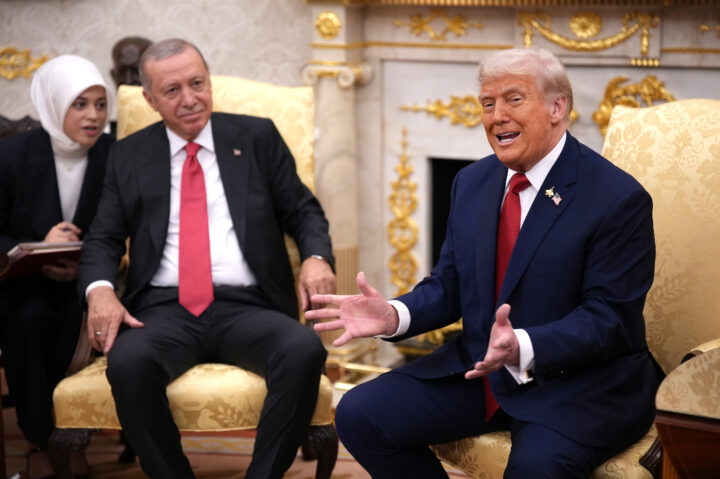
Photo by Andrew Harnik/Getty Images
President Donald Trump delivers remarks during a meeting with President of Turkey Recep Tayyip Erdogan in the Oval Office at the White House on September 25, 2025 in Washington, D.C.


 Add JewishInsider on Google
Good Monday morning.
In today’s Daily Kickoff, we look at how Mallory McMorrow’s departure from the Michigan Democratic Senate primary could impact the race now between Rep. Haley Stevens and Abdul El-Sayed, and report on Gov. Josh Shapiro’s prediction that the Democratic Party will face an ideological “battle” in light of the growing influence of the Democratic Socialists of America. We cover a Democratic effort led by Rep. Dina Titus to block the sale of advanced fighter jets to Turkey, and report on the National Education Association’s protocol changes ahead of the group’s annual convention aimed at avoiding similar allegations of antisemitism that it faced at its conference last year. Also in today’s Daily Kickoff: Eyal Shani, Ruth Cohen Dar and Rep. Yassamin Ansari.
We have also launched a new on-demand Live Briefing that you can access throughout the day via our new app (on Apple and Android) and on our website.
Today’s Daily Kickoff was curated by JI Executive Editor Melissa Weiss and Israel Editor Tamara Zieve, with an assist from Danielle Cohen-Kanik and Marc Rod. Have a tip? Email us here.
What We’re Watching
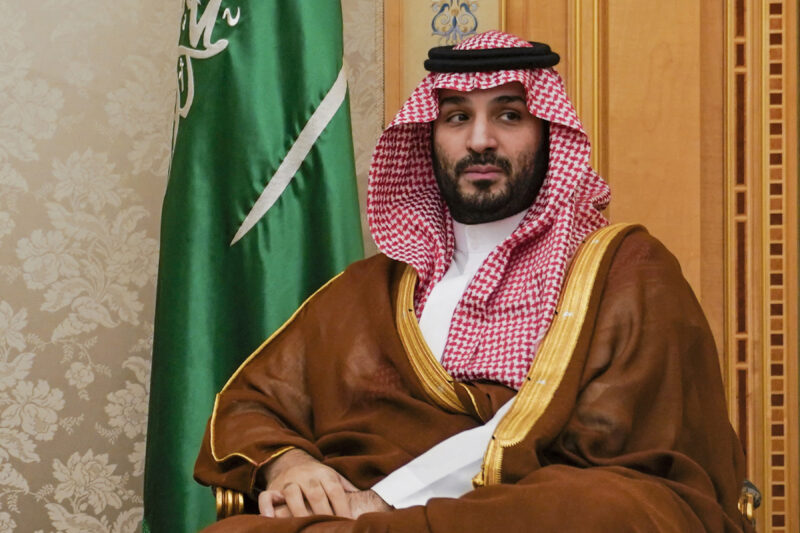
- World leaders — including President Donald Trump — are traveling to Turkey today ahead of the start of the NATO Ankara Summit tomorrow.
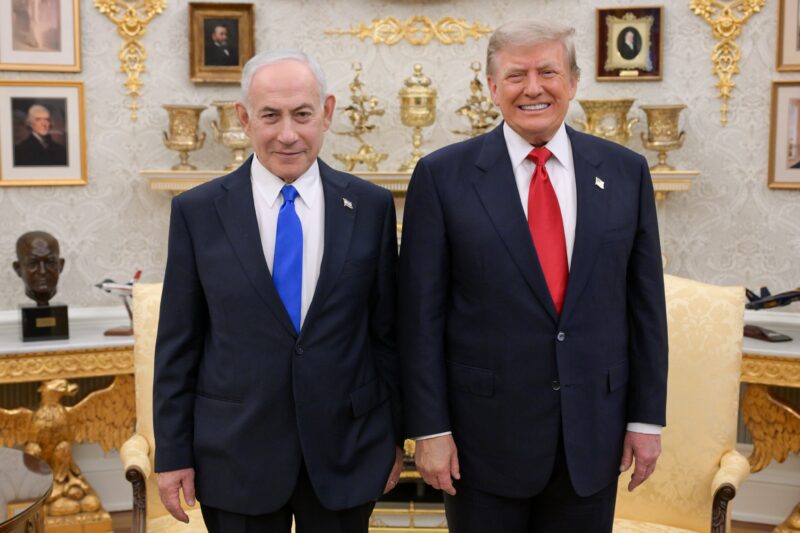
- A number of Israeli officials are reportedly expected to travel to the U.S. in the coming weeks for meetings with their American counterparts amid floundering U.S.-Iran talks. Trump told Axios that Israeli Prime Minister Benjamin Netanyahu had asked for a meeting, which could take place soon after Trump returns from Turkey, while i24News reports that Israeli Foreign Minister Gideon Sa’ar is expected to meet next week in Washington with Secretary of State Marco Rubio.
- Funeral proceedings for former Iranian Supreme Leader Ayatollah Ali Khamenei that began over the weekend continued today with the slain leader’s funeral. Three of Khamenei’s sons have been seen at the ceremonies, though Ayatollah Mojtaba Khamenei, who succeeded his father following an Israeli strike on the first day of the war, has yet to make a public appearance.
- Allen & Co.’s annual Sun Valley retreat is taking place this week in Idaho. Those expected to attend this year include David Ellison, David Zaslav, Barry Diller, Bob Iger, Mark Zuckerberg, Alex Karp, Jeffrey Katzenberg, Bari Weiss, Jared Kushner and Josh Kushner.
- The Christians United For Israel Summit continues today in Washington, with its annual Night to Honor Israel dinner scheduled for tonight.
- In Jerusalem, the National Library of Israel is marking the U.S.’ semiquincentennial with an evening event focused on “Celebrating America at 250.”
- Startup Nation Central founder Wendy Singer will moderate a conversation between Rabbi Abi Dauber Sterne, former Israeli Ambassador to the U.S. Michael Oren and B’nai Jeshurun Senior Rabbi Felicia Sol.
What You Should Know
A QUICK WORD WITH JI’S MARC ROD
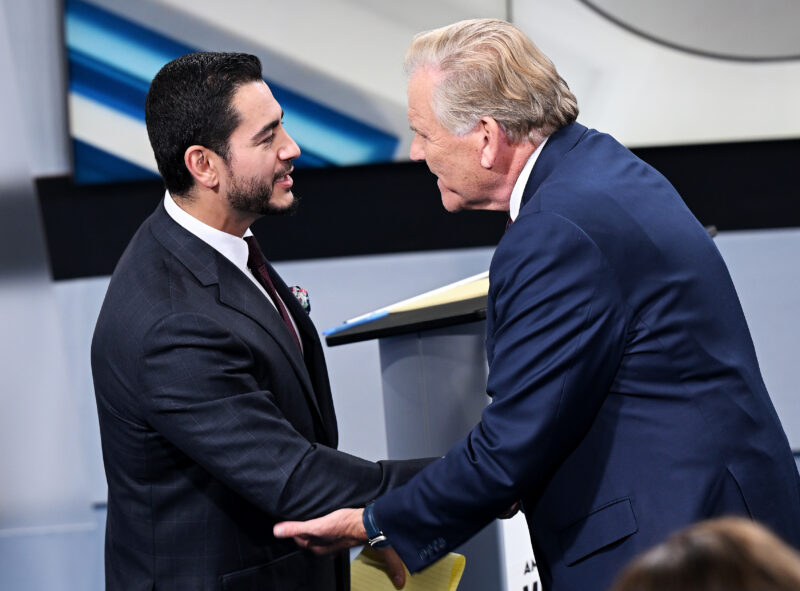
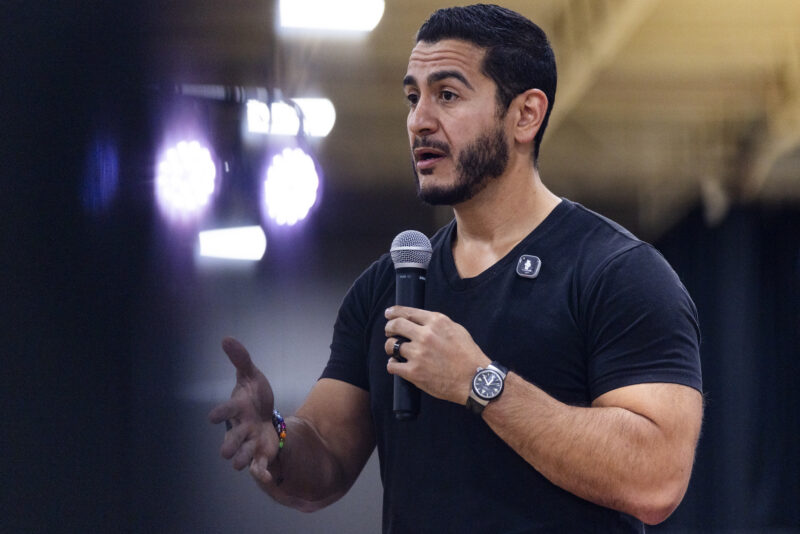
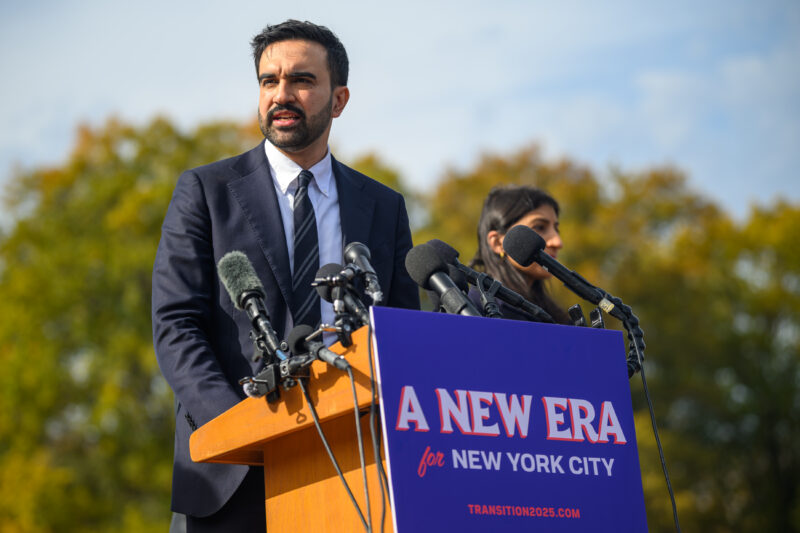
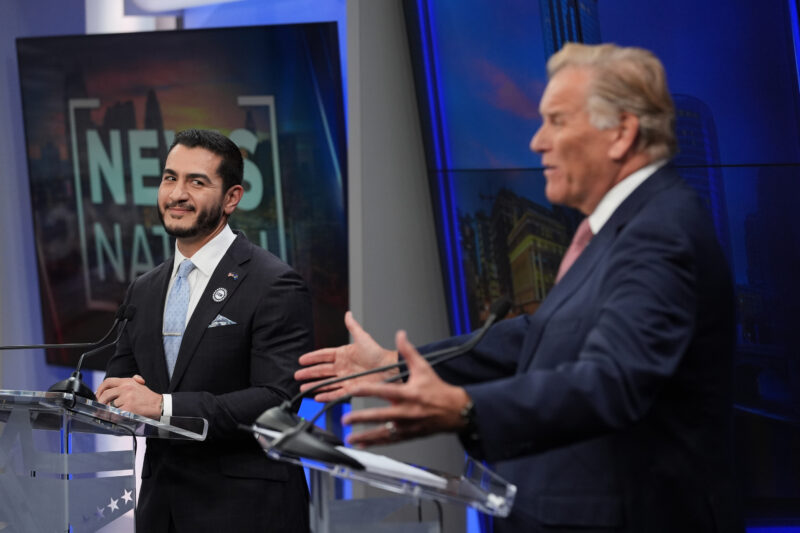
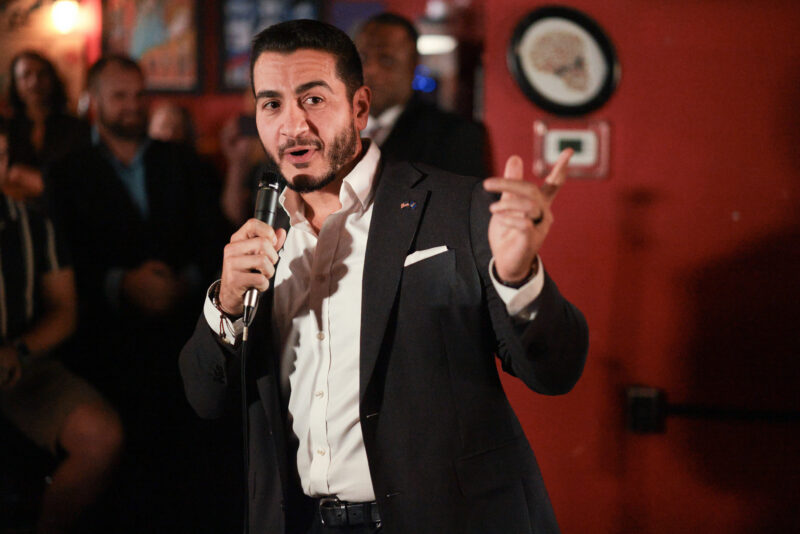
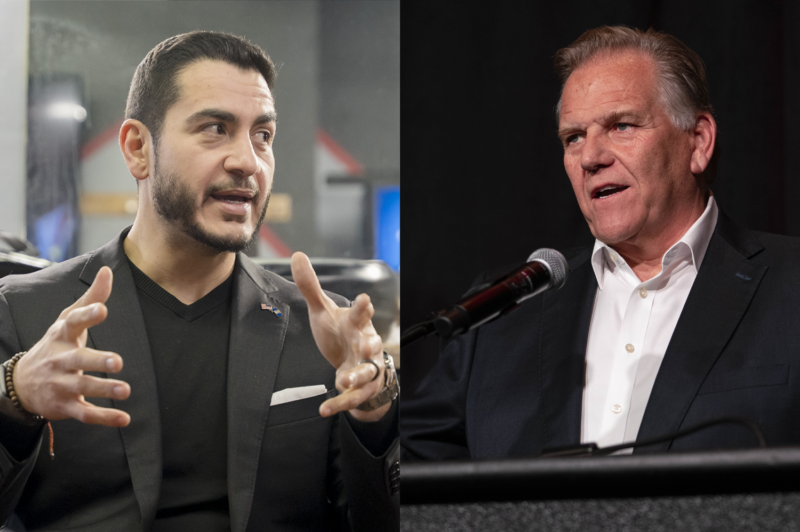
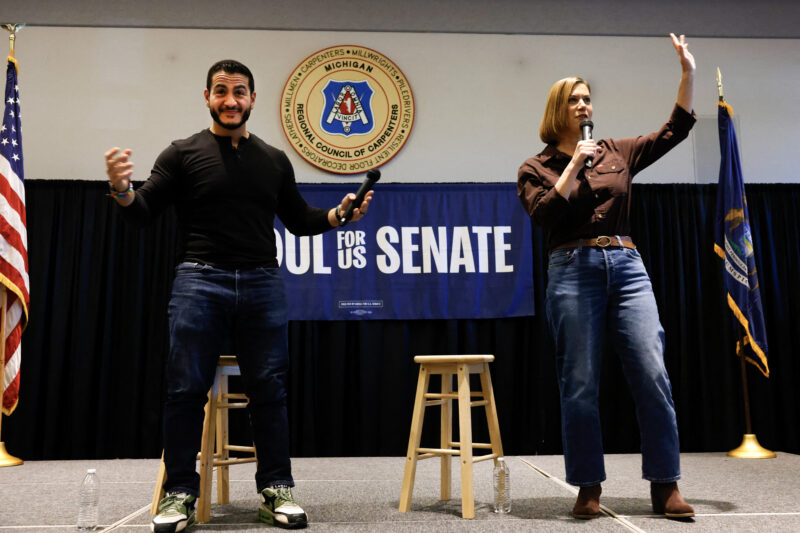
Michigan state Sen. Mallory McMorrow dropped out of the Democratic primary for U.S. Senate on Sunday, narrowing the race to a contest between Rep. Haley Stevens (D-MI) and Abdul El-Sayed, a former public health official.
McMorrow suspended her campaign without endorsing either of her rivals, saying only that “whoever wins this primary on August 4th will have my full support.”
Recent polling has shown a relatively close race between the moderate Stevens and far-left El-Sayed, with El-Sayed leading in several surveys. With McMorrow generally claiming around 10% of the vote in polls, her withdrawal could shift dynamics in the race.
At the same time, mail-in ballots in the state have already been dispatched — with McMorrow’s name still on them.
The end of McMorrow’s campaign marks a significant fall for the up-and-coming state senator, who posted strong performances in early polls but has seen flagging support and enthusiasm in recent months. Her voting base will likely end up divided among both candidates, and both are making efforts to attract her supporters.
McMorrow had sought to carve out a middle ground between Stevens and El-Sayed, running as a somewhat progressive anti-establishment candidate but claiming a more pragmatic lane than El-Sayed, who some Democrats worry will not be electable in a general election against former Rep. Mike Rogers (R-MI), the expected GOP nominee. The race offers the biggest test yet of the progressive, anti-Israel movement’s ability to win in a critical swing state.
BAIT AND SWITCH
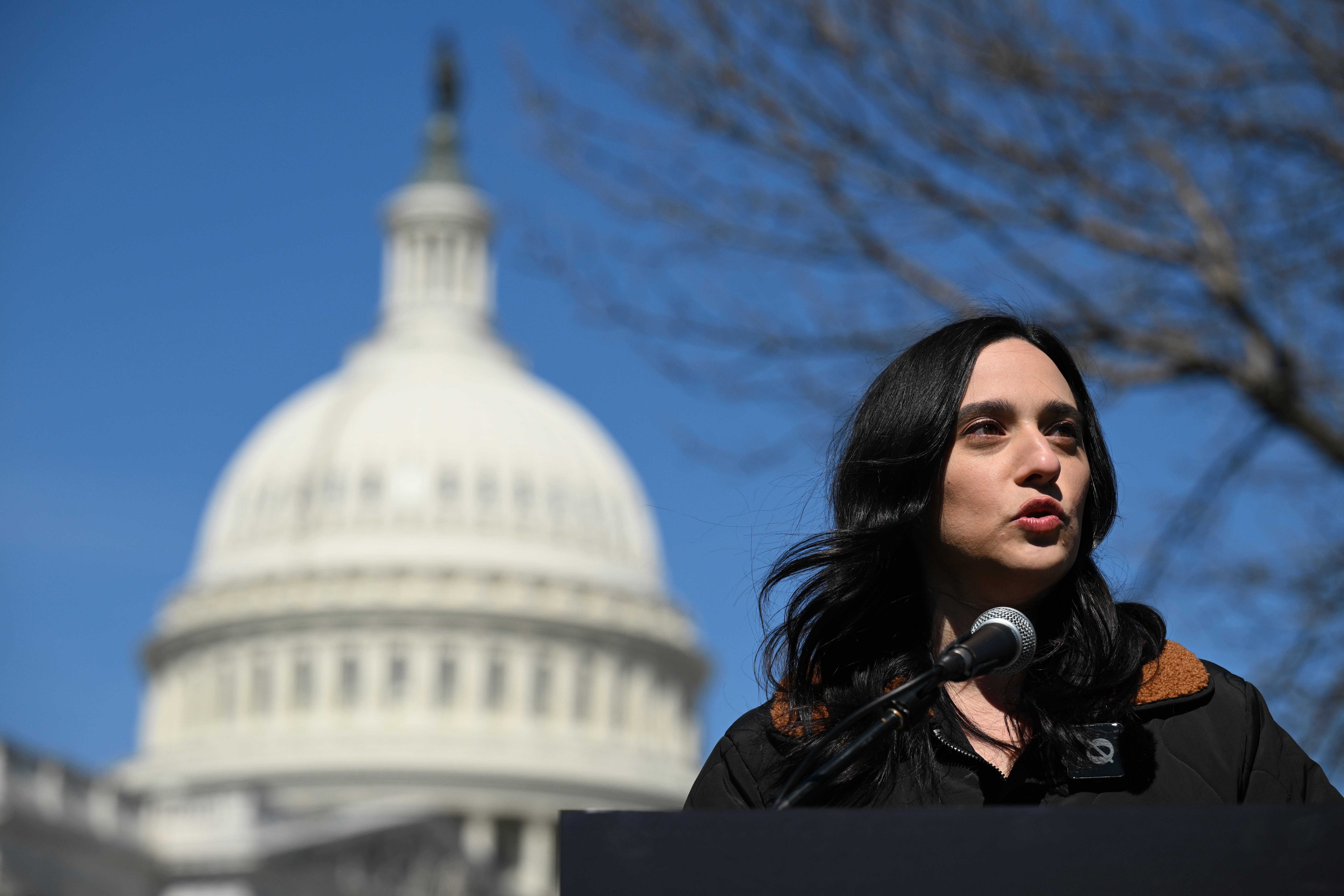
When Rep. Yassamin Ansari (D-AZ) narrowly prevailed in the Democratic primary for an open House seat in Phoenix in 2024, winning by just 39 votes in a deep-blue district, the Arizona lawmaker could attribute her success, in part, to strong backing from the local Jewish community as well as a surge of outside spending from a prominent pro-Israel group. Now, however, Ansari, 34, is aligning with a range of far-left policy positions that have led several Jewish and pro-Israel leaders to feel they were misled, they told Jewish Insider’s Matthew Kassel.
Flip-flop: Alma Hernandez, a Democratic state representative in Tucson who had been one of Ansari’s top Jewish campaign surrogates in the 2024 primary, said she “was really excited for the idea of having someone like” Ansari in office, noting that she attended the congresswoman’s swearing-in ceremony in Washington to demonstrate her solidarity. “I have not talked to her since,” Hernandez said last week in an interview with JI. “I think a lot of folks in the community feel they were really used in a sense,” she added, alleging that Ansari “was very careful with all her words because she wanted the support and the financial backing” in a closely contested race.
NO FLIGHT PLAN

A group of House Democrats introduced a resolution last week that aims to block the sale of advanced jet engines to Turkey, as the Trump administration pushes ahead with the sale despite legal restrictions on U.S. military sales to the country, Jewish Insider’s Marc Rod reports.
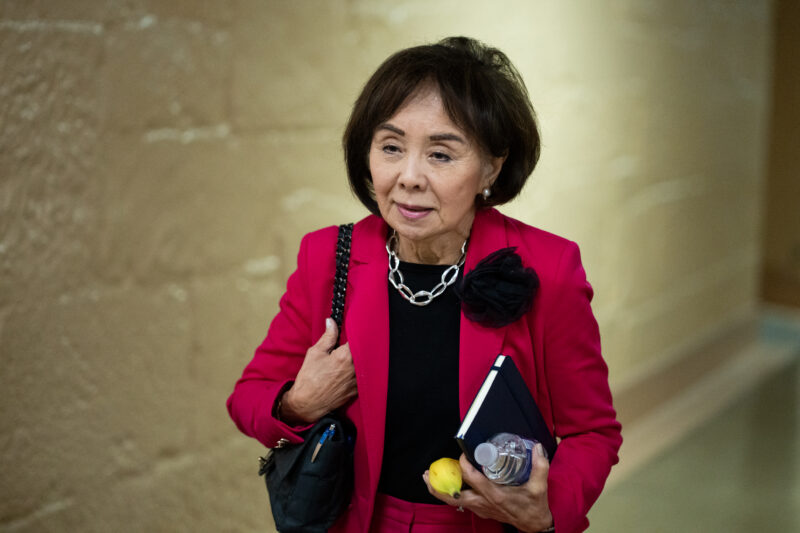
Titus’ take: The resolution is led by Rep. Dina Titus (D-NV), a vocal critic of Ankara, and co-sponsored by Reps. Chris Pappas (D-NH), Brad Schneider (D-IL), Josh Gottheimer (D-NJ), Mike Quigley (D-IL), Jim Costa (D-CA), Jim McGovern (D-MA), George Latimer (D-NY) and Brad Sherman (D-CA). “The regime of Turkish President Erdoğan has made repeated threats of military action against NATO allies and other partner nations throughout the Middle East,” Titus said on X. “I am introducing a Joint Resolution of Disapproval to stop the $700 million sale of F110 jet engines to Turkey which would undermine regional stability and pose a threat to U.S. allies.”
Exclusive: A bipartisan group of House lawmakers wrote to President Donald Trump on Thursday to “express deep concern about any effort to sell F-35s to Turkey.”
FAULT LINES
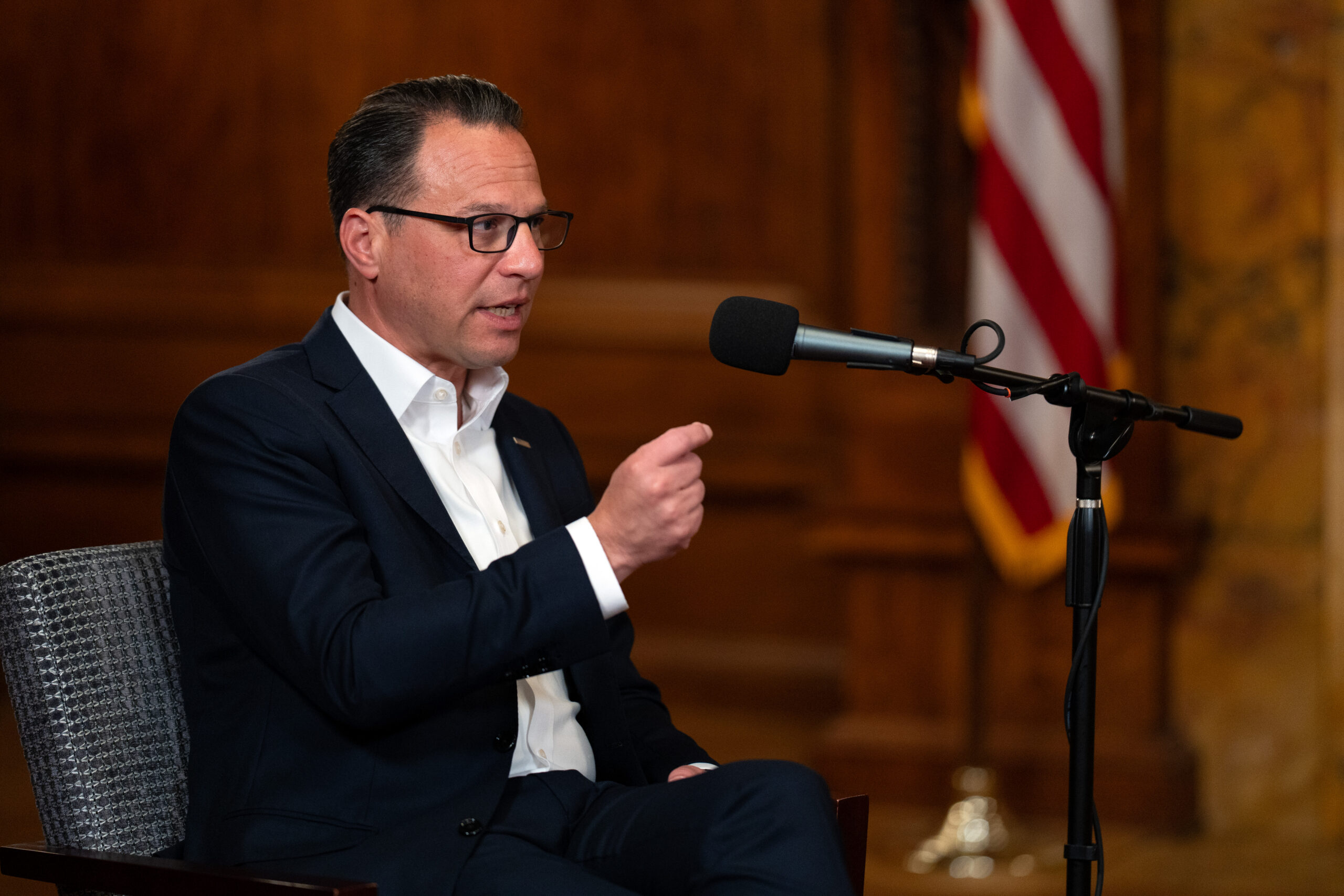
Pennsylvania Gov. Josh Shapiro, a potential 2028 Democratic presidential contender, predicted in a TV interview that aired on Sunday that Democrats will soon face a “battle” over the rising influence of socialists in the party and distanced himself from such far-left candidates, Jewish Insider’s Haley Cohen reports.
What he said: In an interview with CNN’s Dana Bash, Shapiro cited “profound differences” with Darializa Avila Chevalier, a socialist New York City congressional candidate who won her primary last month against incumbent Rep. Adriano Espaillat (D-NY) and was endorsed by New York City Mayor Zohran Mamdani. Avila Chevalier has a history of incendiary online rhetoric, including railing against Democratic leaders and praising communism, and defended attending an anti-Israel rally the day after the Oct. 7 Hamas attacks. “She’s not someone who seemingly I would agree with on many things or that we share similar values. She ran on the Democratic ticket, I guess, as a socialist,” said Shapiro.
Bonus: The Wall Street Journal looks at Avila Chevalier’s swift political rise and primary victory over Espaillat, describing the DSA member as being “at the forefront of a shocking blitz by Democratic socialists that has upended Democratic politics.”
ONLINE ACTION

In a bid to protect Jewish children from rampant antisemitism on the internet, the Jewish Federations of North America is pushing lawmakers to support the KIDS Act, a major bipartisan package of legislation focused on children’s safety online that passed the House late last month by a 267-117 vote, Jewish Insider’s Marc Rod reports.
About the effort: Omer Yarden-Oppenheim, director of government relations at JFNA, told JI that online antisemitism has been a major conversation and challenge for Jewish families, especially since the Oct. 7, 2023, Hamas attacks on Israel. He said the group identified four bills in the House’s online safety push that it felt could play a role in addressing online antisemitism, which were ultimately packaged into the KIDS Act. But the Senate and House remain divided on how best to approach the problem, so roadblocks remain.
TEACHING MOMENT

Following last year’s contentious assembly mired in allegations of antisemitism, the National Education Association — the nation’s largest teachers’ union — adopted new policies for its Denver convention aimed at preventing the same chaos, the NEA confirmed to Jewish Insider’s Haley Cohen.
Details: The new rules for the four-day Representative Assembly, which ends on Tuesday, include stricter conduct enforcement for delegates, electronic voting to prevent shouting on the floor, de-escalation training for staff and regular public reminders of assembly rules, according to the Jewish Council for Public Affairs, which said it worked with the union’s Jewish Affairs Caucus to lobby the NEA for the changes.
ON THE AIR
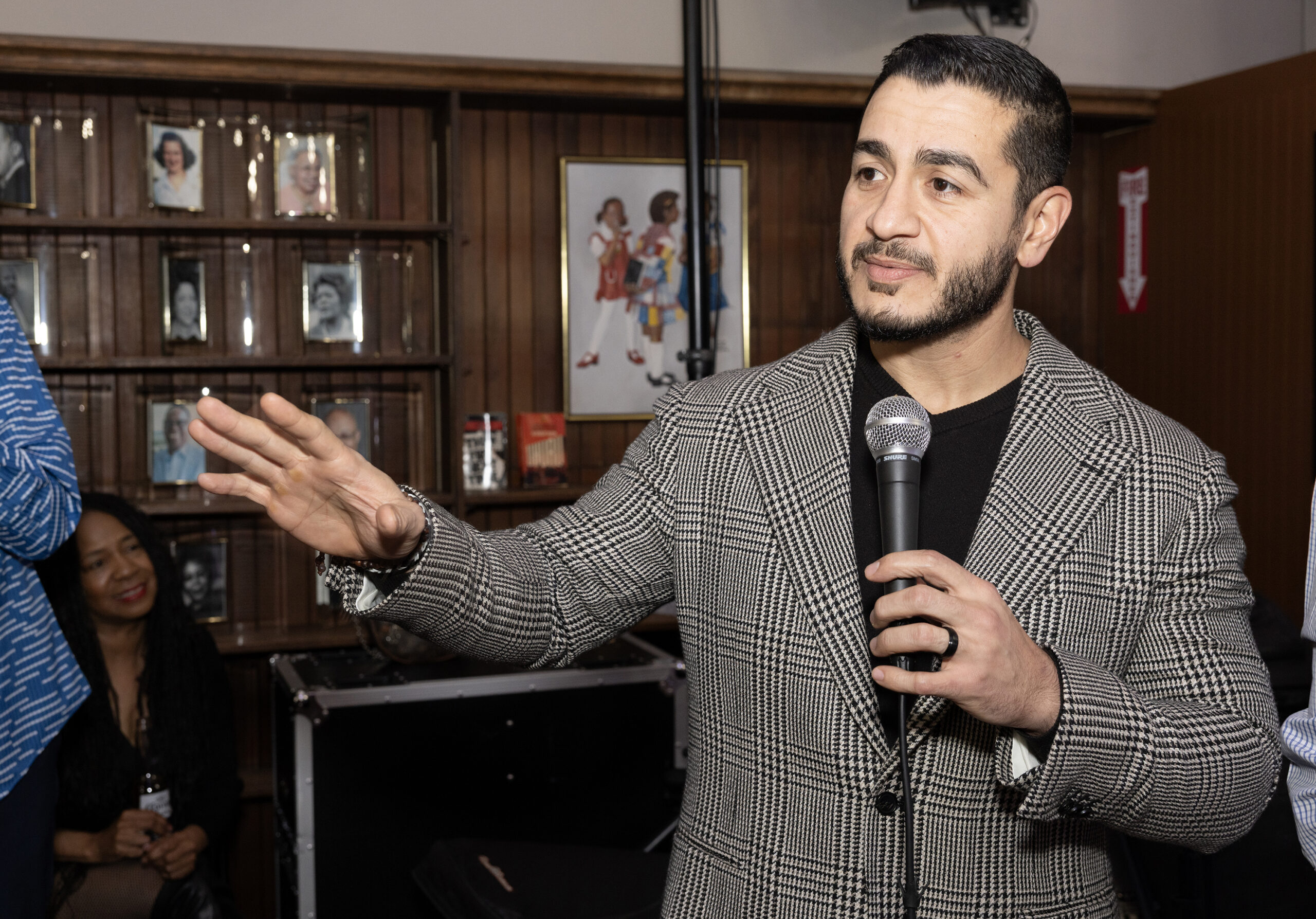
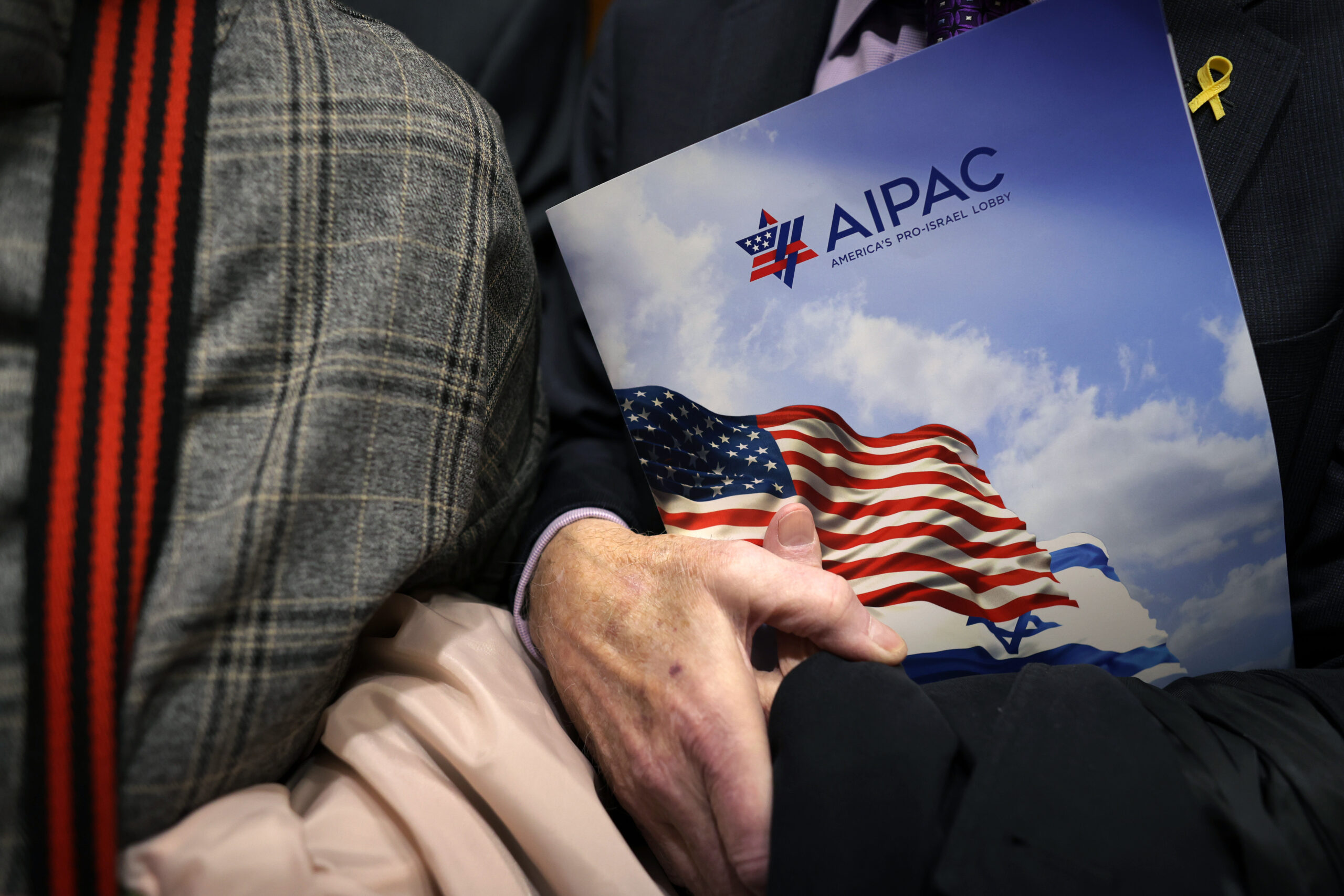
The AIPAC-linked United Democracy Project is launching its first negative ad in the Michigan Senate race, targeting Democratic candidate Abdul El-Sayed, just over a month before the state’s primary elections, Jewish Insider’s Marc Rod reports.
Money moves: According to FEC filings, the group spent more than $2 million in the initial ad buy targeting El-Sayed, a former public health official. The 30-second ad highlights El-Sayed’s “long history of disrespecting women,” including criticisms of former First Lady Michelle Obama and Michigan Gov. Gretchen Whitmer. UDP has spent more than $10 million in the race boosting Rep. Haley Stevens (D-MI).
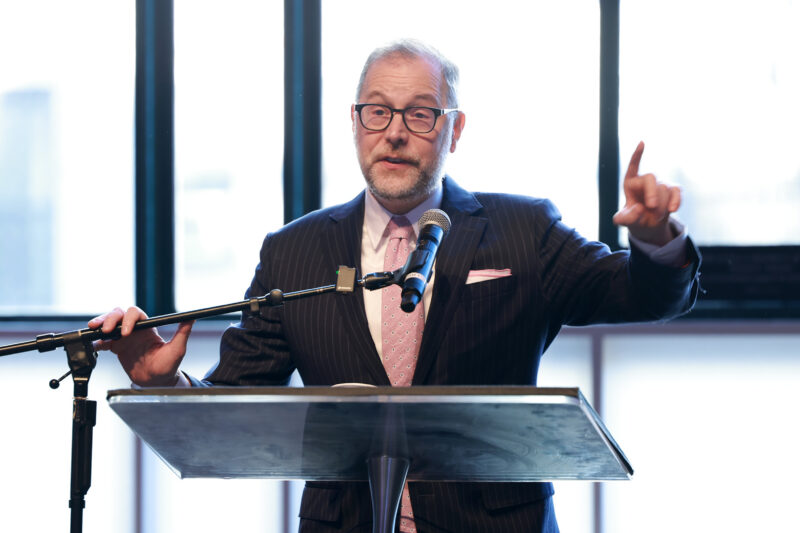
Called out: Colorado Attorney General Phil Weiser, the Democratic nominee for governor, criticized his party’s socialist congressional nominee, Melat Kiros, for her refusal to describe the deadly firebombing of a Boulder, Colo., hostage awareness march last year as an act of antisemitism. “We cannot look at that murder and say anything else happened than a hate crime, and so if someone isn’t going to acknowledge that I’m concerned about that, because this was tried, this was how we have a conviction” for a hate crime, Weiser told 9News, a Denver station, last week.
Worthy Reads
Battle Plan vs. the DSA: In The Wall Street Journal, Mark Penn and Andrew Stein suggest how Democrats can counter the Democratic Socialists of America’s rising influence in the party. “Political-action committees and advocacy groups that have focused on federal races have to realize that the DSA initially focuses on low-turnout local races and nonprofit boards as easy targets. Once in power, its members degrade law enforcement with policies that encourage street vagrancy, drug abuse and higher taxes, fueling more voter anger, which they exploit at election time. Moderate PACs and other groups need a battle plan for every campaign from district attorney to Congress, city council to state legislature.” [WSJ]
Singled Out in San Francisco: In the San Francisco Standard, Eric Kingsbury reflects on a recent incident in which California state Sen. Scott Wiener, who is Jewish, was filmed being heckled as he was forced by demonstrators to leave a transgender march last month. “Connie Chan, his opponent in the congressional race, holds the same positions on Gaza and Israel that Wiener has publicly endorsed, yet she faced no such harassment and marched in peace. If it’s not his record, why is Wiener singled out? It’s because he’s Jewish. And because of that, nothing he can ever do or say will be enough. He will always be held to a different standard. That is antisemitism.” [SFStandard]
The Erdogan Loophole: In Foreign Policy, Steven Cook, a senior fellow at the Council on Foreign Relations, observes the response by Western leaders to Turkish President Recep Tayyip Erdogan’s jailing of political opponents and gutting of the country’s main opposition party. “This is odd, especially given how much time and attention leading Democrats and Republicans have spent on human rights in China, Saudi Arabia, the United Arab Emirates, Cuba, North Korea, and especially Israel.” [ForeignPolicy]
Word on the Street
The Wall Street Journal reports that NASA administrator Jared Isaacman superseded FAA objections to flying vintage Northrop F-5 Tiger II jets in the America 250 air show in Washington over the weekend; Isaacman, whose company owns three planes that were part of the group, said guidelines for planes participating in the flyover differed from rules regarding civilian aircraft that fall under FAA regulations…
Ahead of the start of the NATO summit in Ankara, Turkey, tomorrow, former U.S. Ambassador to Japan Rahm Emanuel, who is mulling a 2028 presidential bid, called for a “23-state solution” in which all Arab countries, including a newly formed Palestinian state, establish “full diplomatic relations” with Israel…
Seven anti-Israel demonstrators arrested during a 2024 protest that shut down traffic on San Francisco’s Golden Gate Bridge were convicted of misdemeanors tied to the incident; the judge overseeing the case declared a mistrial on felony conspiracy charges when jurors were unable to reach a verdict…
The board of the Committee to Protect Journalists voted 17-1 to uphold its existing definition of a journalist that includes members of media groups affiliated with militant organizations “provided they are not engaging in combat or inciting violence in a manner likely to have imminent effect”…
Eyal Shani will open a Los Angeles outpost of his Malka restaurant this summer at the boutique hotel SIXTY Beverly Hills, a year and a half after opening a Miami branch of the popular Tel Aviv eatery, which also has a location in New York…
U.S. Ambassador to France Charles Kushner’s America 250 celebration in Paris — which concluded on Friday before Shabbat — included a fully kosher spread (including kosher wines) and a performance by Italian tenor Andrea Bocelli…
The New York Times spotlights the challenges facing Jewish museums across Europe amid the explosion of antisemitism that followed the Oct. 7, 2023, Hamas terror attacks and ensuing war in Gaza…
A Meta executive denied to Australia’s royal commission investigating antisemitism that the company’s changes to its content moderation rules led to increased instances of antisemitism on its platforms…
Israel’s central bank is expected to cut interest rates to 3.50% from 3.75%, citing the shekel’s strength and inflation expectations…
An American man studying at a seminary in Israel was charged with spying on behalf of Iran in exchange for $1,400 in cryptocurrency; the yeshiva student allegedly took photos of sites and carried out assigned tasks as instructed by a foreign agent operating on behalf of Tehran…
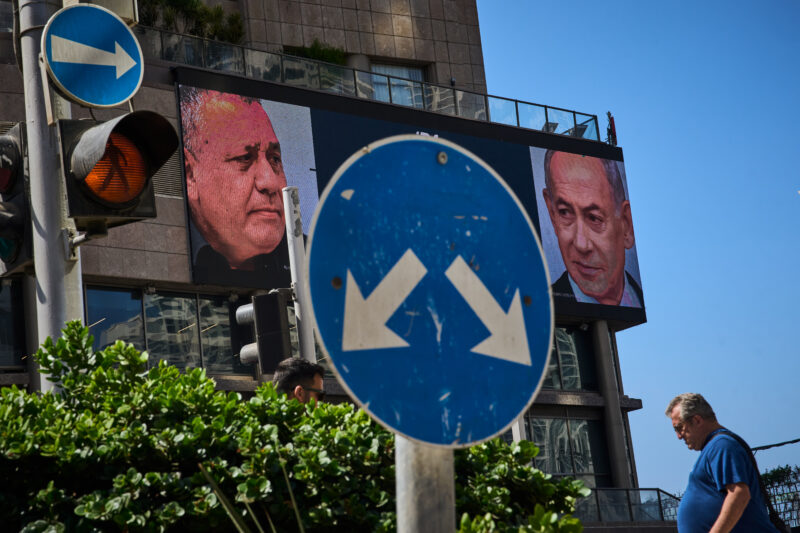
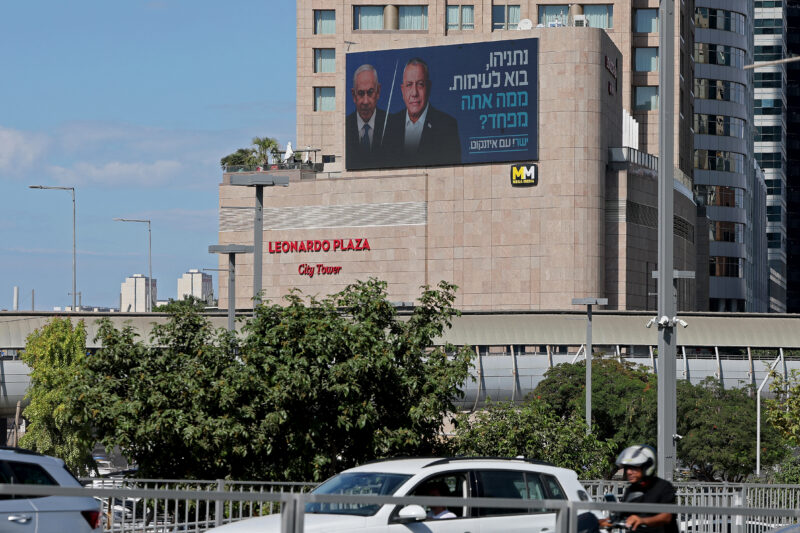
The Wall Street Journal spotlights Gadi Eisenkot as the former IDF chief of staff, who is making his first bid as a party leader, rises in the polls against Prime Minister Benjamin Netanyahu…
Israeli Transportation Minister Miri Regev gave the first Israeli confirmation that the country deployed an Iron Dome battery to the United Arab Emirates during the recent war with Iran; the deployment was previously reported by Axios and also confirmed by U.S. Ambassador to Israel Mike Huckabee…
The Israeli government voted unanimously to appoint Ruth Cohen Dar — who serves as nonresident ambassador to Slovenia and Malta — to be Jerusalem’s first permanent envoy in Slovenia, following Foreign Minister Gideon Sa’ar’s announcement that Israel will open an embassy in the country…
The Israeli Cabinet rejected a Supreme Court decision striking down the government’s creation of an alternative television regulating body as it works to block the sale of Channel 13 to a group led by Assaf Rappaport, a Netanyahu critic…
Judah Gribetz, a longtime New York political aide who played a key role in restituting $1.25 billion to Holocaust survivors and later served as president of the Jewish Community Relations Council of New York, died at 97…
Geneticist Stanley Gartler, whose work advanced research into the origins and growth of cancerous tumors, died at 102…
Find on-demand Live Briefing updates throughout the day via our new app (on Apple and Android) and website.
Pic of the Day

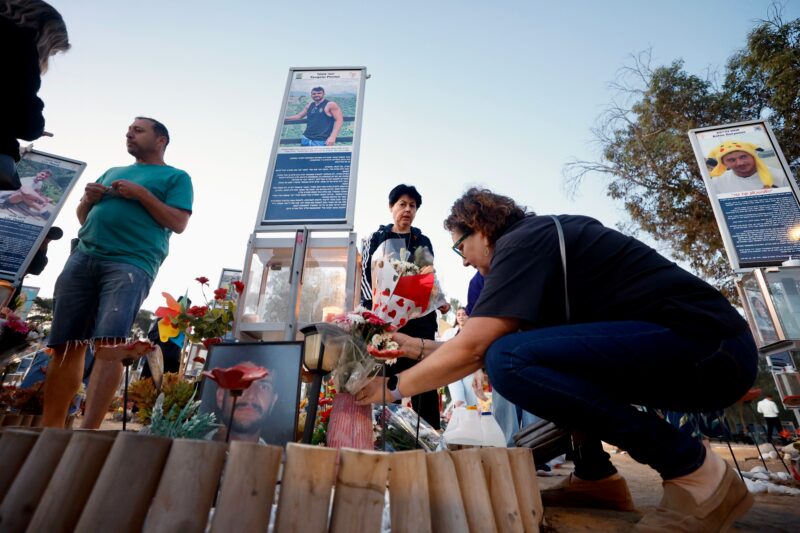
Former Israeli hostages Sasha Trufanov and Sapir Cohen, who were kidnapped from Kibbutz Nir Oz during Hamas’ Oct. 7, 2023, attacks, were married on Sunday outside of Netanya. The couple walked down the aisle to Idan Raichel’s “Mi’Ma’amakim” — “Out of the Depths.”
Those in attendance included former hostages Arbel Yehud, Ariel Cunio, Shani Goren, Moran Stella Yanai, Rom Braslavsky, Eitan Horn and Daniel Aloni, as well as Israeli President Isaac Herzog, who had previously said he wouldn’t attend any weddings until all of the hostages had been released.
Birthdays

Founder of Tumblr, which he sold to Yahoo in 2013 for $1.1 billion, David Karp turns 40…
Chairman of NYC-based GFP Real Estate, Jeffrey Robert Gural turns 84… 43rd president of the United States from 2001 to 2009, George W. Bush turns 80… Former member of the Knesset for the National Religious Party, Yitzhak Levy turns 79… Lobbyist and former president of AIPAC, Marshall Aaron Brachman… Journalist, pundit and author, known for writing the blog “Kausfiles,” Robert Michael “Mickey” Kaus turns 75… Israeli cryptographer, he is a co-inventor of the RSA algorithm and one of the inventors of differential cryptanalysis, Adi Shamir turns 74… Sole member of the Knesset for the Noam party, Avigdor “Avi” Maoz turns 70… Founder of Kehilas Pnei Menachem, a breakaway in 2019 from the Ger Hasidic dynasty, Rabbi Shaul Alter turns 69… Professor of Bible at JTS and former senior fellow at the Shalom Hartman Institute of North America, Benjamin D. Sommer turns 62… Partner at SKDK, she served as a board member of Jewish Foundation for Group Homes (now known as Makom), Jill Zuckman… CEO of Holocaust Museum LA, Beth Kean… Widow of Beau Biden, she is the board chair of the Beau Biden Foundation, Hallie Olivere Biden turns 53… Stand-up comedian, writer and actor, Mark Moshe Kasher turns 47… British actor, Louisa Clein turns 47… Former chief of staff on the Hill, now CoS at Blue Frontier, Shira Siegel… Israeli freestyle wrestler, she was born on the day her parents made aliyah, Ilana Kratysh turns 36… Postdoctoral research fellow at Emory University, Josh Lipson… Jeannie Gerzon…
Recent polling has shown a relatively close race between the moderate Stevens and far-left El-Sayed, with El-Sayed leading in several surveys
Jim West/UCG/Universal Images Group via Getty Images
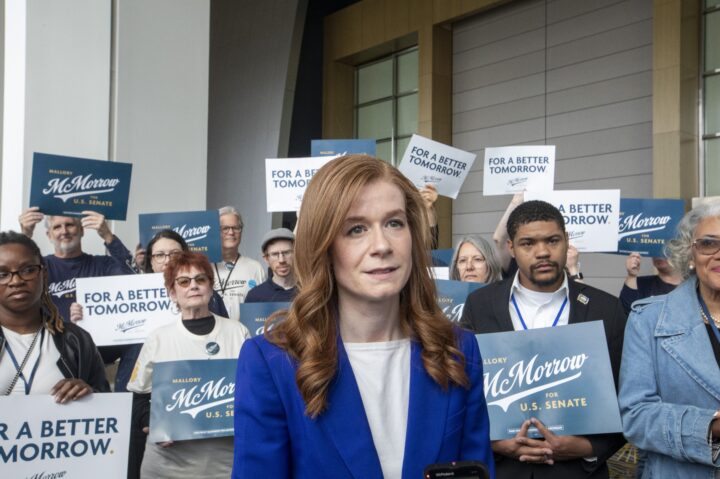
Mallory McMorrow, a candidate for U.S. Senate, campaigns at the Michigan Democratic Nominating Convention
Michigan state Sen. Mallory McMorrow dropped out of the Democratic primary for U.S. Senate on Sunday, narrowing the race to a contest between Rep. Haley Stevens (D-MI) and Abdul El-Sayed, a former public health official.
McMorrow suspended her campaign without endorsing either of her rivals, saying only that “whoever wins this primary on August 4th will have my full support.”
Recent polling has shown a relatively close race between the moderate Stevens and far-left El-Sayed, with El-Sayed leading in several surveys. With McMorrow generally claiming around 10% of the vote in polls, her withdrawal could shift dynamics in the race.
At the same time, mail-in ballots in the state have already been dispatched — with McMorrow’s name still on them.
The end of McMorrow’s campaign marks a significant fall for the up-and-coming state senator, who posted strong performances in early polls but has seen flagging support and enthusiasm in recent months.
McMorrow’s voting base will likely end up divided among both candidates, and both are making efforts to attract her supporters.
McMorrow had sought to carve out a middle ground between Stevens and El-Sayed, running as a somewhat progressive anti-establishment candidate but claiming a more pragmatic lane than El-Sayed, who some Democrats worry will not be electable in a general election against former Rep. Mike Rogers (R-MI), the expected GOP nominee.
That positioning extended to the tightrope she tried to walk on Israel policy issues, criticizing Israel and agreeing with those who characterized the war in Gaza as a genocide while also condemning antisemitism in the anti-Israel movement.
Democrats who backed McMorrow for electability reasons, and some female voters, will likely end up in Stevens’ camp. But others, who were attracted by McMorrow’s anti-establishment message and more progressive posture than Stevens, will likely move toward El-Sayed. El-Sayed is also likely to pick up those voters turned off by Stevens’ staunch support for Israel — to the extent such voters hadn’t already abandoned McMorrow.
In her statement on McMorrow’s withdrawal, Stevens said she plans to continue to make her case that she’s “the strongest Democrat to defeat Mike Rogers.” In his statement, El-Sayed emphasized, “we cannot allow the establishment to decide our nominee for us.”
McMorrow’s withdrawal from the race may give space for Michigan’s political establishment to coalesce behind Stevens to block El-Sayed. Shortly after McMorrow dropped out, Attorney General Dana Nessel endorsed Stevens, saying that the “choice is clear.”
Former Sen. Debbie Stabenow (D-MI) previously endorsed Stevens, who has also been privately backed by Senate Minority Leader Chuck Schumer (D-NY).
Also in the wake of McMorrow’s decision, Republicans have continued to work to boost El-Sayed. Sen. Bernie Moreno (R-OH) accused Washington Democrats of “working overtime to stack the deck against” El-Sayed and boost Stevens.
Outside spending will also likely play a significant role in shaping the final month of the campaign. The AIPAC-linked United Democracy Project super PAC has already spent more than $10 million in the race, launching its first negative ads attacking El-Sayed late last week.
And after McMorrow withdrew from the field, the anti-Israel American Priorities super PAC told Politico it is “fully committed” to ensuring El-Sayed is the Democratic nominee “and we will do what it takes to get there” — the biggest test yet of the progressive, anti-Israel movement’s ability to win in a critical swing state.
The state lawmaker did not offer an endorsement of either of her former Democratic primary rivals, Rep. Haley Stevens and Abdul El-Sayed
Jacek Boczarski/Anadolu via Getty Images
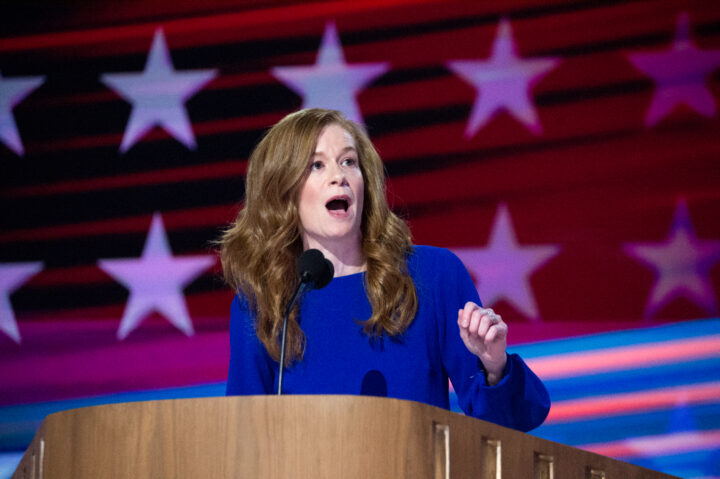
State Sen. Mallory McMorrow, a Democrat from Michigan speaks during the 2024 Democratic National Convention in Chicago, Illinois, United States on August 19, 2024.
Michigan state Sen. Mallory McMorrow dropped out of the Democratic primary for U.S. Senate on Sunday, without offering her support to either of her opponents in the hotly contested race.
“Here’s what we do next. Every day through November 3rd. We win this Senate seat and send Mike Rogers back to Florida for good,” McMorrow wrote in her announcement on X, referring to the expected GOP nominee.
“Whoever wins this primary on August 4th will have my full support,” she continued, declining to endorse either Rep. Haley Stevens (D-MI) or Abdul El-Sayed.
Fundraising figures released at the end of the first quarter of the year showed Stevens trailing El-Sayed in fundraising but having the most cash on hand, at $3.4 million to El-Sayed’s $2.5 million. El-Sayed has held a slight lead in the latest polls.
Following McMorrow’s announcement, Michigan Attorney General Dana Nessel, a Jewish Democrat, said the “choice is clear” and “wholeheartedly” issued her endorsement of Stevens.
Stevens also has the backing of other Democratic leaders including Senate Minority Leader Chuck Schumer (D-NY) and former Sen. Debbie Stabenow (D-MI).
El-Sayed, meanwhile, is backed by leading progressives including Sens. Bernie Sanders (I-VT) and Chris Van Hollen (D-MD), and Rep. Alexandria Ocasio-Cortez (D-NY). Last week, the AIPAC-linked United Democracy Project super PAC, which has boosted Stevens with more than $10 million, issued its first negative ad against El-Sayed.
Meanwhile, Rep. Haley Stevens avoided a question about receiving support from pro-Israel donors, while Abdul El-Sayed blamed rising antisemitism on white supremacy
Jim West/UCG/Universal Images Group via Getty Images
Mallory McMorrow, a candidate for U.S. Senate, campaigns at the Michigan Democratic Nominating Convention
State Sen. Mallory McMorrow offered a straightforward answer when asked at a debate on Thursday, alongside the other two Democrats vying for an open Senate seat in Michigan, whether there is an antisemitism problem in the Democratic Party.
“There is,” said McMorrow. She told the story of an attendee at last month’s Democratic Party convention in Detroit who yelled an antisemitic slur at her Jewish husband, in front of their young daughter.
“That is terrifying. We need to be able to state very clearly that what the Netanyahu government is doing is wrong, that the violence needs to end, that we need to bring about long-term peace and security for Palestinians and for Israelis, and that turning that into not an anti-Netanyahu, but an anti-American Jewish message is dangerous,” McMorrow said, earning applause from the room.
The other two candidates — Rep. Haley Stevens (D-MI) and former public health official Abdul El-Sayed — did not directly address the question about Democrats.
Stevens condemned “rising political violence and extremism,” including the attack at Temple Israel in West Bloomfield, in her district, which she said was carried out by a “homegrown terrorist.” She described herself as a lawmaker who is “leading on combating antisemitism in a bipartisan way. That does not have to be a partisan thing.”
El-Sayed said he understands discrimination because he has faced it himself. He blamed antisemitism in the U.S. on white supremacy.
“I know that antisemitism and Islamophobia tend to go hand in hand, and the real issue when it comes to either of them is the scourge of white supremacy,” he said, while arguing that respecting American Jews does not require supporting Israel.
The Democratic primary for the open Senate seat in Michigan is one of the most contentious in the country, and antisemitism has become a major issue, alongside U.S. foreign policy and support for Israel. It is perhaps the most high-profile seat where debates about the role of AIPAC might actually have an impact on the outcome.
Stevens, a longtime ally of the pro-Israel group, was the early frontrunner in the race but has faced attacks from her opponents for not criticizing AIPAC.
Presented with an opportunity on Thursday in a primary debate to help voters understand why she continues to receive support from the pro-Israel advocacy group, Stevens chose not to speak about the group at all.
“You take money from AIPAC. Walk us through what that money means and what it buys, and maybe what it doesn’t,” one of the debate’s moderators asked Stevens, as part of a question about how much influence individual donors have over their decisions.
“Michiganders are frustrated because we have not done comprehensive campaign finance reform. Mike Rogers will not vote for comprehensive campaign finance reform like I have in the House of Representatives,” Stevens said, referring to former Rep. Mike Rogers (R-MI), the expected GOP nominee for Senate. “We squarely need to put people at the front of our agenda.”
She also said she is “deeply proud to have grassroots support coming from grocery clerk workers to retired teachers to factory workers and the like,” and named some of the politicians who have endorsed her, including former Rep. Brenda Lawrence (D-MI), former Sen. Debbie Stabenow (D-MI) and former Gov. Jennifer Granholm.
When asked about her views on foreign policy, Stevens attacked President Donald Trump for the “harmful and ridiculous” steps he took to pare back U.S. humanitarian aid abroad, and pledged to focus on peace.
“We need to see the United States work with our allies to achieve lasting peace between Russia and Ukraine, between the people of Israel and Palestine and of course between China and Taiwan,” said Stevens. “But when you remove the tools from our tool kit, you fail this country and you fail us, to allow us to work alongside our allies.”
Both McMorrow and El-Sayed used Thursday’s debate to remind voters that they do not accept donations from AIPAC. (AIPAC has not made an endorsement in the Senate race, but it has encouraged its supporters to donate to Stevens’ campaign.)
“I have not taken a dime of corporate PAC donations. I have not taken a dime of AIPAC donations,” said McMorrow, who is endorsed by the progressive Israel advocacy group J Street.
El-Sayed, who regularly accuses Israel of genocide and has said he struggles with the question of whether Israel has the right to exist as a Jewish state, slammed Stevens for taking AIPAC supporters’ donations.
“Let me tell you what absolutely would not shape my perception [of foreign policy]: it’s AIPAC money,” said El-Sayed.
The move is intended to block Abdul El-Sayed’s path to victory, though a divided mainstream vote could help the anti-Israel candidate
MANDEL NGAN/AFP via Getty Images & Andrew Roth/Sipa USA
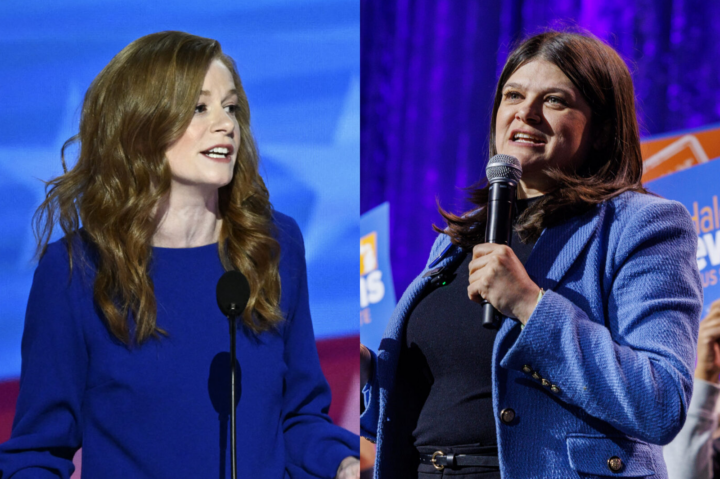
Mallory McMorrow and Haley Stevens
The Jewish Democratic Council of America announced a dual endorsement on Wednesday of Rep. Haley Stevens (D-MI) and state Sen. Mallory McMorrow in Michigan’s three-way Senate Democratic primary, saying “there are two candidates who stand with our community on issues of importance to Jewish voters, and there is one who does not.”
“It is because of this stark contrast of the views and values of Haley Stevens and Mallory McMorrow, compared to those of Abdul El-Sayed,” a vocal critic of Israel who has captured the enthusiasm of the far left, “that we are taking the distinct opportunity to endorse two candidates,” Halie Soifer, JDCA’s CEO, said in a statement.
The decision to issue a dual endorsement is rare for JDCA, which has long supported Stevens, a moderate pro-Israel Democrat who is favored by establishment leaders as well as AIPAC. In recent days, Stevens has won a series of major endorsements from Sen. Chris Coons (D-DE), former Sen. Debbie Stabenow (D-MI) and former Michigan Gov. Jennifer Granholm, with under three months until the August 4 primary seen as key to reclaiming the party’s majority in the upper chamber.
McMorrow, who has backed efforts to restrict arms sales to Israel and called its military conduct in Gaza a genocide while also reaching out to Jewish voters in the state, stands to to the left of JDCA on Middle East policy, which backs continued U.S. aid to Israel “with no cuts or conditions,” its website states.
In an interview with Jewish Insider, Soifer said the group had weighed those differences and engaged in “extensive conversations with McMorrow” as it made its endorsement.
“Given the fact that her views on this issue stood in such contrast with those of Abdul El-Sayed,” who has drawn criticism for campaigning with Hasan Piker, a Twitch streamer who regularly espouses antisemitic rhetoric, “we felt that it was important to send a clear message that either Stevens or McMorrow would” be preferable, Soifer explained on Wednesday.
McMorrow and Stevens have criticized El-Sayed for appearing with Piker, whose rhetoric he has refused to denounce. El-Sayed, who has been rising in recent polls — including one earlier this month in which he held a 10-point lead over his two primary opponents — has also side-stepped questions about Israel’s right to exist and said the Israeli government is just as evil as Hamas, among other inflammatory comments that have raised alarms among Jewish voters in the state.
While Soifer acknowledged concerns that Stevens and McMorrow could end up splitting the vote and inadvertently propelling El-Sayed to the nomination, she told JI the dual endorsement was meant to reflect JDCA’s broader assessment of the stakes of the race.
El-Sayed “stands alone among the most anti-Israel candidates who are running this cycle,” Soifer said, calling him an “unacceptable choice” in a state home to a sizable Jewish community.
“We wanted to send a clear message that he is a threat both to Democrats and the chances of holding onto that Senate seat,” she added. “It is our interest to ensure he is defeated.”
Polling has indicated that the general election — where Democrats are now expected to face former Rep. Mike Rogers (R-MI) — will be competitive.
JDCA has endorsed more than 120 candidates this election cycle. The group has so far notably refrained from offering its imprimatur to Graham Platner, the presumptive Senate Democratic nominee in Maine who has faced scrutiny over a Nazi tattoo he recently covered up and other personal controversies linked to his past online statements.
According to Soifer, JDCA plans to spend “at least six figures” in the Michigan Senate race, but she said she was not yet ready to share additional details about its strategy.
In an interview with leftist podcasters Matt Bernstein and Emma Vigeland, the Michigan Senate candidate backed Israel’s access to Iron Dome systems, suggested Palestinians should also have them
MANDEL NGAN/AFP via Getty Images
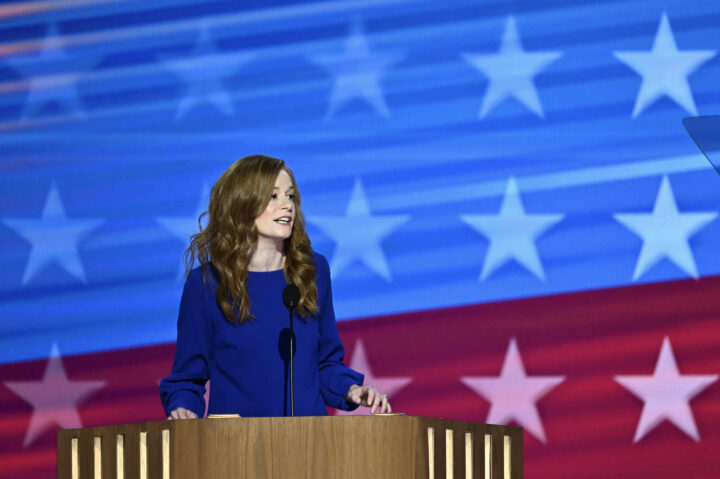
Michigan state Sen. Mallory McMorrow speaks on the first day of the Democratic National Convention (DNC) at the United Center in Chicago, Illinois, on August 19, 2024.
In the tight Michigan Senate race, state Sen. Mallory McMorrow has tried to present herself as a middle-of-the-road Democrat, ideologically situated between Abdul El-Sayed, an anti-Israel progressive, and Rep. Haley Stevens (D-MI), who has been endorsed by AIPAC.
In a recent interview with leftist podcasters Matt Bernstein and Emma Vigeland, McMorrow continued to position herself as an objective observer of the Israeli-Palestinian conflict — and said it’s worth discussing whether the Palestinians should also have access to the Israeli-developed Iron Dome missile-defense technology, which the U.S. partially funds for Israel.
Bernstein, the host of the queer political podcast “A Bit Fruity,” questioned McMorrow about why she supports Israel’s access to the life-saving Iron Dome systems, arguing that it empowers Israel to attack Palestinians without risk of harm to its own population, which is protected by the systems.
While highly effective, the Iron Dome does not provide complete protection and Israelis have continued to be killed and wounded throughout the conflict.
“I don’t think anybody should live in fear of being bombed or killed. I would look at: How do we support defensive systems for Palestinians? How would we support defensive systems for Lebanese?” McMorrow said. When Vigeland sarcastically asked if the Palestinians should get their own Iron Dome, McMorrow said maybe.
“Let’s talk about that as a conversation,” McMorrow said. “I mean, the horror of living in fear of being bombed constantly. Let’s work with the outcome of how do we end the violence, period?
Then backing away from that, how do we protect people?”
She added that she wants to get to a place where Iron Dome systems are “not needed, period, for anybody.”
McMorrow’s interview with Bernstein, which was released on Monday, was initially canceled — according to Bernstein, who said in a post on X earlier this month that her team withdrew after the podcast host told them he wanted to talk about foreign policy — but then rescheduled after Bernstein publicized the cancellation.
Bernstein’s questions to McMorrow reflected his own anti-Israel worldview. McMorrow responded by reiterating her opposition to sending financial aid to Israel, a position that she said has evolved as even Israeli Prime Minister Benjamin Netanyahu now says he wants to end U.S. aid.
“I would support Israel continuing to be able to purchase systems like the Iron Dome defensive systems, but I think it’s in the best interest of the United States in reducing that aid and allowing Israel to do that on their own,” said McMorrow. “I do not support the Netanyahu government. I think that they have continued to push well beyond what is proportionate, what is rational in response to the Oct. 7 attacks, in a way that is horrifying to watch.”
McMorrow said she would have voted with the 40 Senate Democrats who supported a measure last month that sought to block some arms sales to Israel.
“Let’s acknowledge how stunning it is that a year ago that number was significantly smaller than it is today. My views on this have evolved because the reality on the ground has evolved,” said McMorrow.
Mallory McMorrow: "I would have voted alongside the 40 out of 47 senators who voted in the past Sanders' resolution blocking arms sales" to Israel.
— Jewish Insider (@jewishinsider) May 19, 2026
"My views on this have evolved because the reality on the ground has evolved," she said.
Read more about how Michigan Senate… pic.twitter.com/og2dKQ5kIv
When Bernstein and Vigeland pressed McMorrow to describe Israel’s actions in Gaza as a genocide, she said she believes it meets “the legal definition” of the word. But she added that she doesn’t like to use it because of Jewish constituents’ “personal visceral reaction” to the word, due to family members lost in the Holocaust. And avoiding the word, McMorrow said, is a way to build consensus and not alienate voters in a swing state, even as she uses sharply critical language to describe Israel’s actions.
“There is no doubt that war crimes have been committed. There is no doubt that the pain and suffering at the vast expense of our taxpayer dollars, Matt, to your point, that we continue to pay for this, needs to end,” McMorrow said.
Bernstein: "Do you believe Israel has committed — and is committing — a genocide?"
— Jewish Insider (@jewishinsider) May 19, 2026
McMorrow: "I do believe that it meets the [legal] definition."
"What I also heard in response," the Michigan Senate candidate said, "from many of my constituents who had family that they lost in… pic.twitter.com/xCDX2WugoA
“I’m asking for the trust to represent 10 million people in a very diverse state that is a purple state that could very easily go to the Republicans,” added McMorrow, referring to “the goal that I think all of us on this call share: to keep a state like mine together and to not let this issue tear people, apart because if we let it tear us apart, we get [Republican Senate candidate] Mike Rogers. [Donald] Trump gets a win.”
Bernstein has more than 400,000 subscribers on YouTube and 2.2 million followers on Instagram.
The Senate candidate shared that her husband, who is Jewish, was verbally attacked in front of their 5-year-old daughter
MANDEL NGAN/AFP via Getty Images
Michigan state Sen. Mallory McMorrow speaks on the first day of the Democratic National Convention (DNC) at the United Center in Chicago, Illinois, on August 19, 2024.
An activist at this month’s Michigan Democratic Party convention in Detroit screamed an antisemitic slur at the husband of Michigan Senate candidate Mallory McMorrow, in front of the couple’s 5-year-old daughter, McMorrow revealed in a radio interview airing Wednesday.
McMorrow, a state senator seeking the Democratic nomination for an open U.S. Senate seat, is not Jewish, but her husband is and their daughter attends a Jewish preschool. The incident occurred at a convention where far-left activists also booed one of her primary opponents, Rep. Haley Stevens (D-MI), a moderate pro-Israel lawmaker.
The third candidate in the race is physician Abdul El-Sayed, a progressive who has a longstanding hostile record towards Israel.
“At the convention a few weeks ago, there was a mood,” McMorrow said in an interview with WHMI, a radio station in metro Detroit. “They booed Haley, but there was a man who walked up to my husband and my daughter — I was not there, just my husband and my daughter, and screamed an antisemitic slur at him in his face, in front of my 5-year-old.”
On the campaign trail, McMorrow has made a point of trying to cater to both the state’s sizable Jewish population and its large Arab population. She described herself in the interview as trying to be “the bridge,” while navigating conflicting views that she hears from voters.
“I got in an Uber the other day and unprompted, the man said to me, ‘Why is it that this country can afford to drop bombs on other countries, but we can’t feed our kids?’ There is a truth in that anger that we as a country have to figure out how we solve that,” McMorrow said.
But she cautioned that politicians and activists who are unhappy with American policy in the Middle East need to ensure their criticism does not veer into antisemitism.
“I will be the first to say, and I’ve taken a lot of heat for it — when it crosses the line into antisemitism, I will be the first to say so,” said McMorrow. “We have to make space for you to be angry and do so in a way that does not make people feel scared, truly scared, to just exist as a Jewish person in this country.”
McMorrow has been endorsed by J Street and pledged not to accept any funding from AIPAC. But she has also taken aim at El-Sayed for his approach to the Middle East. After he announced that he would hold campaign rallies with the far-left, antisemitic streamer Hasan Piker, McMorrow slammed El-Sayed in an interview with Jewish Insider last month.
She reiterated that position to WHMI, although she said she has “no problem” with people who appear on Piker’s show if they want to try to reach his audience and push back on his point of view.
“Bringing somebody in to campaign for you implies that you endorse that person’s point of view, and it tells your audience that this messaging is who I am,” said McMorrow, noting that the timing of Piker’s appearance in Michigan was particularly striking, just weeks after the attack on Temple Israel in West Bloomfield.
Asked whether she believes Piker to be antisemitic, McMorrow said no — but added that it almost doesn’t matter.
“I don’t think that he is. I think he gets dangerously close,” she said. “I think there is justifiable anger at the ongoing war. I think a lot of what he says is uninformed and hurtful. I can’t purport to speak for what he believes in his heart, but I can tell you, for my family, a lot of what he says is really hurtful.”
In an interview with JI, the state senator described herself as someone who supports the U.S.-Israel relationship, but not unconditionally
MANDEL NGAN/AFP via Getty Images
Michigan state Sen. Mallory McMorrow speaks on the first day of the Democratic National Convention (DNC) at the United Center in Chicago, Illinois, on August 19, 2024.
ROYAL OAK, Mich. — When Michigan state Sen. Mallory McMorrow saw the news on March 12 about an attack at Temple Israel, a Reform synagogue in West Bloomfield Township, her first thought was about her 5-year-old daughter, Noa.
McMorrow is not Jewish, but her husband is, and Noa attends preschool at another Reform congregation in the area.
“This could have been us. This could have been our daughter,” McMorrow thought.
Then, as an elected official and one of the three leading candidates in the Democratic primary for U.S. Senate, she released a statement condemning the attack, in which a heavily armed man drove a car that was filled with explosives into the synagogue and opened fire before dying of a self-inflicted gunshot wound. No one else was killed in the attack, which occurred steps away from preschool classrooms where more than 100 children and their teachers sheltered in place.
“I was horrified when I put out my statement that day. All of the first comments on it were whataboutism,” McMorrow told Jewish Insider in an interview in a coffee shop near Detroit last week. “Antisemitism is real.”
Recent polling released by McMorrow’s campaign shows her with a narrow lead over her primary opponents, Rep. Haley Stevens (D-MI) and public health official Abdul El-Sayed. But many voters remain undecided, and the state’s primary is not until August.
The FBI said on Monday that the Temple Israel attacker, a Lebanese immigrant whose brother had been a Hezbollah commander until he was killed by the IDF the week before the attack, carried out a “Hezbollah-inspired act of terrorism purposely targeting the Jewish community and the largest Jewish temple in Michigan.”
The attack was emotionally jarring for McMorrow, who got choked up speaking about her daughter.
“It was really eye-opening when I started going to services and events with Ray and Noa — the level of security did stand out to me as somebody who grew up in a Catholic church, to walk in and the first thing you see are the security guards, and they’re lovely and they’re friendly, but it just — that really stuck with me, that we need that just to be Jewish,” McMorrow said. “We shouldn’t have to think twice that somebody is going to attack her or my husband or our family or anybody, for no other reason than she’s Jewish.”
After the attack, McMorrow watched people respond to her social media posts and argue that somehow the attack was warranted or justified.
“We didn’t see that with things like the Sandy Hook shooting. When we see attacks on kids, you don’t immediately jump to, ‘Well, what about this? And did they deserve it?’ Of course not,” McMorrow said.
In the Senate primary, McMorrow appears to be trying to carve out a lane between Stevens, a moderate pro-Israel stalwart, and El-Sayed, a far-left candidate whose recent decision to campaign with antisemitic political streamer Hasan Piker earned condemnation from both Stevens and McMorrow.
In her interview with JI, McMorrow described herself as someone tuned in to the fears of Jewish Michiganders who is also trying to be a bridge-builder to the state’s large Arab community.
“Over the last week, I made it a point to reach out and talk to not only members in Temple Israel and leaders in the Jewish community, but also leaders out of the Muslim community, particularly over in Dearborn,” McMorrow said. “What I heard independently from both groups is we need to figure out a way out of this, that there is so much hurt and there is so much pain, and this is not sustainable. There is a desire to bring the heat down, but we have to recognize as leaders, we need to create open doors for people to work through their trauma.”
But sadness or frustration at events in the Middle East cannot be grounds for attacking a Jewish institution, McMorrow said.
“There are going to be differing views on what the right course of action is in the Middle East, and that should be expected in a state like ours,” said McMorrow. “However you feel about what is happening in the Middle East, the response is never to take it out on people at home. The 140 kids who were at preschool that day bear no responsibility at all for anything that’s happening in the Middle East.”
McMorrow has said she will not accept donations from AIPAC, which has been a big booster of Stevens in the past, although AIPAC has not formally endorsed Stevens for Senate. McMorrow is endorsed by the progressive Israel advocacy group J Street, which currently describes McMorrow as a priority candidate for the organization.
“I believe deeply that long-term peace and security for Israel is necessary, and I worry that the Netanyahu government is making that reality harder,” McMorrow said. She has said that she supports legislation to block offensive weapons sales to Israel, and told JI that she thinks the U.S. should play a role as a moderating force for Israel — and described herself as someone who supports the U.S.-Israel relationship but not unconditionally.
“There was a headline in the Wall Street Journal a few months ago that I think about often, which is, ‘Israel won the war, but lost the world.’ And Israel needs allies to survive. It is attacked from all sides at all times,” she said. “That’s how I think about it with the U.S.-Israel relationship: How do we as an ally help our ally in the Middle East not make the same mistakes that the United States did, even in Iraq and Afghanistan, where retribution went too far?”
In October, when asked by a voter whether she believes Israel’s actions in Gaza amounted to genocide, McMorrow said yes, “based on the definition” of the word. Since then, she has avoided using the word directly, instead saying that its usage has become a “political purity test,” an argument she also employed in her interview with JI.
“People seem to be more focused on a word than a goal, which is why I have since said this does feel like we’re splitting hairs over the definition of a word and not talking about for most people, we want the same thing. How do we get there in a way that brings people together instead of pushing them apart?” McMorrow said.
That same attitude drives McMorrow’s approach to the state’s diverse constituencies — particularly, she said, as she thinks about how to address antisemitism and hate after the Temple Israel attack. She touted a bill she supported last year that expands the definition of hate crimes and called for more interfaith work in the state.
“That is part of the responsibility and role of a senator that may not be legislative, that’s just, how do we keep doors open?” she asked. “How do we talk about the things that unite us, and how do we work together so that Michigan, given the uniqueness of our population, can be a model for the rest of the country? That even in the wake of a lot of uncertainty and turmoil in the Middle East, we can coexist?”
But McMorrow also keeps returning to something that a Temple Israel parent told her, about the “root cause” of this month’s attack.
“As I was talking to a mom from Temple Israel, she credited all of the security that they’ve invested in,” McMorrow recalled. “She said, ‘We have to address the underlying root cause, which is antisemitism and hate that led this person — whatever trauma he was going through, his first course of action was to think to attack the synagogue full of preschoolers.’”
McMorrow: ‘That is not somebody that you should be campaigning with at a moment when there is clearly a lot of pain and trauma across our state’
Jacek Boczarski/Anadolu via Getty Images
State Sen. Mallory McMorrow, a Democrat from Michigan speaks during the 2024 Democratic National Convention in Chicago, Illinois, United States on August 19, 2024.
ROYAL OAK, Mich. — Michigan state Sen. Mallory McMorrow, who is running in a tight three-way Democratic primary for U.S. Senate, slammed one of her opponents, Abdul El-Sayed, for his decision to campaign with the far-left political streamer Hasan Piker.
Piker, who has a history of antisemitic and pro-Hamas remarks, is slated to appear at two campaign rallies with El-Sayed and Rep. Summer Lee (D-PA) in April.
“It is somebody who says extremely offensive things in order to generate clicks and views and followers, which is not entirely different from somebody like Nick Fuentes,” McMorrow told Jewish Insider in an interview Thursday, referring to the neo-Nazi podcaster. “[Piker] is a provocateur, to put it lightly, who says things that are misogynistic and antisemitic, and said that the United States deserved 9/11.”
McMorrow’s comments come as El-Sayed has doubled down on his decision to campaign with Piker. The third major candidate in the Democratic primary, Rep. Haley Stevens (D-MI), said on Wednesday that Piker is “the exact opposite of someone I’d be campaigning with,” a sentiment McMorrow echoed.
“That is not somebody that you should be campaigning with at a moment when there is clearly a lot of pain and trauma across our state,” said McMorrow. “How do you bring everybody together, especially when there are difficult conversations, where there aren’t easy answers? You don’t fan the flames and stoke division just to get attention.”
Earlier this month, a heavily armed man drove a car into Temple Israel, a Reform synagogue with an early childcare center in West Bloomfield Township, Mich., before he died of a self-inflicted gunshot wound. The assailant’s brother, a Hezbollah commander in Lebanon, was killed by Israeli forces not long before the Michigan attack.
“I had made a statement back in 2023 after the Oct. 7 attacks that my biggest fear was that events in the Middle East tear us apart at home, and this was an example of that coming to life in a really visceral and terrifying way,” McMorrow said.
“However you feel about what is happening in the Middle East, the response is never to take it out on people at home. The 140 kids who were at preschool that day bear no responsibility at all for anything that’s happening in the Middle East. And the rhetoric [is] being ratcheted up.”
The Michigan Democratic Senate candidate previously agreed that Israel was committing a genocide; she now claims Democrats are ‘getting lost in this conversation’
KAMIL KRZACZYNSKI/AFP via Getty Images
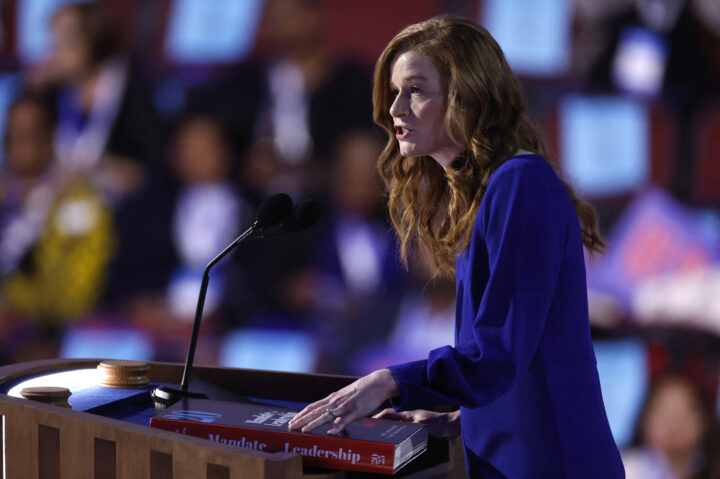
Michigan State Senator Mallory McMorrow speaks on stage with a copy of the Heritage Foundation's "Mandate for Leadership," a major component of the "Project 2025" political initiative, on the first day of the Democratic National Convention (DNC) at the United Center in Chicago, Illinois, on August 19, 2024.
Michigan state Sen. Mallory McMorrow, a Democratic candidate for Senate, said in a recent radio interview that accusations of genocide against Israel — with which she has previously agreed — have become a “political purity test,” arguing that there has been too much emphasis on that specific word.
McMorrow herself has backed accusations of genocide, affirming in response to a question at an October event that she believes the war in Gaza is a genocide “based on the definition” — though she didn’t specifically utter the word “genocide” herself.
Asked on local radio station WDET last week whether her stance has changed since October, when she affirmed that she believed the war in Gaza met the definition of a genocide, McMorrow did not offer a direct yes or no answer.
“I am somebody who looks at the videos, the photos, the amount of pain that has been caused in the Middle East, and you can’t not be heartbroken,” McMorrow said.
“But I also feel like we are getting lost in this conversation, and it feels like a political purity test on a word — a word that, by the way, to people who lost family members in the Holocaust, does mean something very different and very visceral — and we’re losing sight of what I believe is a broadly shared goal among most Michiganders, that this violence needs to stop, that a temporary ceasefire needs to become a permanent ceasefire, that Palestinians deserve long term peace and security, that Israelis deserve long term peace and security, and that should be the role of the next U.S. senator,” she continued.
McMorrow went on to criticize an unnamed opponent for campaigning on the issue of the war in Gaza, presumably referring to Abdul El-Sayed, the far-left Democrat who has made his opposition to Israel a centerpiece of his campaign.
“Particularly in this primary, we’ve got some candidates who are using this as a political weapon and fundraising off of it, and I think that that is just losing the humanity of what we’re seeing in the Middle East. And we deserve better,” McMorrow continued.
El-Sayed has repeatedly sent fundraising emails highlighting his criticisms of Israel, including one on the second anniversary of Hamas’ Oct. 7, 2023, attack, which ignored Hamas and criticized Israel. Other fundraising appeals have accused Israel of genocide and highlighted the deaths of journalists, accusations of famine and the death toll in Gaza, as well as blamed AIPAC funding for U.S. lawmakers’ support for Israel.
El-Sayed’s campaign has declared in such fundraising appeals that he is “the only candidate in this race with the courage to speak up — even if AIPAC and MAGA billionaires come after him for doing so” and “one of AIPAC’s top targets to defeat.”
El-Sayed’s campaign did not respond to a request for comment.
McMorrow and El-Sayed are, functionally, competing for the votes of anti-Israel voters in the state, with Rep. Haley Stevens (D-MI) maintaining a pro-Israel stance and securing backing from Democratic Majority for Israel.
In the WDET interview, McMorrow said that she continues to support legislation to block offensive weapons sales to Israel.
“The more that [Israeli Prime Minister Benjamin] Netanyahu pushes into Gaza, the worse this gets,” McMorrow said — though Israeli territorial advances in Gaza stopped months ago with the ceasefire deal. “And to be very clear, being in support of Israelis is not being in support of Netanyahu, in the same way that being in support of Palestinians is not the same as being in support of Hamas. … So we need to use the leverage that we have as the United States as an ally to ensure that this war ends and that the ceasefire is a permanent ceasefire.”
Stevens, who is running as the mainstream Democrat in the race, welcomed support this week from the group Democratic Majority for Israel
DOMINIC GWINN/Middle East Images/AFP via Getty Images
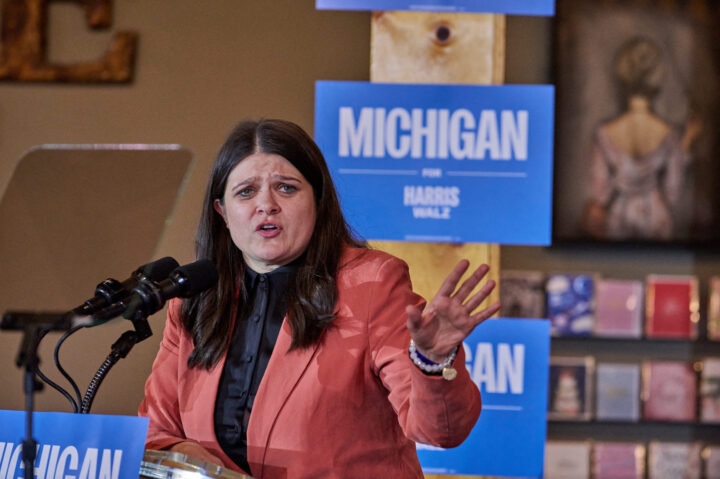
Michigan Rep. Haley Stevens speaks at a rally featuring First Lady Dr. Jill Biden during a 2024 campaign event supporting Vice President Kamala Harris in Clawson, MI, during the 2024 presidential election, Monday, Oct. 14, 2024.
As two Democratic Michigan Senate candidates compete for the votes of anti-Israel voters with accusations of genocide against the Jewish state, Abdul El-Sayed, is going after state Sen. Mallory McMorrow, as insufficiently and inauthentically critical of Israel.
Rep. Haley Stevens (D-MI), meanwhile, is solidifying her support for Israel, receiving an endorsement this week from Democratic Majority for Israel and calling herself a “proud pro-Israel Democrat [who] believe[s] America is stronger when we stand with our democratic allies, confront antisemitism and extremism, and keep our promises to our friends abroad and our working families here at home.”
With significant Arab and Muslim and Jewish constituencies, Israel policy issues are poised to play a significant role in Michigan’s Democratic primary next year.
El-Sayed entered the race as a vocal critic of Israel, while McMorrow, in recent months, has joined him in describing the war in Gaza as a genocide, as well as saying she would support efforts to cut off offensive weapons shipments to Israel.
El-Sayed, in a recent event at Michigan State University, criticized McMorrow for not taking that position sooner, describing allegations of genocide in Gaza as a matter of clear and incontrovertible fact. Video of the comments was published by the Michigan Advance.
He compared McMorrow’s position to someone taking months to decide that the sky is blue and saying, “let me give you five caveats about why it might not be blue.”
El-Sayed also suggested that McMorrow’s positions changed because she was seeking support from AIPAC, and only took a more critical stance on Israel after the group declined to support her. The far-left publication Drop Site alleged that McMorrow had been seeking an AIPAC endorsement earlier in the year and had authored a pro-Israel position paper.
McMorrow’s campaign has denied that she completed a questionnaire for AIPAC and McMorrow said last month she would not accept the group’s support. AIPAC has previously endorsed Rep. Haley Stevens (D-MI), who has maintained her position on Israel, in House races, but has not weighed in on the Senate race.
“When there’s 20,000 kids who died, that’s a genocide,” El-Sayed said in his remarks at Michigan State. “When people who are from the very country that committed — whose government committed that genocide say it’s a genocide, at some point you kind of just gotta be like, ‘Oh it’s a f***ing genocide.’ … “I don’t pretend that when 20,000 babies are murdered by our tax dollars, that there’s hemming and hawing about saying because it’s the truth.” El-Sayed was referring to numbers from the Hamas-run Ministry of Health indicating that almost 20,000 children and teenagers were killed in the war.
He suggested that McMorrow is trying to “package” herself as a progressive changemaker while the “substance” of her policies is “the same old politics.”
Asked last month whether the war in Gaza is a genocide, McMorrow said that it is.
“We have [Israeli Prime Minister] Benjamin Netanyahu trying to tell us what we’ve been seeing with our own eyes is not true,” McMorrow said. “It is true. And two things can be true at once. … The position of the United States should not be that we support Netanyahu with no check and balances.”
Asked about El-Sayed’s criticisms, McMorrow’s campaign referred Jewish Insider to those remarks.
The pro-Israel Democratic group also backed Chris Pappas and Roy Cooper in their battleground Senate races

Carlos Osorio/AP
Rep. Haley Stevens (D-MI) speaks Tuesday, Aug. 2, 2022, at an election night party in Birmingham, Mich.
Democratic Majority for Israel on Thursday announced its endorsements of Reps. Haley Stevens (D-MI), Angie Craig (D-MN) and Chris Pappas (D-NH) and former Gov. Roy Cooper as they seek the Senate seats in their respective states.
Stevens faces a particularly competitive primary against state Sen. Mallory McMorrow and former Wayne County health director Abdul El-Sayed, both of whom have sided with the far left on Israel issues and publicly rejected pro-Israel backing. El-Sayed has attacked Stevens over her pro-Israel stance.
DMFI’s endorsement marks the first formal involvement by a pro-Israel group in the race. AIPAC’s PAC and super PAC, which have previously provided significant support for Stevens, have not yet issued an endorsement.
Craig, another moderate pro-Israel Democrat, also faces a left-wing opponent critical of Israel in Lt. Gov. Peggy Flanangan. Cooper and Pappas, both moderates who have been supportive of Israel, are seen as the clear frontrunners in their primaries.
“Chris Pappas, Haley Stevens, Angie Craig, and Roy Cooper are battle-tested leaders who know how to win tough races, hold the Trump administration accountable, and deliver real results for working families. They’ve stood firm against extremism, antisemitism, and efforts to undermine America’s alliances,” DMFI PAC Chair Brian Romick said in a statement.
“Each is a champion of the U.S.-Israel relationship and a clear-eyed advocate for Israel’s security and the region’s long-term stability.”
“DMFI PAC is proud to support these exceptional candidates, and we’re firmly committed to helping them win their races,” he added.
Stevens, in a statement thanked DMFI for its support.
“I’m honored to have DMFI PAC’s endorsement in this race. As a proud pro-Israel Democrat, I believe America is stronger when we stand with our democratic allies, confront antisemitism and extremism, and keep our promises to our friends abroad and our working families here at home,” Stevens said in a statement. “In the Senate, I’ll keep fighting to protect our democracy, support Israel’s security, ensure the ceasefire holds in Gaza, and deliver for Michiganders in every corner of our state.”
Michigan Senate candidate Mallory McMorrow also voiced support for cutting off offensive weapons to Israel

Paul Sancya/Pool/Getty Images
Sen. Elissa Slotkin (D-MI) rehearses the Democratic response to President Donald Trump's address to a joint session of Congress.
Sen. Elissa Slotkin (D-MI) said Thursday that she supported two resolutions led by Sen. Bernie Sanders (I-VT) to cut off shipments of assault rifles and bombs and bomb guidance kits to Israel, in a pivot from her previous stances.
Slotkin missed the votes on the resolutions which occurred Wednesday, having spent part of the day taping an episode of “The Late Show with Steven Colbert.” Slotkin’s support brings the total number of Democrats supporting the two resolutions to 28 and 25, respectively. Michigan state Sen. Mallory McMorrow, a potential future colleague of Slotkin in Michigan’s Senate delegation, also voiced support Wednesday for cutting off offensive weapons to Israel.
“I have struggled with this Joint Resolution of Disapproval more than any previous votes in the nearly two years since Hamas initiated the attacks of October 7,” Slotkin said in a statement. “Had I made it back for the vote yesterday, I would have voted yes to block offensive weapons to Israel based on my concerns over lack of food and medicine getting to civilians in Gaza.”
She said she remains a “strong supporter of the Jewish State of Israel … But despite the fact that Hamas began this bloody round of conflict — and refuses to release the hostages — the images of emaciated children are hard to turn away from. As are the calls from Michiganders who have friends and family trying to survive in Gaza.”
The senator called the resolution votes “a bad way to do foreign policy” and said that it’s the role of the executive branch to set foreign policy and negotiate with other countries, but that the Israeli government believes “there are no limits to what they can do while still receiving U.S. support. And so, I believe a message has to be sent.”
She said her support for future similar resolutions would be determined “on a case-by-case basis,” pending changes to the humanitarian situation. She said she “continue[s] to support the U.S.-Israel security relationship” and defensive weapons sales including missile defense systems.
“While the leaders of Hamas deserve what they’re getting in response to October 7, and Israel — like any other country in the world — has the right to defend itself, that doesn’t include letting children go hungry,” Slotkin continued in the statement. “That is despite Hamas’ sick refusal to relent, prevent further destruction, negotiate in good faith and release the hostages.”
She also argued that Israeli Prime Minister Benjamin Netanyahu’s actions endanger Israel because they “threaten the longstanding bipartisan consensus that have helped keep Israel safe since its inception,” describing her position as one based on “deep concern and conviction for Israel’s long-term security” and the threats Israel has faced since the day it was founded.
McMorrow, a Democratic Senate candidate running for the seat of retiring Sen. Gary Peters (D-MI), said on the campaign trail on Wednesday that she supports stopping offensive weapons transfers to Israel.
“The United States has to stop providing Netanyahu with offensive weapons that do nothing but continue to extend this war,” she said.
McMorrow said that the humanitarian crisis in Gaza is “indefensible” and that “we cannot let [Netanyahu] tell us that what we are seeing with our own eyes is not what is actually happening.”
She also demanded that Hamas release all of the hostages and disarm and that the parties must reach a permanent ceasefire.
“It feels like we’ve lost the humanity in this issue and what is true is that Palestinians deserve security and peace. Israelis deserve security and peace,” McMorrow said. “And the United States, as the most powerful nation in the world, has to do everything in our power and our influence to make it all happen.”
The other Democratic candidates in the race, Rep. Haley Stevens (D-MI), a longtime vocal supporter of Israel, and Abdul El-Sayed, an Israel critic, haven’t responded to requests for comment on the prospect of blocking offensive weapons sales to Israel.
The two other Senate Democrats who missed Wednesday’s votes, Mark Kelly (D-AZ) and Ruben Gallego (D-AZ), both said they would have voted against both resolutions.
Mallory McMorrow, Haley Stevens and Mike Rogers condemned the attack; Abdul El-Sayed didn’t respond

JEFF KOWALSKY/AFP via Getty Images
Anti-Israel demonstrators set up a mock trial against the University of Michigan's Board of Regents on the university's campus in Ann Arbor, Michigan, on April 21, 2025.
Two of the leading Democratic hopefuls looking to replace retiring Sen. Gary Peters (D-MI) condemned anti-Israel protesters for harassing University of Michigan Regent Sarah Hubbard over the weekend.
Protesters could be heard in video of the incident, which began circulating on social media on Sunday evening, shouting at Hubbard that she had “blood on [her] hands” along with other insults as she was guided away by a uniformed police officer. “Your money has gone to kill Palestinian children. Your money has killed our families. We are your students, you answer to us,” one protester shouted as they filmed Hubbard.
In response, Hubbard wrote on X that, “I remain steadfast in my commitment to make our campus a safe place for all our students and will not be intimidated by protestors.”
The incident prompted quick statements of condemnation from Rep. Haley Stevens (D-MI) and state Sen. Mallory McMorrow, two of the Democratic Senate candidates looking to replace Peters. Abdul El-Sayed, a Bernie Sanders-endorsed progressive candidate, did not issue a statement and did not respond to Jewish Insider’s request for comment.
“The harassment and antisemitism we’ve seen against University of Michigan regents in recent months is wrong, plain and simple. Regent Hubbard should be able to walk to her car without a police escort. And Regent [Jordan] Acker’s family was terrorized in their own home when vandals threw jars of urine through their windows and spray painted graffiti on their car,” McMorrow told JI in a statement.
“The attacks and intimidation need to stop now,” McMorrow, who launched her campaign earlier this month, added.
A spokesperson for Rep. Haley Stevens (D-MI), who announced her candidacy on Tuesday, told JI in a statement, “Rep. Stevens has been clear that violence and vandalism have no place in our communities and will continue to make sure all Michiganders are safe in their daily lives.”
Former Rep. Mike Rogers (R-MI), who is also running to replace Peters, similarly denounced the harassment in a statement.
“These activists’ criminal actions toward university leaders at their homes cannot be tolerated. I stand with Sarah Hubbard and the Michigan Regents as they continue to stand up to hate and antisemitism in their efforts to make the campus safe for all students,” Rogers told JI.
Jewish Insider’s senior congressional correspondent Marc Rod contributed to this report.
Stevens is hoping to parlay her record in tough races and pro-Israel record in Congress into broad support in a crowded field

Sarah Rice/Getty Images
Rep. Haley Stevens (D-MI) speaks before Michigan Gov. Gretchen Whitmer at a rally at the Crofoot Ballroom on November 6, 2022 in Pontiac, Michigan.
Rep. Haley Stevens (D-MI) announced on Tuesday morning that she’s entering the Democratic primary for Michigan’s open Senate seat, setting up an intraparty showdown in one of the most consequential battleground states in the country.
Stevens is a leading contender for the seat of retiring Sen. Gary Peters (D-MI). She will be facing state Sen. Mallory McMorrow and Abdul El-Sayed, who led the Wayne County Department of Health, Human and Veterans Services. Former Michigan House Speaker Joe Tate, a former NFL player, is also seriously considering a run.
Stevens represents a district in the Detroit suburbs and has made supporting local manufacturing a centerpiece of her time in Congress, as well as her work in the Obama administration in supporting the auto industry recovery.
That work took center stage in Stevens’ campaign announcement video, where she also attacked President Donald Trump, accusing him of endangering Michigan jobs and driving up prices with tariffs and other policies.
“I remember being handed the keys to my first car. I’m Haley Stevens and I bet you do too,” Stevens said in her launch video, which prominently features footage of Michigan factories. “That used Oldsmobile Cutlass Supreme, it meant more to me than just freedom. It meant I had a piece of Michigan. You know, the Michigan that helped build this country. The Michigan that shaped me. It’s not just what I sound like, it’s who I am.”
In a statement, Stevens’ campaign also went after White House advisor Elon Musk, accusing him and Trump of undermining essential services and endangering citizens’ private data.
Stevens is a favorite within the state’s Jewish community for her outspoken support for Israel and condemnation of high-profile antisemitic incidents at a time when many Michigan Democrats have pandered to anti-Israel activists.
She represents a sizable Jewish community in the Detroit suburbs with which she forged a strong relationship in part during her successful primary campaign against then-Rep. Andy Levin (D-MI).
But pro-Israel groups also view McMorrow as a reliable ally, and are more concerned with blocking the candidacy of El-Sayed, a Bernie Sanders-endorsed progressive who supports cutting off aid to Israel.
Because of that dynamic, outside pro-Israel groups may not formally endorse a favorite in the Democratic primary — even as Stevens will likely benefit from widespread support from Jewish voters in the early stage of the campaign.
AIPAC and the affiliated United Democracy Project super PAC have been rumored to be planning to spend in support of Stevens despite not usually intervening in statewide races.
“Although we have not yet made a decision in this race, Rep. Stevens has emerged as a pro-Israel stalwart during her tenure in the House of Representatives,” AIPAC spokesperson Marshall Wittmann told Jewish Insider.
Stevens also boasts an electoral record that demonstrates she can win over swing voters — her district was a battleground when she was first elected in 2018 before redistricting made it more safely Democratic — along with ousting Levin, an anti-Israel Democratic incumbent, in a member-on-member primary.
McMorrow has demonstrated a knack for earning glowing national media attention — at first through a state Senate speech in which she pushed back against accusations against her by a GOP colleague of grooming and sexualizing children and her outspoken support for abortion rights after Roe v. Wade was overturned — even though she’s only been serving as a state senator in Michigan.
In a sign of McMorrow’s attentiveness to the Jewish community, she’s returned policy papers to at least one Democratic pro-Israel group underscoring her support for Israel’s security, according to a source familiar with her outreach. She also has personal ties to the Jewish community — while she’s Catholic, her husband is Jewish and they are raising their children in a mixed-faith home.
One of McMorrow’s top advisors is Lis Smith, who engineered Pete Buttigieg’s out-of-nowhere 2020 presidential campaign and who has been a prominent critic of the party’s left-wing activist class.
Adrian Hemond, a Michigan political strategist, told JI he views Stevens as holding significant institutional advantages in the hotly-contested primary.
Hemond noted that Stevens has been a strong fundraiser in her congressional seat and has proven her ability to win close elections, which Hemond said will be “paramount” to Democratic primary voters. Stevens also boasts a strong relationship with organized labor and Black voters in her district, Hemond added.
He acknowledged that McMorrow is “trying to position herself as somewhat more moderate” but argued that her base and brand remains strongest among progressives — and El-Sayed, with Sanders’ endorsement, is playing in the left-wing lane.
Hemond said that El-Sayed did not prove to be a strong fundraiser in his 2018 gubernatorial race and failed to build support statewide, only winning 30% of the vote in the primary contest. But he’s well-positioned to do well with Arab-American voters in the state, and other single-issue, anti-Israel voters.
On the Republican side, former Rep. Mike Rogers (R-MI) has already declared his second run for the seat after losing by less than 20,000 votes to Sen. Elissa Slotkin (D-MI) in 2024. He won Trump’s endorsement, giving him a critical edge against any potential GOP challengers.
Please log in if you already have a subscription, or subscribe to access the latest updates.
 Continue with Google
 Continue with Apple