









































Three out of four Jewish Israelis back the war, down 15 points since the first week of the war
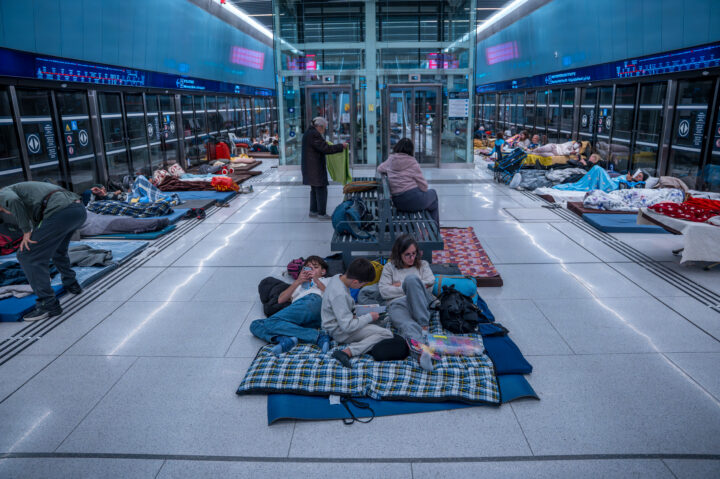
Ori Aviram / Middle East Images / AFP via Getty Images
Israelis take shelter in an underground metro station in Ramat Gan, in Israel's Tel Aviv District, on February 28, 2026.


 Add JewishInsider on Google
Jewish Israelis’ support for the war against Iran dropped by 15 points from the first week of the war, according to a poll released by the Israel Democracy Institute on Monday.
In the first week of the war, 93% of Jewish Israelis supported continuing the war, while in the latest IDI poll — conducted nearly a month into the war — 78% support it. More than twice as many Israeli Jews (11.5%) oppose the war as did at the beginning of March (4%).
As at the start of the war, only a minority of Arab Israelis are in favor of it, with their support dropping from 26% to 19%.
Most Israelis said Iran was more resilient than anticipated, with 56% of Jewish Israelis and 51% of Arab Israelis answering in the affirmative.
Most Jewish Israelis (62%) said that Prime Minister Benjamin Netanyahu launched Operation Roaring Lion against Iran for strategic and security-related reasons, while most Arab Israelis (55%) said he was motivated by personal and political considerations.
Over a third (35%) of Jewish Israelis said that the war against Iran would be sustainable in Israeli society for a month, while 28% said Israelis can bear it as long as needed to meet the operation’s goals. Among Arab Israelis, 33% said Israelis could endure the war for a month, while only 5% said the Israeli public can sustain it as long as needed.
At the same time, there was a rise in hope among Israelis: When respondents were asked for their outlooks in four areas, optimism about social cohesion was up eight percentage points from last month, reaching 30%; optimism about the economy rose to 34% from 31%; and optimism and the future of democracy reached 44%, up from 39%. Optimism about national security stayed about the same at 47%.
The vast majority of Arab Israelis reported that their mental health (85%) and financial situation (89%) had deteriorated, a slight increase from the last time IDI asked the poll question in November. Among Jewish Israelis, 43% reported a deterioration in their mental state and 36% in their financial situation, almost identical to the November 2025 findings.
The poll was conducted among a sample of 756 Israeli adults from March 22-26, with a 3.56% margin of error.
The Israeli Voice Index poll also found overwhelming support among Jewish Israelis for Israeli government involvement in protecting Jewish communities abroad
Getty Images
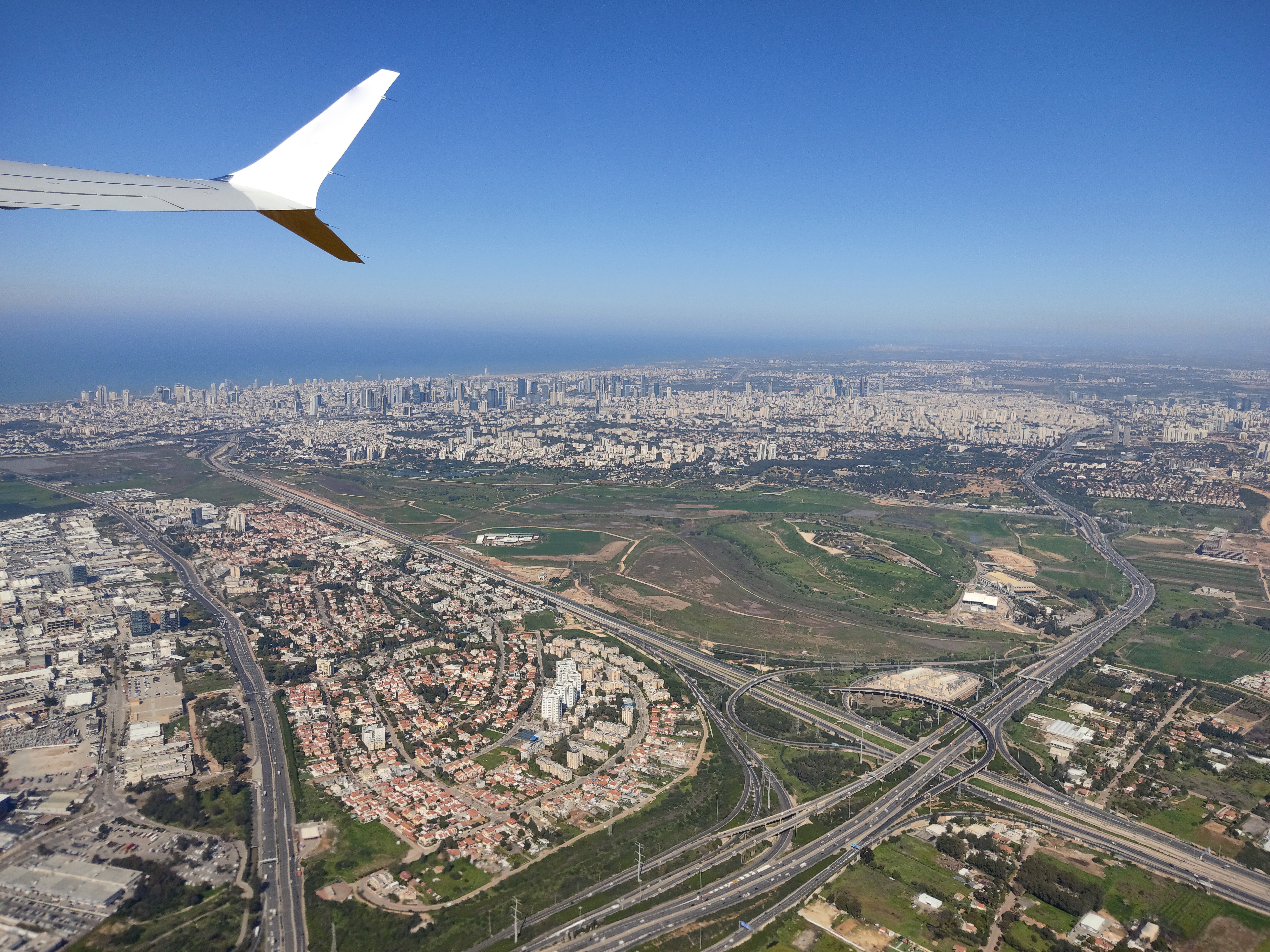
Tel Aviv and the coast from the airplane
A significant majority of Jewish Israelis feel that it is safer for them to live in Israel than abroad, according to a new survey by the Israeli Voice Index, reflecting heightened concerns about antisemitism overseas.
While 76% of Jewish Israelis feel that their home country is the safest place for them, only 32% of Arabs feel the same, with 35% of Arab respondents answering that both are equally safe and 29% seeing life abroad as safer.
Researchers at the Israel Democracy Institute, which released the findings of the survey on Tuesday, said the gap in perceptions is likely linked to high levels of violent crime in Arab communities and what they described as an inadequate state response.
The survey also found overwhelming support among Jewish Israelis for Israeli government involvement in protecting Jewish communities abroad. Ninety percent said Israel should pressure foreign governments to ensure the security of Jewish communities, 80% supported sending Israeli emissaries abroad, 62% favored direct involvement in security arrangements for Jewish events and 50% backed financial support for Diaspora communities. Support for such measures was significantly lower among Arab Israelis.
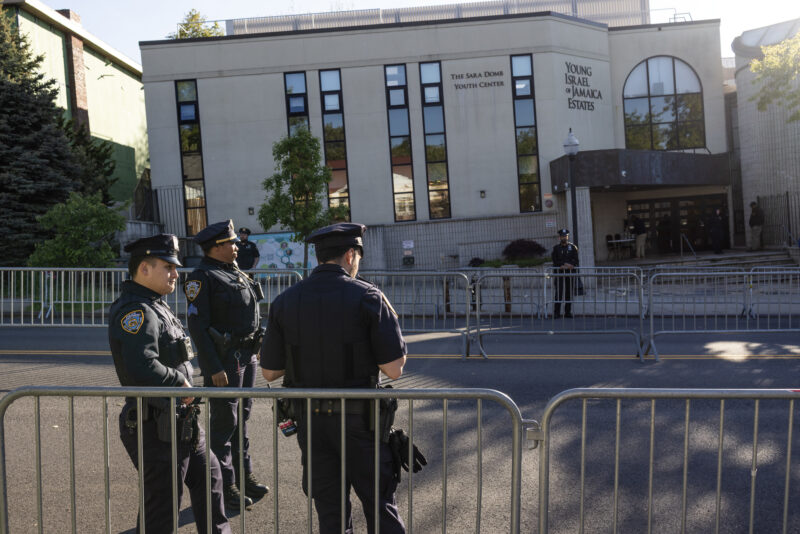
The survey was conducted by the Viterbi Center for Public Opinion and Policy Research at the end of last month, about two weeks after 15 people were killed in a terror attack targeting a Hanukkah celebration in Sydney, Australia.
The survey included 752 men and women with a ±3.57% margin of error.
Please log in if you already have a subscription, or subscribe to access the latest updates.
 Continue with Google
 Continue with Apple