





















Unpacking the tactical dispute between Mike Rogers’ campaign and AIPAC
Paul Sancya/AP
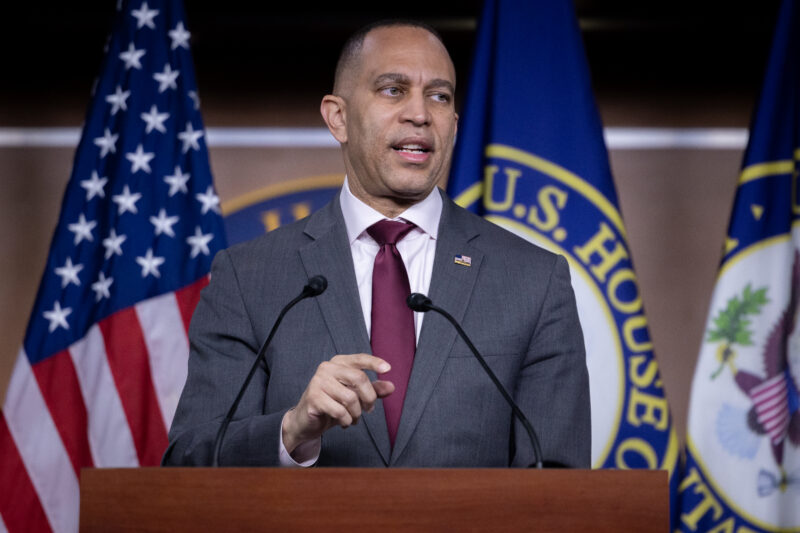
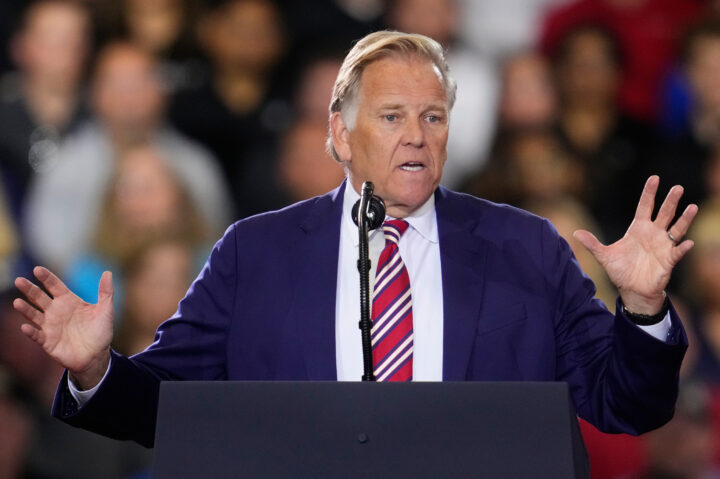
Republican Senate candidate Mike Rogers speaks before President Donald Trump at an event at the General Motors Proving Ground Monday, July 27, 2026, in Milford, Mich.


 Add JewishInsider on Google
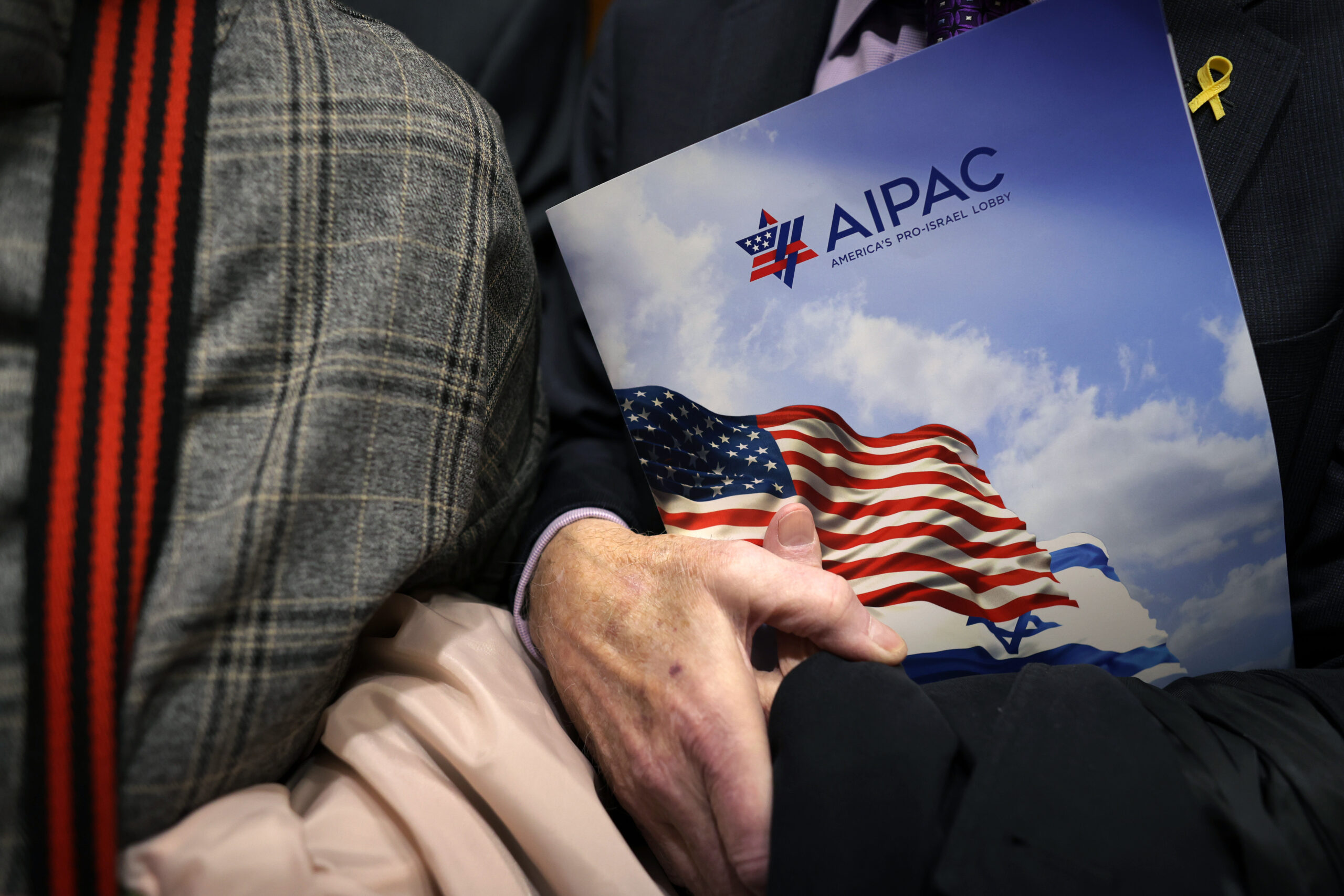
The debate over AIPAC’s involvement in the high-stakes Michigan Senate race is drawing renewed attention after an Axios report outlined a request from allies of former Rep. Mike Rogers (R-MI) for the pro-Israel group’s super PAC to lay low for the general election. The Rogers campaign advisors suggested instead that the group transfer money for the race to a separate pro-Rogers entity so as not to make its outside spending a major issue in the contest.
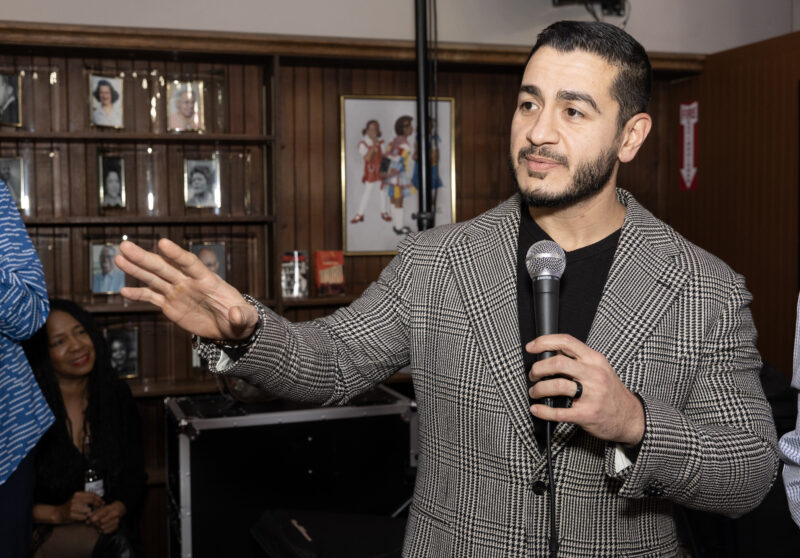
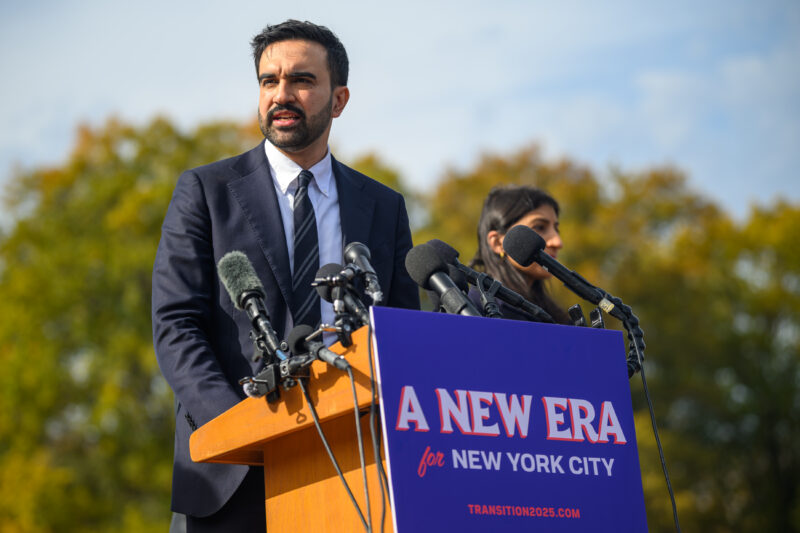
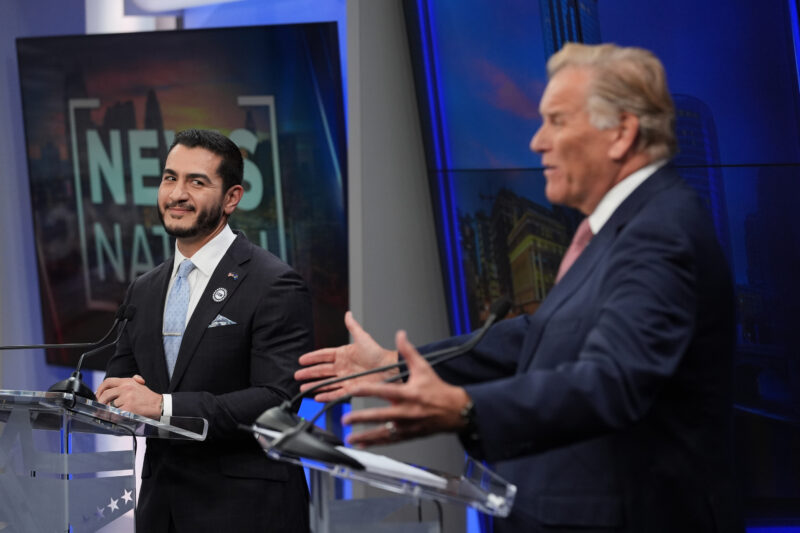
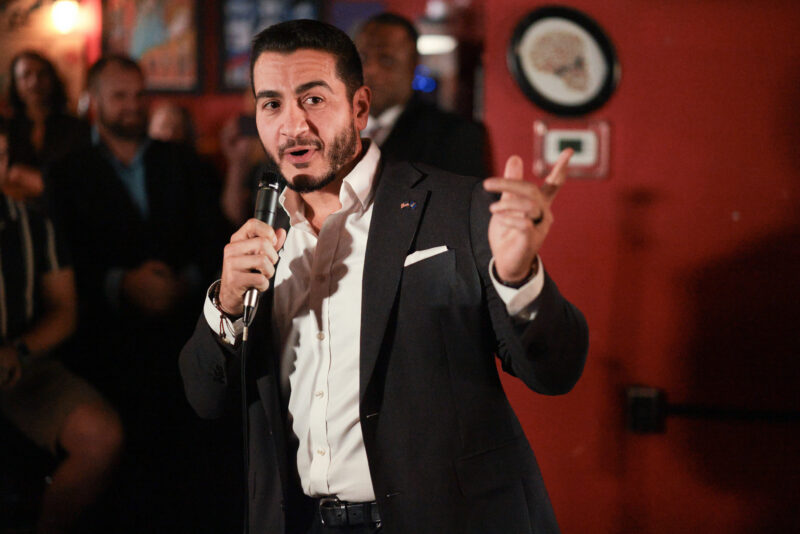
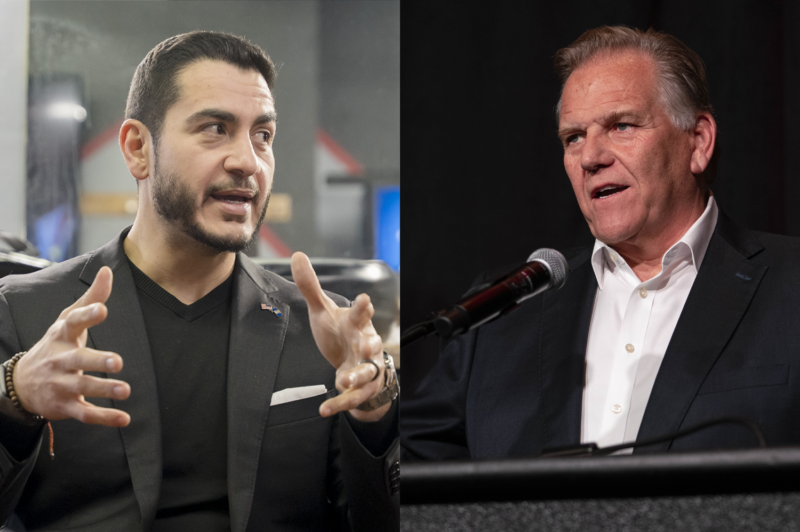
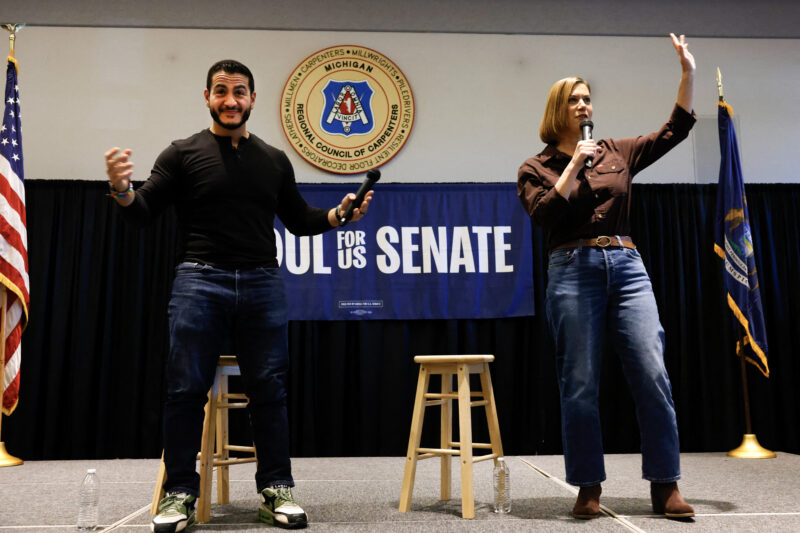
The episode has touched a lot of raw nerves in both the pro-Israel world and the Republican political landscape. Rogers, a longtime supporter of the U.S.-Israel relationship, is highlighting his relationships with Michigan’s Jewish community, and has made attacking Democratic nominee Abdul El-Sayed’s anti-Israel virulence and his relationship with antisemitic figures like Hasan Piker a central element of his campaign message.
AIPAC’s super PAC, United Democracy Project, spent about $32 million in the Democratic primary to try to defeat El-Sayed, and there’s little doubt its money — in the absence of any moderate group willing to spend similar resources to stop a far-left candidate like El-Sayed from winning — made the race more competitive than it otherwise would have been. But it also gave El-Sayed a talking point in attacking outside money in the race that diluted the impact of the aggressive advertising campaign, especially at a time when support for Israel itself is diminishing within the Democratic Party.
Both the Rogers campaign and AIPAC see El-Sayed as uniquely vulnerable, with polls showing the race statistically tied despite the overall favorable environment for Democrats in the swing state. But beyond focusing on winning the race, both sides have slightly different tactical imperatives: AIPAC, after coming close to defeating El-Sayed in the primary, wants credit for helping finish the job in the general election. Rogers, meanwhile, is trying to turn the tables on El-Sayed, using his endless primary campaign attacks on Israel as a way to underscore he’s more obsessed about the Middle East than the issues critical to Michigan voters.
On one hand, support for Israel is decidedly higher among the general electorate than it was among primary voters — and likely is a winning issue for Rogers, especially given El-Sayed’s radicalism on the subject. But populist concerns about foreign aid and engagement abroad still resonate across party lines, with 44% of Michigan voters in a recent Fox News survey saying they favor continued military aid to Israel, while 55% oppose such aid.
The Rogers campaign believes that making the race about Middle East policy would be shortsighted, especially given that El-Sayed’s record and background makes him vulnerable to the charge that he’s the candidate more consumed with international affairs than improving the lives of Michiganders.
Furthermore, unlike in the Democratic primary, there will be no shortage of money available for the Rogers campaign and its allies in the general election. Rogers has been a solid fundraiser, and the deep pockets of both the Senate Leadership Fund GOP super PAC and a separate pro-Rogers super PAC should offer more than enough resources to run a full-fledged campaign. Rogers’ campaign would prefer donations get directed — and spent — under the Republican Party umbrella.
There’s a reason AIPAC’s super PAC hardly ever spends in general elections — most competitive races are already saturated with cash, so its involvement (or that of any outside nonpartisan super PAC) wouldn’t make much of a difference anyway.
AIPAC’s concerns are understandable as well, and I have heard them echoed by several senior GOP strategists involved with the race. El-Sayed’s ties to extremists and inability to forthrightly condemn antisemitism in his home state is a major reason why he’s vulnerable in the first place. Diluting or downplaying that argument takes one of the campaign’s strongest angles off the table.
It’s one thing to debate about whether advertisements would be best aired under the GOP banner or the UDP banner. It’s another issue to be concerned that the Rogers’ campaign, in its desire to universalize the race, isn’t taking full advantage of winning over the many Democratic-friendly Jewish voters who view El-Sayed’s record as intolerable. Asking AIPAC’s chair to stand down its ad campaign, as reported in the Axios story, might have been a tactical dispute, but it risks coming across as downplaying the importance of the pro-Israel and Jewish communities in the state.
Ultimately, the goals of the two sides are the same: winning the race. If the differences between the Rogers’ campaign and AIPAC are tactical, that’s understandable in a lengthy campaign. But if it’s a dispute about who gets credit for taking down El-Sayed, the argument seems a bit frivolous when the stakes in the race are so high.
More Stories
CANCEL CALLS
Democratic push grows for Ilhan Omar, Fateh to cancel Hasan Piker event

Super Ball
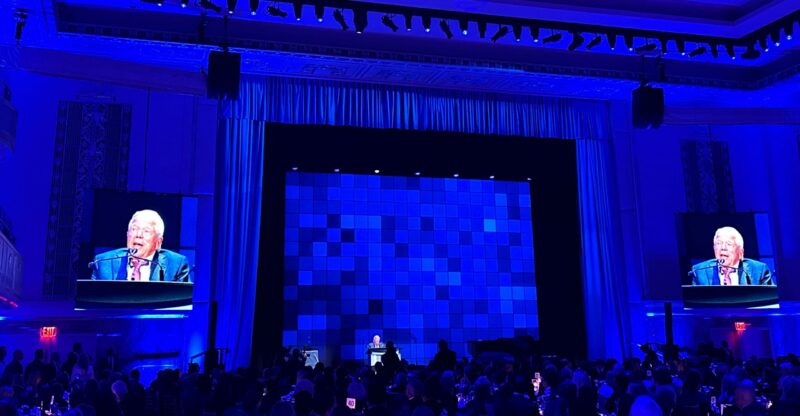
Robert Kraft’s Blue Square gala pulls in $32 million as NYC’s Waldorf glows blue

NEW CHAPTER
High Line Publishing launches with fanfare to counter barriers for Jewish authors
Daily Overtime
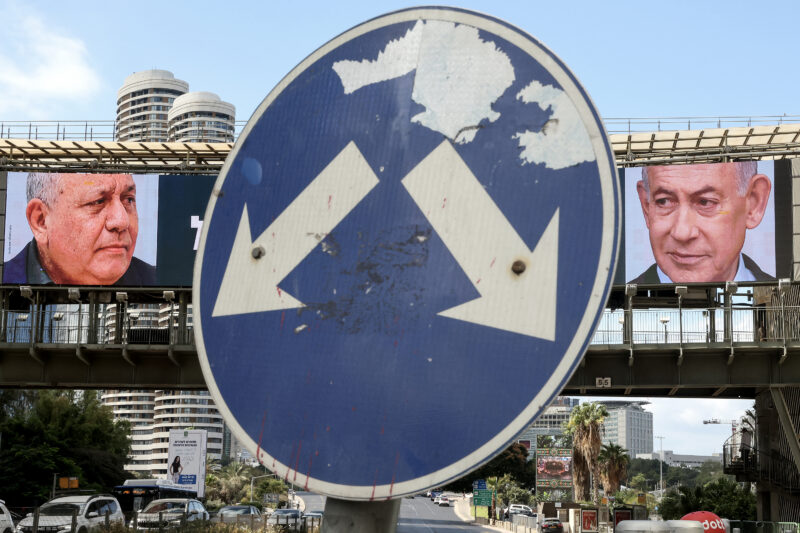
Deadlocked dash to Israeli elections
Regional Responsibility
Amb. Tom Barrack: It’s ‘not America’s job’ to combat Iran-backed threats in the Middle East
ECONOMIC ANGST
Netanyahu predicts end of U.S. military aid, calls for plan to circumvent potential sanctions
Please log in if you already have a subscription, or subscribe to access the latest updates.
 Continue with Google
 Continue with Apple