

































The anti-BDS Protect Economic and Academic Freedom Act garnered the most bipartisan support of any of the three bills

Michael A. McCoy/Getty Images
Rep. Virginia Foxx (R-NC) speaks at a hearing called "Calling for Accountability: Stopping Antisemitic College Chaos" before the House Committee on Education and the Workforce on Capitol Hill on May 23, 2024 in Washington, DC.


 Add JewishInsider on Google
The House Education & Workforce Committee advanced three bills to combat antisemitism on college campuses, with little support from Democrats, at a markup on Thursday.
The committee approved the Protect Economic and Academic Freedom Act, which would make schools engaged in a “nonexpressive commercial boycott of Israel” ineligible for federal student aid funding; the Student Protection and University Accountability Act, which would overhaul how discrimination complaints are handled on campuses, with schools that fail to comply facing a loss of federal funding; and the No Antisemitism in Education Act, which would require schools to treat antisemitic discrimination, as defined by the International Holocaust Remembrance Alliance’s working definition of antisemitism, in the same manner as racist discrimination.
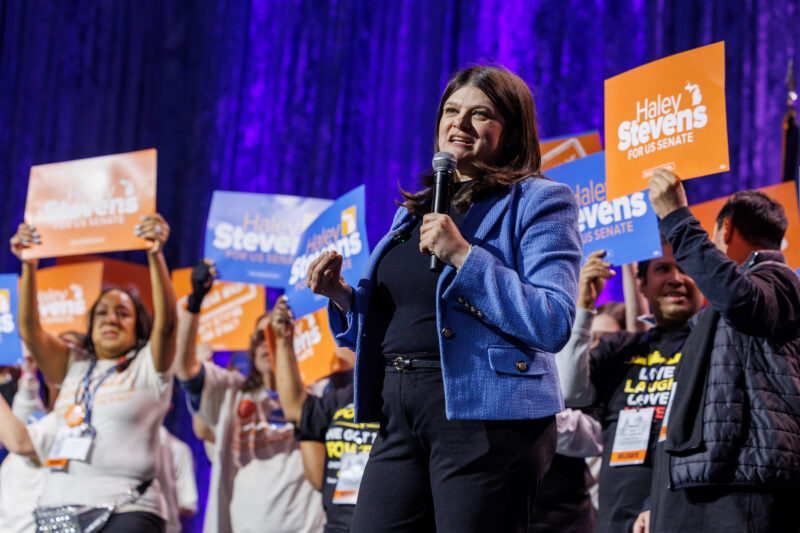
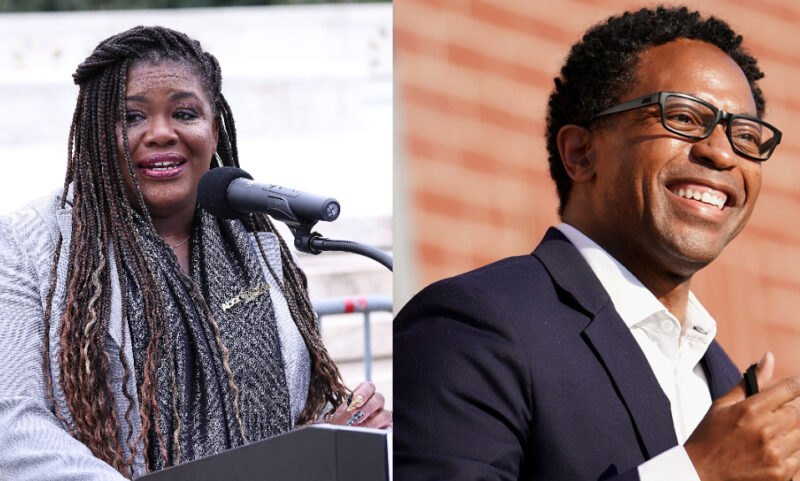
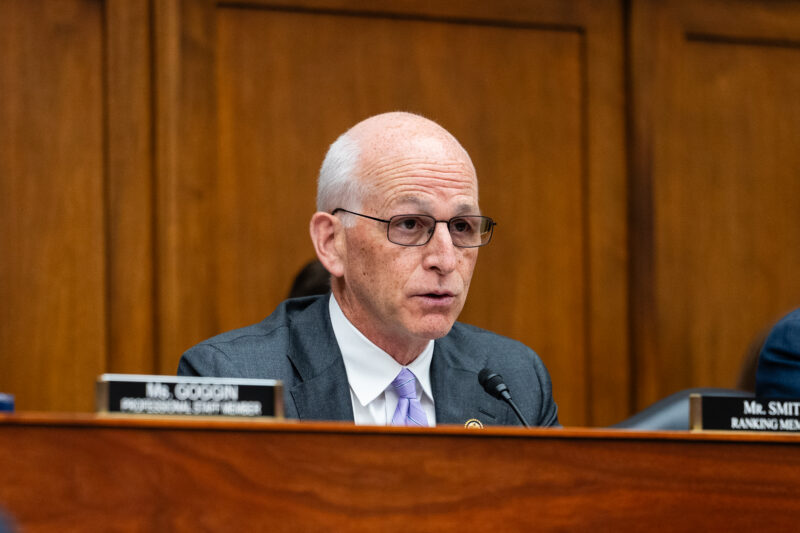
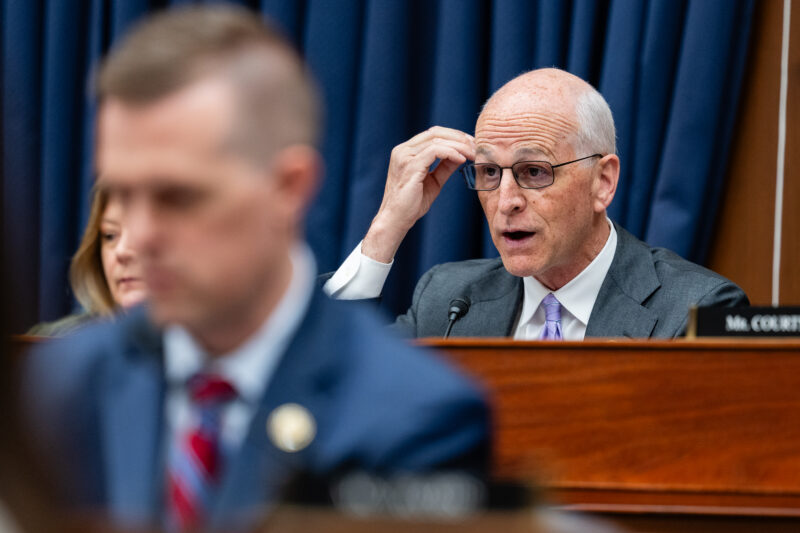
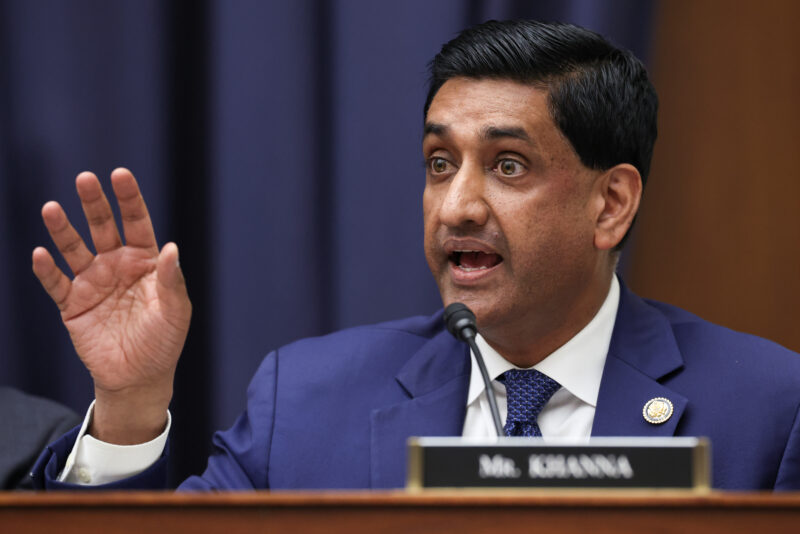
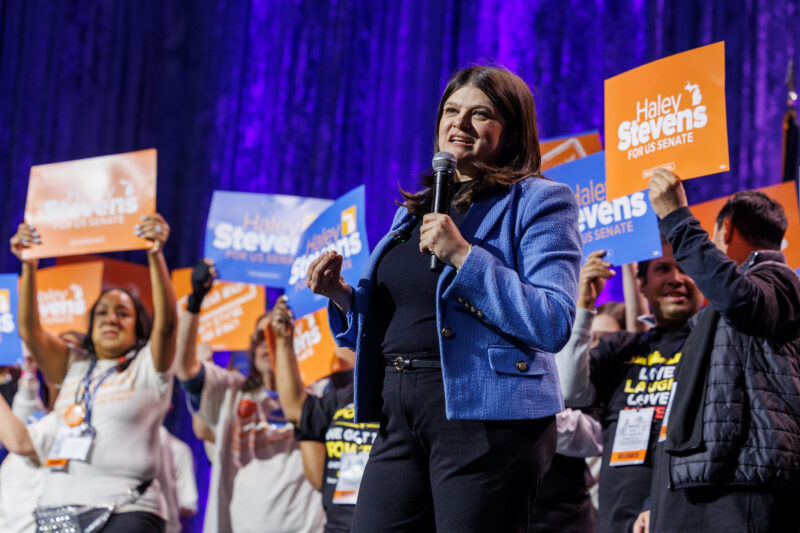
The anti-BDS Protect Economic and Academic Freedom Act garnered the most bipartisan support of any of the three bills, picking up votes from Democratic Reps. Bobby Scott (D-VA), Joe Courtney (D-CT), Donald Norcross (D-NJ), Jahana Hayes (D-CT), Haley Stevens (D-MI) and John Mannion (D-NY), with nine other committee Democrats voting against the bill.
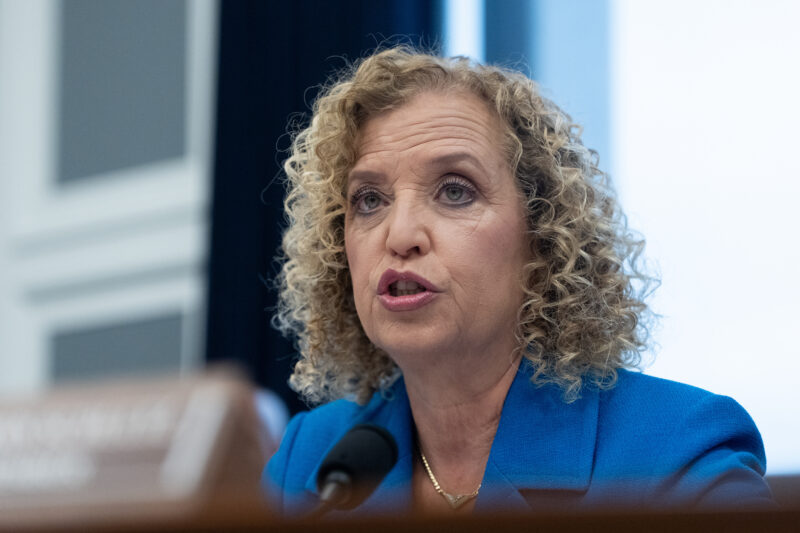
Rep. Virginia Foxx (R-NC), a lead sponsor of the bill, emphasized the important results that have come from the U.S.-Israel partnership and said that anti-Israel boycott efforts “have been weaponized to isolate Jewish students, silence Jewish faculty and cut American universities off from invaluable intellectual and research partnerships with Israeli academic institutions.”
She emphasized that institutions supported by federal funding, which aims in part to support research and training overseas, have made moves toward such boycotts.
“This legislation does not dictate viewpoints, does not prohibit anyone from expressing their opinions. Individuals remain free to advocate, protest or engage in political speech protected by the First Amendment,” Foxx said. “Students can still choose to abstain from products made in Israel, but what Congress cannot and should not tolerate is taxpayer money being used to marginalize Jewish people and undermine Israel’s major strategic partner status enshrined in law.”
Scott, the ranking member on the committee, expressed opposition to the BDS movement but called the bill “a solution in search of a problem,” pointing to the fact that no institution of higher education has actually joined the BDS movement, and that efforts to force boycotts by student or faculty governance bodies have been consistently rejected by administrators.
But he said that the bill does not appear to run afoul of constitutional concerns at play in other anti-BDS legislation, and ultimately supported the bill.
Votes on the Student Protection and University Accountability Act split entirely along party lines, with all Democrats voting against the legislation, despite bipartisan support outside of the committee.
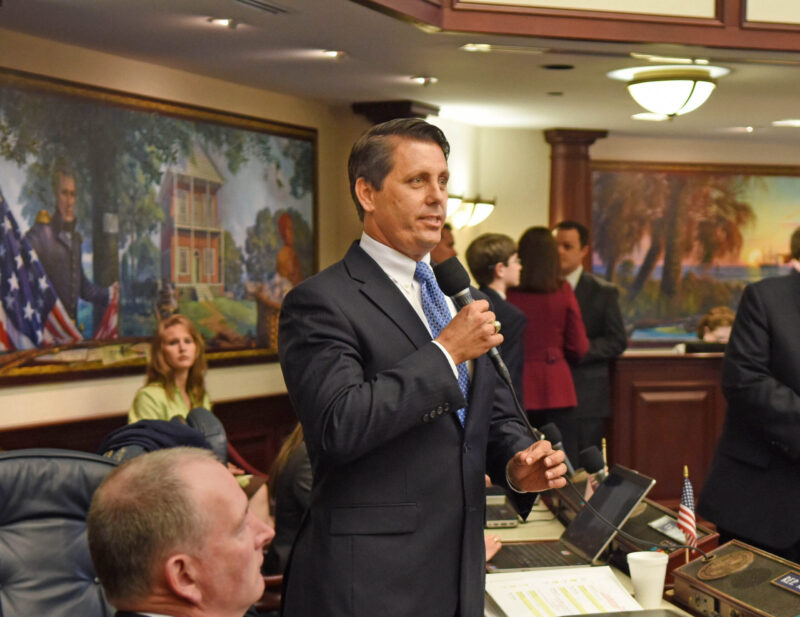
Rep. Randy Fine (R-FL) said that the bill aims to address the “confusing reporting processes” and lack of transparency around investigations that Jewish students and families have faced when filing Title VI complaints.
Current statute allows universities to set their own policies and procedures for handling complaints, leaving students “navigating inconsistent procedures and uncertain outcomes,” Fine said.
He said the bill would increase “transparency, accountability and oversight” for both schools and the federal government, ensure that complainants are kept informed and understand the decisions made, ensure that students know how to report discrimination, provide Congress with greater oversight of the Office for Civil Rights’ work and ensure that OCR investigates cases.
Scott argued that the bill has some similar provisions to legislation he supports, but said that it “is hard to consider these bills from the majority that put affirmative responsibilities on the Department of Education when the department is illegally being dismantled.”
He and other Democrats argued against providing additional responsibilities to OCR at a time when the administration is cutting its staff and is attempting to reassign its responsibilities to the Department of Justice.
Scott also criticized provisions in the legislation preventing OCR from dismissing complaints in instances where there are pending cases with other agencies or courts relating to the same incidents, arguing that this change would only exacerbate the OCR backlog.
Along party lines, the committee blocked two amendments proposed by Scott. One aimed to stymie the administration’s efforts to reassign elements of the Department of Education to other agencies — including moving OCR to the Department of Justice. The other sought to authorize increased funding for OCR.
Two Democrats, Norcross and Hayes, voted with Republicans for the No Antisemitism in Education Act, with all other Democrats on the committee opposing it.
Fine, the bill’s lead sponsor, argued that the legislation only requires schools to treat antisemitism as they would any other form of discrimination under Title VI, making the case that such incidents have not been handled with the same seriousness as other forms of discrimination.
“It simply says that we cannot discriminate in how we deal with discrimination. And to object to that view means that you think that we should,” Fine said. “It means that you think some minority groups deserve superior protection to others.”
He said that the bill mirrors legislation he passed as a legislator in Florida, which he credited for decreasing the prevalence of antisemitic incidents in the state.
“With that seven years of experience, we have largely eradicated the problem. It’s time to take this experiment from our laboratory of democracy and make it nationwide,” Fine said.
Scott said that the bill aims to “rewrite civil rights law in a manner that is grossly inequitable and probably unconstitutional.” Title VI does not include religious discrimination, he noted, even as it has been interpreted to include discrimination based on shared ancestry or identity, including discrimination against Jews and other religious groups.
“His bill would elevate the treatment of antisemitism above any other form of racial or religious discrimination. Rather than amend Title VI directly, the bill attempts to piggyback on the provisions of Title VI, asking those provisions apply to religious discrimination as well, but only for antisemitic discrimination,” Scott said, though he said he did not believe that was Fine’s intent. “This bill would position Jewish victims of discrimination differently than Christian, Muslim, Sikh or other religions who are victims of discrimination.”
He also decried the bill’s use of the IHRA definition, saying it would silence constitutionally protected speech — even though the definition has already been utilized by the Department of Education for years.
On a call with concerned Pennsylvania parents, the GOP senator said he’d raise the issue at the federal level and look into the state Education Department’s definition of antisemitism

Israel on Campus Coalition/X
Rep. Dave McCormick (R-PA) speaks at the ICC National Leadership Summit in Washington on July 29, 2025.
A group of Jewish parents from across Pennsylvania arrived at a virtual meeting with Sen. Dave McCormick (R-PA) with a plea: take note of antisemitism happening not just on college campuses but also in K-12 schools, and do something about it.
The Tuesday evening conversation, organized by the North American Values Institute, brought together four parents who, since Hamas’ Oct. 7, 2023, attacks on Israel and the ensuing war in Gaza, have devoted their attention to antisemitism in their kids’ public schools.
“They’re just looking for help,” Steve Rosenberg, NAVI’s Philadelphia regional director, told McCormick in the call, attended by Jewish Insider. “They need life preservers. They’re writing emails, they’re sending texts, they’re doing everything they can, and they are getting very little, if any, response from their local politicians, from their state level people.”
McCormick discussed his bona fides in combating campus antisemitism, pointing out that he was one of the first political figures to call for University of Pennsylvania President Liz Magill to resign after her testimony on Capitol Hill in December 2023. But, he told the parents, he was eager to learn about the challenges that their children faced in Pennsylvania’s K-12 schools.
“When I heard about this issue, that many parents were feeling various indications of antisemitism in the public schools in and around Philadelphia, it certainly caught my attention,” said McCormick. “I wanted to tell you [that] I’d like to be a strong voice in trying to combat this, and I wanted every opportunity to hear from parents about what they’re experiencing.”
The 45-minute meeting over Zoom did not come after any particular antisemitic incident. The parents all had created local branches of the Jewish Families Association, a network of grassroots hyperlocal advocacy groups that formed after Oct. 7. They wanted to express to McCormick what they saw over the last three years — that antisemitic rhetoric, and language targeting Israel and Zionists, had become commonplace at their local schools. They felt teachers and administrators often were not prepared to handle the issues.
“What’s been most concerning to me is not just the incidents themselves, but how increasingly normalized and socially acceptable antisemitic behavior has become, and how often the faculty and admin generally are not equipped to recognize the antisemitism, understand how it manifests today or respond to it effectively,” said Caren Lowrey, who works in drug education and prevention and is running as a Republican for a statehouse seat.
Ed Kovler, a parent and activist from Upper Dublin, outside of Philadelphia, asked McCormick for advice on codifying antisemitism policies and educational materials so that school board members and superintendents have resources available, even after leadership transitions. Kovler pointed out that he disagrees with the definition of antisemitism used in the state Department of Education’s glossary of equity, inclusion and belonging terms, which says that opposing Zionism is not, “on the face of it, antisemitic.” McCormick promised to look into it.
“I obviously am not a state official, but as a federal official, I’ll make an inquiry to the Department of Education and the governor and say this definition seems inconsistent with what we all would accept is antisemitism, and can you make the necessary judgment,” said McCormick. “That’ll be a takeaway from this call.”
Mark Isakowitz, McCormick’s chief of staff, urged the parents to document every instance of antisemitism that they see.
“There are things we can do as policymakers, but please double down on cataloging the examples,” Isakowitz said. “I know there’s been a ton about Philadelphia, and I’ve seen it all, but we need more of that, because there are people who are still gaslighting the whole issue.”
McCormick told the parents that he would not stay silent.
“I think part of the problem we’re seeing is people who aren’t antisemitic in public life are tolerating antisemitism,” said McCormick. “It’s not that they’re antisemitic themselves. It’s just that they haven’t shown the courage and the moral clarity to fight it.”
2025 also marked the first time American Jews were killed in antisemitic attacks on U.S. soil since 2019

Spencer Platt/Getty Images
Students participate in a protest outside of the Columbia University campus on November 15, 2023 in New York City.
The number of antisemitic incidents in the U.S. plummeted by a third last year, led by a steep drop on college campuses, but assaults with a deadly weapon spiked dramatically, according to the Anti-Defamation League’s 2025 audit released on Wednesday.
The ADL tallied 6,274 incidents of antisemitic assault, harassment and vandalism across the country in 2025, an average of 17 incidents per day. While representing a 33% decrease from 2024, this total remains significantly higher than levels before the Oct. 7, 2023, terrorist attacks in Israel, making 2025 the third-highest year for antisemitic incidents since ADL began tracking the data in 1979.
2025 also saw the first time American Jews were murdered in antisemitic attacks on U.S. soil since 2019. Two Israeli Embassy staffers were killed last May outside the Capital Jewish Museum in Washington. One month later, a victim died from injuries sustained in a firebombing attack in Boulder, Colo., at a walk in support of the Israeli hostages.
According to the audit, there were 203 incidents categorized as assault, a 4% rise from 2024. Incidents of assault involving a deadly weapon increased from 23 in 2024 to 32 in 2025, and at least 300 people were victimized by incidents of assault.
Forty-five percent of all incidents (2,847 incidents) were related to Israel or Zionism, a decline from 58% in 2024. There was also a nearly 50% drop in white supremacist propaganda distribution.
Antisemitic incidents at public K-12 schools remained nearly stable from 2024 (860) to 2025 (825). Most of the reported incidents in schools involved interpersonal behavior between classmates, such as antisemitic harassment or students vandalizing classrooms with swastikas, rather than organized group activity.
Meanwhile, incidents on university campuses saw the steepest decline of any location, a trend the ADL attributes to proactive measures by college administrators. In 2025, ADL recorded 583 antisemitic incidents on college campuses, a 66% drop from 2024 (1,694 incidents).
The states with the highest levels of incidents were New York (1,160), California (817) and New Jersey (687).
The ADL maintained that it did not conflate general criticism of Israel or anti-Israel activism with antisemitism in its methodology. It defined harassment, vandalism and assault as incidents reported to ADL by victims, law enforcement, the media and partner organizations.
“Our 2025 Audit, which shows it was one of the most violent years for American Jews on record, is a reminder of how dramatically the threat landscape has shifted. Numbers that would have shocked us five years ago are now our floor,” ADL CEO Jonathan Greenblatt said in a statement. “People are being murdered because of antisemitism on American soil, and thousands more are threatened.”
Schools with Faculty and Staff for Justice in Palestine chapters were seven times more likely to experience violence against Jews, the report found
GETTY IMAGES
Three people with backpacks on sidewalk in front of the campus administrative building on sunny day moving away.
A newly released report from House Republicans on the Education and Workforce Committee alleges that faculty members and student groups have played a central role in promoting and amplifying antisemitism on college campuses, particularly those affiliated with Students for Justice in Palestine (SJP).
The report, titled “How Campuses Became Hotbeds: The Rise of Radical Antisemitism on College Campuses,” was released Tuesday and examines campus activity following the Oct. 7, 2023, Hamas terrorist attacks on Israel.
The report finds that faculty affiliated with Faculty and Staff for Justice in Palestine (FSJP) “played a significant role in legitimizing and amplifying antisemitism on college campuses,” and that campuses with FSJP chapters were seven times more likely to experience “violence against Jews.”
It alleges that some faculty members sought to “strip Jewish students of protections, incited protests that turned violent, taught antisemitic content in their courses and hosted programming that isolated Jewish students and demonized Israel.”
According to the report, FSJP chapters have pressured universities to boycott Israel, reject the International Holocaust Remembrance Alliance’s working definition of antisemitism and circulated statements that justified violence against Israel.
In one example, the report indicates that the FSJP chapter at Sarah Lawrence College challenged the school’s decision to put the word “antisemitism” before the word “racism” in a two-day orientation curriculum. “We’re worried [it] sends a message to incoming students about whose oppression matters,” the school’s chapter wrote.
“Faculty members also perpetuate antisemitism through university centers, such as Middle East studies centers, that offer a one-sided view of Israel as a ‘settler colonialist’ enterprise,” the report states. “It also views Jews as white and the privileged ‘oppressor,’ rather than a diverse minority that has been persecuted for thousands of years.”
The report found that in September 2024, the University of California Berkeley announced Ussama Makdisi as the inaugural chair of a newly created program in Palestinian and Arab Studies. However, earlier that year, Makdisi made a post on social media supporting the actions of Hamas on Oct. 7, 2023, writing: “I could have been one of those who broke through the siege on October 7.”
The report also alleges that student groups, most notably SJP, have “consistently acted as ringleaders for antisemitic harassment faced by Jewish students on campus.” It argues that institutions of higher education have “given in” to student demands and “failed” to discipline students promoting antisemitism. SJP chapters in particular “organize violent antisemitic disturbances, host antisemitic speakers and pressure universities to boycott Israel.”
The report cites another incident at Sarah Lawrence College in which the school’s SJP chapter posted a statement calling on peers to “defend the student intifada,” described the Oct. 7, 2023 terrorist attacks as an “uprising” and shared an image “of a Hamas bulldozer tearing through Israel’s security fence.” The group later received a student leadership award after being nominated by the school’s FSJP chapter.
“At the award ceremony, the individual presenting the award described SJP as having ‘engaged in empathetic and powerful activism,’” the report states.
“Every campus that the Committee investigated while preparing this report featured an SJP chapter, or a variant of one, that served as a ringleader for antisemitic activity on campus,” the report adds, noting that many colleges and universities not only “failed” to respond to SJP, but also allowed “hostility towards Jewish students to fester.”
The report also suggested that foreign influence in American higher education is part of the problem, pointing to satellite campuses in Qatar operated by Northwestern University and Georgetown University. It alleges that both institutions have “housed faculty or fellows and student groups that foment antisemitism” without consequences.
“Neither NU-Q nor GU-Q have disciplined any faculty, students, or staff for antisemitism since October 7, 2023,” the report states. “The committee found that after October 7th, GU-Q entities that should be neutral promoted, participated in or hosted deeply one-sided events that legitimize antisemitic rhetoric.”
The report cites a series of incidents involving faculty and staff at Northwestern’s Qatar campus, including Professor Marc Jones, who it says has circulated a conspiracy theory that Israelis steal Palestinian organs and described Israel as “worse than Hamas.” It also references visiting Professor William Youmans, described as an Al Jazeera specialist, who called Israel a “terrorist state” and defended Hamas following the Oct. 7 attacks.
Additionally, the report highlights a social media post from Sami Hermez, director of Northwestern in Qatar’s Liberal Arts Program, in which he wrote that “Zionists have control over European policy and power,” adding, “If you want to make the leap that Jews control Europe, I don’t care.”
At Georgetown University’s Qatar campus, the report alleges that student groups displayed posters reading, “We stand with violence on Israelis,” and that at an SJP event, some students “drew hearts around Hamas’ name,” while others left messages including, “Oh Allah, deal with the Zionists,” and expressed a desire for the Jewish people “to fall.”
The report also outlines a series of recommendations aimed at addressing these problems, including adoption of the IHRA definition of antisemitism.
It also calls on Congress to pass legislation such as the Civil Rights Protection Act, which would require higher education institutions to be more transparent about procedures and investigations related to civil rights complaints, as well as the Defending Education Transparency and Ending Rogue Regimes in Nefarious Transactions (DETERRENT) Act, which would lower the financial threshold at which universities must report foreign gifts and contracts.
The report further suggests requiring U.S. universities operating overseas to make course syllabi publicly available, arguing that doing so would allow the government to hold faculty “who have exhibited blatant antisemitism” accountable.
“The findings in this report make clear that antisemitism in higher education is not confined to encampments at a handful of elite universities, nor did it begin or end with the events of October 7th,” the report states. “The evidence demonstrates that antisemitism is driven by persistent leadership failures and radical faculty and student groups that legitimize and foment antisemitism in classrooms and on campus grounds.”
Izabella Tabarovsky’s ‘Be a Refusenik’ offers a productive mindset and practical ideas for Jewish students facing antisemitism
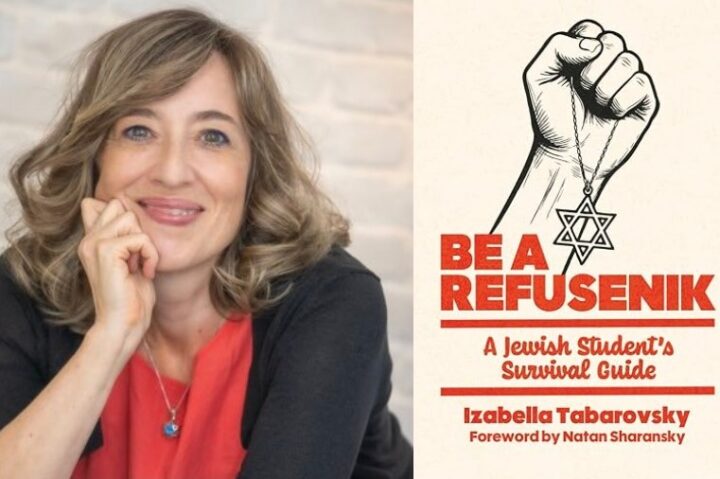
Izabella Tabarovsky
Pocket your kippah. Tuck your Star of David into your shirt. Keep your head down as you walk through the quad, That’s just some of the advice Jewish college students around the country told the Soviet-born writer and activist Izabella Tabarovsky they were given by the leaders of major Jewish organizations as a strategy to weather the anti-Israel and antisemitic storms that have raged on campus since Oct. 7, 2023.
Tabarovsky’s counter-message: Don’t hide. Reclaim your Zionism. And take inspiration from the Soviet refuseniks of the 1980s who stared down Communist Party strongman Leonid Brezhnev, held fast to their Judaism and eventually won their freedom.
Tabarovsky lays out some of these strategies for college students in a new book, Be a Refusenik: A Jewish Student’s Survival Guide, in which she argues that the anti-Israel sentiment on college campuses in recent decades, which has metastasized into antisemitism, mirrors Soviet anti-Jewish propaganda. In the book, Tabarovsky looks back to that era not only to understand the root causes of contemporary antisemitism, but to take inspiration on how to fight it.
The book features a history of Soviet anti-Zionist propaganda with its parallels to the rhetoric on college campuses today, interviews with refuseniks – Soviet Jews who were denied the right to emigrate to Israel, and often imprisoned for trying – and campus activists, and a foreword from the best-known refusenik, Natan Sharansky. Tabarovsky, who was born in the Soviet Union, emigrated to the U.S. in 1990 and now lives in Israel, also offers concrete strategies for students encountering antisemitism to stand proud and strong as Jews.
Tabarovsky told Jewish Insider that she saw a need for her book after many discussions with young Jews: “We’re in a bleak moment, and a lot of books diagnose the bleakness. … I saw a hunger for an inspirational message.”
In the near-decade that she has been writing about the subject, it has become “widely accepted among scholars and people involved in this [activism] that the patterns of anti-Zionist demonization and erasure are some of what Soviet Jews experienced in [former Soviet Union leader Leonid] Brezhnev’s USSR,” she said.
“If American Jews are today encountering the same language, the same explanatory logic and worldview … wouldn’t it make sense to look at how Soviet Jews responded?” Tabarovsky said. “We have this heroic story at the center of the Soviet Jewish story, which is really bleak, but had one really bright light that led to massive change.”
Tabarovsky clarified that, while the U.S. is a democracy and the Soviet Union was an oppressive totalitarian regime, “historic parallels are complex and nothing is ever exactly the same. I would never say that America today is like Brezhnev’s USSR, and the dangers that American Jews face are incomparable to what somebody like Sharansky faced.”
However, she said, “what is similar are the ideological echoes and anti-Zionist erasure. … In every society, there is a scale of punishments that’s different. What’s the worst thing that can happen in America? Your reputation is ruined; you lose your career, you’re ruined financially. All of these things can happen to people who declare themselves Zionists.”
While the refuseniks are remembered for their attempts to emigrate from the Soviet Union, Be a Refusenik focuses on their domestic dissident activity, especially their underground actions to strengthen Jewish identity, spread Jewish education, teach Hebrew and learn about Israel and Zionism. They were “crowdsourcing Jewish knowledge” when the Soviet party line was that “Zionism is racism, is Nazism,” Tabarovsky recounted.
Part of the strategy Tabarovsky suggests for young Jews on campus is modeled after “an inner journey the refuseniks took” in strengthening their Jewish identity.
“Some refuseniks told me this is how they viewed it,” Tabarovsky said, “the system refused to allow them something they wanted, but before that, they refused [to accept] something about the system itself. They refused [to accept] the antisemitism that the system demanded from them, that they erase their Jewish identity, that they give up their sense of peoplehood. … The refuseniks said ‘we don’t buy it; we refuse [to accept] this version of reality. We believe something different.’”
Tabarovsky noted that in her speaking engagement with young American Jews, she realized that many are unfamiliar with the refuseniks, and when she would ask for examples of Jewish heroes, they would usually mention the Warsaw Ghetto Uprising or the Maccabees.
“[Refuseniks] are a real example of Jewish courage and defiance. … They found each other and created a different reality. They wrote their own Jewish story and recreated the Jewish identity that had been taken away from them. … They are the role models we need,” she said.
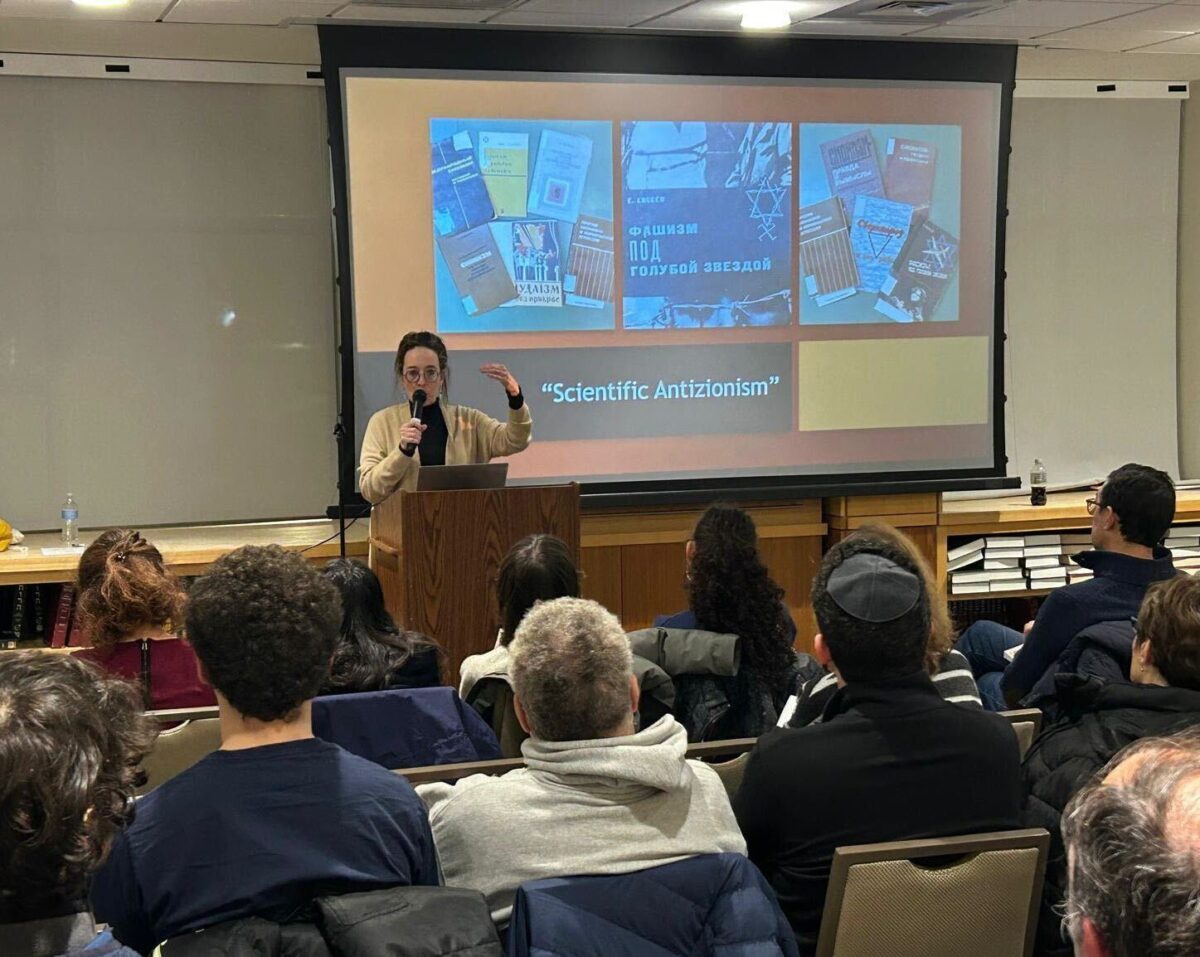
Izabella Tabarovsky speaking at a Be a Refusenik book talk in Needham, MA, organized by Jewish Alumni Strong and Association of Jewish Princeton Alumni. (Yelya Margolin)
Tabarovsky said that American Jews need to rebalance the narratives of Jewish victimhood and heroism, because victimhood has become too dominant.
“You read the horrible things refuseniks went through, but none of them talked about themselves as victims,” she said. “They felt like protagonists in their own story. They took responsibility; they took risks consciously. We need to think of ourselves in these terms, as well.”
Tabarovsky said she heard from many students who were told by large Jewish organizations to keep their heads down and try not to provoke or attract attention, or engage, and applauded those who did not take that advice.
To Jewish students, Tabarovsky suggests: “Reclaim your Zionism.”
“Build a community. Find other people like you. Re-empower yourself and think about your situation strategically,” she said. “The Jewish community has been improvising responses on the fly, while the other side is in the driver’s seat, creating all these propagandistic narratives. … We need to think strategically about how we need to organize ourselves.”
Once that happens, Tabarovsky said she is confident that Jewish students “will know how to act.” One example she cited was Lishi Baker, a rising senior at Columbia studying Middle East history, who she said saw American flags being defaced during anti-Israel protests at Columbia University and organized a counter-protest with American, not Israeli flags, to show that the protests are not only anti-Israel, but anti-American.
Tabarovsky called on students “to be more creative in the way they protest. The other side is doing all kinds of things to attract the media. The Soviet Jewry movement was so creative and knew how to attract attention.”
‘My department is a hostile work environment, and I can no longer attend events or participate in departmental life there,’ one Jewish faculty member said
ANDREW THOMAS/Middle East Images/AFP via Getty Images
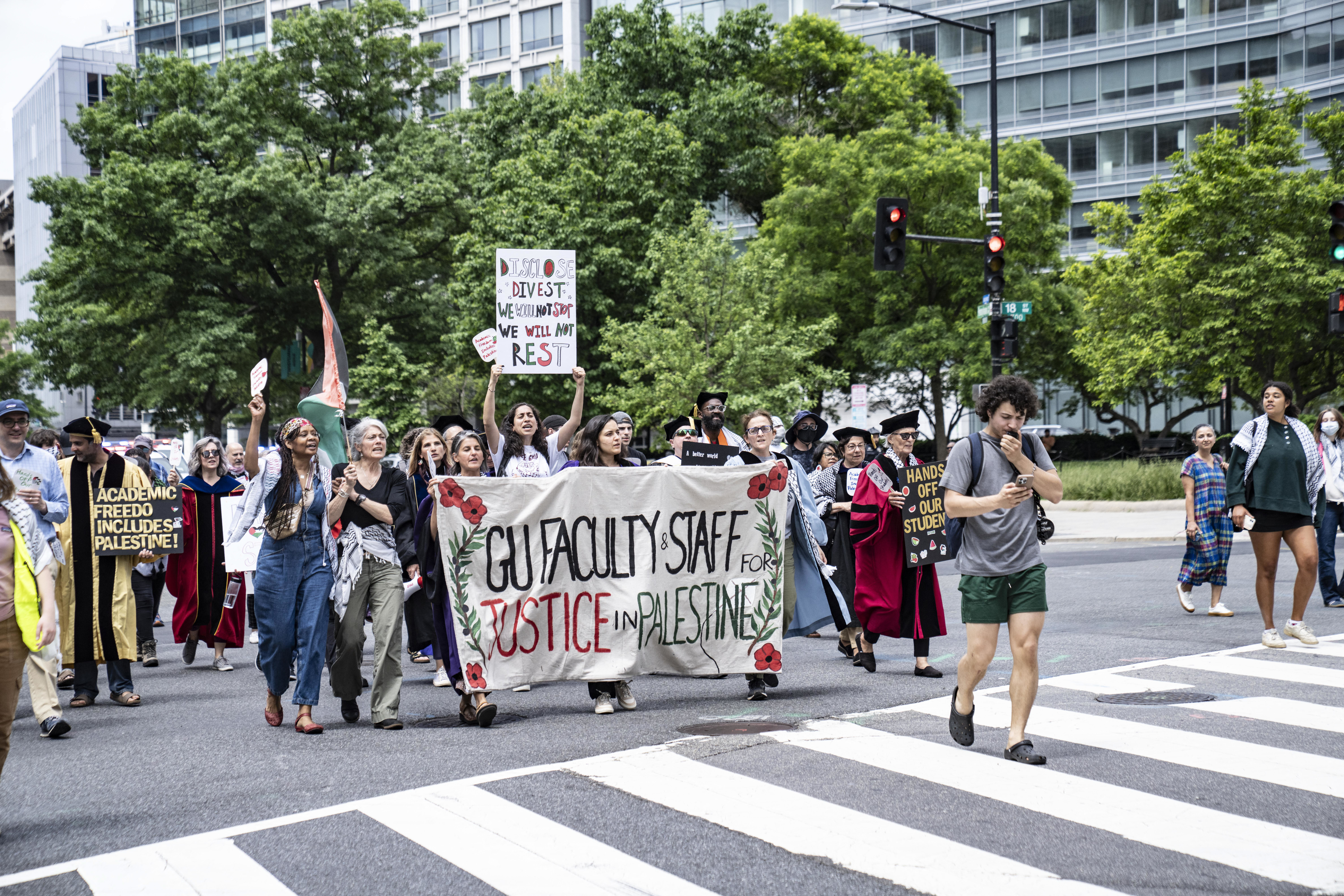
A group of faculty, staff, and students of the George Washington University who had met in the yard where there was a pro-Palestinian encampment last year, in May 8, 2025 in Washington D.C., march to the White House to show that they stand together.
Much of the antisemitism on college campuses is fueled by faculty and staff — both on campus and within professional academic organizations — according to a survey released on Wednesday by the Anti-Defamation League and the Academic Engagement Network.
Seventy-three percent of the 209 Jewish faculty members polled from universities around the U.S. reported observing antisemitic activities or statements from faculty, administrators or staff on campuses, including calls to boycott Israel and doxxing campaigns. Forty-four percent said they were aware of an organized Faculty for Justice in Palestine chapter on their campus.
“My chair is pro-Hamas (explicitly so) and has turned our department into an encampment, full of ‘river to the sea’ slogans and propaganda,” an anonymous faculty member shared in the survey. “When I and a few other Jewish faculty objected, the chair organized about 50 people to verbally attack us, including one who told me that we had all the money and power. Consequently, my department is a hostile work environment, and I can no longer attend events or participate in departmental life there.”
Another wrote that they are “attacked in all directions” and “no longer feel safe on campus.”
Due to these experiences, more than one-third of all of the surveyed respondents (38%) reported having felt a need to hide their Jewish and/or Zionist identity from others on campus. Twenty-five percent of those who are members of academic associations said they feel pressure to hide their identity in those groups.
The study comes as calls for the adoption of academic boycotts of the Jewish state have gained momentum in the aftermath of the Oct. 7, 2023, terrorist attacks and the ensuing Israel-Hamas war, within several professional associations and among some prominent classroom professors.
Last month, the American Association of Geographers faced pressure from its members to adopt a boycott of Israel, and shortly after, the head of the American Association of University Professors said that the United States should not send defensive weapons to Israel amid its war against Hamas, which he called a genocide in Gaza.
“What we’re seeing is a betrayal of the fundamental principles of academic freedom and collegiality. Jewish faculty are being forced to hide their identities, excluded from professional opportunities, and told by their own colleagues what constitutes antisemitism — even as they experience it firsthand. This hostile environment is driving talented educators and researchers away from careers they’ve dedicated their lives to building,” ADL CEO Jonathan Greenblatt said in a statement about the survey.
“Colleges and universities are meant to be open, safe learning environments where faculty and students alike feel comfortable sharing ideas and having open discourse,” said Miriam Elman, AEN’s executive director. “It’s disturbing, but perhaps unsurprising, that Jewish and Zionist faculty on campuses across the country are experiencing antisemitic hostility and retaliation for their beliefs.”
“What’s even more alarming,” Elman continued, “is that much of this animosity is driven by the faculty and staff themselves, creating an unsafe work environment for their colleagues and an unwelcoming learning environment for their students. Administrators must address these issues head-on and take meaningful action to protect the flow of free ideas and open inquiry on their campuses, or their institutions will suffer for generations to come.”
Columbia’s Hillel director said that the university is on track for a large incoming class of Jewish freshmen next year
CHARLY TRIBALLEAU/AFP via Getty Images
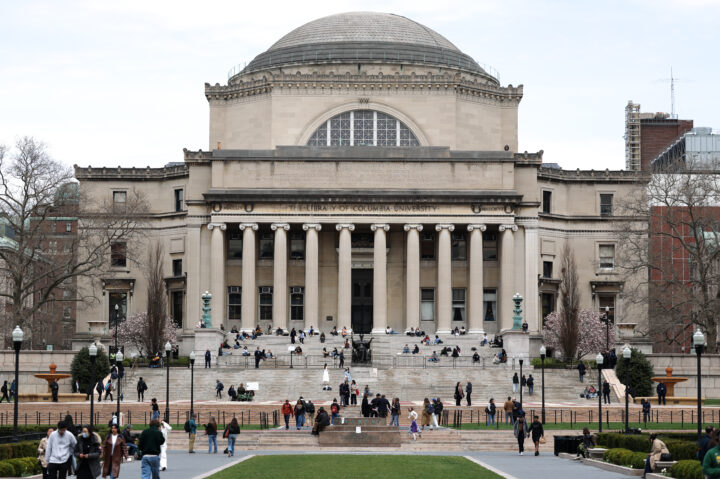
Students are seen on the campus of Columbia University on April 14, 2025, in New York City.
Earlier this year at a symposium in New York City, Jewish scholars gathered to analyze the recent surge of antisemitism on college campuses and debate whether Jewish students still belong at the country’s elite bastions of higher education.
“I certainly don’t think that we should abandon great citadels of learning or be chased out of them, although to be there takes fortitude that I don’t think should be asked of every student,” Rabbi David Wolpe, a former visiting scholar at Harvard University Divinity School, said during the event’s opening address. “So I’m going to give a selective answer: it depends who.”
Over the next two months, college freshmen will embark on new chapters at universities around the country. Many Jewish students have found appeal in other top schools, such as Vanderbilt in Nashville, Tenn., and Washington University in St. Louis, where administrators were quick to enforce university rules amid rising antisemitism in the aftermath of the Oct. 7, 2023, terrorist attacks, and therefore avoided much of the chaos that played out on other campuses.
But some Jewish students are still seeking admission to the country’s most prestigious schools.
Who are these students making the choice to display the fortitude that Wolpe referenced by attending Columbia and Harvard —- two Ivy League campuses that have been beset by nearly two years of controversy over anti-Israel encampments and classroom disruptions, physical assaults of Jewish students and battles with the federal government, including potential loss of accreditation — over an alleged failure to address antisemitism?
Leah Kreisler, a recent graduate of Winston Churchill High School in Potomac, Md., decided in ninth grade that she wanted to attend Columbia. Kreisler plans to enroll in Columbia’s dual-degree program with the Jewish Theological Seminary and will begin next year, following a gap year in Israel.
Recent events have only reinforced Kreisler’s dream of attending the storied institution. “Columbia has always had a politically charged environment and I honestly think that fits a part of who I am,” she told Jewish Insider. “I like having those kinds of discussions and engaging with people I disagree with. That spirit drew me to the school.”
She’s also hopeful that by the time she arrives at Columbia for the 2026-27 school year, “things will get figured out.” The university is in talks with the federal government to restore the institution’s federal funding, which was slashed in March due to the antisemitic demonstrations that have roiled the campus since Oct. 7.
Still, Kreisler admitted she’s “a little bit scared” to face antisemitism, which she hasn’t directly encountered in her tight-knit D.C. suburb with a sizable Jewish community. “There will probably be people in the streets doing antisemitic things,” she said, noting that she often gets “weird looks from Jewish members of the community” when she shares her plans to attend Columbia.
Laura Hosid runs a private business in Potomac guiding high school students through the college admissions process. She works with many students like Kreisler who are “often willing to overlook [antisemitism] at schools like Harvard and Columbia, if they can get in,” Hosid, who is Jewish, told JI.
“At slightly less selective schools, though, it’s more of a factor,” she said. “Students are willing to look away if there’s too much anti-Israel stuff.”
“Jewish life at Columbia is Dickens-esque: the best of times and the worst of times,” said a Jewish Columbia alum who requested to remain anonymous. “There are real challenges, but at the same time, you can go to Columbia Hillel, the Kraft Center for Jewish Life, and access the most interesting people in the world. Bob Kraft shows up for events,” he said, referencing the billionaire owner of the New England Patriots for whom the center is named.
“I’m certainly not discouraging students if they are interested in schools like Columbia and Harvard,” Hosid continued. “I’m just making sure that they are well aware of what’s going on there and how it compares to what the climate is like at other schools.”
A Jewish Columbia alum who requested to remain anonymous told JI that he still sees his alma mater as “an amazing New York City school with an incredible alumni network.” So he was supportive when his daughter, an incoming Columbia freshman, committed to the university.
“Jewish life at Columbia is Dickens-esque: the best of times and the worst of times,” he said. “There are real challenges, but at the same time, you can go to Columbia Hillel, the Kraft Center for Jewish Life, and access the most interesting people in the world. Bob Kraft shows up for events,” he said, referencing the billionaire owner of the New England Patriots for whom the center is named.
In 1967, Columbia’s student body was 40% Jewish, according to a Jewish Telegraphic Agency report at the time. But even as Jewish enrollment at Columbia has declined since then, it still has one of the highest percentages of Jewish undergraduates in the Ivy League, at an estimated 22%. “The numbers for this year’s incoming class are quite strong,” Brian Cohen, executive director of Columbia Hillel, told JI.
Cohen said that the center’s “top priority is to make sure that every Jewish student feels seen and supported and part of a vibrant Jewish community from the moment they arrive at Columbia University.”
“Everything we hear anecdotally is that the number of applications of Jewishly involved students to Harvard were stable — if not increased — from last year to this year,” said Rabbi Jason Rubenstein, the director of Harvard Hillel.
That’s been Hillel’s goal for years — even before antisemitism reached record highs on campus. But Cohen noted that for the past two academic years, “everything is ramped up.”
“We want to make sure that when we meet students and families face-to-face they already have some idea of who we are and the relationship isn’t starting from square one,” he said, outlining two priorities. “One is that students understand that they are entering into this thriving, diverse Jewish community on campus. [The second is] that, should any problems arise during their time at Columbia, they have trusted resources to go to that are easily accessible and can help support them in navigating the various university processes.”
Rabbi Jason Rubenstein, the director of Harvard Hillel, is similarly spending the summer preparing for a new class of Jewish students. He’s hearing less concern around antisemitism from incoming students and their parents compared to last year. “I think that’s a combination of all of us adjusting our baselines and knowing what we’re getting into, and that last year was calmer on campus than the year before.”
Like Columbia, Harvard has had billions of dollars in federal grants and contracts frozen by the Trump administration. The university filed suit against the government in April, claiming that the cuts violate the First Amendment. A 300-page antisemitism report released by the university in April described “severe problems” that Harvard’s Jewish students have faced in the classroom, on social media and through campus protests.
“Everything we hear anecdotally is that the number of applications of Jewishly involved students to Harvard were stable — if not increased — from last year to this year,” Rubenstein said. Ramaz, a Modern Orthodox Jewish day school in Manhattan, for instance, admitted five students to Harvard the past admissions cycle, with four planning to attend. “That’s the highest in living memory,” Rubenstein said.
One of the Ramaz graduates starting at Harvard this fall is Stella Hiltzik, who grew up hearing “incredible stories” from her mother’s time on the Boston campus. “But it wasn’t until I visited Harvard last year that I decided that was the place I wanted to be,” Hiltzik, whose major is undecided, told JI. She was drawn to Harvard “even despite all of the crazy things happening on campus” after seeing “how supportive, warm and comforting Jewish life on campus is — especially the Chabad. It feels like a sense of home,” Hiltzik said.
“Despite everything going on, when I say I’m going to Harvard, most people are proud of me and supportive,” Hiltzik continued. “But there are some people who ask me, ‘What are you thinking?’ For me, it’s honestly a cool conversation to have, because I get to tell them how I’m excited to be a Jewish voice on campus during these hard times.”
“Despite everything that has happened at Columbia,” Leah Kreisler, a recent graduate of Winston Churchill High School in Potomac, Md., said, “I don’t think that the solution to antisemitism is to remove ourselves from these institutions. That’s been my mentality throughout the college [application] process.”
“Jewish students are not being dissuaded,” Rubenstein said. “Which is a great thing because some people are chanting ‘Zionists are not welcome here’ and the one thing they most want is Jewish students to not come here.”
Students like Hiltzik and Kreisler offer a quiet rebuke to the billionaire alums of the Ivies who have begun to withhold their considerable donations. One Israeli venture capitalist went as far as to try to lure Jewish students attending Ivy League schools to transfer to universities in Israel.
“Despite everything that has happened at Columbia,” Kreisler said, “I don’t think that the solution to antisemitism is to remove ourselves from these institutions. That’s been my mentality throughout the college [application] process.”
“People shouldn’t be afraid to go to any of these schools,” echoed Hiltzik. “At the end of the day, you’re going to get a good education and you’re going to show everyone how cool it is to be a proud Jew. I feel, in a sense, that this is my version of fighting for my people.”
Students from nine top schools from around the country offered strikingly similar accounts of the explosion of antisemitism on their campuses and their administrations’ failure to respond

Frank Schulenburg
Stanford University
For two hours on Wednesday, lawmakers heard from a parade of Jewish students, each delivering the same message: They do not feel safe on their college campuses.
Speaking to a roundtable organized by the House Committee on Education & the Workforce, Jewish students from Harvard, the University of Pennsylvania, Massachusetts Institute of Technology, Columbia, Rutgers, Stanford, Tulane, Cooper Union and University of California, Berkeley spoke about about the harassment, threats and violence they’ve faced on their campuses since the Oct. 7 attack on Israel.
The students’ accounts were all remarkably similar, despite coming from a range of locations and school types, including openly antisemitic taunts and harassment, angry mobs rampaging through campus and overtaking campus buildings, vandalism and in some cases threats of or actual incidents of violence, all going largely or completely unaddressed by university administrators and campus police, despite repeated and sustained pleas from the students for help and support.
In some cases, the students said professors and administrators were complicit or actively involved in the antisemitic activity. Students said that they feared for their safety and even their lives.
The students, saying they felt abandoned by their universities and had no faith in them to act to protect them, pleaded for action from Congress. They said that they hoped their testimony could serve as a wakeup call to both Congress and the American public.
“As my friends from Harvard and UPenn can tell you, it doesn’t end simply because presidents are replaced. Systemic change is needed,” Kevin Feigelis, a Stanford student, said. “Universities have proven they have no intention of fixing themselves. It must be you, and it must be now.”
Shabbos Kestenbaum — a Harvard student who said he’d contacted the school’s antisemitism task force more than 40 times without a response and had been threatened in a video with a machete by a still-employed Harvard staff member — called Congress and the courts the students’ “last hope.”
Multiple students and lawmakers said that the current events on campus carry echoes of 1930s Germany or the pogroms in Russia.
Some suggested potential courses of action that Congress and other federal branches could take, including leveraging U.S. taxpayer funding or the schools’ tax-exempt statuses, placing third-party monitors on campus and enforcing diversity requirements in Middle East studies departments requiring them to include pro-Israel views.
Students from Harvard, Penn and MIT all said that little has changed on their campuses since last year’s blockbuster congressional hearing on campus antisemitism, which prompted the ouster of Harvard and Penn’s presidents.
Rep. Virginia Foxx (R-NC), the committee’s chair, vowed that she and her colleagues would not stop their efforts to tackle antisemitism on campus.
“I was very emotional,” Foxx told Jewish Insider, “I’m a mother and a grandmother. I have one grandchild who went to college and I’m not sure what I would have done if he had come home to say he felt threatened on his campus like these students feel threatened. No student on a college campus, in this country, in the year 2024, should feel threatened.”
Foxx said that the committee’s antisemitism investigation is proceeding deliberately, but that the schools will be held to account. The committee has already requested documents from Harvard, Penn and Columbia and has now subpoenaed Harvard. Foxx suggested that other schools whose students had appeared Thursday could be next.
Please log in if you already have a subscription, or subscribe to access the latest updates.
 Continue with Google
 Continue with Apple