
































Experts testify Trump’s Houthi campaign and ceasefire have failed to deter Red Sea attacks
Rep. Mike Lawler: ‘Iran and its Houthi proxies have now simultaneously put pressure on two of the world’s most important maritime checkpoints’
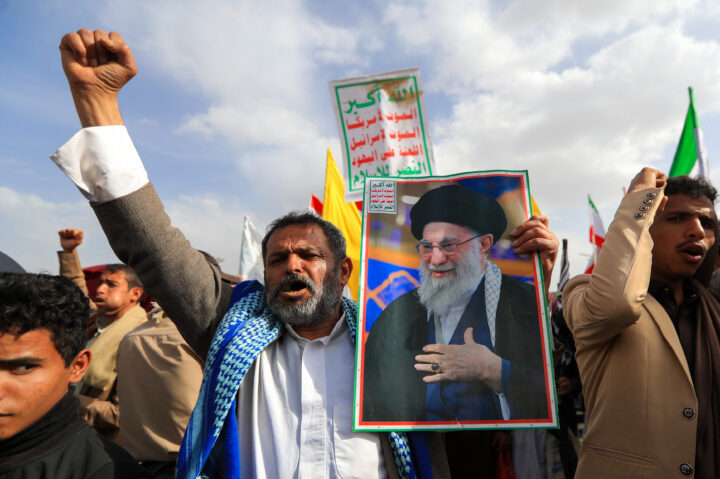
Photo by Mohammed HUWAIS / AFP via Getty Images
A Yemeni supporter of the Iran-backed Houthi movement holds a portrait of Iran's slain supreme leader, Ayatollah Ali Khamenei, during a protest against U.S. strikes on Iran in Sanaa on July 10, 2026.


 Add JewishInsider on Google
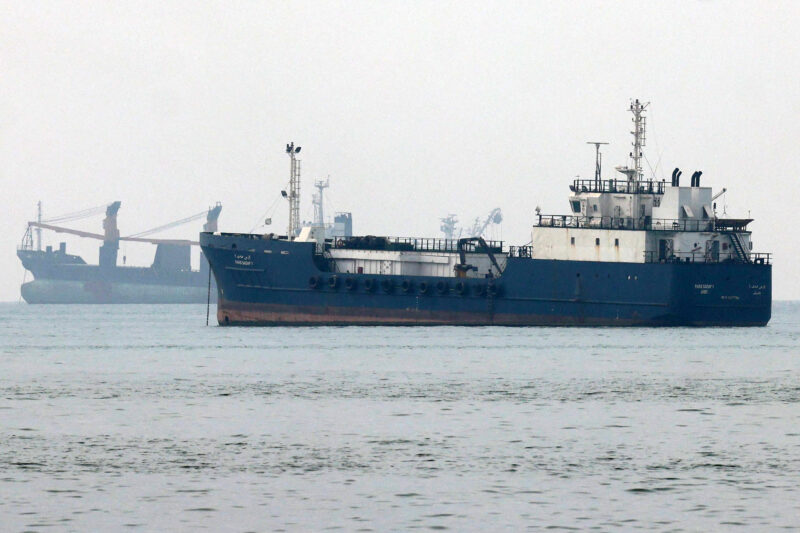
Middle East experts urged members of Congress on Tuesday to empower the Yemeni government and resume diplomatic efforts to constrain the Houthis in Yemen, warning that the Trump administration’s bombing campaign against the Houthis and the subsequent ceasefire have failed to deter the group from targeting commercial shipping in the Red Sea.
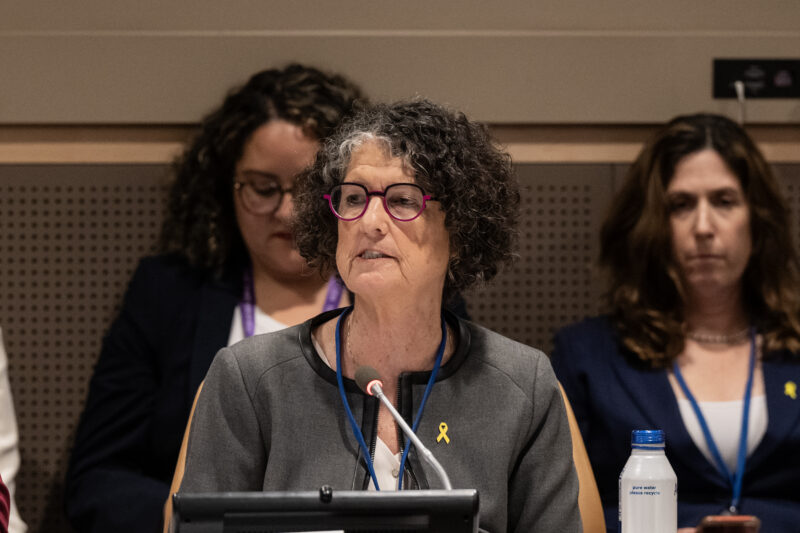
At a House Foreign Affairs Committee Middle East subcommittee hearing on the threats posed by the Houthis to U.S. interests in the Red Sea, Nadwa Al-Dawsari, an associate fellow at the Middle East Institute, and Allison Minor, the director of the Project for Middle East Integration at the Atlantic Council, testified that the Trump administration’s approach to containing the Iran-backed terror group had not sufficiently weakened or deterred it.
“The United States does not have an ambassador appointed to Yemen, to Saudi Arabia or to the UAE, the countries that are most important to resolving the conflict,” Minor said. “We have career diplomats in place as chargé d’affaires, but unfortunately, it’s not sufficient.”
Asked who is filling that void by Rep. Bill Keating (D-MA), Minor replied: “You have caretaker career diplomatic staff in place. I think there are a handful of envoys this administration has appointed for a series of global conflicts. I don’t think they have the bandwidth currently for Yemen.”
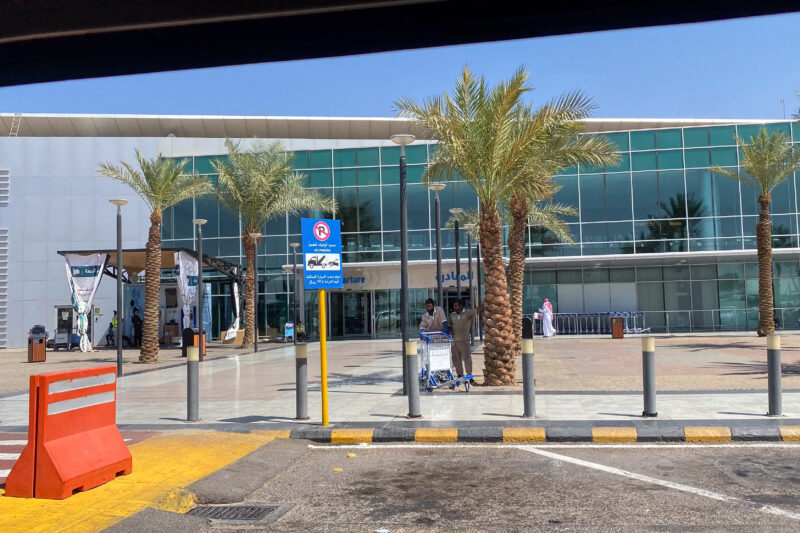
Lawmakers from both parties expressed concern over the negative impact on the economy caused by the Houthis’ repeated disruptions to commercial shipping in the Red Sea, with several connecting the campaign with Iran’s closure of the Strait of Hormuz. (Most recently, the Houthis have been attacking targets in Saudi Arabia, including ships, airports and oil facilities.)
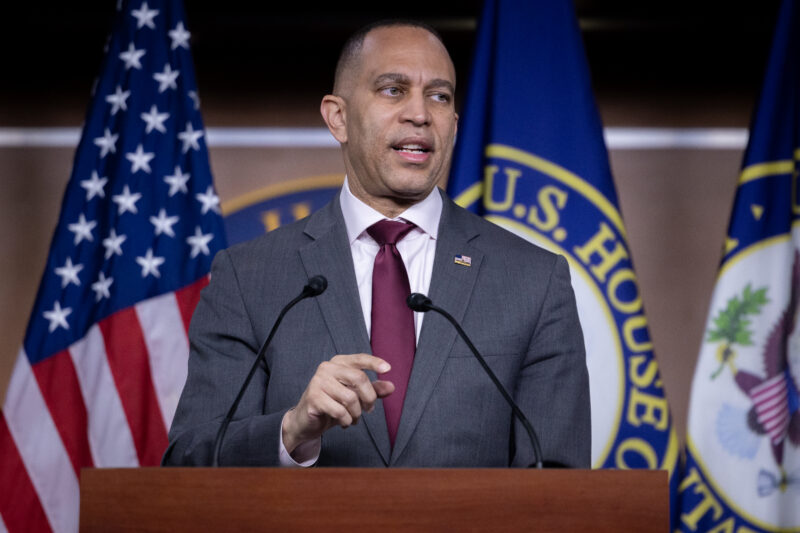
“[The Houthis] have targeted American forces, attacked our partners and threatened commercial vessels transiting one of the world’s most important waterways,” Rep. Mike Lawler (R-NY), who chairs the subcommittee, said.
“Iran transformed a local armed movement into a terrorist organization capable of threatening Americans and disrupting international commerce. … This becomes even more dangerous in Yemen when the Red Sea and the Strait of Hormuz are involved. Iran and its Houthi proxies have now simultaneously put pressure on two of the world’s most important maritime checkpoints.”
Pressed on what Congress could do to protect freedom of navigation and commercial shipping in the Red Sea, Minor warned that, “until we have a durable resolution to this threat, we will continue to see a disruption to commerce that has immediate impacts on global energy markets and long-term consequences for freedom of navigation globally.”
Minor also agreed with Keating’s suggestion that “the closure and the limitation on the Strait [of Hormuz] has given the Houthis even more leverage than before.”
Minor and Al-Dawsari concurred that the Trump administration has failed to develop a durable Yemen policy or provide enough support to the Yemeni government to counter Houthi influence and territorial control.
Both witnesses criticized the ongoing ceasefire between the U.S. and the Houthis as strategically unproductive, pointing to the terrorist group’s increased recruiting numbers and continued attacks on commercial shipping. The two urged the Trump administration to not treat the ceasefire as a long-term strategy.
Al-Dawsari and Minor also rejected the notion that prior U.S. military operations had significantly diminished the Houthis’ ability or willingness to fight.
“U.S. military pressure has imposed real costs on the Houthis, but airstrikes alone will not eliminate the threat,” Al-Dawsari said. “The Houthis have not been degraded.”
“Air strikes have disrupted Houthi operations and … undermined some of their capabilities, but the Houthis have proven that they are able to regenerate some of these capabilities,” she continued. “The Houthis have not engaged in peace negotiations in good faith. They used that time to rebuild their capabilities, recruit more fighters and prepare for the next war.”
Minor argued that, “U.S. airstrikes and Israeli strikes all failed to eliminate Houthi capabilities or alter their strategy. … Each time the Houthis have come under attack from U.S. or Israeli strikes, they have used this to fuel their recruitment.”
Neither witness supported the idea of a U.S. military operation targeting the Houthis involving
ground troops, and both agreed that the Trump administration should fill the vacant U.S. special envoy for Yemen post and surge humanitarian assistance.
But Al-Dawsari and Minor diverged on how to achieve a lasting solution that eliminates the group’s fighting capacity and ensures the Yemeni government can maintain control of the country.
Minor argued that the Trump administration needs to address the lack of a broader American diplomatic apparatus in the region while pursuing a “viable negotiated settlement that can contain Houthi threats while addressing the governance issues that have been fueling this Houthi threat for over a decade.” While Minor did not rule out the viability of military force completely, she urged the U.S. to stop “vacillating between costly U.S. military intervention and disengagement.”
Al-Dawsari, meanwhile, encouraged the Trump administration to partner with Saudi Arabia on a broader effort to provide intelligence and military training, as well as any other assistance, “to support the Yemeni government militarily, politically and economically.” She also urged lawmakers to continue supporting the Houthis’ Foreign Terrorist Organization (FTO) designation.
“The most important source of leverage is territory,” Al-Dawsari said. “The United States needs to do the one thing that it hasn’t done yet: support the Yemeni government to take territory from the Houthis.”
“This is not the United States’ war, and it shouldn’t be,” she argued. “We need to provide [the government] with the necessary military and economic and political support in order to be able to take on the Houthis on their own long-term. That’s the only way to do it. There is no other substitute.”
More Stories
NUCLEAR NEWS
Senate expected to vote on Saudi nuclear deal before end of year
ON DEFENSE
El-Sayed dismisses half-sister’s comments about family’s Muslim Brotherhood ties as ‘hearsay’
DAYLIGHT DEBATE
Brett McGurk pushes back on former Biden WH colleagues who called for greater pressure on Israel
SPENDING SCRAPPED
GOP leadership super PAC cancels spending plans against Rep. Landsman
FOLLOW THE MONEY
Brandeis Center, FDD urge federal court to allow disclosure of campus foreign funding data

PENSION POLITICS
Former NYC comptroller denounces Levine’s decision not to reinvest in Israeli bonds
Please log in if you already have a subscription, or subscribe to access the latest updates.
 Continue with Google
 Continue with Apple