






























High stakes in the Great Lakes
Plus, NYPD says antisemitism surged under Mamdani


 Add JewishInsider on Google
Good Tuesday morning.
In today’s Daily Kickoff, we cover former Israeli Strategic Affairs Minister Ron Dermer’s observations on the U.S.-Israel relationship, and report on new statistics from the NYPD that indicate a rise in antisemitic hate crimes since New York City Mayor Zohran Mamdani took office at the beginning of the year. We look at the challenges facing Sen. Darline Graham in the GOP primary as she makes a bid for a full Senate term, and cover the more than $1.3 billion in security aid requested by nonprofits in 2026. Also in today’s Daily Kickoff: Zach Dell, Iranian Chief Rabbi Yehuda Gerami and Christina Paxson.
We also have a new on-demand Live Briefing that you can access throughout the day via our new app (on Apple and Android) and on our website.
Today’s Daily Kickoff was curated by JI Executive Editor Melissa Weiss and Israel Editor Tamara Zieve, with assists from Danielle Cohen-Kanik and Marc Rod. Have a tip? Email us here.
What We’re Watching
- It’s primary day in Michigan, Kansas, Missouri, Virginia and Washington state.
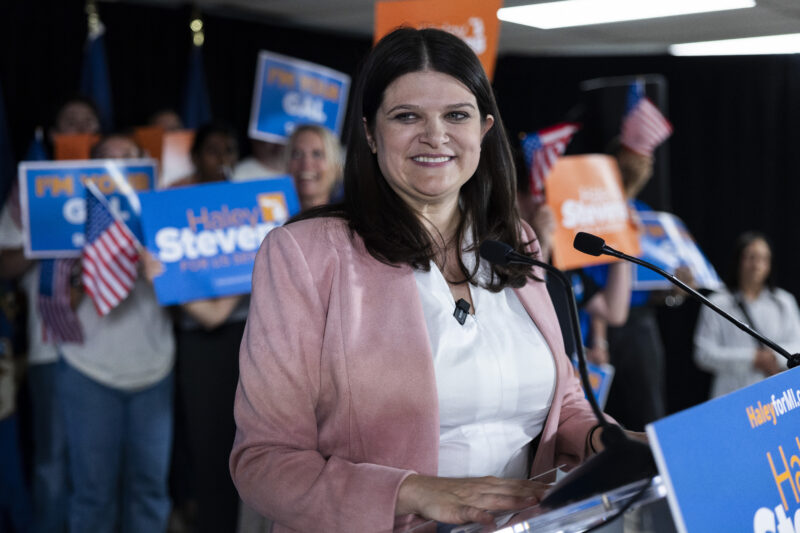
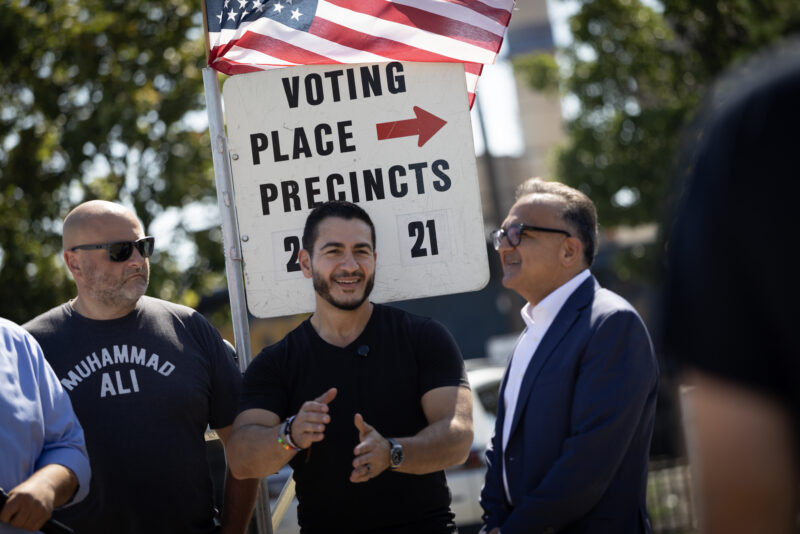
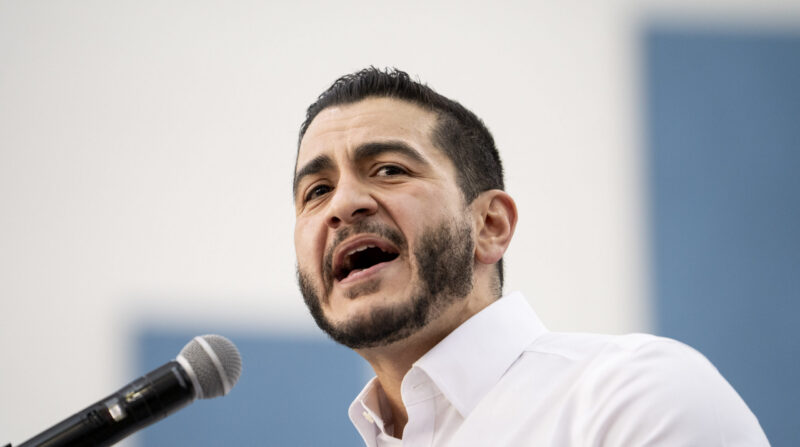
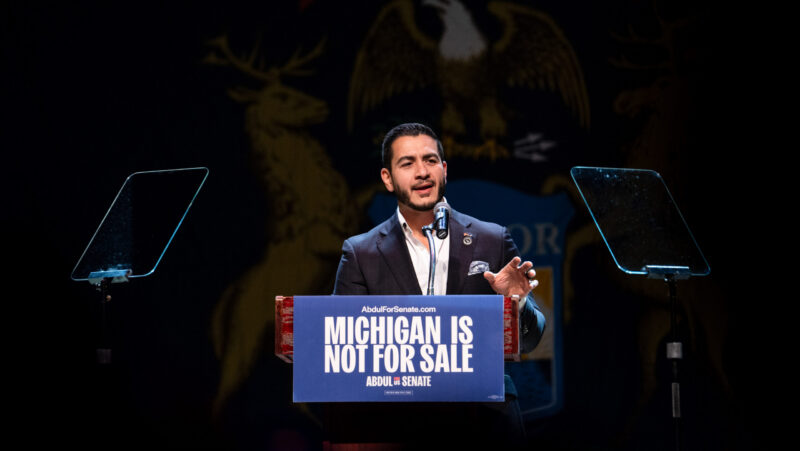
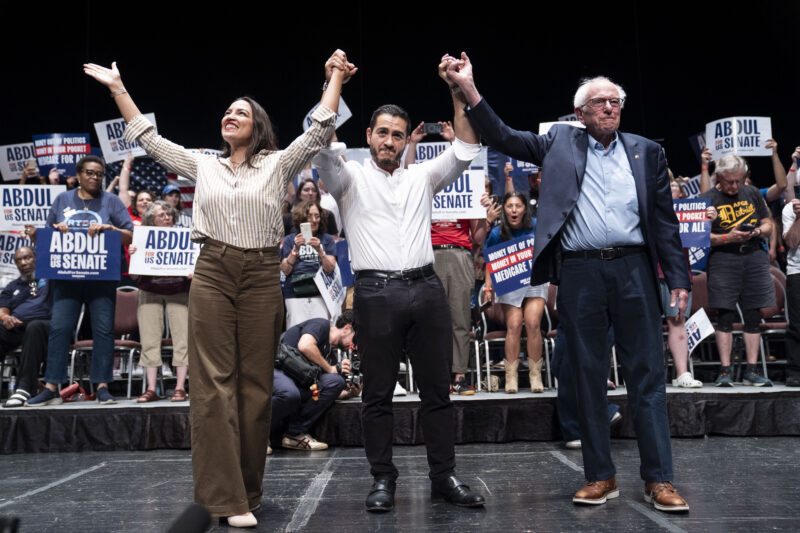
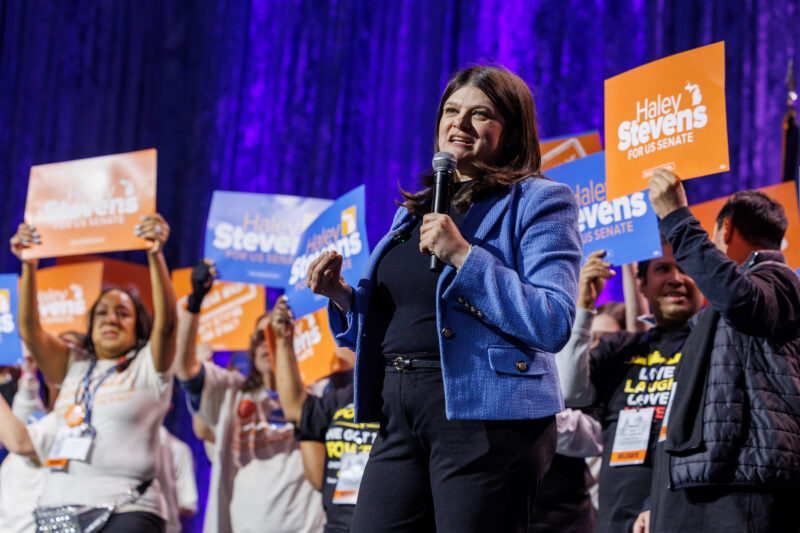
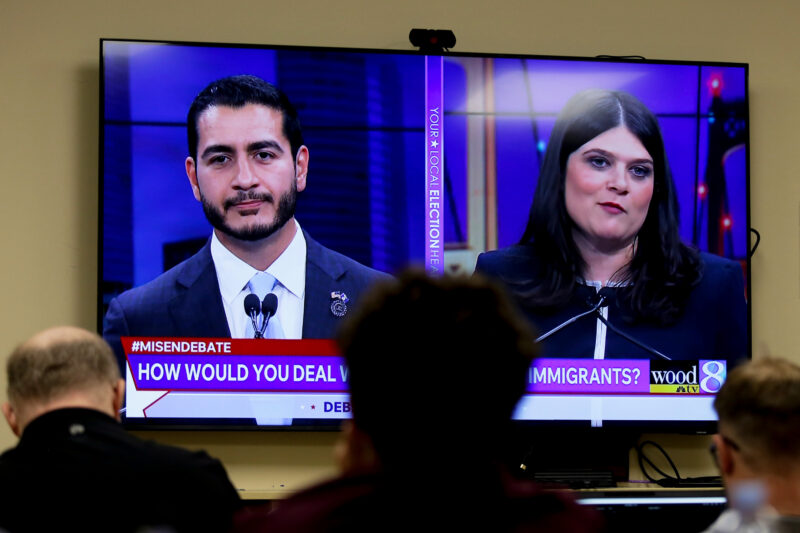
- In Michigan, Democrats will head to the polls to cast their ballots in the heated Senate race between Rep. Haley Stevens (D-MI) and Abdul El-Sayed that has become the latest flashpoint in the party’s debate over its ideological future.
- Among the House primaries we’re watching in Michigan: Rep. Shri Thanedar’s (D-MI) effort to hold onto his seat amid a formidable primary challenge from far-left former state Rep. Donavan McKinney; the Democratic primary to take on Rep. Tom Barrett (R-MI) in which a leading candidate said it was a “moral necessity” to end aid to Israel; and the race for Stevens’ House seat that has been marred by allegations of antisemitism.
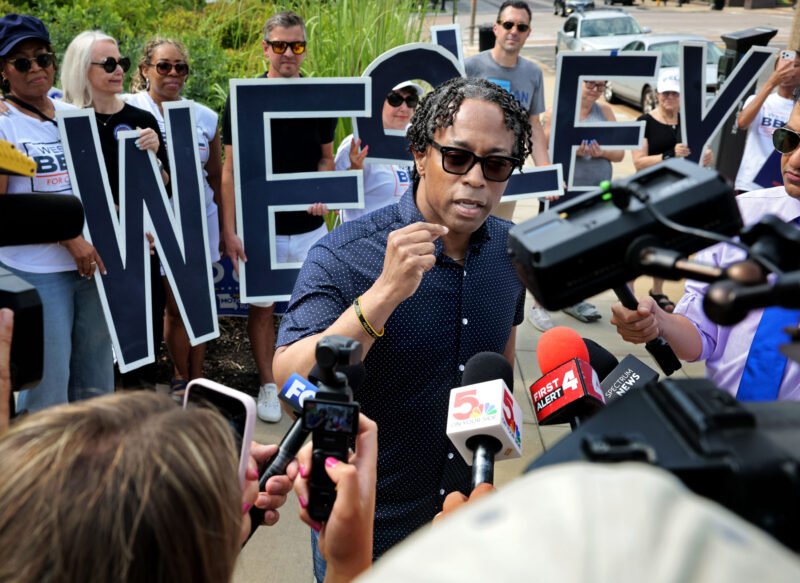
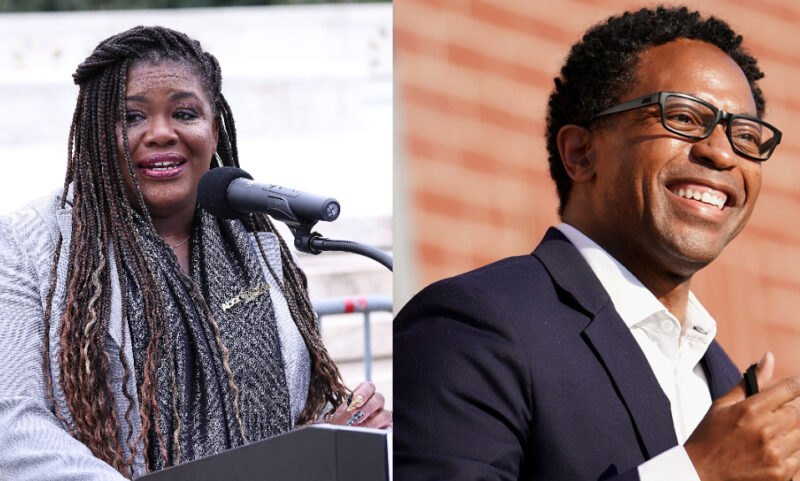
- In Missouri, Rep. Wesley Bell (D-MO) is facing a rematch against former Rep. Cori Bush (D-MO), whom he unseated two years ago. Read more about the race here.
- Israeli and Lebanese officials are meeting today in Rome for the latest round of U.S.-brokered talks aimed at calming tensions along the Israel-Lebanon border and demilitarizing Hezbollah as the Iran-backed group continues to operate in southern Lebanon.
- Iran and Oman are reportedly nearing an agreement on administering the Strait of Hormuz that would see Iran have control over incoming traffic and be able to charge vessels a “service fee” to be split between Tehran and Muscat.
- The Senate Judiciary Committee is slated to vote this morning on Todd Blanche‘s nomination to be U.S. attorney general after Sens. John Cornyn (R-TX) and Thom Tillis (R-NC) dropped their opposition following an announcement Sunday night from Blanche terminating the administration’s controversial anti-weaponization fund that had raised some GOP concerns.
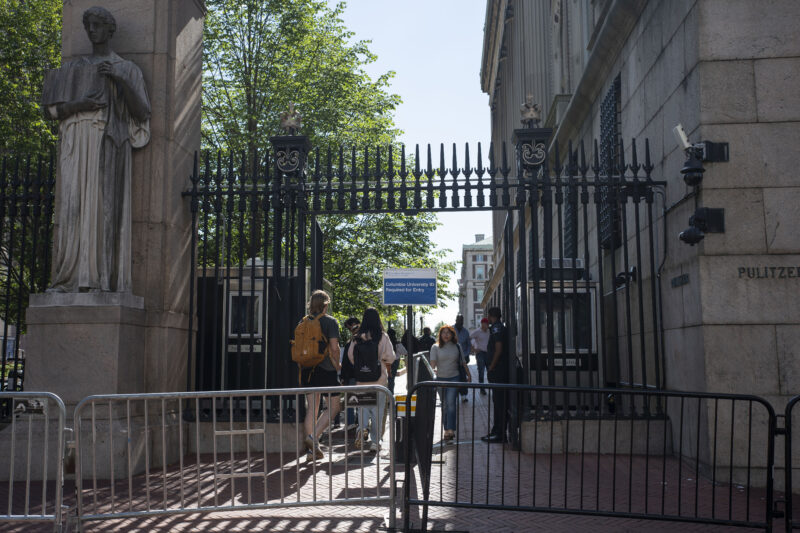
- The Israel on Campus Coalition’s annual National Leadership Summit concludes this afternoon in Washington. Justice Department Assistant Attorney General for Civil Rights Harmeet Dhillon, Sen. John Fetterman (D-PA) and Rep. Elise Stefanik (R-NY) are slated to speak today. More below.
What You Should Know
A QUICK WORD WITH JI’S JOSH KRAUSHAAR
One of the unsettling realities that American Jews have been learning throughout this election cycle is that antisemitic behavior and virulently anti-Israel rhetoric has become so normalized that it doesn’t register all that much politically anymore.
The early tell was discovering that New York City Mayor Zohran Mamdani’s involvement throughout his life in extreme anti-Israel activism didn’t impact his ability to win an election in the city with the largest Jewish population in the world.
Then we learned that disgraced former Maine Senate candidate Graham Platner’s Nazi tattoo — which he later covered up — made very little difference in his political standing in the battleground Senate race. It wasn’t until he was accused of rape that rank-and-file Democrats began to reconsider their support of him.
And today we’re grappling with the possibility that Michigan Senate candidate Abdul El-Sayed, who won’t acknowledge Israel’s right to exist as a Jewish state (like Mamdani before him), could prevail in a Democratic primary in a swing state.
Jews find themselves in the news often these days, and for that reason it makes sense to want to dwell on the extreme, often-antisemitic positions that these radical candidates have espoused.
But as we head into a general election where several far-left candidates will be testing their political viability in competitive states and districts against strong Republican challengers, it’s important to remember that their biggest vulnerabilities are on issues that don’t directly impact the Jewish community.
The reality is that these candidates are politically problematic to the overall public for reasons that go far beyond their views on Jews or Israel. The same Democratic Socialists of America (DSA) platform that rejects a Jewish state and condones terrorism also is one that envisions abolishing prisons and defunding the police and backs open borders.
CONFERENCE CIRCUIT
Interests, not values, drive U.S.-Israel alliance, Ron Dermer says
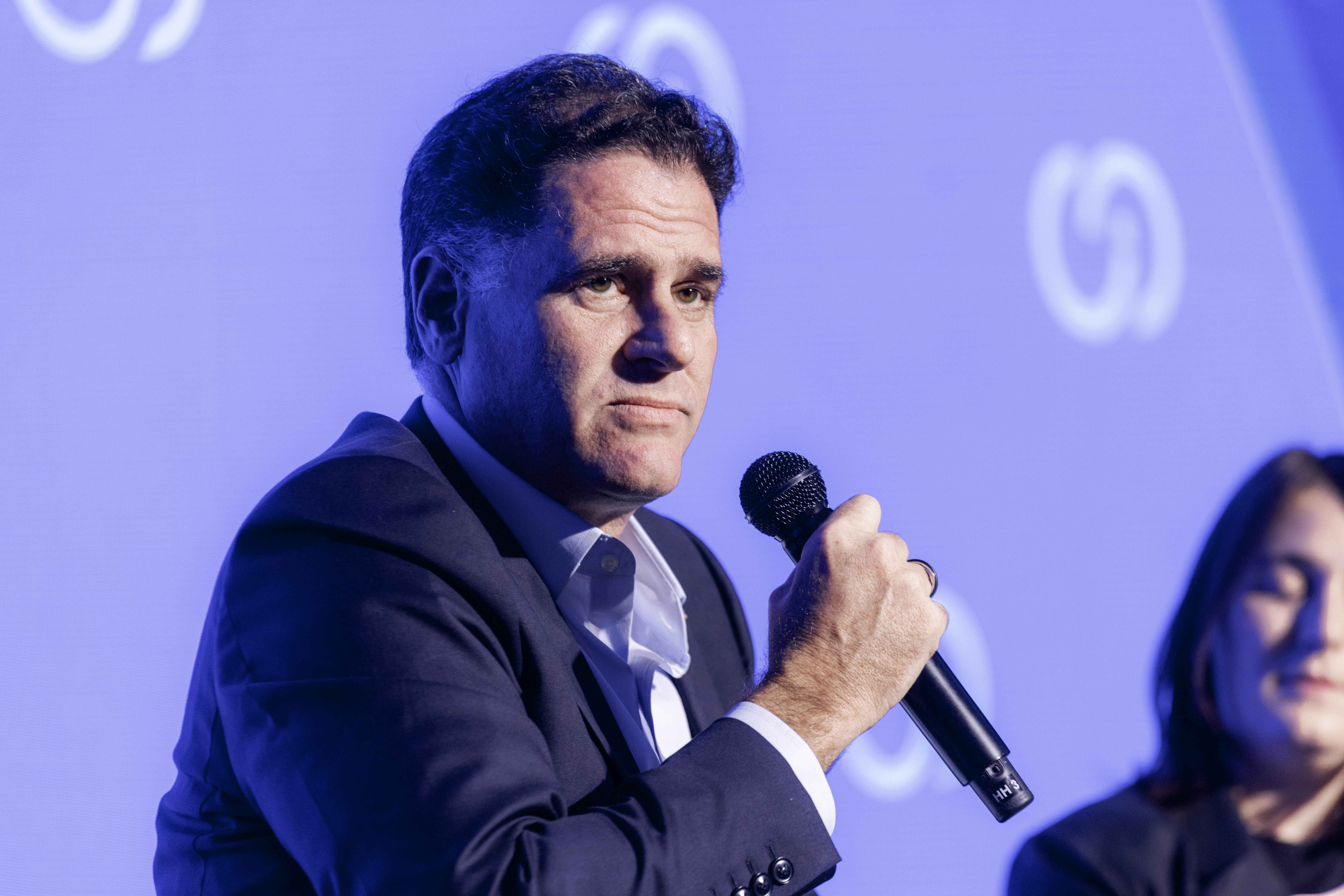
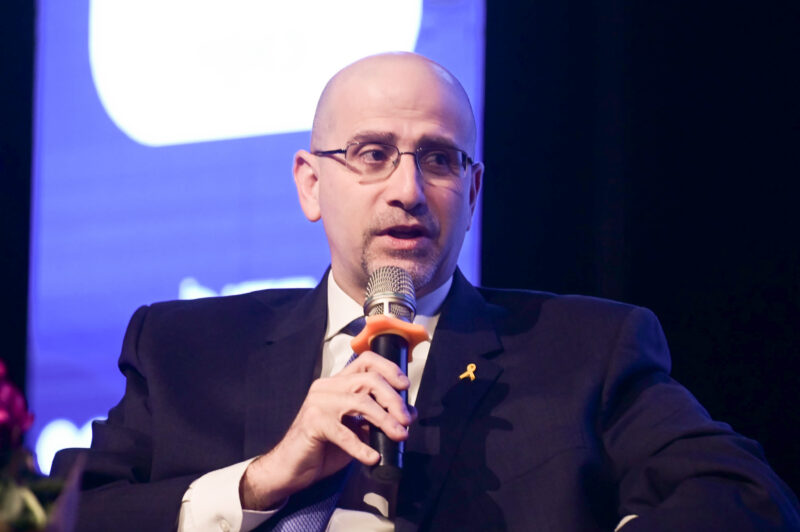
Israel’s relationship with the U.S. depends on mutual interests, not shared values, Ron Dermer, Israel’s former minister of strategic affairs, said on Monday at the Israel on Campus Coalition’s conference in Washington. “The problem people have is they romanticize the U.S.-Israel relationship. People think the U.S. has always been a strategic ally from day one,” Dermer said, Jewish Insider’s Haley Cohen reports.
What he said: “Don’t get me wrong, Israel has shared values with the United States. But that’s not what drives relations between states,” said Dermer. “So you ask me, ‘What’s going to be with the U.S.-Israel alliance long-term?’ Values is not what drives the alliance — It’s actually the interests that make the difference,” Dermer said.
MEETING ADJOURNED
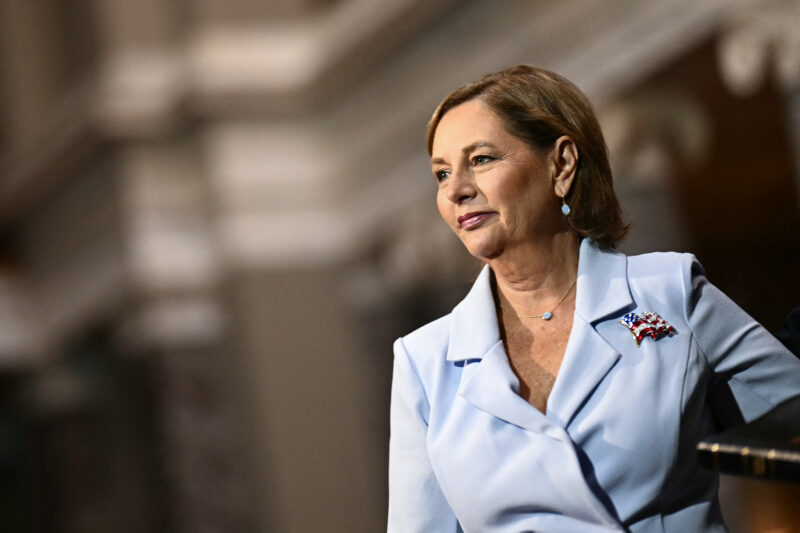
Sen. Darline Graham, backed by Trump, still faces obstacles in bid to succeed brother in the Senate
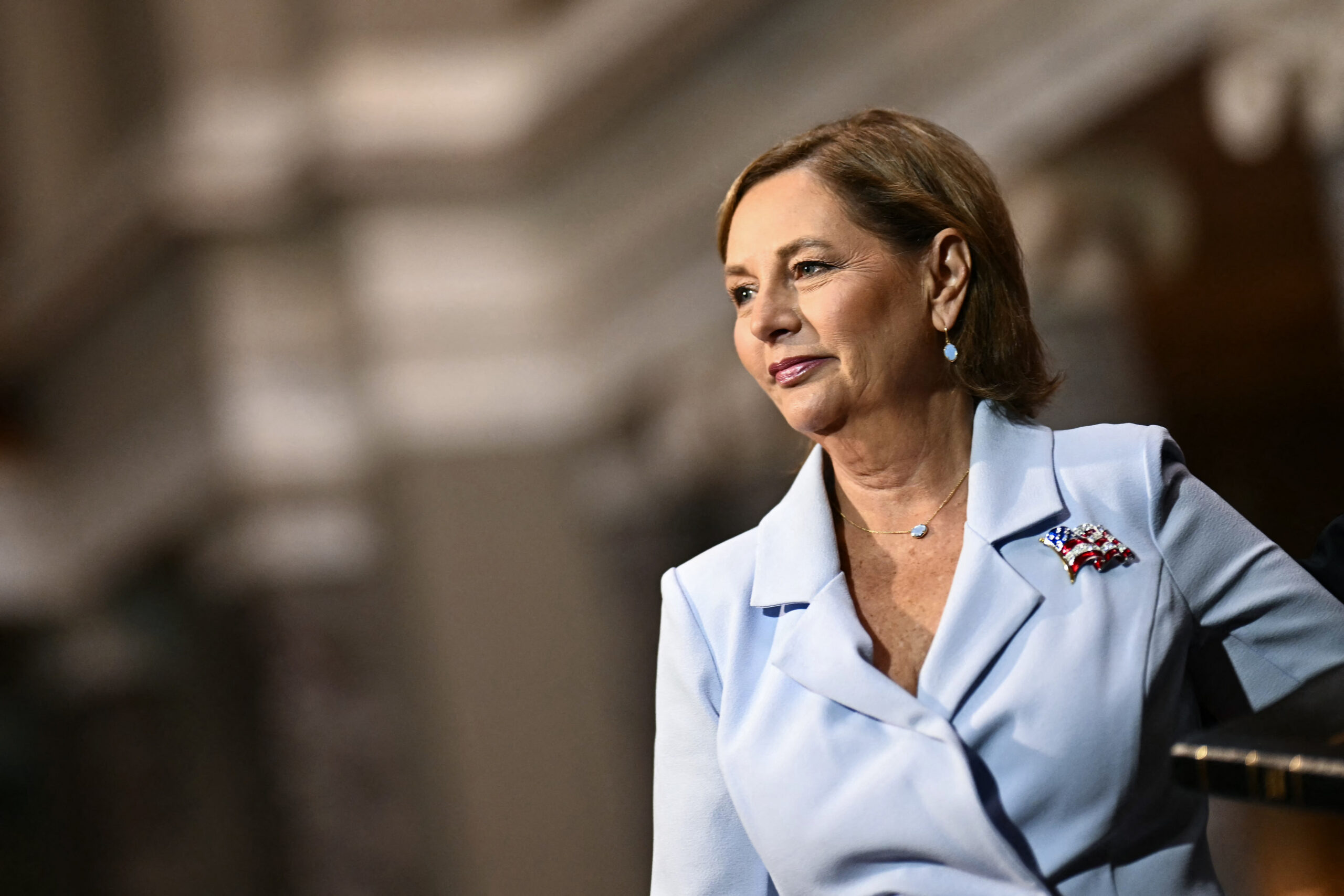
Sen. Darline Graham’s (R-SC) bid to succeed her late brother in the Senate is facing growing skepticism from Republican operatives and lawmakers who say President Donald Trump’s endorsement is unlikely to spare her from a runoff in South Carolina’s special GOP primary next week, Jewish Insider’s Emily Jacobs reports.
Special election forecast: Over the last week, six senior GOP campaign operatives and Republican lawmakers told JI that they believe a runoff is all but certain after the Aug. 11 special election primary, with most predicting Graham will not be able to clinch a majority of the vote to avert one as her brother, the late Sen. Lindsey Graham (R-SC), did with his June primary victory. “The sense that this is going to go to a runoff seems pretty clear,” Doug Heye, a Republican strategist who served as communications director for the Republican National Committee and a deputy communications official for former House Majority Leader Eric Cantor (R-VA), said. “What happens after that is anyone’s guess.”
CENTER STAGE
Trump official and Brookings scholar clash over campus antisemitism crackdown

A senior Trump administration official and a journalist clashed during a Monday debate over whether the White House’s crackdown on campus antisemitism protects or threatens America’s liberal norms. The debate, held at the Israel on Campus Coalition’s National Leadership Summit in Washington, featured Noah Pollak, a senior advisor at the Education Department, who argued that the controversial crackdown is good for the country, and Jonathan Rauch, a senior fellow at the Brookings Institution and contributing writer for The Atlantic, who made the counterargument, Jewish Insider’s Haley Cohen reports.
The arguments: After the Oct. 7, 2023, Hamas terror attacks in Israel, “university leaders chose not to enforce the rules for one group of people,” said Pollak. “As long as it was leftists and pro-Palestine people [leading protests], it was considered fine.” Rauch said, “Noah and I agree on the use of legitimate legal process by this or any administration to ensure that everyone’s civil rights are protected. Where we disagree is that the line has got to be due process. They must not go beyond that. It’s bad for Jews because we of all people know the importance of law.”
GROWING THREAT
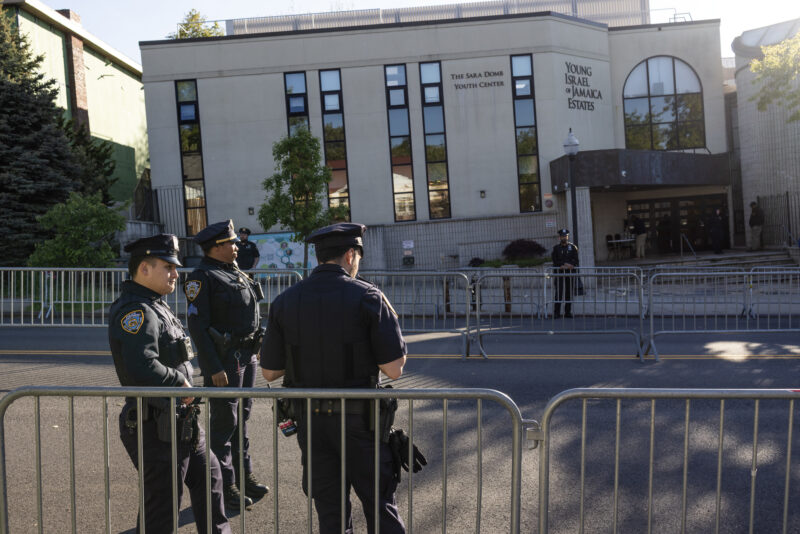
Anti-Jewish hate crimes on the rise under Mamdani, NYPD stats show

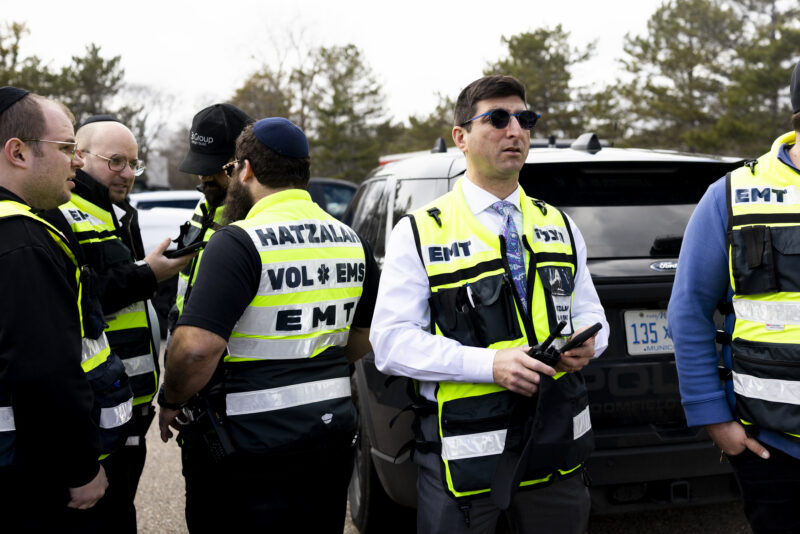
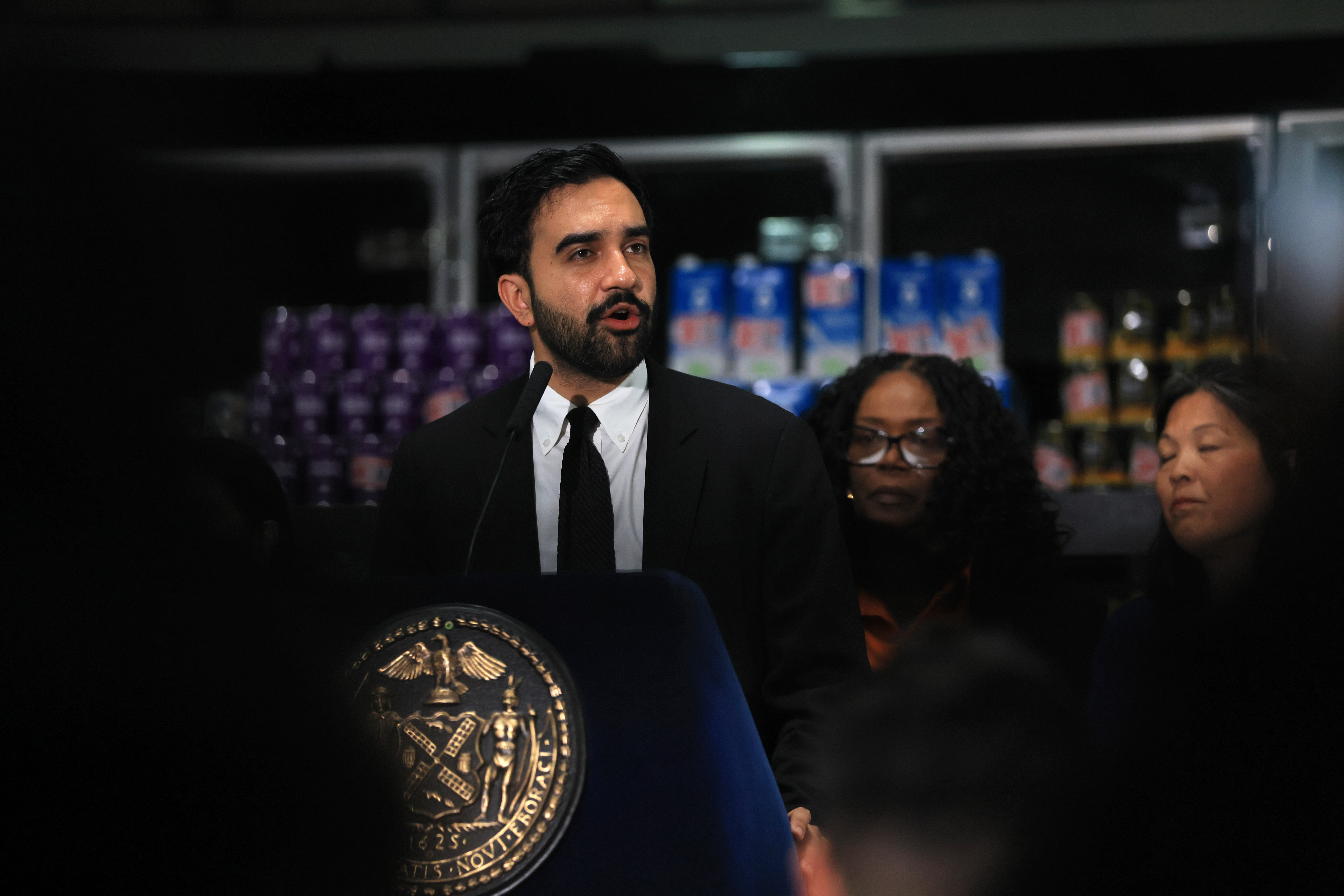
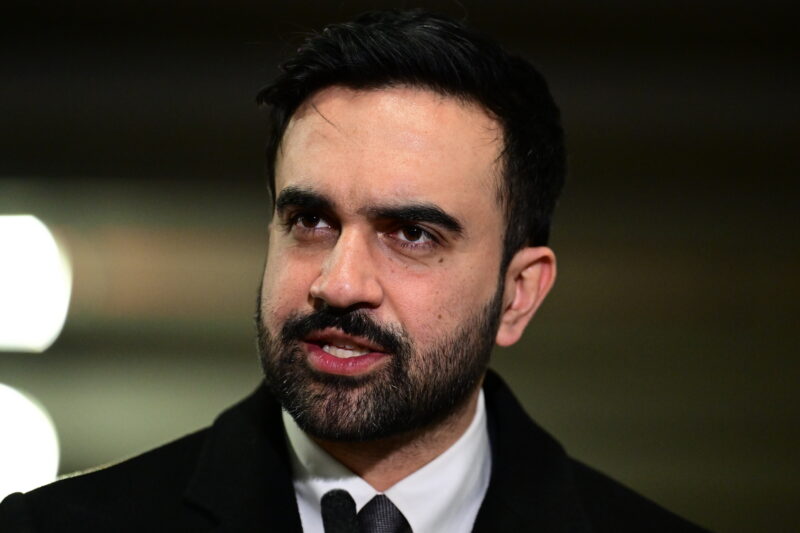
Hate crimes — particularly against Jews — have spiked in New York City during the first seven months of Mayor Zohran Mamdani’s administration, new data from the NYPD shows. The police department’s July statistics show general declines thus far in 2026 shootings and murders, and even in hate crimes against certain ethnic groups. But bias offenses were up overall last month, and during the entire period since Mamdani took office on the first of the year, with hate crimes targeting Jewish New Yorkers continuing to make up the majority of such incidents, Jewish Insider’s Will Bredderman reports.
Breaking it down: “More than half of the confirmed hate crimes for the first seven months of the year, or 56.9%, were anti-Jewish hate crimes, despite Jewish New Yorkers making up only 10% of the city’s population,” the NYPD’s report states. There were 23 confirmed hate crimes against Jewish people in July of this year, compared to 15 in July 2025. To date, the Jewish community has suffered 205 confirmed criminal antisemitic incidents during Mamdani’s first seven months at City Hall, compared to 189 such transgressions up to this point in the final year of Mayor Eric Adams’ tenure.
MONEY MATTERS
Nonprofit groups requested more than $1.3 billion in security aid in 2025, five times the amount available

Nonprofit groups, including religious institutions, requested more than $1.3 billion in funding from the Nonprofit Security Grant Program in 2025, around five times the $266 million that was ultimately available, a Federal Emergency Management Agency spokesperson told Jewish Insider’s Marc Rod.
By the numbers: In total, more than 8,000 institutions applied for funding, of which around 1,600 received funding — an acceptance rate of around 20%. FEMA initially disclosed in a press release last week that state-level administrative agencies had forwarded 6,000 applications to FEMA for federal review, but the spokesperson told JI that the state level agencies had received more than 8,000 total applications.
TEHRAN TALK
Iranian regime ‘won’t make it’ to the end of Trump’s term, former NSC official predicts

Robert Greenway, who led the Middle East and North Africa portfolio on the National Security Council during President Donald Trump’s first administration, predicted to Jewish Insider’s Marc Rod in an interview last month that the Iranian regime would not “make it” to the end of Trump’s time in office.
Notable quotable: “We’ve really put ourselves in a position where we’ve got massive leverage. Their economy is virtually non-existent. I think it’s dead. We’re just waiting for the funeral, I think their political leadership is in turmoil,” Greenway said in an interview on the sidelines of the Aspen Security Forum. “The military has been decimated, and very little capacity remains to threaten the United States and our interests. That’s the reality of it. Despite claims to the contrary — those are not serious claims. They’re not supported by the facts.”
Worthy Reads
Kicking the Can: The Wall Street Journal’s Gerard Baker posits that the war with Iran will not be resolved until the next presidential administration. “The initial temptation is to say that how it ends is less important than that it ends, that when you’re in the middle of an unfolding calamity, getting out is your only priority. But just as you can blunder into a war, you can blunder out of one. … But we know too that to double down is to fall prey to the timeworn seduction of the sunk-cost fallacy: We’ve invested so much in this effort that to abandon it now would be worse. In war this fallacy is especially, tragically persuasive.” [WSJ]
Toughening Tehran: In The Washington Post, the Foundation for Defense of Democracies’ Behnam Ben Taleblu suggests that years of muted Western responses to Iran have emboldened the regime to carry out increasingly brazen attacks. “For starters, Tehran has come to believe it can prevail in a battle of wills. Despite being militarily outclassed by a nuclear-armed global superpower, Washington’s unwillingness to engage in a protracted war that would further spook oil markets, negatively impact midterms and expend precious munitions like interceptors is by now obvious.” [WashPost]
Find more Worthy Reads in our Live Briefing via our new app (on Apple and Android) and website.
Word on the Street
In a post on his Truth Social platform on Monday, President Donald Trump accused Iran of being “unbelievably duplicitous,” after Tehran denied any negotiations were taking place with the U.S…
Following a meeting on Monday between Board of Peace officials and Israeli Prime Minister Benjamin Netanyahu — and days after its high representative Nickolay Mladenov said Israel’s withdrawal from Gaza would “move in lockstep with decommissioning” — Mladenov said that “the withdrawal of the IDF beyond the Yellow Line will take place only once decommissioning is complete, as Hamas committed to the mediators”…
In a Monday evening phone call with Rep. Max Miller (R-OH), Trump said he doubted that Miller’s reelection effort could survive allegations of domestic abuse by his ex-wife, who is the daughter of Sen. Bernie Moreno (R-OH), and the couple’s young daughter…
The New York Times looks at Ronald Lauder’s political giving, finding that Lauder, a longtime donor to GOP political efforts and candidates who in 2022 spent $13 million to boost GOP House candidates, has halted his giving to the party; one individual who spoke to the Times said the pivot stemmed from a decision made by the 82-year-old Lauder and his adult children to refocus on art and philanthropic projects…
Brown University President Christina Paxson announced on Monday that she will step down from her position at the end of the 2026–27 academic year, concluding a 15-year tenure at the Ivy League, as the school increased Jewish student enrollment even as most peer institutions experienced significant drops, Jewish Insider’s Haley Cohen reports…
The Wall Street Journal spotlights efforts by Base Power, which recently closed a $1 billion funding round, and its cofounder Zach Dell, the son of tech founder and philanthropist Michael Dell, as the company looks to expand its footprint in the battery storage industry…
A New York man facing manslaughter charges in connection with a May hit-and-run in which Jewish journalist Cara Trager was killed was arraigned on hate crimes charges stemming from an incident that occurred weeks prior to the accident in which he vandalized a kosher bagel shop that had Israel flags on display…
The Wall Street Journal profiles Rabbi Yehuda Gerami, the chief rabbi of Iran who leads the roughly 20,000-strong Jewish community in the Islamic Republic…
Major League Soccer is investigating a weekend incident in which supporters of CF Montreal hurled antisemitic insults at an Israeli player on the opposing New England Revolution; in its own statement, New England Revolution condemned the “antisemitic and discriminatory abuse” directed at forward Dor Turgeman…
Former Dallas Mavericks owner Mark Cuban said he’s “open to” buying a minority share of the Dallas Cowboys, whose owner, Jerry Jones, told the Dallas Morning News, is similarly open to selling to him…
Israeli Defense Minister Israel Katz walked back comments made on Israeli television over the weekend in which he indicated that he would fire Maj. Gen. Avi Bluth, the head of Israel’s Central Command, after Katz’s comments on Israel’s Channel 14 reportedly drew the ire of Israeli Prime Minister Benjamin Netanyahu…
A Tel Aviv University analysis of Central Bureau of Statistics data found that 90,922 Israelis left the country for three months or more in 2025, sustaining record emigration levels well above the annual average of about 60,000 in the previous decade…
The New York Times spotlights the thousands of civilian sailors working on ships transiting through the Strait of Hormuz who have been stranded on ships unable to transit through the waterway or, in some cases, held on ships that have been seized by Iran’s Islamic Revolutionary Guard Corps…
Visa said it was acquiring Israeli online fraud detection company BioCatch for $2.4 billion…
Find on-demand Live Briefing updates throughout the day via our new app (on Apple and Android) and website.
Pic of the Day

Israeli President Isaac Herzog received the credentials of Chilean Ambassador to Israel Gabriel Alejandro Zaliasnik, one of six envoys to present their credentials to the president on Monday. Zaliasnik’s appointment comes nearly three years after the South American country — along with Honduras, which also returned its ambassador to Israel this week — recalled its ambassador to Israel following the Oct. 7, 2023, Hamas terror attacks in protest over the ensuing war in Gaza.
Birthdays
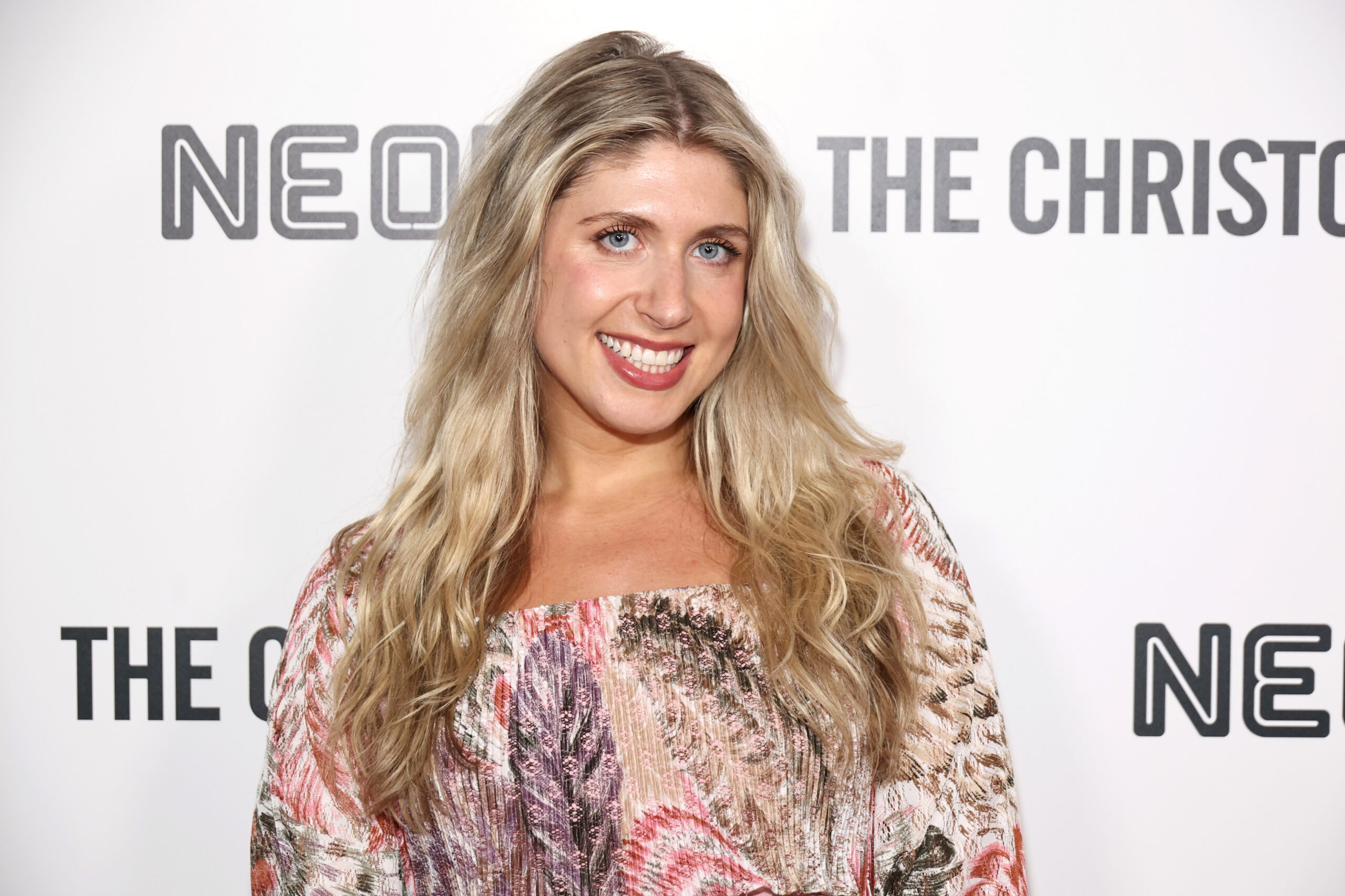
Tiktoker, comedian and influencer, Sabrina Plon Brier turns 32…
Professor emerita of American history at Yeshiva University and Stern College, she is an expert on the history of McCarthyism, Dr. Ellen Wolf Schrecker turns 88… Talmudic scholar and a leader of New York’s Sephardic Jewish community, Rabbi Eliyahu Ben Haim turns 86… President at Salco Mechanical, Michael Salzberg… Rabbi of Centro Israelita de Bogotá and chief rabbi of Colombia, Alfredo Goldschmidt turns 81… Immediate past board chair of the Jewish Funders Network, Marcia Riklis… Former SVP and chief growth officer at the NYC HQ of the ADL, now a board member of the Jewish Democratic Council of America, Frederic Lewis Bloch… Former Ashkenazi chief rabbi of Israel, Rabbi Yona Metzger turns 73… Retired professor in Memphis, Sheldon Dan… Former longtime member of the Knesset for Likud including multiple ministerial positions, Silvan Shalom turns 68… Executive producer of “Live with Kelly and Mark,” Michael Gelman turns 65… 44th president of the United States, Barack Obama turns 65… Mayor of Chicago from 2019 until 2023, Lori Lightfoot turns 64… Attorney general of Minnesota, Keith Ellison turns 63… Administrative manager at Edelman, Helen Lapkovsky… Global editorial director for PwC and editor-in-chief of PwC’s management magazine strategy+business, Daniel Gross turns 59… Editor-in-chief of Cuepoint at Medium, he is known as Shecky Green, Jonathan Miles Shecter turns 58… Congressman (D-NY), he is the minority leader of the House of Representatives, Hakeem Jeffries turns 56… Chief political anchor and host of Fox News’ “Special Report,” Bret Baier turns 56… Emmy Award-winning broadcast meteorologist at WJLA-TV in Washington, D.C., Steven Rudin… Former Washington director of Bend the Arc Jewish Action, Rabbi Jason Kimelman-Block… Former director-general of the U.N. Educational, Scientific and Cultural Organization, Audrey Azoulay turns 54… Executive editor and host at City Cast, Michael Schaffer… Chair of the Arizona Democratic Party from 2011 through 2012, he is a former White House speechwriter, Andrei Cherny turns 51… VP of communications at Arctic Wolf, Caren Beth Auchman… CEO of Something Major, a leadership coaching and advisory firm, she is the author of Something Major: The New Playbook for Women at Work, Randi Braun… Director of corporate growth strategy in the geostrategic business group at EY-Parthenon, Ben-Ari Boukai… CRO and co-founder at Riverside.fm, Jonathan Keyson… Childhood student at the Donna Klein Jewish Academy in Boca Raton, Fla., he is a placekicker in the NFL, Greg Joseph turns 32… Natalie Roberts… Evelyn Murphy…







Please log in if you already have a subscription, or subscribe to access the latest updates.
 Continue with Google
 Continue with Apple