






















































Top Armed Services Democrat flips on U.S.-Israel cooperation provision in defense bill
Adam Smith, a reliable supporter of Israel, said he would now join progressives in his party to oppose a provision bolstering a close U.S.-Israel alliance
Eric Lee/Bloomberg via Getty Images
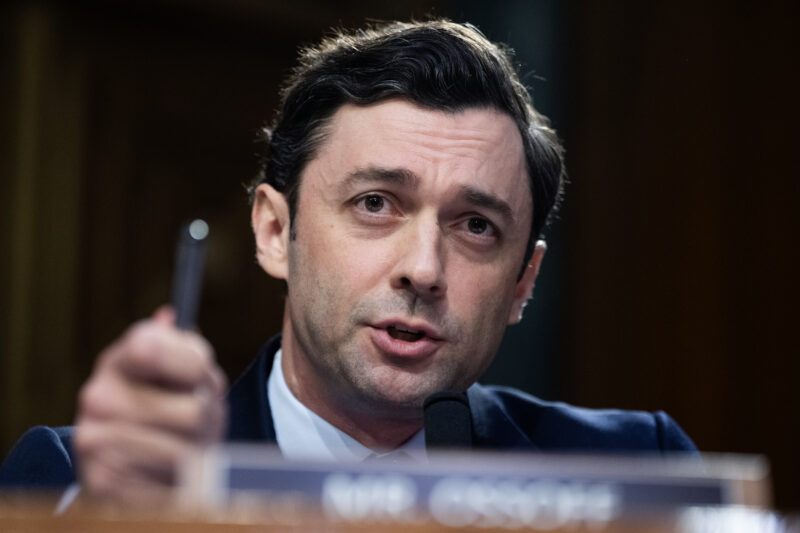
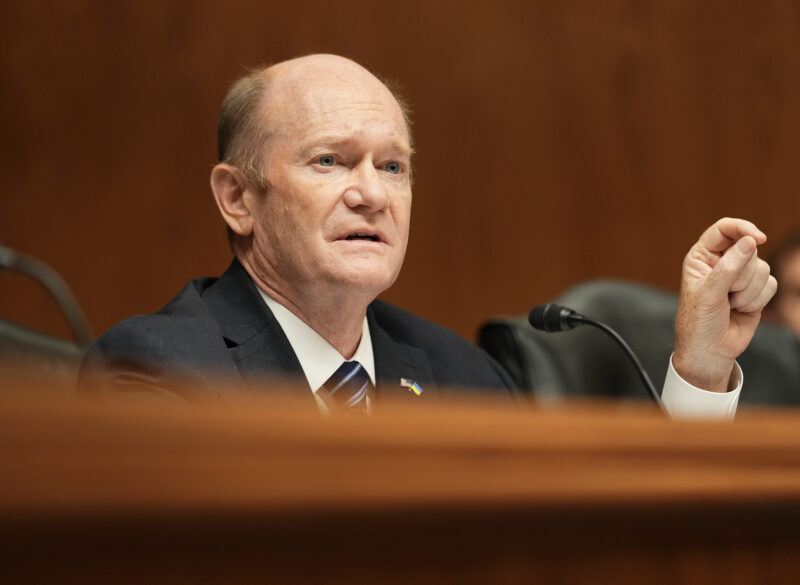
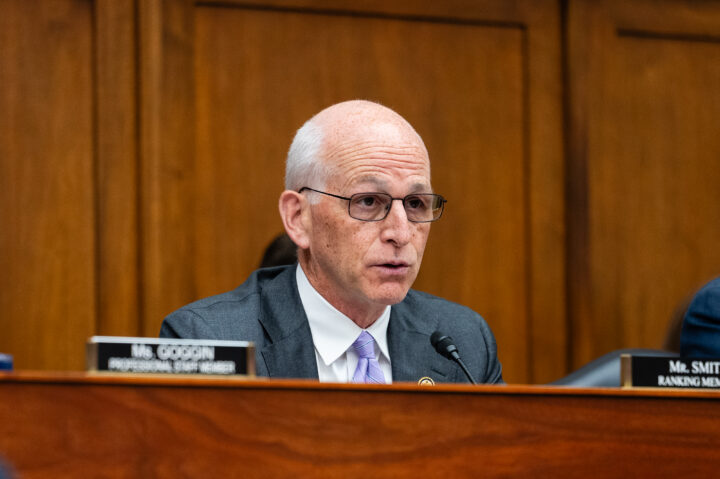
Rep. Adam Smith (D-WA), ranking member of the House Armed Services Committee, during a hearing on May 14, 2026.


 Add JewishInsider on Google
Rep. Adam Smith (D-WA), the top Democrat on the House Armed Services Committee, now says he plans to support efforts to strip a provision on U.S.-Israel cooperation from the 2027 National Defense Authorization Act, after arguing strenuously against similar efforts during the committee’s markup of the same bill weeks ago.
The provision, based on the FUTURES Act, is relatively routine, creating a single official to oversee all U.S.-Israel cooperative programs in developing and acquiring defense technologies, and builds on existing programs. But critics have falsely claimed the provision would irrevocably link the U.S. and Israeli militaries and undermine American sovereignty.
Smith himself said during the committee markup that the way critics have described the amendment “is simply not accurate” and that the provision should not be treated as a referendum on the U.S.-Israel relationship.
In a message to constituents viewed by Jewish Insider, Smith said he now supports removing the provision.
“I previously opposed removing Section 224 because I looked at the ways the provision benefits the U.S. and helps us improve our anti-drone and anti-missile technologies,” Smith said in the message. “I still believe that Section 224 is something that primarily benefits the U.S., but after several conversations with constituents, I agree with the position that this provision is about more than just the U.S. working to improve our defense technology.”
Smith described his new opposition as based on Israeli activities in Gaza, the West Bank, Lebanon and Iran — despite arguing just weeks ago that, “taking a step back from using technology that is available to us just because we strongly disagree with where Israel is at right now, I think would be a mistake.”
“In the context of these ongoing conflicts, Section 224 carries meaning beyond the plain text substance of the provision. I want to advocate for peace and pressure Israel to meaningfully work with partners in the region to bring these conflicts to an end,” Smith said. “I cannot support endless conflict even though I support Israel’s right to exist. For these reasons, I will vote to remove Section 224 from the National Defense Authorization Act if it comes to the Floor.”
He emphasized in his message his criticisms of Israel and suggested that constituent feedback on the issue had helped shape his changing position on the subject — an indication of how grassroots pressure in blue districts is pushing traditionally pro-Israel members to the left on Israel policy issues.
Smith said previously that the amendment is ultimately a boon to the U.S. military by allowing it to benefit from Israeli innovations, and that its actual impacts are relatively minor.
“This is not a new framework,” Smith said during the committee meeting, noting that the U.S. already has three existing cooperative programs with Israel to develop new technologies, and that the provision does not create any new programs. “To say that this is us bowing to the bidding of Israel on this is completely inaccurate. The reason we’re doing this is because we benefit from that technology development.”
Smith did not respond to a request for comment about his new position on the provision.
An effort to strip the provision out of the bill did not come to a recorded vote in the committee — they were blocked by a voice vote. But Smith’s newfound support for removing it suggests that a significant number of Democrats will vote similarly.
More Stories
POLICY PIVOT
On Oct. 7 anniversary, senior Democrats call for changes in U.S.-Israel policy

FUNDRAISER FALLOUT
Attendee at El-Sayed fundraiser bragged about beating up pro-Israel demonstrator
Daily Overtime
Trump rules out pre-midterm Iran strikes

Daily Overtime
Jewish leaders press Miliband on U.K. antisemitism
EXCLUSIVE
Colorado senators introduce bill to expand federal security grant program

Daily Kickoff
Three years, familiar fears on 10/7 anniversary
Please log in if you already have a subscription, or subscribe to access the latest updates.
 Continue with Google
 Continue with Apple